Consumer Insights
Uncover trends and behaviors shaping consumer choices today
Procurement Insights
Optimize your sourcing strategy with key market data
Industry Stats
Stay ahead with the latest trends and market analysis.
Glioblastoma is an aggressive primary brain tumor characterized by rapid growth and poor prognosis. According to Domingos Roda et al. (2024), its global incidence is fewer than 10 cases per 100,000 people, accounting for approximately 16% of central nervous system tumors and 54% of all gliomas. As per the glioblastoma epidemiology forecasts by Expert Market Research, disease burden trends inform market assessment, including brain cancer treatment needs.
Base Year
Historical Period
Forecast Period
Read more about this report - REQUEST FREE SAMPLE COPY IN PDF
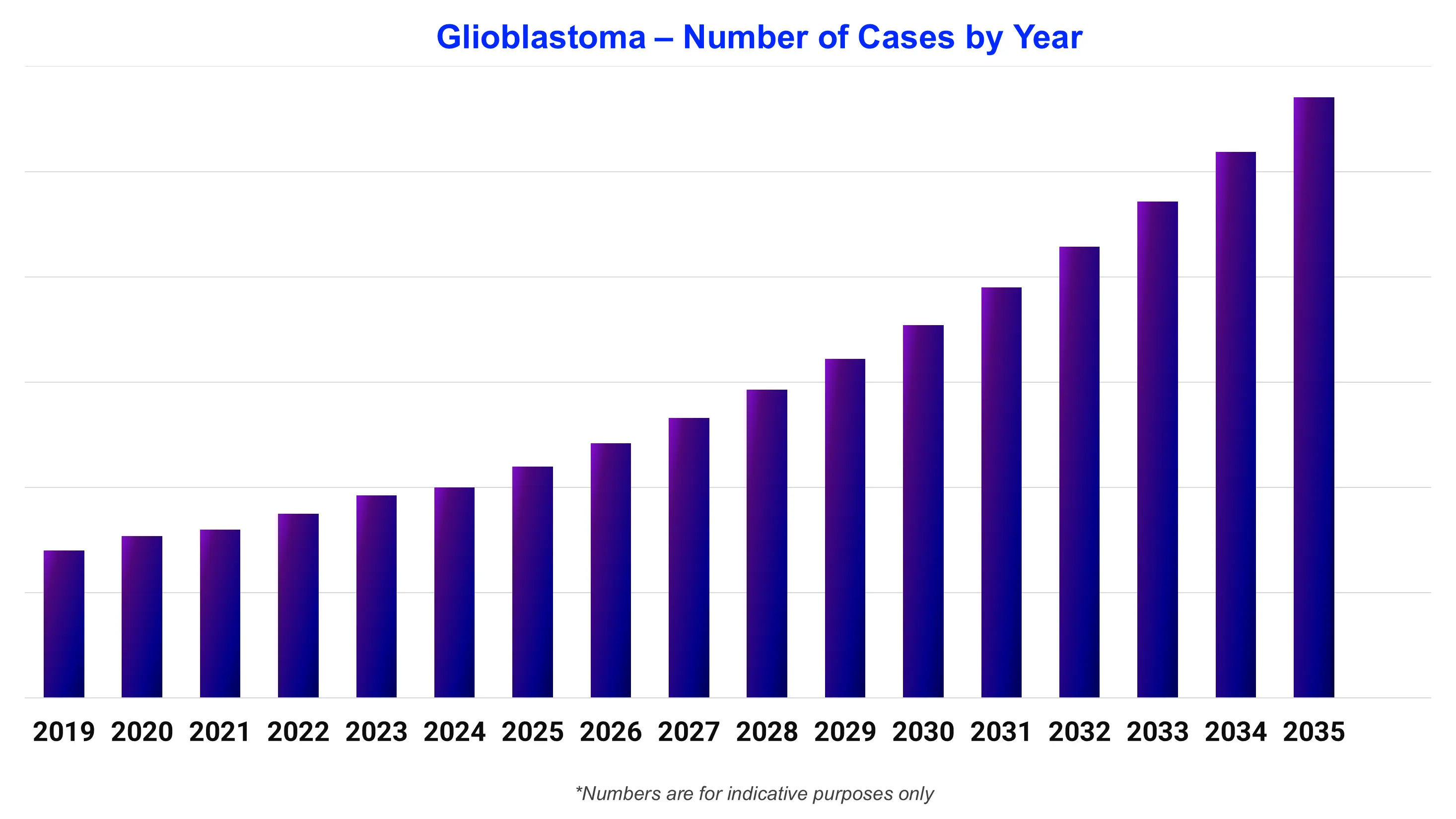
Expert Market Research's “Glioblastoma Epidemiology Forecast Report 2026-2035” offers comprehensive information on the prevalence and demographics of glioblastoma. It projects the future incidence and prevalence rates of glioblastoma cases across various populations. The study covers age, gender, and type as major determinants of the glioblastoma population. The report highlights patterns in the prevalence of glioblastoma over time and projects future trends based on multiple variables.
The report provides a comprehensive overview of the disease, as well as historical and projected data on the epidemiology of glioblastoma in the 8 major markets.
Regions Covered
Glioblastoma is an aggressive primary malignant brain tumor that develops from glial cells in the central nervous system. It is classified as a World Health Organization (WHO) grade 4 diffuse glioma and is characterized by rapid growth, extensive infiltration into surrounding brain tissue, and a high risk of recurrence. Most cases arise without a clearly identifiable cause, although specific molecular alterations contribute to tumor development. Glioblastoma is classified using histological and molecular characteristics, including isocitrate dehydrogenase (IDH) status. Its infiltrative nature makes complete surgical removal challenging, creating a substantial need for improved brain tumor diagnostics and treatment strategies.
|
Parameter |
Insight |
|
Largest Patient Pool |
United States |
|
Fastest Growing Country |
India |
|
High-Risk Population |
Older adults, particularly those aged 65 years and older, and men. Glioblastoma incidence increases with age, although it can occur at any age |
|
Key Diagnostic Method |
Magnetic resonance imaging (MRI), followed by surgical biopsy or tumor resection and histopathological and molecular testing. Molecular assessment helps establish the diagnosis and guide prognosis and treatment planning |
|
Major Risk Factor |
Ionizing radiation exposure. Older age is also associated with increased risk, while most glioblastoma cases do not have a clearly identifiable cause. |
|
Major gap in the market |
Limited treatment effectiveness and frequent recurrence. Glioblastoma infiltrates surrounding brain tissue, limiting complete surgical removal, while treatment resistance and recurrence create an ongoing need for more effective therapies |
The glioblastoma epidemiology division offers information on the patient pool from history to the present as well as the projected trend for each of the 8 major markets. Expert Market Research provides both current and predicted trends for the glioblastoma epidemiology scenario by examining a wide range of studies. Additionally, the report covers the diagnosed patient pool for glioblastoma and their trends. The data is broken down into specific categories, such as total prevalent cases in males and females, and total diagnosed cases across different age groups and patient pools.
|
Epidemiology Segment |
Key Insights |
|
Diagnosed Prevalent Cases of the Disease |
According to Domingos Roda et al. (2024), glioblastoma has a global incidence of fewer than 10 cases per 100,000 people. It accounts for approximately 16% of central nervous system tumors and 54% of all gliomas. |
|
Gender-Specific Cases of the Disease |
As reported by Domingos Roda et al. (2024), glioblastoma occurs more frequently in males than females. The American Brain Tumor Association also reports a higher occurrence among men, indicating a consistent gender difference in the reported disease burden. |
|
Age-Specific Cases of the Disease |
According to Domingos Roda et al. (2024), the median age at diagnosis is 64 years, with incidence peaking between 75 and 84 years. The American Brain Tumor Association reports a median diagnostic age of 65 years. |
|
Ethnicity-Wise Cases of the Disease |
According to Domingos Roda et al. (2024), glioblastoma incidence is higher and survival outcomes are poorer among Caucasian populations than among Asian and Black populations. These differences indicate variation in reported disease burden and outcomes across ethnic groups. |
|
Mortality and Survival Analysis of the Disease |
According to the American Brain Tumor Association, five-year relative survival rates are 19.5% for children aged 0–14 years, 27.3% for people aged 15–39 years, and 5.6% for adults aged 40 years and older. |
|
Disease Type |
Prevalence |
|
Glioblastoma, IDH-wildtype |
According to the Domingos Roda et al. (2024) classification data, IDH-wildtype glioblastoma accounts for approximately 90% of cases and typically develops de novo around 60 years of age. |
|
Glioblastoma, IDH-mutant |
As reported in the Domingos Roda et al. (2024) classification data, IDH-mutant glioblastoma accounts for approximately 10% of cases and is associated with younger patients and a better prognosis than the IDH-wildtype type. |
Read more about this report - REQUEST FREE SAMPLE COPY IN PDF
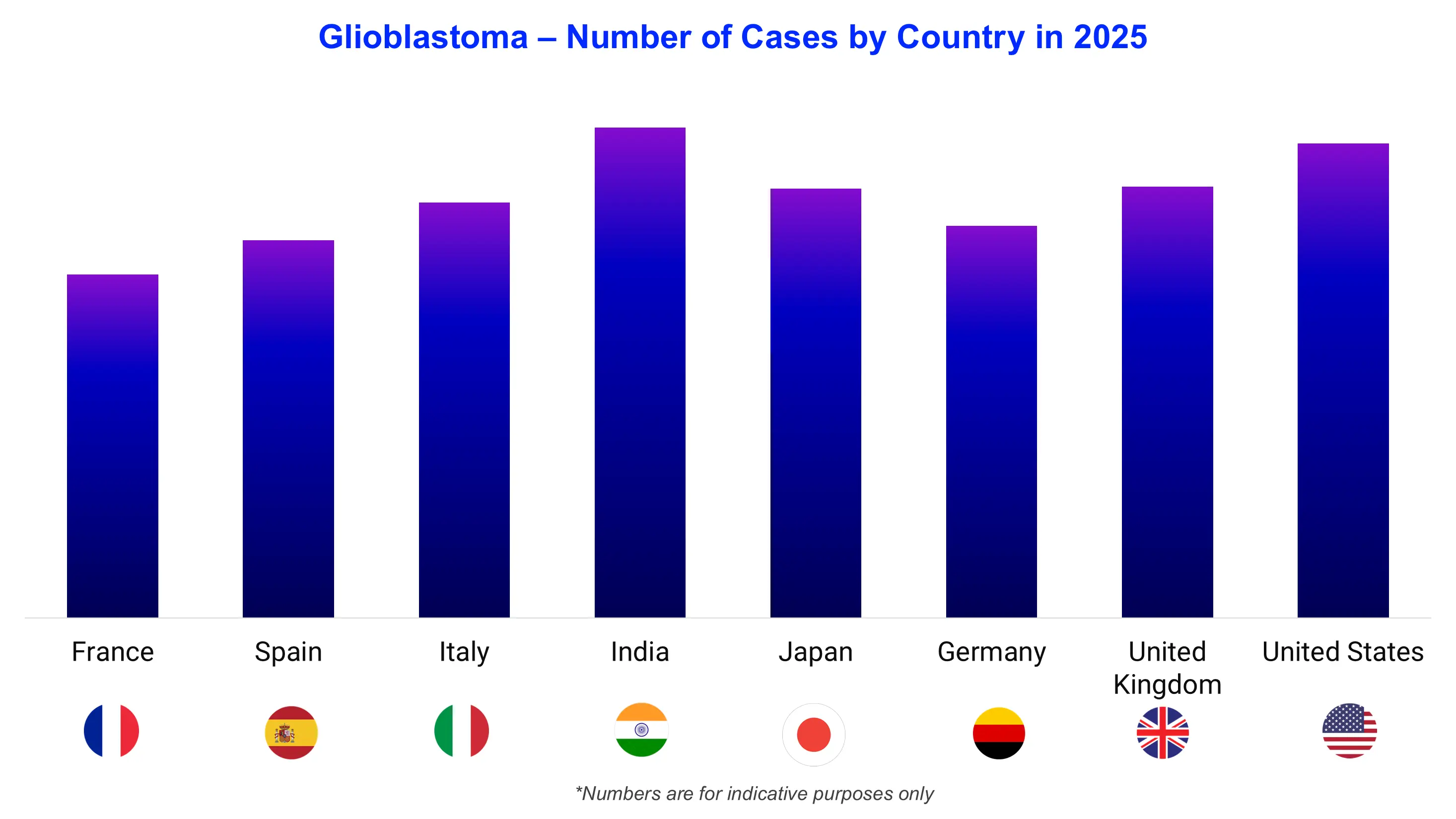
The glioblastoma epidemiology data and findings for the United States, Germany, Spain, Italy, France, the United Kingdom, Japan, and India are also provided in the epidemiology section.
|
Country |
Key Insights |
|
United States |
According to the American Brain Tumor Association, more than 12,000 glioblastoma cases are diagnosed annually in the United States. The organization reports a median age at diagnosis of 65 years, higher occurrence among males, and five-year relative survival of 5.6% among adults aged 40 years and older. Bentourkia et al. (2025) reported 57,805 new cases during 2011–2015, with an incidence rate of 3.21 per 100,000 people. |
|
Germany |
According to Weidl et al. (2025), newly diagnosed gliomas were predominantly classified as grade IV, while grade II and grade III tumors accounted for 9.0% and 9.2%, respectively. The incidence of grade II and III gliomas remained broadly stable from 2009 to 2021. These findings provide context for the wider glioma burden in Germany. |
|
France |
According to Bauchet et al. (2025), the estimated glioblastoma incidence in metropolitan France was approximately 4.5 per 100,000 person-years in 2024. The French Institute of Cancer estimate cited in the study was 5.368 per 100,000 person-years. These figures reflect differences between the estimation approaches used. |
|
Italy |
According to Alleanza Contro il Cancro, approximately 1,500 new glioblastoma cases are diagnosed annually in Italy. The disease is reported more frequently in men than women and occurs mainly among people aged 55–75 years. |
|
Spain |
Glioblastoma prevalence in Spain is influenced by population aging, as the disease occurs more frequently among older adults. Variations in diagnostic practices, access to specialized neurological care, and the availability of advanced imaging may also affect case detection and reported disease burden. |
|
United Kingdom |
According to Wanis et al. (2023), more than 5,000 new primary brain tumor cases are diagnosed annually in the United Kingdom. For 2001–2007, reported incidence rates for malignant primary brain tumors were 4.8 per 100,000 among White populations, 3.1 among South Asian populations, 2.8 among Black populations, and 2.7 among Chinese populations. These figures cover broader tumor categories, not glioblastoma alone. |
|
Japan |
According to Nishikawa et al. (2023), glioblastoma accounts for approximately 12% of all primary brain tumors in Japan. The study also cites a glioblastoma five-year survival estimate of 15.5% among neurosurgical cases. Bentourkia et al. (2025) reported an incidence rate of 6.6 per 100,000 people for gliomas in Japan; this figure refers to gliomas overall. |
|
India |
According to Bentourkia et al. (2025), epidemiological studies of Indian patients have reported an incidence rate of 1–4 per 100,000 people for all gliomas. A tertiary hospital study cited by the authors found that high-grade tumors accounted for 60% of primary central nervous system tumors. These figures provide broader context for the glioma burden rather than a national glioblastoma-specific estimate. |
Glioblastoma presents substantial unmet needs across the United States, Germany, France, Italy, Spain, the United Kingdom, Japan, and India because recurrence remains common despite surgery, radiotherapy, and chemotherapy. A major opportunity lies in developing therapies that improve survival and provide effective options for recurrent disease. Additional opportunities include expanding access to advanced neuroimaging, molecular diagnostics, and biomarker-guided treatment selection. In India, improvements in diagnostic infrastructure and access to specialized neuro-oncology services could support earlier evaluation and treatment planning. However, comparative country-level data are needed to quantify regional differences in disease burden and growth.
Glioblastoma treatment generally involves a multidisciplinary approach combining maximal safe surgical resection, radiotherapy, and chemotherapy. Temozolomide is the standard chemotherapeutic agent used alongside radiotherapy, followed by adjuvant treatment in eligible patients. Treatment decisions depend on factors such as age, functional status, tumor location, molecular characteristics, and methylation of the O6-methylguanine-DNA methyltransferase (MGMT) promoter. Tumor-treating fields may also be considered for selected patients. Despite these approaches, recurrence remains common because glioblastoma infiltrates surrounding brain tissue and can develop resistance to treatment. These challenges support continued research into precision oncology and novel therapeutic approaches.


Upto 15% Off
USD
$2699 $2429
$4299 $3869
$5799 $4949
$6999 $5949


*While we strive to always give you current and accurate information, the numbers depicted on the website are indicative and may differ from the actual numbers in the main report. At Expert Market Research, we aim to bring you the latest insights and trends in the market. Using our analyses and forecasts, stakeholders can understand the market dynamics, navigate challenges, and capitalize on opportunities to make data-driven strategic decisions.*
Explore our key highlights of the report and gain a concise overview of key findings, trends, and actionable insights that will empower your strategic decisions.
|
Report Features |
Details |
|
Base Year |
2025 |
|
Historical Period |
2019-2025 |
|
Forecast Period |
2026-2035 |
|
Epidemiology Statistics Provided |
|
|
Segmentation Provided |
|
|
Geographies Covered |
|
Datasheet
One User
USD 2,699
USD 2,429
tax inclusive*
Single User License
One User
USD 4,299
USD 3,869
tax inclusive*
Five User License
Five User
USD 5,799
USD 4,949
tax inclusive*
Corporate License
Unlimited Users
USD 6,999
USD 5,949
tax inclusive*
*Please note that the prices mentioned below are starting prices for each bundle type. Kindly contact our team for further details.*
Flash Bundle
Small Business Bundle
Growth Bundle
Enterprise Bundle
*Please note that the prices mentioned below are starting prices for each bundle type. Kindly contact our team for further details.*
Flash Bundle
Number of Reports: 3
20%
tax inclusive*
Small Business Bundle
Number of Reports: 5
25%
tax inclusive*
Growth Bundle
Number of Reports: 8
30%
tax inclusive*
Enterprise Bundle
Number of Reports: 10
35%
tax inclusive*
How To Order

Select License Type
Choose the right license for your needs and access rights.

Click on ‘Buy Now’
Add the report to your cart with one click and proceed to register.

Select Mode of Payment
Choose a payment option for a secure checkout. You will be redirected accordingly.
Strategic Solutions for Informed Decision-Making
Gain insights to stay ahead and seize opportunities.
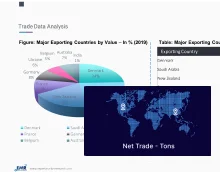
Get insights & trends for a competitive edge.
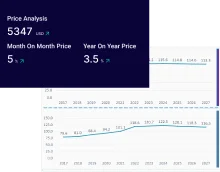
Track prices with detailed trend reports.
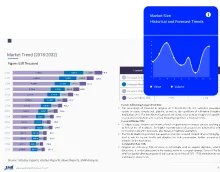
Analyse trade data for supply chain insights.

Leverage cost reports for smart savings
Enhance supply chain with partnerships.

Connect For More Information
Our expert team of analysts will offer full support and resolve any queries regarding the report, before and after the purchase.
Our expert team of analysts will offer full support and resolve any queries regarding the report, before and after the purchase.
We employ meticulous research methods, blending advanced analytics and expert insights to deliver accurate, actionable industry intelligence, staying ahead of competitors.
Our skilled analysts offer unparalleled competitive advantage with detailed insights on current and emerging markets, ensuring your strategic edge.
We offer an in-depth yet simplified presentation of industry insights and analysis to meet your specific requirements effectively.