

Consumer Insights
Uncover trends and behaviors shaping consumer choices today
Procurement Insights
Optimize your sourcing strategy with key market data
Industry Stats
Stay ahead with the latest trends and market analysis.
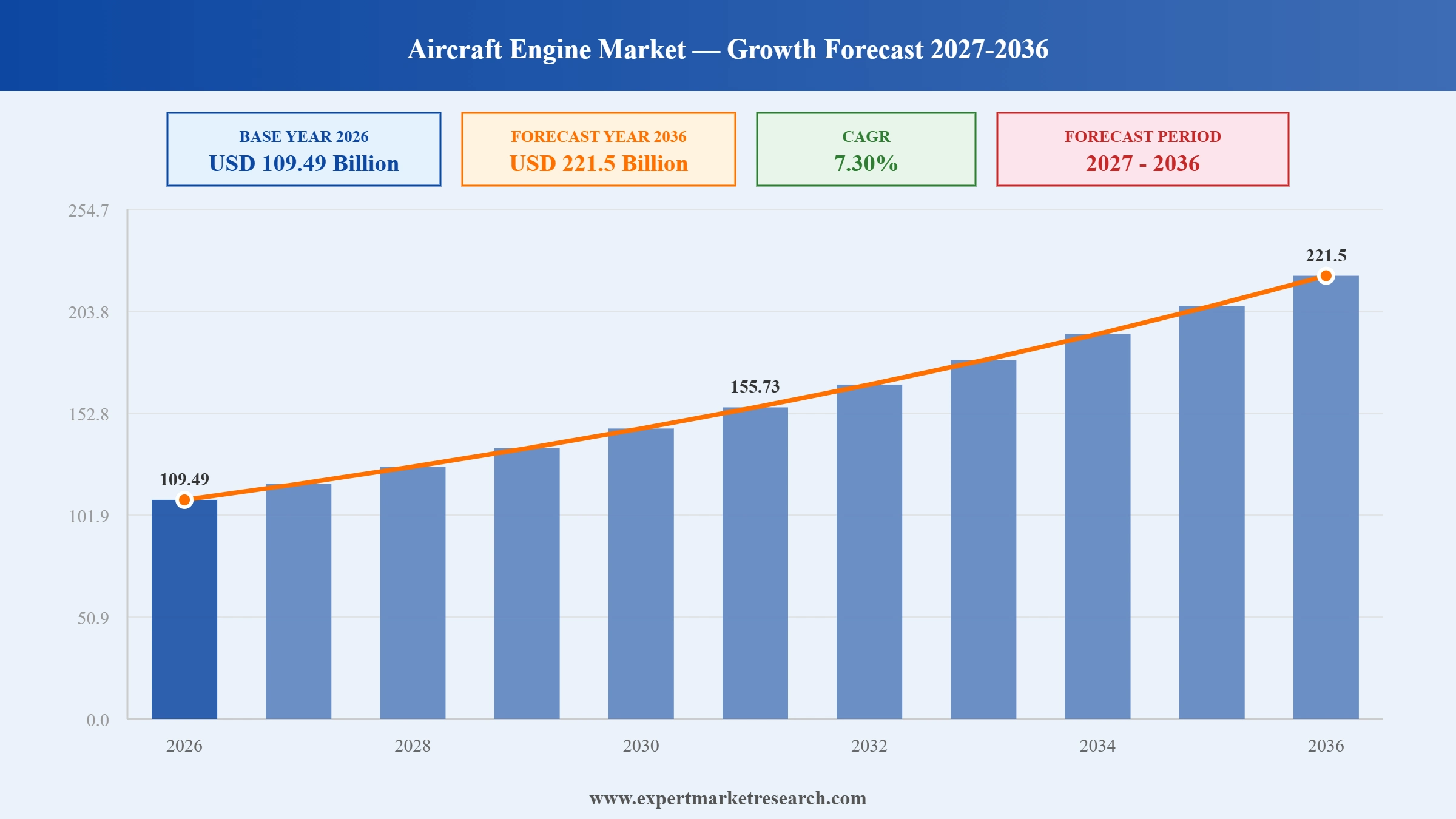
The global aircraft engine market was valued at USD 102.04 Billion in 2025. The market is expected to grow at a CAGR of 7.30% during the forecast period of 2026-2035 to reach a value of USD 206.43 Billion by 2035. The increasing focus on fuel-efficient fleet modernization and the advancement of next-generation propulsion technologies is a major factor fueling the market growth.
The growing adoption of digital twin technology and forecasting analytics in engine lifecycle management is driving the global aircraft engine market to propose real-time performance monitoring and cost reduction in unplanned maintenance. Moreover, the increasing popularity of the modular engine architecture is increasing the flexibility of the design and maintenance, enabling quicker upgrades and component changes. These niche innovations are enhancing the efficiency of the operations of airlines. These also enable defense operators and manufacturers to maximize their production and service-based strategy to promote continued growth in the market.
Greater emphasis is being placed on low-emission, fuel-efficient engines and improved operational reliability by airline and business aviation operators, and therefore, the manufacturers are working incessantly to innovate and improve the engine architectures. This shift has accelerated the rate of technological advancement in the global aviation engine market by strengthening the procurement cycles and the transition to quicker propulsion systems of advanced turbofan and hybrid propulsion. Furthermore, engine manufacturers are being compelled to invest in both disruptive technologies and incremental improvements due to the growing convergence of environmental goals and operational efficiency.
For instance, in November 2025, RoyalJet selected LEAP-1A engines to power its new fleet of ACJ320neo aircraft, underscoring the growing demand for high-efficiency propulsion systems. In addition, NASA, along with industry partners GE Aerospace and Boeing, concluded the test of a hybrid-electric engine system in January 2026, another significant breakthrough in the next-generation propulsion research program with an aim of consuming less fuel and releasing fewer emissions.
Read more about this report - REQUEST FREE SAMPLE COPY IN PDF
AerCap Holdings N.V. placed an order for 100 Airbus A320neo family aircraft, which is a strong indication of the demand for fuel-efficient fleets in the airline industry. These massive orders increased the level of engine orders and long-term service contracts, which strengthened the long-term demand in the aircraft engine market.
Rolls-Royce plc started testing the AE 1107 engine to propel the future prototypes of military aircraft. This expansion was an indication of growth in the spending on advanced defense propulsion engines, accelerating innovation and expanding future growth opportunities in the aircraft engine industry.
GE Aerospace won a deal with Saudia Group to provide GEnx-1B engines to the Boeing 787 planes. This development highlighted increasing usage of cutting-edge engines, which enabled fleet growth and streamlined aftermarket prospects in the market for aircraft engines.
The airline company, Emirates SkyCargo, introduced its aerospace vertical (the transport of aircraft engines) and enhanced its efficiency in terms of handling. The initiative enhanced the global supply chains, where engine movement and maintenance turnaround were faster.
The growing concern of extending engine lifecycle value, along with the reuse of existing assets, is becoming a major factor that is boosting the aircraft engine market value. Players in the market are also using mature engine platforms to open new sources of revenue other than traditional aviation use to enhance the efficiency and sustainability of assets. The strategy will improve the financial sustainability of the aging fleets and help achieve the goals of the circular economy. For example, in December 2025, FTAI Aviation released a system to convert used engines into power generation turbines, showing that companies are commercializing retired assets.
The high growth of unmanned aerial systems and sophisticated defense platforms is playing a huge role in propulsion innovation, accelerating the aircraft engine market penetration. Manufacturers are working on small and power-based engines that are designed for autonomous and collaborative combat operations that allow them flexibility in their operations and efficiency of their missions. This change is boosting the need for advanced propulsion technologies. For example, in September 2025, Honeywell announced a new small-thrust engine that is purpose-built as an unmanned defense propulsion solution, which indicates the increasing focus on next-generation defense propulsion solutions.
The augmenting sophistication in the production of aircraft engines is inspiring companies to make strategic alliances to enhance networks of supply chains, redefining the aircraft engine market dynamics. Through these partnerships, there can be accuracy in component manufacturing, scalability, and minimized risks in supplies. Partnerships with specialized manufacturers are becoming important as engine programs grow across the world. In September 2025, Godrej Enterprises signed a multifarious contract with Safran Aircraft Engines to produce key parts of the engines.
The current innovation and enhancement of propulsion performance are boosting the engine development and testing programs, further expanding the aircraft engine market scope. Firms are focusing on high-technology test facilities to confirm the innovation of the next-generation engine and reliability when subjected to various operating conditions. This emphasis is assisting in accelerating the commercialization of new propulsion systems. For instance, in April 2025, Mitsubishi Heavy Industries reported progress in its aero-engine development and testing programs, strengthening its position in next-generation propulsion technologies.
Continuous upgrades and modernization efforts are playing a key role in enhancing performance and extending lifecycle, thereby supporting growth in the aircraft engine industry. Manufacturers are concentrating on enhanced thrust efficiency, durability, and lifecycle costs based on sophisticated upgrade packages. Such programs especially apply to defense and legacy fleets. For example, in March 2026, GKN Aerospace provided an upgraded engine to fighter aircraft as part of a performance enhancement program, which illustrates that modernization is enhancing operational capability and service.
The EMR’s report titled “Global Aircraft Engine Market Report and Forecast 2026-2035” offers a detailed analysis of the market based on the following segments:
Market Breakup by Engine Type
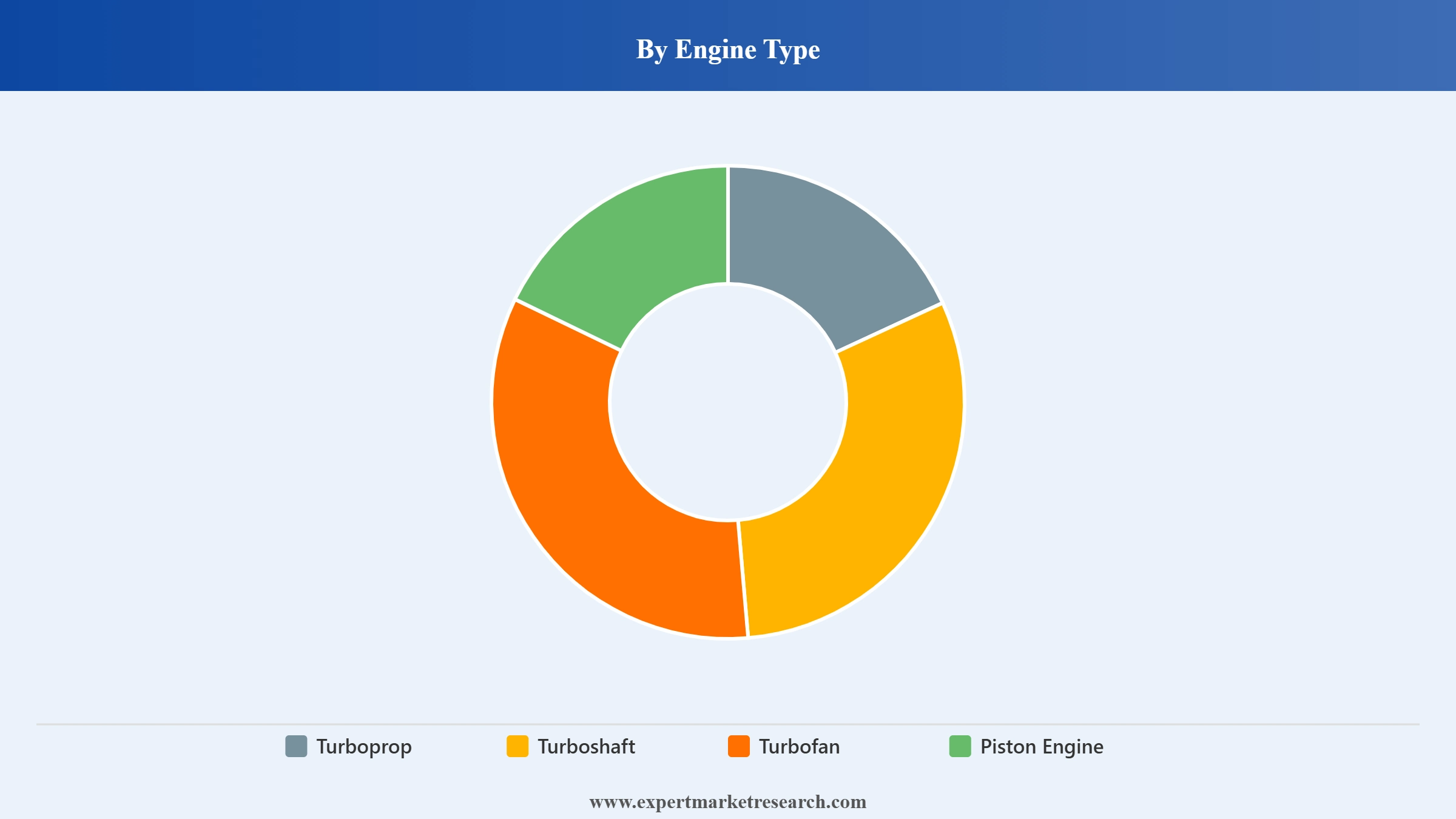
Key Insight: The engine type segment of the global market encompasses turboprop engines, turboshaft engines, turbofan engines, and piston engines, among others; each of these engine category's growth is fueled by unique application needs. The turbofan engines sustain their dominance with their widespread operations in the commercial aviation sector, turboprop and turboshaft engines are gaining traction in regional and rotary aircraft segments. In the meantime, piston engines are experiencing innovation in general aviation. For example, in July 2025, DeltaHawk Engines showcased a 350 HP jet-fuel piston engine for new aircraft platforms, highlighting advancements in fuel-efficient propulsion for small aircraft.
Market Breakup by Wing Type
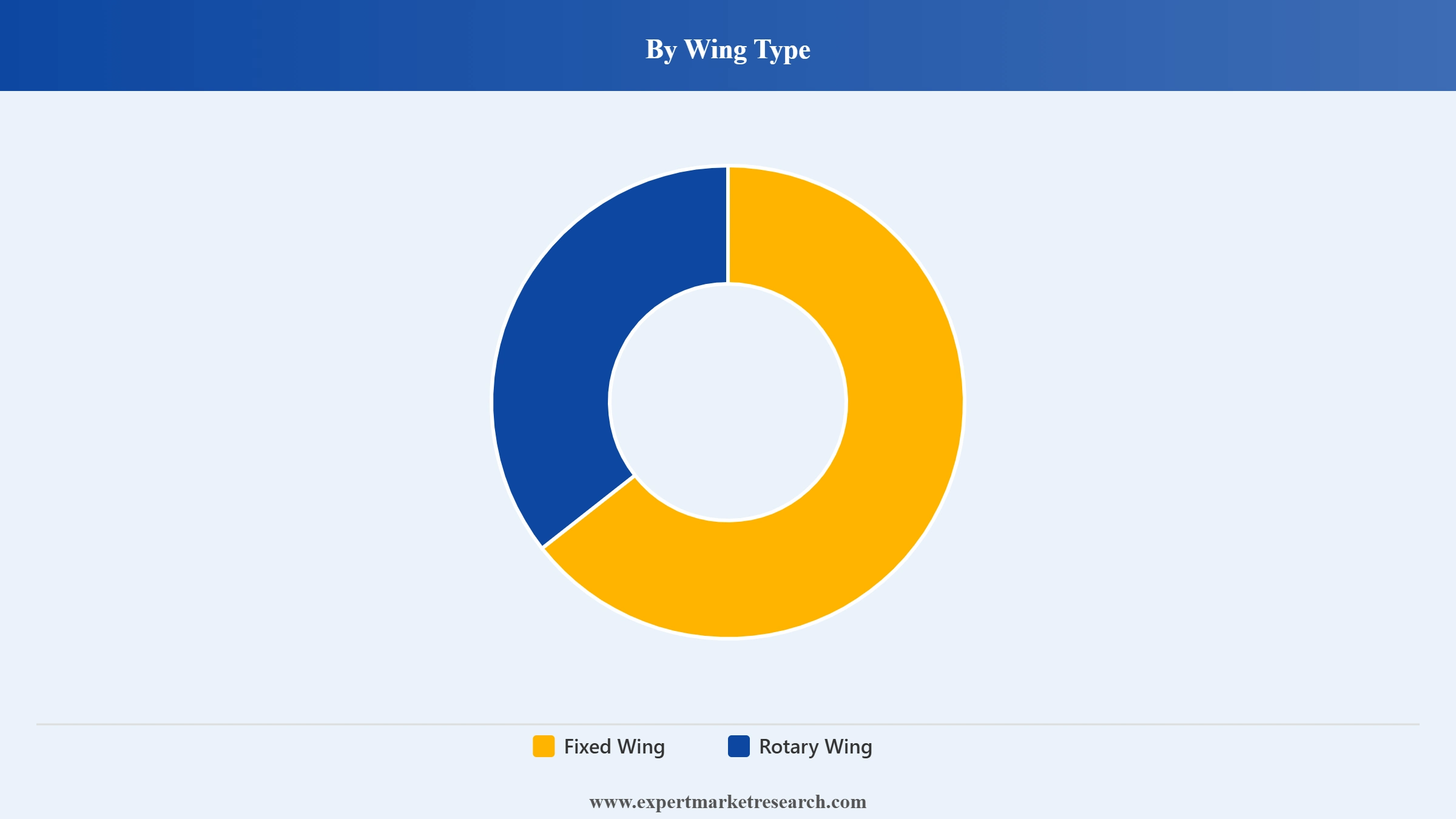
Key Insight: Wing-type segmentation in the aircraft engine market includes fixed-wing and rotary-wing aircraft, which are experiencing specific technological advancements. Fixed-wing aircraft account for the largest market share, driven by commercial fleet expansion and ongoing engine advancements by GE Aerospace and CFM International, both focused on improving fuel efficiency and durability. In the meantime, rotary-wing planes are becoming more popular in the military and first aid services, with manufacturers such as Safran Helicopter Engines and Honeywell International Inc. making high-performance turboshaft engines that would allow the planes to undertake their missions more effectively.
Market Breakup by Aircraft Type
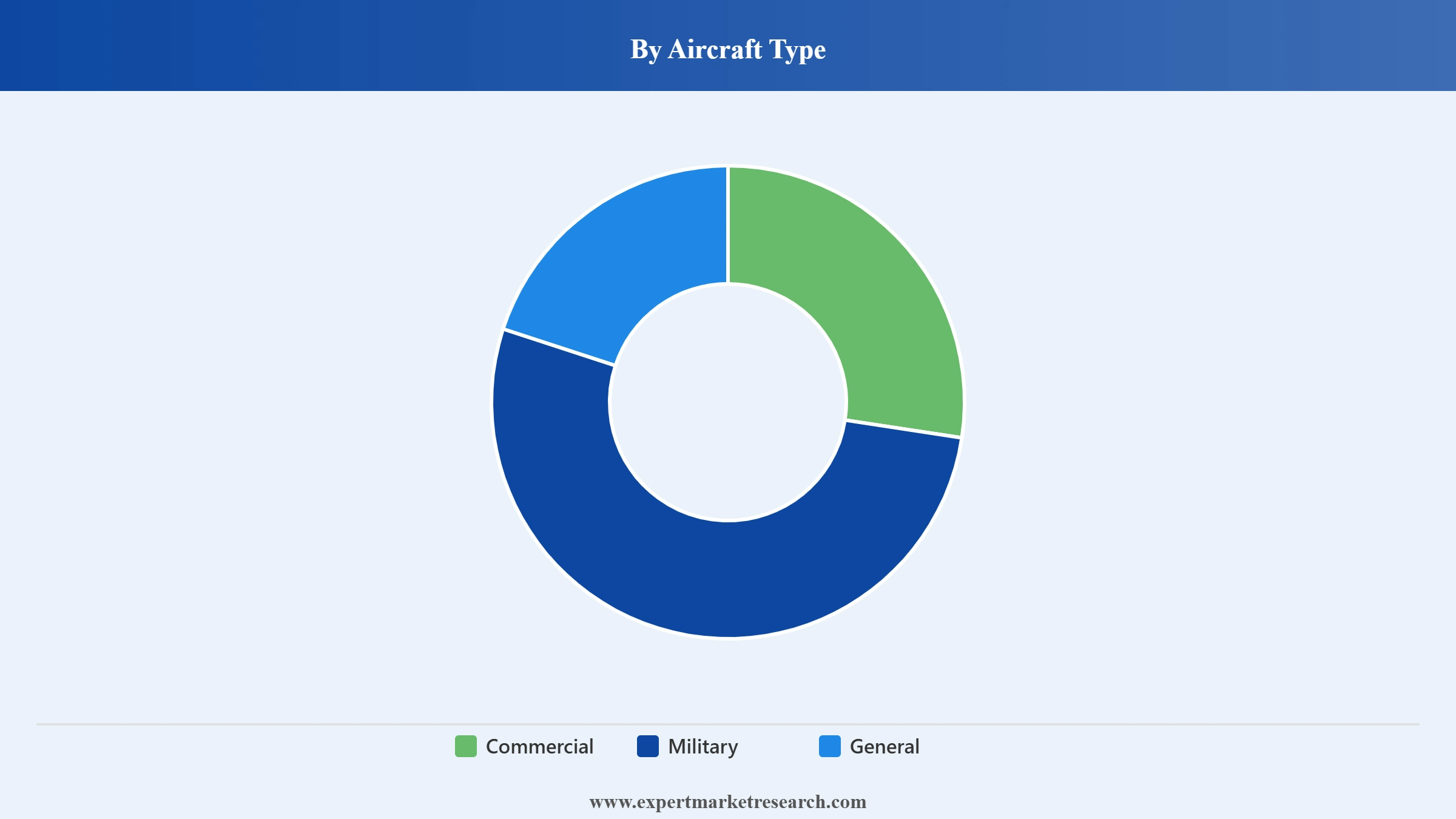
Key Insight: In terms of aircraft type, the aircraft engine market scope comprises commercial, military, general, and others, with commercial aviation taking the lead as the number of passengers and the modernization of the fleet increases. Military aviation engines continue to see strong demand driven by modernization programs and new propulsion developments, while the general aviation sector benefits from the adoption of smaller, more fuel-efficient engines. For instance, American Airlines chose CFM International engines for its A321neo fleet in January 2026, with a high demand for commercial propulsion solutions.
Market Breakup by Region
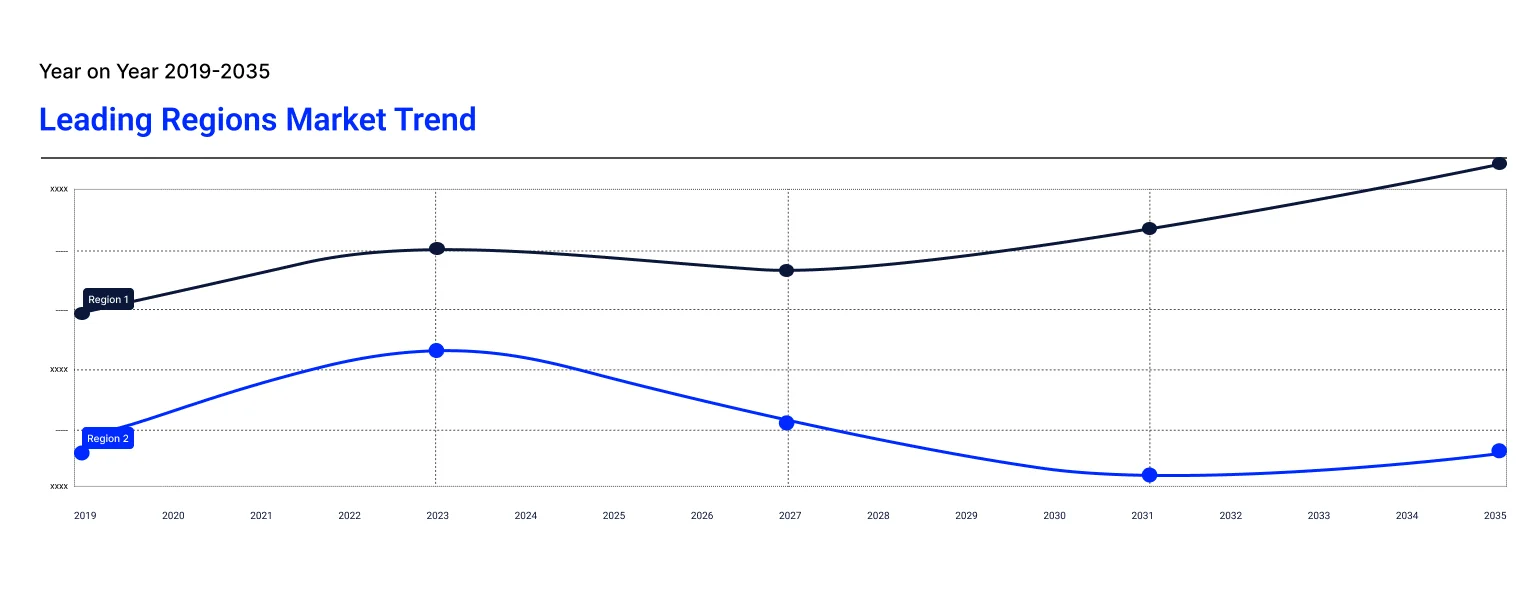
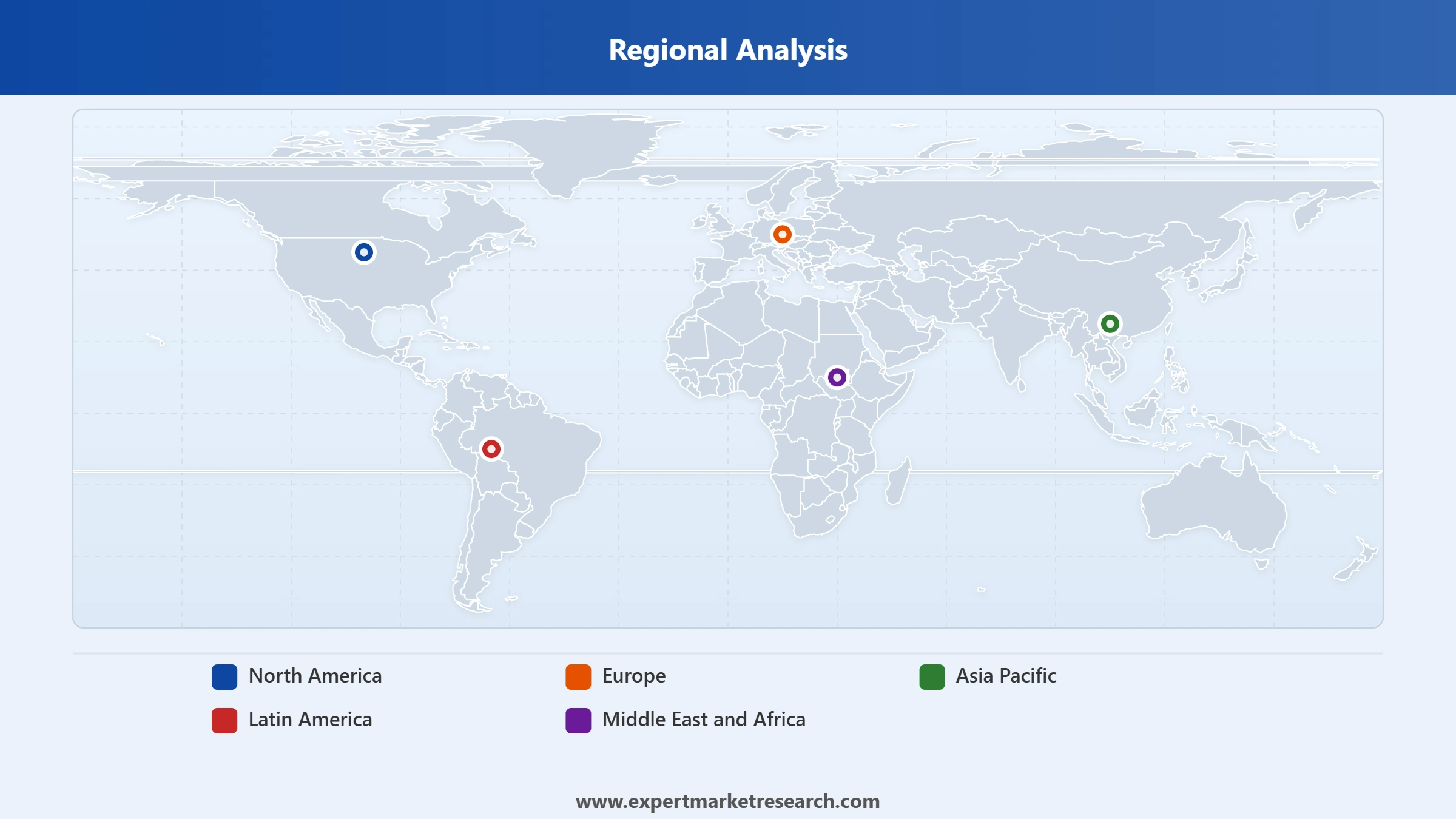
Key Insight: Regionally, the global aircraft engine market landscape covers North America, Europe, Asia Pacific, Latin America, the Middle East, and Africa, each with its unique industry dynamics. North America boasts robust OEM representation by the General Electric Company, whereas the European market is powered by manufacturing centers spearheaded by the Safran Group and Rolls-Royce plc. Asia Pacific is witnessing growth in fleet size and strategic alliances, while emerging regions are seeing increased investments in aviation infrastructure and defense.
Read more about this report - REQUEST FREE SAMPLE COPY IN PDF
By engine type, the turboprop engine witnesses high demand driven by next-generation regional aircraft development
Turboprop engines are gaining momentum in the aircraft engine market due to the increasing demand for efficient regional connectivity. Manufacturers are targeting next-generation turboprop platforms with low fuel use, low emissions, and better economics on short-route operations. This is enhancing its uptake by regional airlines. To illustrate this trend, in September 2025, Deutsche Aircraft unveiled the D328eco turboprop, which is developed to increase sustainability and efficiency, strengthening innovation and demand in the turboprop segment.
Read more about this report - REQUEST FREE SAMPLE COPY IN PDF
The piston aircraft engine market is witnessing an upward trend as demand is shifting towards cost-effective and technologically advanced general aviation aircraft. Manufacturers have integrated contemporary avionics, fuel systems, and performance enhancements to appeal to private and training aviation users. For instance, in January 2026, Cirrus Aircraft unveiled its 2026 SR Series piston aircraft with updated features, emphasizing further innovation in the field of piston-powered aviation.
By wing type, rotary wing gains traction owing to specialized engine development for helicopter applications
The expanding use of helicopters in defense, emergency services, and urban mobility is driving global aircraft engine manufacturers to develop specialized propulsion systems. Manufacturers are developing engines that are best suited to rotary-wing operations, with a focus on durability, fuel efficiency, and versatility for a wide range of missions. For example, in April 2024, Continental Aerospace Technologies announced the CD-170R engine, made specifically to serve rotary-wing use, bolstering innovation in this category.
Read more about this report - REQUEST FREE SAMPLE COPY IN PDF
With increasing commercial and defense aviation business activities, the fixed-wing segment remains one of the largest contributors to the aircraft engine market revenue. Technological advancements in aircraft systems are enabling more dependable and efficient fixed-wing performance. For instance, in 2025, China was able to test its electromagnetic aircraft launch system (EMALS) on its Fujian aircraft carrier, proving its enhanced launch capabilities. This is leading to the need to have powerful and high-performance engines that can be used on advanced fixed-wing platforms.
By aircraft type, commercial aircraft drives engine demand attributed to expanding fleet utilization models
The commercial aircraft engine market continues to record notable growth as most business models have transformed to include fractional ownership and fleet optimization programs. These solutions are also boosting airplane usage rates and thus fueling the demand for efficient and reliable engines. For example, in February 2026, FlyEpic Aircraft unveiled a fractional ownership scheme for its E1000 turboprop aircraft, emphasizing growing business interest and increasing engine demand within the business aviation segment.
Read more about this report - REQUEST FREE SAMPLE COPY IN PDF
The military aircraft industry is steadily growing in terms of the aircraft engine market share due to rising military budgets and domestic production. OEMs and governments are teaming up in order to create partnerships to make domestic production stronger and more technologically self-reliant. For instance, in June 2023, GE Aerospace concluded a memorandum of understanding with Hindustan Aeronautics Limited to co-produce fighter jet engines to strengthen defense propulsion strategies.
By region, Asia Pacific dominates the market by expansion investments and localization strategies
Asia Pacific is also becoming a high-potential hub in the global aircraft engine market scope due to increasing aviation infrastructure, increasing air traffic, and ambitious localization programs. The players in the market are investing more and partnering to establish better manufacturing capacity in the region. Indicatively, in November 2025, Safran Group announced its expansion in India across both civil and military aviation, supporting local production and reinforcing the region as a key growth hub.
Read more about this report - REQUEST FREE SAMPLE COPY IN PDF
North America accounts for a considerable share of the aircraft engine market revenue due to its capacity for research and development as well as the presence of major OEMs. Businesses are working on the design of next-generation propulsion systems to meet changing defense and commercial requirements. To illustrate this trend, in September 2025, Pratt & Whitney introduced a new family of miniaturized turbofan engines for collaborative combat aircraft, reinforcing ongoing innovation and strengthening the region’s technological edge.
The global market is highly concentrated with a few major established OEMs that possess a high level of technological expertise and established customer relationships with airframe manufacturers. Leading aircraft engine market players are focusing on long-term supply deals, ongoing and continuous engine performance improvements, and strategic capacity expansions. They are enhancing their production pipelines and improving aftermarket service delivery, which can allow them to penetrate across the commercial and defense segments.
The continued focus of major aircraft engine companies on collaborative innovation, regional supply chain localization, and the creation of next-generation propulsion systems is becoming the primary trend. Several companies are engaged in increasing capacity to mass produce large engines, whereas other industry players are collaborating with engineering companies to enhance component production. Significant investments in product upgrades, supply chain strengthening, and production expansion to meet rising global demand are further driving market growth.
Honeywell International Inc. is a company based in the United States of America, established in 1906. The enterprise focuses on aerospace systems, such as auxiliary power units and engine technologies, with avionics integration to serve the commercial and defense aviation markets.
Safran Group is a Paris-based company that was established in 2005. It is also a key player in aircraft propulsion, particularly through its joint ventures with engine manufacturers and its advanced nacelle systems.
The General Electric Company was established in 1892 and has its headquarters in Boston, Massachusetts, in the United States of America. The company is a global leader in jet engine production, with emphasis on digitally powered, fuel-efficient propulsion systems through its aviation segment.
Rolls-Royce plc is a company based in London, United Kingdom, and was established in 1906. The company benefits from a strong reputation in wide-body aircraft engines and long-term service contracts, generating recurring revenue through comprehensive lifecycle management.
*Please note that this is only a partial list; the complete list of key players is available in the full report. Additionally, the list of key players can be customized to better suit your needs.*
Explore the latest trends shaping the global aircraft engine market 2026-2035 with our in-depth report. Gain strategic insights, future forecasts, and key market developments that can help you stay competitive. Download a free sample report or contact our team for customized consultation on market trends 2026.


Upto 15% Off
USD
$2499 $2249
$3999 $3599
$4999 $4249
$5999 $5099


*While we strive to always give you current and accurate information, the numbers depicted on the website are indicative and may differ from the actual numbers in the main report. At Expert Market Research, we aim to bring you the latest insights and trends in the market. Using our analyses and forecasts, stakeholders can understand the market dynamics, navigate challenges, and capitalize on opportunities to make data-driven strategic decisions.*
In 2025, the global aircraft engine market reached an approximate value of USD 102.04 Billion.
The demand for commercial aircraft engine is expected to grow at a steady pace in the forecast period of 2026-2035 to attain USD 206.43 Billion by 2035, further aiding the aircraft engine market.
Key strategies driving the market include strategic partnerships, capacity expansions, fuel-efficient engine development, and aftermarket service optimization.
The growing availability of cheaper flight options, increasing investments in research and development (R&D) by leading companies, and rising defence expenditure for military aircrafts are the key trends augmenting the market growth.
The major regions in the market are North America, Latin America, the Middle East and Africa, Europe, and the Asia Pacific.
The significant engine types considered in the market report are turboprop, turboshaft, turbofan, and piston engine, among others.
The major wing types in the market are fixed wing and rotary wing.
The different aircraft types considered in the market report are commercial, military, and general, among others.
The key players in the market include Honeywell International Inc., Safran Group, General Electric Company, and Rolls-Royce plc, among others.
The market is projected to grow at a CAGR of 7.30% between 2026 and 2035.
The major challenges that the global aircraft engine market players face includes supply chain disruptions, high development costs, regulatory pressures, and technological complexities.
Explore our key highlights of the report and gain a concise overview of key findings, trends, and actionable insights that will empower your strategic decisions.
| REPORT FEATURES | DETAILS |
| Base Year | 2025 |
| Historical Period | 2019-2025 |
| Forecast Period | 2026-2035 |
| Scope of the Report |
Historical and Forecast Trends, Industry Drivers and Constraints, Historical and Forecast Market Analysis by Segment:
|
| Breakup by Engine Type |
|
| Breakup by Wing Type |
|
| Breakup by Aircraft Type |
|
| Breakup by Region |
|
| Market Dynamics |
|
| Competitive Landscape |
|
| Companies Covered |
|
| Report Price and Purchase Option | Explore our purchase options that are best suited to your resources and industry needs. |
| Delivery Format | Delivered as an attached PDF and Excel through email, with an option of receiving an editable PPT, according to the purchase option. |
Datasheet
One User
USD 2,499
USD 2,249
tax inclusive*
Single User License
One User
USD 3,999
USD 3,599
tax inclusive*
Five User License
Five User
USD 4,999
USD 4,249
tax inclusive*
Corporate License
Unlimited Users
USD 5,999
USD 5,099
tax inclusive*
*Please note that the prices mentioned below are starting prices for each bundle type. Kindly contact our team for further details.*
Flash Bundle
Small Business Bundle
Growth Bundle
Enterprise Bundle
*Please note that the prices mentioned below are starting prices for each bundle type. Kindly contact our team for further details.*
Flash Bundle
Number of Reports: 3
20%
tax inclusive*
Small Business Bundle
Number of Reports: 5
25%
tax inclusive*
Growth Bundle
Number of Reports: 8
30%
tax inclusive*
Enterprise Bundle
Number of Reports: 10
35%
tax inclusive*
How To Order

Select License Type
Choose the right license for your needs and access rights.

Click on ‘Buy Now’
Add the report to your cart with one click and proceed to register.

Select Mode of Payment
Choose a payment option for a secure checkout. You will be redirected accordingly.
Strategic Solutions for Informed Decision-Making
Gain insights to stay ahead and seize opportunities.

Get insights & trends for a competitive edge.

Track prices with detailed trend reports.

Analyse trade data for supply chain insights.

Leverage cost reports for smart savings

Enhance supply chain with partnerships.

Connect For More Information
Our expert team of analysts will offer full support and resolve any queries regarding the report, before and after the purchase.
Our expert team of analysts will offer full support and resolve any queries regarding the report, before and after the purchase.
We employ meticulous research methods, blending advanced analytics and expert insights to deliver accurate, actionable industry intelligence, staying ahead of competitors.
Our skilled analysts offer unparalleled competitive advantage with detailed insights on current and emerging markets, ensuring your strategic edge.
We offer an in-depth yet simplified presentation of industry insights and analysis to meet your specific requirements effectively.




