

Consumer Insights
Uncover trends and behaviors shaping consumer choices today
Procurement Insights
Optimize your sourcing strategy with key market data
Industry Stats
Stay ahead with the latest trends and market analysis.
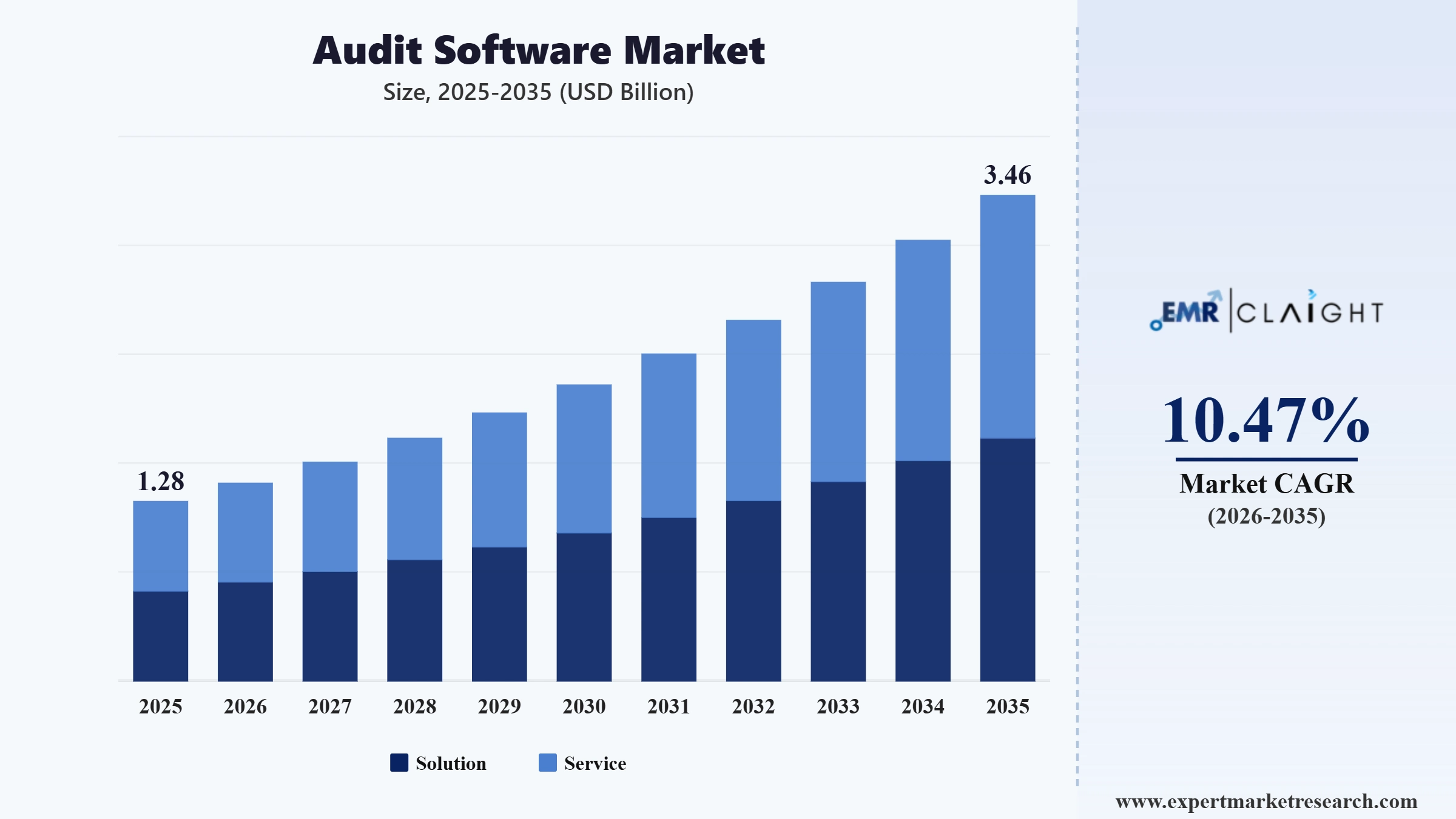
The global audit software market was valued at USD 1.28 Billion in 2025. With increasing global regulatory complexities and risk-based compliance requirements, audit software adoption is rising among enterprises aiming to automate workflows and ensure adherence to evolving frameworks like IFRS 17 and SOX. As a result, the market is expected to grow at a CAGR of 10.47% during the forecast period of 2026-2035 to reach a value of USD 3.46 Billion by 2035.
Growth in the market is also propelled by rising regulatory demands and the surge of data-centric auditing processes. As of 2024, the United Kingdom National Audit Office has increased investments on AI-backed tools to boost compliance oversight and reduce error margins. Surveys indicate that 58% of United Kingdom-based financial firms use AI tools and 14% are planning to do so. The market is further fuelled by hybrid work models and the need for real-time risk assessments.
In addition, the European Commission's Digital Operational Resilience Act (DORA) is a notable framework that is boosting the audit software market development. This initiative is compelling financial institutions to overhaul their internal audit processes using smart tools. Meanwhile, the United States Government Accountability Office is partnering with tech firms to develop blockchain-based audit trails for federal spending reviews. These advanced systems predict risks using AI and machine learning.
Businesses, especially those in high-compliance sectors, are shifting from manual audit trails to intelligent, integrated solutions. For example, pharmaceutical firms like Pfizer have adopted AI-enabled platforms to automate GMP (Good Manufacturing Practice) audits, reducing reporting time by a significant extent. These solutions are increasingly becoming crucial for informative decision-making. With governments tightening their regulatory grip, audit software now supports dynamic compliance requirements across geographies.
Read more about this report - Request a Free Sample
The introduction of TeamMate+ AI Editor was announced by Wolters Kluwer, a world leader in professional information, software solutions, and services. With industry-leading data privacy and safeguards, this innovative generative AI writing engine is made to enable auditors to improve the calibre of audit documentation. The launch strengthens AI-driven audit documentation, meeting rising B2B demand for secure, efficient, and high-integrity reporting tools amid increasing scrutiny from global regulatory bodies.
At the 2025 Great Audit Minds conference in Orlando, Florida, AuditBoard, the industry-leading cloud-based platform revolutionising audit, risk, ESG, and information security management, unveiled powerful new AI-powered audit capabilities. AuditBoard’s enhancements indicate the growing trend of integrating advanced AI for real-time risk analysis and workflow efficiency, appealing to large enterprises with multi-dimensional audit needs.
To assist advisers in expediting client file reviews, compliance document audits, training, and competency reporting, Regtech company Model Office introduced artificial intelligence (AI) compliance audit software. Model Office’s tool reflects surging interest from financial advisory and wealth management firms in AI-enabled solutions that streamline compliance, competency tracking, and FCA-aligned audits.
Companies in the audit software industry are shifting towards artificial intelligence to streamline and redefine internal audit functions. AI-enabled platforms such as Netwrix Auditor and MetricStream are used by Fortune 500 companies for compliance systems. The UK Financial Conduct Authority (FCA) has encouraged several pilot programmes that automate internal controls review, reducing average audit time. For example, in June 2024, HSBC adopted AI-driven audit tools to streamline transaction monitoring and detect compliance gaps in real-time. These tools can detect non-obvious fraud patterns, identify financial anomalies, and offer prescriptive feedback, making audits proactive rather than reactive.
Innovative players are introducing blockchain into audit software to ensure transparent, immutable logs, boosting the audit software market dynamics. For example, companies like Deloitte and IBM have initiated blockchain-backed audit trails for accounting. These systems guarantee the integrity of records and are especially crucial for audit-sensitive sectors like government contracting. For instance, Estonia integrates blockchain auditing in its public sector financial reviews. This approach not only ensures data sanctity but also automates verification, saving time and costs. It is gaining traction among enterprises needing compliance with ISO 37001 and other anti-bribery frameworks.
Considering the rise in data breaches, firms are opting for software with built-in cybersecurity audits, boosting the audit software market growth. For example, MasterControl Inc. offers tools that integrate vulnerability assessments into standard auditing workflows. These tools provide real-time alerts for unauthorised access and flag systemic vulnerabilities before they escalate. Integration of cybersecurity controls within audit systems is shifting risk assessments from reactive compliance to predictive governance.
Regulators across the United Kingdom and European Union are mandating non-financial disclosures, creating demand in the audit software market that includes ESG evaluation tools. In January 2023, Germany implemented the Supply Chain Due Diligence Act, requiring companies to audit environmental and human rights metrics. Platforms like Intelex have launched ESG dashboards, offering seamless integration with GRI and CDP standards. These modules allow businesses from industries like automotive, FMCG, and manufacturing to automate assessments and manage ESG risks.
Companies like SAP and Oracle now embed audit modules directly into their ERP systems, enabling seamless data access and analysis. This eliminates data silos and enhances audit reliability. The Indian Ministry of Corporate Affairs has also encouraged businesses to implement integrated audit reporting through ERP frameworks under the revised Companies Act, 2013 guidelines. Real-time tracking of transactions ensures instant anomaly detection, enabling finance leaders to act decisively. Such embedded systems are ideal for sectors managing high transaction volumes like retail and logistics.
The EMR’s report titled “Global Audit Software Market Report and Forecast 2026-2035” offers a detailed analysis of the market based on the following segments:
Market Breakup by Component
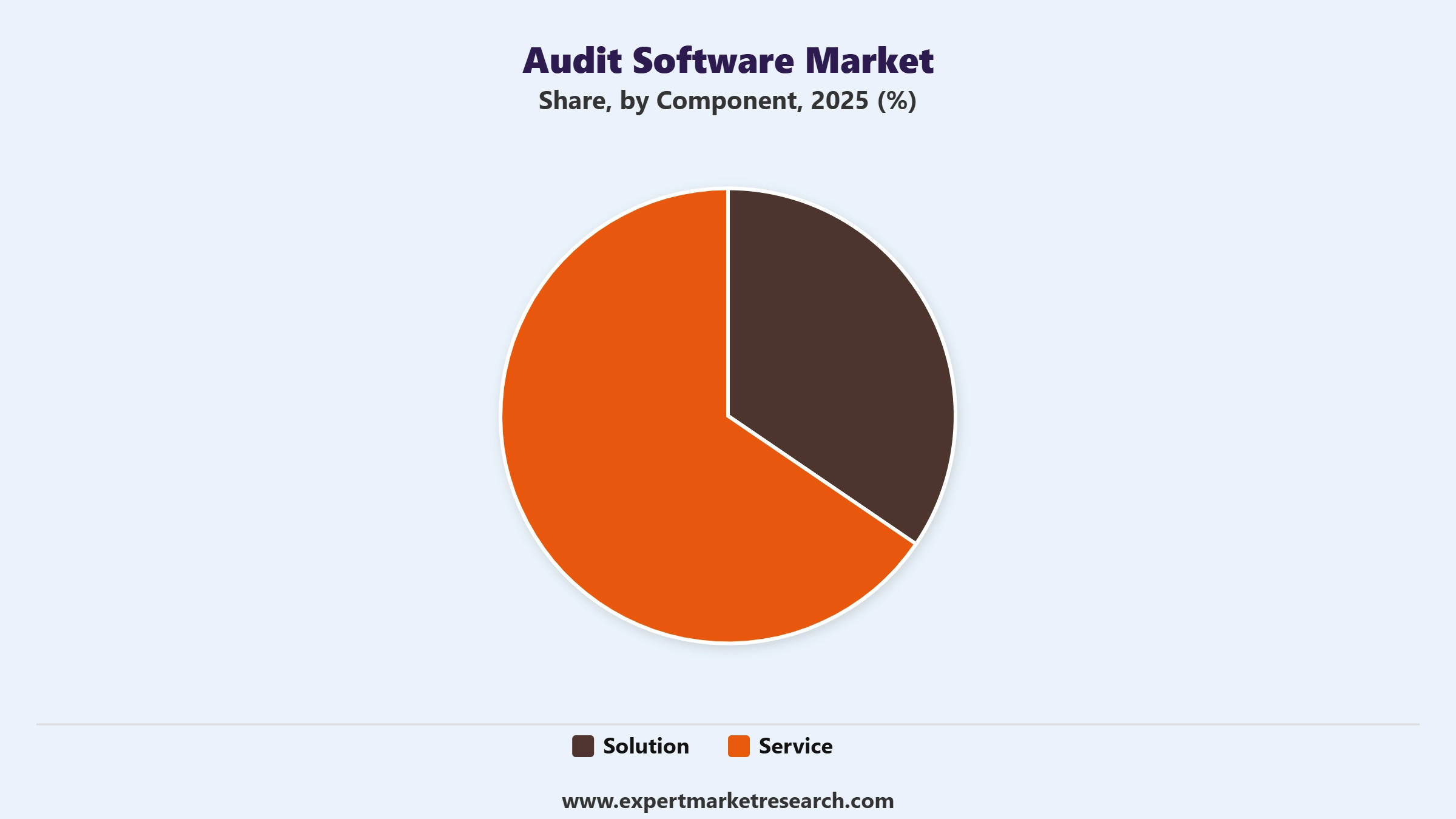
Key Insight: Software dominates the market with its flexibility, scalability, and integration with existing enterprise ecosystems. Large firms favour standalone platforms with built-in analytics, anomaly detection, and ESG reporting tools. On the other hand, services mainly cater to SMEs seeking advisory, setup, or regulatory alignment support. Service providers help interpret compliance frameworks and customise audits across regions. AI-enabled services are expanding fast, particularly in cloud environments. Modular deployment models combining software and consultancy are emerging. As regulations become more complex, businesses increasingly rely on a combination of software automation and expert services to ensure audit readiness, accuracy, and risk mitigation.
Market Breakup by Deployment Model
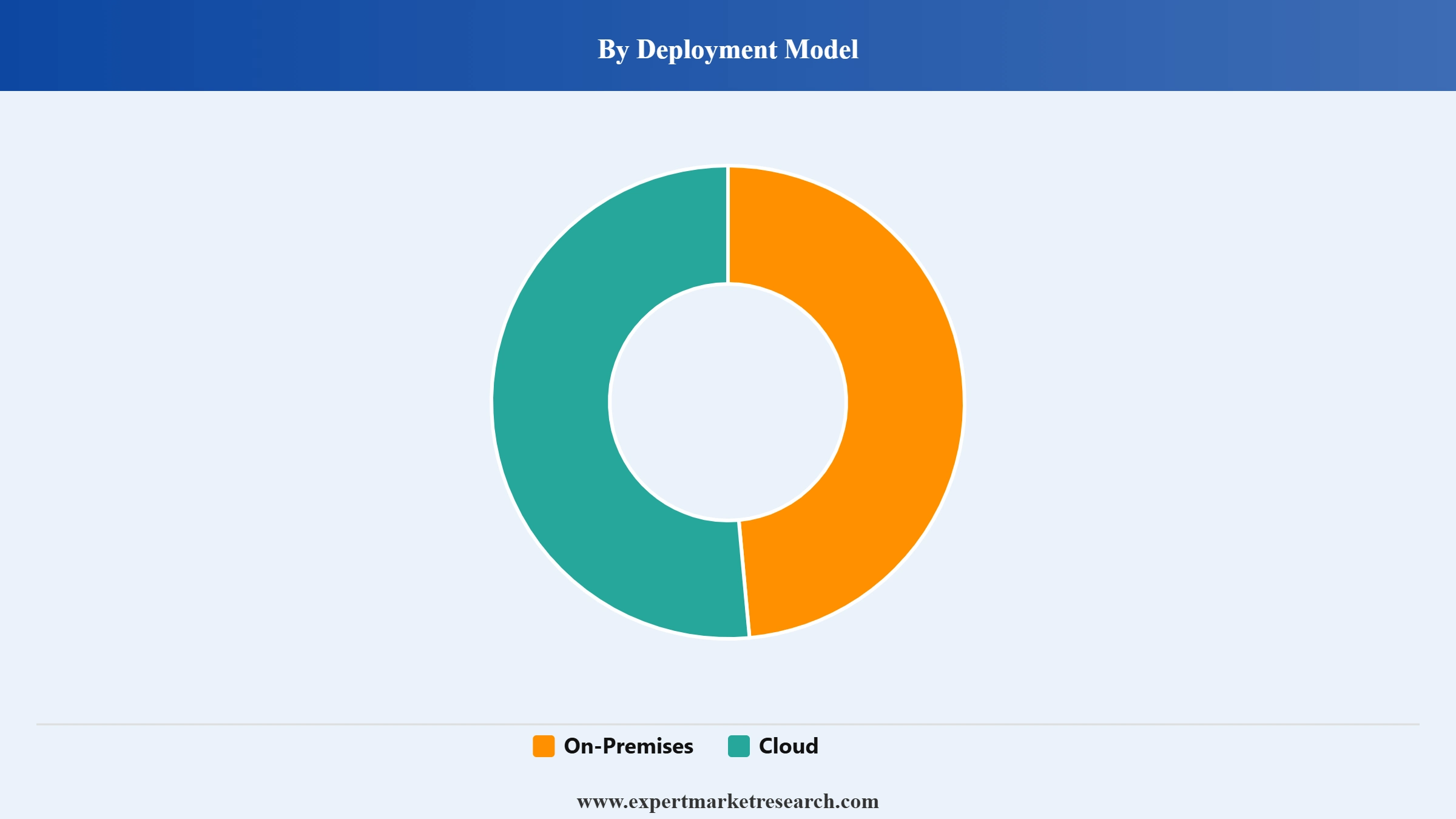
Key Insight: As per the audit software market report, on-premise deployment remains essential in sectors with high data sensitivity, such as finance, healthcare, and government, offering tighter control, regulatory alignment, and customisability. Yet cloud deployment is rapidly gaining ground due to cost-efficiency, faster implementation, and AI-native capabilities. Cloud-native platforms support real-time analytics, remote access, and automatic updates, critical for hybrid workplaces.
Market Breakup by Organization Size
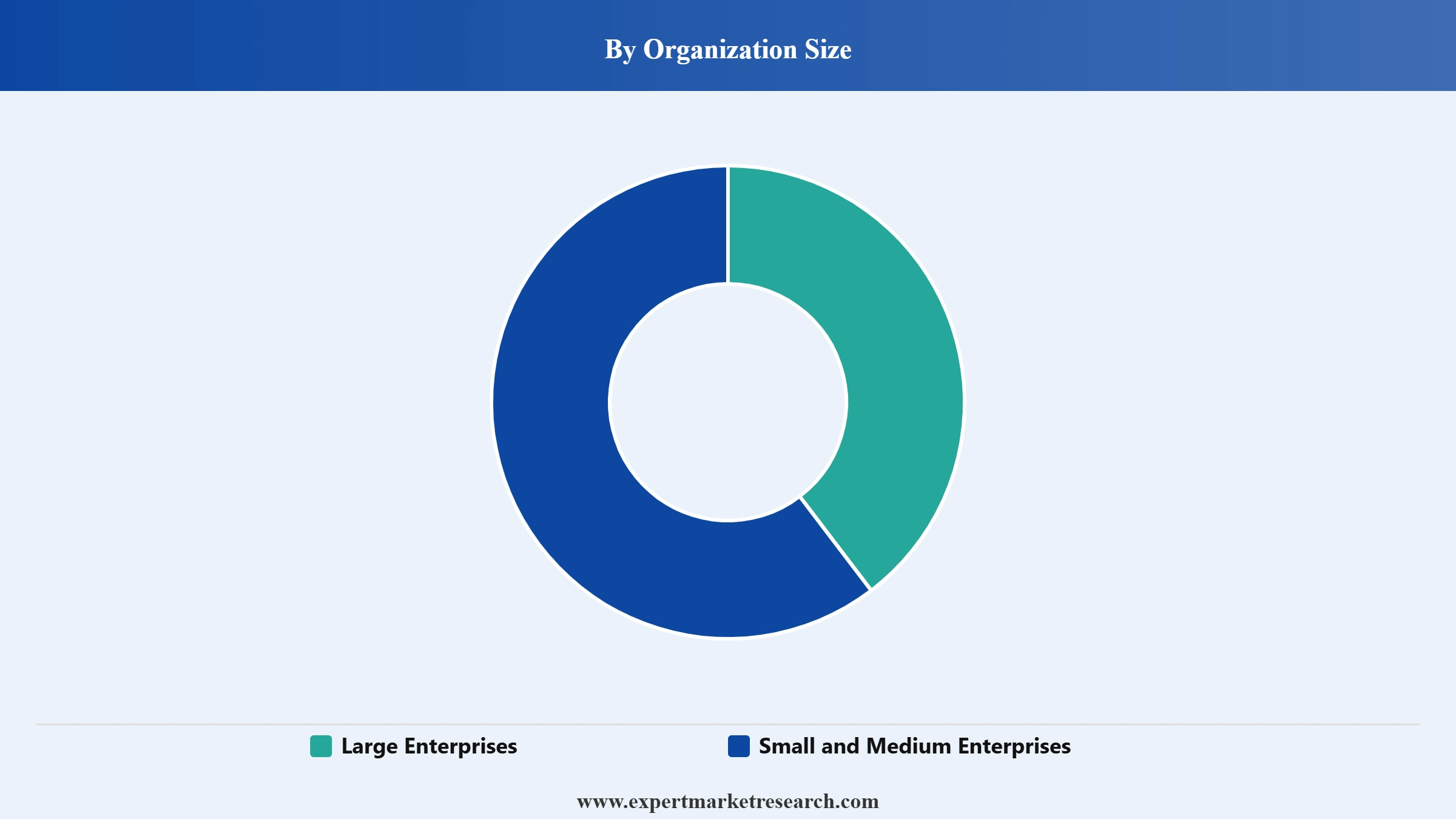
Key Insight: Large enterprises are significantly driving the growth in the audit software market with their complex compliance portfolios, and demand for predictive analytics. These enterprises often require scalable solutions that integrate with ERP systems and support multi-jurisdictional regulations. Small and medium enterprises (SMEs), however, are emerging as high-growth users, embracing SaaS platforms for affordability, simplicity, and reduced IT dependency.
Market Breakup by Vertical
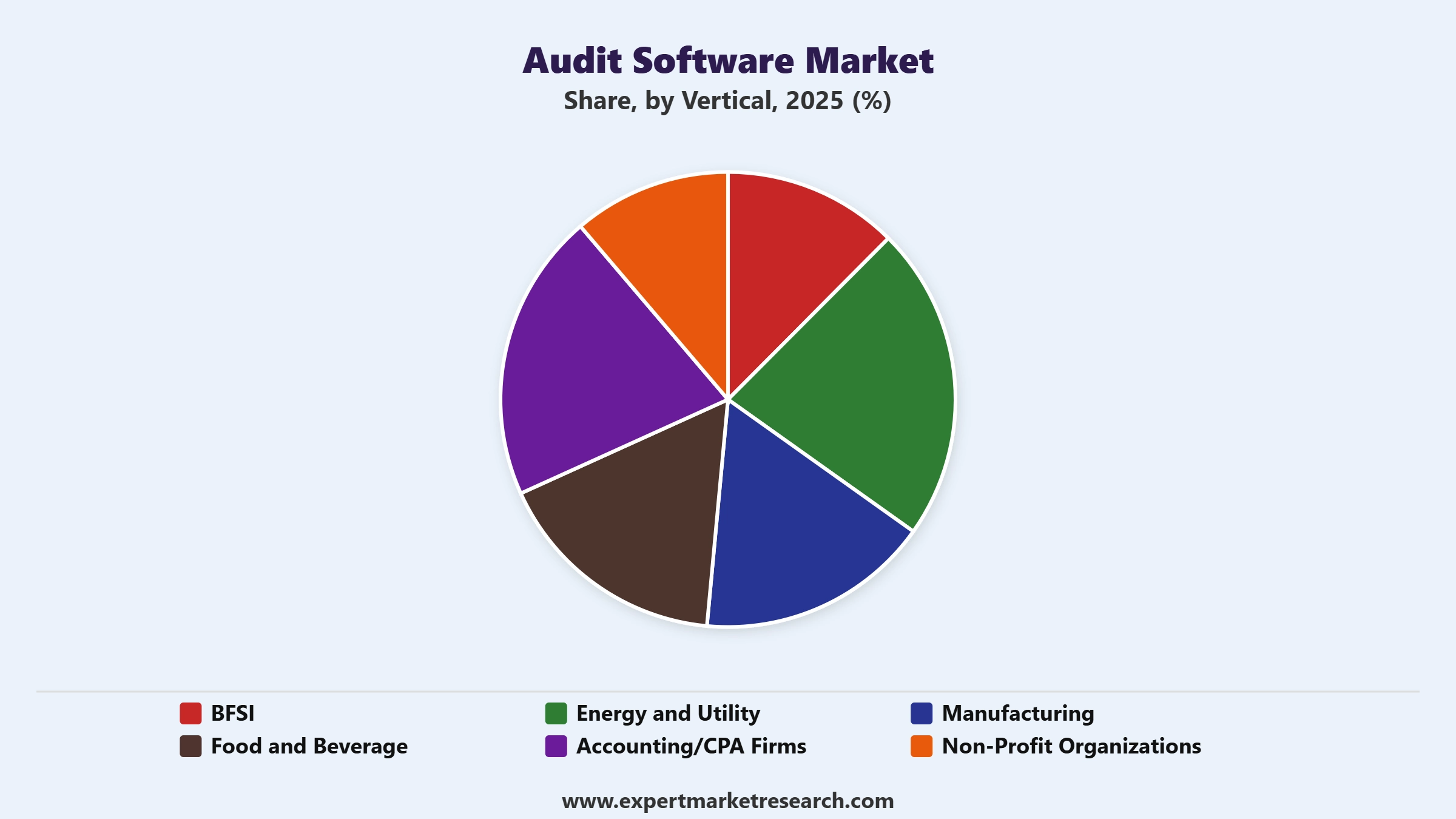
Key Insight: The BFSI industry witnesses significant audit software adoption. Factors such as regulatory oversight with heightened scrutiny, fraud examination risk, and increased complexity of digital data have made financial controls, SOX audits, and anti-money laundering audits key areas of focus. Similarly, the energy and utilities industry is relying primarily on audit software for ESG compliance and system investments. In the healthcare industry, audits concerning compliance with HIPAA regulations require a strong audit trail. The manufacturing and life sciences industry categories have begun to adopt audit software for quality control and for regulatory samples. Lastly, the public sector observes growth as it requires audit tools for accountability and transparency.
Market Breakup by Region
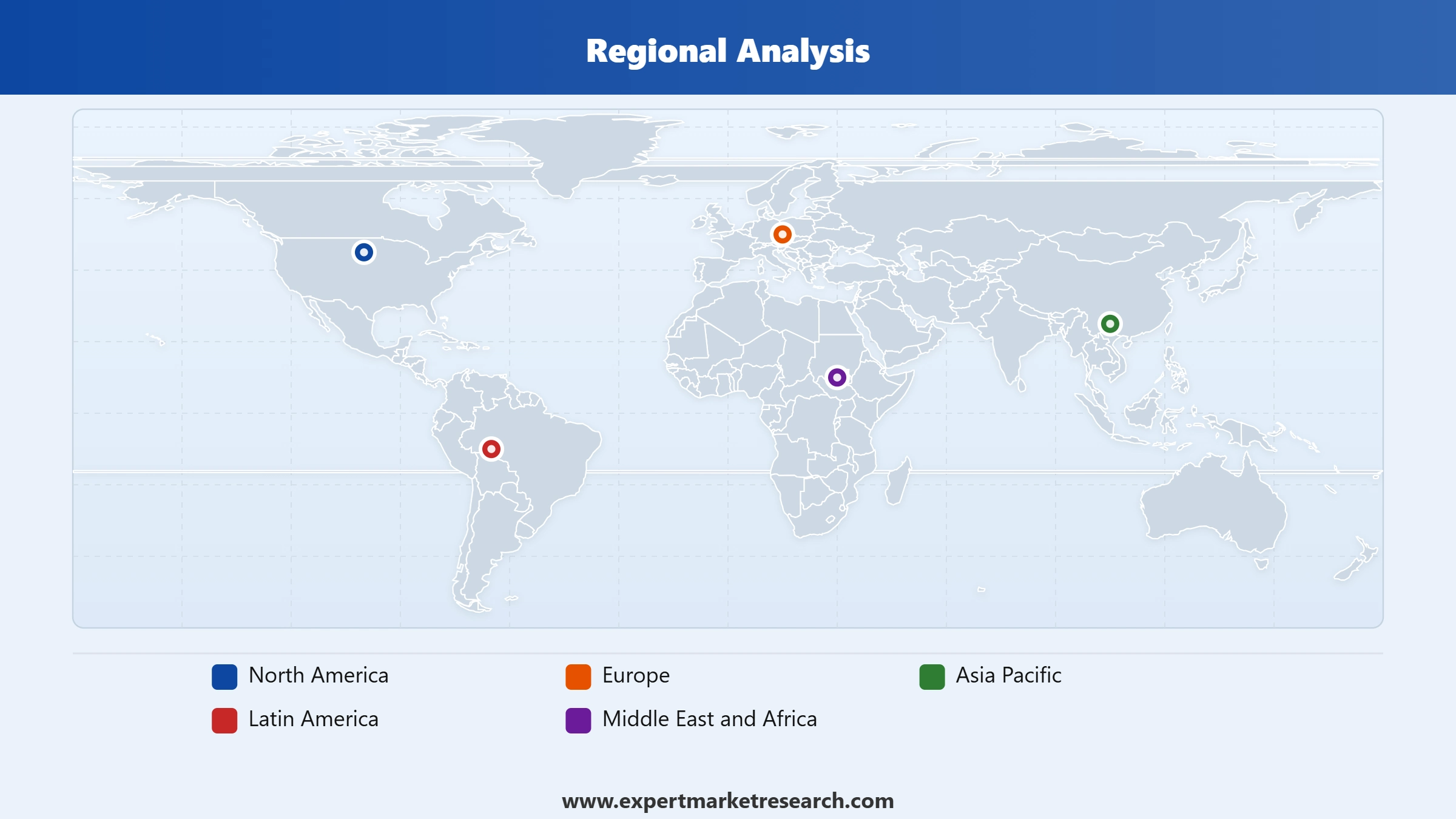
Key Insight: North America represents the largest share of the audit software market revenue. Strict government regulations like SOX, HIPAA, and PCI-DSS are major factors driving the rapid adoption in regional organisations. In Europe, demand is growing strong due to GDPR and ESG mandates, particularly in Germany and the United Kingdom. The fastest-growing market is the Asia Pacific, with India, Singapore, and Australia being the leading countries. Latin America and Africa are emerging markets with increasing interest from SMEs and government-backed transparency programmes.
By Component, the Solution Category Accounts for the Major Share of the Market
Solutions dominate the global market due to increasing demand for integrated platforms that combine risk, compliance, and performance analysis. Enterprises are making large investments in advanced modules that can manage internal controls, automate workflows, and reduce manual intervention. These systems offer scalability and are tailored for cross-border operations, with built-in updates to comply with regional laws. Firms prefer comprehensive solutions that incorporate data analytics, mobile access, and real-time reporting, improving efficiency.
Read more about this report - Request a Free Sample
Services are also gaining traction in the audit software industry, especially through SMEs and firms lacking in-house audit expertise. Managed audit services, real-time risk advisory, and on-demand compliance support are boosting this component’s growth. Cloud-native service platforms like Aqua Security and Lacework, offer ongoing upgrades and regulatory updates, helping companies to stay compliant. The increased complexity of ESG mandates and cross-border regulations are driving demand for external consultants who provide customised audit frameworks. Additionally, service providers are bundling AI and blockchain functionalities, offering holistic packages that support digital transformation.
By Deployment Type, On-Premises Registers the Dominant Share of the Market
On-premises deployment observes surging demand, mainly propelled by large enterprises, particularly from finance and healthcare sectors, where data confidentiality is non-negotiable. Solutions provided by firms like Workiva and iAuditor, offer full control over data and configurations, and are often chosen to meet jurisdiction-specific data residency requirements. Organisations dealing with sensitive financial or patient data favour on-premises models to ensure maximum compliance, propelling the audit software market opportunities.
Read more about this report - Request a Free Sample
The demand for cloud-based audit software is expanding rapidly, especially among mid-sized firms and startups aiming for cost-efficiency and scalability. Providers like MetricStream and Intelex offer SaaS-based audit tools with automatic updates and AI-generated analytics. These tools allow remote access, support distributed teams, and reduce upfront infrastructure costs. Following the United Kingdom government’s Cloud First policy, public sector organisations are shifting toward cloud-native audit solutions to simplify procurement and improve transparency.
By Organisation Size, Large Enterprises Secure the Dominant Share of the Market
Large enterprises accelerate the adoption of audit software due to complex compliance mandates and extensive operational footprints. These firms require multi-layered audits, and advanced tools help standardise procedures across global locations. Internal audit teams in multinationals are increasingly integrating AI and big data to manage internal controls. Custom workflows, access controls, and integration with GRC platforms are highly prioritised in this category. These enterprises often build audit strategies into broader digital transformation goals, reflecting board-level attention to compliance.
Read more about this report - Request a Free Sample
SMEs are fast embracing audit tools to professionalise their operations and gain investor confidence, boosting the audit software market revenue. Budget-friendly SaaS tools offered by FreshBooks, Zoho and Xero, are enabling small firms to automate basic audits, track finances, and prepare for external reviews. Startups in regulated sectors like fintech and healthcare are especially particularly shifting towards cloud audit software to meet licensing requirements. Government-backed programmes like the United Kingdom’s Help to Grow: Digital scheme have also helped SMEs adopt digital audit solutions.
By Vertical, the BFSI Sector Clocks in the Larger Share of the Market
Banking, financial services, and insurance firms are currently dominating the market due to intense regulatory oversight. These firms deal with vast data volumes, cross-border compliance, and financial fraud risks. Solutions that automate SOX compliance, AML audits, and financial risk analytics are in high demand. Real-time audit trails and predictive controls have become the standard requirements. Auditors in this sector often require advanced permission frameworks and integration with core banking systems to ensure transparency and accountability.
Read more about this report - Request a Free Sample
According to the audit software market report, the energy and utilities sector is witnessing rapid adoption of audit tools owing to environmental audits, regulatory penalties, and decarbonisation goals. With mandates like the United Kingdom's OFGEM guidelines on operational resilience, firms are integrating ESG and cybersecurity audits into standard procedures. Grid infrastructure firms, power distributors, and water utilities are adopting software that provides audit readiness for safety, sustainability, and financial regulations. Predictive alerts and mobile-enabled field audits are transforming operational risk assessment.
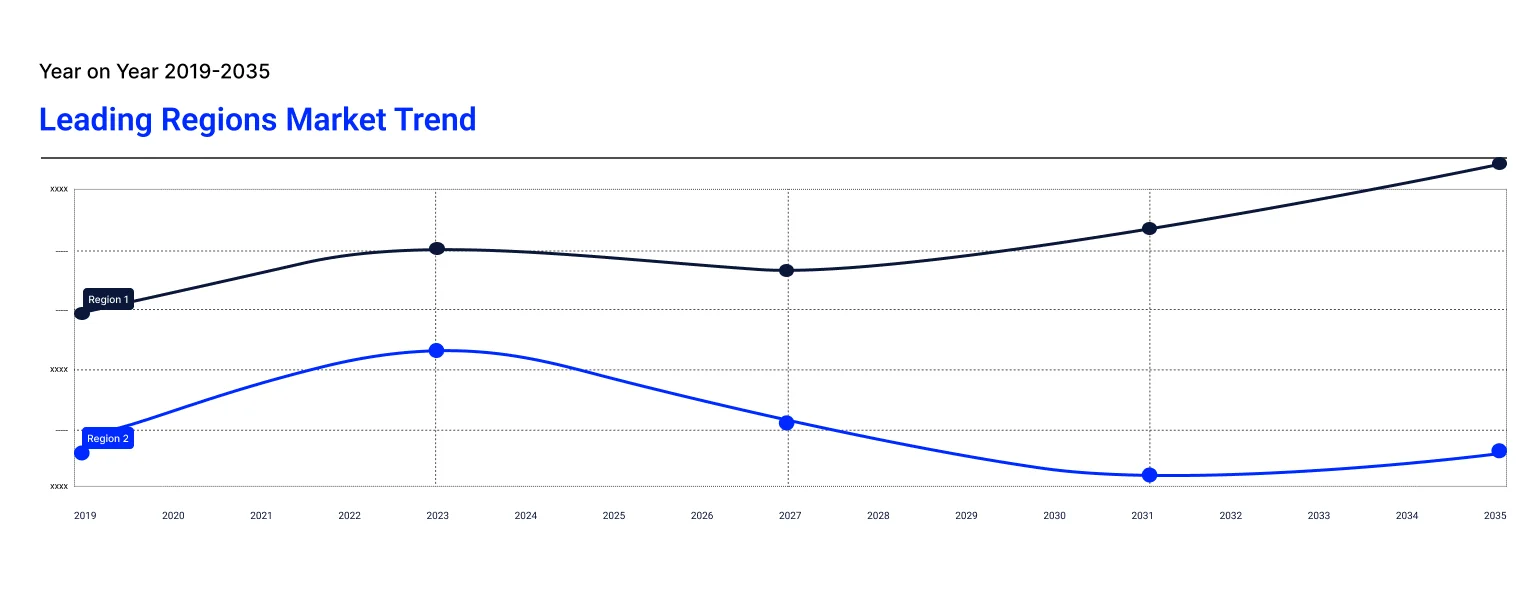
By Region, North America Occupies a Significant Share of the Market Revenue
North America remains the largest market for audit software, powered by stringent regulations like SOX, HIPAA, and NERC CIP. The United States and Canada are investing heavily in digital auditing systems, especially in BFSI, defence, and government sectors. The Securities and Exchange Commission (SEC) has pushed for real-time audit logs in capital markets. Furthermore, major corporations in the region are incorporating AI-backed solutions to strengthen governance, reduce manual errors, and automate audit readiness.
Read more about this report - Request a Free Sample
The audit software market in the Asia Pacific has emerged to be the fastest-growing industry due to rapid digitalisation, regulatory overhauls, and investor pressure. Countries like India, Singapore, and Australia are launching compliance reforms that favour audit software use. The Indian Companies Act's latest amendments, along with the Digital Personal Data Protection Act, are compelling firms to adopt audit-ready systems. Cloud-based tools that can scale and adapt to complex, multi-jurisdiction environments are gaining ground.
Leading audit software market players are focusing on embedding AI, blockchain, and ESG compliance features into their platforms. The market also observes an increasing number of investments in industry-specific modules, multilingual dashboards, and cybersecurity safeguards. Vendors are targeting government and mid-sized clients through customisable, compliant-by-design offerings.
Moreover, audit software companies are teaming up with consultancies and regulators to align with changing compliance requirements. As regulations become stricter, providers have an opportunity to create self-learning audit systems that can work in real-time while predicting risks. Other than that, AI-powered audits, blockchain records, tools for ESG compliance, cybersecurity add-ons, and audits built into ERP systems are some of the key trends that firms can focus on. Additionally, generative AI is being explored for drafting audit summaries, translating regulations, and surfacing exceptions faster. Firms are also exploring licensing flexibility, including audit-as-a-service models.
Netwrix Corporation, founded in 2006 and based in Frisco, Texas, delivers advanced audit and data security tools trusted by financial and government entities globally. The company’s software offers continuous risk assessments and AI-driven anomaly detection.
MasterControl Inc., established in 2007 in Salt Lake City, Utah, develops quality and compliance audit software tailored for life sciences. Their platforms ensure regulatory readiness for FDA, MHRA, and EMA requirements.
MetricStream, founded in 1999 and headquartered in San Jose, California, is a pioneer in GRC and audit software. The company’s cloud-native platform supports integrated risk management and real-time compliance monitoring.
Intelex Technologies, founded in 1992, specialises in ESG and safety audit solutions. The firm’s platform is popular among manufacturing and energy firms for its configurable, global audit workflows.
*Please note that this is only a partial list; the complete list of key players is available in the full report. Additionally, the list of key players can be customized to better suit your needs.*
Other key players in the market are Gensuite, IQVIA, and AuditDesktop, among others.
Explore the latest trends shaping the global audit software market 2026-2035 with our in-depth report. Gain strategic insights, future forecasts, and key market developments that can help you stay competitive. Download a free sample report or contact our team for customised consultation on audit software market trends 2026.


Upto 15% Off
USD
$2499 $2249
$3999 $3599
$4999 $4249
$5999 $5099


*While we strive to always give you current and accurate information, the numbers depicted on the website are indicative and may differ from the actual numbers in the main report. At Expert Market Research, we aim to bring you the latest insights and trends in the market. Using our analyses and forecasts, stakeholders can understand the market dynamics, navigate challenges, and capitalize on opportunities to make data-driven strategic decisions.*
The market is projected to grow at a CAGR of 10.47% between 2026 and 2035.
Key strategies driving the market include developing modular, regulation-aware platforms while partnering with domain experts, enhancing interoperability, and launching cloud-native audit apps to ensure real-time compliance, risk visibility, and user-driven configurability.
Advancements in technology and the growing volume of audit evidence in electronic format are the key industry trends propelling the market's growth.
The major regions in the industry are North America, Latin America, the Middle East and Africa, Europe, and the Asia Pacific.
The major components are solution and service.
Based on deployment model, the market is divided into cloud and on-premises.
The different organisation sizes include small and medium enterprises and large enterprises.
The various verticals are BFSI, energy and utility, manufacturing, food and beverage, accounting/CPA firms, and non-profit organisations, among others.
The major players in the industry are Netwrix Corporation, MasterControl Inc., MetricStream, Intelex Technologies, Gensuite, IQVIA, and AuditDesktop, among others.
In 2025, the audit software market reached an approximate value of USD 1.28 Billion.
The key challenges are integrating legacy systems, addressing data privacy regulations, and adapting software to regional compliance differences without increasing operational overhead or risking audit inaccuracies.
Explore our key highlights of the report and gain a concise overview of key findings, trends, and actionable insights that will empower your strategic decisions.
| REPORT FEATURES | DETAILS |
| Base Year | 2025 |
| Historical Period | 2019-2025 |
| Forecast Period | 2026-2035 |
| Scope of the Report |
Historical and Forecast Trends, Industry Drivers and Constraints, Historical and Forecast Market Analysis by Segment:
|
| Breakup by Component |
|
| Breakup by Deployment Model |
|
| Breakup by Organization Size |
|
| Breakup by Vertical |
|
| Breakup by Region |
|
| Market Dynamics |
|
| Competitive Landscape |
|
| Companies Covered |
|
| Report Price and Purchase Option | Explore our purchase options that are best suited to your resources and industry needs. |
| Delivery Format | Delivered as an attached PDF and Excel through email, with an option of receiving an editable PPT, according to the purchase option. |
Datasheet
One User
USD 2,499
USD 2,249
tax inclusive*
Single User License
One User
USD 3,999
USD 3,599
tax inclusive*
Five User License
Five User
USD 4,999
USD 4,249
tax inclusive*
Corporate License
Unlimited Users
USD 5,999
USD 5,099
tax inclusive*
*Please note that the prices mentioned below are starting prices for each bundle type. Kindly contact our team for further details.*
Flash Bundle
Small Business Bundle
Growth Bundle
Enterprise Bundle
*Please note that the prices mentioned below are starting prices for each bundle type. Kindly contact our team for further details.*
Flash Bundle
Number of Reports: 3
20%
tax inclusive*
Small Business Bundle
Number of Reports: 5
25%
tax inclusive*
Growth Bundle
Number of Reports: 8
30%
tax inclusive*
Enterprise Bundle
Number of Reports: 10
35%
tax inclusive*
How To Order

Select License Type
Choose the right license for your needs and access rights.

Click on ‘Buy Now’
Add the report to your cart with one click and proceed to register.

Select Mode of Payment
Choose a payment option for a secure checkout. You will be redirected accordingly.
Strategic Solutions for Informed Decision-Making
Gain insights to stay ahead and seize opportunities.

Get insights & trends for a competitive edge.

Track prices with detailed trend reports.

Analyse trade data for supply chain insights.

Leverage cost reports for smart savings

Enhance supply chain with partnerships.

Connect For More Information
Our expert team of analysts will offer full support and resolve any queries regarding the report, before and after the purchase.
Our expert team of analysts will offer full support and resolve any queries regarding the report, before and after the purchase.
We employ meticulous research methods, blending advanced analytics and expert insights to deliver accurate, actionable industry intelligence, staying ahead of competitors.
Our skilled analysts offer unparalleled competitive advantage with detailed insights on current and emerging markets, ensuring your strategic edge.
We offer an in-depth yet simplified presentation of industry insights and analysis to meet your specific requirements effectively.




