

Consumer Insights
Uncover trends and behaviors shaping consumer choices today
Procurement Insights
Optimize your sourcing strategy with key market data
Industry Stats
Stay ahead with the latest trends and market analysis.
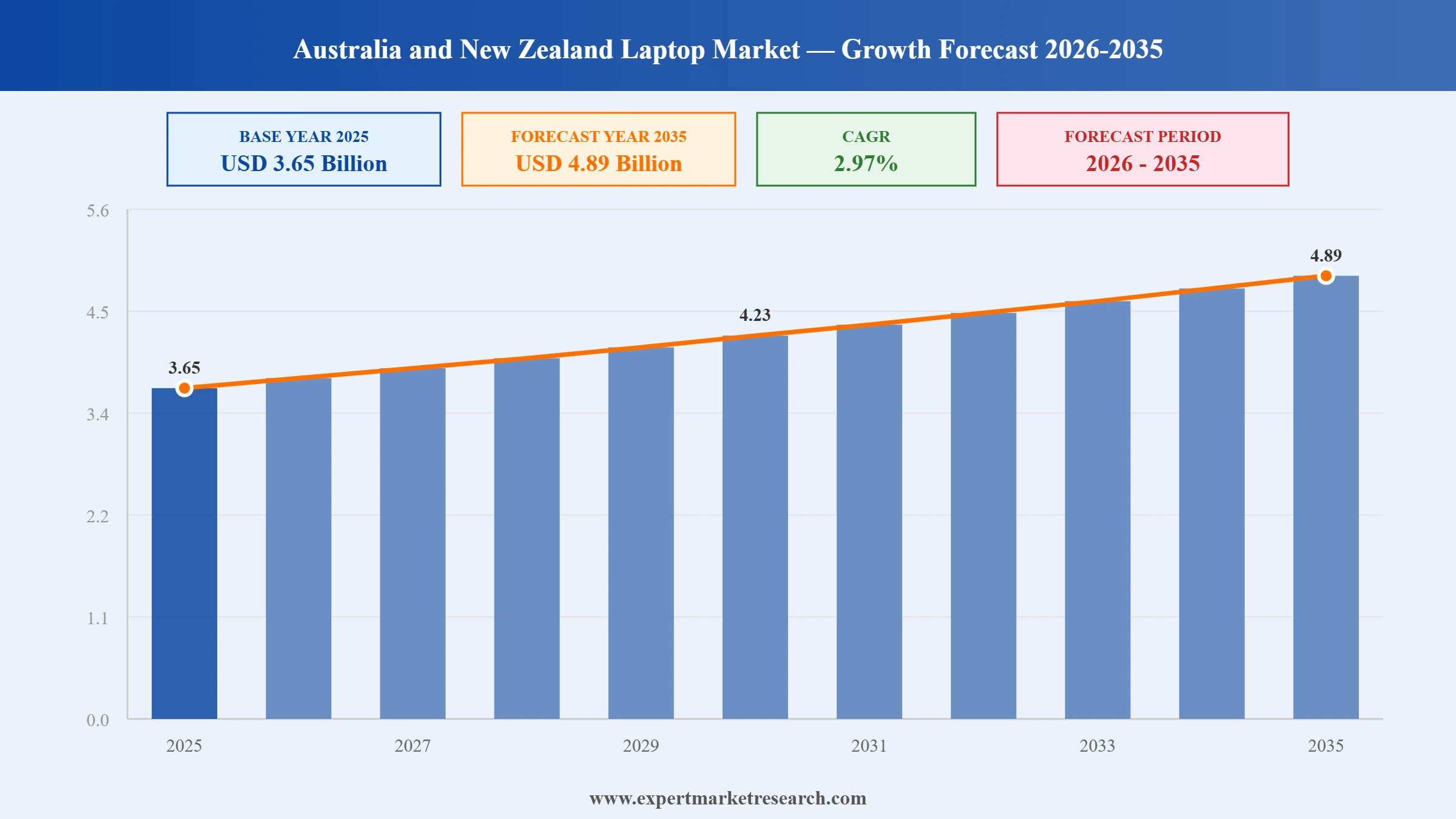
The Australia and New Zealand laptop market attained a value of USD 3.65 Billion in 2025 and is projected to expand at a CAGR of 2.97% through 2035. The market is further expected to achieve USD 4.89 Billion by 2035. The transition from device ownership to AI-enabled computing ecosystems is creating new value opportunities. As organizations integrate AI into daily workflows, laptops increasingly serve as secure endpoints for productivity, content generation, and data processing. Australia's business AI adoption reached 12% in 2024–25, up from 1% in 2021–22, strengthening the commercial case for AI-ready hardware procurement.
Schools and tertiary institutions across Australia and New Zealand require dependable computing infrastructure for digital learning, assessments, and administration. NZQA reported that more than 60% of students selected digital examinations where available in 2024. This supports demand for durable laptops with reliable connectivity, manageable operating environments, and predictable replacement cycles. Vendors that offer education-specific warranties, fleet-management services, and flexible procurement arrangements can address institutional requirements while building recurring business, thereby boosting the Australia and New Zealand laptop market value.
The incorporation of specialized neural processing functionality is redefining laptop design because it enables AI workloads to be processed locally instead of solely leveraging cloud resources. In March 2026, Apple released new MacBook Pro computers that were designed using M5 Pro and M5 Max chips, where Neural Accelerators were included in all GPU cores to handle complex AI loads. In terms of businesses based in Australia and New Zealand, local AI will allow for fast creation of content, analysis of data, software programming, and productivity apps while minimizing reliance on continuous cloud computation. This technological advancement is also providing opportunities to distinguish between laptops in terms of their AI capabilities, privacy-based computing, energy efficiency, and enterprise security. As corporate AI adoption expands, procurement teams are increasingly able to evaluate laptops as AI-ready productivity infrastructure rather than conventional computing endpoints.
The increasing use of high-performance processors, neural processing units, high-definition screens, and premium memory setups may increase the expense of buying a laptop, making it difficult for companies to acquire laptops within their tight budgets for technology purchase. This issue especially applies in the mass adoption of technology within the corporate and educational sectors, where it is imperative that purchasing departments balance the performance needs and overall expenditure required to replace the entire stock of machines. Consequently, organizations may extend existing device lifecycles rather than immediately upgrade to newer AI-enabled systems. For manufacturers and distributors, the challenge is to demonstrate measurable productivity and lifecycle benefits while offering multiple configurations across price points. Flexible financing, trade-in programs, and device-as-a-service models can help reduce upfront purchasing barriers, thereby boosting the Australia and New Zealand laptop market developments.
Read more about this report - REQUEST FREE SAMPLE COPY IN PDF
Google announced Googlebook in Australia on September 21, 2026, in partnership with ASUS, Dell, HP, and Lenovo. The new laptop category combines an Android-based foundation with ChromeOS desktop capabilities and Gemini Intelligence, while enabling features such as phone-to-laptop file access and app casting. Australian models start at AUD 2,299, with devices scheduled to reach stores on October 5. Googlebook laptops feature up to 2.8K OLED displays, dedicated NPUs exceeding 45 TOPS, and premium materials.
ASUS introduced the ExpertBook Ultra across Australia and New Zealand in June 2026, targeting mobile professionals and enterprise users requiring AI-enabled performance. The laptop weighs as little as 0.99 kg and supports up to 50W sustained CPU performance, while its dedicated NPU delivers up to 50 TOPS. The device also features a 14-inch 3K Tandem OLED touchscreen with up to 1,400 nits HDR brightness and a 70Wh battery rated for up to 26 hours, strengthening ASUS's premium business portfolio.
Apple introduced MacBook Neo in Australia in March 2026, expanding its laptop portfolio with a lower-priced model starting at AUD 899 including GST. The device features a 13-inch Liquid Retina display, A18 Pro chip, 8GB unified memory, 256GB SSD, and up to 16 hours of battery life. Apple also positioned the model around accessibility to its broader ecosystem, including macOS Tahoe, Apple Intelligence, and iPhone integration. The launch increases Apple's presence across more price-sensitive mainstream laptop purchasing segments.
Apple announced new MacBook Pro models powered by M5 Pro and M5 Max processors in March 2026, targeting demanding professional workloads. The chips feature an 18-core CPU architecture, next-generation GPUs with Neural Accelerators, and higher unified-memory bandwidth for AI-intensive applications. M5 Pro supports up to 64GB of unified memory, while M5 Max configurations can reach 128GB. The new MacBook Pro also incorporates Thunderbolt 5 and hardware-accelerated ray tracing, supporting applications involving software development, scientific computing, 3D production, and AI research.
Digital assessment is driving the emergence of a unique need for reliable student computing in both Australia and New Zealand. The issue is not one of just having more devices but of managing them in terms of their configuration, administration, support, and even replacement. The digital NCEA initiative in New Zealand offers an example of this shift with 142,088 digital test outcomes counted in 2024, making up 27% of all NCEA test outcomes. This creates opportunities for vendors supplying education-ready notebooks alongside asset management, repair programmes, protective equipment, and institutional support agreements. Such services can become important differentiators when schools evaluate total ownership requirements rather than hardware specifications alone.
AI capable hardware is becoming more of a product differentiator as companies incorporate computationally heavy AI functionalities directly onto laptops. In March 2026, Apple unveiled the M5 Pro and M5 Max for MacBook Pro, which include Neural Accelerators in every GPU core, increased unified memory bandwidth, and a faster Neural Engine. According to Apple, these chips offer four times the peak GPU compute power for AI applications over the previous generation. In Australia and New Zealand, such capabilities can support demand from developers, analysts, researchers, and creative professionals running AI workloads locally, creating opportunities for higher-specification professional notebooks.
Procurement within the education sector is increasingly moving away from buying devices individually and towards proper management of fleets. The Digital Strategy in South Australia gives an excellent example of an organizational context in which procurement needs are created through the requirement of achieving a specific ratio of student-to-device by the end of 2026. This approach creates demand not only for laptops but also for deployment, maintenance, asset tracking, repairs, and replacement services. Vendors that can provide standardised configurations across school fleets can reduce compatibility and administration issues for education departments. Multi-year support arrangements can additionally help institutions manage device longevity and maintain predictable technology budgets.
Portability is becoming an important differentiator as professionals increasingly work across offices, homes, client locations, and travel environments. Premium notebooks are consequently being engineered around lower weight without eliminating productivity-oriented display, connectivity, and processing capabilities. Dell's current XPS 13 offering in New Zealand illustrates this positioning with a 13.4-inch display and approximately 1 kg starting weight. This product strategy allows manufacturers to target consultants, executives, mobile sales teams, and other users who place a high value on carrying convenience. Vendors can further differentiate through efficient processors, compact chargers, connectivity accessories, and enterprise mobility packages.
Gaming and creator applications are supporting demand for laptops that combine desktop-class performance with mobility. ASUS's 2026 ROG Zephyrus Duo portfolio provides a strong example, offering a 16-inch 3K 120Hz OLED display, alongside configurations using the NVIDIA GeForce RTX 5070 Ti with 12GB GDDR7 or RTX 5090 Laptop GPU with 24GB GDDR7. The range also incorporates an Intel NPU rated at up to 50 TOPS, extending its relevance beyond gaming to AI-assisted creative workloads. Such products allow manufacturers and retailers to target gamers, video editors, 3D artists, and other performance-intensive users through specialised configurations.
The Expert Market Research’s report titled "Australia and New Zealand Laptop Market Report and Forecast 2026-2035” offers a detailed analysis of the market based on the following segments:
Market Breakup by Type
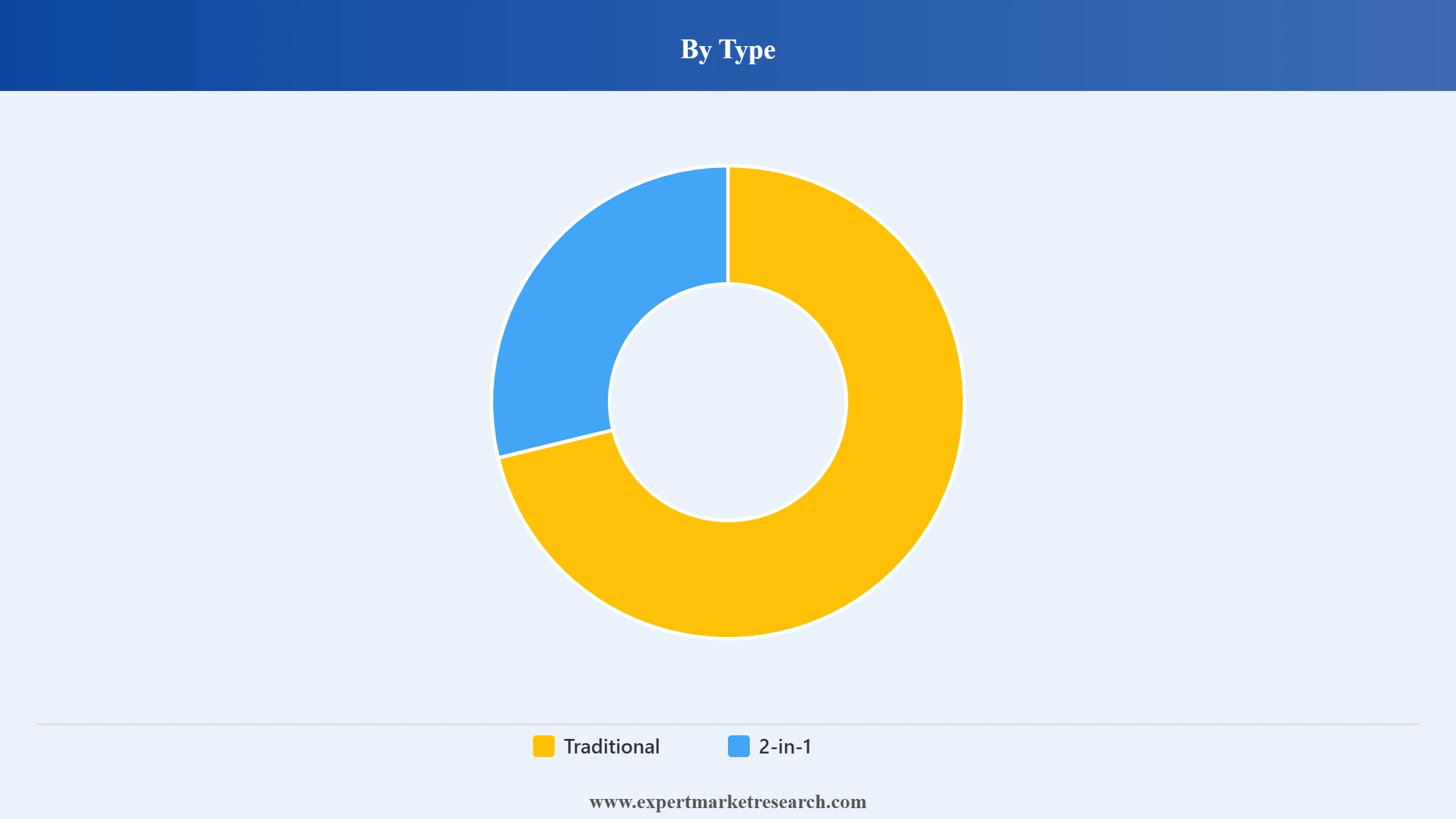
Key Insight: Traditional laptops are suitable for the widest variety of commercial, personal, and gaming uses owing to their well-known form factor, keyboard-based productivity, and varied pricing options. They are also key devices used in enterprise standardization fleets and high-performance computing. On the other hand, the 2-in-1 laptops cater to consumers interested in using touch screens and flexibility in using the device. There are improvements in the field of hinge technology, styluses, and convertibility. Suppliers can offer an array of devices catering to both affordable and feature-packed device demands in Australia and New Zealand.
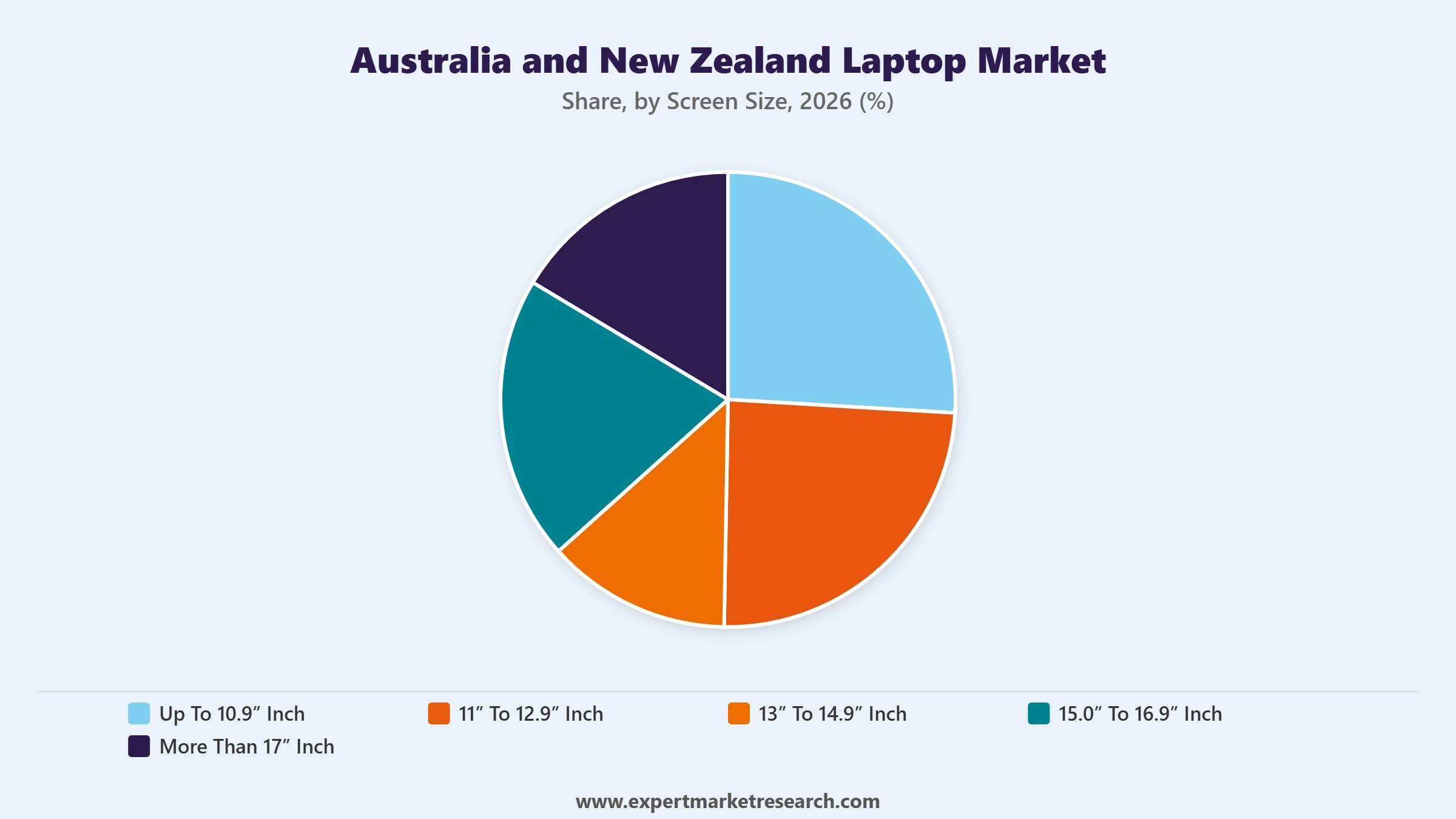
Market Breakup by Screen Size
Key Insight: Screen-size demand reflects the balance between portability, workspace, and computing intensity. Compact laptops cater to mobile professionals and education customers who value portability, whereas 13 inches to 14.9 inches models offer a good balance between display area and portability. The larger 15 inches to 16.9 inches models cater to businesses for multitasking, gaming, and creativity needs, including larger display areas. Devices exceeding 17 inches address specialized performance-oriented users who value screen space over portability. Manufacturers can optimize product portfolios by aligning screen size, battery efficiency, and processing capabilities with distinct professional and consumer applications.
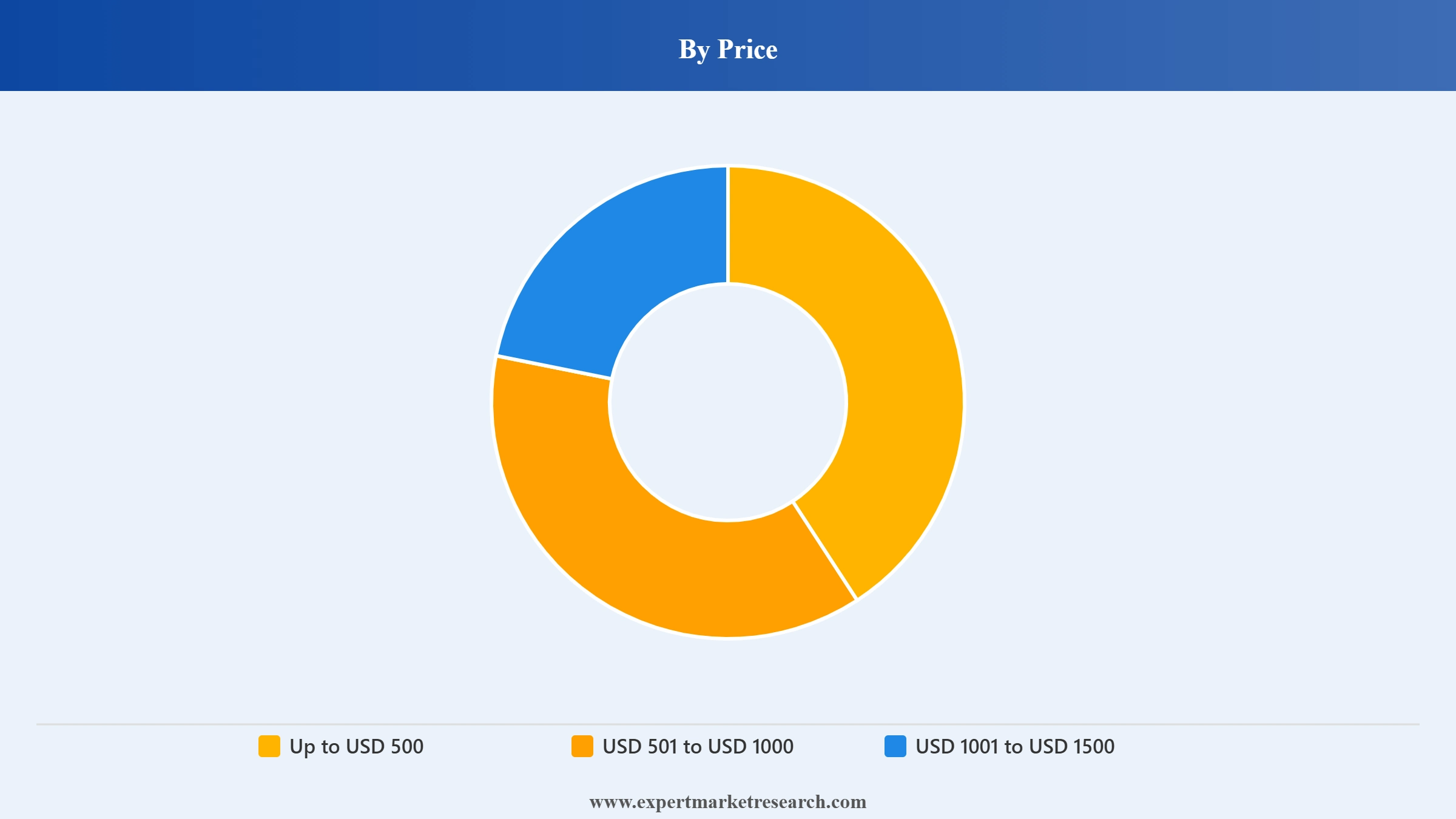
Market Breakup by Price
Key Insight: Laptop pricing reflects differences in hardware specifications, operating systems, materials, processing capabilities, and intended applications. The up-to-USD 500 segment addresses entry-level computing and budget-sensitive procurement, while the USD 501–1,000 category serves mainstream users seeking a balance between cost and performance. The USD 1,001–1,500 segment attracts professionals and consumers requiring stronger processing, improved displays, and longer device lifecycles. Higher-priced products serve gaming, workstation, and premium enterprise applications. Vendors can improve conversion through transparent configuration tiers, financing options, trade-in programs, and service-inclusive contracts.
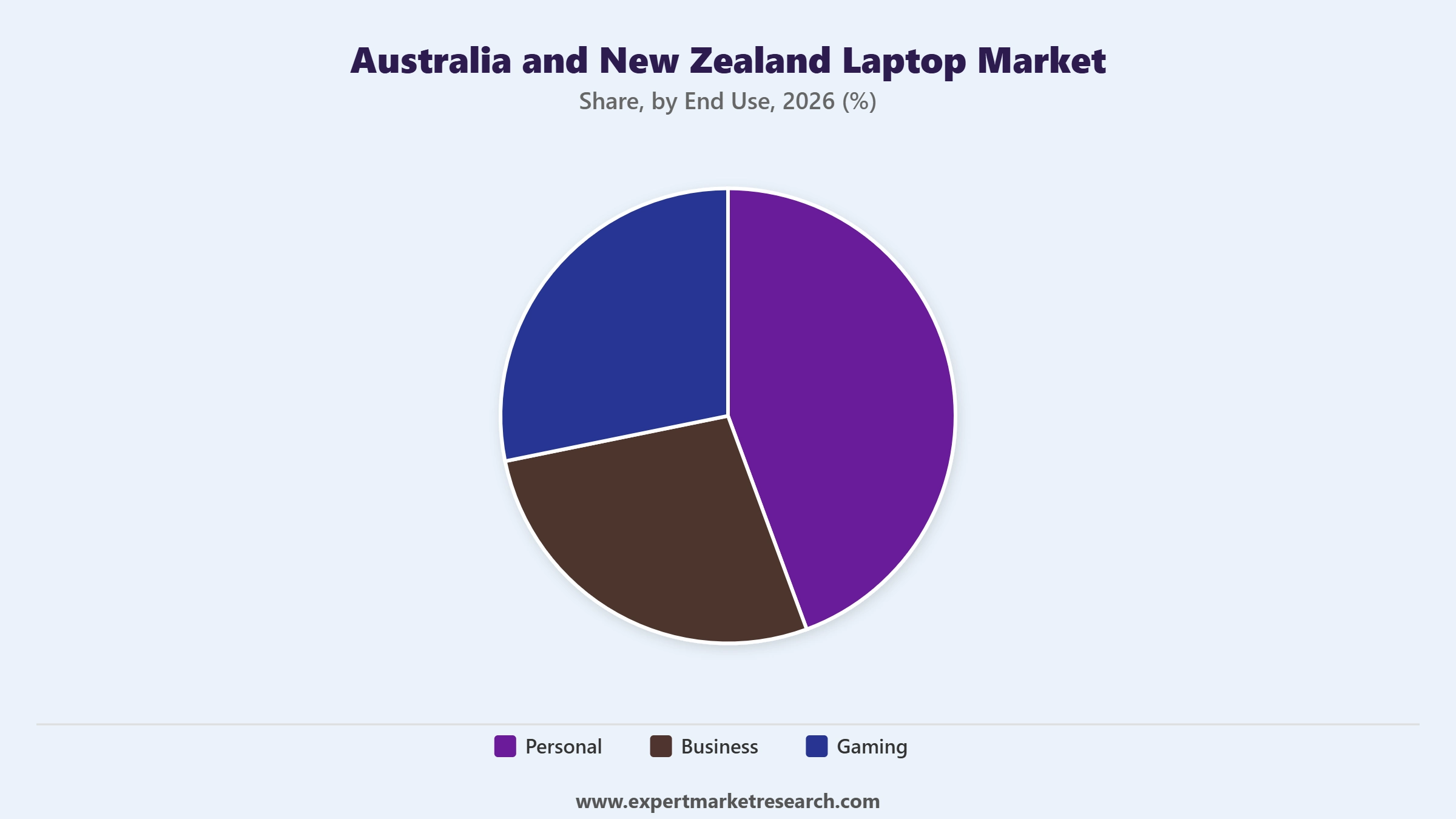
Market Breakup by End Use
Key Insight: Demand for personal laptops is driven by factors such as home computing needs, communications, entertainment, and individual productivity. The demand for business laptops is based on factors such as enterprise computer replacement, hybrid working models, cyber security needs, and the use of AI. Companies now judge their purchase decisions for laptops on factors like total cost of ownership and manageability of fleets. Gaming demand is influenced by graphics performance, thermal management, display quality, and portability. These segments create differentiated opportunities for manufacturers and channel partners. Personal buyers respond to usability and value, enterprises prioritize lifecycle and support, while gaming users often seek high-performance configurations and specialized accessories.
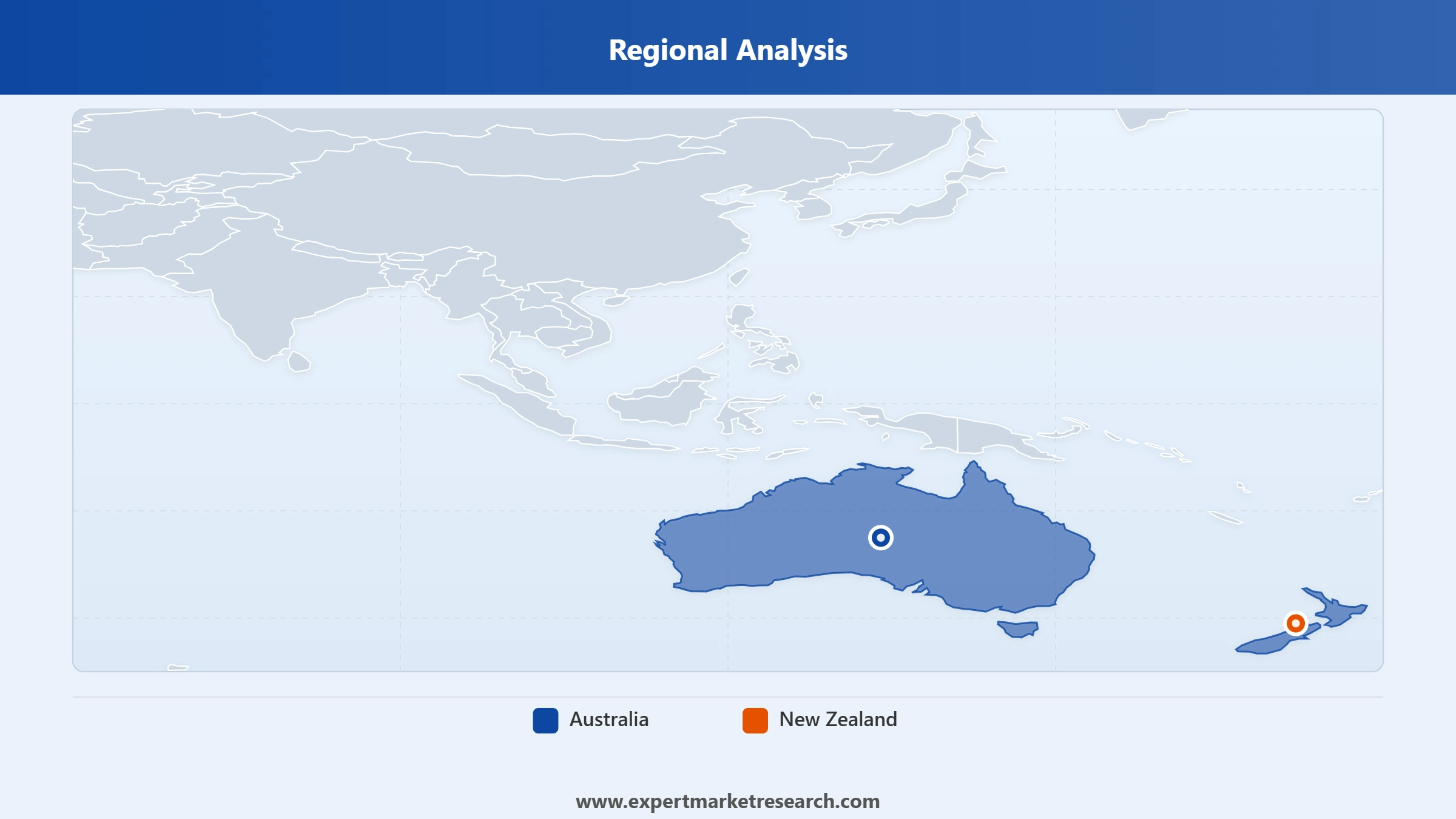
Market Breakup by Country
Key Insight: Australia represents a substantial addressable market for laptop manufacturers, supported by its larger population, broad business base, education system, and established electronics retail network. New Zealand offers additional demand across education, professional services, government, and personal computing. Both markets rely on imported computing hardware, making distributor coverage, inventory planning, warranty support, and currency exposure important commercial considerations. Vendors can improve regional scalability through coordinated product launches, shared channel partnerships, and localized after-sales services, while tailoring institutional offers to country-specific procurement requirements and customer preferences, thus driving the demand in the Australia and New Zealand laptop market.
Read more about this report - REQUEST FREE SAMPLE COPY IN PDF
Traditional laptops remain relevant across Australia and New Zealand because their conventional clamshell configuration supports business fleets, education, and everyday productivity without requiring convertible-specific hardware. In New Zealand, Ministry of Education guidance recommends school devices with at least 64GB storage, 4GB RAM, keyboards, webcams, and batteries capable of a six-hour school day, specifications readily aligned with conventional laptops. The same guidance also highlights durability, repairability, operating-system support, and compatibility with school software, reinforcing demand for dependable mainstream notebook configurations. Such developments will thus boost Australia and New Zealand laptop market trends in the long run.
Read more about this report - REQUEST FREE SAMPLE COPY IN PDF
2-in-1 laptops are targeted at flexible working, which involves the use of both keyboard and touch capabilities. The importance of these devices can be observed in the education sector due to portability and flexible interfaces. As noted by NZQA, there were 59% of Year 11-13 students who took part in one end-of-year digital exam in 2024 in comparison to 49% in 2023. 61% of exam results were obtained through digital means where the digital exam took place. This expanding digital workflow provides a practical use case for versatile touchscreen-capable computing devices.
The 13–14.9-inch category is well positioned around mobile productivity, particularly where users need sufficient workspace without carrying larger desktop-replacement devices. New Zealand's Ministry of Education specifically recommends considering screen size alongside student age and workload, while its device guidance identifies portability, durability, repairability, and battery life as practical purchasing considerations. It also recommends 10-inch-or-larger displays, with older students potentially requiring larger screens. These requirements support continued relevance of compact-to-mid-sized notebooks for education and mobile professional use.
Read more about this report - REQUEST FREE SAMPLE COPY IN PDF
Larger-than-15-inch laptops are finding demand among users requiring expanded visual workspace and stronger hardware configurations. Gaming and content-creation workloads are particularly relevant because large displays provide greater viewing area for timelines, dashboards, game environments, and multi-window workflows. ASUS's ROG Strix Scar range, for instance, extends to 18-inch displays, demonstrating manufacturers' willingness to offer notebook formats approaching desktop-monitor dimensions. The segment therefore occupies a specialised but expanding role among performance-oriented users seeking portability while retaining a large-screen working environment.
The USD 501–1,000 category serves buyers seeking mainstream performance without the additional cost associated with flagship specifications. This range accommodates laptops equipped for office productivity, online learning, web-based applications, and general personal use. Retail portfolios across Australia and New Zealand contain substantial representation in this band from vendors including Acer, Lenovo, ASUS, HP, and Dell. The category also provides manufacturers with room to differentiate through memory, storage, processor, display, and battery configurations while retaining relatively accessible positioning for mainstream buyers, thus bolstering the Australia and New Zealand laptop market growth.
Read more about this report - REQUEST FREE SAMPLE COPY IN PDF
The USD 1,001–1,500 segment is benefiting from consumers and professionals seeking stronger performance, premium displays, improved construction, and longer device lifecycles. Microsoft's Surface Laptop and Apple's MacBook Air occupy important parts of this value proposition, while vendors such as Lenovo and ASUS offer higher-specification Windows alternatives. The segment also provides an attractive positioning point for AI-capable notebooks because manufacturers can incorporate newer processors, enhanced memory configurations, and premium displays without moving entirely into ultra-premium pricing. This creates room for value-oriented premiumisation.
Business users represent a major laptop application because portable computers remain central to office productivity, remote work, corporate communication, and enterprise software access. Australia's Workplace Gender Equality Agency reported that 36.1% of Australian employees had a hybrid work arrangement in 2024, illustrating the continuing importance of computing equipment that can operate across workplace locations. Laptop requirements in this segment increasingly extend beyond processing performance to include enterprise security, device management, connectivity, video conferencing, and compatibility with corporate applications.
Read more about this report - REQUEST FREE SAMPLE COPY IN PDF
Gaming laptops occupy a specialised growth opportunity supported by Australia's sizeable gaming audience. The Interactive Games & Entertainment Association reported that 17.5 million Australians played games in 2025, equivalent to 93% of the population aged 16 and above. This broad consumer participation creates a substantial audience for portable gaming hardware. Manufacturers are responding with dedicated GPUs, high-refresh-rate OLED and IPS displays, advanced cooling systems, and high-performance processors. Gaming notebooks also increasingly overlap with creative and enthusiast applications requiring substantial graphics and processing capabilities.
Australia represents a major demand center within the Australia and New Zealand laptop market, supported by its larger population, extensive enterprise base, education infrastructure, and established technology distribution channels. The country's business technology adoption creates opportunities for AI-ready notebooks, secure enterprise endpoints, and managed laptop fleets. ABS reported that 46% of Australian businesses were innovation-active in 2024–25, while 24% offered staff the ability to work from home. These conditions support demand for mobile computing, although procurement remains sensitive to economic uncertainty, device pricing, and replacement-cycle decisions. Education procurement also remains an important channel, with state-level device requirements influencing institutional purchasing, thereby directly boosting the Australia and New Zealand laptop market regional growth.
Read more about this report - REQUEST FREE SAMPLE COPY IN PDF
New Zealand contributes additional demand through education, professional services, government, small businesses, and personal computing. The country's digital assessment environment supports demand for dependable student devices, while business users require secure and portable systems. NZQA's 2025 update reported that digital assessment was offered in 69 of 97 NCEA examination sessions, indicating continued integration of digital delivery into assessment infrastructure. For laptop vendors, New Zealand offers opportunities through education-focused distribution, localized support, and enterprise partnerships. Across both markets, regional scalability will depend on channel reach, supply availability, product suitability, and effective after-sales services.
Leading Australia and New Zealand laptop market players are primarily aiming to drive growth through product innovation, AI integration, portfolio diversification, and premiumisation. Companies such as Apple, ASUS, Dell Technologies, Lenovo, Samsung, Microsoft, and Schenker Technologies are expanding AI-capable devices with faster processors, enhanced battery efficiency, improved displays, and advanced productivity features. Manufacturers are also targeting distinct customer groups, including enterprises, students, gamers, creative professionals, and hybrid workers. Expanding lightweight and convertible form factors, strengthening gaming and professional laptop ranges, and introducing devices across different price points allow companies to capture a broader consumer base.
Growth strategies also focus on stronger distribution networks, e-commerce expansion, enterprise partnerships, and ecosystem integration. Australia and New Zealand laptop companies are seeking to increase recurring business through commercial device deployments, IT support, accessories, and software integration. In addition, sustainability is becoming relevant as manufacturers improve energy efficiency, recycled materials, device longevity, and responsible end-of-life management. These strategies help companies respond to changing purchasing preferences while strengthening their presence across Australia and New Zealand.
Established in 1976 and headquartered in Cupertino, California, Apple offers MacBook Air, MacBook Pro, and MacBook Neo laptops for personal and professional computing. Its portfolio combines proprietary Apple silicon processors, macOS, and integration with the broader Apple ecosystem. The company serves students, professionals, creative users, and businesses seeking reliable computing solutions. Apple differentiates itself through premium product design, hardware-software integration, performance optimisation, and a consistent user experience across its devices and services.
Established in 1969 and headquartered in Suwon, South Korea, Samsung Electronics offers Galaxy Book laptops for personal, professional, and business applications. Its portfolio features lightweight designs, advanced displays, and integration with the Samsung Galaxy ecosystem. The company targets consumers and professionals seeking connected digital experiences across devices. Samsung competes through product innovation, premium hardware, AI-enabled computing features, and ecosystem connectivity, supporting its presence in the laptop market across Australia and New Zealand.
Established in 1975 and headquartered in Redmond, Washington, Microsoft offers Surface Laptop and Surface Pro devices for personal, educational, and professional use. Its portfolio combines Windows, Microsoft Copilot capabilities, and productivity tools to support mobile computing and hybrid work. The company targets consumers, enterprises, and educational institutions seeking integrated hardware and software solutions. Microsoft competes through AI-enabled features, premium design, touchscreen functionality, and integration with Microsoft 365, strengthening its position in productivity-focused laptop and computing segments.
GIGA-BYTE Technology Co., Ltd., established in April 1986, is headquartered in Taiwan. In Australia and New Zealand, GIGABYTE offers gaming and creator-focused laptops across the GIGABYTE Gaming, AERO, and AORUS ranges. Current regional offerings include models such as the GIGABYTE AERO X16, Gaming A16/A18, Gaming A16 Pro, AORUS Master 16/18, and AORUS Elite 16, combining high-refresh displays, modern Intel or AMD processors, and dedicated graphics capabilities.
Other key players in the Australia and New Zealand laptop market include ASUSTeK Computer Inc., HP Inc., Dell Inc., Acer Inc., Micro-Star INT’L Co., Ltd., and Razer Inc. among others.
*Please note that this is only a partial list; the complete list of key players is available in the full report. Additionally, the list of key players can be customized to better suit your needs.*
Access the Expert Market Research report to explore the Australia and New Zealand Laptop Market Size, competitive landscape, and emerging commercial opportunities. Download a sample to understand Australia and New Zealand Laptop Market trends 2026, assess key segment dynamics, and evaluate the Australia and New Zealand Laptop Market forecast 2026-2035. Gain valuable insights to support product planning, market entry, distribution strategies, and long-term business growth.


Upto 15% Off
USD
$2499 $2249
$3999 $3599
$4999 $4249
$5999 $5099


*While we strive to always give you current and accurate information, the numbers depicted on the website are indicative and may differ from the actual numbers in the main report. At Expert Market Research, we aim to bring you the latest insights and trends in the market. Using our analyses and forecasts, stakeholders can understand the market dynamics, navigate challenges, and capitalize on opportunities to make data-driven strategic decisions.*
In 2025, the market reached an approximate value of USD 3.65 Billion.
The market is projected to grow at a CAGR of 2.97% between 2026 and 2035.
The revenue generated from the laptop market is expected to reach USD 4.89 Billion in 2035.
The laptop market is categorised according to the type, which includes traditional and 2-in-1.
Key players in the market are Apple Inc., Samsung Electronics Co., Ltd., Microsoft Corporation, ASUSTeK Computer Inc., HP Inc., Dell Inc., Acer Inc., Micro-Star INT’L Co., Ltd., and Razer Inc. among others.
Based on the end use, the market is divided into personal, business and gaming.
The market is broken down into Canada and New Zealand.
Key challenges in the Australia and New Zealand laptop market include fluctuating component prices, supply chain disruptions, intense competition, rapid technological obsolescence, cybersecurity concerns, and price-sensitive consumers. Additionally, economic uncertainty, e-waste management requirements, and the need for continuous innovation create operational and profitability pressures.
Key strategies shaping the Australia and New Zealand laptop market include product innovation, AI-powered laptop development, expansion of e-commerce channels, competitive pricing, strategic partnerships, and portfolio diversification. Manufacturers are also prioritising energy efficiency, premium features, after-sales support, and business-focused solutions to strengthen market presence and customer retention.
Explore our key highlights of the report and gain a concise overview of key findings, trends, and actionable insights that will empower your strategic decisions.
| REPORT FEATURES | DETAILS |
| Base Year | 2025 |
| Historical Period | 2019-2025 |
| Forecast Period | 2026-2035 |
| Scope of the Report |
Historical and Forecast Trends, Industry Drivers and Constraints, Historical and Forecast Market Analysis by Segment:
|
| Breakup by Type |
|
| Breakup by Screen Size |
|
| Breakup by Price |
|
| Breakup by End Use |
|
| Breakup by Region |
|
| Market Dynamics |
|
| Competitive Landscape |
|
| Companies Covered |
|
Datasheet
One User
USD 2,499
USD 2,249
tax inclusive*
Single User License
One User
USD 3,999
USD 3,599
tax inclusive*
Five User License
Five User
USD 4,999
USD 4,249
tax inclusive*
Corporate License
Unlimited Users
USD 5,999
USD 5,099
tax inclusive*
*Please note that the prices mentioned below are starting prices for each bundle type. Kindly contact our team for further details.*
Flash Bundle
Small Business Bundle
Growth Bundle
Enterprise Bundle
*Please note that the prices mentioned below are starting prices for each bundle type. Kindly contact our team for further details.*
Flash Bundle
Number of Reports: 3
20%
tax inclusive*
Small Business Bundle
Number of Reports: 5
25%
tax inclusive*
Growth Bundle
Number of Reports: 8
30%
tax inclusive*
Enterprise Bundle
Number of Reports: 10
35%
tax inclusive*
How To Order

Select License Type
Choose the right license for your needs and access rights.

Click on ‘Buy Now’
Add the report to your cart with one click and proceed to register.

Select Mode of Payment
Choose a payment option for a secure checkout. You will be redirected accordingly.
Strategic Solutions for Informed Decision-Making
Gain insights to stay ahead and seize opportunities.

Get insights & trends for a competitive edge.

Track prices with detailed trend reports.

Analyse trade data for supply chain insights.

Leverage cost reports for smart savings

Enhance supply chain with partnerships.

Connect For More Information
Our expert team of analysts will offer full support and resolve any queries regarding the report, before and after the purchase.
Our expert team of analysts will offer full support and resolve any queries regarding the report, before and after the purchase.
We employ meticulous research methods, blending advanced analytics and expert insights to deliver accurate, actionable industry intelligence, staying ahead of competitors.
Our skilled analysts offer unparalleled competitive advantage with detailed insights on current and emerging markets, ensuring your strategic edge.
We offer an in-depth yet simplified presentation of industry insights and analysis to meet your specific requirements effectively.




