

Consumer Insights
Uncover trends and behaviors shaping consumer choices today
Procurement Insights
Optimize your sourcing strategy with key market data
Industry Stats
Stay ahead with the latest trends and market analysis.
The Australia meal replacement products market attained a value of USD 205.47 Million in 2025 and is projected to expand at a CAGR of 5.10% through 2035. The market is further expected to achieve USD 337.89 Million by 2035. The rising need for protein-based nutrition is prompting food manufacturers to redevelop meal replacement products in terms of satiety, muscle maintenance, label transparency, and convenience.
There are two particular aspects that are boosting the development of the Australia meal replacement products market. One is the expansion to mainstream grocery stores that makes products more available. Moreover, private-label suppliers are reducing the entrance barrier by providing services in customized formula creation, testing, and manufacturing. Simultaneously, product development is expanding applications through bar and RTD formulations, making it possible for brands to address work-related nutrition, fitness training, and go-to-market needs, rather than being dependent on weight management needs.
The Australia meal replacement products market is evolving beyond conventional weight management shakes to new high-protein options that cater to active individuals and their everyday nutritional needs. Among the latest innovations in the market is Brownes Dairy’s introduction of Füll+, a ready-to-drink meal replacement that is meant as an alternative for traditional drive-through meals, announced in February 2026. It contains 35g of protein and 18 vitamins and minerals and an iced coffee-based formula to attract consumers interested in a convenient portable option that does not necessarily require consumption of protein shakes.
Innovation in the Australia meal replacement products market is increasingly becoming centered on formulation, digestive benefits, and convenience. Brands are coming up with shakes and bars that have high protein levels, lower sugar content, gut health ingredients, and functional ingredients without necessarily reducing calories. Vybey is an example of a brand that introduced Complete Nutrition Bars in February 2025 with 20g of protein, no added sugar, and ingredients that are focused on brain and gut health.
Compound Annual Growth Rate
5.1%
Value in USD Million
2026-2035
Read more about this report - REQUEST FREE SAMPLE COPY IN PDF
The Australian Catholic University noted an increasing requirement for nutritionally dense, protein-packed, fiber-added meal replacements in smaller serving sizes as a result of GLP-1 usage becoming more prevalent. Companies can come up with portion-controlled high-protein and high-fiber meal replacements in re-sealable packs for the new nutritional requirements centered around GLP-1, leveraging such trends in the Australia meal replacement products market.
True Protein released an ultrafiltration-based RTD shake which provides 30g of protein without any added sugar or artificial ingredients. Companies can come up with clean label, high-protein RTD meal replacements using state-of-the-art filtration methods.
The Collagen Co. started offering Weis Mango and Splice Pine Lime collagen meal replacement shakes in limited editions. Companies may form alliances with well-known food brands to offer nostalgic products with functional and meal replacement benefits.
Based on a study by CSIRO, Fast Start meal replacement plan showed effective results with regard to weight loss, as it involved partial meal replacement along with nutritional and behavioral components. Companies in the Australia meal replacement products market could leverage meal replacements together with digital coaching and behavioral support for differentiation.
Companies in the Australia meal replacement products industry are moving away from simple calorie-controlled shakes and focusing on offering high protein and nutritionally complete shakes which aid in satiety and muscle preservation. Füll+ represents the move through offering 35g of dairy protein with 18 essential vitamins and minerals in each serving, targeting customers seeking a complete meal instead of just a protein shake. In addition, the new version of Vybey powder contains 29g of protein, 26 essential vitamins and minerals, fiber, prebiotics, probiotics, and nootropics. On the other hand, in August 2026, Nestlé developed AI-enabled, high-protein products tailored to GLP-1 users, addressing nutritional needs during rapid weight loss
The use of ready-to-drink products is becoming a significant area of development in the Australia meal replacement products market as companies attempt to eliminate preparation obstacles and extend meal replacements into new distribution channels. In January 2026, Alpro launched Meal to Go, plant-based meal replacement drinks delivering 20g protein, fiber, omega-3s, and essential vitamins. The drink is formulated with protein, carbohydrates, fats, vitamins, and minerals as opposed to being just sports nutrition.
The use of plant protein is gradually shifting from niche positioning to becoming a strategic product development platform for companies, accelerating the Australia meal replacement products market value. Vybey's Complete Nutrition Bars contain 20 grams of plant-based protein per 80 grams of serving using ingredients such as pea protein, oats, almonds, dates, and tapioca fiber. From an industrial perspective, CSIRO is researching on plant and novel protein technologies by working with industry and government organizations to boost the processing capability of proteins in Australia. The roadmap created by CSIRO highlights a potential value creation worth AUD 13 billion in proteins focusing on plant proteins, precision fermentation, and other differentiating protein sources.
Australian meal replacement brands are increasingly using core nutrition along with gut and cognitive health positioning in order to market their products to broader wellness occasions. In August 2026, HFS launched myBiome, an Australian gut-health brand offering prebiotic fiber products in convenient sachets and tubs. Such trends in the Australia meal replacement products market provide manufacturers a way to differentiate themselves apart from their competitors through core nutrition. In addition, CSIRO is carrying research work in optimized nutrition and protein technologies.
Sustainability is impacting the development of ingredients used in future meal replacement products, through precision fermentation, food waste utilization, and alternative proteins. The Future Protein Mission of the Commonwealth Scientific and Industrial Research Organisation (CSIRO) aims at converting low-to-no value food flows into protein and setting up precision fermentation sites. In December 2025, Eden Brew developed a deep-tech protein platform producing animal-free nutrition ingredients for sustainable food applications and functional products, driving the Australia meal replacement products market expansion.
The Expert Market Research's report titled “Australia Meal Replacement Products Market Report and Forecast 2026-2035” offers a detailed analysis of the market based on the following segments:
Market Breakup by Type
Key Insight: Nutritional bars are gaining major momentum owing to their portability, portion control, and advanced protein-carbohydrate combination formulation, while powdered drinks are becoming popular due to their customizability and longevity. In January 2026, READYBAR and Complē Coffee launched CHARGED!, an espresso mocha meal replacement bar combining caffeine and balanced nutrition. Ready-to-drink products offer advantages such as immediate consumption, consistent nutritional intake, and greater alignment with consumers’ beverage purchasing habits. The other types of drinks address more specific needs with capsules, biscuits, and hybrids, accelerating the Australia meal replacement products market value. All these types make it possible for producers to focus on different usage situations, starting from the nutritional intake up to commuting and workplace consumption needs.
Market Breakup by Distribution Channel
Key Insight: Supermarkets and hypermarkets continue to be relevant in terms of accelerating the Australia meal replacement products market value due to their importance in terms of visibility, impulse discovery, promotion efforts, and reach to consumers at home. Convenience stores are used in situations where instant nutrition is required, such as for commuting consumers and others who are in search of nutrition close to their places of work or transport terminals. Sports and specialty stores help manufacturers target those shoppers who require sports nutrition, diet supplements, and high-quality functional nutrition formulas. Online media allow for repeat purchases and subscriptions to the products and nutritional information.
Market Breakup by Region
Key Insight: The market in New South Wales is led by metropolitan consumer demand, grocery distribution systems, corporate employees, and the presence of health and fitness communities. Victoria is advantaged by its consumer sophistication, food specialties, and high-end nutritional products that work as supplements. Queensland is advantaged by the healthy lifestyles and tourist consumers who require products that are convenient to transport and use. The Australian Capital Territory is advantaged by specialist consumers who include health-conscious individuals and professionals requiring structured nutrition. The Western Australia market is advantaged by the geography, worksite consumerism, and need for portable products.
By type, the ready-to-drink products category lead the market due to convenience and portability
Pre-made of ready-to-drink products are taking the lead in the Australia meal replacement products market scope due to growing consumer preference for convenient options that do not require any preparation. For manufacturers, the opportunity is in a formulation of a ready-to-drink option, containing a combination of proteins, carbohydrates, fats, vitamins, minerals, and functional ingredients. B2B suppliers might have an opportunity in producing dairy-based, plant-based, and combined products, while packaging producers might be able to provide solutions for resealable bottles and enhanced shelf life. In November 2025, Tetra Pak launched sunflower protein solutions, helping food and beverage producers develop plant-based products addressing growing consumer demand.
The nutritional bar segment is becoming the fastest growing one in the Australia meal replacement products market dynamics due to manufacturers’ expansion of meal replacement consumption from beverages to other types of products. Nutritional bars provide for the possibility to control the portion sizes, be easily transported and consumed during a break between meetings, commuting, and workout. Ingredient suppliers have an opportunity to produce products like fibers, binders, and plant proteins, which could improve the bar’s nutrients.
By distribution channel, supermarkets and hypermarkets remain dominant due to visibility, accessibility, and distribution scale
The ongoing dominance of supermarkets and hypermarkets across the Australia meal replacement products market scope can be explained by their ability to offer broad shelf space, high frequency of grocery shopping, visibility of promotions, and chilled logistics. The use of supermarkets enables brands to create strong shelf positions, conduct bundle promotions, chill products, and familiarize consumers with their products through repeated exposure in stores. Manufacturers can leverage the partnership with supermarkets to achieve large-scale operations in national and regional retail chains as well as expand their meal replacements portfolios to include premium, functional, and private label variants. In June 2026, McDonald’s Australia revived its McSmart Meal alongside three new menu items, expanding value-focused choices for consumers.
Online retail is the channel that shows the highest rate of growth in the Australia meal replacement products market owing to subscription purchasing, wider product range, customized nutrition positioning, and home delivery of repeat customers. Online channels allow brands to educate customers about the ingredients' credentials, compare nutritional profiles, and target consumers based on their dietary needs. The subscription business model promotes repeat purchases, while direct-to-consumer fulfillment allows emerging brands to experiment with their products before entering physical retail markets. It ensures greater brand awareness.
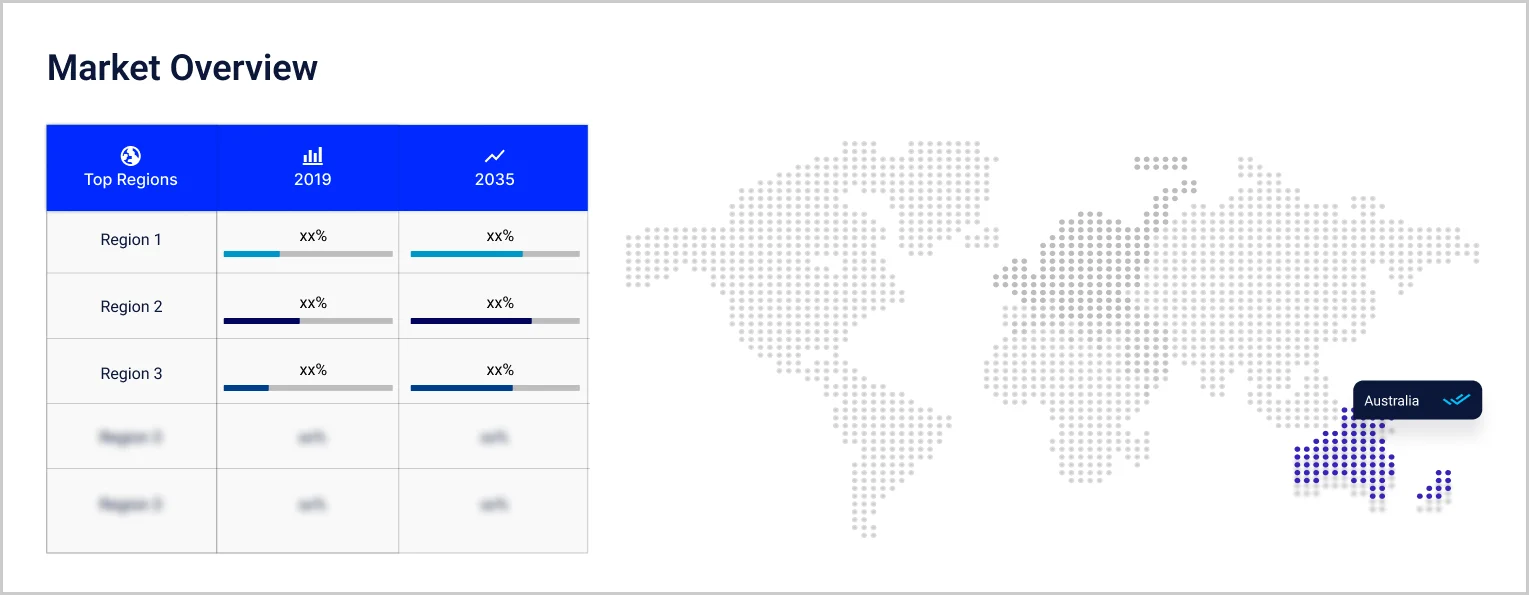
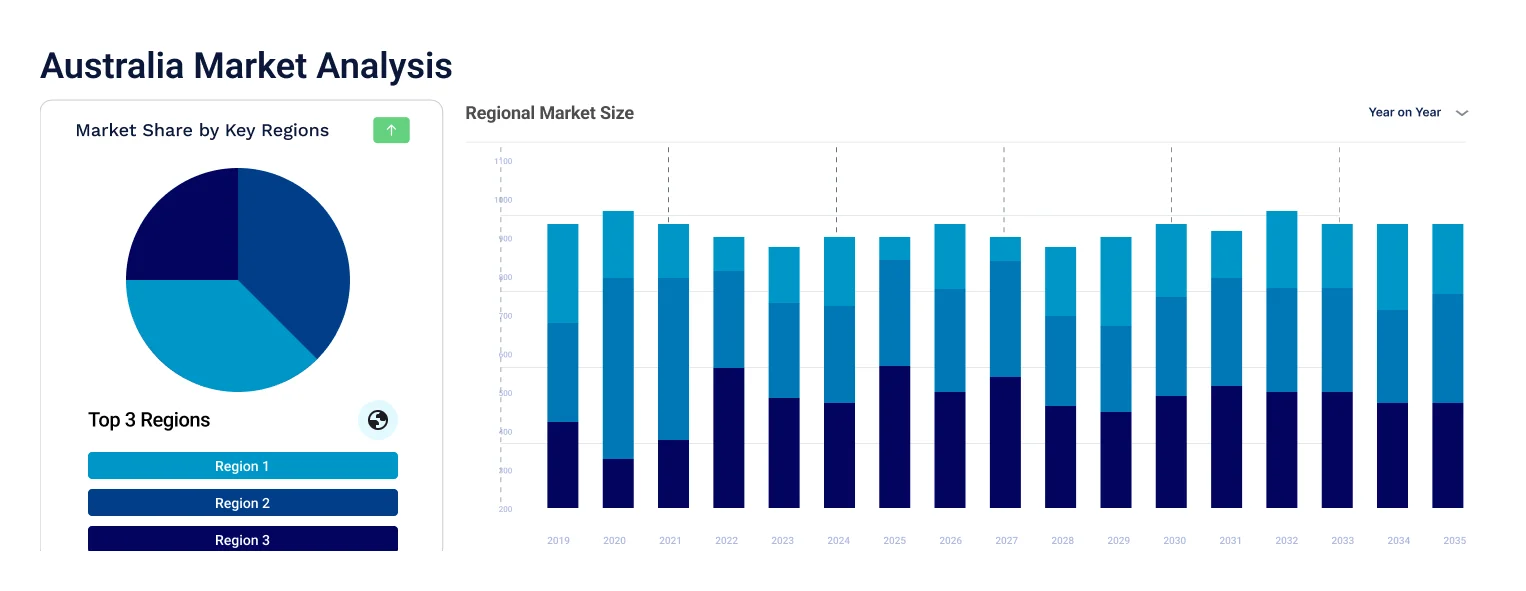
Read more about this report - REQUEST FREE SAMPLE COPY IN PDF
New South Wales leads the market due to urban demand and retail infrastructure
New South Wales dominates the overall Australia meal replacement products market because of dense urban population, solid retail environment, health-conscious consumer base, and extensive business and fitness networks. Additionally, New South Wales offers opportunities for companies to position meal replacement products across major metropolitan areas, driven by commuting patterns, office-based lifestyles, physical activity, and demand for convenient meal options during busy periods. Dense retailing also helps promote products through supermarkets, pharmacies, specialty nutrition stores, and online stores.
The Western Australia meal replacement products market emerges to be the fastest growing one due to its scattered population, active lifestyles, convenience trends, and growing need for transportable meal replacements. Companies can target various worksites that offer an occasion for transportable nutrition products to reduce cooking times. Distance factor enables consumers to benefit from shelf-stable powders, bars, and transportable ready to drink products. This trend might provide companies with opportunities to develop efficient packaging and logistics systems along with nutritious meal replacement products.
Competitive strategy within the industry is focused on formulation innovation, functional nutrition, convenience product forms, and broadened retail distribution. Australia meal replacement product companies are stepping away from traditional weight management-focused strategies through formulation of protein shakes and nutritionally balanced and lifestyle solutions. Nestlé and Abbott are relying on their expertise in nutrition and health care-related portfolio offerings. Glanbia is capitalizing on performance nutrition, proteins, and unique formulation solutions. Herbalife is continuing to rely on the distributor-based model in reaching consumers that seek to enroll in a structured nutrition program.
Leading Australia meal replacement products market players find opportunities in ready-to-drink solutions, high-protein bars, vegetarian formulation, gut health ingredients, and personalized nutrition offerings. In addition, the industry trend is towards clean labeling, better taste profiles, and products designed for workplace or active-lifestyle consumers. Retail partnerships, digital subscription solutions, and private label manufacturing provide additional opportunities for market expansion. Competitive advantage is becoming more about combining nutritional science expertise with manufacturing and unique product formulations.
Nestlé SA was established in the year 1866 and its headquarters is in Vevey, Switzerland. In Australia, Nestlé utilizes its vast infrastructure of foods and nutrition through Nestlé Health Science to cater to the needs related to nutrition. The portfolio and research and development capabilities of Nestlé help in developing meal replacement products that have nutrition completeness, focus on health-related ingredients, and convenience aspects.
Abbott Laboratories was founded in the year 1888, and its headquarters is in Illinois, United States. The company caters to the needs related to meal replacement and nutritional supplements through its science-based nutrition portfolio. Products that include protein and other nutrients as well as complete nutrition are being developed by Abbott.
Glanbia Plc was founded in 1960 and is based in County Kilkenny, Ireland. Glanbia competes on the basis of performance nutrition brands, protein and nutrition solutions. Its Glanbia Performance Nutrition unit serves in Australia and brands include Optimum Nutrition. The company’s ingredient capabilities allow for customization of formulas, flavors, and formularization for ever-changing nutrition needs.
Herbalife International of America, Inc. was founded in 1980 and is based in Los Angeles, California, United States. The operations of Herbalife commenced in Australia in 1983. The company uses an independent distributor network for marketing structured nutrition products that include Formula 1 meal replacement shakes.
Other key players in the market include Amway Corp., and VYBEY, among others.
*Please note that this is only a partial list; the complete list of key players is available in the full report. Additionally, the list of key players can be customized to better suit your needs.*
Unlock the latest insights with our Australia meal replacement products market trends 2026 report. Discover regional growth patterns, consumer preferences, and key industry players. Stay ahead of competition with trusted data and expert analysis. Download your free sample report today and drive informed decisions in the market.


Upto 15% Off
USD
$2499 $2249
$3999 $3599
$4999 $4249
$5999 $5099


*While we strive to always give you current and accurate information, the numbers depicted on the website are indicative and may differ from the actual numbers in the main report. At Expert Market Research, we aim to bring you the latest insights and trends in the market. Using our analyses and forecasts, stakeholders can understand the market dynamics, navigate challenges, and capitalize on opportunities to make data-driven strategic decisions.*
The market was valued at USD 205.47 Million in 2025.
The market is projected to grow at a CAGR of 5.10% between 2026 and 2035.
The revenue generated from the meal replacement products market is expected to reach USD 337.89 Million in 2035.
The meal replacement products market is categorised according to type, which includes nutritional bars, powdered products, ready-to-drink products, and others.
The key players are Nestlé SA, Abbott Laboratories, Glanbia Plc, Herbalife International of America, Inc., Amway Corp. and VYBEY among others.
Based on the distribution channel, the market is divided into supermarkets and hypermarkets, convenience stores, online and others.
The market is broken down into New South Wales, Victoria, Queensland, Australian Capital Territory, Western Australia, and others.
Companies face formulation costs, changing nutrition regulations, consumer skepticism around meal replacements, intense protein-product competition, ingredient price volatility, taste expectations, and the challenge of maintaining nutritional credibility while controlling retail prices.
Manufacturers are developing functional formulations, expanding ready-to-drink portfolios, strengthening grocery partnerships, personalizing nutrition solutions, adopting sustainable proteins, and using digital subscriptions to increase repeat purchases.
Explore our key highlights of the report and gain a concise overview of key findings, trends, and actionable insights that will empower your strategic decisions.
| REPORT FEATURES | DETAILS |
| Base Year | 2025 |
| Historical Period | 2019-2025 |
| Forecast Period | 2026-2035 |
| Scope of the Report |
Historical and Forecast Trends, Industry Drivers and Constraints, Historical and Forecast Market Analysis by Segment:
|
| Breakup by Type |
|
| Breakup by Distribution Channel |
|
| Breakup by Region |
|
| Market Dynamics |
|
| Competitive Landscape |
|
| Companies Covered |
|
Datasheet
One User
USD 2,499
USD 2,249
tax inclusive*
Single User License
One User
USD 3,999
USD 3,599
tax inclusive*
Five User License
Five User
USD 4,999
USD 4,249
tax inclusive*
Corporate License
Unlimited Users
USD 5,999
USD 5,099
tax inclusive*
*Please note that the prices mentioned below are starting prices for each bundle type. Kindly contact our team for further details.*
Flash Bundle
Small Business Bundle
Growth Bundle
Enterprise Bundle
*Please note that the prices mentioned below are starting prices for each bundle type. Kindly contact our team for further details.*
Flash Bundle
Number of Reports: 3
20%
tax inclusive*
Small Business Bundle
Number of Reports: 5
25%
tax inclusive*
Growth Bundle
Number of Reports: 8
30%
tax inclusive*
Enterprise Bundle
Number of Reports: 10
35%
tax inclusive*
How To Order

Select License Type
Choose the right license for your needs and access rights.

Click on ‘Buy Now’
Add the report to your cart with one click and proceed to register.

Select Mode of Payment
Choose a payment option for a secure checkout. You will be redirected accordingly.
Strategic Solutions for Informed Decision-Making
Gain insights to stay ahead and seize opportunities.

Get insights & trends for a competitive edge.

Track prices with detailed trend reports.

Analyse trade data for supply chain insights.

Leverage cost reports for smart savings

Enhance supply chain with partnerships.

Connect For More Information
Our expert team of analysts will offer full support and resolve any queries regarding the report, before and after the purchase.
Our expert team of analysts will offer full support and resolve any queries regarding the report, before and after the purchase.
We employ meticulous research methods, blending advanced analytics and expert insights to deliver accurate, actionable industry intelligence, staying ahead of competitors.
Our skilled analysts offer unparalleled competitive advantage with detailed insights on current and emerging markets, ensuring your strategic edge.
We offer an in-depth yet simplified presentation of industry insights and analysis to meet your specific requirements effectively.




