

Consumer Insights
Uncover trends and behaviors shaping consumer choices today
Procurement Insights
Optimize your sourcing strategy with key market data
Industry Stats
Stay ahead with the latest trends and market analysis.
The global baby furniture market attained a value of USD 37.54 Billion in 2025 and is projected to expand at a CAGR of 5.80% through 2035. The market is further expected to achieve USD 65.97 Billion by 2035. Evolving urban micro-living trends are accelerating demand for compact, convertible baby furniture, prompting manufacturers to design multi-use, foldable solutions that maximize functionality while reducing storage and replacement costs for young families.
The market is evolving with leading manufacturers pushing for eco-engineered designs and modular nursery systems that can grow with infants. For instance, in November 2025, Humanscale said the company expanded its partnership with Danish manufacturer Kvadrat by introducing a line of circular tabletops made from textile waste into the United States baby furniture market. This move reflects an increased preference by parents for sustainability and cost-effective investments in the nursery. The initiative shows how large brands are reshaping product lifecycle models while elevating trust through standardized safety re-certification.
Demand is also shaped by rising parental expectations for furniture that merges safety, digital monitoring, and space-efficiency. Manufacturers are embedding smart features such as sensor-enabled crib bases that track infant sleep patterns and adjustable-height systems that reduce parental strain. For example, Cradlewise, one of the world’s first AI-powered smart cribs, was made available in India, revolutionizing baby sleep for Indian parents, since its launch in April 2025. Companies are also adopting safer manufacturing materials, inclining toward low-VOC hardwoods and advanced water-based finishes to comply with tightening emission rules in the United States and Europe. This baby furniture market trend is shifting product development toward greener chemistries without compromising durability.
Compound Annual Growth Rate
5.8%
Value in USD Billion
2026-2035
CHILDHOME introduced the new EVOSIT adjustable high chair, designed to assist new parents in comfortably managing baby care while ensuring maximum safety and complete support for infants. This strengthens premium baby furniture demand through enhanced safety, comfort, and ergonomic versatility.
Furlenco unveiled its latest collection of children's furniture designed to combine enjoyment, safety, and adaptability for expanding families. This development boosts baby furniture market growth with modular, safe, and family-centric furniture solutions. It also supports evolving urban lifestyles, improves space optimization in compact homes, and strengthens the demand for flexible, subscription-ready nursery furnishings.
Babyletto presented Babyletto Kids, a fresh furniture line that embodies Babyletto's unique design, careful craftsmanship, and dedication to safety as it moves into a new phase of family life. Such an expansion elevates category innovation with design-driven, safety-focused furniture for growing families, further strengthening its premium position in the industry.
alvinT debuted a new kids' furniture line in partnership with Baby Rovega, a regional children's furniture brand. This launch increases regional product diversity and strengthens cross-brand capabilities in baby furnishings. It also supports localized design preferences and boosts retail visibility across fast-growing nursery and early-learning consumer categories.
Parents are being more cautious about chemical exposure in the nursery, and the market is witnessing a strong shift toward eco-certified and non-toxic materials. Several states in North America, including California, have enforced stricter indoor air quality rules under programs such as CARB Phase II, pushing brands to redesign product chemistries. Low-VOC finishes, FSC-certified wood, and bio-based adhesives are being integrated by manufacturers into cribs and dressers. In February 2025, Pottery Barn Kids announced the expansion of the brand’s popular Modern Baby collection with 14 design-forward lifestyles, catering to the surging demand in the baby furniture market. Many companies have launched greener product lines such as GREENGUARD Gold–certified nursery collections that pass strict emission standards.
Demand for modular, space-efficient nursery furniture is increasing since urban families are increasingly valuing long-term use. Manufacturers focus on convertible cribs that can transform into either a toddler bed, daybed, or full-size frame, extending usage up to several years. In May 2024, Smartsters introduced a new collection featuring the Cocoon Crib with wheels, an adjustable crib, and cot bed designed to foster the holistic development of infants. High-density cities such as New York and Toronto are driving this trend in the baby furniture market with an increased adoption of multi-functional furniture. Brands include Graco and Delta Children, which are releasing enhanced conversion kits and adjustable-height mechanisms that answer evolving safety norms.
Smart baby furniture is gaining momentum, with companies embedding IoT sensors, sleep-tracking systems, and automated rocking functions into cribs and bassinets. Examples include sensor-equipped crib bases that can detect infant movement, breathing patterns, or unsafe sleep positions. For example, Elvie Rise is the first smart, 2-in-1 bouncer and bassinet. Increased scrutiny by the FDA of infant monitoring devices has driven manufacturers to undertake more robust testing to achieve UL/ASTM compliance certifications, thereby boosting the overall baby furniture market value. This is especially the case in developed markets, where higher disposable incomes are sustaining premium-priced smart offerings in the nursery.
Circular economy initiatives by manufacturers and retailers, especially through refurbishment programs is one emerging trend in the matket. IKEA, a furniture brand from Sweden, developed a peer-to-peer resale platform, IKEA Preowned, in August 2024, to further its goal of becoming a fully circular business by 2030. This supports various government-backed sustainability programs that aim at reducing waste and extending the life of products, hence encouraging the growth of the baby furniture market. Consumers' awareness of sustainable living is growing rapidly, driving businesses to reimagine the material recovery process and design products with components that can be refurbished for easy repair.
Safety compliance remains a dominant market growth motivator as regulators tighten standards for baby cribs, bassinets, and changing stations. The United States Consumer Product Safety Commission (CPSC) mandates rigorous structural and chemical safety requirements under acts such as the Consumer Product Safety Improvement Act (CPSIA), since October 2024. Similar regulatory tightening is observed in Canada and Europe, where updated EN and ISO standards require enhanced stability and safer fasteners, redefining the baby furniture market trends and dynamics. Manufacturers are responding with redesigns that include reinforced slat spacing, improved anchoring hardware, and stability-tested frames.
Read more about this report - REQUEST FREE SAMPLE COPY IN PDF
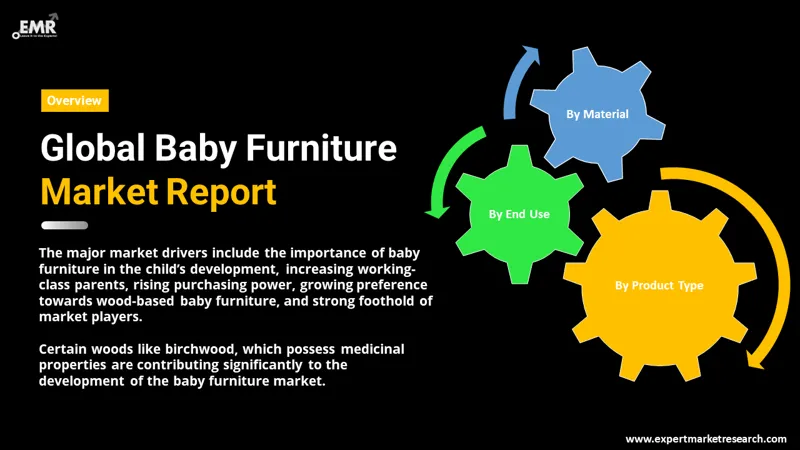
The EMR’s report titled “Global Baby Furniture Market Report and Forecast 2026-2035” offers a detailed analysis of the market based on the following segments:
Market Breakup by Material
Key Insight: Wood, plastic, and metal all play distinct roles in shaping the baby furniture market dynamics. Wood leads due to its timeless design, durability, and compatibility with eco-friendly finishes. Plastic gains momentum through ease of maintenance and cost-effectiveness, supporting modern compact living trends. Metal appeals to buyers seeking higher structural stability in cribs and storage units, particularly in commercial environments. Other materials, including engineered composites and hybrid blends, enable brands to innovate with lighter forms and customizable aesthetics.
Market Breakup by Product Type
Key Insight: Product categories, as considered in the baby furniture market report, include beds, cribs, mattresses, tables, chairs, cabinets, and others. The market reflects evolving parenting habits and design expectations. Beds and cribs remain essential, supported by stringent safety regulations. Mattresses benefit from innovations in breathable foams and hypoallergenic materials. Tables and chairs serve developmental and feeding needs, often linked to ergonomic trends. Storage units rise in relevance as families adopt more organized nursery layouts.
Market Breakup by End-Use
Key Insight: Residential buyers drive design diversity through personalized nursery setups and increasing preference for coordinated, multifunctional furniture. On the other hand, commercial environments demand robust, safety-certified, and easily sanitized products suited for high-traffic use. Other end use categories, including specialty care facilities and hospitality spaces, opt for compact and adaptable solutions that fit varied environments.
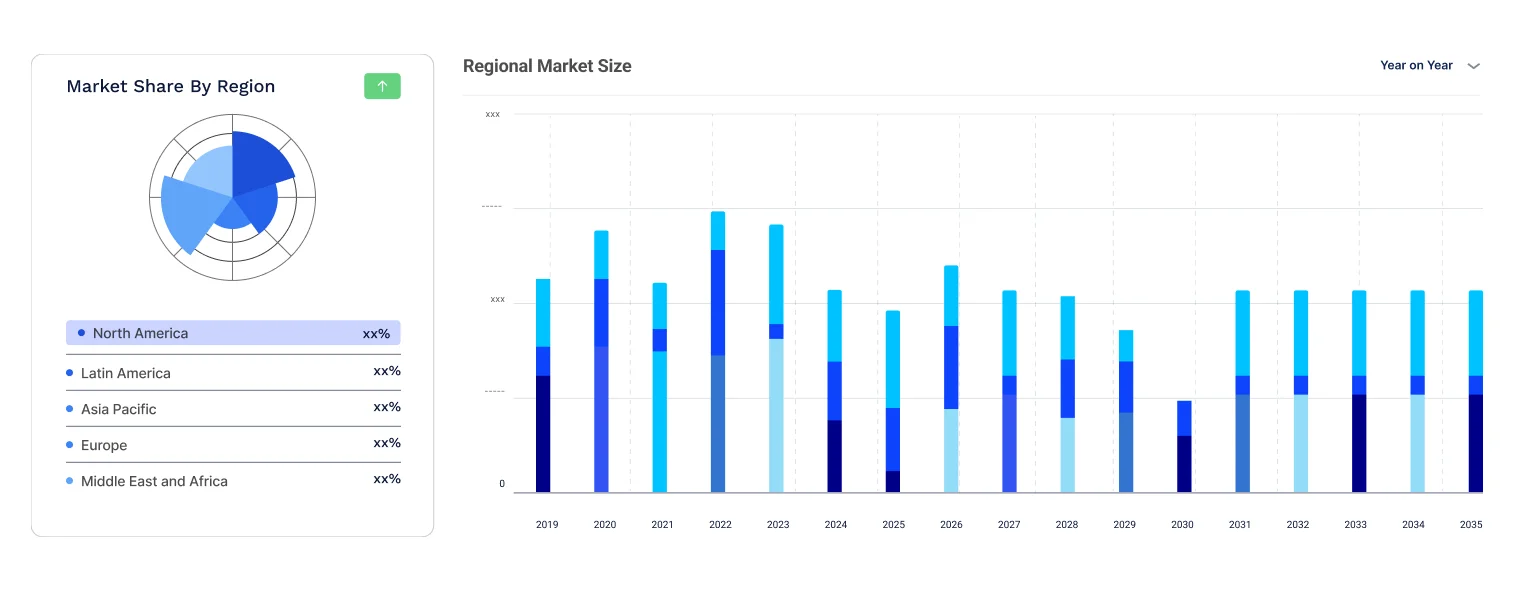
Market Breakup by Region
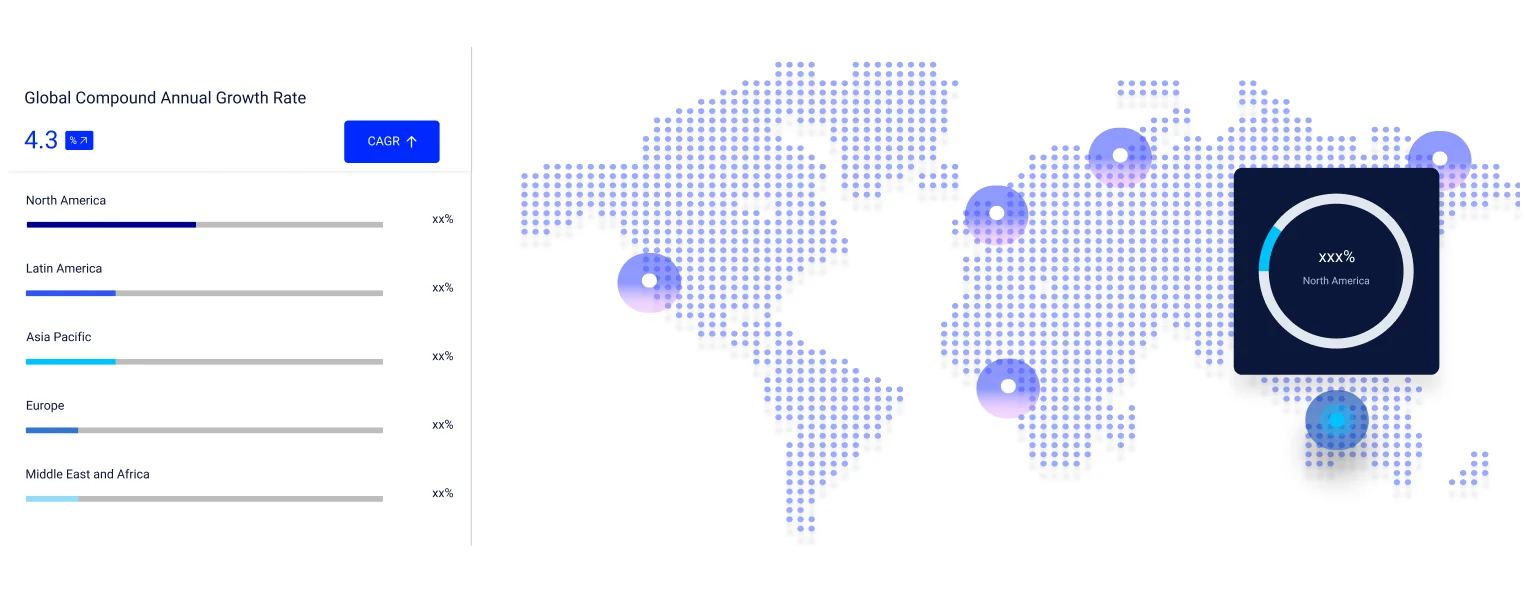
Key Insight: Across North America, Europe, Asia Pacific, Latin America, and the Middle East & Africa, the baby furniture market develops differently based on consumer lifestyles and regulatory landscapes. North America and Europe prioritize premium and sustainable nursery products, while Asia Pacific focuses on affordability and compact designs. Latin America’s growth is shaped by rising urban middle-class families, whereas the Middle East & Africa sees increasing nursery investments driven by expanding healthcare infrastructure.
Read more about this report - REQUEST FREE SAMPLE COPY IN PDF
Wood dominates the market due to premium appeal and strong safety perception
Wood remains the dominant material in the baby furniture market because it offers a premium aesthetic, long-term durability, and strong structural integrity that parents perceive as safer for infants. Manufacturers are increasingly using FSC-certified hardwoods and engineered wood composites to balance cost efficiencies with sustainability goals. In July 2024, Bellini Baby launched Vienna Collection that has a distinctive ash wood frame and acrylic bars for a stylish modern look. Wood also supports modular and convertible designs more effectively than many alternatives, allowing brands to develop multi-stage furniture systems.
Plastic-based products are gaining traction in the baby furniture market due to their lightweight structure, lower cost, and improved durability enabled by engineered polymers. Manufacturers are shifting toward BPA-free and food-grade plastics that comply with strict safety norms, making these products more appealing to modern parents. Plastic furniture also supports vibrant colors, ergonomic shapes, and easy-to-clean surfaces. These are key attributes for households with infants. Its suitability for compact and multifunctional designs is driving rapid adoption in emerging markets where urban living spaces are shrinking.
By product type, beds, cots, and cribs account for the largest market Share driven by safety-centric demand
Beds, cots, and cribs form the core of the market because they are the first and most essential purchase for new parents. Companies are prioritizing convertible designs that evolve with the child’s growth, reducing replacement cycles and improving perceived value. Enhanced safety standards, covering slat spacing, anchoring, and non-toxic finishes, push manufacturers to integrate precision engineering and advanced testing. Brands are increasingly offering smart-enabled crib models that support monitoring functions, appealing to tech-savvy families. In November 2022, Delta Children announced the launch of the first-ever babyGap-branded nursery furniture and baby gear collection in the United States.
Cabinets, dressers, and chests are rapidly expanding its share in the baby furniture market revenue as parents prioritize organization and storage efficiency in nurseries. Companies are introducing modular storage units with adjustable compartments, anti-tip anchoring systems, and easy-to-assemble designs to improve convenience and safety. The trend toward minimalist interiors is also encouraging manufacturers to focus on compact, visually neutral storage solutions. Growth in this category is supported by rising demand for multifunctional dressers that integrate changing tables or convertible tops.
Residential end use leads the market due to growing nursery personalization trends
The residential segment dominates the baby furniture industry as families increasingly invest in personalized, aesthetically coordinated nurseries. Manufacturers are developing wide-ranging furniture sets that integrate cribs, dressers, storage, and seating to offer cohesive interior themes. Growth is also influenced by rising online purchasing, where brands showcase curated room bundles that simplify selection for new parents. The trend toward sustainable and non-toxic furniture designed for smaller urban homes continues to shape design decisions and product innovation across leading brands.
Commercial baby furniture demand is growing quickly as daycare centers, hospitals, early learning centers and maternity clinics refresh infrastructure to meet updated safety and hygiene regulations. Manufacturers are supplying durable, easy-to-sanitize furniture built from reinforced materials capable of withstanding heavy daily usage. Specialized cribs for neonatal units, stackable seating systems, and robust storage formats cater to institutional needs.
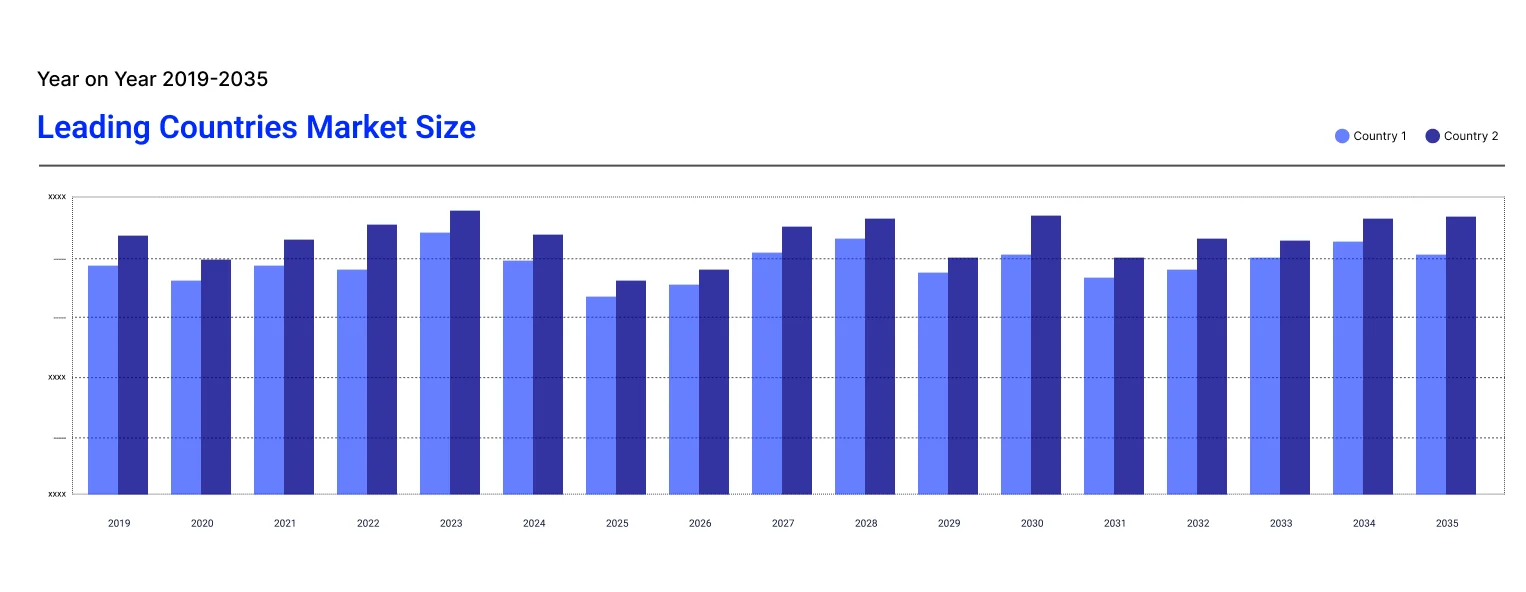
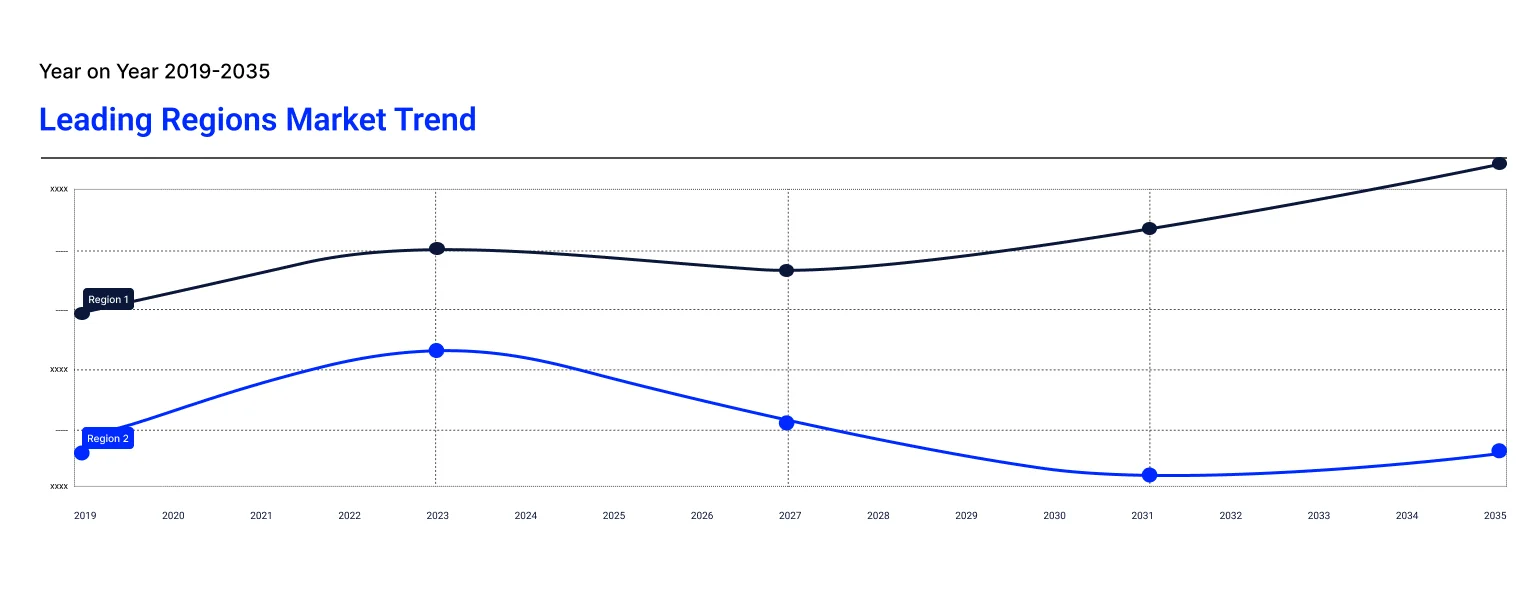
North America secures the leading position in the market due to demand for premium nursery features
North America accounts for the leading position in the market driven by high consumer spending on premium nursery products, strict safety regulations, and strong adoption of eco-certified materials. Manufacturers serving the United States and Canada are rolling out smart-enabled cribs, modular storage units, and coordinated nursery collections to meet diverse lifestyle expectations. The region’s mature retail infrastructure, combining specialty stores, big-box retailers, and advanced e-commerce channels, helps brands reach both mass-market and luxury-focused households. In July 2025, Kathy Style opened Little Living, a new and expanded showroom dedicated exclusively to baby and kids’ furniture in the Soma Building in Tamuning, in United States. Increasing preference for non-toxic, sustainably sourced furniture continues to shape procurement and product development strategies across leading companies in this region.
Growth of the Asia Pacific baby furniture market is supported by rising birth rates in South and Southeast Asia, improved household incomes, and rapid urbanization. Manufacturers are increasingly targeting this region with cost-effective, space-saving furniture tailored to compact living environments. Demand for multifunctional cribs and modular storage is rising in urban centers such as Shanghai, Seoul, and Mumbai. Local production capacity is expanding, allowing brands to offer competitive pricing while meeting evolving safety standards.
Prominent baby furniture market players are investing in refurbishing and recycling streams, certified low-emissions materials, and regional converting hubs to shorten lead times for urban markets. Opportunity lies in rental and subscription models for premium nursery systems, B2B procurement bundles for hospitals and daycare chains, and bespoke co-development with major retailers. Smaller specialists are differentiating through rapid customization, sustainability certifications, and integrated app-based safety diagnostics, while distributors are offering white-label assembly and logistics support.
Baby furniture companies are also expanding after-sales services including bespoke warranty services and training. Growth opportunities can be found in targeting urban micro-apartments where compact convertible suites command premium margins, sourcing partnerships with certified timber suppliers and digital QA platforms that reduce compliance friction. Investors are funding supply chain digitization, repair centers and modular tooling.
KidKraft, established in 1968 and headquartered in the United States, is focusing on versatile nursery and playroom furniture lines tailored for modern families. It is expanding modular crib-to-bed systems and multi-functional play furniture that integrate storage and safety features appealing to both mass retailers and specialty boutiques.
Sorelle Furniture, founded in 1977 and based in the United States, specializes in premium nursery furniture and mattress systems with an emphasis on safety and design. The company is expanding convertible crib platforms and mattress ranges with hypoallergenic materials to serve boutique retailers and hospital nurseries.
Casa Collection Design Inc, established in 1992 and headquartered in New York, United States, is targeting premium convertible nursery suites and designer-led collections for urban consumers. It focuses on sustainable hardwood sourcing, artisan finishes and limited-edition co-branded ranges with lifestyle partners.
Wayfair LLC, founded in 2002 and headquartered in Boston, Massachusetts, is leveraging its e-commerce scale and logistics network to dominate online nursery furniture distribution. It is integrating data-driven assortment algorithms, vendor-managed inventory programs and private-label collections that target both value and premium markets.
*Please note that this is only a partial list; the complete list of key players is available in the full report. Additionally, the list of key players can be customized to better suit your needs.*
Other key players in the market include Circu Magical Furniture, among others.
Unlock the latest insights with our baby furniture market trends 2026 report. Discover regional growth patterns, consumer preferences, and key industry players. Stay ahead of competition with trusted data and expert analysis. Download your free sample report today and drive informed decisions in the market.


Upto 15% Off
USD
$2499 $2249
$3999 $3599
$4999 $4249
$5999 $5099


*While we strive to always give you current and accurate information, the numbers depicted on the website are indicative and may differ from the actual numbers in the main report. At Expert Market Research, we aim to bring you the latest insights and trends in the market. Using our analyses and forecasts, stakeholders can understand the market dynamics, navigate challenges, and capitalize on opportunities to make data-driven strategic decisions.*
In 2025, the market reached an approximate value of USD 37.54 Billion.
Prioritizing sustainable sourcing, expanding refurbishment networks, co-developing modular convertible ranges, investing in digital QA platforms, scaling subscription offerings, and strengthening retailer logistics partnerships to secure institutional contracts and enabling training.
The baby furniture made from pine wood is comparatively soft, which gives the baby a comfortable experience.
The crib or cot is the most important baby furniture as it offers the safest sleeping environment needed for the baby.
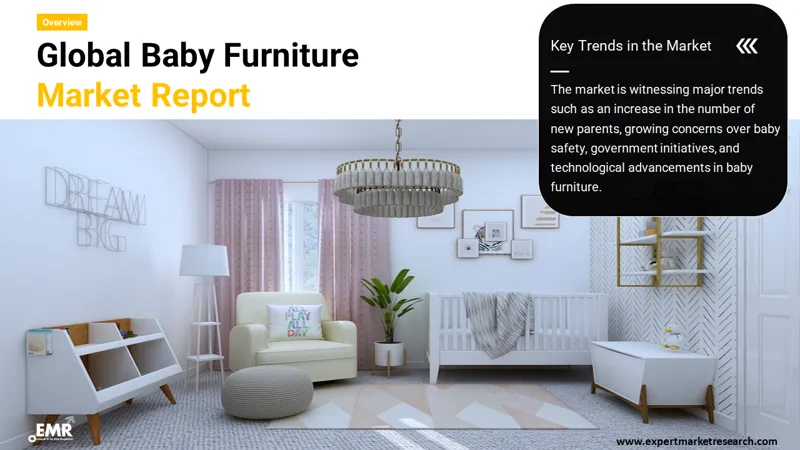
The major trends in the market include the rising number of new parents, concerns over the safety of babies, government initiatives, and technological advancements in baby furniture.
The significant materials of baby furniture include wood, plastic, and metal, among others.
The various product types of baby furniture include beds, cots, and cribs, mattresses, table and chair, cabinets, dressers, and chests, among others.
The major end uses of baby furniture include residential and commercial, among others.
The market is projected to grow at a CAGR of 5.80% between 2026 and 2035.
The key players in the market include KidKraft, Inc., Sorelle Furniture, Casa Collection Design Inc, Wayfair LLC, and Circu Magical Furniture, among others.
Companies are facing rising material costs, stringent safety and chemical regulations, supply chain disruptions, shrinking birth rates in mature markets, and the complexity of scaling circular refurbishment models profitably globally.
Explore our key highlights of the report and gain a concise overview of key findings, trends, and actionable insights that will empower your strategic decisions.
| REPORT FEATURES | DETAILS |
| Base Year | 2025 |
| Historical Period | 2019-2025 |
| Forecast Period | 2026-2035 |
| Scope of the Report |
Historical and Forecast Trends, Industry Drivers and Constraints, Historical and Forecast Market Analysis by Segment:
|
| Breakup by Material |
|
| Breakup by Product Type |
|
| Breakup by End-Use |
|
| Breakup by Region |
|
| Market Dynamics |
|
| Competitive Landscape |
|
| Companies Covered |
|
Datasheet
One User
USD 2,499
USD 2,249
tax inclusive*
Single User License
One User
USD 3,999
USD 3,599
tax inclusive*
Five User License
Five User
USD 4,999
USD 4,249
tax inclusive*
Corporate License
Unlimited Users
USD 5,999
USD 5,099
tax inclusive*
*Please note that the prices mentioned below are starting prices for each bundle type. Kindly contact our team for further details.*
Flash Bundle
Small Business Bundle
Growth Bundle
Enterprise Bundle
*Please note that the prices mentioned below are starting prices for each bundle type. Kindly contact our team for further details.*
Flash Bundle
Number of Reports: 3
20%
tax inclusive*
Small Business Bundle
Number of Reports: 5
25%
tax inclusive*
Growth Bundle
Number of Reports: 8
30%
tax inclusive*
Enterprise Bundle
Number of Reports: 10
35%
tax inclusive*
How To Order

Select License Type
Choose the right license for your needs and access rights.

Click on ‘Buy Now’
Add the report to your cart with one click and proceed to register.

Select Mode of Payment
Choose a payment option for a secure checkout. You will be redirected accordingly.
Strategic Solutions for Informed Decision-Making
Gain insights to stay ahead and seize opportunities.

Get insights & trends for a competitive edge.

Track prices with detailed trend reports.

Analyse trade data for supply chain insights.

Leverage cost reports for smart savings

Enhance supply chain with partnerships.

Connect For More Information
Our expert team of analysts will offer full support and resolve any queries regarding the report, before and after the purchase.
Our expert team of analysts will offer full support and resolve any queries regarding the report, before and after the purchase.
We employ meticulous research methods, blending advanced analytics and expert insights to deliver accurate, actionable industry intelligence, staying ahead of competitors.
Our skilled analysts offer unparalleled competitive advantage with detailed insights on current and emerging markets, ensuring your strategic edge.
We offer an in-depth yet simplified presentation of industry insights and analysis to meet your specific requirements effectively.




