

Consumer Insights
Uncover trends and behaviors shaping consumer choices today
Procurement Insights
Optimize your sourcing strategy with key market data
Industry Stats
Stay ahead with the latest trends and market analysis.
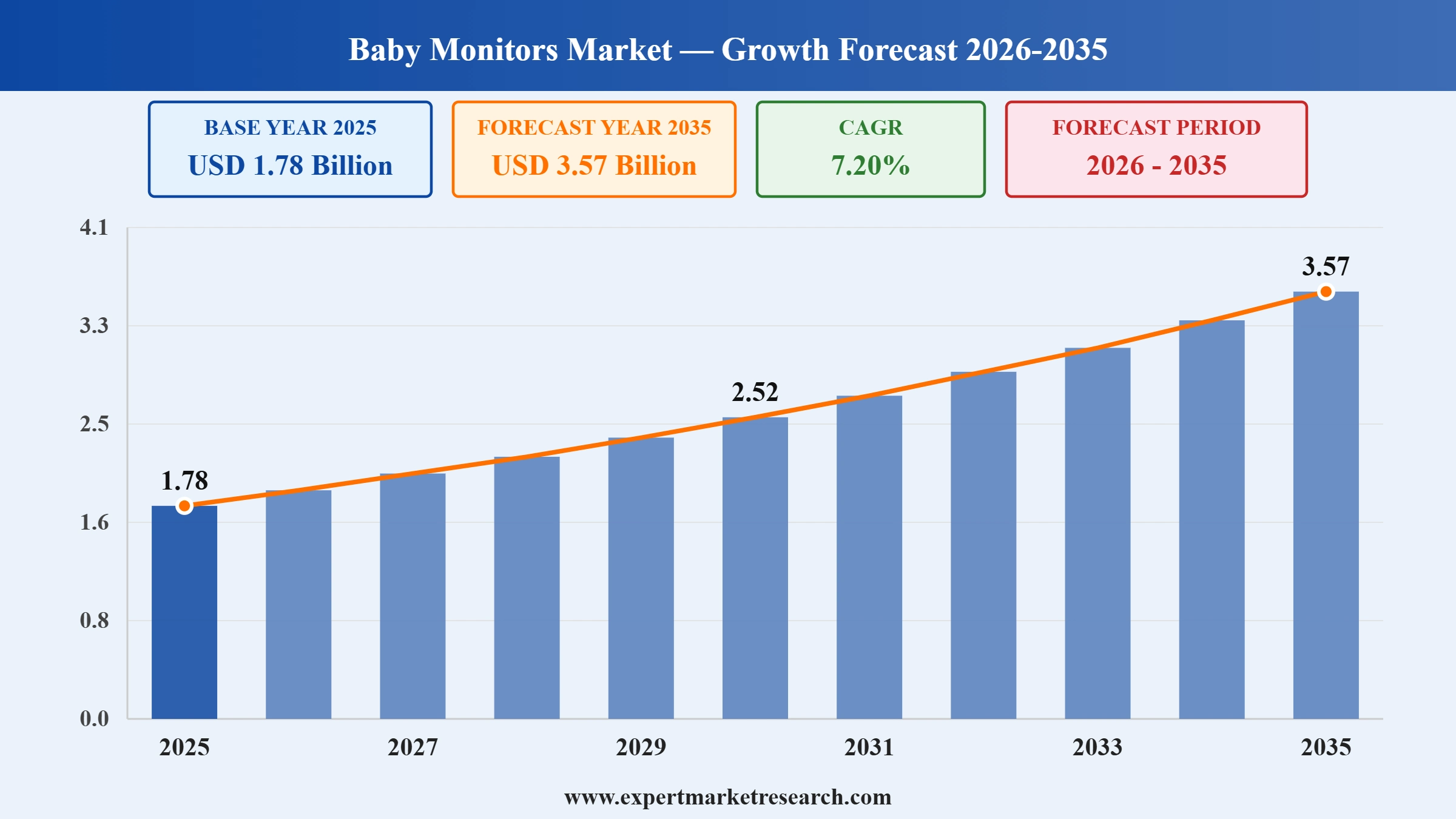
The global baby monitors market was valued at USD 1.78 Billion in 2025. The market is expected to grow at a CAGR of 7.20% during the forecast period of 2026-2035 to reach a value of USD 3.57 Billion by 2035. Rising parental awareness regarding infant safety, increasing adoption of smart home technologies, and growing demand for remote monitoring solutions are driving growth in the market. Manufacturers are introducing AI-enabled baby monitors with high-definition video, sleep tracking, temperature sensing, and smartphone connectivity to improve convenience and child safety.
Read more about this report - REQUEST FREE SAMPLE COPY IN PDF
| Global Baby Monitors Market Report Summary | Description | Value |
| Base Year | USD Billion | 2025 |
| Historical Period | USD Billion | 2019-2025 |
| Forecast Period | USD Billion | 2026-2035 |
| Market Size 2025 | USD Billion | 1.78 |
| Market Size 2035 | USD Billion | 3.57 |
| CAGR 2019-2025 | Percentage | XX% |
| CAGR 2026-2035 | Percentage | 7.20% |
| CAGR 2026-2035 - Market by Region | Europe | 11.1% |
| CAGR 2026-2035 - Market by Country | UK | 11.9% |
| CAGR 2026-2035 - Market by Country | USA | 11.7% |
| CAGR 2026-2035 - Market by Product Type | Audio | 11.5% |
| CAGR 2026-2035 - Market by Distribution Channel | Online | 13.9% |
| Market Share by Country 2025 | Japan | 4.3% |
Growing Population of Working Families to Invigorate the Market Growth of Baby Monitors
The rising market for baby monitors can be attributed to the growing numbers of working parents and nuclear families across the world. As income levels rise, the willingness to spend on comfort also rises, which is propelling the market growth. A baby monitor equipped with audio and video allows parents to keep a real-time check on their babies in the presence of nannies or at day-care centres to monitor child’s safety. Thus, as the concerns about child safety rise, baby monitors are witnessing a healthy adoption. Moreover, with the outbreak of the coronavirus pandemic in 2020, healthcare professionals are increasingly deploying baby monitors to remotely monitor infants while limiting exposure, which is further fuelling the baby monitors demand growth. In addition, as installing a baby monitor can help parents have quality sleep without worrying about the baby, the demand for baby monitors is further being propelled forward. The remote access provided by the product through wireless connectivity enables parents to remotely keep an eye on their child, while simultaneously doing other chores. This factor is additionally catalysing the adoption of the product and propelling the baby monitors market growth.
Glocandy launched its contactless smart baby monitor on Kickstarter in July 2026, using 60GHz millimeter-wave radar to monitor infants without wearable sensors or direct physical contact. The system combines local processing with AI-powered alerts and is designed to identify sleep, movement, crying, and other infant behaviors. The monitor was offered for pre-order across several international markets. Contact-free sensing can expand demand for advanced monitors by combining infant monitoring with greater comfort and privacy.
Monai expanded its AI-powered childcare ecosystem in July 2026, following its CES 2026 debut. The company presented its Monai Baby Monitor alongside the upcoming Monai Sleepod Baby Crib, positioning the products as an integrated system for intelligent infant care. The platform combines monitoring capabilities with AI-powered support rather than functioning solely as a conventional camera. Integrated AI childcare ecosystems can increase the value of baby monitors and encourage adoption among parents seeking broader connected nursery solutions, thus shaping new trends in the baby monitors market.
Yogasleep introduced the Vue Smart Baby Monitor and Sleep Coaching System in May 2026, marking the company's entry into smart baby monitoring. The three-in-one solution combines an HD baby monitor with the Grow App and a sleep-coaching system featuring daily tracking and personalized sleep plans. The product extends Yogasleep's established focus on infant and family sleep into connected monitoring. Combining video monitoring with sleep-management tools can broaden the functionality of baby monitors and attract consumers seeking integrated sleep-support solutions.
Owlet expanded its product portfolio across Australia and New Zealand in May 2026 with the launch of Dream Sight and Dream Duo 3. Dream Sight provides 2K HD video, night vision, wide-angle viewing, two-way communication, motion, sound and cry detection, alongside temperature and humidity monitoring. Dream Duo 3 combines Dream Sight with Dream Sock for broader wellness and sleep insights. The expansion strengthens demand for connected baby-monitoring systems that combine video, environmental information, and infant wellness insights.
AI technologies are steadily turning simple video surveillance devices into smart baby monitors that can perform complex functions of child-care assistants. Smart systems equipped with artificial intelligence technologies have the ability to detect such behavioral signs as crying, movement, covering the face, sleeping, etc., which enables parents to receive more personalized alerts than constantly watching their video stream. In addition, AI technologies facilitate automated analysis of sleeping patterns and generation of insights on them, which enable parents to track changes in their baby's sleeping patterns. With the advancement of computing technologies, AI systems are now incorporated directly into the camera, apps, and the whole ecosystem of connected nursery rooms. This shift is increasing the functionality of premium baby monitors and encouraging parents to upgrade from conventional audio and video devices to smart monitoring solutions, hence driving growth in the baby monitors market.
Contact-free sensing technology has created a new trend for the baby monitoring system as the reliance on socks, patches, and other kinds of sensors attached to babies is becoming less important now. Millimeter wave radar technology and computer vision technologies can observe small movements and breath-related patterns without any physical contact at all. It would be more convenient as parents do not have to keep adjusting the wearable sensors when babies move around during sleep. The use of contact-free sensing technology would also appeal to parents who value comfort and the natural sleeping environment of their babies. The affordability and small size of sensors are also expected to contribute to the development of advanced smart-monitoring devices.
Mobile connectivity is becoming a central feature of modern baby-monitor systems, allowing parents to access live video, notifications, recordings, sleep summaries, and monitoring information through smartphones. App-based systems are particularly useful for parents who need to check their infant while working, travelling, or moving between different areas of the home. Cloud connectivity can also enable multiple caregivers to access monitoring information from authorized devices. At the same time, manufacturers are increasingly combining app functionality with local storage, privacy modes, and encrypted communication to address concerns surrounding connected cameras. The combination of remote accessibility and stronger security is therefore supporting demand for connected baby-monitor solutions.
The new generation of baby monitors comes equipped with sleep analytics that go above and beyond the traditional video and audio monitoring functionalities. The next-generation systems are capable of analyzing baby movements, sleep stages, waking intervals, and other environmental variables, which can offer structured information to the parents about the sleep behavior of their babies. This can assist parents in knowing the changes in the schedule as well as factors impacting the sleep pattern of babies without the need for manual logging of all incidents. The integration with smartphone applications also makes it possible to present information in the form of summaries and trends. As parents increasingly seek technology-enabled support for childcare routines, sleep analytics are becoming an important differentiating feature for premium baby monitors and encouraging manufacturers to develop more sophisticated monitoring ecosystems, thus bolstering the baby monitors demand.
The increasing connectivity of baby monitors is making cybersecurity and privacy important considerations in product development and purchasing decisions. Internet-connected cameras transmit potentially sensitive video and household information, increasing the need for encryption, secure authentication, privacy modes, and controlled access. Manufacturers are therefore incorporating stronger security technologies alongside video and monitoring features to reassure parents. Consumer awareness of connected-device vulnerabilities is also encouraging buyers to consider security credentials when selecting smart monitors. As connected childcare devices become more common, manufacturers that combine advanced monitoring capabilities with robust data protection can gain an advantage, while cybersecurity requirements can influence product design, software development, and market positioning.
Technological Advancements in Baby Monitoring Systems to Surge the Market Growth
The rising technological advancements owing to the development of the global electronic industry are aiding the market growth of baby monitors. The rising introduction of baby monitors equipped with features like sleep tracking, temperature monitoring, and real-time notifications are also adding to the industry growth. The rising development and adoption of wireless video monitors that allow parents to remotely view their child’s activities are anticipated to drive the industry growth in the forecast period. Further, the rising demand for video monitors equipped with two-way audio features and night cameras, among other features, is further expected to drive baby monitors industry growth in the coming years. In addition, industry leaders are constantly trying to improve the technology with innovations in artificial intelligence (AI) that allow the recording of infants’ faces, sounds, and movements, along with saving them from injury, hence, propelling the market growth. Moreover, new innovations like zero-radiation baby monitoring systems, which significantly reduce wireless radiation, are further projected to catalyse the market growth.
Read more about this report - REQUEST FREE SAMPLE COPY IN PDF
In 2022, birth rates varied significantly across different countries, reflecting diverse demographic trends, affecting the baby monitors market directly. Leading in crude birth rates with 37 births per 1,000 people, Nigeria's population is growing fast. This is followed by South Africa, with 19, and Saudi Arabia, with 17 both showing relatively high birth rates compared to other countries in their respective regions. India and Indonesia are both at 16, which illustrate strong population growth in the countries with larger and youthful populations.
For 1000 people, moderate birth rates in American countries like the United States (11), Brazil (13), Mexico (15), and Argentina (14) show that countries have struck a balance between population growth and ageing demographics. The United Kingdom and United Arab Emirates shared the same birth rate at 10, with France too competing with the United States in birth rate at 11, showing the same trend of its demography. According to the OECD, the increase in per capita healthcare spending has fueled the baby monitors sector within the healthcare industry. This is also a key trend of the baby monitors market and will spur demand in the coming years.
The United States is at the forefront, with a whopping spending of USD 12,555.3 per capita, far outweighing the developed world. That comes in expensive treatment, costly medicine, and executive administrative services in the U.S. Switzerland is committed to its people, committed health care, though the cost per capita is at USD 8,049.1. Close competitors include Germany, which recorded USD 8,010.9, and Norway, which recorded USD 7,771.2 per capita. These offer solid healthcare systems with heavy insurance schemes, through which the big contribution is done. For instance, Norway records a health expenditure amounting to USD 7,771.2 per capita, which mirrors a well-funded healthcare system with the focal point being the accessibility of quality medical services. Austria was next, at a collective spend of USD 7,275.4 per capita, signifying to continue the high-quality health system via a blend of public and private insurance schemes. Latter two Netherlands and France claim their spending to be at USD 6,729.1, an USD 6,629.6 per capita - all these speaking of their leaning towards full coverage health care system and robust social welfare. By comparison, health spending per capita in Italy and Mexico is much less: USD 4,290.7 and USD 1,181.0, respectively, having a direct impact on the baby monitors market.
Italy's relatively low spending can be attributed to its public health care system. Since this system tries to offer most of the essential health services at much lower costs, another is Mexico, with USD 893.6, an expenditure that reflects the condition of developing country with a few resources being directed to health care by the nation, the countries like Japan and the Korea where per capita spending is relatively low manage to keep the effective healthcare system in place. Compared to the Western Nations.
“Global Baby Monitors Market Report and Forecast 2026-2035” offers a detailed analysis of the market based on the following segments:
On the basis of product type, the market can be divided into:
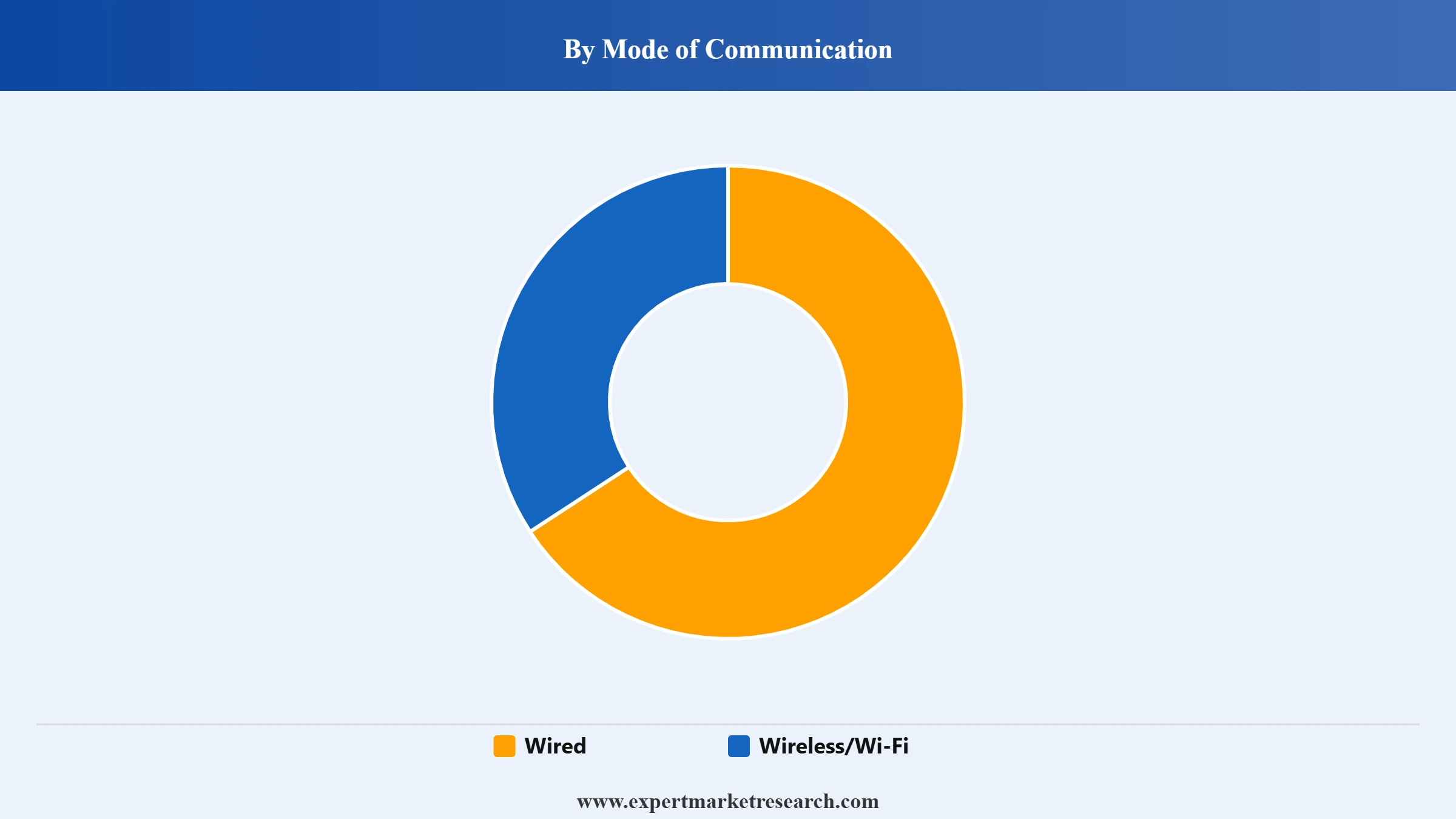
Based on the mode of communication, the market can be categorised into:
On the basis of distribution channel, the market can be segmented into:
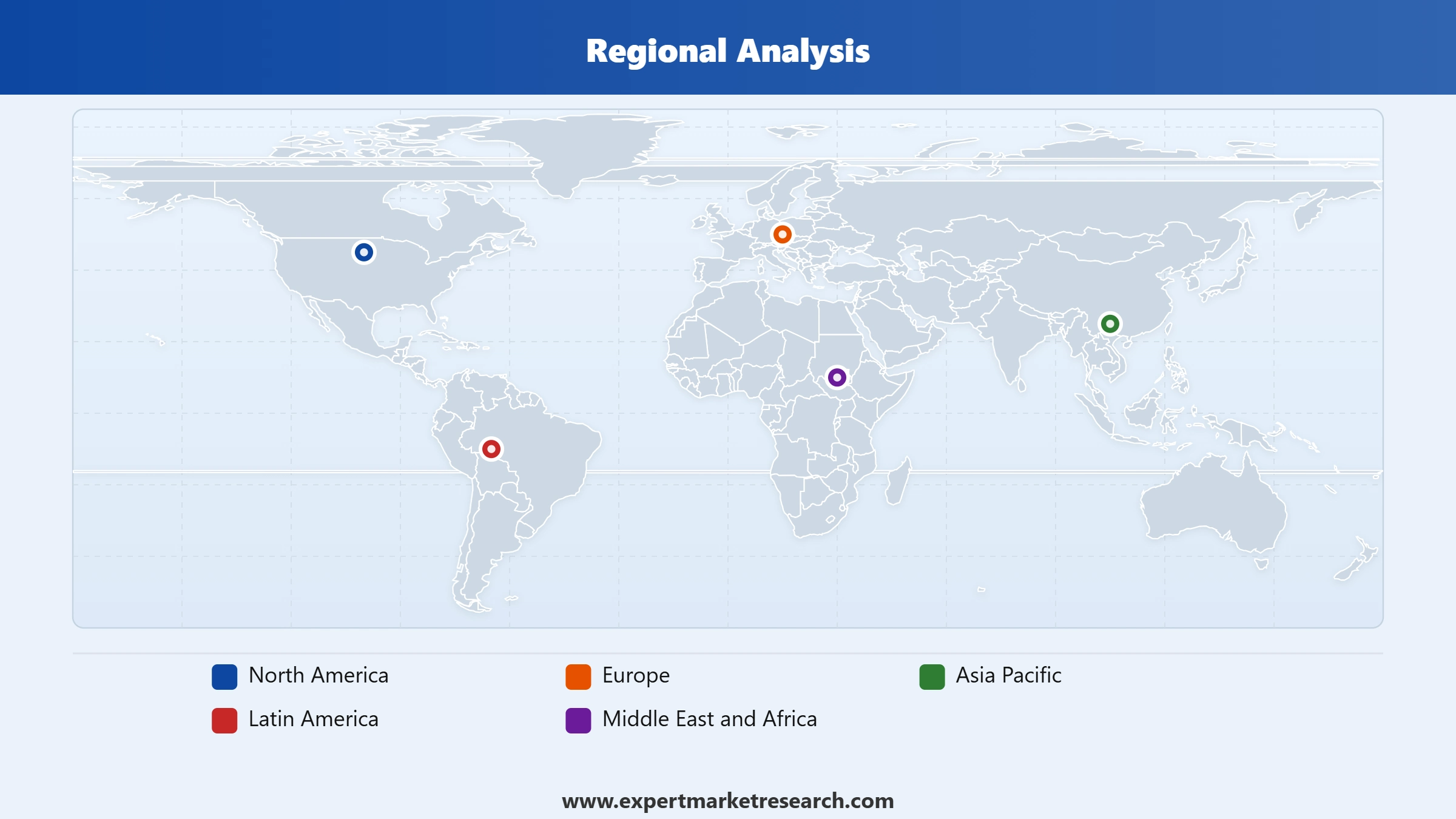
Market Breakup by Region




Read more about this report - REQUEST FREE SAMPLE COPY IN PDF
The baby monitors industry in North America is likely to amass much traction in the forecast period. This can be attributed to high consumer expenditure in the premium and technologically advanced category of baby care products, increasing adoption of smart home technology, and growing concern about child safety and convenience. North American consumers are dominated by consumer needs with regard to high-definition video, smart connectivity, health monitoring, and more. Besides, there is strong market presence and innovation from regional key industry players that rounds up this region to emerge as the leading area for the growth of the baby monitors sector.
Read more about this report - REQUEST FREE SAMPLE COPY IN PDF
Video Segment Is To Spur Demand In The Market Due To The Increasing Consumer Demand For Monitoring Solutions
As per baby monitors market analysis, the video segment is expected to capture the largest share in the market. The segment growth is attributed to the consumer demand for all-around monitoring solutions with high-definition visuals along with real-time streaming, which also includes night vision and two-way audio advanced functionalities. Video monitors are preferred by parents over audio-only or motion sensor models, as they provide a better and enhanced feeling of security. Due to the increasing advancements in technology and decreasing prices, video baby monitors have become increasingly affordable and popular in the market.
Competitive players in the baby monitors market design new features, such as high-definition video, smart connectivity, and real-time monitoring, to offer added safety and convenience to the parents.
Levana, founded in 2001 and headquartered in Rochester, New York, provides HD video baby monitors, two-way audio facilities, and advanced monitoring features that will enable the parents to know their child's needs better and enhance interaction and safety.
Samsung Electronics Co., Ltd., founded in 1969 and headquartered in Suwon, South Korea, offers baby monitors with smart connectivity, including high-definition video capability and integration with other Samsung smart home devices for seamless monitoring.
Hanwha Group, established in 1952 and is based in Seoul, South Korea, provides baby monitors with advanced surveillance technology, such as high-resolution video, owing to the company's expertise in security and imaging solution services.
*Please note that this is only a partial list; the complete list of key players is available in the full report. Additionally, the list of key players can be customized to better suit your needs.*
Other key players in the baby monitors market report include Panasonic Corporation, and Koninklijke Philips N.V., among others.


Upto 15% Off
USD
$2499 $2249
$3999 $3599
$4999 $4249
$5999 $5099


*While we strive to always give you current and accurate information, the numbers depicted on the website are indicative and may differ from the actual numbers in the main report. At Expert Market Research, we aim to bring you the latest insights and trends in the market. Using our analyses and forecasts, stakeholders can understand the market dynamics, navigate challenges, and capitalize on opportunities to make data-driven strategic decisions.*
The global baby monitors market is projected to grow at a CAGR of 7.20% in the forecast period of 2026-2035.
The growing concerns about child safety among parents, along with the rising disposable incomes of consumers, are aiding the market growth for baby monitors.
The growing technological advancements like the inclusion of wireless connectivity and video monitoring are propelling the industry's growth.
The major regional markets for baby monitors are North America, Latin America, the Asia Pacific, Europe, and the Middle East and Africa.
The major types of products in the industry are audio, video, and motion sensors.
The market on the basis of mode of communication is segmented into wired and wireless/Wi-Fi.
The significant distribution channels of baby monitors are offline and online.
The major players in the industry are Levana, Samsung Electronics Co., Ltd., Hanwha Group, Panasonic Corporation, and Koninklijke Philips N.V., among others.
In 2025, the global baby monitors market reached an approximate value of USD 1.78 Billion.
The market is anticipated to maintain strong growth and attain approximately USD 3.57 Billion by 2035.
Explore our key highlights of the report and gain a concise overview of key findings, trends, and actionable insights that will empower your strategic decisions.
| REPORT FEATURES | DETAILS |
| Base Year | 2025 |
| Historical Period | 2019-2025 |
| Forecast Period | 2026-2035 |
| Scope of the Report |
Historical and Forecast Trends, Industry Drivers and Constraints, Historical and Forecast Market Analysis by Segment:
|
| Breakup by Product Type |
|
| Breakup by Mode of Communication |
|
| Breakup by Distribution Channel |
|
| Breakup by Region |
|
| Market Dynamics |
|
| Competitive Landscape |
|
| Companies Covered |
|
| Report Price and Purchase Option | Explore our purchase options that are best suited to your resources and industry needs. |
| Delivery Format | Delivered as an attached PDF and Excel through email, with an option of receiving an editable PPT, according to the purchase option. |
Datasheet
One User
USD 2,499
USD 2,249
tax inclusive*
Single User License
One User
USD 3,999
USD 3,599
tax inclusive*
Five User License
Five User
USD 4,999
USD 4,249
tax inclusive*
Corporate License
Unlimited Users
USD 5,999
USD 5,099
tax inclusive*
*Please note that the prices mentioned below are starting prices for each bundle type. Kindly contact our team for further details.*
Flash Bundle
Small Business Bundle
Growth Bundle
Enterprise Bundle
*Please note that the prices mentioned below are starting prices for each bundle type. Kindly contact our team for further details.*
Flash Bundle
Number of Reports: 3
20%
tax inclusive*
Small Business Bundle
Number of Reports: 5
25%
tax inclusive*
Growth Bundle
Number of Reports: 8
30%
tax inclusive*
Enterprise Bundle
Number of Reports: 10
35%
tax inclusive*
How To Order

Select License Type
Choose the right license for your needs and access rights.

Click on ‘Buy Now’
Add the report to your cart with one click and proceed to register.

Select Mode of Payment
Choose a payment option for a secure checkout. You will be redirected accordingly.
Strategic Solutions for Informed Decision-Making
Gain insights to stay ahead and seize opportunities.

Get insights & trends for a competitive edge.

Track prices with detailed trend reports.

Analyse trade data for supply chain insights.

Leverage cost reports for smart savings

Enhance supply chain with partnerships.

Connect For More Information
Our expert team of analysts will offer full support and resolve any queries regarding the report, before and after the purchase.
Our expert team of analysts will offer full support and resolve any queries regarding the report, before and after the purchase.
We employ meticulous research methods, blending advanced analytics and expert insights to deliver accurate, actionable industry intelligence, staying ahead of competitors.
Our skilled analysts offer unparalleled competitive advantage with detailed insights on current and emerging markets, ensuring your strategic edge.
We offer an in-depth yet simplified presentation of industry insights and analysis to meet your specific requirements effectively.




