

Consumer Insights
Uncover trends and behaviors shaping consumer choices today
Procurement Insights
Optimize your sourcing strategy with key market data
Industry Stats
Stay ahead with the latest trends and market analysis.
The global baobab ingredient market was valued at USD 5.90 Billion in 2025. The market is expected to grow at a CAGR of 4.90% during the forecast period of 2026-2035 to reach a value of USD 9.52 Billion by 2035. Increasing consumer interest in superfoods, functional ingredients, and natural nutritional products is driving the overall growth in the market.
Compound Annual Growth Rate
4.9%
Value in USD Billion
2026-2035
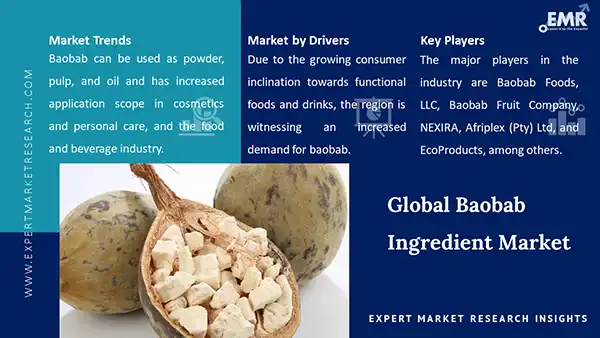
The baobab is a tree native to Africa, the Middle East, and Australia. The tree's fruit is edible, and the seed of this fruit can be used in foods as a natural preservative. It comprises of essential nutrients, such as phosphorus, carbohydrates, vitamin C, antioxidants and several vital minerals like potassium, magnesium, iron and zinc. The plant's leaves are rich in calcium and high-quality proteins and are easily digested. Furthermore, the seeds and kernel of the plant are full of fibre, fat and micronutrients like thiamine, calcium and iron. Baobab can be used as powder, pulp, and oil and has increased application scope in cosmetics and personal care, and the food and beverage industry.
Rising demand for functional foods and beverages, which provide health benefits beyond basic nutrition, is a major driver supporting baobab ingredients market expansion as baobab ingredients like fruit pulp and powder are rich in antioxidants, vitamins, minerals, and fibre. The nutraceutical industry is also expanding rapidly, further boosting demand for baobab. Additionally, the adoption of baobab in beauty and personal care products and sustainability considerations in food production are contributing to market growth.
Read more about this report - REQUEST FREE SAMPLE COPY IN PDF
South Africa showcased baobab oil alongside other indigenous botanical oils at in-cosmetics Global 2026 in Paris, held in April. The South African Pavilion, supported by the country’s Department of Trade, Industry and Competition and industry organisations, brought natural and active ingredients to international cosmetic formulators and buyers. Baobab oil was specifically highlighted as part of South Africa’s biodiversity-based ingredient portfolio, with emphasis on sustainable sourcing, traceability, quality standards and export readiness. The initiative increases international visibility for African baobab oil and supports its positioning as a traceable, premium cosmetic ingredient.
Caldic North America partnered with KAIBAE to distribute its wild-harvested organic baobab fruit powder across North America. The agreement adds KAIBAE Baobab to Caldic’s organic fruit-powder portfolio and targets nutrition and wellness manufacturers developing products focused on gut health, naturally occurring nutrients and metabolic health. The partnership also expands the commercial reach of African-sourced baobab ingredients through an established ingredient-distribution network. The development strengthens North American availability of organic baobab powder and improves access for food and nutraceutical formulators.
B’Ayoba, a major Zimbabwean organic baobab producer, secured new financing in January 2025 to expand its production operations. The funding is aimed at strengthening the company’s socially and environmentally responsible baobab supply chain and supporting production activities in Zimbabwe, where the company works with rural harvesting communities. The initiative is particularly relevant to the ingredient market because increased processing and sourcing capacity can improve the availability of certified African baobab for international buyers. The development supports supply-side expansion while strengthening the traceability and community-sourcing proposition of baobab ingredients, thereby shaping the trends of the baobab ingredients market.
Vytrus Biotech highlighted Baolift™, its 100% natural cosmetic active derived from baobab stem cells, as part of its 2025 growth strategy. Originally launched at in-cosmetics Global 2024, Baolift™ uses plant biotechnology to mimic exercise-related mechanisms in skin and is positioned for firming, toning, V-lifting and anti-sagging formulations. By early 2025, the ingredient had secured COSMOS approval, China compliance and Halal certification. The development broadens baobab’s ingredient opportunity beyond food into specialised, biotechnology-derived cosmetic actives.
The use of baobab pulp as a concentrated fibre ingredient rather than merely a fruit powder is gaining traction in the market. Studies analyzed by researchers at the University of Ilorin reveal that baobab pulp contains a high content of dietary fibre, apart from calcium, magnesium, potassium, and Vitamin C. Studies have revealed that the content of dietary fibre can be quite significant in dried baobab pulp, accounting for even 50% or more in some studies. The pectin-containing portion of the fibre content is of particular interest for food technologists. This is creating opportunities for baobab ingredients in formulations where fibre concentration and functional polysaccharides are more important than fruit flavour alone.
Baobab seed oil is increasingly being differentiated according to its geographical origin and fatty-acid composition. The physicochemical characteristics and fatty acid composition of the baobab seed oil have been studied by various researchers such as those from Sokoine University of Agriculture in Tanzania. It was determined that the total fatty acids constituted 98.09 wt% of the crude oil. The oleic and linoleic acid make up significant fractions of the oil profile.Such compositional differences are relevant for ingredient suppliers seeking to offer oils with defined technical specifications rather than treating baobab oil as a completely uniform botanical commodity.
The baobab ingredients industry is moving beyond pulp by exploring commercial uses of baobab seeds as well as oils extracted from them. Scientific studies conducted at Universiti Putra Malaysia have focused on the extraction and characterization of baobab seeds with emphasis on the seed being a good source of oil and proteins. Baobab seeds contain a lot of oil that can be extracted while the oil contains mono- and polyunsaturated fatty acids. This supports a broader whole-fruit processing model in which processors can generate multiple ingredients, pulp powder, seed oil and potentially protein fractions, from the same harvested fruit, thereby boosting the baobab ingredients market growth.
Baobab pulp is being differentiated from other fruit powders through its naturally high vitamin-C concentration. Research by University of Johannesburg and collaborating African researchers has documented substantial nutritional variation among baobab fruit samples, with vitamin C being one of the principal micronutrients associated with the ingredient. Published reviews report vitamin-C levels of approximately 5–10 times higher than those of oranges on a weight basis, depending on the material and analytical method. This is encouraging ingredient suppliers to position baobab powder for nutritional beverages, powdered drink mixes and fortified foods where naturally occurring vitamin C is a central formulation attribute.
A particularly niche trend is the development of baobab-derived cosmetic actives rather than conventional baobab oil alone. French biotechnology company Vytrus Biotech developed Baolift™, a cosmetic active based on baobab stem-cell biotechnology, targeting skin firmness, toning and facial contouring. The ingredient illustrates a shift from selling baobab simply as a botanical oil toward technologically differentiated extracts and actives with defined cosmetic functions. This creates a higher-value application route for baobab-derived ingredients, particularly in premium anti-ageing and facial-care formulations where suppliers can sell a standardised active rather than an undifferentiated botanical raw material.
The market is also being propelled by its increasing applications in various end-use industries. The product helps in dermis protection and reduces skin inflammation due to its nutritional content. Therefore, it finds application in organic cosmetic and skincare products, which is driving its demand and leading to baobab ingredient market development. Additionally, it is increasingly being used in the nutraceutical industry as it has a high amount of minerals and vitamins, antioxidants, anti-inflammatory, antimicrobial, and fibres that increases metabolism, thereby furthering the market growth.
Moreover, the growing demand for natural ingredients like baobab in personal care products, such as shampoos, day and night creams, body lotions, and serums, among others, are gaining traction among buyers as the goods are free from harmful chemicals. The growing popularity of such products is boosting the market expansion. In addition to these factors, the increasing availability of the product via e-commerce channels is further propelling the growth of the market.
Read more about this report - REQUEST FREE SAMPLE COPY IN PDF
The EMR’s report titled “Baobab ingredient Market Report and Forecast 2026-2035” offers a detailed analysis of the market based on the following segments:
Market Breakup by Type
Market Breakup by Application
Market Breakup by Source
Market Breakup by Region
Baobab powder segment is expected to grow at the fastest rate due to its usefulness in various applications
Baobab powder is the most widely used form of baobab ingredient as it is rich in vitamin C, fiber, antioxidants, and essential minerals like calcium, iron, and potassium, and is used in various food and beverage applications such as functional foods, dairy products, bakery & confectionery, and non-alcoholic beverages.
Baobab pulp is the second largest segment by product type in the baobab ingredient market report. It is the soft, dry, powdery substance found inside the baobab fruit and is used in food and beverage applications, particularly in functional foods and non-alcoholic beverages.
Baobab oil is extracted from the seeds of the baobab fruit and is rich in essential fatty acids like omega-3, omega-6, and omega-9. In the food industry, it is used in cooking, frying, and as a salad dressing, while in the personal care industry, it is used in skincare and haircare products due to its moisturising and nourishing properties.
The food and beverage segment dominate the market, followed by the nutraceuticals and cosmetics segments
The food and beverage segment accounts for the largest baobab ingredient market share. Baobab powder, pulp, and oil are used in a variety of food and beverage products such as smoothies, juices, baked goods, dairy products, and functional foods. For example, baobab powder is used in protein bars and breakfast cereals to boost their nutritional profile, while baobab oil is used in salad dressings and cooking oils. Meanwhile, the nutraceuticals segment is expected to grow at a rapid pace due to increasing consumer demand for plant-based supplements. Baobab powder is used in immune-boosting supplements and probiotic drinks, while baobab oil is used in omega-3 supplements.
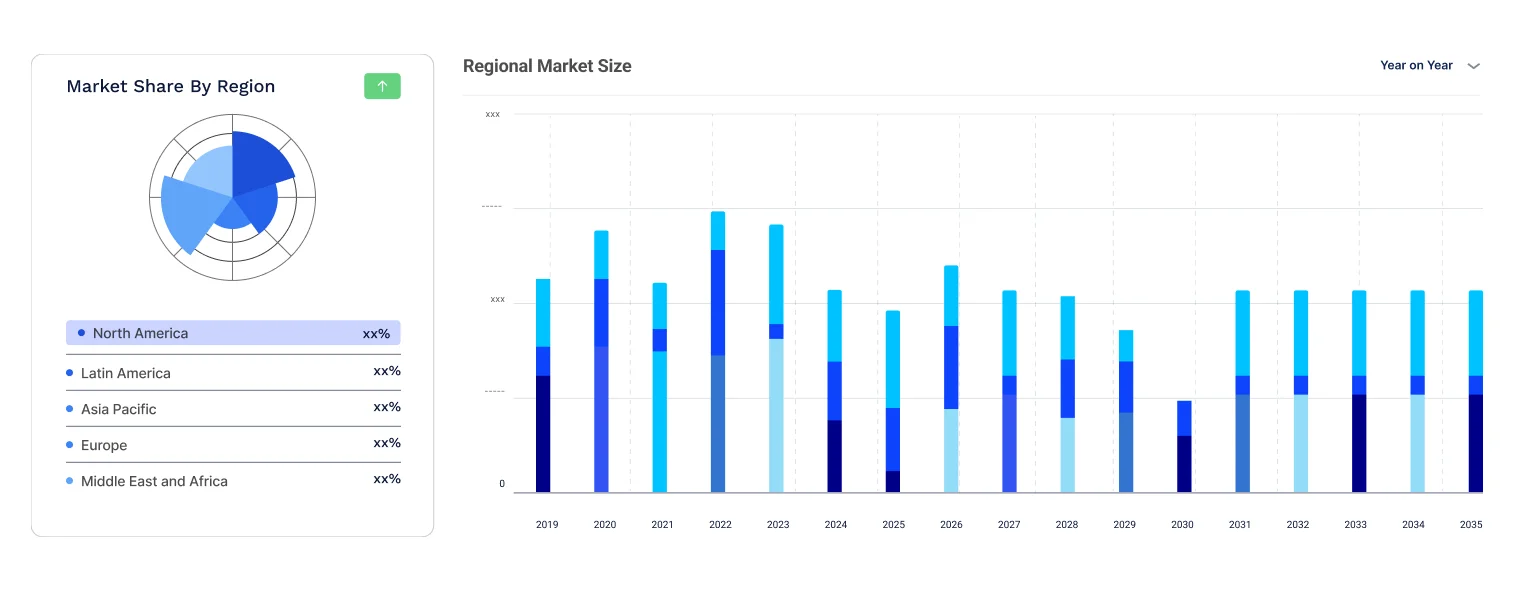
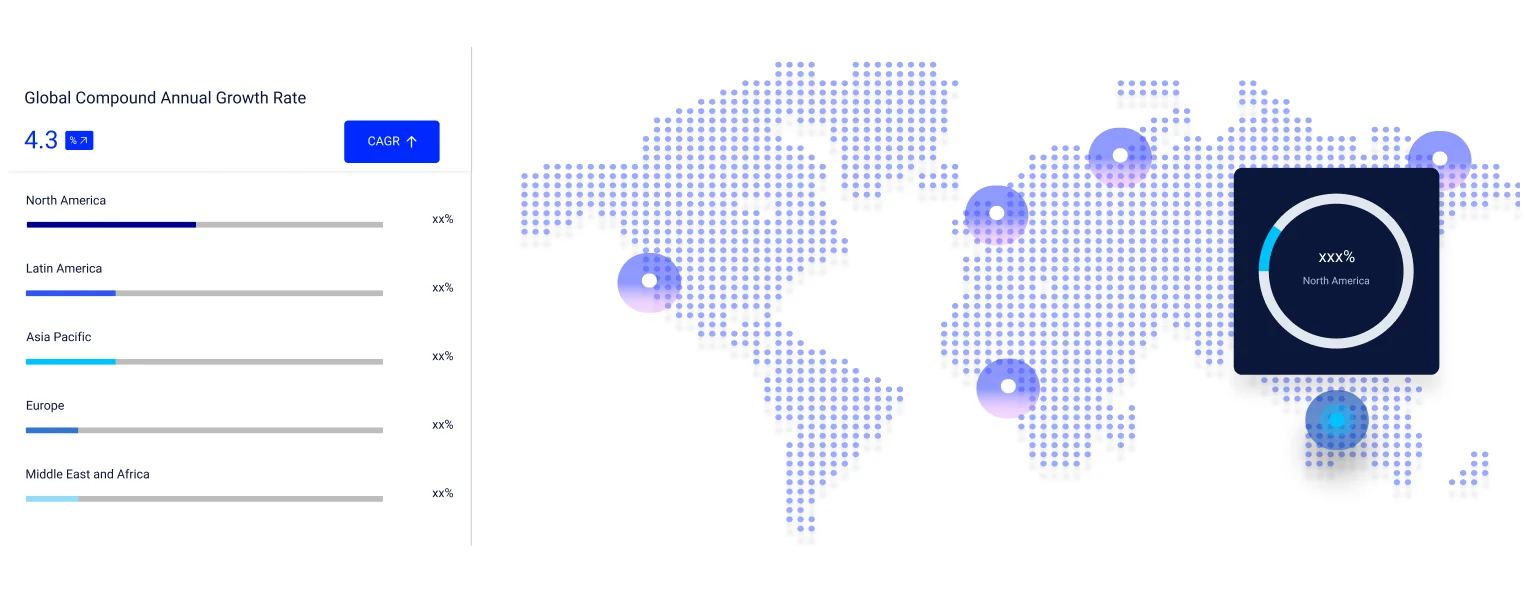
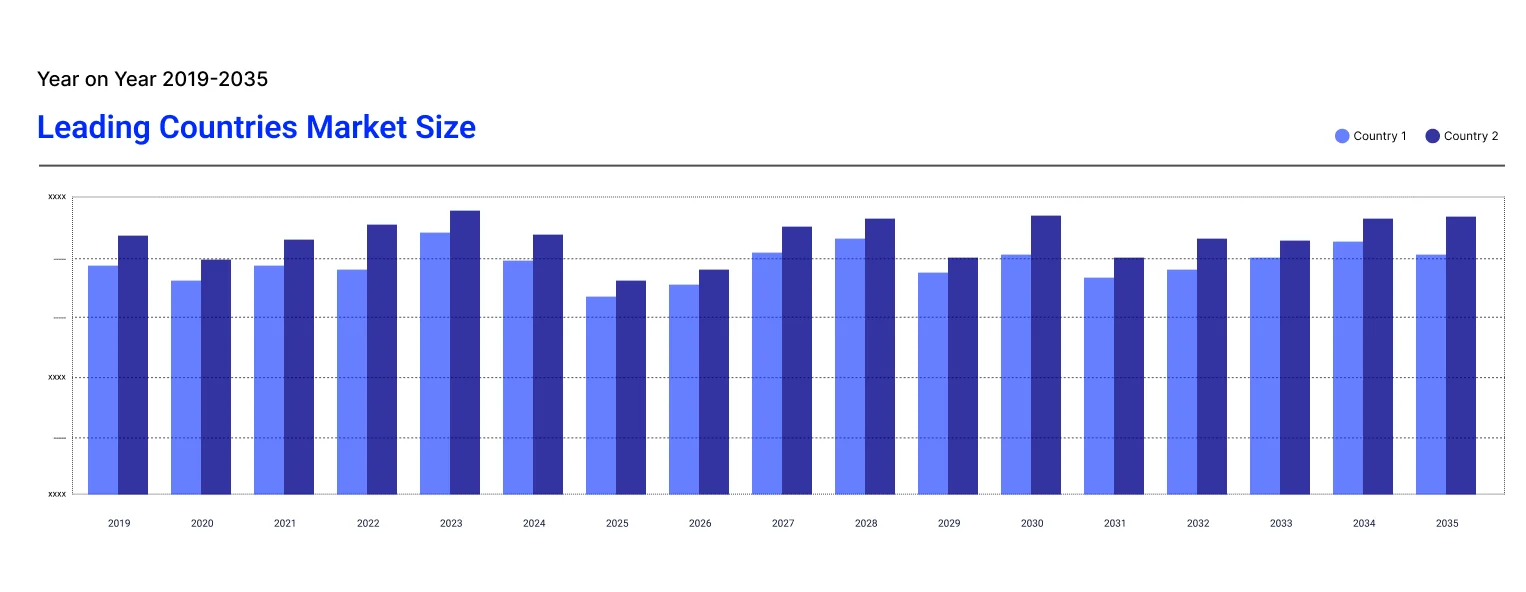
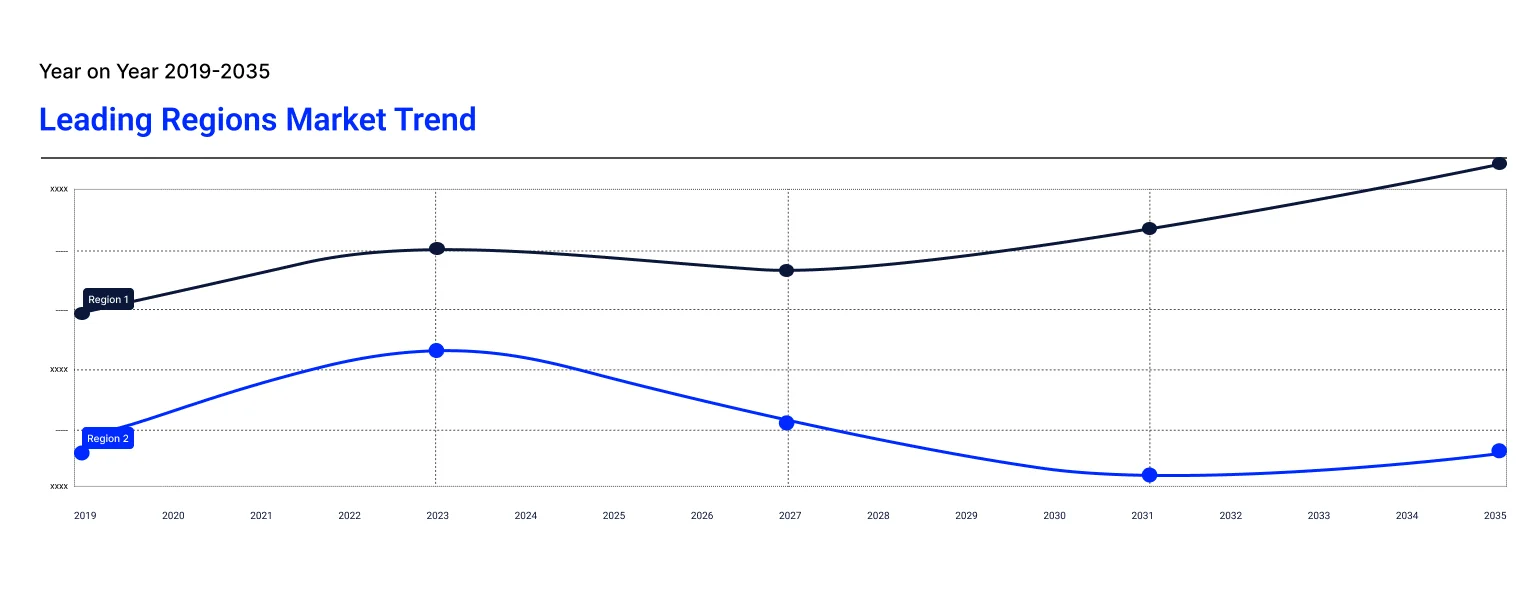
North America leads the market due to a growing consumer inclination towards functional foods
In North America, an increase in demand for natural and healthy ingredients is boosting the demand for baobab ingredients. It is full of essential minerals and adds a distinct taste to beverages. Furthermore, due to the growing consumer inclination towards functional foods and drinks, the region is witnessing an increased demand for baobab. Moreover, the product’s demand is growing in the Asia-Pacific, particularly in the China, India, and Japan regions, due to its application in the nutraceutical and food and beverage industry.
Market players are focused on developing baobab-infused product lines and formulating baobab-based functional foods and beverages to cater to the growing consumer demand for nutrient-rich ingredients
Baobab Foods, LLC is a company that specialises in providing organic baobab fruit powder, baobab superfruit snacks, and baobab oil. Founded in 2010 and headquartered in Washington, United States, the company is committed to improving human well-being by offering advanced baobab products.
Nexira is a global leader in natural ingredients and botanical extracts, founded in 1895 and headquartered in Rouen, France. The family-owned company is the world leader in acacia, a natural exudate of acacia trees, and has expanded its expertise to organic plant-based ingredients.
Afriplex (Pty) Ltd is a subsidiary of Nexira. It was founded in 2001 and is headquartered in Paarl, South Africa. As part of Nexira's global operations, Afriplex specializes in the sourcing and processing of natural raw materials.
Baobab Fruit Company is a South African company that harvests and processes baobab fruit. Founded in 2001 and headquartered in Limpopo, South Africa, the company is a leading supplier of organic baobab fruit powder and other baobab-based products.
*Please note that this is only a partial list; the complete list of key players is available in the full report. Additionally, the list of key players can be customized to better suit your needs.*
Other key players in the global baobab ingredient market include EcoProducts, among others.


Upto 15% Off
USD
$2499 $2249
$3999 $3599
$4999 $4249
$5999 $5099


*While we strive to always give you current and accurate information, the numbers depicted on the website are indicative and may differ from the actual numbers in the main report. At Expert Market Research, we aim to bring you the latest insights and trends in the market. Using our analyses and forecasts, stakeholders can understand the market dynamics, navigate challenges, and capitalize on opportunities to make data-driven strategic decisions.*
The baobab ingredient market value is expected to grow at a CAGR of 4.90% between 2026 and 2035.
The major drivers of the market include the increasing applications of baobab ingredient in various end-use industries such as personal care products, food packaging, beverage, among others and expansion of baobab cultivation in dominant areas.
Key trends aiding market expansion include the development of baobab-infused product lines, the emergence of baobab as a key ingredient in the beauty industry, and increased use of baobab in innovative culinary applications.
Regions considered in the market are North America, Europe, the Asia Pacific, Latin America, and the Middle East and Africa.
The different types of baobab ingredients are powder, pulp, and oil.
The leading applications of baobab ingredient are food and beverages, nutraceuticals, and cosmetics, among others.
The significant sources of baobab ingredients include organic and conventional.
Key players in the market are Baobab Foods, LLC, Baobab Fruit Company, NEXIRA, Afriplex (Pty) Ltd, and EcoProducts, among others.
In 2025, the global baobab ingredient market reached an approximate value of USD 5.90 Billion.
The market is expected to record steady growth and attain approximately USD 9.52 Billion by 2035.
Explore our key highlights of the report and gain a concise overview of key findings, trends, and actionable insights that will empower your strategic decisions.
| REPORT FEATURES | DETAILS |
| Base Year | 2025 |
| Historical Period | 2019-2025 |
| Forecast Period | 2026-2035 |
| Scope of the Report |
Historical and Forecast Trends, Industry Drivers and Constraints, Historical and Forecast Market Analysis by Segment:
|
| Breakup by Type |
|
| Breakup by Application |
|
| Breakup by Source |
|
| Breakup by Region |
|
| Market Dynamics |
|
| Competitive Landscape |
|
| Companies Covered |
|
| Report Price and Purchase Option | Explore our purchase options that are best suited to your resources and industry needs. |
| Delivery Format | Delivered as an attached PDF and Excel through email, with an option of receiving an editable PPT, according to the purchase option. |
Datasheet
One User
USD 2,499
USD 2,249
tax inclusive*
Single User License
One User
USD 3,999
USD 3,599
tax inclusive*
Five User License
Five User
USD 4,999
USD 4,249
tax inclusive*
Corporate License
Unlimited Users
USD 5,999
USD 5,099
tax inclusive*
*Please note that the prices mentioned below are starting prices for each bundle type. Kindly contact our team for further details.*
Flash Bundle
Small Business Bundle
Growth Bundle
Enterprise Bundle
*Please note that the prices mentioned below are starting prices for each bundle type. Kindly contact our team for further details.*
Flash Bundle
Number of Reports: 3
20%
tax inclusive*
Small Business Bundle
Number of Reports: 5
25%
tax inclusive*
Growth Bundle
Number of Reports: 8
30%
tax inclusive*
Enterprise Bundle
Number of Reports: 10
35%
tax inclusive*
How To Order

Select License Type
Choose the right license for your needs and access rights.

Click on ‘Buy Now’
Add the report to your cart with one click and proceed to register.

Select Mode of Payment
Choose a payment option for a secure checkout. You will be redirected accordingly.
Strategic Solutions for Informed Decision-Making
Gain insights to stay ahead and seize opportunities.

Get insights & trends for a competitive edge.

Track prices with detailed trend reports.

Analyse trade data for supply chain insights.

Leverage cost reports for smart savings

Enhance supply chain with partnerships.

Connect For More Information
Our expert team of analysts will offer full support and resolve any queries regarding the report, before and after the purchase.
Our expert team of analysts will offer full support and resolve any queries regarding the report, before and after the purchase.
We employ meticulous research methods, blending advanced analytics and expert insights to deliver accurate, actionable industry intelligence, staying ahead of competitors.
Our skilled analysts offer unparalleled competitive advantage with detailed insights on current and emerging markets, ensuring your strategic edge.
We offer an in-depth yet simplified presentation of industry insights and analysis to meet your specific requirements effectively.




