

Consumer Insights
Uncover trends and behaviors shaping consumer choices today
Procurement Insights
Optimize your sourcing strategy with key market data
Industry Stats
Stay ahead with the latest trends and market analysis.
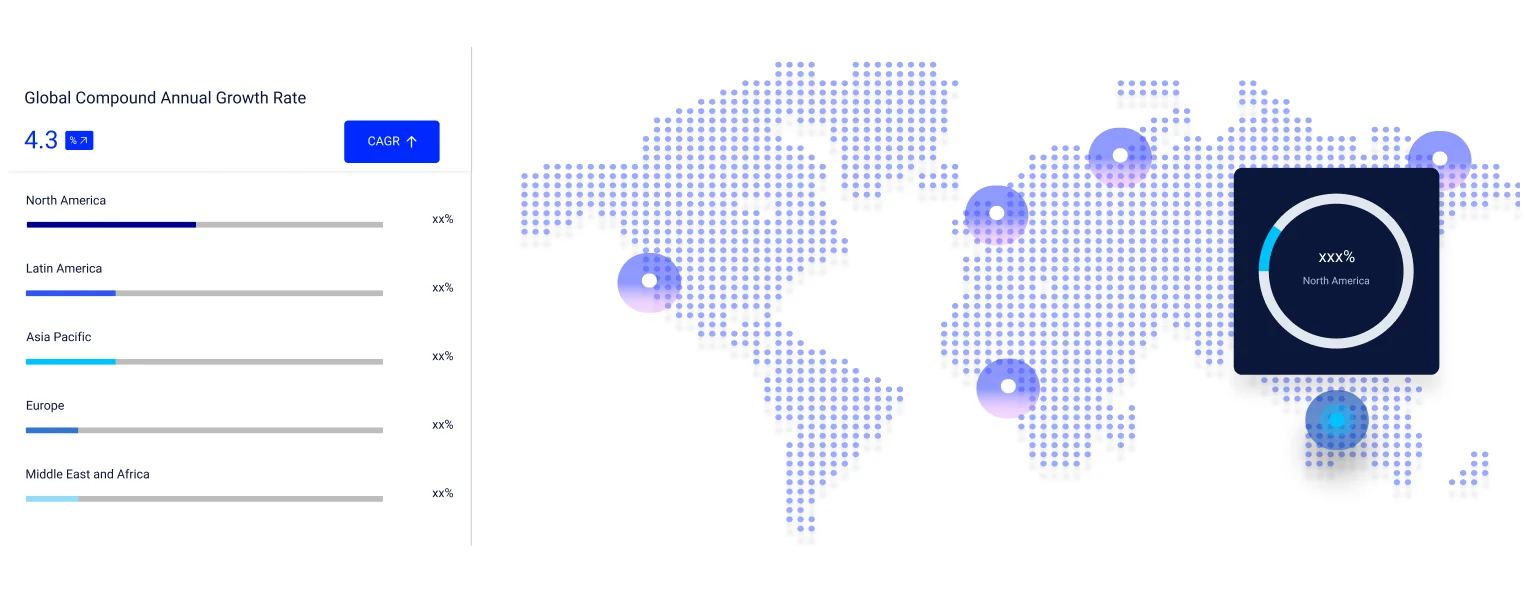
The global beach hotels market attained a value of USD 219.88 Billion in 2025 and is projected to expand at a CAGR of 4.10% through 2035. The market is further expected to achieve USD 328.62 Billion by 2035. Improved international air connectivity and the development of loyalty ecosystems are contributing to increased beach resort reservations, giving hotel owners the ability to channel their loyalty members into beach destinations and increase occupancy rates with direct demand year-round.
Branded conversions are providing quicker paths to growth, providing hotel owners of existing beach destinations the ability to tap into global booking channels, loyalty member bases, and distribution networks without having to build any additional hotels. Moreover, hotel owners are developing specialized products like adult-only resorts, dining with master chefs, art galleries, and health destinations to capture premium guests and generate incremental revenue.
The January 2025 launch of Zemi Miches Punta Cana All-Inclusive Resort by Hilton is an indication of how operators in the beach hotels market are evolving past traditional beach sun-sea positioning to destination-oriented and experiential properties. The 500-key property sits on two kilometers of Playa Esmeralda and features 14 dining venues, cultural activities, wellness amenities, a water park and Taino-inspired architecture. The property launched the first all-inclusive resort in the Dominican Republic for Curio Collection by Hilton, showing how leading hotel brands are increasingly interested in developing localized concepts for beachfront properties.
Portfolio strategies of luxury, lifestyle, branded residences and conversions are defining the beach hotels market space. Hilton stated that over 50% of its 2025 openings in the Caribbean and Latin America region were in luxury and lifestyle brands, putting the portfolio past the 100-hotel mark. Marriott is adding more beach hotels to its portfolio, featuring W Punta Cana, Salterra, The St. Regis Cap Cana, and Nekajui which is a Ritz-Carlton Reserve property.

Read more about this report - REQUEST FREE SAMPLE COPY IN PDF
Park Hyatt came to Riviera Maya by launching its own luxury all-inclusive beach resort, signifying the increasing popularity of luxury hospitality, immersive experiences, and destination-based vacationing. Other companies can create premium all-inclusive beach resorts with elements of luxury hospitality, local experience, wellness, and dining, boosting growth in the beach hotels market.
EIH Limited collaborated with Bhartiya Group for developing luxury resorts, which signifies the possibility of collaborations for expanding into the segment of premium leisure and destination hospitality. Other companies can engage in strategic partnerships to fast-track luxury beach resorts and have access to local expertise and finances through those developers.
Cozzet was developed into Gopalpur by Cygnett with a 50-room beach hotel, showing growing investor interest in new coastal destinations and branded leisure hotels. Other companies can exploit new coastal destinations by developing branded resorts even before the destinations become fully established as tourism destinations.
Accor signed Novotel Chirala Beach, catering to leisure, wellness, wedding, and corporate events, signifying increased desire for diverse offerings at emerging coastal destinations. Other companies in the beach hotels market can distinguish their beach hotels from others by developing wellness, event, wedding, and corporate facilities, among other revenue sources besides the leisure business.
Luxury resort brands are developing more differentiated and upscale all-inclusive beach hotels. In August 2026, Hyatt revealed Hyatt Vivid Punta Cana, an adults-only 500-room resort brand catering to the needs of the next generation of all-inclusive tourists in the Dominican Republic. All these developments in the beach hotels market motivate investors to develop more yield-generating beach assets, incorporating not only luxury guestroom accommodations but also unique dining, entertainment, and other experiences.
An increasing number of beach hotel developers include branded residences into their projects in order to diversify funding and generate additional income from other sources except room occupancy. In April 2025, Hilton signed Waldorf Astoria Turks and Caicos Dellis Cay that became the first property in the destination offering branded residences combined with the luxury island resort. According to the beach hotels market analysis, Marriott signed 55 residential deals during 2025, which was a 50% year-over-year increase, and has ended the year having 175 residential projects in its pipeline. Government entities and destinations developers promote the development of integrated tourism zones such as Marjan-backed Al Marjan Island project in Ras Al Khaimah, which includes ATARA and Marriott Sheraton-branded residences together with the resort.
Wellness is becoming a key differentiator in the beach hotels market as operators design properties around health, recovery, and personalized guest experiences. Wellness facilities are becoming an important part of beach resorts, which can be in the form of spas, gyms, yoga centers, mediation programs, therapeutic sessions, and nutrition-oriented food services. Coastal destinations offer opportunities to combine nature and wellness through experiences such as beach yoga, water-based therapies, and relaxation in tranquil natural surroundings. For example, in February 2026, Hilton announced plans to introduce Waldorf Astoria to Goa, expanding India’s luxury beach hospitality with premium resort experiences.
Large-scale hotel groups turn to conversions in order to get quicker access to mature beach destinations and revive poorly performing properties with improved distribution channels. Hyatt's 2025 portfolio growth strategy paid great attention to conversion growth through new collection brands and adaptive reuse models. Andaz Miami Beach is an example of this kind of strategy since it is a conversion of Confidante Miami Beach into the first Andaz-branded resort in Florida with 287 rooms, 64 suites, updated pools, and culinary partnerships. It saves time in comparison with greenfield development and helps owners refurbish their beach resorts. Following such trends in the beach hotels market, in June 2026, The LaLit Hotels advanced heritage conservation through adaptive reuse, preserving cultural assets while creating distinctive luxury hospitality experiences.
The beach hotels market observes an increasing number of operators inclining to construct lower density beach resorts which offer both proximity to the coast but also a mix of forests, wildlife, and conservation areas. Low-density resorts are developed with the intention of providing more privacy to guests and also giving them a chance to have more experience with the local environment. One example of such a resort is the Maravé Manuel Antonio, LXR Hotels & Resorts by Hilton in Costa Rica, which was launched in August 2026.
The Expert Market Research's report titled “Beach Hotels Market Report and Forecast 2026-2035” offers a detailed analysis of the market based on the following segments:
Market Breakup by Hotel Type
Key Insight: The budget hotels offer price-conscious travelers access to the beach and cost-efficient operations. In April 2026, Centara Hotels & Resorts and OR partnered to launch a budget hotel brand, expanding accessible accommodation across key destinations. Standard hotels provide a balanced mix between affordable pricing and enhanced comfort. The premium hotels set the benchmark for themselves in terms of luxurious experience, personalization, wellness, and ancillary services. The overall beach hotels market growth strategies are based on unique investment concerns. For example, the budgets hotels invest in operational efficiencies and affordable pricing, while the standard hotels invest in scalability and conversions. Premium hotels invest in differentiation and exclusivity.
Market Breakup by Service Type
Key Insight: The key driving factors for accommodation are differentiation in rooms as well as upgrades to create higher-end options, whereas food and beverages gain traction across the beach hotels market scope due to their location-driven food offerings and greater local clientele. For example, in August 2026, Kamari opened a beachfront hospitality destination in Anjuna, expanding Goa’s premium leisure offerings with coastal experiences. The additional services such as wellness, water sports, events, excursions, and customized experiences help generate higher spend on ancillary services as well as improved guest loyalty.
Market Breakup by Occupants
Key Insight: As per the beach hotels market report, flexible booking, wellness features, social elements, and digital personalization are some of the attractions of solo travelers. The need for group travel is just as important as this kind of travel includes family vacations, social events, retreats, and tours which require booking more than one room and increased expenditure on in-property services. Beach hotels are responding to the changing needs of travelers by adjusting the types of accommodations provided, with smaller rooms for solo travelers and larger rooms for groups, including villas and meeting rooms.
Market Breakup by Booking Channel
Key Insight: Online booking creates volume through convenience, loyalty management, offers, and direct upselling, while phone booking facilitates the process of creating customized bookings, including deluxe rooms, group bookings, and difficult itineraries. Face-to-face booking retains its significance in beach hotels market where impromptu bookings occur and people travel spontaneously locally or regionally, especially when travelers assess hotels in person prior to making bookings.
Market Breakup by Region
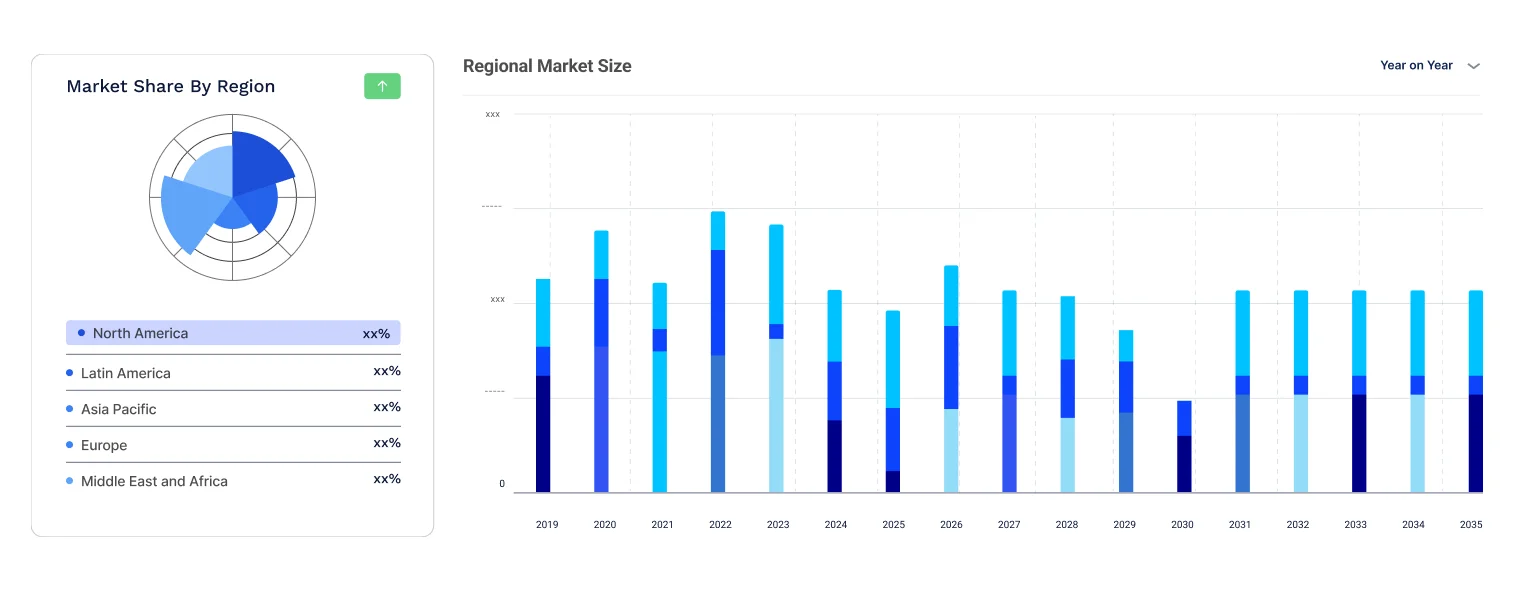
Key Insight: North America can boast developed resort infrastructure and domestic demand, whereas Europe is powered by traditional heritage beach resorts and luxury lifestyle repositioning. The Asia Pacific beach hotels market enjoys the progress in regional travel and development of integrated resorts, while Latin America entices investment with all-inclusive development and variety of beach resort products. The Middle East and Africa market are capitalizing on government-driven destination initiatives and development of new luxury infrastructure. Such regional trends motivate operators to tailor brands, room types, services, and investments in accordance with the level of destination infrastructure and development strategy.
Read more about this report - REQUEST FREE SAMPLE COPY IN PDF
By hotel type, premium hotels account for the largest share of the market due to rising demand for experiential luxury
The most dominant is the premium segment of the beach hotels market that features operators working with high room yields from such amenities as villas, private swimming pools, destination restaurants, wellness, and branded residential elements. Currently, luxury hotel groups are trying to differentiate their beachfront properties based on their design and exclusive experiences to be able to charge extra. They also have more chances for ancillary revenue streams, such as spas, private tours, and gourmet restaurants. Their strong loyalty networks and distribution help them attract wealthy travelers. In August 2026, Lords Hotels & Resorts announced a premium leisure property in Goa, expanding its presence in India’s coastal hospitality market.

Read more about this report - REQUEST FREE SAMPLE COPY IN PDF
The fastest-growing hotel segment is standard beach hotels, as developers focus on travelers who require some extra amenities but do not want to pay luxury prices. Operators develop this type of hotels with efficient room layout, modern amenities in public areas, flexible dining options, and digital platforms. This hotel segment is especially favored by domestic leisure travelers, weekend getaways, and development of new secondary destinations. Developers are also using conversion techniques in order to convert independent hotels into branded ones.
By service type, the accommodation segment registers the largest share of the market due to room-led revenue and upgrades
Accommodation continues to be the leading service segment that is accelerating the beach hotels market revenue since guest rooms, suites, villas, and private homes constitute the monetizable inventory of beach hotels. Room offerings are increasingly being tailored to premium segments such as swim-up rooms, oceanfront suites, plunge pool villas, and multi-bedroom rooms in order to maximize the revenue from families, groups, and luxury travelers without necessarily increasing the hotel footprint. In addition, room technology, premium bed offerings, and flexible design elements are increasingly being incorporated by operators to increase rate differentiation and generate further upselling opportunities during the booking process. In December 2024, Accor partnered with Dangayach Group to develop two luxury hotels in Goa, strengthening premium coastal hospitality offerings.

Read more about this report - REQUEST FREE SAMPLE COPY IN PDF
The food and beverage segment observes significant growth in the beach hotels market due to the growing trend of offering restaurants and bars as standalone revenue centers. Operators are introducing chef-driven concepts, regional cuisines, beach clubs, rooftop bars, and gourmet experiences aimed at attracting not only hotel guests but also local customers. In addition, all-inclusive resort companies are upgrading dining offerings as a way of differentiating their product package through specialty restaurants.
Group occupants account for the largest share of the market due to multi-room beach experiences
Group travelers represent the most prominent segment in the beach hotels market, as these hotels have great potential to cater to families, weddings, business retreats, and parties that require several rooms and amenities. Hotels are increasingly designing large suites, connected rooms, villas, event venues, and private dining areas to satisfy such needs. Group travelers also create demand for several services within hotels at one time, such as accommodation, food and beverages, recreation, and event services. Thus, groups offer an opportunity for hotels to package several services together and increase revenue generation from property. In August 2026, Polo Hotels Group launched Chapter Hotels & Resorts, introducing a new hospitality brand focused on curated experiences.

Read more about this report - REQUEST FREE SAMPLE COPY IN PDF
Solitary travelers are becoming the fastest-growing segment for beach hotels as these hotels are providing services tailored to flexible, healthy, and sociable experiences of travelers, accelerating the beach hotels market expansion. The smaller room types, adult-oriented hotels, co-working places, communal dining, activity tours, and wellness packages are attracting solitary travelers. The digital booking and customized recommendation system also enables hotels to cater to solitary travelers without having many services. Solitary travelers also enable hotels to fill short stays and shoulder seasons. In August 2026, Minor Hotels announced plans to launch Australia’s largest integrated resort wellness precinct, expanding demand for immersive health and luxury experiences.
The online booking segment registers the largest share of the market due to direct digital distribution
Online booking accounts for a majority of the total share in the beach hotels market owing to the focus on direct websites, apps, loyalty programs, and digital partnerships by hotel companies in an attempt to take control over customer acquisition and offer personalization. Companies are implementing dynamic packaging of rooms together with meals, spa treatments, airport transfer, and tours through the online booking process. Furthermore, direct channels offer operators the opportunity to benefit from valuable first-party data that could be utilized in targeted campaigns and repeat bookings. In July 2024, Fortune Hotels announced Fortune Beach Resort ECR Chennai, expanding its coastal hospitality portfolio with premium leisure and beachfront experiences.

Read more about this report - REQUEST FREE SAMPLE COPY IN PDF
Telephone booking is gaining popularity in the segment of complex beach stays that usually include villa bookings, group travel, wedding arrangements, vacations, and tailor-made packages, thus contributing to the overall beach hotels market value. These bookings typically need to be made after consulting directly due to specific requirements such as room combinations, special requests, transport arrangements, meal arrangements, or facility availability. It allows operators to suggest upgrades and pack additional services which might be hard to arrange via regular online interfaces.
North America secures the leading market position due to established coastal resort infrastructure
North America emerges as the major regional beach hotels market as the region is more developed in terms of beach tourism, branded hotels, and domestic leisure travelers. Companies continue to repurpose their coastal assets through conversion into luxury hotels, lifestyle brand hotels, all-inclusive hotels, and enhanced food and beverage venues. The loyalty programs of major hotel companies further facilitate repeat guest trips to beach resorts in the United States, Mexico, and the Caribbean regions. The need for villa hotels, family resorts, and experiential stays results in further investments in distinct beachfront resorts. In June 2026, Drury Hotels opened a new property near Destin, Florida, United States, strengthening accommodation capacity in a major coastal leisure destination.

Read more about this report - REQUEST FREE SAMPLE COPY IN PDF
The Middle East and Africa region is the fastest growing beach hotels market due to the investments made by government entities and developers to create coastal destinations. Investments being made in large-scale projects on the coasts of Red Sea and Arabian Gulf allow global operators to establish luxury hotels, wellness centers, branded residences, and lifestyle hotels. Tourism strategies of government entities allow for development of infrastructure and increase of international visitors and thus make beachfront locations more available. Hotel companies target these projects as a way to establish themselves at an early stage in new destinations.
The competition in the market is becoming more about asset differentiation rather than additional rooms. Leading beach hotels market players are working on low density villas, branded residences, adults only concept, restaurant concept headed by chefs, destination wellness centers and local experience. There is growing potential for conversions of coastal areas, state-supported tourism zones, and mixed-use projects featuring hotels along with residential and marina parts.
Moreover, beach hotel companies are now focusing on direct bookings through loyalty ecosystems and customized digital offers. They are remodeling their hotels to increase revenues from ancillaries. Four Seasons is building luxury journeys on yachting concept while Hilton is trying all-inclusive and lifestyle models and Radisson is focusing on locally inspired, responsible hospitality. On the other hand, Omni uses the power of destination positioning, wellness, restaurants and loyalty to engage its customers.
Four Seasons Hotels Limited was formed in 1960 and has its headquarters in Toronto, Canada. This company meets beach resort requirements through customized luxurious resorts, residences, destination dining, and experiences. The expansion of the ecosystem from land-based resorts into maritime resorts is being achieved by Four Seasons Yachts in which it integrates coastal resorts into private yachting experience.
Radisson Hotel Group was established in 1962, and its headquarters are located in Brussels, Belgium. This company uses a combination of upscale/lifestyle positioning, locally-inspired experiences, responsible hospitality, digital distribution and loyalty access to help coastal properties align with brand formats and destination demand.
Omni Hotels & Resorts, founded in 1958 and based in Dallas, Texas, United States, caters to the leisure segment through its portfolio of locally-based hotels, resorts, restaurants, golf, and spa facilities. Repeat business is driven by Omni's Select Guest Loyalty Program, while destination-specific programs enable the company to offer a competitive advantage beyond lodging.
Founded in 1919 and based in Texas, United States, Hilton Worldwide Holdings Inc. caters to the beach hotels market through a range of brands, loyalty and conversion programs. The company focuses on distinctive growth through the luxury, lifestyle, and all-inclusive categories in the market.
Other key players in the market include Hyatt Corporation, ACCOR SA, ITC Ltd., Marriott International, Inc., InterContinental Hotels Group, and Montage International, among others.
*Please note that this is only a partial list; the complete list of key players is available in the full report. Additionally, the list of key players can be customized to better suit your needs.*
Unlock the latest insights with our beach hotels market trends 2026 report. Discover regional growth patterns, consumer preferences, and key industry players. Stay ahead of competition with trusted data and expert analysis. Download your free sample report today and drive informed decisions in the market.


Upto 15% Off
USD
$2499 $2249
$3999 $3599
$4999 $4249
$5999 $5099


*While we strive to always give you current and accurate information, the numbers depicted on the website are indicative and may differ from the actual numbers in the main report. At Expert Market Research, we aim to bring you the latest insights and trends in the market. Using our analyses and forecasts, stakeholders can understand the market dynamics, navigate challenges, and capitalize on opportunities to make data-driven strategic decisions.*
The market reached a value of approximately USD 219.88 Billion in 2025.
The market is projected to grow at a CAGR of 4.10% between 2026 and 2035.
The market is estimated to witness a healthy growth in the forecast period of 2026-2035 to reach USD 328.62 Billion by 2035.
Stakeholders are prioritizing distinctive coastal concepts, expanding conversion pipelines, integrating branded residences, strengthening direct digital sales, developing climate resilient assets, and bundling wellness, dining, excursions, and personalized experiences to improve year round returns.
The key trends fuelling the growth of the market include increasing popularity of destination weddings, growing preference for beachside resorts and hotels for vacations, and rising influence of social media and travel influencers.
The major regions in the market are North America, Europe, the Asia Pacific, Latin America, and the Middle East and Africa.
The significant booking channels include phone booking, online booking, and in-person booking.
The key players in the market are Four Seasons Hotels Limited, Radisson Hotel Group, Omni Hotels & Resorts, Hilton Worldwide Holdings Inc., Hyatt Corporation, ACCOR SA, ITC Ltd., Marriott International, Inc., InterContinental Hotels Group, and Montage International, among others.
Companies face rising coastal construction costs, climate exposure, labor shortages, seasonality, water and energy constraints, and intense competition for distinctive beachfront sites, skilled partners, premium guests, and infrastructure assets.
Explore our key highlights of the report and gain a concise overview of key findings, trends, and actionable insights that will empower your strategic decisions.
| REPORT FEATURES | DETAILS |
| Base Year | 2025 |
| Historical Period | 2019-2025 |
| Forecast Period | 2026-2035 |
| Scope of the Report |
Historical and Forecast Trends, Industry Drivers and Constraints, Historical and Forecast Market Analysis by Segment:
|
| Breakup by Hotel Type |
|
| Breakup by Service Type |
|
| Breakup by Occupants |
|
| Breakup by Booking Channel |
|
| Breakup by Region |
|
| Market Dynamics |
|
| Competitive Landscape |
|
| Companies Covered |
|
Datasheet
One User
USD 2,499
USD 2,249
tax inclusive*
Single User License
One User
USD 3,999
USD 3,599
tax inclusive*
Five User License
Five User
USD 4,999
USD 4,249
tax inclusive*
Corporate License
Unlimited Users
USD 5,999
USD 5,099
tax inclusive*
*Please note that the prices mentioned below are starting prices for each bundle type. Kindly contact our team for further details.*
Flash Bundle
Small Business Bundle
Growth Bundle
Enterprise Bundle
*Please note that the prices mentioned below are starting prices for each bundle type. Kindly contact our team for further details.*
Flash Bundle
Number of Reports: 3
20%
tax inclusive*
Small Business Bundle
Number of Reports: 5
25%
tax inclusive*
Growth Bundle
Number of Reports: 8
30%
tax inclusive*
Enterprise Bundle
Number of Reports: 10
35%
tax inclusive*
How To Order

Select License Type
Choose the right license for your needs and access rights.

Click on ‘Buy Now’
Add the report to your cart with one click and proceed to register.

Select Mode of Payment
Choose a payment option for a secure checkout. You will be redirected accordingly.
Strategic Solutions for Informed Decision-Making
Gain insights to stay ahead and seize opportunities.

Get insights & trends for a competitive edge.

Track prices with detailed trend reports.

Analyse trade data for supply chain insights.

Leverage cost reports for smart savings

Enhance supply chain with partnerships.

Connect For More Information
Our expert team of analysts will offer full support and resolve any queries regarding the report, before and after the purchase.
Our expert team of analysts will offer full support and resolve any queries regarding the report, before and after the purchase.
We employ meticulous research methods, blending advanced analytics and expert insights to deliver accurate, actionable industry intelligence, staying ahead of competitors.
Our skilled analysts offer unparalleled competitive advantage with detailed insights on current and emerging markets, ensuring your strategic edge.
We offer an in-depth yet simplified presentation of industry insights and analysis to meet your specific requirements effectively.




