

Consumer Insights
Uncover trends and behaviors shaping consumer choices today
Procurement Insights
Optimize your sourcing strategy with key market data
Industry Stats
Stay ahead with the latest trends and market analysis.

The global biopesticides market size was valued at USD 4.81 Billion in 2025. The industry is expected to grow at a CAGR of 8.20% during the forecast period of 2026-2035 to reach a value of USD 10.58 Billion by 2035. The market growth is attributed to the increasing industry consolidation and integration of microbial innovation platforms that enhance research and development efficiency and accelerate commercialization of biological crop protection products.
As demand for sustainable and residue-free farming inputs grows, leading players are joining forces to expand their technical capabilities and global reach. In April 2024, Ginkgo Bioworks acquired AgBiome’s platform assets, gaining access to over 115,000 sequenced strains and microbial product pipelines to strengthen its bio innovation portfolio.
Similarly, in January 2024, Novozymes and Chr. Hansen merged to form Novonesis, creating a powerhouse in industrial bio-solutions with enhanced fermentation, formulation, and application expertise. These strategic consolidations enable faster discovery, development, and distribution of next-generation biopesticides, reinforcing the biopesticides market’s shift toward scalable, data-driven, and globally accessible biological solutions that align with sustainable agriculture goals and tightening environmental regulations.
Base Year
Historical Period
Forecast Period
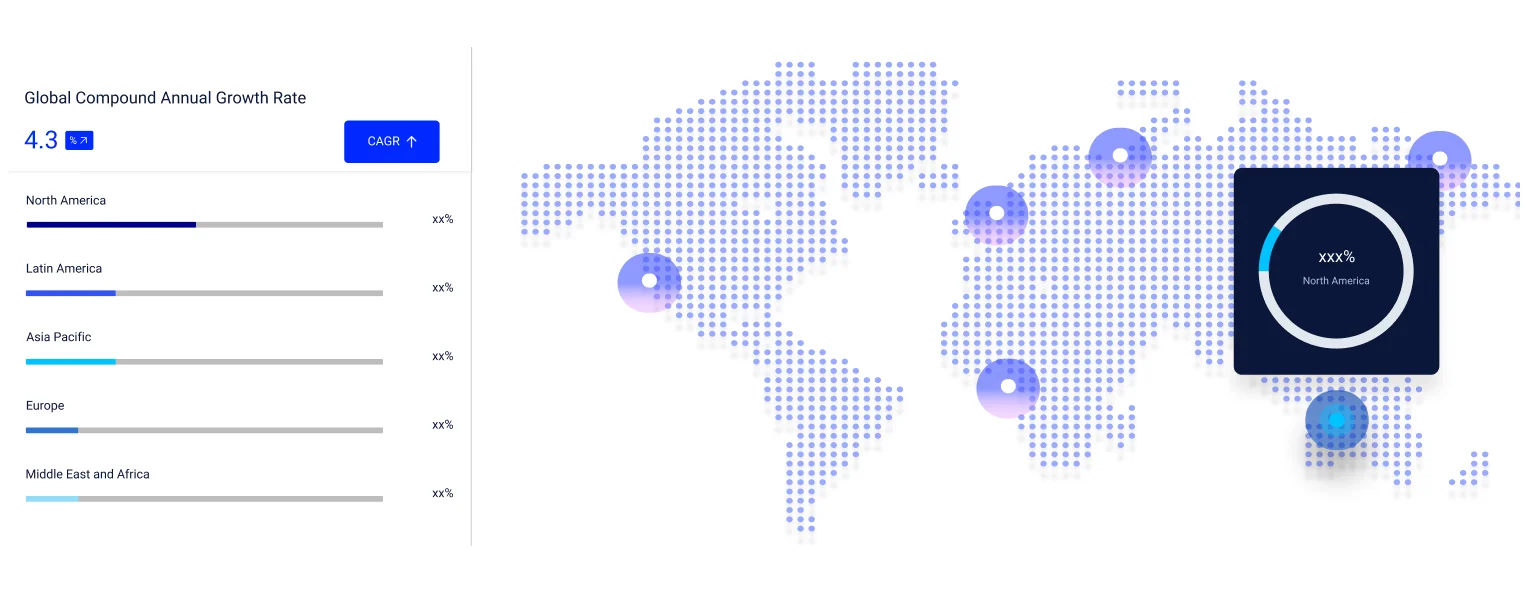
Compound Annual Growth Rate
8.2%
Value in USD Billion
2026-2035
*this image is indicative*
| Global Biopesticides Market Report Summary | Description | Value |
| Base Year | USD Billion | 2025 |
| Historical Period | USD Billion | 2019-2025 |
| Forecast Period | USD Billion | 2026-2035 |
| Market Size 2025 | USD Billion | 4.81 |
| Market Size 2035 | USD Billion | 10.58 |
| CAGR 2019-2025 | Percentage | XX% |
| CAGR 2026-2035 | Percentage | 8.20% |
| CAGR 2026-2035 - Market by Region | Asia Pacific | 9.5% |
| CAGR 2026-2035 - Market by Country | India | 10.8% |
| CAGR 2026-2035 - Market by Country | China | 9.1% |
| CAGR 2026-2035 - Market by Source | Microbials | 9.2% |
| CAGR 2026-2035 - Market by Type | Bioinsecticides | 9.6% |
| Market Share by Country 2025 | France | 3.3% |
Growth in the biopesticides market is driven by major players integrating complementary portfolios and manufacturing infrastructure to strengthen global reach. In July 2023, Biobest acquired BioWorks, Inc. in North America, expanding its biopesticide product range and supply-chain capacity. Such consolidation enhances the ability of companies to serve growers across geographies, reduce time to market for new biologicals and reinforce investor confidence in the segment’s long-term potential.
Another driver for market growth is the introduction of biological products targeted at high-volume row crops, making adoption more attractive. In January 2024, Certis Biologicals launched “Convergence®”, a biofungicide for corn, soybeans and peanuts combining disease control with plant-health benefits. Launches like this demonstrate biologicals can compete in large acreage markets, encouraging growers to shift from chemical-only programmes and driving further investment in this category.
The biopesticides market growth is attributed to increased investment in bio-manufacturing infrastructure, enabling biologicals to reach commercial volumes. For example, in March 2024, BASF broke ground on a new fermentation plant at its Ludwigshafen site to produce biological fungicides and seed-treatment solutions, targeting full operation by the second half of 2025. Such capacity expansions allow firms to reduce cost per unit, scale up supply reliably and meet the growing demands of sustainable-agriculture end-users.
The market’s growth is also spurred by early-stage funding for emerging biopesticide developers, which expands the technology pipeline. In November 2024, Belgium’s BiocSol raised EUR 5.2 million in seed capital to advance microbial-based crop-protection solutions. This injection enables start-ups to advance R&D, undertake field trials and engage regulatory processes, thereby broadening the array of biological modes-of-action available to the market.
Partnerships between large agritech firms and biotech innovators that accelerate discovery of novel biologicals are consistently expanding the biopesticides market scope. In February 2024, Syngenta Crop Protection and Lavie Bio Ltd. announced a collaboration to discover and develop new bio-insecticide candidates. Such alliances leverage the scale of incumbents and the agility of start-ups, fostering more diverse product pipelines and reinforcing the market’s momentum.

Read more about this report - REQUEST FREE SAMPLE COPY IN PDF
The EMR’s report titled “Global Biopesticides Market Report and Forecast 2026-2035” offers a detailed analysis of the market based on the following segments:
Market Breakup by Source
Key Insights: Microbials account for a substantial biopesticides industry share, due to their targeted action and eco-compatibility with integrated pest-management systems. In January 2024, GreenLight Biosciences’s RNA-based biopesticide Calantha™ (active ingredient ledprona) gained registration by the United States Environmental Protection Agency (EPA) to control the Colorado potato beetle, marking the first sprayable dsRNA product approved for crop protection. Meanwhile, biochemical and beneficial-insect segments are solidifying their positions by aligning with organic farming and greenhouse pest-management trends, further accelerating sustainable biological-pesticide adoption.
Market Breakup by Type
Key Insights: Bioinsecticides dominate as growers adopt targeted biologicals to manage resistant pest populations effectively. Biofungicides are gaining momentum due to the rising prevalence of fungal infections and demand for residue-free produce. Bioherbicides benefit from increasing restrictions on synthetic herbicides and advances in microbial formulations, while bionematicides are witnessing growth from expanding nematode infestation control programs and the push for soil-health restoration.
Market Breakup by Formulation
Key Insights: The biopesticides industry is segmented by formulation into liquid and dry, each driven by distinct factors. Liquid formulations lead due to their ease of application, effective coverage, and compatibility with modern spraying systems. For instance, in April 2024, Bayer AG secured an exclusive license with AlphaBio Control for a biological insecticide targeted at arable crops, supporting liquid formulation roll-out. Meanwhile, dry formulations gain traction due to their longevity, lower logistic costs, and suitability for seed treatments and granules.
Market Breakup by Mode of Action
Key Insights: Foliar applications dominate the biopesticides market value due to their fast pest control, strong leaf absorption, and ease of integration with existing spraying systems. Seed treatment is driven by preventive pest protection at the germination stage, soil treatment gains momentum through its role in root disease suppression and soil health improvement, while post-harvest applications grow steadily with increasing demand for residue-free preservation and extended crop shelf life.
Market Breakup by Crop Type
Key Insights: Cereals and grains significant contribute to the biopesticides market revenue, due to large-scale cultivation and increasing pest resistance management needs. Oilseeds and pulses benefit from sustainable seed treatment adoption and pest control at early crop stages. In April 2024, BASF SE launched Exponus® Bio, a biological insecticide targeting soybean pests, strengthening its oilseed-focused portfolio. Meanwhile, fruits and vegetables lead the segment owing to export value and stringent residue norms, while other crops gain traction through the rising adoption of residue-free and organic practices.
Market Breakup by Region
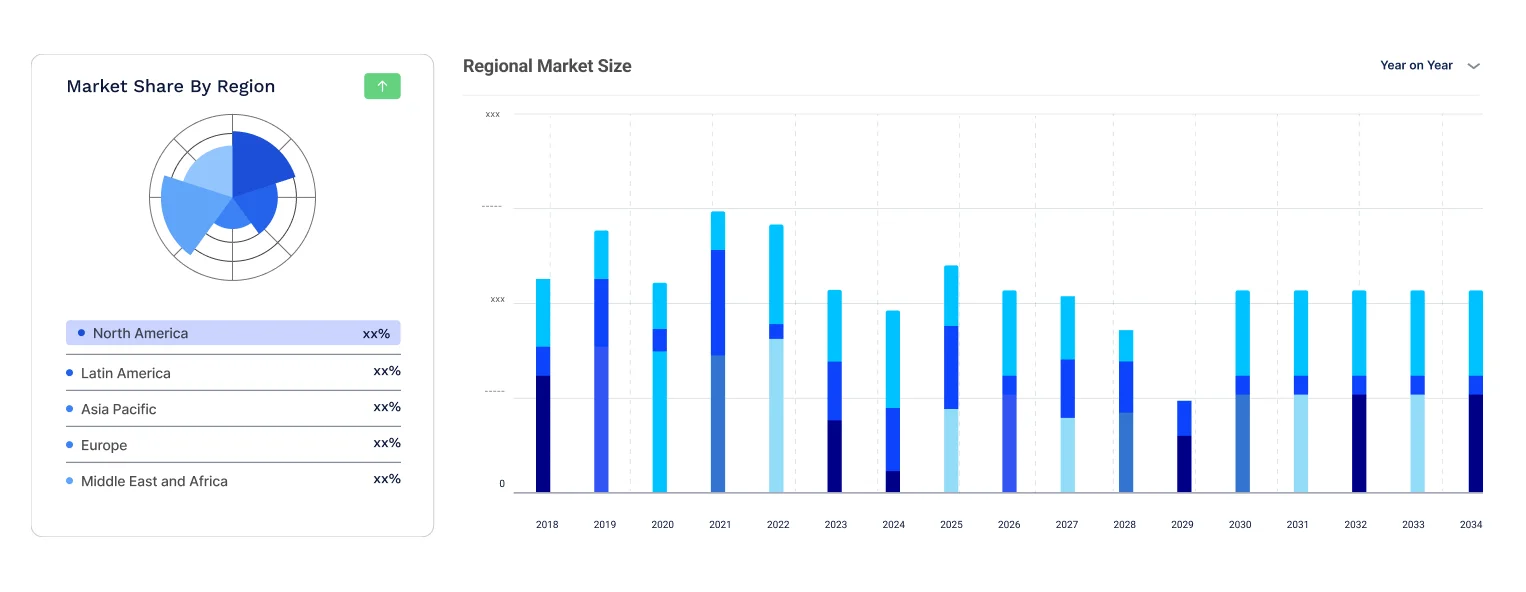
Key Insights: The biopesticides market shows diverse regional trends driven by sustainability and regulatory priorities. North America leads with strong adoption of eco-friendly crop protection and advanced R&D initiatives. Europe’s growth is fueled by the EU Green Deal and organic farming expansion. Asia Pacific sees rapid uptake supported by government programs, while Latin America and the Middle East & Africa experience rising awareness and gradual adoption of residue-free pest control solutions.
By source, microbials register robust growth
Microbials remain a key growth engine as they offer targeted biocontrol with minimal non-target effects, aligning perfectly with integrated pest-management frameworks. In April 2023, Eden Research plc announced that its biofungicide “Mevalone®” received regulatory authorisation in Poland, allowing use on wine grapes and apples for Botrytis control. This type of regulatory milestone empowers microbial product portfolios and encourages growers to adopt biologically derived solutions, thereby accelerating market growth.
The growing uptake of mating-disruption devices and beneficial-insect solutions fuels segment growth as growers seek chemical-free pest control strategies. For example, in September 2024, Suterra LLC announced that its “CheckMate® Puffer® OFM-O” received Organic Materials Review Institute (OMRI) listing for use in organic production on Oriental fruit moth. Such certifications and product innovations bolster confidence among growers, drive adoption of beneficial-insect and pheromone-based systems and broaden the market’s biological-control base.
By type, biofungicides dominate in terms of adoption and usage
Biofungicides drive segment growth as fungal pathogens increasingly threaten high-value crops and growers seek eco-friendly alternatives. The demand is further amplified by tighter chemical-fungicide regulation and the expansion of integrated pest management systems. For example, in November 2024, Lavie Bio Ltd. announced its bio-fungicide program LAV321 advanced to pre-commercial stage following strong field-trial data against downy mildew in grapes. These product milestones help build grower confidence in biological solutions and broaden the pathway for broader adoption across fruit and vegetable sectors.
Bioherbicides gain traction as chemical herbicide resistance escalates and regulatory pressures mount, driving growers toward nature-based weed management tools. The biochemical and microbial modes of action in this segment align with sustainability goals and precision agriculture trends. In March 2024, Moa Technology partnered with Croda International plc on a 10-year collaboration to develop next-generation bioherbicides leveraging marine-microbiome discovery. This strategic move paves the way for broader commercial-scale deployment of bioherbicides in major cropping systems.
By formulation, liquid biopesticides are in high demand
Liquid formulations are gaining prominence in the biopesticides market share due to their superior coverage, ease of use, and compatibility with modern spraying systems. They enable farmers to achieve consistent pest control with less labor and dilution effort. Reflecting this trend, in June 2025, Bayer AG and Kimitec Innovation launched Ambition Complete Gen2 and Ambition Secure Gen2, two gel-based biological solutions for regenerative agriculture. These launches demonstrate the growing industry shift toward liquid and gel-based biopesticides that combine efficacy with sustainability.
Dry formulations continue to attract attention for their storage stability, long shelf life, and cost-effective transportation. They also offer flexibility for seed coating and soil application, making them ideal for smallholder and large-scale farming alike. In September 2023, Croda International plc introduced Atlox™ BS-50, a dry-format delivery system designed for spore-forming microbes. This innovation supports the broader adoption of dry biopesticides by enhancing formulation stability and microbial viability.
By mode of action, seed treatment is picking up momentum
Seed-treatment mode is witnessing notable adoption in the biopesticides market as growers shift toward preventive pest and disease control right at sowing, improving plant vigour and reducing downstream chemical load. In October 2025, Albaugh introduced BIOST® 2G Nematicide + Insecticide, a next-generation seed-treatment biological for corn, soy, cotton and cereals, registered in the United States. This launch exemplifies how seed-treatment biologicals are broadening their use beyond niche crops into mainstream arable segments, thus driving growth.
Soil-treatment mode is picking up robust momentum as growers seek solutions for root pests, nematodes and improved rhizosphere health in the face of deeper disease pressure and soil-ecosystem decays. In January 2025, UPL Ltd. rolled out Atroforce® Bionematicide as a seed-coating/soil-treatment solution for cotton, offering nematode protection from the very start of plant growth. This kind of soil-treatment innovation helps extend biological protection into early root-zone phases and supports adoption of biologicals in deeper agronomic layers.
By crop type, fruits and vegetables demonstrate notable growth
The fruits and vegetables crop type benefits from strong demand for residue-free produce, high-value markets and stricter regulatory standards, making biopesticides particularly appealing. For example, in September 2025, BASF SE launched its Efficon® Insecticide in Indonesia for pests in citrus, chilli and tomato crops, reflecting the premium-crop drive. The combination of export opportunities, consumer safety concerns and integrated pest management frameworks supports rapid growth in this segment.
The oilseeds and pulses segment is gaining momentum as growers seek solutions that enhance seedling vigor, reduce chemical input and improve sustainability in rotational systems. In February 2025, UPL Ltd. announced its seed-treatment biological NIMAXXA, combining biostimulant and bionematicide activity for oilseed crops, marking innovation in the sector. With rising plant-based protein demand and pressure on conventional chemistries, this segment is positioned for strong growth.
By Region, Asia Pacific leads the market growth
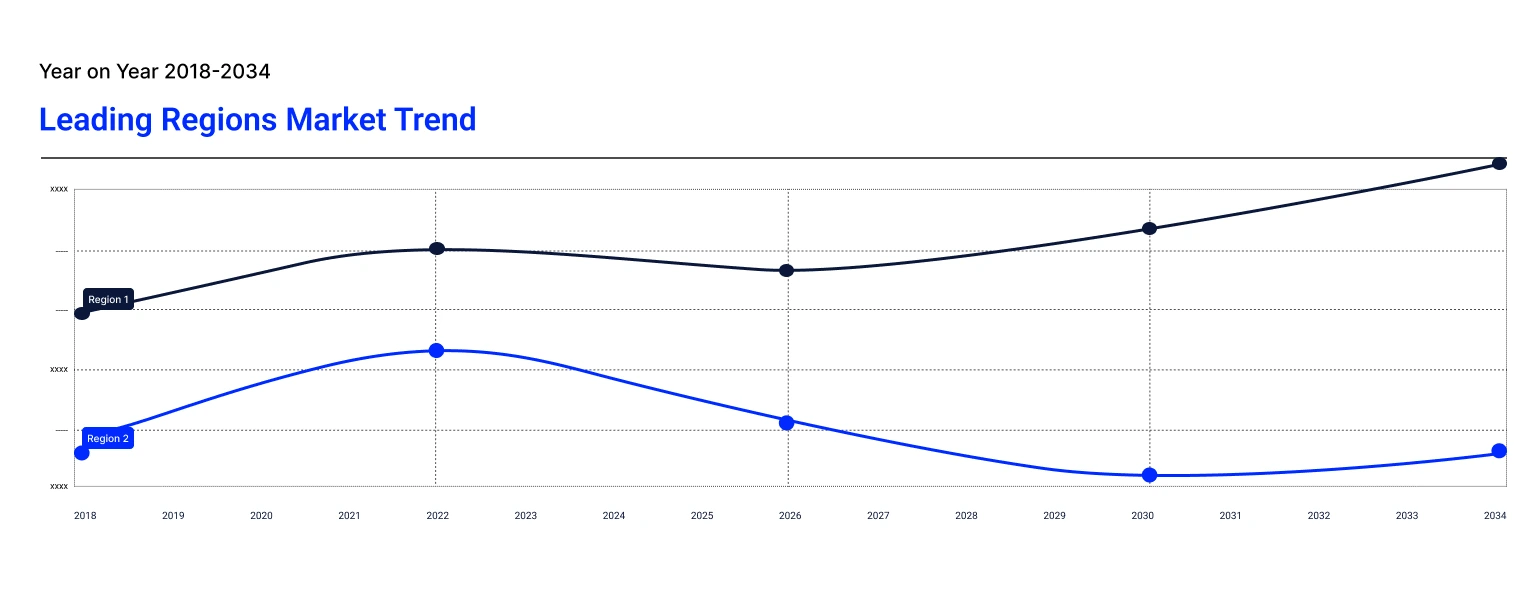
The Asia-Pacific crop protection market is being lifted by regulatory acceleration and company action in India. When the Central Insecticides Board & Registration Committee (CIB&RC) approved 27 new products in July 2025, companies such as Bayer CropScience Ltd. and BASF India Ltd. responded by advancing registration of novel herbicides and fungicides. These firms are now advancing field trials, tweaking formulations for local conditions and ramping up manufacturing readiness ahead of commercial launch.
The European biopesticides market is growing rapidly as the region transitions toward regenerative and low-impact agricultural systems supported by strong regulatory frameworks like the EU Green Deal and Farm to Fork Strategy. Increasing consumer demand for residue-free produce, coupled with government incentives for biological crop protection, continues to drive innovation. Recently, the EU-funded SOILRES project, led by Aarhus University, was launched in June 2025, to develop biodiversity-based biostimulants and soil improvers, further promoting sustainable crop resilience and eco-friendly pest management.
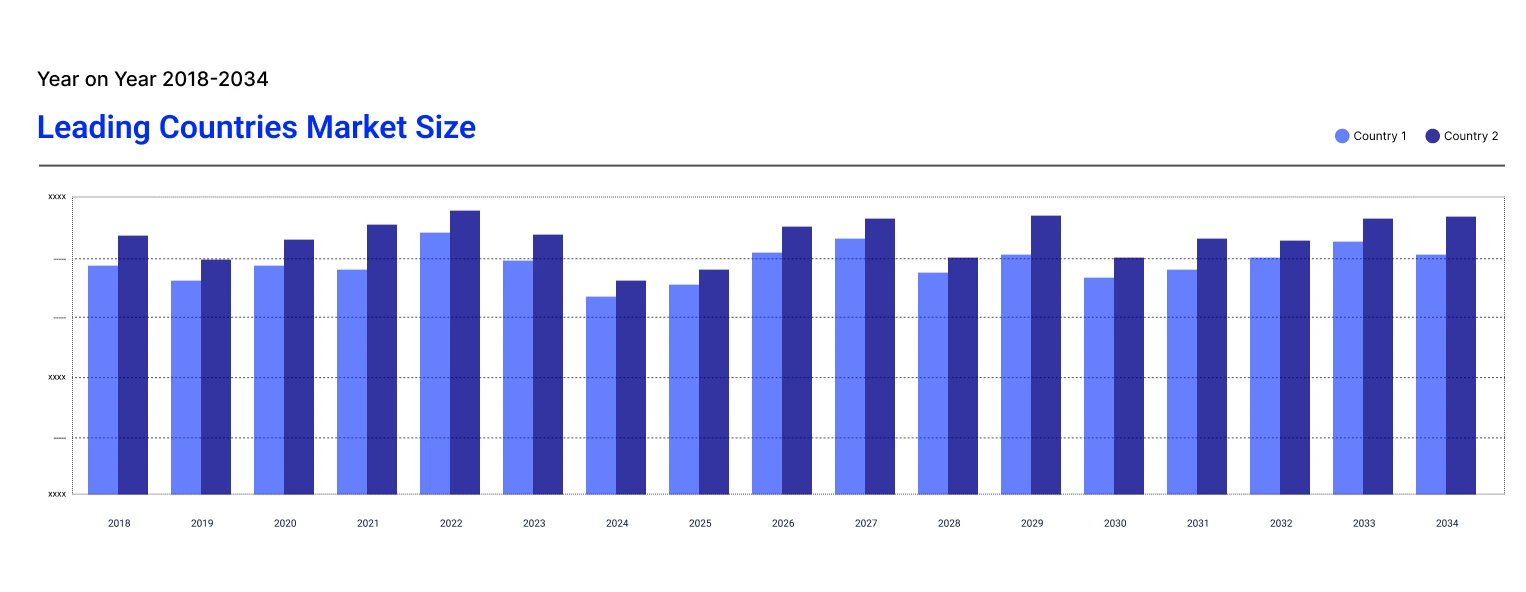
| CAGR 2026-2035 - Market by | Country |
| India | 10.8% |
| China | 9.1% |
| USA | 7.3% |
| France | 6.4% |
| Italy | 5.8% |
| Canada | XX% |
| UK | XX% |
| Germany | XX% |
| Japan | 5.6% |
| Australia | XX% |
| Saudi Arabia | XX% |
| Brazil | XX% |
| Mexico | XX% |
The market is witnessing sustained growth as leading biopesticides market players intensify efforts toward sustainable agriculture and integrated pest management. Firms such as Bayer AG, BASF SE, and Syngenta Crop Protection AG are focusing on strategic collaborations, digital farming integration, and expansion of biological R&D pipelines to reduce chemical dependency and deliver eco-efficient crop protection solutions tailored to regional agronomic needs.
Innovative product development remains central to the growth strategy of market leaders. Prominent biopesticides companies like Certis USA, Marrone Bio Innovations, and Andermatt Biocontrol AG are launching next-generation bioinsecticides, biofungicides, and microbial seed treatments derived from naturally occurring microorganisms and plant extracts. These innovations enhance crop yield, improve soil health, and align with tightening global regulations promoting residue-free and environmentally safe agricultural inputs.
Founded in 1863 and headquartered in Leverkusen, Germany, Bayer AG is a global life sciences company specializing in healthcare and agriculture. Its Crop Science division focuses on sustainable farming solutions, offering a strong portfolio of biopesticides, biofertilizers, and integrated crop protection products.
Established in 2001 and headquartered in Columbia, Maryland, USA, Certis USA L.L.C. is a leading manufacturer and distributor of biopesticide solutions for commercial agriculture. The company’s extensive biological product line includes biofungicides, bioinsecticides, and bionematicides tailored for sustainable pest management.
Founded in 2006 and headquartered in Davis, California, USA, Marrone Bio Innovations Inc. develops and markets bio-based pest management and plant health products. The company’s innovations in the global biopesticides market focus on microbial and plant-derived biopesticides designed to reduce chemical residues and environmental impact.
Established in 1988 and headquartered in Grossdietwil, Switzerland, Andermatt Biocontrol AG is a pioneer in biological crop protection. The company specializes in the development and production of virus-based and microbial biocontrol agents, promoting eco-friendly and residue-free pest management solutions.
*Please note that this is only a partial list; the complete list of key players is available in the full report. Additionally, the list of key players can be customized to better suit your needs.*
Other players in the market include BASF SE, Syngenta Crop Protection AG, and others, which are actively engaged in developing, manufacturing, and commercializing innovative biological crop protection solutions
Explore the latest trends shaping the Global Biopesticides Market 2026-2035 with our in-depth report. Gain strategic insights, future forecasts, and key market developments that can help you stay competitive. Download a free sample report or contact our team for customized consultation on global biopesticides market trends 2026.


Upto 15% Off
USD
$3999 $3599
$2499 $2249
$4999 $4249
$5999 $5099


*While we strive to always give you current and accurate information, the numbers depicted on the website are indicative and may differ from the actual numbers in the main report. At Expert Market Research, we aim to bring you the latest insights and trends in the market. Using our analyses and forecasts, stakeholders can understand the market dynamics, navigate challenges, and capitalize on opportunities to make data-driven strategic decisions.*
Get in touch with us for a customized solution tailored to your unique requirements and save upto 35%!
In 2025, the global biopesticides market reached an approximate value of USD 4.81 Billion.
The market is projected to grow at a CAGR of 8.20% between 2026 and 2035.
The market is estimated to witness a healthy growth in the forecast period of 2026-2035 to reach USD 10.58 Billion by 2035.
Key strategies driving the market include expanding R&D in microbial and botanical formulations, forming strategic collaborations for technology transfer, and increasing investments in sustainable crop protection solutions. Companies are also focusing on precision agriculture and AI-driven biocontrol platforms to enhance efficiency and scalability.
Introduction of microbial ingredients in biopesticides and rising awareness for adoption of sustainable agricultural practices are the key trends of this market.
The major regions in the market are North America, Latin America, the Middle East and Africa, Europe, and the Asia Pacific.
The sources of biopesticides include microbials, biochemicals, and beneficial insects.
The significant types of biopesticides include bioinsecticides, biofungicides, bioherbicides and bionematicides, among others.
The formulation types are liquid and dry.
The major modes of action include foliar application, seed treatment, soil treatment, and post-harvest.
The crop types of biopesticides are cereals and grains, oilseeds and pulps, and fruits and vegetables, among others.
The key players in the market include Bayer AG, Certis USA L.L.C., Marrone Bio Innovations Inc., Andermatt Biocontrol AG, BASF SE, Syngenta Crop Protection AG, and others.
Asia-Pacific holds the largest share of the global biopesticides market, driven by the region’s large agricultural base, rising demand for residue-free crops, supportive government policies, and increasing adoption of eco-friendly farming solutions.
Explore our key highlights of the report and gain a concise overview of key findings, trends, and actionable insights that will empower your strategic decisions.
| REPORT FEATURES | DETAILS |
| Base Year | 2025 |
| Historical Period | 2019-2025 |
| Forecast Period | 2026-2035 |
| Scope of the Report |
Historical and Forecast Trends, Industry Drivers and Constraints, Historical and Forecast Market Analysis by Segment:
|
| Breakup by Source |
|
| Breakup by Type |
|
| Breakup by Formulation |
|
| Breakup by Mode of Action |
|
| Breakup by Crop Type |
|
| Breakup by Region |
|
| Market Dynamics |
|
| Competitive Landscape |
|
| Companies Covered |
|
| Report Price and Purchase Option | Explore our purchase options that are best suited to your resources and industry needs. |
| Delivery Format | Delivered as an attached PDF and Excel through email, with an option of receiving an editable PPT, according to the purchase option. |
Single User License
One User
USD 3,999
USD 3,599
tax inclusive*
Datasheet
One User
USD 2,499
USD 2,249
tax inclusive*
Five User License
Five User
USD 4,999
USD 4,249
tax inclusive*
Corporate License
Unlimited Users
USD 5,999
USD 5,099
tax inclusive*
*Please note that the prices mentioned below are starting prices for each bundle type. Kindly contact our team for further details.*
Flash Bundle
Small Business Bundle
Growth Bundle
Enterprise Bundle
*Please note that the prices mentioned below are starting prices for each bundle type. Kindly contact our team for further details.*
Flash Bundle
Number of Reports: 3
20%
tax inclusive*
Small Business Bundle
Number of Reports: 5
25%
tax inclusive*
Growth Bundle
Number of Reports: 8
30%
tax inclusive*
Enterprise Bundle
Number of Reports: 10
35%
tax inclusive*
How To Order

Select License Type
Choose the right license for your needs and access rights.

Click on ‘Buy Now’
Add the report to your cart with one click and proceed to register.

Select Mode of Payment
Choose a payment option for a secure checkout. You will be redirected accordingly.
Gain insights to stay ahead and seize opportunities.

Get insights & trends for a competitive edge.

Track prices with detailed trend reports.

Analyse trade data for supply chain insights.

Leverage cost reports for smart savings

Enhance supply chain with partnerships.

Connect For More Information
Our expert team of analysts will offer full support and resolve any queries regarding the report, before and after the purchase.
Our expert team of analysts will offer full support and resolve any queries regarding the report, before and after the purchase.
We employ meticulous research methods, blending advanced analytics and expert insights to deliver accurate, actionable industry intelligence, staying ahead of competitors.
Our skilled analysts offer unparalleled competitive advantage with detailed insights on current and emerging markets, ensuring your strategic edge.
We offer an in-depth yet simplified presentation of industry insights and analysis to meet your specific requirements effectively.





Share