

Consumer Insights
Uncover trends and behaviors shaping consumer choices today
Procurement Insights
Optimize your sourcing strategy with key market data
Industry Stats
Stay ahead with the latest trends and market analysis.
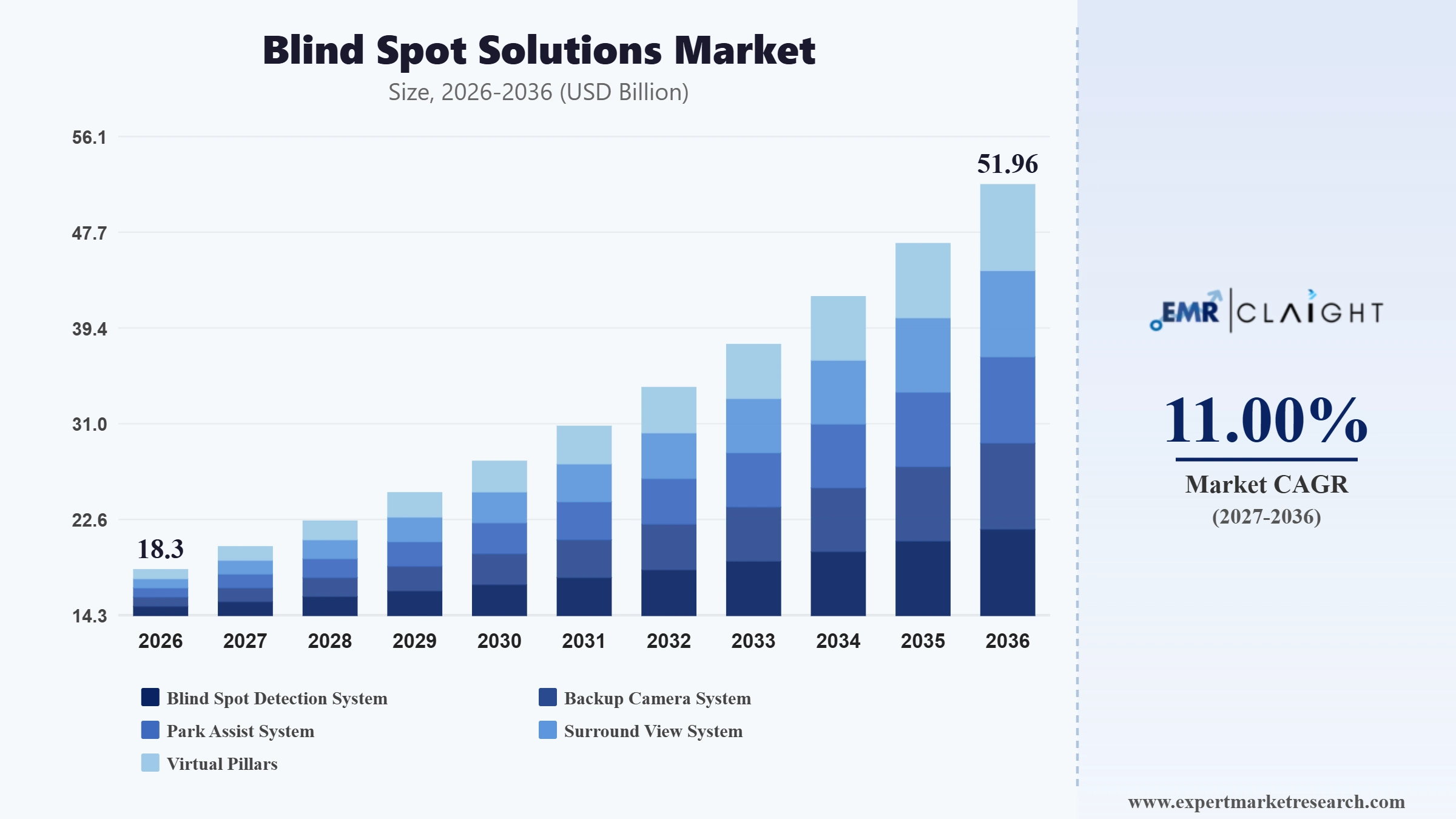
The global blind spot solutions market attained a value of USD 16.49 Billion in 2025 and is projected to expand at a CAGR of 11.00% through 2035. The market is further expected to achieve USD 46.82 Billion by 2035, driven by tightening vehicle safety regulation, rising adoption of advanced driver assistance systems, growing electric vehicle production, and demand for camera, radar, and ultrasonic sensing that helps drivers avoid collisions in everyday driving.
Regulation remains the clearest demand driver for camera and sensor content. In July 2026, the European Union's advanced driver distraction warning requirement became applicable to all newly registered vehicles, according to reporting by Carscoops and a compliance guide from Streamax, extending a phased General Safety Regulation rollout that already covers blind spot and moving off information systems on heavy vehicles and keeps supplier sensor roadmaps busy.
Rear visibility hardware has become so common that its failures now make headlines. In March 2026, Ford recalled about 1.74 million vehicles in the United States, including the Bronco, Edge, Escape, and Lincoln Corsair, after the National Highway Traffic Safety Administration announced that a module fault could prevent the rearview camera image from displaying, which shows how deeply cameras are embedded in vehicle safety compliance.
Supplier results show the vehicle base that blind spot solutions ride on. Denso reported in April 2026 that revenue for the year ended March 2026 rose 5.3% to 7,540.0 billion yen, with North America revenue up 8.7% and Europe up 6.8%, citing higher vehicle sales, a sign that demand for the sensors, cameras, and electronics fitted to new vehicles remains supported.
Read more about this report - REQUEST FREE SAMPLE COPY IN PDF
In September 2026, the commercial vehicle division of ZF Friedrichshafen said it had secured more than EUR 5 billion in awarded lifetime business for 2026, with a win rate near 90%, while showing advanced cameras, radars, and 360-degree safety functions with automatic braking at IAA Transportation 2026 in Hanover. Its India operations grew 41% compared with 2025. Companies can pair sensing hardware with braking integration to win heavy vehicle awards.
Aptiv reported second quarter 2026 results in August 2026, with revenue of USD 3.3 billion, up 2% year over year. North America grew 10% and Asia Pacific 6%, including China up 5%, while EMEA declined 8%. The company guided full-year 2026 net sales to USD 12.6 billion to USD 12.8 billion. Companies can balance regional exposure by expanding electronics supply where vehicle output is growing fastest.
Valeo published first-half 2026 results in July 2026, reporting sales of EUR 10.378 billion, up 0.7% like for like, an operating margin of 5.0% of sales, and order intake of EUR 12.1 billion. It reaffirmed 2026 sales targets of EUR 20 billion to EUR 21 billion. Companies can use steady order intake to fund the sensor and software capacity that driver assistance programs need.
Gentex previewed its next-generation Full Display Mirror at CES in January 2026, adding Dynamic View Assist modes that widen the digital view at low speed, tilt downward in reverse, and expand sideward to show vehicles in blind spots. The mirror is now available on more than 140 vehicles worldwide. Companies can combine camera-based mirror displays with driver monitoring to broaden the safety value of one component.
In July 2026, ZF introduced a scalable 360-degree safety system for trucks and trailers that places radar and camera sensors on both tractor and trailer and links them through a high-speed Truck-Trailer Link. The system supports blind spot and moving off information functions and can brake for vulnerable road users. Companies can build upgradeable safety packages that meet European rules and exceed minimum standards for higher safety ratings.
Robert Bosch GmbH presented its Radar Gen 7 Premium sensor at CES in January 2026, built to support functions such as freeway pilot and able to detect small objects such as pallets and tires from more than 200 meters away. The company also demonstrated an AI-based cockpit and vehicle motion management software. Companies can invest in long-range sensing performance to support higher levels of driver assistance.
Magna International Inc. reported second quarter 2026 results in July 2026, with sales of USD 11.0 billion, up 3% despite a 2% decline in global light vehicle production, and adjusted EBIT up 16% to USD 677 million. It raised 2026 sales guidance to USD 41.3 billion to USD 42.5 billion. Companies can grow faster than production by raising content per vehicle, which favors added safety electronics.
Autoliv reported second quarter 2026 results in July 2026, with net sales of USD 2,803 million, up 3.3%, and an adjusted operating margin of 9.6%. Organic sales rose 1.0% while global light vehicle production fell 0.3%, and the company outperformed significantly in Asia, with strong results in China and India. Companies can target fast-growing Chinese and Indian automakers to grow safety content faster than vehicle output.
This Expert Market Research Report titled "Global Blind Spot Solutions Market Report and Forecast 2026-2035" offers a detailed analysis of the market based on the following segments:
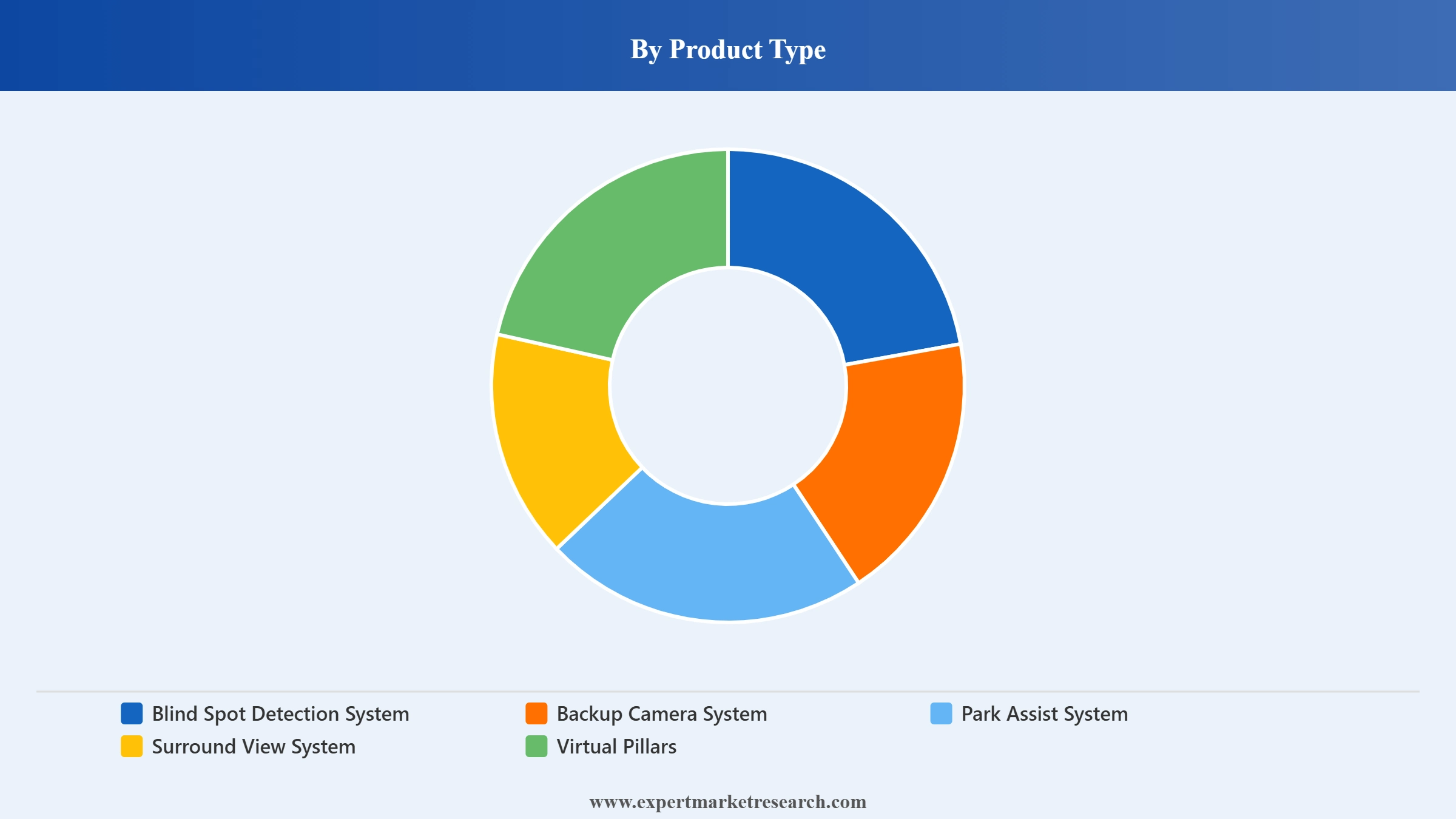
Market Breakup by Product Type
Key Insight: Blind Spot Detection System is the leading product type, reinforced by Gentex's January 2026 next-generation Full Display Mirror, which expands sideward to show vehicles in the driver's blind spots; Backup Camera System is a mature, regulation-anchored category, as Ford's March 2026 recall of about 1.74 million vehicles over rearview camera display faults shows how central the camera is to compliance; Park Assist System gains from ZF's January 2026 collaboration with Qualcomm, in which ZF contributes about 25 modular safety, comfort, and parking functions; Surround View System is the fastest-growing product type, with the same ZF and Qualcomm platform built on a camera-based bird's-eye-view perception architecture; and Virtual Pillars is an emerging niche that uses interior cameras and pillar displays to remove forward blind spots created by wide A-pillars.
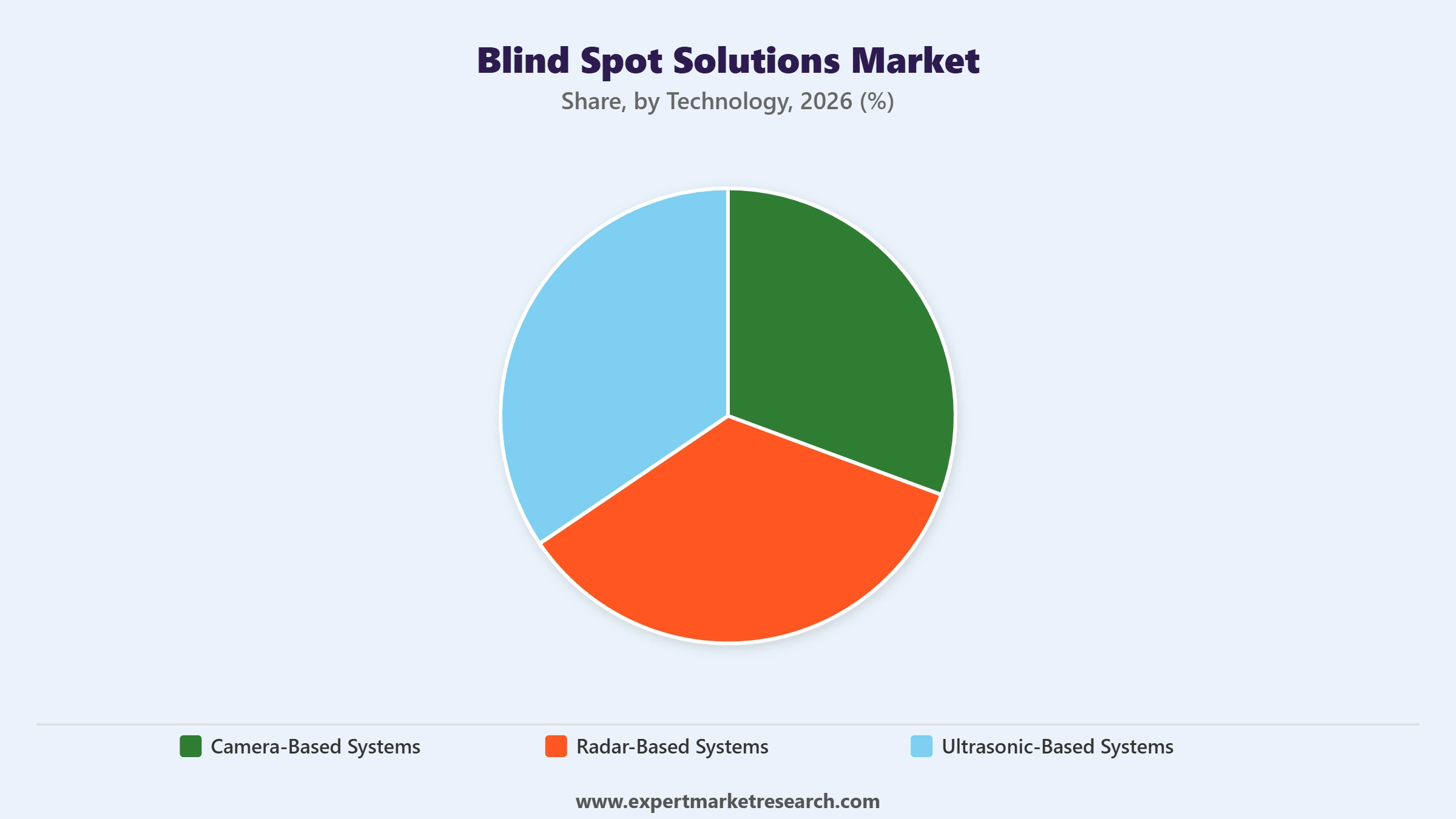
Market Breakup by Technology
Key Insight: Camera-Based Systems lead the technology mix, supported by ZF's January 2026 camera-based AI perception stack for driver assistance and parking; Radar-Based Systems are the fastest-growing technology, as Robert Bosch GmbH's January 2026 Radar Gen 7 Premium sensor raises long-range detection to more than 200 meters for small objects; and Ultrasonic-Based Systems remain the short-range backbone of parking and low-speed maneuvering, with Valeo's June 2025 Smart Safety 360 award for a European premium automaker pairing 12 ultrasonic sensors with surround-view management for production starting in 2026.
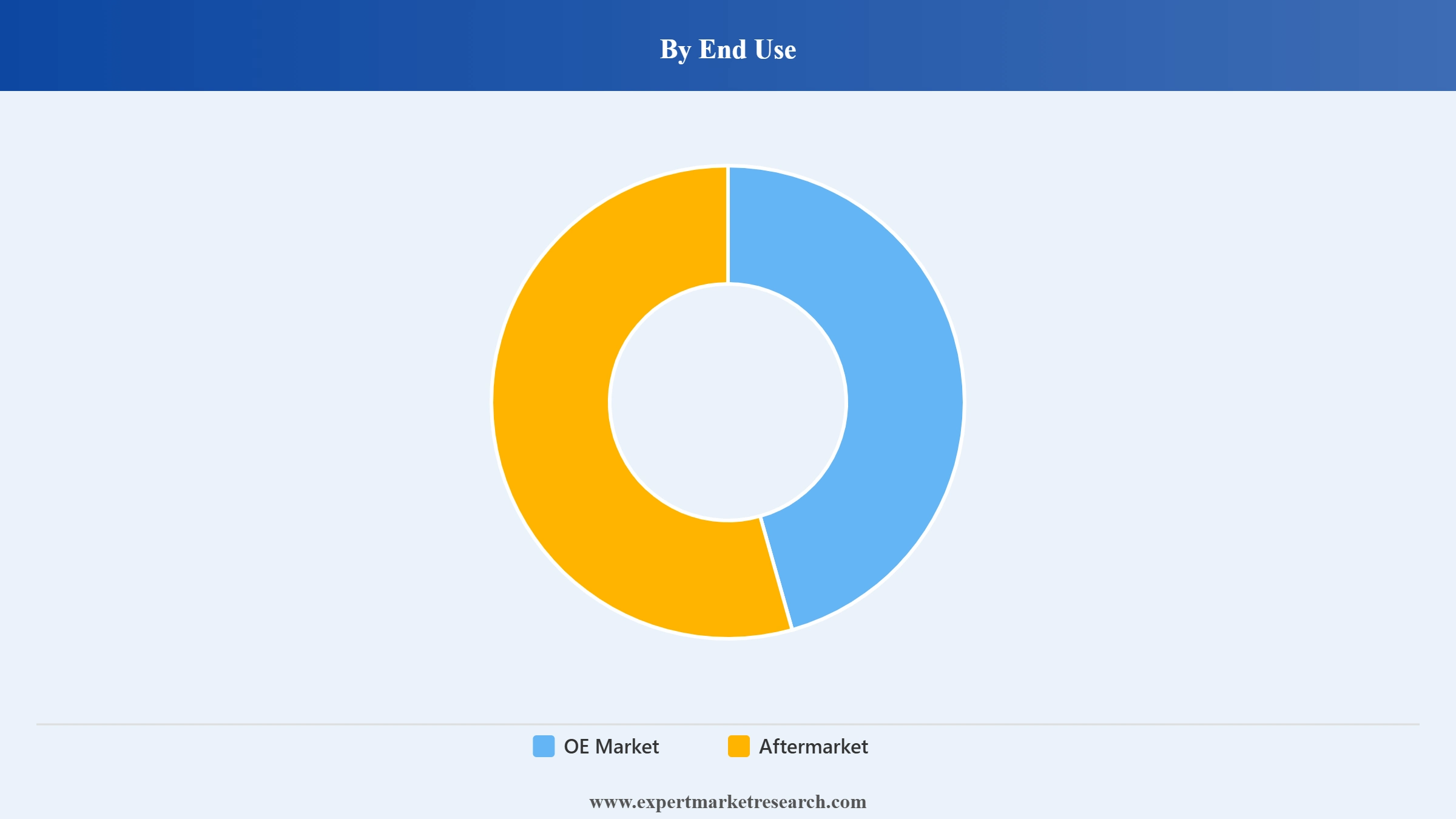
Market Breakup by End Use
Key Insight: OE Market is the leading channel, as automaker awards are factory-fitted at launch, with Valeo reporting first-half 2026 order intake of EUR 12.1 billion in July 2026; and Aftermarket is gaining ground through retrofit and service demand, with a compliance guide from Streamax noting that London's Direct Vision Standard reached full enforcement in March 2026 for heavy trucks that need a Progressive Safe System fitted.
Market Breakup by Electric Vehicle Type
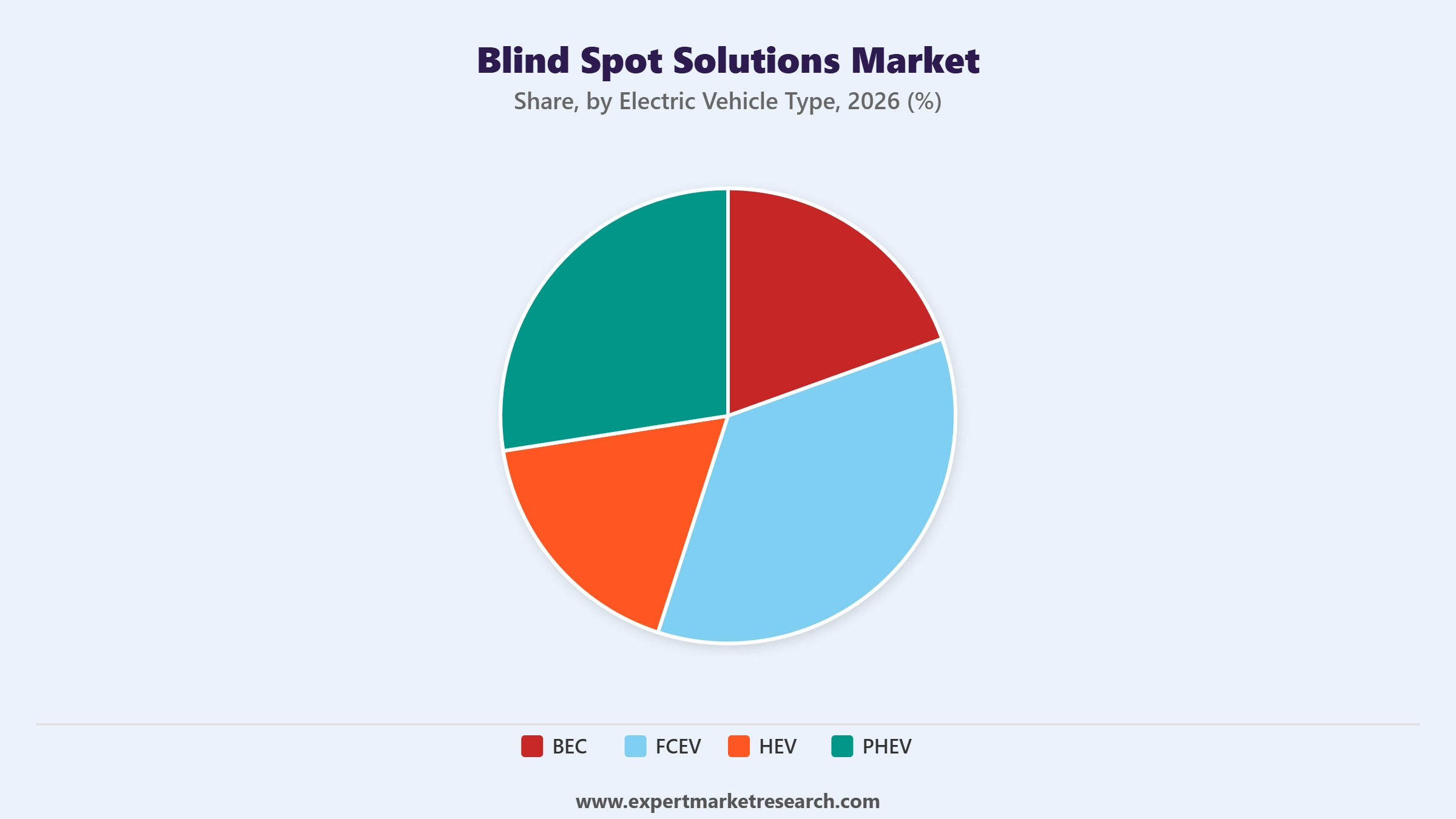
Key Insight: BEC is the leading electric vehicle type, as battery electric vehicles made up 65% of global electric car sales in 2025, according to the International Energy Agency's May 2026 outlook; FCEV is the fastest-growing type, with global fuel cell passenger car sales up 24.4% in 2025 to 16,011 units as reported in February 2026; HEV is supported by hybrid sales that rose nearly 20% in the United States in the first half of 2026, as reported in July 2026, to a record 15.4% market share; and PHEV completes the mix as the bridge between combustion and battery electric platforms.
Market Breakup by Vehicle Type
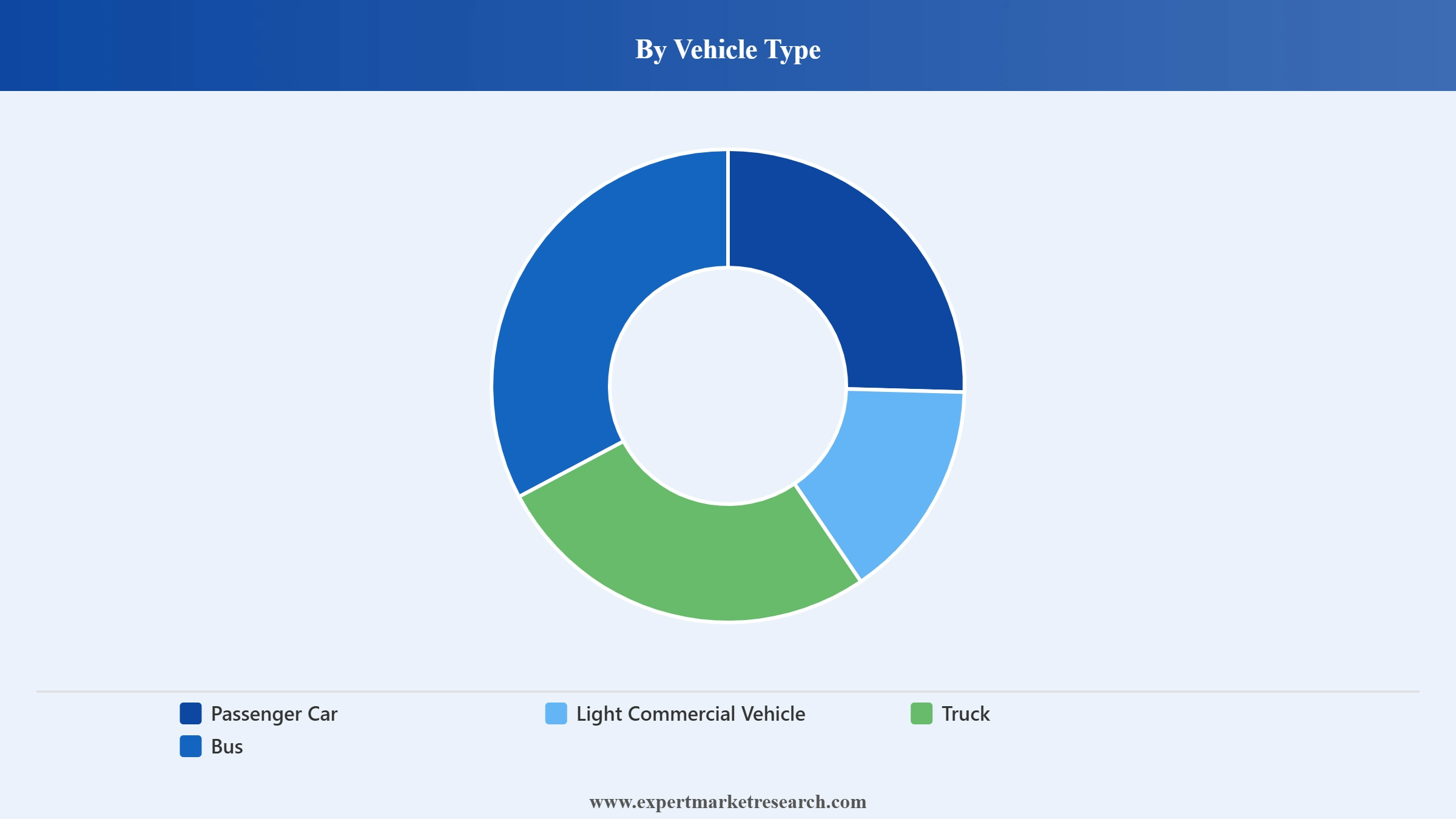
Key Insight: Passenger Car is the leading vehicle type, with Denso reporting in April 2026 that higher vehicle sales lifted its revenue 5.3% for the year ended March 2026; Light Commercial Vehicle demand follows the same safety rules as passenger cars and the heavier moving off rules that increasingly cover vans; Truck is the fastest-growing vehicle type, with ZF's July 2026 360-degree system for trucks and trailers and Ficosa's December 2025 move to bring camera-based rearview systems to trucking; and Bus is shaped by the same blind spot and moving off information requirements that apply to heavy vehicles in Europe.
Market Breakup by Region
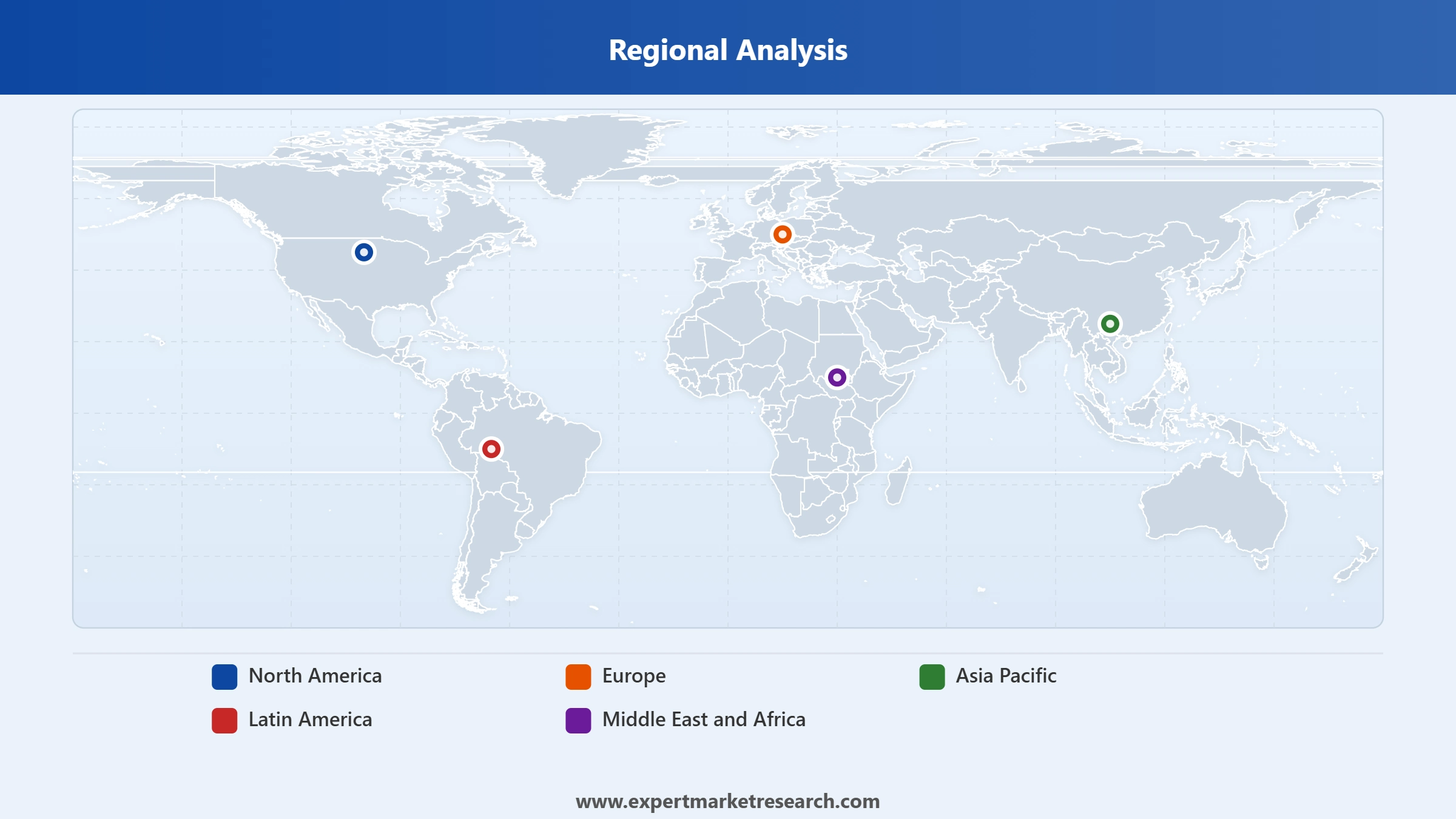
Key Insight: Europe is the leading regional market, anchored by regulation and by ZF's September 2026 showcase of cameras, radars, and 360-degree safety functions at IAA Transportation in Hanover; North America is supported by Aptiv's August 2026 report of 10% regional revenue growth in the second quarter; Asia Pacific is the fastest-growing region, with China's new energy vehicle sales rising 7.3% in the first half of 2026; Latin America is a smaller market that follows regional vehicle production and imported platforms; and the Middle East and Africa is an emerging market where fitment follows imported vehicles and growing fleets.
Read more about this report - REQUEST FREE SAMPLE COPY IN PDF
By Product Type, Blind Spot Detection System leads the market while Surround View System grows fastest because regulation and 360-degree perception are widening sensor content per vehicle
Blind Spot Detection System leads because regulators now treat it as core safety equipment, especially for heavy vehicles. ZF said in July 2026 that its new 360-degree system for trucks and trailers includes a Blind Spot Information System and a Moving Off Information System to meet European General Safety Regulation requirements, and that it exceeds the minimum to support higher Euro NCAP ratings, showing that suppliers are building detection into packages that automakers can specify across platforms.
Read more about this report - REQUEST FREE SAMPLE COPY IN PDF
Surround View System grows fastest as automakers pair cameras with parking and low-speed maneuvering functions. Valeo's Smart Safety 360 award from a European premium automaker, announced in June 2025 with production starting in 2026, combines radars, cameras, and 12 ultrasonic sensors, and meets European General Safety Regulation and United States FMVSS 127 requirements. Backup Camera System, Park Assist System, and Virtual Pillars round out the mix, with Virtual Pillars still at an early stage.
By Technology, Camera-Based Systems lead the market while Radar-Based Systems grow fastest because higher driver assistance levels need long-range, all-weather sensing
Camera-Based Systems lead because one camera feed can serve blind spot views, reversing, surround view, and monitoring. Gentex said in January 2026 that its next-generation Full Display Mirror automatically expands the digital view at low speed and tilts downward in reverse, and that the mirror has reached more than 140 vehicles, a sign that camera-based visibility products are now broad enough to be ordered as everyday equipment rather than as niche options.
Read more about this report - REQUEST FREE SAMPLE COPY IN PDF
Radar-Based Systems grow fastest as driver assistance moves toward highway automation. Robert Bosch GmbH introduced its Radar Gen 7 Premium sensor in January 2026, designed for freeway pilot functions and for finding small road hazards such as pallets and tires from more than 200 meters. Ultrasonic-Based Systems remain the low-cost short-range layer for parking, so most new platforms combine all three technologies instead of choosing only one.
By End Use, OE Market leads the market while Aftermarket gains ground because retrofit rules and repair demand extend fitment beyond new vehicle lines
OE Market leads because blind spot hardware is designed into vehicles at launch, which lets suppliers bundle sensors, controllers, and software. Magna International Inc. said in July 2026 that its second quarter sales rose 3% to USD 11.0 billion while global light vehicle production fell 2%, and that it raised its 2026 sales outlook, evidence that content per vehicle, not unit volumes, is carrying growth for large suppliers serving automakers directly.
Read more about this report - REQUEST FREE SAMPLE COPY IN PDF
Aftermarket gains ground where fleets and drivers add or repair systems after purchase. Ford's March 2026 recall of about 1.74 million vehicles, which followed a fault that could prevent the rearview camera image from appearing, shows how many cars rely on camera modules that sometimes need servicing, while retrofit rules for heavy trucks create a second pool of demand outside new vehicle production lines.
By Electric Vehicle Type, BEC leads the market while FCEV grows fastest from a small base because new hydrogen models are reaching volume production
BEC leads because battery electric platforms dominate new electrified launches, and each launch carries camera, radar, and ultrasonic content. China's Association of Automobile Manufacturers reported in August 2026 that new energy vehicles took 49.6% of China's new vehicle sales in the first half of 2026, with 7.446 million units sold and battery electric vehicles about 67% of the total, so the biggest vehicle market is now an electric-first market for sensor suppliers. HEV and PHEV extend fitment to hybrid platforms.
Read more about this report - REQUEST FREE SAMPLE COPY IN PDF
FCEV grows fastest from a small base as new hydrogen models arrive. Reporting in February 2026 showed that Hyundai sold 6,861 fuel cell vehicles in 2025, up 78.9%, after launching the second-generation Nexo in South Korea in April 2025, while Toyota fell 39.1% to 1,168 units. The segment is small, but every new fuel cell platform is a fresh opportunity for suppliers to win surround-view and parking sensor content.
By Vehicle Type, Passenger Car leads the market while Truck grows fastest because heavy vehicle rules and fleet safety programs require 360-degree detection
Passenger Car leads because it is the largest vehicle pool and the first to receive new camera and mirror products. Aptiv reported in August 2026 that its second quarter revenue reached USD 3.3 billion, with North America up 10% and Asia Pacific up 6%, pointing to continued demand for vehicle electronics in regions where light vehicle output is still growing. Light Commercial Vehicle and Bus follow the same sensor logic on smaller volumes.
Read more about this report - REQUEST FREE SAMPLE COPY IN PDF
Truck grows fastest as fleets and regulators push for full-perimeter detection around long vehicles. ZF's commercial vehicle division reported in September 2026 more than EUR 5 billion of awarded lifetime business for 2026 and displayed advanced cameras, radars, and 360-degree safety functions with automatic braking, while its India operations grew 41% compared with 2025, indicating that heavy vehicle safety content is expanding in several regions.
Read more about this report - REQUEST FREE SAMPLE COPY IN PDF
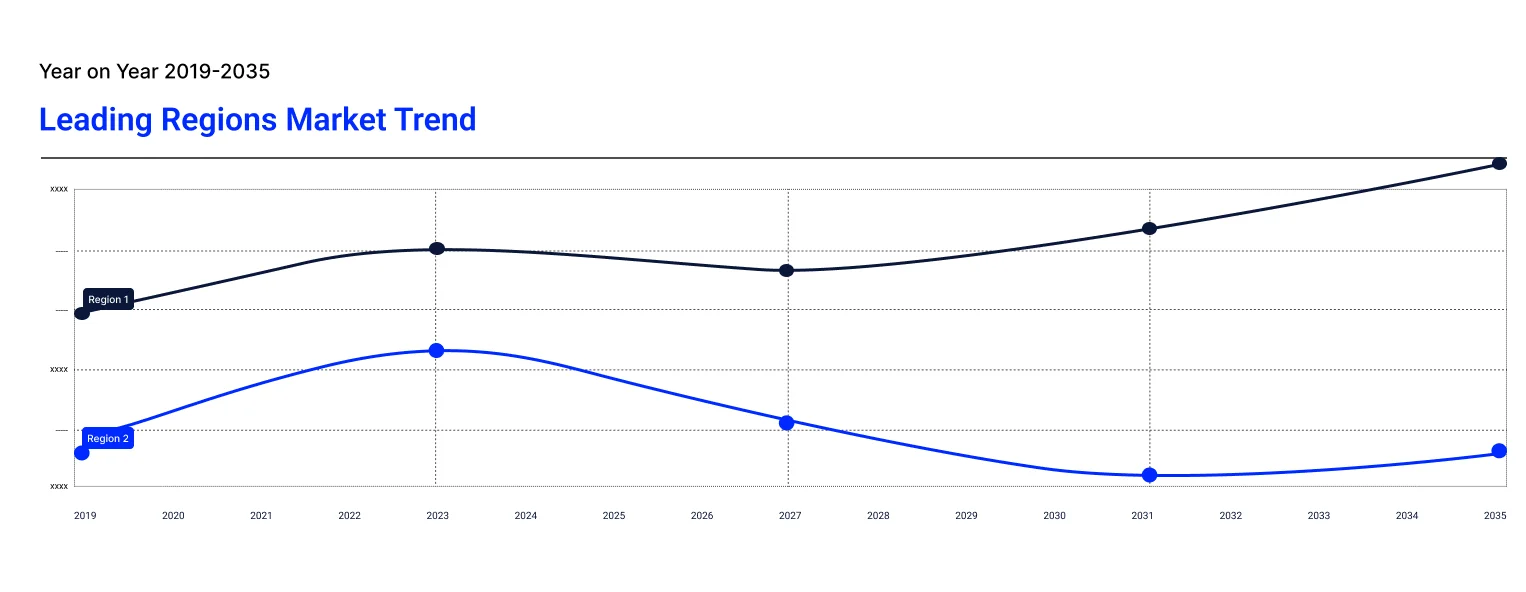
Europe commands the largest regional share of the global blind spot solutions market in 2025, shaped by demanding vehicle safety regulation and the concentration of major automotive manufacturers and suppliers
This is supported by ZF's September 2026 presentation of cameras, radars, and 360-degree safety functions at IAA Transportation in Hanover, where its commercial vehicle division reported more than EUR 5 billion of awarded business for 2026, and by the July 2026 start of the European Union's advanced driver distraction warning requirement for all newly registered vehicles, which keeps safety sensing on supplier roadmaps and gives European suppliers a steady base of regulated demand.
Asia Pacific is the fastest-growing regional market, with China's new energy vehicle sales rising 7.3% to 7.446 million units in the first half of 2026 and Autoliv outperforming light vehicle production in Asia in its July 2026 results, particularly in China and India. North America is supported by Aptiv's August 2026 report of 10% regional growth, while Latin America and the Middle East and Africa remain smaller markets that follow imported platforms and regional production.
The global blind spot solutions market is moderately fragmented, with large automotive technology groups competing alongside specialist camera, mirror, and sensor makers that supply automakers, fleets, and the aftermarket.
Competitive dynamics are increasingly shaped by integrated sensing and software platforms, regulatory readiness for European and North American safety rules, and the ability to support camera, radar, and ultrasonic technologies across passenger cars, trucks, and buses as automakers consolidate suppliers.
Founded in 1886 and headquartered near Stuttgart, Germany, Robert Bosch GmbH supplies mobility technology that includes radar sensors, camera software, and driver assistance functions for automakers worldwide. In January 2026, the company presented its Radar Gen 7 Premium sensor at CES, able to detect small objects such as pallets and tires from more than 200 meters away.
Founded in 1923 and headquartered in Paris, France, Valeo supplies driving assistance, powertrain, thermal, and visibility systems to automakers and the aftermarket through its Valeo Service division. In July 2026, it reported first-half sales of EUR 10.378 billion, up 0.7% like for like, an operating margin of 5.0% of sales, and order intake of EUR 12.1 billion, and reaffirmed its 2026 targets.
Headquartered in Friedrichshafen, Germany, ZF Friedrichshafen supplies driveline, braking, steering, and safety systems, including radar and camera based driver assistance for cars and commercial vehicles. In July 2026, it introduced a 360-degree safety system for trucks and trailers with blind spot and moving off information functions, combining radar and camera sensors on both vehicle and trailer into one coordinated system.
Founded in 1974 and headquartered in Zeeland, Michigan, Gentex makes automotive electrochromic mirrors and camera-based Full Display Mirror systems. In January 2026, it previewed a next-generation Full Display Mirror at CES that expands sideward to show vehicles in blind spots and is available on more than 140 vehicles, alongside mirror-integrated driver monitoring and other cabin technologies.
Other key players in the blind spot solutions market include Continental AG, Denso, Aptiv Inc., Magna International Inc., Autoliv, and Ficosa, among others.
*Please note that this is only a partial list; the complete list of key players is available in the full report. Additionally, the list of key players can be customized to better suit your needs.*
For a detailed assessment of opportunities across the blind spot solutions market's product type, technology, end use, electric vehicle type, vehicle type, and regional segments through 2026 and beyond, connect with Expert Market Research for a customized consultation.


Upto 15% Off
USD
$2499 $2249
$3999 $3599
$4999 $4249
$5999 $5099


*While we strive to always give you current and accurate information, the numbers depicted on the website are indicative and may differ from the actual numbers in the main report. At Expert Market Research, we aim to bring you the latest insights and trends in the market. Using our analyses and forecasts, stakeholders can understand the market dynamics, navigate challenges, and capitalize on opportunities to make data-driven strategic decisions.*
The global blind spot solutions market attained a value of USD 16.49 Billion in 2025.
The blind spot solutions market is projected to grow at a CAGR of 11.00% from 2026 to 2035.
Key strategies include integrating radar, camera, and ultrasonic sensing into scalable platforms, building heavy vehicle packages that meet regional regulation, expanding camera-based mirror and display products, and securing long-term awards with automakers in fast-growing regions.
The rising disposable incomes and the changing consumer preferences, particularly in the emerging economies, are expected to define the market growth in the coming years.
North America, Europe, the Asia Pacific, Latin America, and the Middle East and Africa are the major regions in the market.
The leading product type of blind spot solutions in the market are blind spot detection system, backup camera system, park assist system, surround view system, and virtual pillars.
The significant technology segments in the industry are camera-based systems, radar-based systems, and ultrasonic-based systems.
The major end markets in the industry are OE market and aftermarket.
The major electrical vehicle types in the market are BEC, FCEV, HEV, and PHEV.
The leading vehicle types of blind spot solutions in the industry are passenger car, light commercial vehicle (LCV), truck, and bus.
Key players in the blind spot solutions market include Robert Bosch GmbH, Continental AG, Denso, Valeo, Aptiv Inc., Magna International Inc., Autoliv, Ficosa, ZF Friedrichshafen, and Gentex, among others.
The market is estimated to witness healthy growth in the forecast period of 2026-2035 to reach a value of around USD 46.82 Billion by 2035.
Key challenges include the cost of fitting radar, camera, and ultrasonic sensors on price-sensitive vehicle lines, camera and display reliability, as shown by large rearview camera recalls, differing regional rules for heavy vehicles and mirror replacement, and the integration effort needed to combine several sensors into one validated system.
Explore our key highlights of the report and gain a concise overview of key findings, trends, and actionable insights that will empower your strategic decisions.
| REPORT FEATURES | DETAILS |
| Base Year | 2025 |
| Historical Period | 2019-2025 |
| Forecast Period | 2026-2035 |
| Scope of the Report |
Historical and Forecast Trends, Industry Drivers and Constraints, Historical and Forecast Market Analysis by Segment:
|
| Breakup by Product Type |
|
| Breakup by Technology |
|
| Breakup by End Use |
|
| Breakup by Electric Vehicle Type |
|
| Breakup by Vehicle Type |
|
| Breakup by Region |
|
| Market Dynamics |
|
| Competitive Landscape |
|
| Companies Covered |
|
| Report Price and Purchase Option | Explore our purchase options that are best suited to your resources and industry needs. |
| Delivery Format | Delivered as an attached PDF and Excel through email, with an option of receiving an editable PPT, according to the purchase option. |
Datasheet
One User
USD 2,499
USD 2,249
tax inclusive*
Single User License
One User
USD 3,999
USD 3,599
tax inclusive*
Five User License
Five User
USD 4,999
USD 4,249
tax inclusive*
Corporate License
Unlimited Users
USD 5,999
USD 5,099
tax inclusive*
*Please note that the prices mentioned below are starting prices for each bundle type. Kindly contact our team for further details.*
Flash Bundle
Small Business Bundle
Growth Bundle
Enterprise Bundle
*Please note that the prices mentioned below are starting prices for each bundle type. Kindly contact our team for further details.*
Flash Bundle
Number of Reports: 3
20%
tax inclusive*
Small Business Bundle
Number of Reports: 5
25%
tax inclusive*
Growth Bundle
Number of Reports: 8
30%
tax inclusive*
Enterprise Bundle
Number of Reports: 10
35%
tax inclusive*
How To Order

Select License Type
Choose the right license for your needs and access rights.

Click on ‘Buy Now’
Add the report to your cart with one click and proceed to register.

Select Mode of Payment
Choose a payment option for a secure checkout. You will be redirected accordingly.
Strategic Solutions for Informed Decision-Making
Gain insights to stay ahead and seize opportunities.

Get insights & trends for a competitive edge.

Track prices with detailed trend reports.

Analyse trade data for supply chain insights.

Leverage cost reports for smart savings

Enhance supply chain with partnerships.

Connect For More Information
Our expert team of analysts will offer full support and resolve any queries regarding the report, before and after the purchase.
Our expert team of analysts will offer full support and resolve any queries regarding the report, before and after the purchase.
We employ meticulous research methods, blending advanced analytics and expert insights to deliver accurate, actionable industry intelligence, staying ahead of competitors.
Our skilled analysts offer unparalleled competitive advantage with detailed insights on current and emerging markets, ensuring your strategic edge.
We offer an in-depth yet simplified presentation of industry insights and analysis to meet your specific requirements effectively.




