

Consumer Insights
Uncover trends and behaviors shaping consumer choices today
Procurement Insights
Optimize your sourcing strategy with key market data
Industry Stats
Stay ahead with the latest trends and market analysis.
The global blood collection market was valued at USD 9.01 Billion in 2025, driven by the increasing demand for safe and efficient blood collection across the globe. The market is anticipated to grow at a CAGR of 6.10% during the forecast period of 2026-2035 to achieve a value of USD 16.29 Billion by 2035.
Compound Annual Growth Rate
6.1%
Value in USD Billion
2026-2035
Blood collection is a vital process that ensures the availability of safe and sufficient blood for transfusions, surgeries, trauma care, and disease treatment worldwide. Between 2023 and 2025, approximately 118.5 million blood donations were collected annually, with 40 percent in high-income countries. In the U.S. alone, about 11 million units were collected and 10.3 million transfused in 2023. This process involves manual and automated collection in healthcare settings, followed by testing and processing for components like red cells, platelets, and plasma. With growing global demand, efficient blood collection remains essential for maintaining healthcare resilience and saving lives.
Surge in Partnerships to Elevate Market Value
Corporate collaboration and diagnostic innovation are significantly enhancing blood collection accessibility and efficiency in the blood collection landscape globally. For instance, in December 2024, Becton, Dickinson and Company (BD) partnered with Babson Diagnostics to launch the MiniDraw™ capillary blood collection system integrated with Babson’s BetterWay technology across U.S. health systems. This fingertip-based solution requires just six drops of blood and can be administered by non-phlebotomists, reducing needle fear and access barriers. As these streamlined, patient-friendly technologies gain acceptance, they are expected to significantly boost the market value by improving convenience, operational efficiency, and donor participation.
Researchers developed a dynamic-dispatching system specifically for time-sensitive blood sample collection and delivery. The system uses neural approximate dynamic programming to decide which collection centres should be visited and when samples should be collected, while accounting for vehicle capacity, urgency and delivery deadlines. In testing based on a realistic Greater Toronto Area network, the approach increased the proportion of samples delivered on time by 1–9 percentage points compared with myopic routing approaches. Although this is a technology development rather than a commercial launch, it is relevant to the blood-collection market because it addresses a key operational issue, that is moving collected samples from dispersed collection locations to laboratories before their viability windows expire.
The U.S. FDA approved Ezplaz Freeze Dried Plasma, manufactured by Vascular Solutions, a Teleflex subsidiary. It became the first freeze-dried plasma product approved in the United States. The product is derived from individual units of fresh frozen plasma collected at FDA-licensed blood establishments and can be stored at room temperature before rapid reconstitution. It is available in Group AB and Group A low-titer anti-B forms for emergency use when a patient's blood type is not yet known. The development is relevant to the blood-collection ecosystem because it creates a more flexible downstream format for collected plasma, particularly for emergency, rural and remote applications.
The Community Blood Center (CBC) in Wisconsin became the fifth U.S. blood center to implement Terumo Blood and Cell Technologies' Reveos Automated Blood Processing System and Lumia Software Platform. CBC deployed two Reveos devices to modernise processing of whole-blood donations into platelets, plasma, and red blood cells. The automated system can process up to four whole-blood units in less than 30 minutes and reduced CBC's manual processing time by more than 60%. The development highlights increasing adoption of automated blood-component processing to improve throughput, staff utilisation, and platelet availability, thus bolstering the blood collection market dynamics and trends.
The Blood Center in New Orleans became the second U.S. blood centre to deploy Terumo Blood and Cell Technologies' Reveos Automated Blood Processing System with the Lumia Software Platform. The system automatically separates whole blood into platelets, plasma, and red blood cells in a single centrifugation cycle, replacing a substantially more manual processing sequence. Terumo reported that the platform was already being used in more than 60 countries at the time of the deployment. The New Orleans installation reflects the expansion of automated blood processing within U.S. collection centres, particularly as organisations seek to increase platelet availability while reducing processing complexity and waste.
Automation is moving from laboratory sample handling into the blood collection procedure itself, with robotic phlebotomy emerging as a new equipment category. The U.S. Food and Drug Administration (FDA) gave the approval to Vitestro for De Novo Classification of its Aletta Automated Robotic Phlebotomy System in August 2026. As per the FDA, one healthcare worker can supervise up to three such systems at one time. This advancement will enable blood collecting centres to maintain uniformity in the process of venipuncture in case of shortage of trained personnel for the same.
The use of lower volume blood sampling is increasingly becoming significant where venous blood sampling is not easy. These include children, infants, adults, and critically ill individuals. According to Becton, Dickinson and Company (BD), their BD Microtainer blood collection tubes are specifically meant for blood that is sampled using the technique of skin puncture. The portfolio covers applications including hematology and chemistry testing. The development of microcollection formats supports the broader shift toward obtaining diagnostic samples with less invasive procedures and smaller blood volumes, particularly in outpatient and specialised-care environments.
Blood collection manufacturers are placing greater emphasis on specimen quality at the point of collection, as errors can result in rejected samples and repeat blood draws. According to Becton, Dickinson and Company (BD), incorrect blood-collection tube fill volume accounts for approximately 10–20% of specimen-rejection cases. BD also identifies haemolysis as the most common reason for specimen rejection. In response, collection systems increasingly incorporate features such as fill indicators and controlled blood-to-additive ratios. BD Vacutainer citrate tubes, for example, feature a 360-degree etched fill indicator to help achieve the appropriate fill level, thus boosting the growth of the blood collection market.
Blood collection devices are increasingly being designed to address patient discomfort, difficult venous access and needlestick risks alongside sample quality. As per Becton, Dickinson and Company (BD), the BD Vacutainer UltraTouch push-button blood collection system may cut down the time taken for filling the tubes by up to 50 percent in comparison to a normal thin wall cannula of similar gauge. Further, the integrated safety feature in BD's system is said to decrease needle stick injuries up to 88 percent in comparison to the normal wingsets. These factors assume particular significance when considering pediatric, geriatric and oncology patients, where veins are small and fragile.
The availability of donated blood remains closely linked to the effectiveness and reach of national collection systems. According to the World Health Organization (WHO), voluntary unpaid donations accounted for more than 85% of blood donations globally, based on its latest assessment. The WHO's Global Status Report on Blood Safety and Availability 2025, published in June 2026, analysed information from 168 countries covering 97% of the world's population. Despite progress, WHO reported that access to safe blood remains uneven across countries. This is sustaining investment in donor recruitment, collection infrastructure, blood-centre capacity and systems that can maintain reliable supplies.
"Blood Collection Market Report and Forecast 2026-2035" offers a detailed analysis of the market based on the following segments:
Market Breakup by Product
Market Breakup by Method
Market Breakup by Application
Market Breakup by End User
Market Breakup by Region
Automated Blood Collection to Lead the Market Segmentation by Method
Automated blood collection is anticipated to hold the largest share in the market due to its higher efficiency, reduced contamination risks, and improved donor comfort. With rising demand for plasma-derived products and component-specific collections, automated systems enable precise separation and increased yield. Additionally, growing adoption of apheresis technologies in developed countries and rising investments in safe and rapid collection methods are driving this segment’s expansion, making it a key contributor to the market’s sustained growth trajectory.
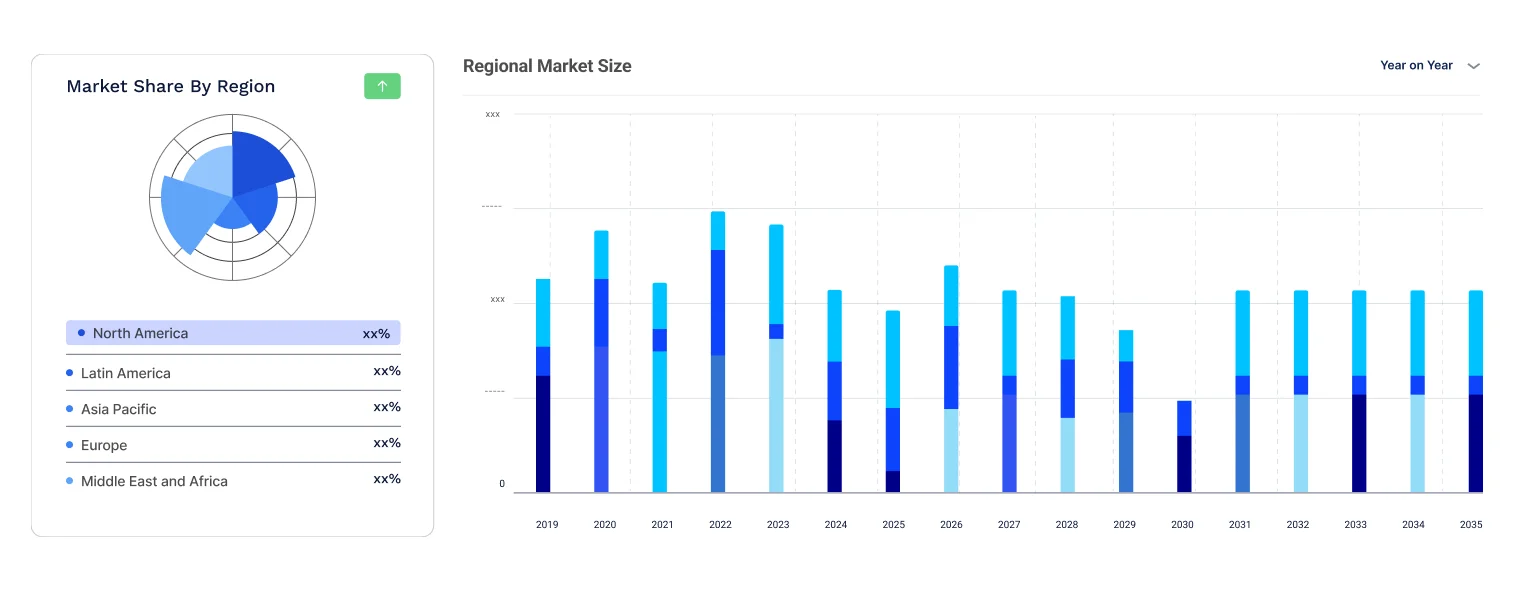
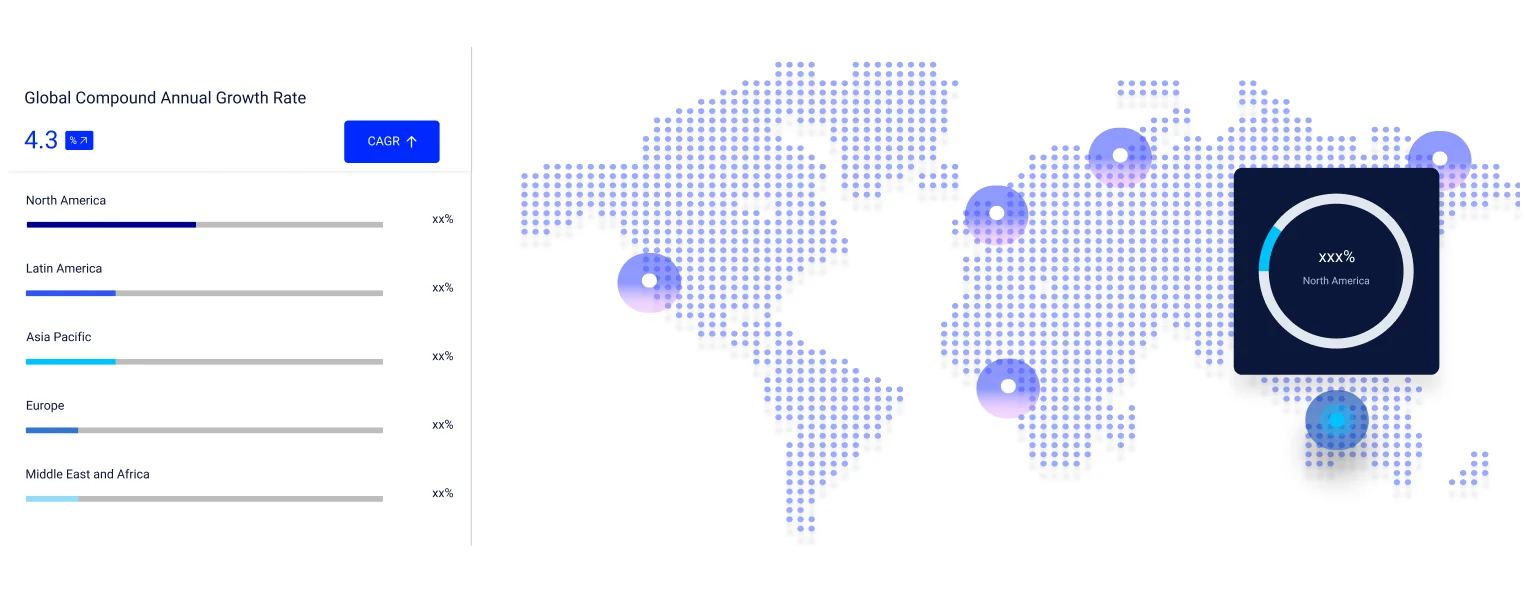
North America is expected to dominate the market due to high demand for blood transfusions, widespread chronic conditions, and advanced healthcare infrastructure. The United States' increasing surgical volumes and robust donation programs also contribute to market leadership. Europe follows closely, driven by a rising geriatric population and government-supported donation campaigns. Countries like Germany and France are enhancing blood collection automation and safety, reinforcing Europe’s strong position in adopting modern blood collection technologies and expanding transfusion capacities across healthcare settings.
The key features of the market report comprise funding and investment analysis, and strategic initiatives by the leading players. The major companies in the market are as follows:
Headquartered in Illinois, United States, Abbott Laboratories was founded in 1888 and is a global healthcare leader. In the blood collection market, Abbott offers advanced diagnostic and transfusion testing solutions through its diagnostics division. The company provides innovative blood screening systems and plasma protein analyzers to ensure donor safety and accurate disease detection. Its technologies are widely used in hospitals, blood Collections, and laboratories, supporting global blood safety standards and enhancing the efficiency of blood collection and testing processes.
Established in 1954 and headquartered in Osaka, Japan, NIPRO Medical Corp. specializes in medical and pharmaceutical products, including blood collection systems. In the global blood collection market, NIPRO offers vacuum blood collection tubes, safety needles, and blood collection sets designed to improve patient comfort and prevent contamination. With a strong presence in over 80 countries, NIPRO’s high-quality, single-use devices support safe and efficient phlebotomy, serving hospitals, diagnostic labs, and blood centers globally through advanced manufacturing and distribution capabilities.
Becton, Dickinson and Company (BD), founded in 1897 and based in Franklin Lakes, New Jersey, is a global medical technology firm. In the blood collection space, BD is a market leader, offering a comprehensive portfolio including BD Vacutainer® blood collection tubes, safety-engineered needles, and specimen collection systems. These solutions improve sample quality, ensure user safety, and support diagnostic accuracy. BD’s innovation and wide-scale adoption across hospitals and labs make it a key player in driving quality and compliance in global blood collection practices.
Terumo Corporation, established in 1921 and headquartered in Tokyo, Japan, is a leading medical device company with a strong footprint in blood collection and transfusion. Terumo provides automated blood collection systems, blood bags, and leukocyte reduction filters used in donor centers and hospitals. Its TERUFLEX® and TRIMA® lines are globally recognized for efficient blood separation and safe collection. Through continuous innovation and partnerships with healthcare providers, Terumo enhances transfusion medicine and supports growing global demand for safe and reliable blood collection systems.
*Please note that this is only a partial list; the complete list of key players is available in the full report. Additionally, the list of key players can be customized to better suit your needs.*
Other key players in the market include Qiagen, FL MEDICAL s.r.l., Greiner Holding AG, Haemonetics Corp., and Sarstedt AG & Co., among others.


Upto 15% Off
USD
$3299 $2969
$5499 $4949
$6999 $5949
$8199 $6969


*While we strive to always give you current and accurate information, the numbers depicted on the website are indicative and may differ from the actual numbers in the main report. At Expert Market Research, we aim to bring you the latest insights and trends in the market. Using our analyses and forecasts, stakeholders can understand the market dynamics, navigate challenges, and capitalize on opportunities to make data-driven strategic decisions.*
Explore our key highlights of the report and gain a concise overview of key findings, trends, and actionable insights that will empower your strategic decisions.
| REPORT FEATURES | DETAILS |
| Base Year | 2025 |
| Historical Period | 2019-2025 |
| Forecast Period | 2026-2035 |
| Scope of the Report |
Historical and Forecast Trends, Industry Drivers and Constraints, Historical and Forecast Market Analysis by Segment:
|
| Breakup by Product |
|
| Breakup by Method |
|
| Breakup by Application |
|
| Breakup by End User |
|
| Breakup by Region |
|
| Market Dynamics |
|
| Supplier Landscape |
|
| Companies Covered |
|
Datasheet
One User
USD 3,299
USD 2,969
tax inclusive*
Single User License
One User
USD 5,499
USD 4,949
tax inclusive*
Five User License
Five User
USD 6,999
USD 5,949
tax inclusive*
Corporate License
Unlimited Users
USD 8,199
USD 6,969
tax inclusive*
*Please note that the prices mentioned below are starting prices for each bundle type. Kindly contact our team for further details.*
Flash Bundle
Small Business Bundle
Growth Bundle
Enterprise Bundle
*Please note that the prices mentioned below are starting prices for each bundle type. Kindly contact our team for further details.*
Flash Bundle
Number of Reports: 3
20%
tax inclusive*
Small Business Bundle
Number of Reports: 5
25%
tax inclusive*
Growth Bundle
Number of Reports: 8
30%
tax inclusive*
Enterprise Bundle
Number of Reports: 10
35%
tax inclusive*
How To Order

Select License Type
Choose the right license for your needs and access rights.

Click on ‘Buy Now’
Add the report to your cart with one click and proceed to register.

Select Mode of Payment
Choose a payment option for a secure checkout. You will be redirected accordingly.
Strategic Solutions for Informed Decision-Making
Gain insights to stay ahead and seize opportunities.

Get insights & trends for a competitive edge.

Track prices with detailed trend reports.

Analyse trade data for supply chain insights.

Leverage cost reports for smart savings

Enhance supply chain with partnerships.

Connect For More Information
Our expert team of analysts will offer full support and resolve any queries regarding the report, before and after the purchase.
Our expert team of analysts will offer full support and resolve any queries regarding the report, before and after the purchase.
We employ meticulous research methods, blending advanced analytics and expert insights to deliver accurate, actionable industry intelligence, staying ahead of competitors.
Our skilled analysts offer unparalleled competitive advantage with detailed insights on current and emerging markets, ensuring your strategic edge.
We offer an in-depth yet simplified presentation of industry insights and analysis to meet your specific requirements effectively.




