

Consumer Insights
Uncover trends and behaviors shaping consumer choices today
Procurement Insights
Optimize your sourcing strategy with key market data
Industry Stats
Stay ahead with the latest trends and market analysis.
The global blood pressure cuffs market was valued at USD 1004.28 Million in 2025, driven by the increasing prevalence of hypertension and other cardiovascular diseases across the globe. The market is expected to grow at a CAGR of 6.10% during the forecast period of 2026-2035, with the values likely to reach USD 1815.55 Million by 2035.
Compound Annual Growth Rate
6.1%
Value in USD Million
2026-2035
Blood pressure cuffs are medical devices that are used to measure the blood pressure in the arteries. They are made up of an inflatable cuff that is fastened to a digital monitor or pressure gauge and wrapped around the upper arm. The cuff can measure systolic and diastolic pressure because it temporarily stops blood flow when it is inflated. These cuffs are frequently used to diagnose and track hypertension in clinics, hospitals, and homes. For convenience, they are available in automated, digital, and manual versions.
One of the main risk factors for hypertension is obesity, and the likelihood of developing hypertension is on the rise as obesity rates rise globally. To avoid serious cardiovascular complications, hypertension associated with obesity needs to be regularly monitored. Consequently, more frequent blood pressure checks are prompted by this expanding health issue, which raises the market demand for cuffs in both clinical and home care settings.
Rise in Home Healthcare to Drive Market Growth
With the global trend shift towards home healthcare facilities, patients can now manage their health outside of clinical settings. People prefer simple, at-home blood pressure monitoring devices as chronic diseases like hypertension are becoming more prevalent. This change increases the need for portable, user-friendly blood pressure cuffs made for home use by decreasing hospital visits and encouraging self-monitoring.
OMRON Healthcare announced a global donation of 3,000 blood pressure monitors to support hypertension screening and atrial fibrillation awareness. The initiative expands the use of automated upper-arm blood pressure monitors in community and healthcare settings, supporting wider access to regular blood-pressure measurement. OMRON's connected monitors also integrate with the OMRON connect platform, allowing users to transfer, store and share readings with healthcare professionals. The development is relevant to the cuff market because greater screening activity creates demand for clinically validated cuffs and monitors across hospitals, community programmes and home-care environments.
The U.S. Food and Drug Administration (FDA) issued draft guidance covering clinical performance testing and evaluation of cuffless non-invasive blood pressure devices. The FDA recommends specific testing approaches, including static, stability and change testing, with the guidance noting that devices relying on an initial cuff-based measurement may need stability testing across their labelled accuracy period. This development is significant for the conventional blood-pressure-cuff market because cuff-based measurements remain an important reference for calibration and validation of emerging cuffless technologies. It also reinforces the importance of accurate, clinically validated cuff measurements as digital alternatives expand.
The U.S. FDA issued a safety communication warning consumers against using unauthorised blood-pressure measuring devices, including wearable products and software features claiming to measure blood pressure. The FDA noted that inaccurate readings could result in missed changes in blood pressure, delayed treatment or inappropriate medication adjustments. The agency advised consumers to verify whether devices have been evaluated and authorised, noting that authorised non-invasive blood-pressure devices generally carry the DXN product code in the FDA database. The warning strengthens the competitive position of validated cuff-based monitors as healthcare providers continue to require reliable blood-pressure measurements.
Beurer reported that its BM 53 upper-arm blood pressure monitor achieved a 94.2% score in an ETM Testmagazin comparison, taking first place in the upper-arm category with memory recall. Beurer also reported that its BM 27 and BM 28 achieved 92.1% and 92.0%, respectively, while its BC 87 wrist monitor scored 95.0% and won the wrist-monitor category. The results highlight continuing consumer preference for upper-arm devices incorporating accurate measurement, memory storage and easy-to-read interfaces. Such features are influencing the design and positioning of cuffs and complete blood-pressure monitoring systems.
Blood-pressure cuff design is increasingly moving toward broader size coverage, as an incorrectly sized cuff can distort readings and undermine hypertension management. The research presented by the American Heart Association (AHA) indicated that modification of the home monitor cuff measurement scale from 22-42 cm to 25-45 cm would enable a good fit for about 2.3 million additional adults in the United States. This is an indication of the commercial value of the cuffs meant for large arm circumferences as opposed to one size adult. Manufacturers are consequently offering small, adult, large-adult and extra-large cuffs, creating opportunities for specialised replacement and multi-size cuff portfolios.
Clinical validation is becoming an important criterion in decision making as there is an increase in the number of blood pressure measurement technologies that are being used by health care professionals and consumers. STRIDE BP, which is an international scientific society that seeks to advance accurate blood pressure measurement, supports validated upper arm cuff devices and mandates validated devices before including them in their list of validated devices. Its preferred-device criteria also consider whether home monitors can automatically store multiple readings or transfer data through a mobile phone, PC or internet connection. This is strengthening demand for clinically validated cuff systems rather than low-cost, unvalidated products. The emphasis is particularly relevant as regulatory authorities and healthcare organisations scrutinise the accuracy of consumer blood-pressure technologies.
Wireless blood pressure cuffs are becoming a common feature in many blood pressure monitors that are also equipped with Bluetooth capability and applications in smartphones and long-term health care records for the purpose of recording and storing readings without just displaying them on the monitor display. According to OMRON Healthcare, it has sold more than 400 million devices of blood pressure monitor for home use all over the world, indicating the large base of installations of wireless monitors. This connectivity is strengthening the role of cuffs in home-based hypertension management, while encouraging manufacturers to combine conventional upper-arm measurement with digital data-management capabilities.
Blood-pressure monitors have started integrating regular cuff blood pressure measurement with other forms of cardiovascular screenings such as atrial fibrillation. OMRON Healthcare’s marketing now encompasses blood-pressure monitors which are capable of conducting AFib screenings along with the regular blood pressure measurement process. It offers connected blood pressure monitors including upper arm ones, namely the 3 Series, 7 Series, 10 Series, and Complete Wireless Upper Arm Blood Pressure Monitor + EKG. This advancement has broadened the utility of the standard cuff monitor beyond just measuring the systolic and diastolic blood pressure. For manufacturers, integrating AFib detection can differentiate upper-arm cuff systems while maintaining the familiar cuff-based measurement process for home users.
The large global hypertension population continues to sustain demand for reliable cuff-based measurement across hospitals, primary-care facilities and homes. According to the World Health Organization (WHO), the number of adults aged 30–79 years living with hypertension increased from approximately 650 million to 1.28 billion between 1990 and 2019. This large screening and monitoring requirement supports continued use of automated upper-arm cuffs, particularly where repeated measurements are required for diagnosis, treatment monitoring and long-term hypertension management.
The report offers a detailed analysis of the market based on the following segments:
Market Breakup by Product Type
Market Breakup by Usage
Market Breakup by End User
Market Breakup by Region
The Reusable Segment Holds a Significant Market Share
The market segmentation by usage is divided into disposable and reusable. Proper cleaning and sterilization make reusable blood pressure cuffs the medical devices used to measure blood pressure which can be used repeatedly. Usually constructed of sturdy materials, they can endure repeated inflation and deflation without losing their integrity or accuracy. These cuffs are frequently used in hospitals and clinical settings because they are less expensive than disposable cuffs. Additionally, their reusability contributes to more sustainable healthcare practices by lowering medical waste.
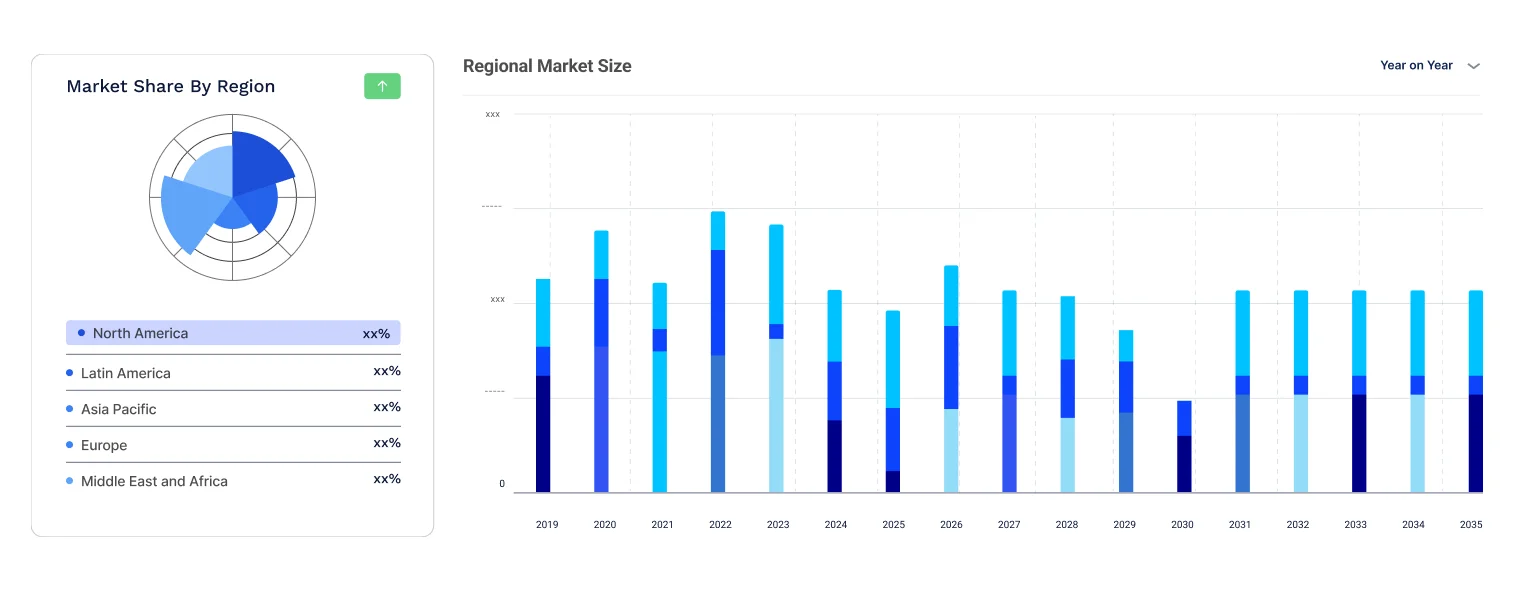
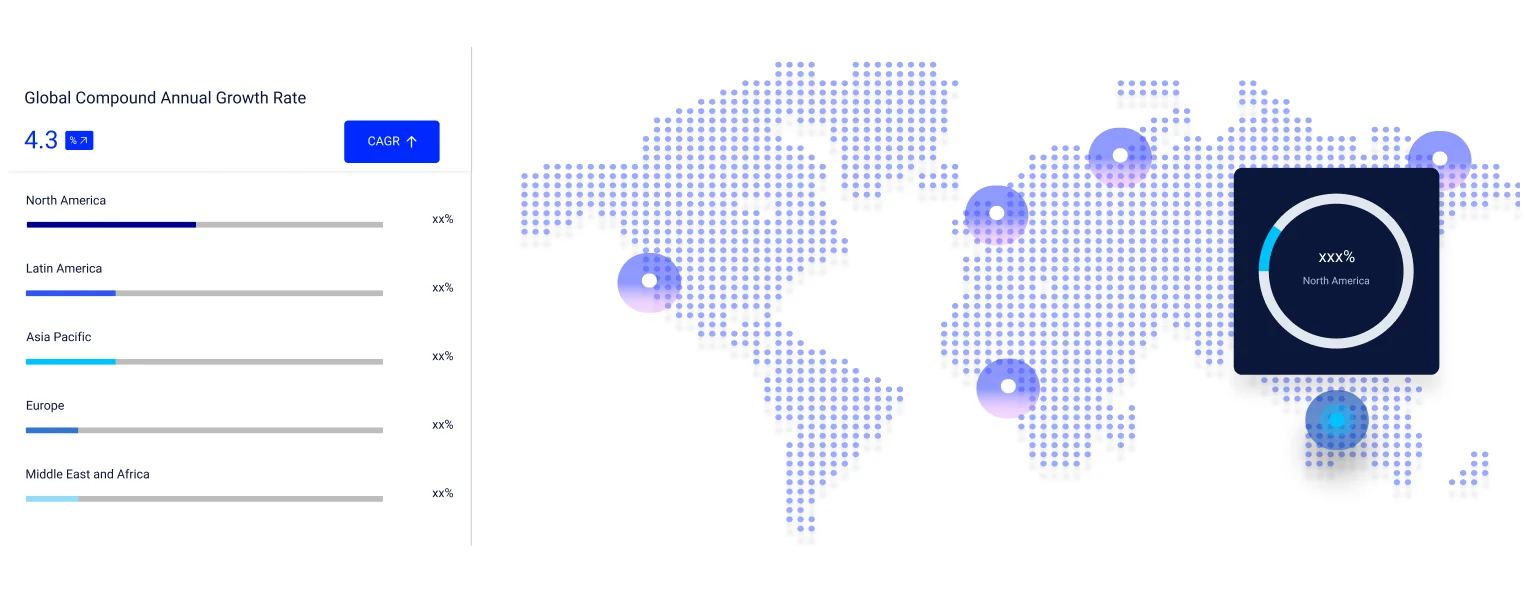
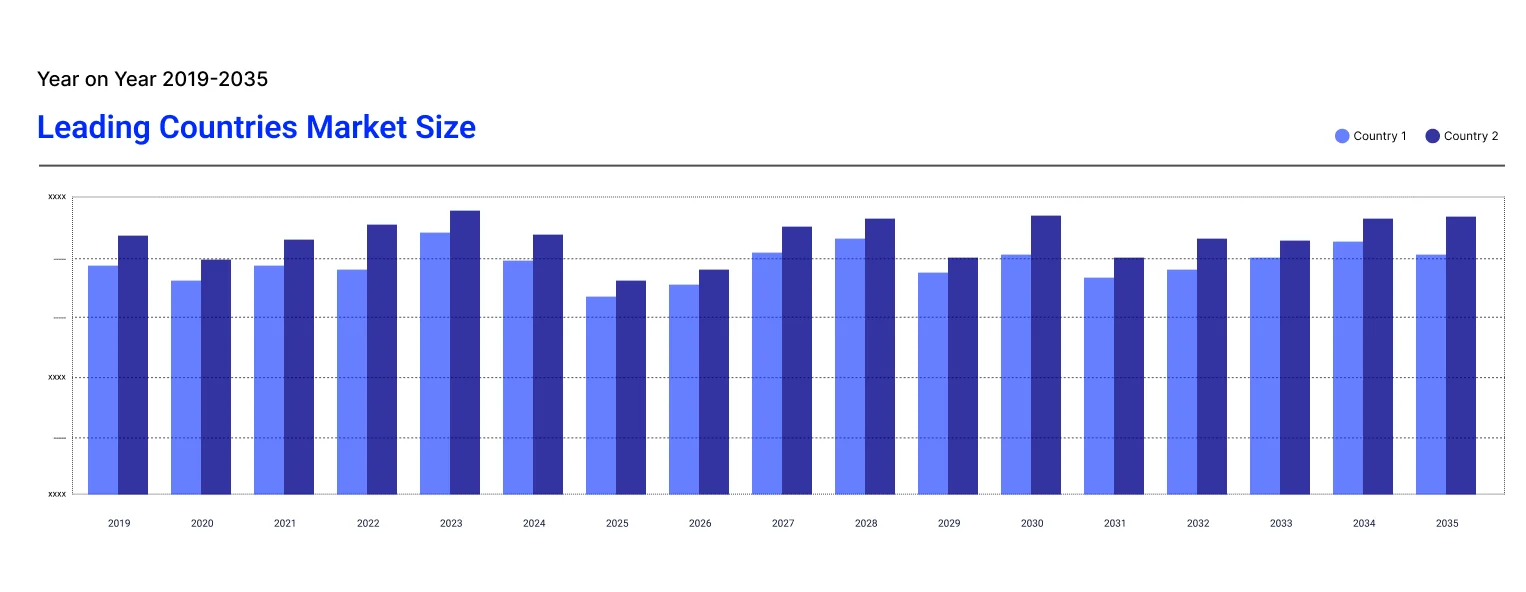
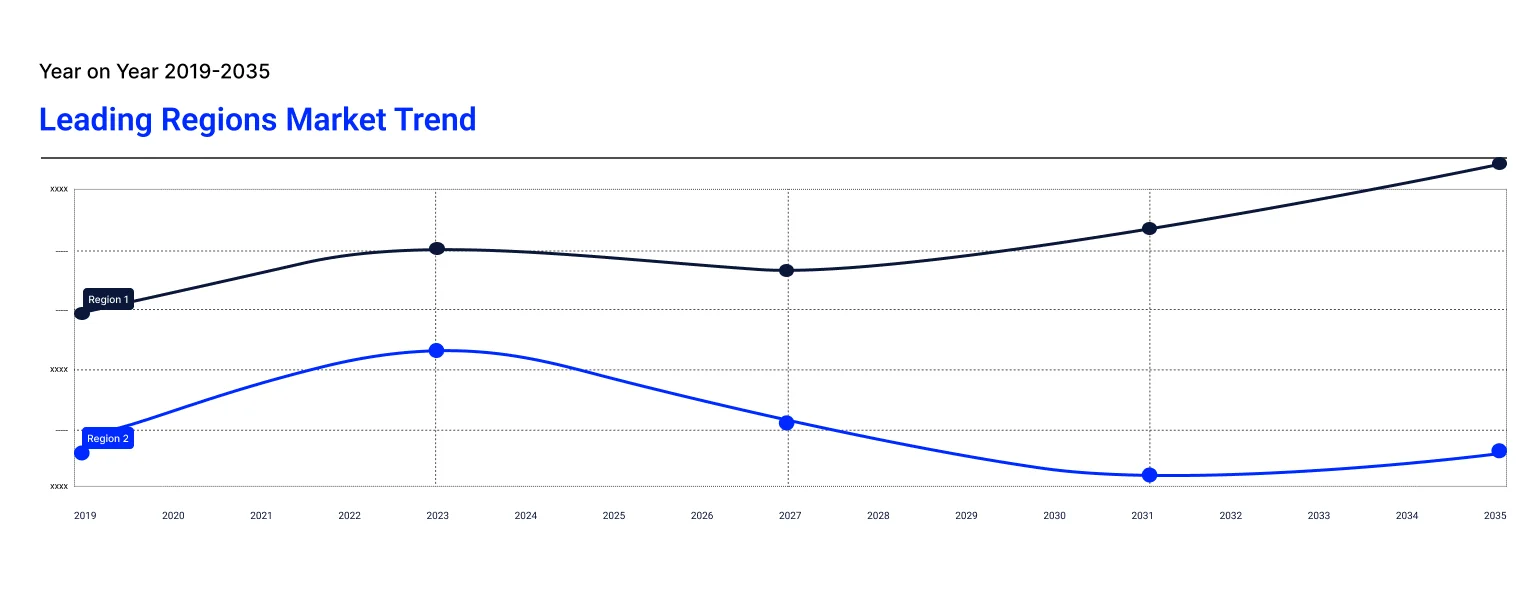
Regionally, North America is expected to dominate the market during the forecast period. This can primarily be attributed to the widespread availability and affordability of blood pressure cuffs to a wider range of people in the region. The United States dominated the market in North America in 2023, owing to factors such as a large patient pool with cardiac diseases. Additionally, pressure cuffs are more reasonably priced for individual use, which has increased market share in underdeveloped areas where healthcare expenses are a concern.
The key features of the market report comprise the patent analysis, grants analysis, funding and investment analysis, and strategic initiatives by the leading key players. The major companies in the market are as follows:
The company was founded in 1891. It is a multinational corporation based in the Netherlands. The business focuses on health technology, which includes creating and producing medical equipment like blood pressure monitors. Philips is committed to enhancing people's health and well-being by innovating in home healthcare solutions, patient monitoring, and diagnostic imaging.
The company was established in 1892 with its headquarters based in the United States. The business produces cutting-edge blood pressure cuffs and monitoring systems for hospitals and healthcare providers as part of its specialty in medical technologies and services. By providing cutting-edge medical solutions, such as imaging, diagnostics, and monitoring tools it is dedicated to enhancing patient outcomes.
*Please note that this is only a partial list; the complete list of key players is available in the full report. Additionally, the list of key players can be customized to better suit your needs.*
Other key players in the market include Omron Corporation, Baxter International, Inc., American Diagnostic Corporation, Medline Industries, Inc., Spacelabs Healthcare, Inc., SPENGLER SAS, W.A. Baum Co., Inc., Sensoronics, Inc., and others.


Upto 15% Off
USD
$3299 $2969
$5499 $4949
$6999 $5949
$8199 $6969


*While we strive to always give you current and accurate information, the numbers depicted on the website are indicative and may differ from the actual numbers in the main report. At Expert Market Research, we aim to bring you the latest insights and trends in the market. Using our analyses and forecasts, stakeholders can understand the market dynamics, navigate challenges, and capitalize on opportunities to make data-driven strategic decisions.*
Explore our key highlights of the report and gain a concise overview of key findings, trends, and actionable insights that will empower your strategic decisions.
| REPORT FEATURES | DETAILS |
| Base Year | 2025 |
| Historical Period | 2019-2025 |
| Forecast Period | 2026-2035 |
| Scope of the Report |
Historical and Forecast Trends, Industry Drivers and Constraints, Historical and Forecast Market Analysis by Segment:
|
| Breakup by Product Type |
|
| Breakup by Usage |
|
| Breakup by End User |
|
| Breakup by Region |
|
| Market Dynamics |
|
| Supplier Landscape |
|
| Companies Covered |
|
Datasheet
One User
USD 3,299
USD 2,969
tax inclusive*
Single User License
One User
USD 5,499
USD 4,949
tax inclusive*
Five User License
Five User
USD 6,999
USD 5,949
tax inclusive*
Corporate License
Unlimited Users
USD 8,199
USD 6,969
tax inclusive*
*Please note that the prices mentioned below are starting prices for each bundle type. Kindly contact our team for further details.*
Flash Bundle
Small Business Bundle
Growth Bundle
Enterprise Bundle
*Please note that the prices mentioned below are starting prices for each bundle type. Kindly contact our team for further details.*
Flash Bundle
Number of Reports: 3
20%
tax inclusive*
Small Business Bundle
Number of Reports: 5
25%
tax inclusive*
Growth Bundle
Number of Reports: 8
30%
tax inclusive*
Enterprise Bundle
Number of Reports: 10
35%
tax inclusive*
How To Order

Select License Type
Choose the right license for your needs and access rights.

Click on ‘Buy Now’
Add the report to your cart with one click and proceed to register.

Select Mode of Payment
Choose a payment option for a secure checkout. You will be redirected accordingly.
Strategic Solutions for Informed Decision-Making
Gain insights to stay ahead and seize opportunities.

Get insights & trends for a competitive edge.

Track prices with detailed trend reports.

Analyse trade data for supply chain insights.

Leverage cost reports for smart savings

Enhance supply chain with partnerships.

Connect For More Information
Our expert team of analysts will offer full support and resolve any queries regarding the report, before and after the purchase.
Our expert team of analysts will offer full support and resolve any queries regarding the report, before and after the purchase.
We employ meticulous research methods, blending advanced analytics and expert insights to deliver accurate, actionable industry intelligence, staying ahead of competitors.
Our skilled analysts offer unparalleled competitive advantage with detailed insights on current and emerging markets, ensuring your strategic edge.
We offer an in-depth yet simplified presentation of industry insights and analysis to meet your specific requirements effectively.




