Consumer Insights
Uncover trends and behaviors shaping consumer choices today
Procurement Insights
Optimize your sourcing strategy with key market data
Industry Stats
Stay ahead with the latest trends and market analysis.
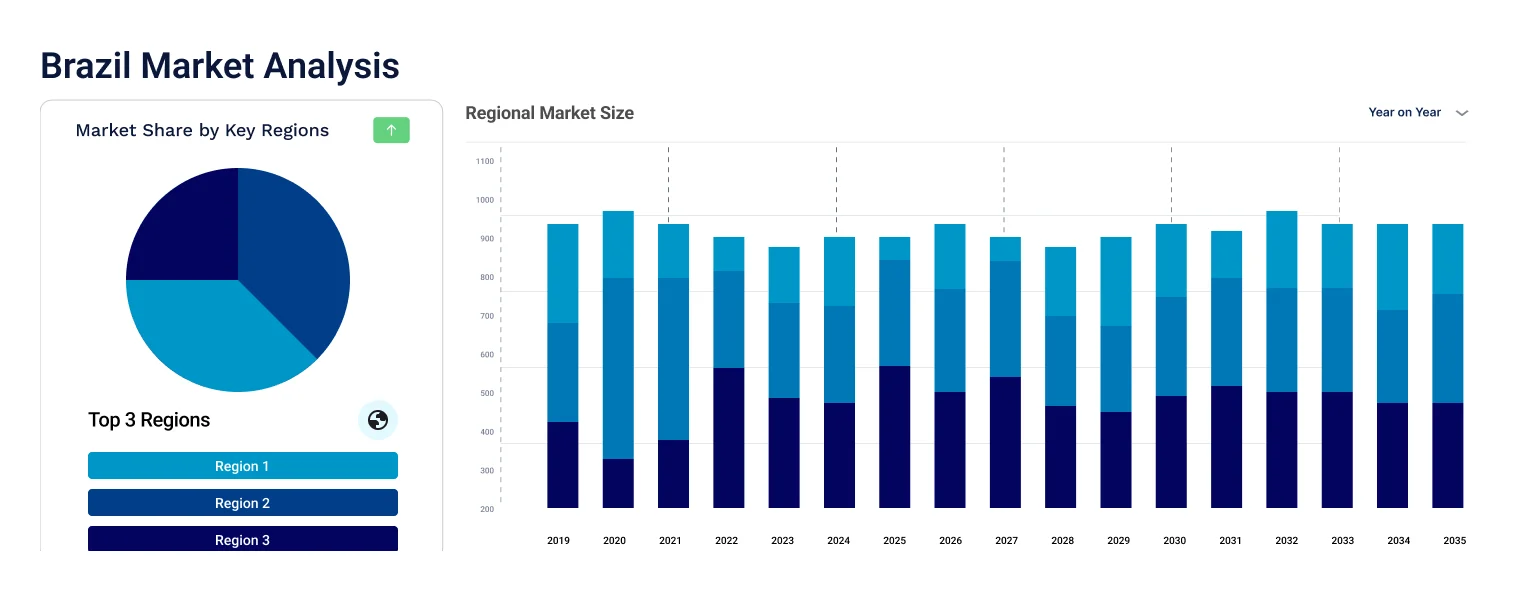
Brazil scrubber system market size reached around USD 288.68 Million in 2025. The market is projected to grow at a CAGR of 4.30% between 2026 and 2035 to reach nearly USD 439.80 Million by 2035.
Compound Annual Growth Rate
4.3%
Value in USD Million
2026-2035
| Brazil Scrubber System Market Report Summary | Description | Value |
| Base Year | USD Million | 2025 |
| Historical Period | USD Million | 2019-2025 |
| Forecast Period | USD Million | 2026-2035 |
| Market Size 2025 | USD Million | 288.68 |
| Market Size 2035 | USD Million | 439.80 |
| CAGR 2019-2025 | Percentage | XX% |
| CAGR 2026-2035 | Percentage | 4.30% |
| CAGR 2026-2035 - Market by Region | Others | 4.9% |
| CAGR 2026-2035 - Market by Region | Minas Gerais | 4.6% |
| CAGR 2026-2035 - Market by Type | Wet Scrubber System | 5.0% |
| CAGR 2026-2035 - Market by End User | Marine | 5.3% |
| 2025 Market Share by Region | Rio Grande do Sul | 6.8% |
In 2022, the pharmaceutical sector experienced a remarkable surge in sales, reaching a total of USD 20.67 billion. This figure represents a significant increase of 26.2% compared to the sales figures from the previous year, 2021, as per industry reports. In the pharmaceutical sector, scrubber systems play a crucial role in managing and minimising the emissions of harmful gases and particulates produced during various manufacturing processes, consequently driving up the Brazil scrubber system market share. The utilisation of solvents and other chemicals in pharmaceutical production can result in the emission of volatile organic compounds (VOCs). Scrubber systems are implemented to capture and neutralise these VOCs prior to their release into the atmosphere, thereby ensuring adherence to environmental regulations. Additionally, processes such as chemical synthesis in pharmaceuticals frequently generate acid gases, including hydrochloric acid (HCl) and sulphur dioxide (SO2). Scrubber systems are utilised to eliminate these gases from exhaust streams, typically employing a liquid absorbent that neutralises the acids, thus preventing their discharge into the environment.
The growth of oil production in Brazil is on the rise, having surged by 12% in 2023, reaching a total of 178 million tons. In the sectors of oil and gas processing, especially in refining and offshore drilling activities, the production of sulphur-containing gases is a common occurrence, leading to Brazil scrubber system market development. To mitigate this, scrubber systems are employed to eliminate sulphur oxides from exhaust emissions, thereby preventing their discharge into the atmosphere. This practice is essential for complying with environmental regulations and minimising the effects of acid rain.
Braskem Trading & Shipping received the Beautiful Future in August 2026 as part of its fleet expansion for nafta transportation. The vessel operates with an exhaust-gas scrubber for removing sulphur oxides, alongside Selective Catalytic Reduction technology for nitrogen-oxide emissions. It can also operate on biofuels and marine fuels with high or low sulphur content. The vessel reportedly delivers around 30% lower greenhouse-gas emissions than conventional vessels operated by the company, supporting demand for onboard emissions-control systems in Brazilian maritime operations.
Brazil’s Ministry of Ports and Airports launched the National Port Decarbonisation Programme and National Navigation Decarbonisation Programme in November 2025 during COP30. The initiatives target progressive greenhouse-gas emission reductions, improved energy efficiency and modernisation of port and navigation infrastructure. Measures include port electrification, cleaner fuels and more efficient maritime procedures. Although the programmes are broader than scrubber adoption, they strengthen Brazil’s regulatory and investment focus on maritime emissions management, supporting opportunities for exhaust-gas cleaning technologies alongside other decarbonisation solutions.
Brazil signed a decree in July 2025 regulating the BR do Mar cabotage programme, designed to expand domestic maritime freight transportation and increase vessel availability and routes. The government stated that the programme also seeks to reduce the environmental impact of cargo transportation. By encouraging greater use of maritime transport between Brazilian ports, the initiative can expand the operating fleet exposed to international emissions requirements. This creates a supportive environment for vessel technologies, including scrubbers, that help shipowners manage sulphur emissions and maintain compliance.
Port of Santos introduced an onshore power supply system using electricity generated by the Itatinga hydroelectric plant to power harbour tugboats while berthed. Implemented in March 2025, the initiative allows vessels to switch off combustion engines during port stays, reducing emissions by approximately 15%. The project forms part of Santos’ wider environmental programme covering air quality, waste management and marine impacts. While shore power represents an alternative emissions-reduction pathway rather than a scrubber installation, it reinforces Brazil’s growing focus on maritime pollution-control infrastructure and cleaner vessel operations.
The business plan of Petrobras for the years from 2026 to 2030 is building up a large number of new vessels to meet Brazil’s demand in oil and gas logistics. According to its estimates, the firm will spend $2 billion to build up 20 new cabotage vessels and 18 new barges, while it will also charter 40 new support vessels including 12 platform supply vessels, 10 oil-spill response vessels, 16 remotely supported vessels and two anchor-handling tug supply vessels. This fleet expansion is increasing the number of Brazilian-operated vessels requiring compliant exhaust-emission solutions. For scrubber suppliers, newbuild programmes and fleet renewal create opportunities to integrate exhaust-gas cleaning systems during vessel construction rather than relying exclusively on retrofit installations.
The offshore production approach adopted in Brazil is enabling the maintenance of an extensive fleet of support and logistics vessels in the areas where oil production is taking place. The chartering by Petrobras of 40 additional support vessels up to 2030 covers platform supply, oil spill response, remotely supported and anchor-handling tug supply vessels. The fleet assists E&P operations and will be involved in a well-regulated environment for complying with the emission regulations. IMO rules permit exhaust-gas cleaning systems as an alternative compliance method where administrations approve them, allowing vessels using higher-sulphur fuel to achieve the required SOx performance through scrubber technology. Consequently, Brazil’s continued offshore vessel investment is creating opportunities for compact, integrated scrubber systems suited to newbuild and retrofit applications.
Brazilian shipowners are operating in a market where sulphur compliance can be achieved through low-sulphur fuels, alternative fuels or exhaust-gas cleaning systems. IMO regulations retain scrubbers as an approved equivalent method, provided they achieve the required emissions performance. This supports the need for systems that will enable vessel operators to have freedom in choosing their fuel as well as the mode of operation. Scrubbers are important in cases where there are engines that will be used extensively since the installation of the exhaust gas cleaning system will provide freedom to use compliant higher sulphur fuel. This market is therefore headed towards systems that will be customized in accordance with the exhaust emissions of the specific vessel, among other things.
Regulatory attention is increasingly shifting beyond SOx removal toward the environmental management of scrubber washwater. In February 2026, IMO’s Pollution Prevention and Response Sub-Committee continued work on discharge-water controls for exhaust-gas cleaning systems and considered measures that could allow coastal States to impose additional protective requirements in particularly sensitive sea areas. The discussions also called for further work on controlling EGCS discharge water. For Brazil’s scrubber market, this direction increases the importance of systems incorporating reliable washwater monitoring, treatment and data-recording capabilities. Suppliers offering integrated monitoring and compliance functions can therefore address requirements extending beyond the basic removal of sulphur oxides.
Brazil’s maritime sector is increasingly combining conventional air-pollution controls with broader port and vessel decarbonisation measures. Porto do Açu, for example, began developing a sustainable marine-fuel project in September 2026 using direct-air-capture technology, with planned investment of US$700 million and a stated objective of producing synthetic fuel for smaller vessels. While alternative fuels can reduce reliance on scrubbers, the parallel development of multiple emissions-reduction pathways is increasing the technical requirements placed on vessel exhaust systems. Scrubber suppliers therefore face a market where equipment must increasingly integrate with wider environmental strategies, including fuel switching, emissions monitoring and evolving maritime decarbonisation infrastructure.
Brazil's maritime industry is fast to adopt scrubber systems in the implementation of international pollution limits following the global adoption of IMO 2020 regulations. Scrubbers are high on the priority list for the shipping industry, especially cargo and oil tanker ships, who aim to achieve environmental compliance while minimizing sulphur emissions.
According to the Brazil scrubber system market analysis, sustainable technologies are getting much importance in the industrial sectors of Brazil. Scrubber systems are initiated by business due to the government measures along with public demand for cleaner operations as an effort towards reducing their environmental effect and better corrosion with corporate sustainability goals.
Advanced scrubber technologies, for example, hybrid scrubbers and much more efficient ones, help improve the market. Innovations that make scrubber systems cheaper and accessible drive their quest for high application levels among various sectors, like sector and power-generating sectors.
The EMR’s report titled “Brazil Scrubber System Market Report and Forecast 2026-2035” offers a detailed analysis of the market based on the following segments:
Market Breakup by Type
Market Breakup by End Use
Market Breakup by Region
Based on the end user, the market is segmented into marine, oil and gas, chemical and petrochemical, pharmaceutical, power generation, and metal and mining, among others. The marine segment is projected to grow at a CAGR of 5.3% during the forecast period of 2026-2035. Scrubber systems play a vital role in the marine sector by minimising sulphur oxides (SOx) emissions from ship exhaust, thus assisting vessels in adhering to international regulations designed to mitigate air pollution.
Major players in the Brazil scrubber system market are focusing on continuous advancement in scrubber technologies to gain a competitive edge in the market.
The company was established in 1883 and is headquarters in Lund, Sweden. It provides solutions for multiple sectors including energy, food, and environmental protection. It specialises in separation, heat transfer, and fluid handling technology.
Babcock & Wilcox Enterprises, Inc. was founded in 1867 and is based in Ohio, United States. The company offers energy and environmental technologies, with an emphasis on renewable energy, waste-to-energy, and power generation systems.
Fuji Electric Co., Ltd. was founded in 1923 and is headquarters in Japan. It creates energy, automation, and power electronics products and solutions for the manufacturing, retail, and energy sectors, leading to the Brazil scrubber system market development.
Wärtsilä Corporation was established in 1834 and is headquarters in Helsinki, Finland. The company focuses on sustainable solutions to increase efficiency and lessen environmental effect. It facilitated smart technologies and services to the maritime and energy sector.
*Please note that this is only a partial list; the complete list of key players is available in the full report. Additionally, the list of key players can be customized to better suit your needs.*
Other key players in the Brazil scrubber system market report are ANDRITZ AG, GEA Group AG, and Nilfisk Group, among others.


Upto 15% Off
USD
$2499 $2249
$3999 $3599
$4999 $4249
$5999 $5099


*While we strive to always give you current and accurate information, the numbers depicted on the website are indicative and may differ from the actual numbers in the main report. At Expert Market Research, we aim to bring you the latest insights and trends in the market. Using our analyses and forecasts, stakeholders can understand the market dynamics, navigate challenges, and capitalize on opportunities to make data-driven strategic decisions.*
In 2025, the market attained a value of nearly USD 288.68 Million.
The market is assessed to grow at a CAGR of 4.30% between 2026 and 2035.
The market is estimated to witness a healthy growth in the forecast period of 2026-2035 to reach about USD 439.80 Million by 2035.
The market is being driven by stringent government regulations to reduce industrial emissions and expansion of industrialisation in the region.
Key trends aiding the market expansion include the integration of advanced technologies in scrubber systems and the rising emphasis on sustainability and environmental protection in Brazil.
The major types in the market are marine, oil and gas, chemical and petrochemical, pharmaceutical, power generation, and metal and mining, among others.
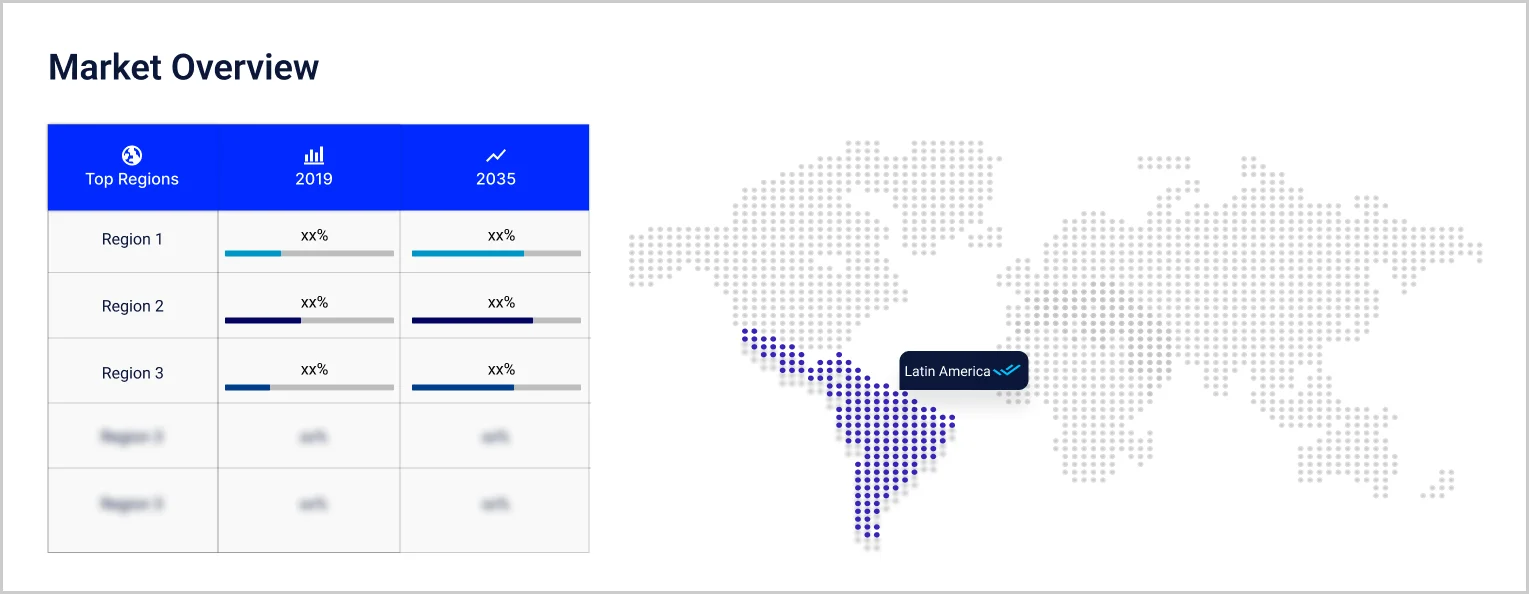
Regions considered in the market are São Paulo, Minas Gerais, Rio de Janeiro, Bahia, and Rio Grande do Sul, among others.
Major players in the market are Alfa Laval AB, Babcock & Wilcox Enterprises, Inc., Fuji Electric Co., Ltd., Wärtsilä Corporation, ANDRITZ AG, GEA Group AG, and Nilfisk Group, among others.
Explore our key highlights of the report and gain a concise overview of key findings, trends, and actionable insights that will empower your strategic decisions.
| REPORT FEATURES | DETAILS |
| Base Year | 2025 |
| Historical Period | 2019-2025 |
| Forecast Period | 2026-2035 |
| Scope of the Report |
Historical and Forecast Trends, Industry Drivers and Constraints, Historical and Forecast Market Analysis by Segment:
|
| Breakup by Type |
|
| Breakup by End User |
|
| Breakup by Region |
|
| Market Dynamics |
|
| Competitive Landscape |
|
| Companies Covered |
|
Datasheet
One User
USD 2,499
USD 2,249
tax inclusive*
Single User License
One User
USD 3,999
USD 3,599
tax inclusive*
Five User License
Five User
USD 4,999
USD 4,249
tax inclusive*
Corporate License
Unlimited Users
USD 5,999
USD 5,099
tax inclusive*
*Please note that the prices mentioned below are starting prices for each bundle type. Kindly contact our team for further details.*
Flash Bundle
Small Business Bundle
Growth Bundle
Enterprise Bundle
*Please note that the prices mentioned below are starting prices for each bundle type. Kindly contact our team for further details.*
Flash Bundle
Number of Reports: 3
20%
tax inclusive*
Small Business Bundle
Number of Reports: 5
25%
tax inclusive*
Growth Bundle
Number of Reports: 8
30%
tax inclusive*
Enterprise Bundle
Number of Reports: 10
35%
tax inclusive*
How To Order

Select License Type
Choose the right license for your needs and access rights.

Click on ‘Buy Now’
Add the report to your cart with one click and proceed to register.

Select Mode of Payment
Choose a payment option for a secure checkout. You will be redirected accordingly.
Strategic Solutions for Informed Decision-Making
Gain insights to stay ahead and seize opportunities.
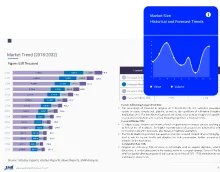
Get insights & trends for a competitive edge.
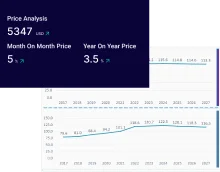
Track prices with detailed trend reports.
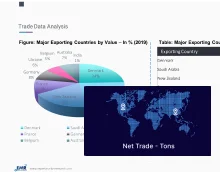
Analyse trade data for supply chain insights.

Leverage cost reports for smart savings
Enhance supply chain with partnerships.
Connect For More Information
Our expert team of analysts will offer full support and resolve any queries regarding the report, before and after the purchase.
Our expert team of analysts will offer full support and resolve any queries regarding the report, before and after the purchase.
We employ meticulous research methods, blending advanced analytics and expert insights to deliver accurate, actionable industry intelligence, staying ahead of competitors.
Our skilled analysts offer unparalleled competitive advantage with detailed insights on current and emerging markets, ensuring your strategic edge.
We offer an in-depth yet simplified presentation of industry insights and analysis to meet your specific requirements effectively.