

Consumer Insights
Uncover trends and behaviors shaping consumer choices today
Procurement Insights
Optimize your sourcing strategy with key market data
Industry Stats
Stay ahead with the latest trends and market analysis.
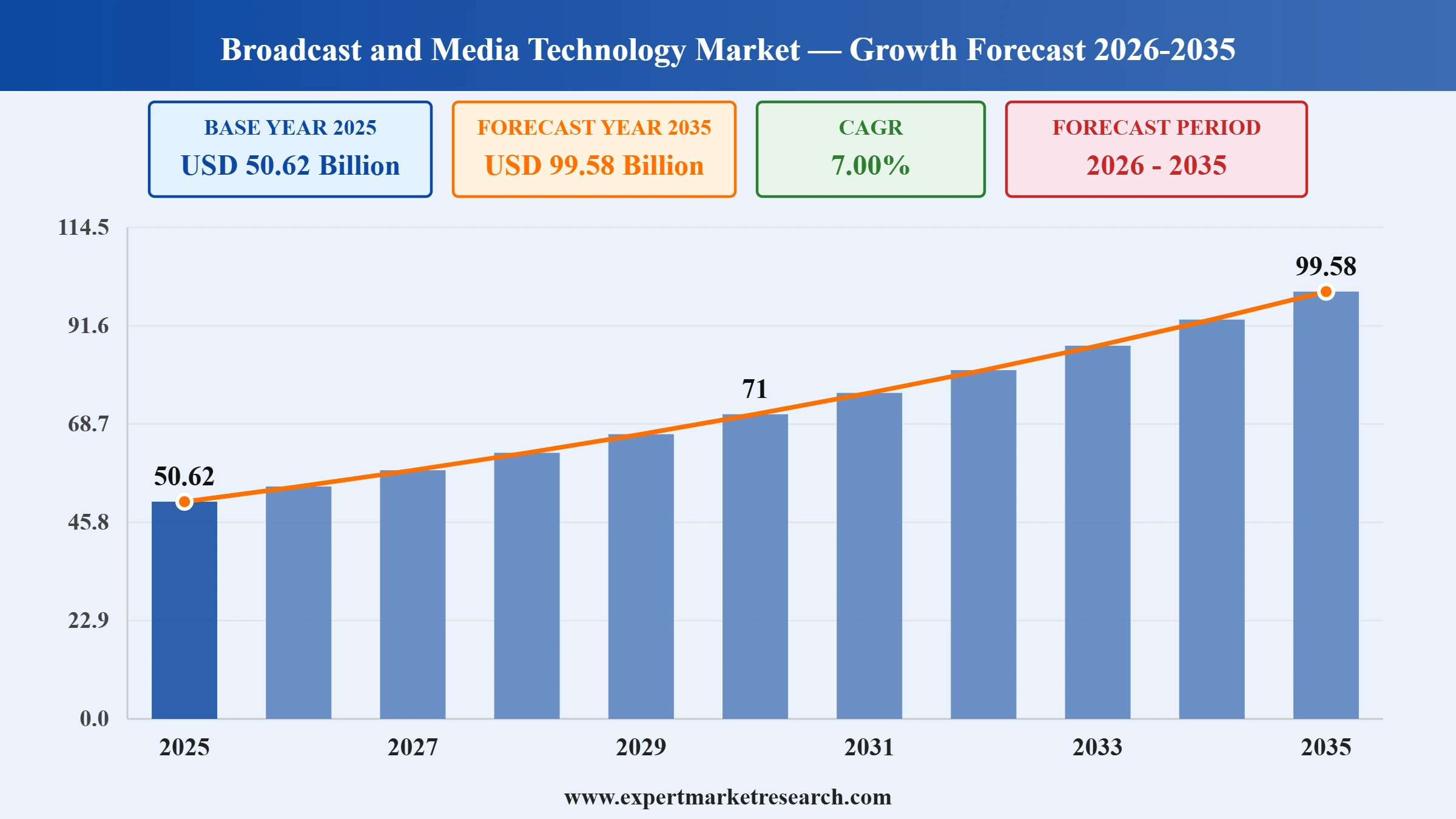
The global broadcast and media technology market was valued at USD 50.62 Billion in 2025. The market is expected to grow at a CAGR of 7.00% during the forecast period of 2026-2035 to reach a value of USD 99.58 Billion by 2035. The rising transition toward cloud-native media infrastructure is significantly accelerating the growth of the market, as broadcasters increasingly prioritize scalability, remote production capability, and operational agility.
Rising adoption of cloud-native production architectures and the increasing use of AI-enabled media workflows are two significant factors accelerating industry expansion. Broadcasters and streaming platforms are transitioning toward virtualized production environments that enable remote collaboration, scalable processing, and cost-efficient infrastructure. At the same time, artificial intelligence is improving content indexing, automated metadata generation, targeted advertising, and recommendation engines. These technological advancements are enhancing operational efficiency and audience engagement, thereby strengthening long-term growth prospects for the broadcast and media technology market.
Traditional on-premise broadcast architectures are being replaced with hybrid and fully cloud-based workflows that enable real-time content management, seamless collaboration across geographies, and reduced dependency on costly physical infrastructure. This shift is also being reinforced by the growing need for flexible media asset management systems that can support high-volume content ingestion, editing, and distribution across multiple platforms. As a result, technology providers are embedding cloud certification, API-driven integrations, and interoperable production tools to strengthen adoption across enterprise broadcasters.
The broadcast and media technology market is also witnessing increased investment in secure cloud migration frameworks, particularly for high-value content archives and live production workflows, further strengthening long-term scalability. A key example of this trend is the advancement by Vizrt, which completed AWS Foundational Technical Review for Viz One in October 2023, enabling broadcasters to migrate media asset management workflows securely into cloud environment. Such developments highlight the ongoing shift toward cloud-enabled broadcast ecosystems in the global market.
Read more about this report - REQUEST FREE SAMPLE COPY IN PDF
Brightcove introduced its PRISM platform redesign co-created with customers, enhancing video streaming workflows and user experience across media workflows. The update strengthens customer-driven innovation and accelerates platform adaptability. This development also supports scalable OTT delivery models and improves operational efficiency for media companies.
The NAB Show 2026 in Las Vegas, United States, concluded with over 58,000 attendees, showcasing AI innovations across broadcasting, sports streaming, and creator tools. The broadcast and media technology market is increasingly driven by AI adoption, which accelerates workflow automation, operational efficiency, and next-generation content production across global media ecosystems.
Sony and Nevion introduced MOXELA, a cloud-native software-defined media platform for live production and contribution workflows supporting SMPTE ST 2110, NDI, and MXL standards. This strengthens infrastructure-agnostic production models and reduces capital expenditure, enabling broadcasters to transition toward fully virtualized and scalable media operations.
NewTek and Vizrt merged to form Vizrt Group, integrating live production, graphics, and video workflow technologies into a unified ecosystem. The broadcast and media technology market is benefiting from this consolidation, as integrated platforms now streamline production workflows, improve interoperability, and enhance end-to-end content delivery efficiency.
Consolidation of broadcast technology ecosystems is reshaping production workflows as vendors integrate live production, graphics, and playout capabilities into unified platforms, reducing operational fragmentation, improving interoperability, and enabling end-to-end content delivery efficiency for broadcasters. Companies are increasingly pursuing mergers and integration strategies to expand capability stacks and streamline production environments. The broadcast and media technology market is also benefiting from this consolidation trend as unified ecosystems enhance scalability and performance. For example, in May 2026, Lupa Systems acquired New York Magazine, Vox, and podcast assets, expanding its digital media and publishing footprint.
AI-driven media asset management systems are enhancing metadata generation, automated tagging, and content indexing across large-scale broadcast libraries, improving searchability, reducing manual effort, and accelerating content retrieval. Broadcasters are increasingly adopting machine learning tools to optimize archival workflows and enable smarter monetization of media assets. The broadcast and media technology market is witnessing strong AI integration as vendors focus on workflow intelligence and automation efficiency. For instance, Vizrt launched Viz One 8.1 in November 2025 with AI-powered DeepVA integration to enhance automated tagging and content intelligence.
Cloud-based live production is enabling broadcasters to manage real-time events remotely using distributed production environments, reducing reliance on physical studios, lowering operational costs, and improving global collaboration. This shift supports scalable infrastructure for sports, news, and entertainment broadcasting with minimal latency. The broadcast and media technology market is increasingly shifting toward cloud-first production models as live workflows become more decentralized. For instance, at IBC 2024, AWS and LOGIC demonstrated live cloud production for the European League of Football, showcasing end-to-end remote broadcast workflows.
Hyperscaler-driven innovation is accelerating transformation of broadcast distribution systems through cloud-native architectures, enabling near real-time global content delivery, improved latency performance, and scalable streaming infrastructure. AI integration and cloud orchestration are enhancing personalization and audience engagement capabilities across platforms. The market is being increasingly influenced by partnerships between media organizations and cloud providers for next-generation workflows.
The broadcast and media technology market is undergoing structural transformation driven by rapid adoption of cloud-native production, AI-enabled workflows, and converged distribution ecosystems across broadcast, OTT, and hybrid platforms. Media organizations are increasingly investing in automation, low-latency infrastructure, and digital asset intelligence to improve content efficiency, personalization, and monetization. Industry convergence is accelerating as technology vendors integrate software, services, and platform capabilities into unified ecosystems that reduce operational fragmentation. Strategic collaborations, platform redesigns, and AI-led innovation showcased at major industry events such as NAB 2026 highlight the shift from experimental adoption to large-scale operational deployment, reinforcing long-term digital modernization across global media value chains.
The Expert Market Research's report titled “Global Broadcast and Media Technology Market Report and Forecast 2026-2035” offers a detailed analysis of the market based on the following segments:
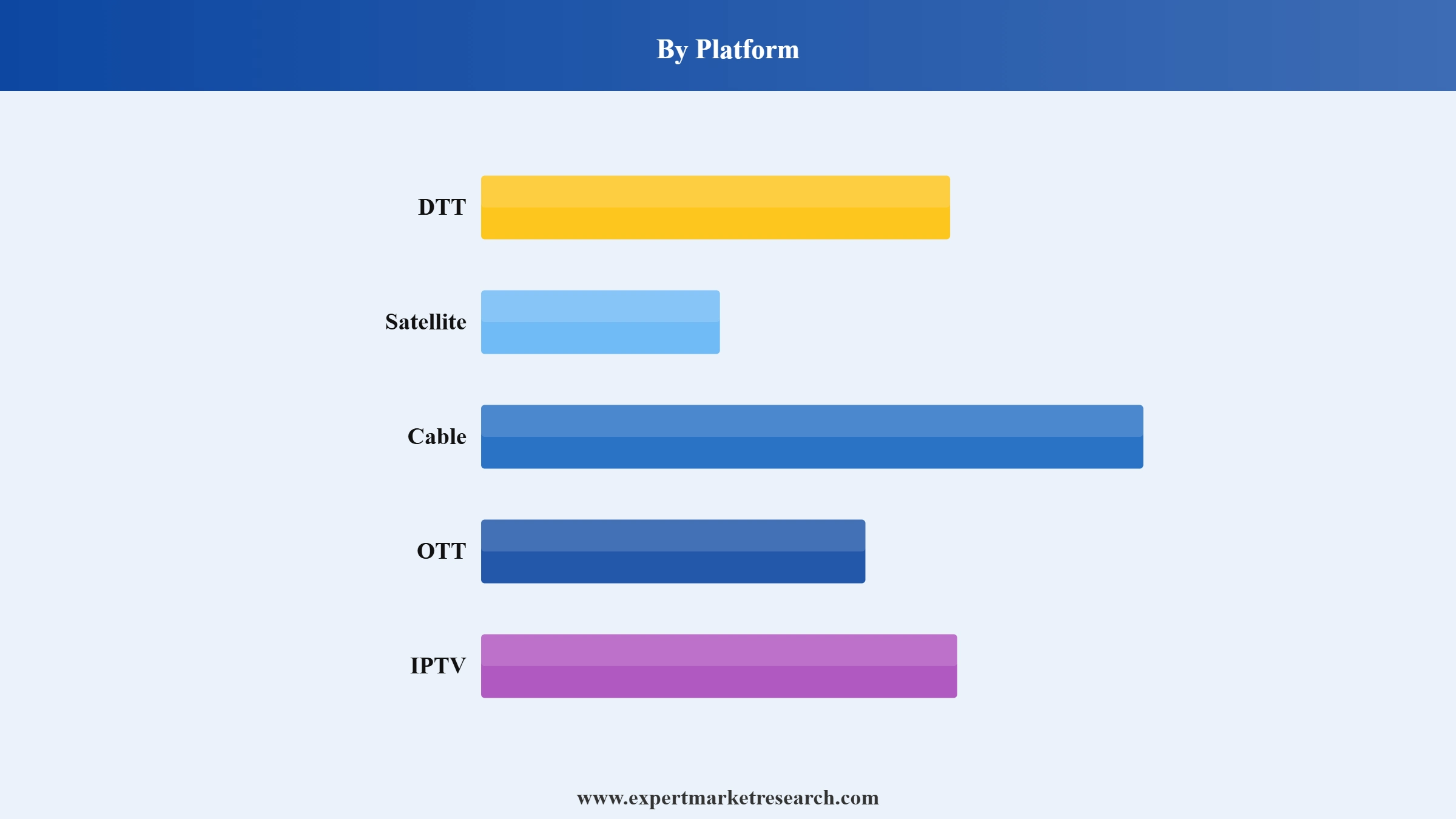
Market Breakup by Platform
Key Insights: DTT, satellite, cable, OTT, and IPTV platforms are undergoing rapid convergence driven by IP-based distribution, hybrid broadcast architectures, and rising demand for seamless cross-device content consumption. OTT and IPTV platforms are accelerating subscription and ad-supported monetization, while satellite operators invest in multi-orbit connectivity and cable and DTT networks modernize toward digital efficiency. Companies such as SES are expanding satellite capabilities, while Netflix continues scaling OTT monetization models. The broadcast and media technology market is further being influenced by SES’s multi-orbit expansion and Netflix’s evolving global OTT strategy.
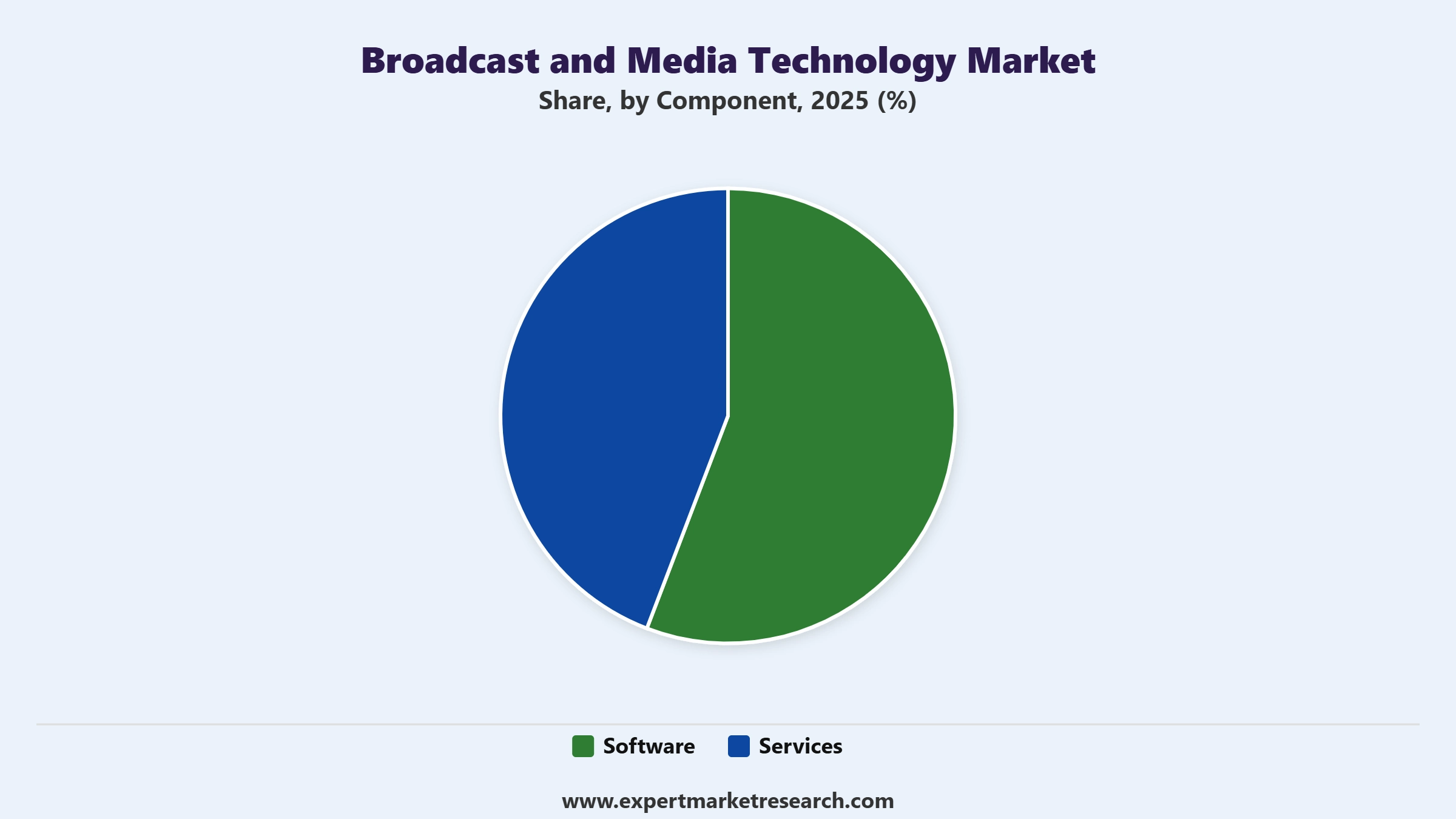
Market Breakup by Component
Key Insights: Software and services are the two foundational components driving transformation, where software enables AI-based editing, automation, and cloud-native production, while services support managed broadcasting, integration, and infrastructure modernization. Vendors such as Adobe and Avid are strengthening software ecosystems with AI-driven tools, while AWS and IBM expand managed services for large-scale media workflows. Demand for scalable, cloud-enabled platforms is rising across production and distribution chains. The broadcast and media technology market is advancing through AWS media services expansion and Adobe’s AI-powered software innovation.
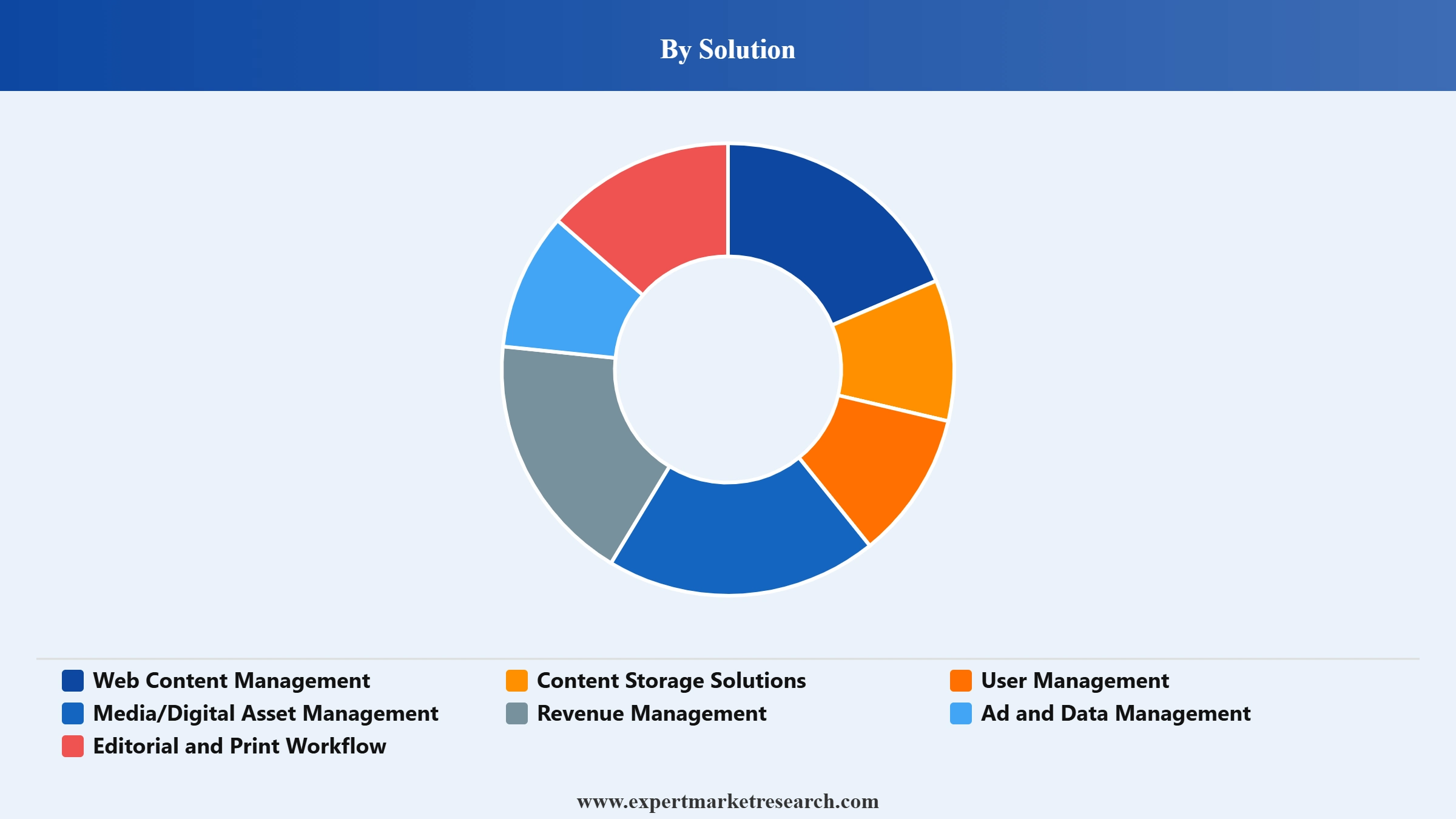
Market Breakup by Solution
Key Insights: Web content management, content storage solutions, user management, media/digital asset management, revenue management, ad and data management, and editorial and print workflow solutions are increasingly converging into unified digital ecosystems. AI-enabled DAM platforms from Vizrt and Dalet improve metadata automation, while AWS and Microsoft enhance scalable storage infrastructure for high-volume media assets. Netflix and Disney+ strengthen user and revenue management systems, while Google enhances ad intelligence platforms.
Market Breakup by Application
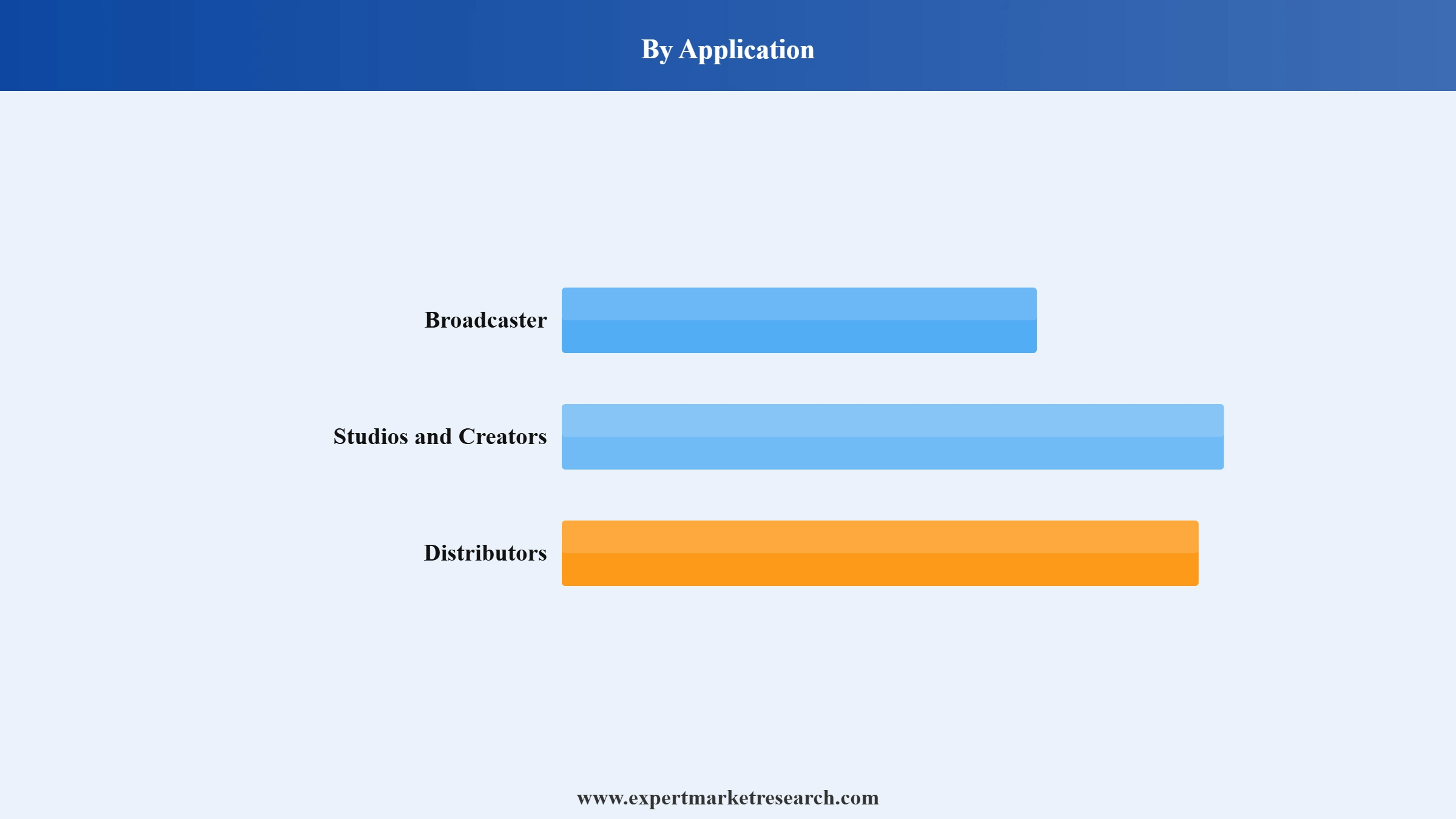
Key Insights: Broadcasters, studios and creators, and distributors are collectively accelerating adoption of cloud-based production, AI-enabled content creation, and global distribution platforms. Broadcasters such as BBC and NBCUniversal are shifting toward cloud-first workflows, while studios and creators benefit from YouTube, TikTok, and Adobe Firefly. These platforms are enabling generative and real-time content production. Distributors like Roku and Apple TV+ are expanding global reach through platform aggregation and licensing networks. Such broadcast and media technology market trends improve scalability, monetization, and workflow efficiency.
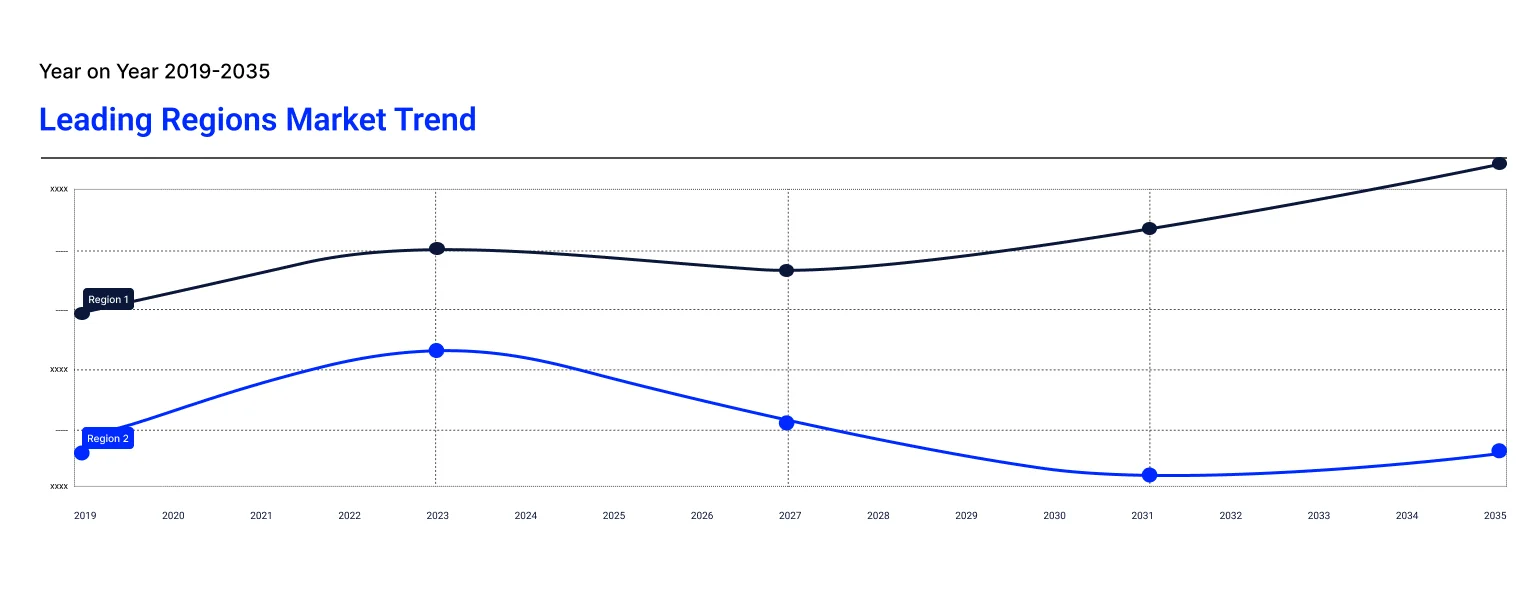
Market Breakup by Region
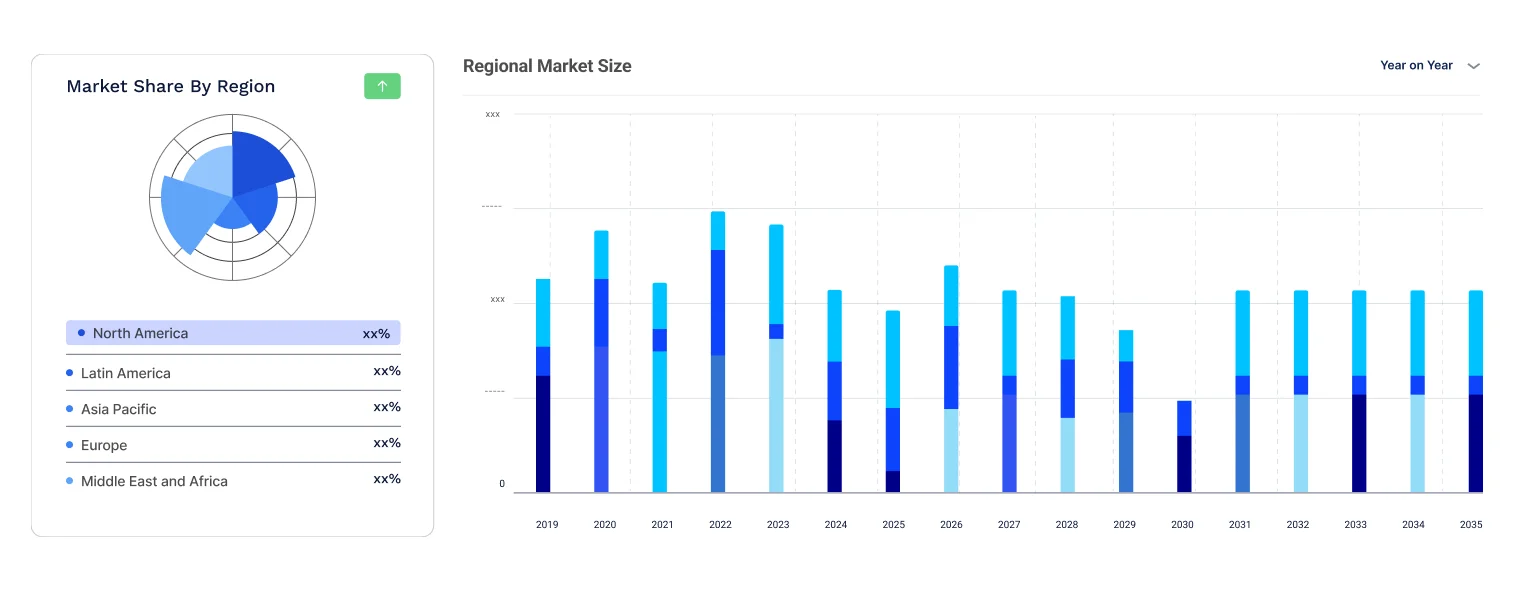
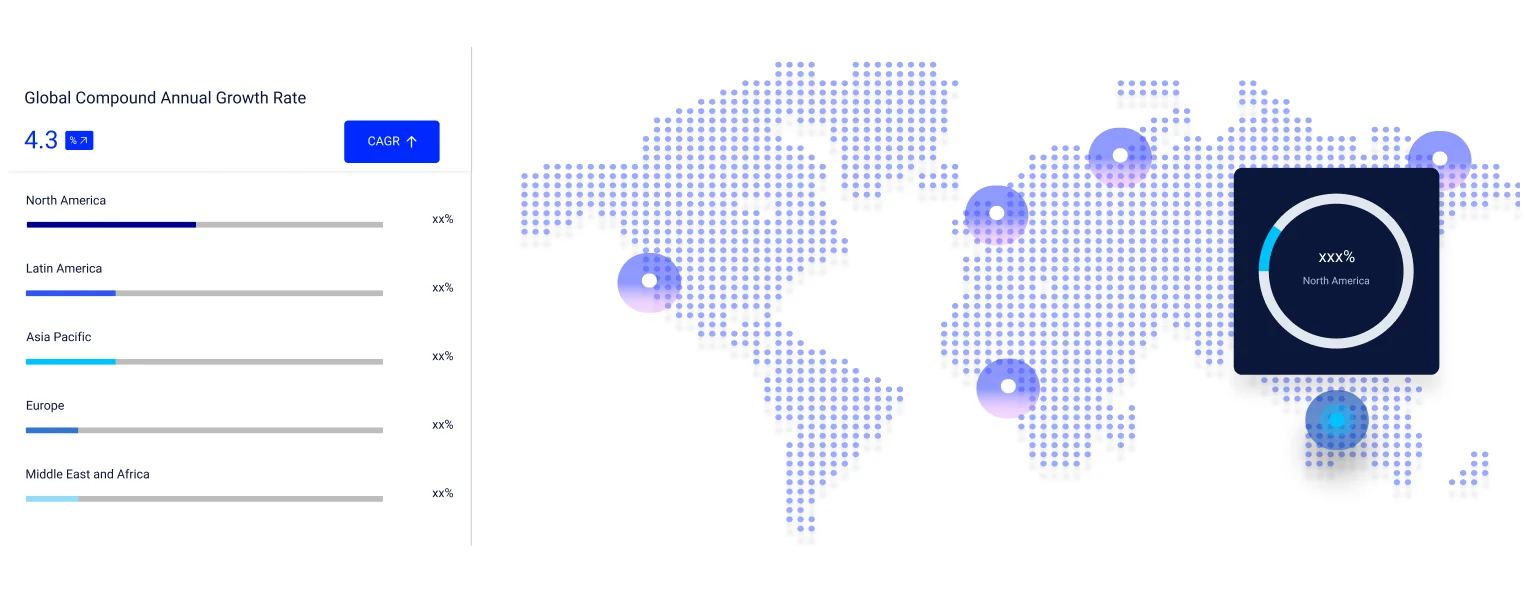
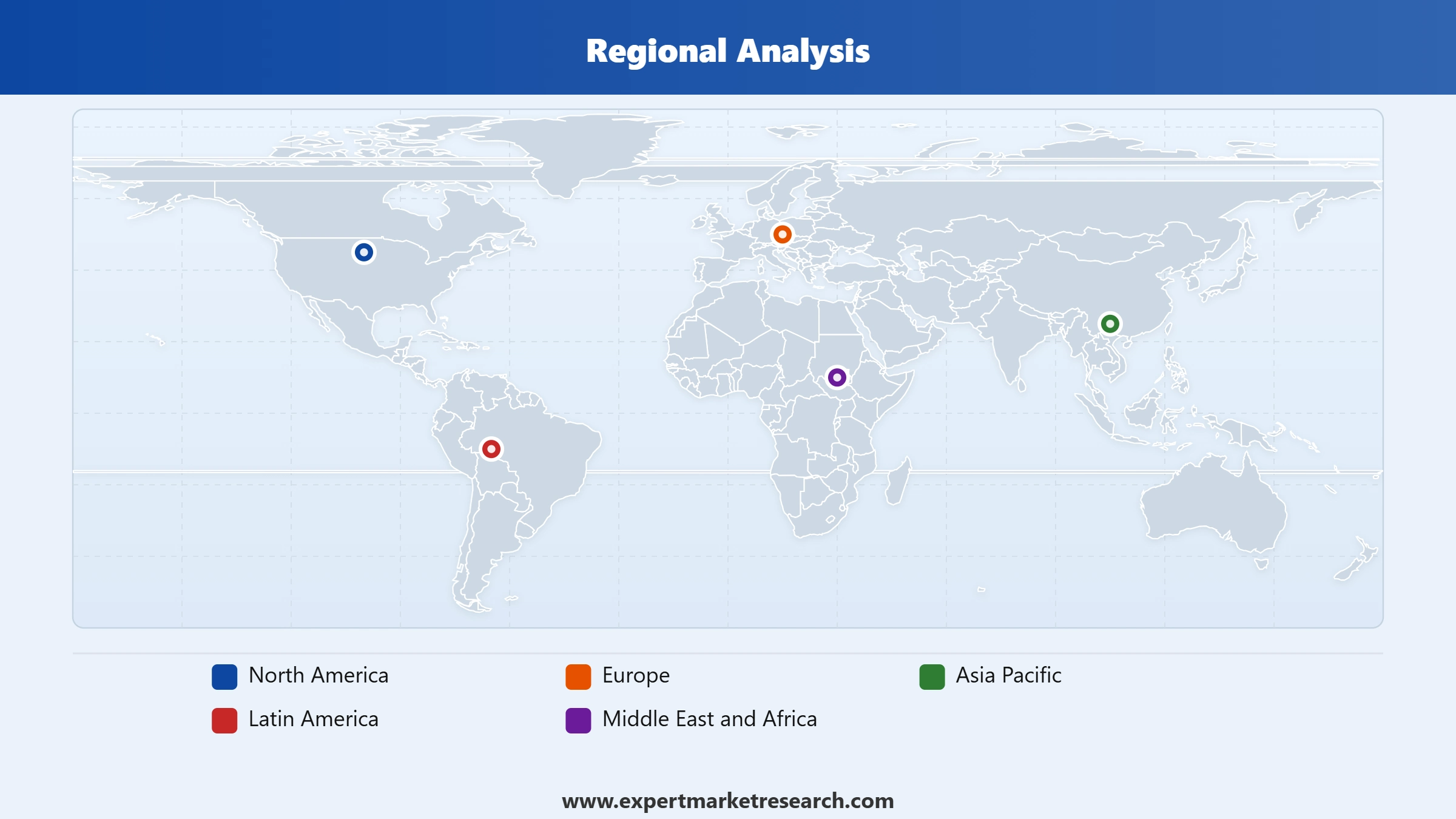
Key Insights: North America, Europe, Asia Pacific, Latin America, and Middle East and Africa are witnessing region-specific acceleration in broadcast modernization and digital transformation. North America leads with AI-driven cloud broadcasting initiatives such as AWS-NBA collaborations, while Europe advances IP-based broadcasting through BBC and RTL Group modernization. Asia Pacific is driven by Tencent Video AI systems and Sony cloud production growth, Latin America expands OTT ecosystems via Globo and TelevisaUnivision. The broadcast and media technology market in the Middle East and Africa region grows through MBC Shahid expansion.
Read more about this report - REQUEST FREE SAMPLE COPY IN PDF
By platform, DTT leads the market growth driven by the cell broadcast system for disaster communication
Digital terrestrial broadcasting is evolving into a critical public safety infrastructure layer, with governments strengthening real-time emergency alert capabilities through broadcast-to-mobile convergence systems. The focus is shifting toward geo-targeted alerting, resilient transmission networks, and faster dissemination of disaster notifications across terrestrial ecosystems. This is improving national preparedness frameworks and public communication efficiency. The market is advancing through next-generation alerting infrastructure. For instance, India launched a Cell Broadcast System in May 2026 for disaster communication.
Read more about this report - REQUEST FREE SAMPLE COPY IN PDF
Satellite broadcasting is witnessing strong expansion in the broadcast and media technology market driven by next-generation spacecraft deployments aimed at enhancing regional connectivity, video distribution efficiency, and high-capacity data transmission. Operators are increasingly focusing on Asia Pacific coverage expansion and hybrid orbital architectures to support global broadcast resilience. These developments are improving connectivity in underserved geographies and strengthening broadcast infrastructure. The market is also advancing through satellite capacity expansion initiatives. For instance, Viasat launched a new Asia Pacific satellite in April 2026.
By component, software is picking up pace with the ongoing shift toward cloud-native workflows
Broadcast software solutions are rapidly shifting toward cloud-native workflows that enable scalable production, automation, and real-time content distribution across global media networks. Vendors are focusing on next-generation orchestration tools that enhance operational efficiency and reduce infrastructure dependency. These innovations are accelerating digital transformation in broadcast production environments. The market is advancing through cloud software modernization. For instance, Globecast upgraded its Singapore cloud broadcast workflows in May 2026.
Read more about this report - REQUEST FREE SAMPLE COPY IN PDF
The services segment is experiencing rapid growth in the broadcast and media technology market as broadcasters and media organizations increasingly rely on specialized providers for workflow integration, infrastructure management, and digital transformation support. Service providers offer consulting, system integration, managed broadcast operations, and cloud migration services that enable companies to modernize production and distribution ecosystems. These services help reduce operational complexity while improving scalability and efficiency across content supply chains.
By solution, the media asset management category records significant growth driven by AI-optimized storage infrastructure
Media and digital asset management systems are currently evolving with AI-enabled, high-performance storage architectures supporting ultra-high-resolution production and real-time collaboration. Demand from post-production, generative AI, and cloud editing is driving adoption of NVMe-based shared storage with intelligent indexing and workflow automation. For instance, PROMISE Technology showcased AI-optimized storage solutions at NAB Show 2026 in April 2026, thereby reshaping the broadcast and media technology market trends and dynamics.
Read more about this report - REQUEST FREE SAMPLE COPY IN PDF
Ad and data management systems are evolving rapidly as media companies prioritize AI-powered targeting, privacy-safe identity frameworks, and real-time campaign optimization to improve advertising efficiency. Growing adoption of programmatic advertising across connected TV and digital platforms is enabling more precise audience segmentation and higher yield monetization strategies. Advanced analytics and machine learning tools are further enhancing cross-platform measurement and attribution accuracy. For instance, The Trade Desk expanded its UID2 identity framework in 2023–2024 to enable privacy-centric, data-driven advertising across digital ecosystems.
By application, broadcasters contribute significantly to the market revenue driven by TVNZ + Quickplay OTT Transformation
Broadcasters are undergoing rapid digital transformation by integrating OTT platforms, cloud-based workflows, and audience-centric distribution models to improve scalability and content monetization. Media organizations are shifting toward fully digital ecosystems that support multi-platform content delivery. These developments are redefining traditional broadcasting operations. This trend in the broadcast and media technology market is further reinforced by broadcaster-led digital modernization. For instance, TVNZ partnered with Quickplay in April 2026 to transform its OTT platform into a digital-first ecosystem.
Read more about this report - REQUEST FREE SAMPLE COPY IN PDF
Meanwhile, studios and content creators are increasingly leveraging digital platforms that support rapid content production, distribution, and monetization across multiple ecosystems. The rise of hybrid broadcast-digital tools is enabling creators to scale output and engage global audiences more efficiently. These shifts are reshaping traditional production workflows into agile content ecosystems. For instance, Dish TV launched its VZY platform in May 2026 to support studios and creators.
By region, Europe leads the market growth, driven by cable broadband modernization, boosting regional media infrastructure growth
Europe is witnessing strong growth in advanced broadband infrastructure as operators modernize legacy cable networks into high-performance digital ecosystems supporting low-latency, high-bandwidth media consumption. Regional telecom providers are increasingly investing in DOCSIS upgrades and network virtualization to improve streaming quality, reduce latency, and support convergence of broadcast and broadband services across households and enterprises. The broadcast and media technology market in Europe is also being driven by large-scale cable modernization initiatives, highlighted by Vodafone’s introduction of low-latency DOCSIS across its German cable infrastructure in May 2026.
Read more about this report - REQUEST FREE SAMPLE COPY IN PDF
Asia Pacific is experiencing rapid expansion of digital media ecosystems driven by increasing investments in hybrid broadcast-OTT platforms, rising mobile-first consumption, and strong government-backed digital transformation initiatives. Regional broadcasters are modernizing content distribution frameworks by integrating OTT platforms with traditional broadcasting models to improve accessibility, monetization, and audience reach. This shift is enabling a more inclusive and scalable digital media infrastructure across emerging and developed markets in the region, as demonstrated by Prasar Bharati’s launch of the WAVES OTT platform in November 2025.
Leading broadcast and media technology market players are increasingly shifting toward cloud-native architectures to modernize production, distribution, and content management workflows across the media value chain. Strategic efforts focus on unifying fragmented broadcast systems into interoperable platforms that support real-time collaboration, remote production, and scalable deployment. Organizations are investing in virtualization, software-defined infrastructure, and API-driven ecosystems to reduce capital intensity and improve agility. These initiatives are strengthening operational resilience while enabling faster content turnaround and seamless multi-platform delivery across global audiences.
Broadcast and media technology companies are also prioritizing AI integration across content creation, asset management, and distribution workflows to improve automation, personalization, and decision-making efficiency. Key strategies include deploying intelligent metadata systems, predictive analytics, and audience behavior modeling to enhance content discovery and monetization. Efforts are also focused on strengthening ad targeting, user segmentation, and real-time optimization of digital revenue streams. These developments are enabling more efficient media supply chains while supporting scalable growth across broadcast, OTT, and digital-first ecosystems.
Evertz Technologies Limited is a broadcast technology company specializing in end-to-end video infrastructure, media processing, and IP-based production systems. Established in 1966, the company is headquartered in Burlington, Canada, and is known for delivering scalable solutions for live production, playout, and signal monitoring across global broadcast networks.
Video Stream Networks S.L. is a media technology company focused on cloud-based video delivery, streaming infrastructure, and content distribution solutions for broadcasters and digital platforms. Established in 2006, the company is headquartered in Barcelona, Spain, and develops IP-centric workflows that support scalable OTT and live streaming operations.
Harmonic Inc. is a leading provider of video delivery infrastructure, cloud streaming platforms, and broadband solutions enabling high-quality content distribution. Established in 1988, the company is headquartered in San Jose, California, United States, and supports broadcasters and service providers with software-defined video processing and streaming technologies.
Rohde & Schwarz GmbH & Co. KG is a global technology company specializing in broadcast transmission, test and measurement, and secure communications systems. Established in 1933, the company is headquartered in Munich, Germany, and delivers advanced solutions for signal monitoring, broadcast distribution, and media infrastructure reliability.
Other key players in the market include IBM Corporation, among others.
*Please note that this is only a partial list; the complete list of key players is available in the full report. Additionally, the list of key players can be customized to better suit your needs.*
Explore the latest trends shaping the global broadcast and media technology market 2026-2035 with our in-depth report. Gain strategic insights, future forecasts, and key market developments that can help you stay competitive. Download a free sample report or contact our team for customized consultation on global broadcast and media technology market trends 2026.
Cloud-Based Broadcast Solutions Market
Video Analytics and AI in Media Market


Upto 15% Off
USD
$2499 $2249
$3999 $3599
$4999 $4249
$5999 $5099


*While we strive to always give you current and accurate information, the numbers depicted on the website are indicative and may differ from the actual numbers in the main report. At Expert Market Research, we aim to bring you the latest insights and trends in the market. Using our analyses and forecasts, stakeholders can understand the market dynamics, navigate challenges, and capitalize on opportunities to make data-driven strategic decisions.*
In the forecast period of 2026-2035, the global broadcast and media technology market is projected to grow at a CAGR of 7.00%.
The market is estimated to witness a healthy growth in the forecast period of 2026-2035 to reach beyond USD 99.58 Billion by 2035.
The major drivers of the market such as rising disposable incomes, increasing penetration of on-demand content, rising popularity of video streaming, and growing digital advertising are expected to aid the market growth.
The rising consumption of online content and the growing adoption of next-gen linked devices are expected to be the major trends influencing the market positively.
The leading regions in the market are North America, Latin America, Europe, the Middle East and Africa, and the Asia Pacific.
The major platforms in the industry are DTT, satellite, cable, OTT, and IPTV.
The leading application segments in the industry are broadcaster, studios and creators, distributors, OTT, and IPTV, among others.
Web content management, content storage solutions, editorial and print workflow, media/digital asset management, revenue management, ad and data management, and user management are the significant solutions available in the market.
Software and services are the major components in the market.
The key player in the market are Evertz Technologies Limited, Video Stream Networks S.L., Harmonic Inc., Rohde & Schwarz GmbH & Co. KG, IBM Corporation, and others.
Explore our key highlights of the report and gain a concise overview of key findings, trends, and actionable insights that will empower your strategic decisions.
| REPORT FEATURES | DETAILS |
| Base Year | 2025 |
| Historical Period | 2019-2025 |
| Forecast Period | 2026-2035 |
| Scope of the Report |
Historical and Forecast Trends, Industry Drivers and Constraints, Historical and Forecast Market Analysis by Segment:
|
| Breakup by Platform |
|
| Breakup by Component |
|
| Breakup by Solution |
|
| Breakup by Application |
|
| Breakup by Region |
|
| Market Dynamics |
|
| Competitive Landscape |
|
| Companies Covered |
|
| Report Price and Purchas Option | Explore our purchase options that are best suited to your resources and industry needs. |
| Delivery Format | Delivered as an attached PDF and Excel through email, with an option of receiving an editable PPT, according to the purchase option. |
Datasheet
One User
USD 2,499
USD 2,249
tax inclusive*
Single User License
One User
USD 3,999
USD 3,599
tax inclusive*
Five User License
Five User
USD 4,999
USD 4,249
tax inclusive*
Corporate License
Unlimited Users
USD 5,999
USD 5,099
tax inclusive*
*Please note that the prices mentioned below are starting prices for each bundle type. Kindly contact our team for further details.*
Flash Bundle
Small Business Bundle
Growth Bundle
Enterprise Bundle
*Please note that the prices mentioned below are starting prices for each bundle type. Kindly contact our team for further details.*
Flash Bundle
Number of Reports: 3
20%
tax inclusive*
Small Business Bundle
Number of Reports: 5
25%
tax inclusive*
Growth Bundle
Number of Reports: 8
30%
tax inclusive*
Enterprise Bundle
Number of Reports: 10
35%
tax inclusive*
How To Order

Select License Type
Choose the right license for your needs and access rights.

Click on ‘Buy Now’
Add the report to your cart with one click and proceed to register.

Select Mode of Payment
Choose a payment option for a secure checkout. You will be redirected accordingly.
Strategic Solutions for Informed Decision-Making
Gain insights to stay ahead and seize opportunities.

Get insights & trends for a competitive edge.

Track prices with detailed trend reports.

Analyse trade data for supply chain insights.

Leverage cost reports for smart savings

Enhance supply chain with partnerships.

Connect For More Information
Our expert team of analysts will offer full support and resolve any queries regarding the report, before and after the purchase.
Our expert team of analysts will offer full support and resolve any queries regarding the report, before and after the purchase.
We employ meticulous research methods, blending advanced analytics and expert insights to deliver accurate, actionable industry intelligence, staying ahead of competitors.
Our skilled analysts offer unparalleled competitive advantage with detailed insights on current and emerging markets, ensuring your strategic edge.
We offer an in-depth yet simplified presentation of industry insights and analysis to meet your specific requirements effectively.




