

Consumer Insights
Uncover trends and behaviors shaping consumer choices today
Procurement Insights
Optimize your sourcing strategy with key market data
Industry Stats
Stay ahead with the latest trends and market analysis.
The global business software and services market attained a value of USD 515.36 Billion in 2025 and is projected to expand at a CAGR of 10.00% through 2035. The market is further expected to achieve USD 1336.71 Billion by 2035. The enterprise software industry is reshaping its platforms to fully own workflows and decrease long-term contract dependencies in regulated industries.
Companies are consolidating software suppliers to make IT governance easier. On the other hand, operational groups are being compelled to automate approval and reporting because of staff shortages. Suppliers with configurable workflows and minimal customization requirements are gaining popularity. Such solutions are decreasing delays in deployment, propelling the business software and services market value. With buyers insisting on quicker operational benefits, software suppliers packaging services with platforms are locking in longer-term commitments.
The market is being transformed by companies promoting more ownership of workflows. In May 2025, Microsoft added new capabilities to Copilot Studio to enable enterprises to deploy their own AI agents directly into finance, procurement, and compliance software. This trend in the business software and services market is a clear indicator towards more adoption of software that works inside decision-making loops. Enterprises that use such software are becoming less dependent on external automation companies and are gaining more control over their internal data.
The way enterprise buyers are evaluating software platforms is also undergoing a transformation. Software platforms are no longer judged solely on the basis of the depth of their features. The ease of integration is becoming more important. Companies like SAP, for instance, are integrating analytics and planning capabilities directly into their core cloud ERP offering. For example, in October 2025, Sapiens International Corporation announced the launch of Decision Analytics, a new module within the Sapiens Decision Platform. This makes enterprises less dependent on third-party software and enables them to implement solutions faster. Companies that provide more integrated platforms are showing better renewal rates, accelerating growth in the business software and services market.
In 2022, IT companies spent approximately USD 783 billion on enterprise software, a 7.1% increase from the year before.
By 2026, enterprise application software will generate 479 billion dollars in revenue worldwide.
The largest regional market is in North America, which is followed by Europe and Asia Pacific.
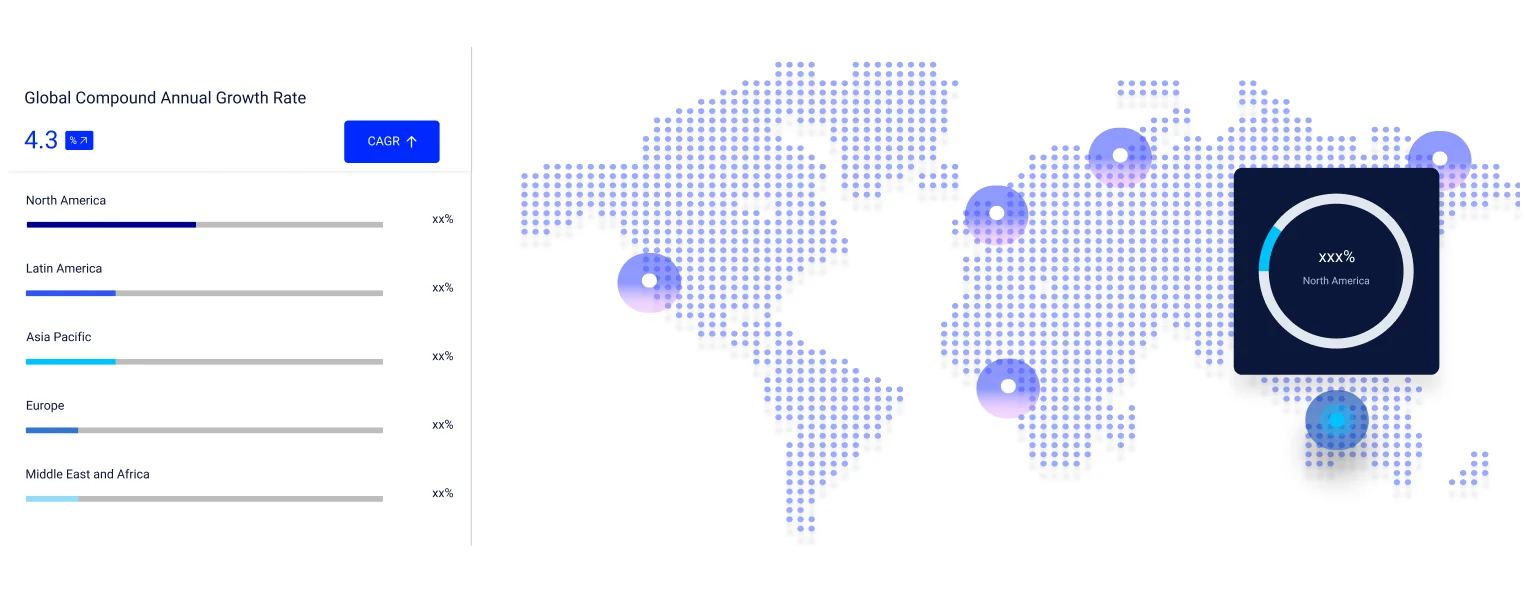
Compound Annual Growth Rate
10%
Value in USD Billion
2026-2035
OpenX unveiled OpenXBuild, a software suite enabling real-time advertising control, custom bidding, and deeper first-party data leverage to boost performance and reduce decision latency. Other firms can use this business software and services market opportunity to build modular adtech extensions that integrate AI analytics into bid and audience decision loops, offering tailored performance modules for niche sectors.
Natus released the latest Natus Elite software edition with Augmented Visual Electromyograph (AVEMG), enhancing clinical interpretation and objectivity through advanced signal algorithms. Companies in diagnostic and enterprise software can also explore AI-enhanced interpretive modules that transform subjective workflows into data-driven processes.
Accenture partnered with Anthropic to train thousands of professionals on Claude AI tooling and co-develop regulated industry solutions, accelerating enterprise AI adoption at scale. Such developments in the business software and services market encourage other consultancies to form strategic alliances with AI model developers to deliver industry-specific AI tooling with training and deployment.
Fujitsu launched a generative AI analysis and visualization service to help enterprises modernize legacy software portfolios and generate actionable system plans. Innovators can create AI-assisted modernization frameworks that not only analyze code but generate strategy blueprints for complex transformations.
Business software providers are prioritizing industry-specific releases over generic upgrades. Firms like Salesforce are expanding their Industry Cloud offerings to support financial compliance and healthcare service coordination. These releases align directly with regulatory workflows, reducing customization effort. In June 2023, Ericsson and Elisa collaborated to launch an innovative In-Service Software Upgrade (ISSU) in a live 5G Standalone (SA) network. Government digitization policies in banking and healthcare reinforce this demand in the business software and services market. Vendors embedding regulatory logic into core platforms are seeing stronger adoption from risk-averse enterprises.
Public sector agencies are accelerating software replacement programs. Legacy systems are being retired in favor of cloud-native platforms with audit and security controls. For example, Salesforce Public Sector Solutions, launched in June 2024, are designed to help government agencies serve citizens efficiently with out-of-the-box apps for digital service delivery. These projects create long deployment cycles and predictable service revenue. Vendors meeting compliance certification requirements gain access to repeat public contracts, stimulating the overall business software and services market growth.
AI capabilities are shifting from analytics layers into operational decision points. In February 2025, Workday launched an AI agent management platform to help enterprises control, monitor, and integrate AI tools alongside human employees. Such developments simulate hiring and attrition outcomes in HR systems and reduce manual scenario modeling. Enterprises justify adoption based on decision efficiency, creating new business software and services market opportunities. Vendors embedding AI into everyday workflows, are strengthening platform dependency.
Enterprise buyers are moving away from fixed licensing. Pricing tied to transaction volume or system usage is becoming more common. This benefits vendors with strong monitoring capabilities. Firms like Snowflake are scaling adoption by aligning pricing with consumption rather than user count. Government procurement guidelines encouraging flexible pricing further support this trend across regulated industries, redefining the entire business software and services market dynamics. In November 2025, Centric Software introduced new innovations with the launch of its AI-powered end-to-end price management capabilities, empowering brands and retailers to optimize pricing strategies, protect margins and stay competitive amid rising tariffs, cost pressures and market volatility.
Enterprises increasingly outsource software operations along with deployment. Vendors are bundling monitoring, optimization, and updates into long-term service agreements. In September 2025, Quest Software announced a new strategy and unified data management platform designed to address common barriers preventing enterprise artificial intelligence initiatives from reaching production. Buyers prefer outcome-based engagements over fragmented vendor management. This business software and services market trend stabilizes revenue and deepens client relationships.
Read more about this report - REQUEST FREE SAMPLE COPY IN PDF
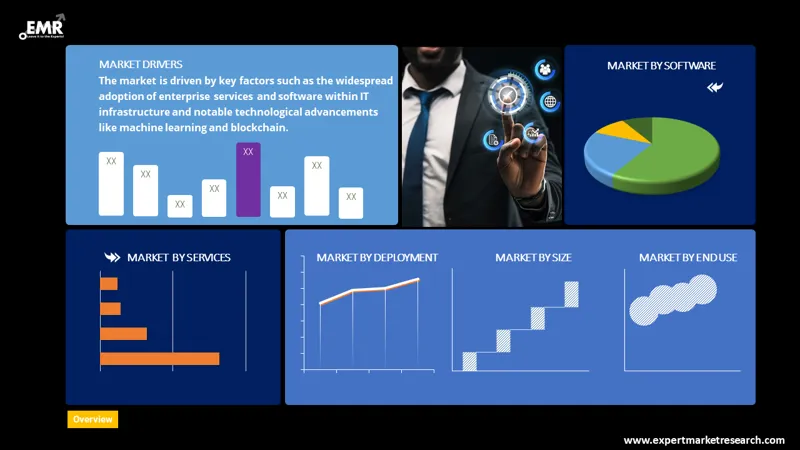
The EMR’s report titled “Global Business Software and Services Market Report and Forecast 2026-2035” offers a detailed analysis of the market based on the following segments:
Market Breakup by Software
Key Insight: Finance software leads the business software and services market growth as it anchors enterprise platforms through compliance and reporting needs. Sales and marketing tools expand through revenue optimization pressure. In November 2025, Thryv Holdings, Inc. launched a tailored growth marketing solution for home services businesses looking to scale. Human resource software supports workforce planning and governance. Supply chain systems gain relevance through visibility and coordination requirements. Other software categories address niche operational gaps and each segment reflects a different buying motive.
Market Breakup by Services
Key Insight: As per the business software and services market report, the consulting category addresses transformation complexity. Managed services support operational continuity while support and maintenance ensure system stability. Each service serves a different lifecycle stage. Consulting guides change while managed services sustain performance and support services offer protection reliability. Enterprises increasingly bundle these services to reduce vendor coordination.
Market Breakup by Deployment
Key Insight: Cloud deployment supports agility and scale, while on-premise deployment ensures control and compliance. Enterprises choose deployment modes based on risk tolerance and governance needs. Cloud appeals to growth-oriented teams and on-premise deployments suit regulated operations. Deployment decisions increasingly reflect regulatory and operational realities, accelerating the business software and services market penetration. Enterprises align deployment with long-term accountability rather than short-term convenience.
Market Breakup by Size
Key Insight: Large enterprises drive stability and scale while SMEs fuel volume growth. Each segment considered in the business software and services market report has distinct expectations. Large organizations demand depth and integration, and SMEs seek efficiency and ease. Vendors segment offerings by pricing, deployment, and service models. Size-based strategies shape product roadmaps. Vendors balancing both segments reduce revenue volatility. Enterprise size remains a core determinant of software buying behavior.
Market Breakup by End Use
Key Insight: The aerospace industry uses software with security overlays, access control, and traceability in programs. BFSI sector buyers emphasize compliance automation and audit readiness. Government institutions value governance, transparency, and policy alignment. Healthcare institutions require integration between clinical, billing, and employee systems. In November 2025, Tata Consultancy Services was chosen by the National Health Service (NHS) Supply Chain for application development support and maintenance of core business systems and cloud infrastructure platforms. IT and telecom service providers stress scalability and availability, creating new business software and services market opportunities. Manufacturing companies require visibility into production and inventory. Retailers emphasize customer insight and personalization. Transportation sector companies require route and asset optimization.
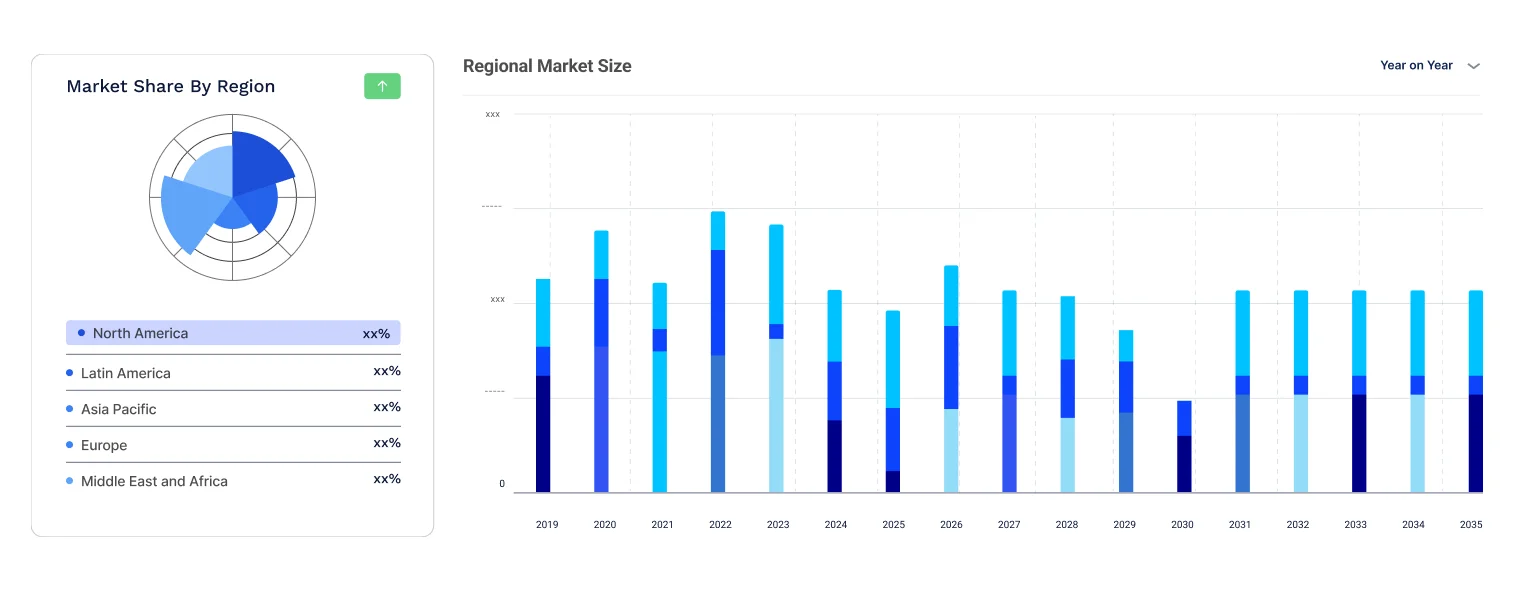
Market Breakup by Region
Key Insight: The North America region has a high level of software maturity, with a strong demand for integrated platforms and managed services. The European business software and services industry highlights the importance of regulation, data protection, and compliance-ready deployments. The Asia Pacific region fuels growth through enterprise digitization and scalability. In May 2025, Sonata Software announced the launch of AgentBridge, a breakthrough platform designed to accelerate AI-powered enterprise transformation. The Latin America region concentrates on the modernization of legacy systems to enhance efficiency. The Middle East and Africa region focuses on infrastructure development and foundational platforms.
Read more about this report - REQUEST FREE SAMPLE COPY IN PDF
Finance software dominates adoption due to compliance complexity and reporting accountability
Finance applications continue to be the core of business applications because of their control over budgeting, compliance, and reporting processes. Organizations value finance applications that offer a single environment for accounting, planning, and audit trails. This market is driven by mandatory reporting cycles and regulatory pressures, which restrict discretionary switching. Organizations are adopting finance applications as the foundation for connected planning. Integration with procurement and payroll strengthens platform dependency. In September 2025, Worldpay launched the Embedded Finance Engine, a new suite of best-in-class financial service products that its software platform partners can quickly integrate to drive higher retention and revenue growth.
Sales and marketing software is growing its share in the business software and services market at a much faster pace as companies seek pipeline visibility and customer retention. Teams are challenged to integrate customer information from multiple channels. This fuels adoption of solutions that integrate CRM, campaign management, and analytics. Unlike financial management software, sales software is constantly changing, and upgrades are encouraged. The industry is focused on AI-powered forecasting and personalization processes.
Managed services lead demand in the market driven by enterprise outsourcing pressure
Managed services are gaining massive popularity due to the reduction in IT ownership by organizations. These services establish predictable engagement models and long-term contracts. Vendors are given greater operational access, making it more costly to switch. Organizations receive standardized service levels and quicker resolution of issues. Managed services include security and compliance monitoring, widening the business software and services market scope. In September 2025, Netrio announced the launch of the next release of NetrioNow, a proprietary, a next-generation, AI-powered service delivery platform.
Consulting services are gaining rapid popularity as enterprises modernize fragmented systems. Organizations require guidance on process redesign and platform consolidation. Consulting supports early-stage transformation and complex migrations. Vendors position consulting as a pathway to deeper service engagement. Demand rises during cloud transitions and compliance restructuring. Enterprises value domain expertise over generic advisory. Consulting engagements often precede managed service contracts.
By deployment, the cloud category secures the dominant position in the market due to scalability needs and remote workforce expansion
Cloud deployment acts as a major contributor to the business software and services market revenue growth because of the need for flexibility and scalability. Businesses prefer cloud platforms for their ease of deployment and ability to access from anywhere. Cloud platforms enable distributed work and frequent updates. Cloud deployment enables integration across locations. Businesses align cloud adoption with modernization strategies. In October 2025, Astronomer announced the general availability of Astro Private Cloud. Cloud platforms also enable prototyping without long-term commitment.
On-premise deployment is regaining interest in regulated environments. Enterprises handling sensitive data prefer localized control. On-premise systems support strict governance and customization. Growth in this category is driven by compliance and latency concerns as vendors refine hybrid-compatible architectures. On-premise deployments also reduce external dependency. Industries with national security exposure favor this model.
Large enterprises account for a substantial share of the market due to complex operations and integration depth
Enterprise adoption is largely led by large-scale enterprises owing to different complicated operations. Large enterprises handle complex workflows and integrations and software helps in managing governance for different departments and regions. These enterprises require customization and scalability. Providers align their solutions to address compliance and reporting requirements. They also focus on reliability rather than innovation, propelling the business software and services market growth.
SMEs are increasingly adopting software to enhance business professionalism. Adoption is led by the need for process standardization. SMEs look for ease of use and quick implementation, while providers provide modular solutions with less resistance to adoption. Cloud deployment helps SMEs adopt software. In October 2025, OpenAI introduced an “SME AI Accelerator,” which is intended to help SMEs use AI to boost productivity and business in partnership with Booking.com. According to the business software and services market analysis, in 2025, 55% of large enterprises had adopted AI, compared to just 17% of small businesses.
BFSI accelerate end use adoption owing to regulatory workflows and transaction intensity
The BFSI sector leads adoption due to regulatory and transaction intensity. Software supports risk management and reporting, while financial institutions demand auditability. BFSI buyers prioritize reliability and long-term contracts to avoid long approval cycles. Software underpins core operations as this segment values security and control. BFSI adoption shapes platform standards, propelling the business software and services market penetration. In December 2025, Perfios.ai announced the launch of its AI-Powered Real-Time Operating System for BFSI, an integrated suite of agentic platforms that work together as a unified intelligence layer, accelerating the industry’s transition to Cognitive Finance.
Healthcare adoption is accelerating due to operational complexity. Providers need coordination across systems while software supports patient data and compliance. Healthcare buyers prioritize data integrity and they prefer software that improves operational visibility. Vendors offering healthcare-specific workflows gain traction. This segment expands through digitization mandates and consistent modernization.
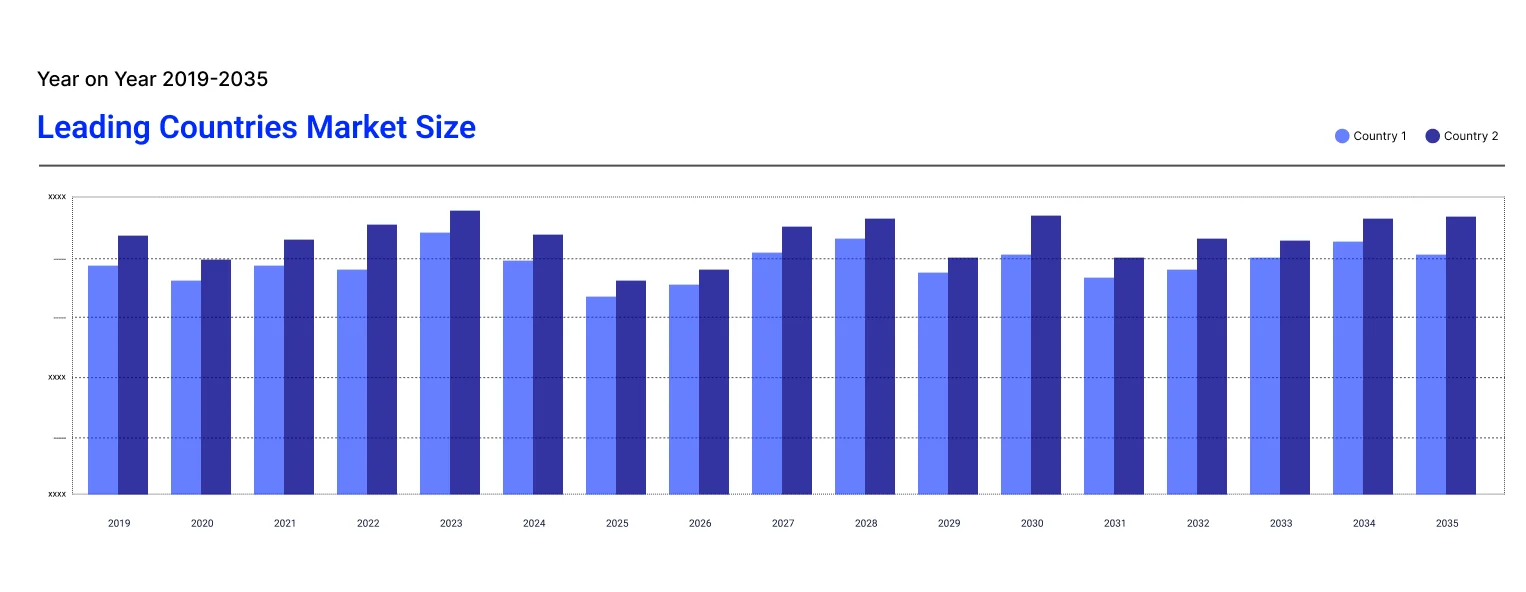
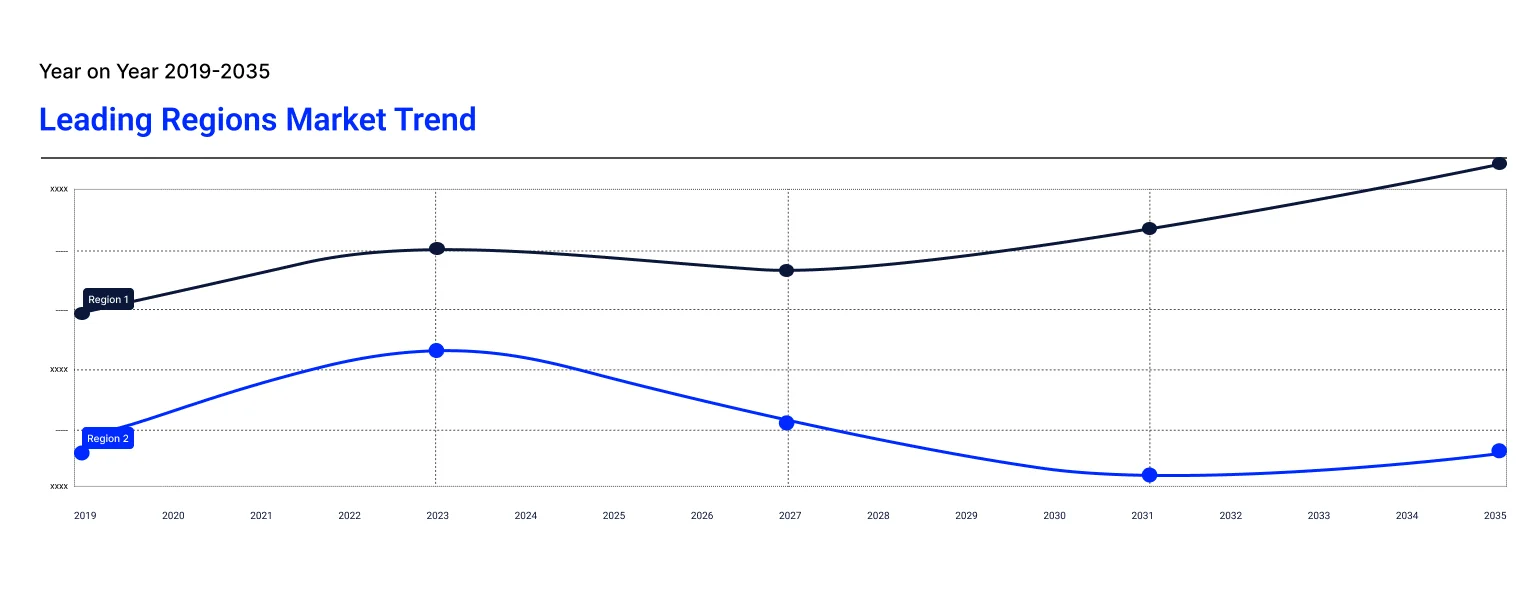
North America registers the largest share of the market revenue due to early enterprise digitization maturity
The business software and services market in North America retains its dominance due to early enterprise digitization. Organizations adopt software proactively. Vendor ecosystems in this region are comparatively mature. Buyers expect innovation and service depth, while vendors test advanced offerings here. Enterprises increasingly favor platform consolidation, while regulatory clarity enables long-term planning, positioning North America as the benchmark for early adoption.
The Asia Pacific business software and services market is growing rapidly due to enterprise expansion. Organizations digitize to scale operations. Vendors localize offerings, while buyers seek efficiency. Software supports regional expansion, while enterprises modernize legacy systems. Growth in this market reflects economic development. In October 2025, Cognizant announced the launch of two transformative “as-a-service” offerings designed to empower small and medium businesses (SMBs) across the Asia-Pacific (APAC) region, including Australia, New Zealand, and India.
Leading business software and service companies are focusing on controlling end-to-end processes related to finance, operations, and compliance. AI embedded in software, low-code development, and vertical logic are becoming key differentiators. Companies are focusing on native interoperability to minimize dependence on third-party software among clients. Security architecture is also being targeted, particularly in the public and regulated sectors.
Business software and services market players offering software and services together are locking in longer-term contracts and penetrating deeper into accounts. Mid-sized market players are finding opportunities by targeting unpenetrated verticals with faster deployment options. Top market players are using ecosystems and marketplaces to enhance functionality without expanding core platforms. The key to differentiation is shifting from user growth to accountability, flexibility, and operational performance.
Acumatica, founded in 2008 with headquarters in Bellevue, Washington, United States, concentrates on cloud ERP solutions for mid-sized companies. The firm is known for flexible licensing and industry versions. The company’s product offering includes support for the construction, manufacturing, and distribution industries. Acumatica appeals to customers who want customization without significant IT investment. The firm is dedicated to open APIs and partner-driven enhancements.
Microsoft, founded in 1975 with headquarters in the United States, addresses the market with Dynamics, Azure, and Copilot product lines. The firm is known for AI integration within enterprise processes. The company’s competitive advantage is its ecosystem size and cloud infrastructure. Microsoft appeals to enterprises who want integrated productivity and business solutions. The firm is dedicated to data management and platform portability.
Epicor, established in 1972 and headquartered in Austin, Texas, United States, specializes in industry-focused ERP solutions. The company serves manufacturing, retail, and distribution sectors. Epicor emphasizes deep operational workflows over broad horizontal coverage. Its products are designed for asset-heavy businesses. The firm focuses on cloud modernization while retaining strong on-premise support. Epicor’s approach suits organizations seeking industry relevance with controlled transformation rather than aggressive platform changes.
Oracle, founded in 1977 and headquartered in Texas, United States, addresses the market through enterprise applications and cloud infrastructure. The company targets large organizations with complex compliance needs. Oracle emphasizes integrated cloud regions and autonomous systems. Its strength lies in data management and security. Oracle caters to government, BFSI, and global enterprises.
*Please note that this is only a partial list; the complete list of key players is available in the full report. Additionally, the list of key players can be customized to better suit your needs.*
Other key players in the market include Deltek, Inc., NetSuite Inc., SYSPRO, International Business Machines Corporation, and Totvs SA, among others.
Unlock the latest insights with our business software and services market trends 2026 report. Discover regional growth patterns, consumer preferences, and key industry players. Stay ahead of competition with trusted data and expert analysis. Download your free sample report today and drive informed decisions in the market.


Upto 15% Off
USD
$3999 $3599
$2499 $2249
$4999 $4249
$5999 $5099


*While we strive to always give you current and accurate information, the numbers depicted on the website are indicative and may differ from the actual numbers in the main report. At Expert Market Research, we aim to bring you the latest insights and trends in the market. Using our analyses and forecasts, stakeholders can understand the market dynamics, navigate challenges, and capitalize on opportunities to make data-driven strategic decisions.*
In 2025, the market reached an approximate value of USD 515.36 Billion.
The market is projected to grow at a CAGR of 10.00% between 2026 and 2035.
Stakeholders are prioritizing workflow ownership, expanding managed services, embedding AI into core operations, aligning products with regulation-heavy industries, and strengthening partner ecosystems to sustain long-term enterprise relationships.
The key trends guiding the growth of the market include the increased usage of automation and the surging demand for high-speed data networks.
The major regions in the market are North America, Latin America, the Middle East and Africa, Europe, and the Asia Pacific.
Finance, sales and marketing, human resource, and supply chain, among others, are the different software in the market.
Consulting, managed services, and support and maintenance are some of the services in the market.
The leading deployment modes of business software and services are cloud and on-premise.
The various end uses of business software and services are aerospace and defence, banking, finance services and insurance, government, healthcare, IT and telecom, manufacturing, retail, and transportation, among others.
The key players in the market include Acumatica, Inc., Microsoft Corporation, Epicor Software Corporation, Oracle Corporation, Deltek, Inc., NetSuite Inc., SYSPRO, International Business Machines Corporation, and Totvs SA, among others.
Enterprises face integration complexity, rising compliance pressure, skills shortages, long deployment cycles, and growing dependence on vendors for ongoing system performance and security accountability.
Explore our key highlights of the report and gain a concise overview of key findings, trends, and actionable insights that will empower your strategic decisions.
| REPORT FEATURES | DETAILS |
| Base Year | 2025 |
| Historical Period | 2019-2025 |
| Forecast Period | 2026-2035 |
| Scope of the Report |
Historical and Forecast Trends, Industry Drivers and Constraints, Historical and Forecast Market Analysis by Segment:
|
| Breakup by Software |
|
| Breakup by Services |
|
| Breakup by Deployment |
|
| Breakup by Size |
|
| Breakup by End Use |
|
| Breakup by Region |
|
| Market Dynamics |
|
| Competitive Landscape |
|
| Companies Covered |
|
| Report Price and Purchase Option | Explore our purchase options that are best suited to your resources and industry needs. |
| Delivery Format | Delivered as an attached PDF and Excel through email, with an option of receiving an editable PPT, according to the purchase option. |
Single User License
One User
USD 3,999
USD 3,599
tax inclusive*
Datasheet
One User
USD 2,499
USD 2,249
tax inclusive*
Five User License
Five User
USD 4,999
USD 4,249
tax inclusive*
Corporate License
Unlimited Users
USD 5,999
USD 5,099
tax inclusive*
*Please note that the prices mentioned below are starting prices for each bundle type. Kindly contact our team for further details.*
Flash Bundle
Small Business Bundle
Growth Bundle
Enterprise Bundle
*Please note that the prices mentioned below are starting prices for each bundle type. Kindly contact our team for further details.*
Flash Bundle
Number of Reports: 3
20%
tax inclusive*
Small Business Bundle
Number of Reports: 5
25%
tax inclusive*
Growth Bundle
Number of Reports: 8
30%
tax inclusive*
Enterprise Bundle
Number of Reports: 10
35%
tax inclusive*
How To Order

Select License Type
Choose the right license for your needs and access rights.

Click on ‘Buy Now’
Add the report to your cart with one click and proceed to register.

Select Mode of Payment
Choose a payment option for a secure checkout. You will be redirected accordingly.
Strategic Solutions for Informed Decision-Making
Gain insights to stay ahead and seize opportunities.

Get insights & trends for a competitive edge.

Track prices with detailed trend reports.

Analyse trade data for supply chain insights.

Leverage cost reports for smart savings

Enhance supply chain with partnerships.

Connect For More Information
Our expert team of analysts will offer full support and resolve any queries regarding the report, before and after the purchase.
Our expert team of analysts will offer full support and resolve any queries regarding the report, before and after the purchase.
We employ meticulous research methods, blending advanced analytics and expert insights to deliver accurate, actionable industry intelligence, staying ahead of competitors.
Our skilled analysts offer unparalleled competitive advantage with detailed insights on current and emerging markets, ensuring your strategic edge.
We offer an in-depth yet simplified presentation of industry insights and analysis to meet your specific requirements effectively.




