

Consumer Insights
Uncover trends and behaviors shaping consumer choices today
Procurement Insights
Optimize your sourcing strategy with key market data
Industry Stats
Stay ahead with the latest trends and market analysis.
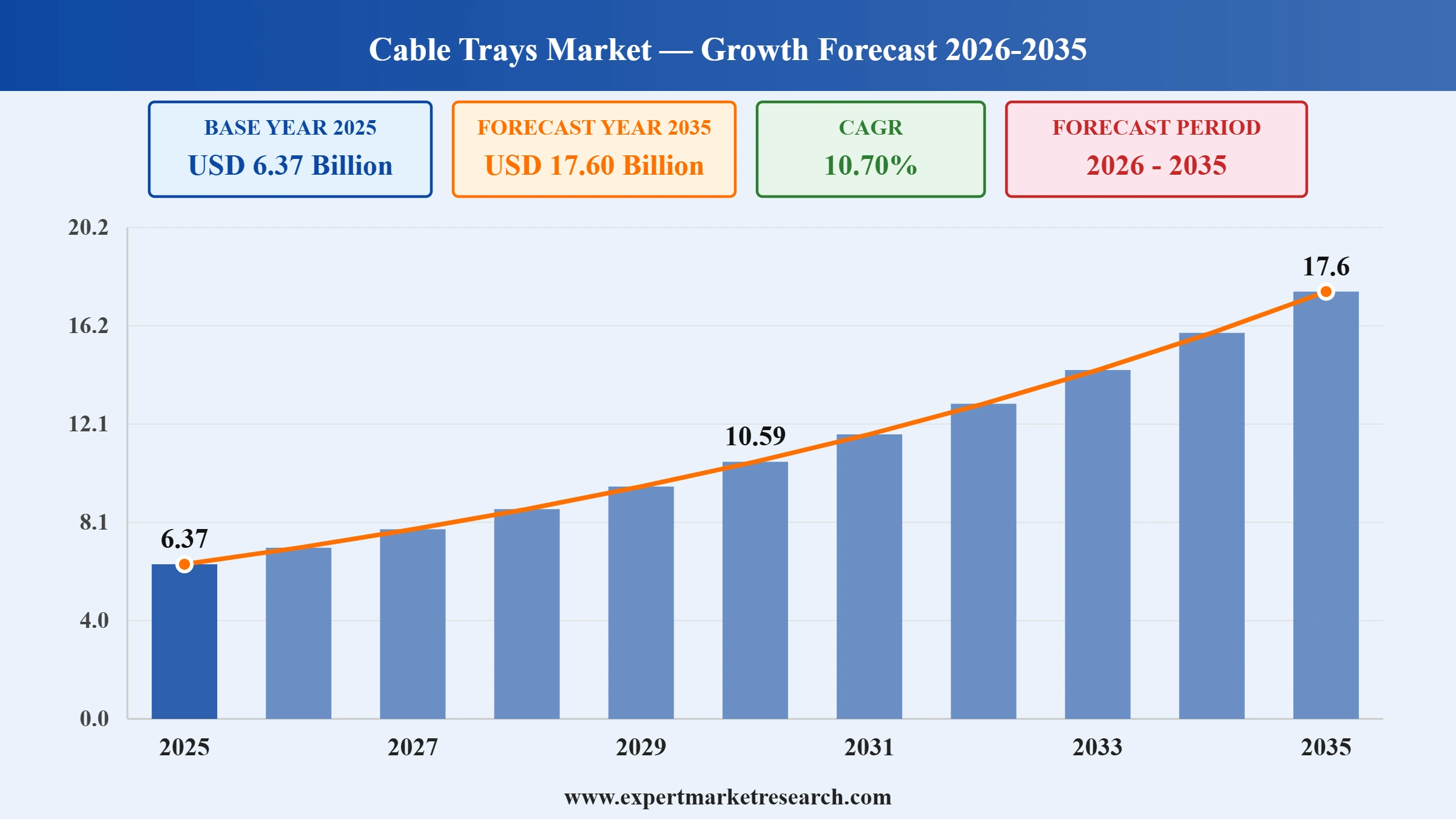
The global cable trays market was valued at USD 6.37 Billion in 2025. Robust industrial automation projects in Asia Pacific continue fuelling demand for durable, modular cable trays. In turn, the market is expected to grow at a CAGR of 10.70% during the forecast period of 2026-2035 to reach a value of USD 17.60 Billion by 2035.
Legrand announced in April an expansion of cable tray and cable management production capacity to serve booming European data center demand. The French supplier is investing in additional manufacturing lines and inventory positioning to support hyperscale and colocation projects across Germany, Ireland, and the Nordics. Specifiers continue to favor pre engineered cable management systems for faster project delivery, Le Monde reported.
India's National Infrastructure Pipeline continued to drive cable tray demand higher in March, with sustained capital expenditure across power, metro rail, and industrial corridor projects. Domestic suppliers including Indiana Gratings, Profab Engineers, and Salzer Electronics are scaling galvanized and FRP cable tray output. Government infrastructure spending remains the principal demand engine for the Indian cable management equipment segment, The Hindu reported.
One of the key driving factors motivating the market is the rising complexity in industrial power and communication infrastructure, particularly across data centres and renewable energy facilities. With data centre electricity use set to more than double by 2030, according to the IEA, the need for effective cable routing systems has become pivotal. Cable trays are gaining traction as a standard choice for structured wiring, owing to their flexibility in accommodating power, control, and communication cables simultaneously.
Several government initiatives have further boosted demand in the cable trays market. For example, with 138 data centres in operation and 45 more on the way, India has witnessing massive demand for scalable electrical infrastructure, where modular cable tray systems are proving indispensable. Likewise, in the European Union, funding under the Digital Europe Programme has driven smart factory upgrades, with companies increasingly opting for wire mesh and ladder-type trays due to their accessibility and heat dissipation advantages.
Even in traditional sectors such as oil and gas, operators are shifting to stainless steel and galvanised tray systems to cope with harsh environments and safety compliance. Moreover, smart tray monitoring systems equipped with sensors for load and thermal analysis are being adopted in offshore rigs and large-scale facilities, indicating the cable trays market’s shift toward intelligent hardware integration. This shift underlines how the industry is moving beyond static metal fixtures into high-performance, tech-enhanced cable management solutions. Manufacturers who innovate around ease of installation, safety, and adaptability are expected to remain competitive over the coming years.
Read more about this report - REQUEST FREE SAMPLE COPY IN PDF
Niedax Group, a top global provider of cable management systems, and ABB, a leader in automation and electrification, have agreed to establish a new 50/50 joint venture. Customary closing requirements apply to the transaction. This signals intensified focus on integrated, scalable cable management and electrification solutions for industrial and infrastructure-scale deployments.
Hermi introduced Hermi Fast Klick® Cable Trays, the newest product in its lineup. The Magnelis® version is currently available. This improvement gives the well-known Hermi Fast Klick® series a new level of robustness, resistance to corrosion, and simplicity of installation. This cable trays market development highlights innovation in corrosion-resistant, tool-free installation systems tailored for harsh industrial and coastal applications.
Igus has created the first motor cable for energy chains and cable trays in history, both of which have UL approval and a four-year functional guarantee. This eliminates the need for a plug connection between the energy chain and the cable tray, enabling the cable to be placed smoothly. The chainflex line now includes a shielded PVC motor cable thanks to the CF33.UL. This enhances compatibility between cable trays and energy chains, reducing installation complexity and improving safety in automated facilities.
The Wire Basket Cable Tray Routing System, a next-generation cable management solution from Panduit, a global leader in network and electrical infrastructure solutions, has been introduced. It is intended to be used in data centres, connected buildings, and industrial settings to route and manage copper, fibre optic, or power cables. This reflects growing demand for modular, high-density routing in smart buildings and data-driven environments like data centres.
As per the cable trays market analysis, with solar and wind energy accounting for nearly 12% of global electricity generation in 2023, renewable projects are demanding robust cable management systems. In offshore wind farms and solar plants, where long-distance cabling is inevitable, ladder-type and galvanised trays are becoming the industry norm. The European Commission's REPowerEU plan, which targets 42.5% renewable power by 2030, has accelerated deployments, especially in the Nordics. In Japan, post-Fukushima reforms now mandate resilient power evacuation systems, pushing firms to adopt corrosion-resistant stainless-steel trays for their solar farms.
As global internet traffic increases, the number of hyperscale data centres is rising fast, notably in North America, India, and Southeast Asia. In April 2024, Meta announced investment in a hyperscale facility in Chennai, India, where advanced cable trays with better airflow management are being deployed, accelerating the cable trays market opportunities. Tray systems in these environments are engineered to handle high-density cabling, thermal management, and rapid scaling. Vendors are responding with perforated trays for superior ventilation and intelligent add-ons like temperature and load sensors.
Smart cities are prioritising efficient utility grids and communication lines, especially across transport, surveillance, and emergency networks. Projects like Saudi Arabia’s NEOM and Singapore’s Smart Nation have integrated tray systems beneath roads and structures for discreet yet accessible cable management. In many cases, lightweight aluminium trays and channel systems are preferred due to reduced load bearing on infrastructure. Smart trays with RFID tagging and maintenance alerts are also being trialled, enabling predictive maintenance and fewer manual interventions. These cable trays market developments are transforming cable trays into active components in a city’s digital architecture.
Cable trays with modular assemblies and built-in fire resistance have become standard in such facilities. Fire-rated trough trays with thermally protected coatings are being installed in sectors like chemicals, where temperature fluctuations and corrosive agents pose operational risks. The United States National Fire Protection Association (NFPA) has also updated standards, encouraging wider adoption of fire-tested tray systems. With manufacturers focusing on rapid installation and safer maintenance access, modular tray kits are growing in popularity, especially across APAC.
Traditional galvanisation is being replaced or enhanced by hybrid coatings that resist both mechanical stress and chemical corrosion. For instance, Hot-Dip Galvanised (HDG) trays with zinc-aluminium alloys are gaining traction in marine and mining applications. Companies are launching nano-coating solution for trays used in semiconductor fabs to prevent particulate contamination, widening the cable trays market scope. This reflects a growing trend toward material science innovation within the cable tray market. Lightweight composites are also being explored for aerospace hangars and tunnels, where conventional materials fall short on electromagnetic shielding and weight optimisation.
The EMR’s report titled “Global Cable Trays Market Report and Forecast 2026-2035” offers a detailed analysis of the market based on the following segments:
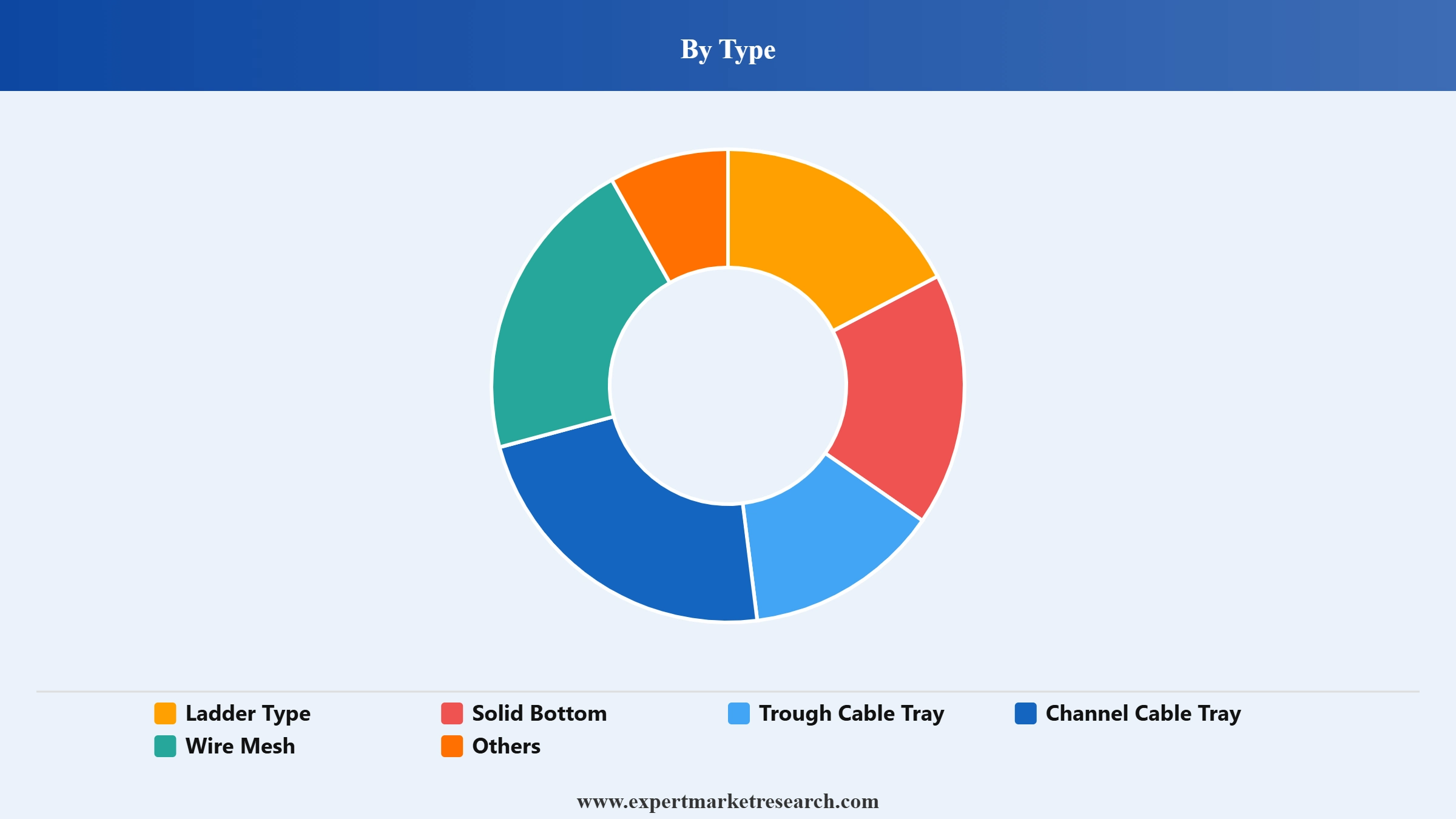
Market Breakup by Type
Key Insight: Ladder-type trays are dominating due to their structural strength and ventilation capabilities in high-load, high-heat environments. Wire mesh trays are rapidly scaling, particularly within tech-led infrastructure like hyperscale data hubs. Solid-bottom trays continue to serve in sensitive cabling scenarios where EMI protection is vital, such as defence and broadcast installations. Trough trays find use in clean aesthetics-driven environments, including healthcare and interior fit-outs.
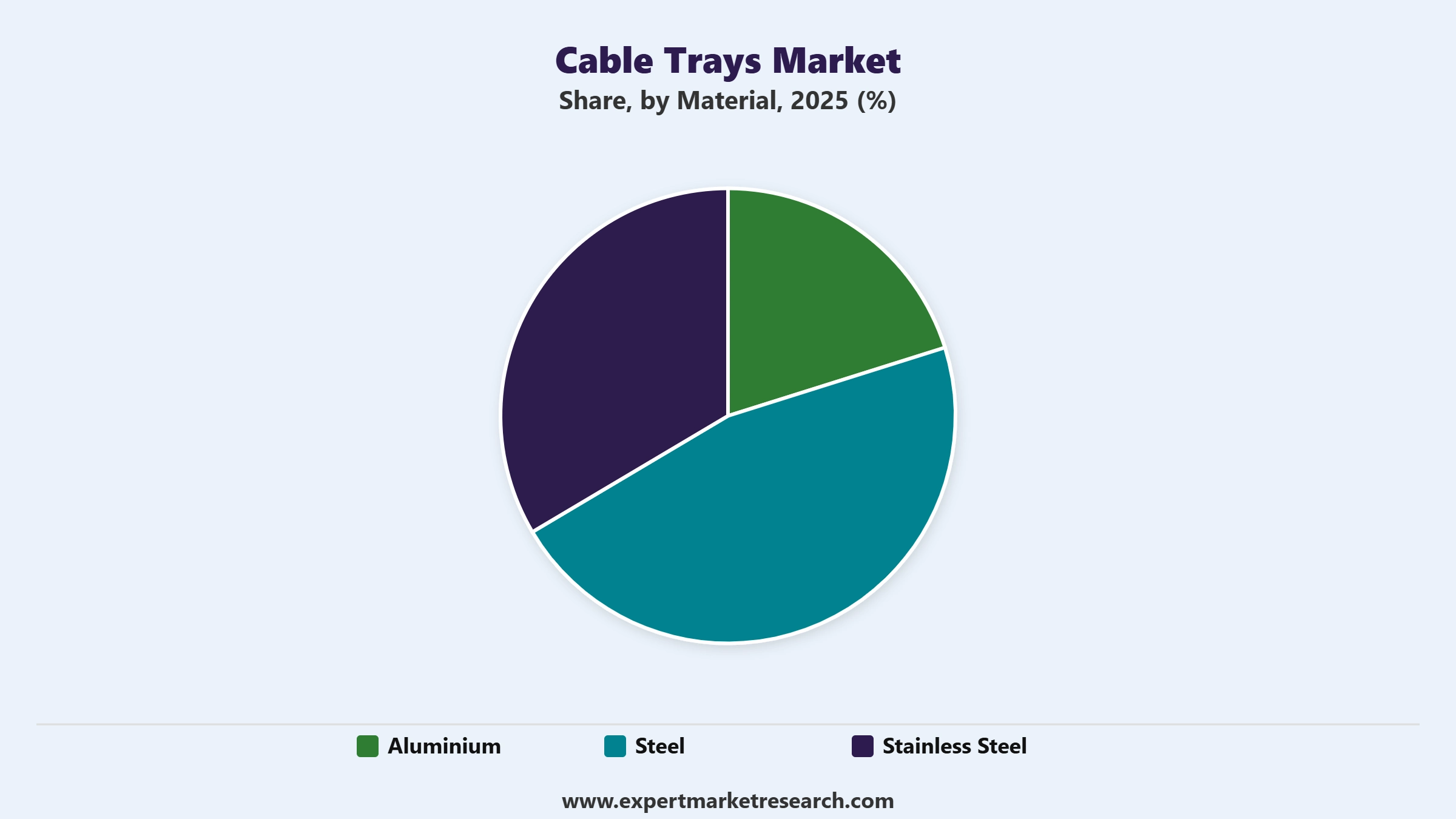
Market Breakup by Material
Key Insight: Aluminium trays hold the largest share, owing to their lightweight, corrosion-resistant profile, favoured in solar farms, ports, and green buildings. Stainless steel is growing fastest due to its performance in extreme settings like chemical plants and deep-sea rigs. Steel remains widely adopted in cost-sensitive, general-purpose industrial environments. Material selection across projects now aligns less with cost alone, and more with safety norms, environmental exposure, and lifecycle durability, pushing manufacturers to expand multi-material product portfolios targeting region-specific industrial demands.
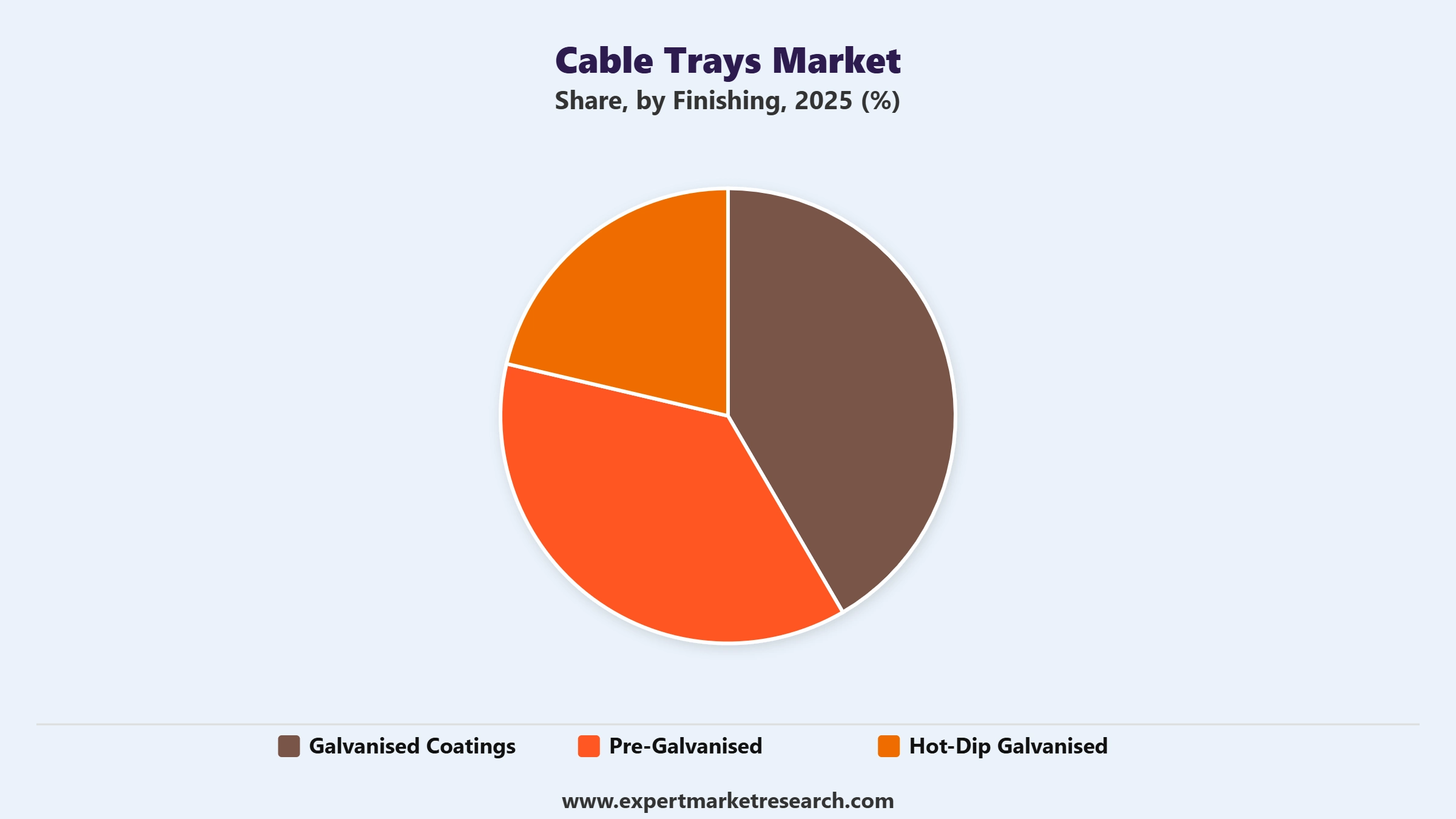
Market Breakup by Finishing
Key Insight: Hot-dip galvanised trays maintain their lead in the cable trays industry due to rugged coating thickness and weatherproofing, especially across rail, mining, and power grid projects. Pre-galvanised variants are gaining momentum in the fast-moving commercial and retrofit segments where aesthetics and lightweight design are key. Other finishes like powder-coated and hybrid layers are entering niche uses, ranging from cleanrooms to food processing zones, where additional hygiene, abrasion resistance, or colour-coding are project requirements. Decision-makers are increasingly treating finish as a functional enabler rather than a visual choice.
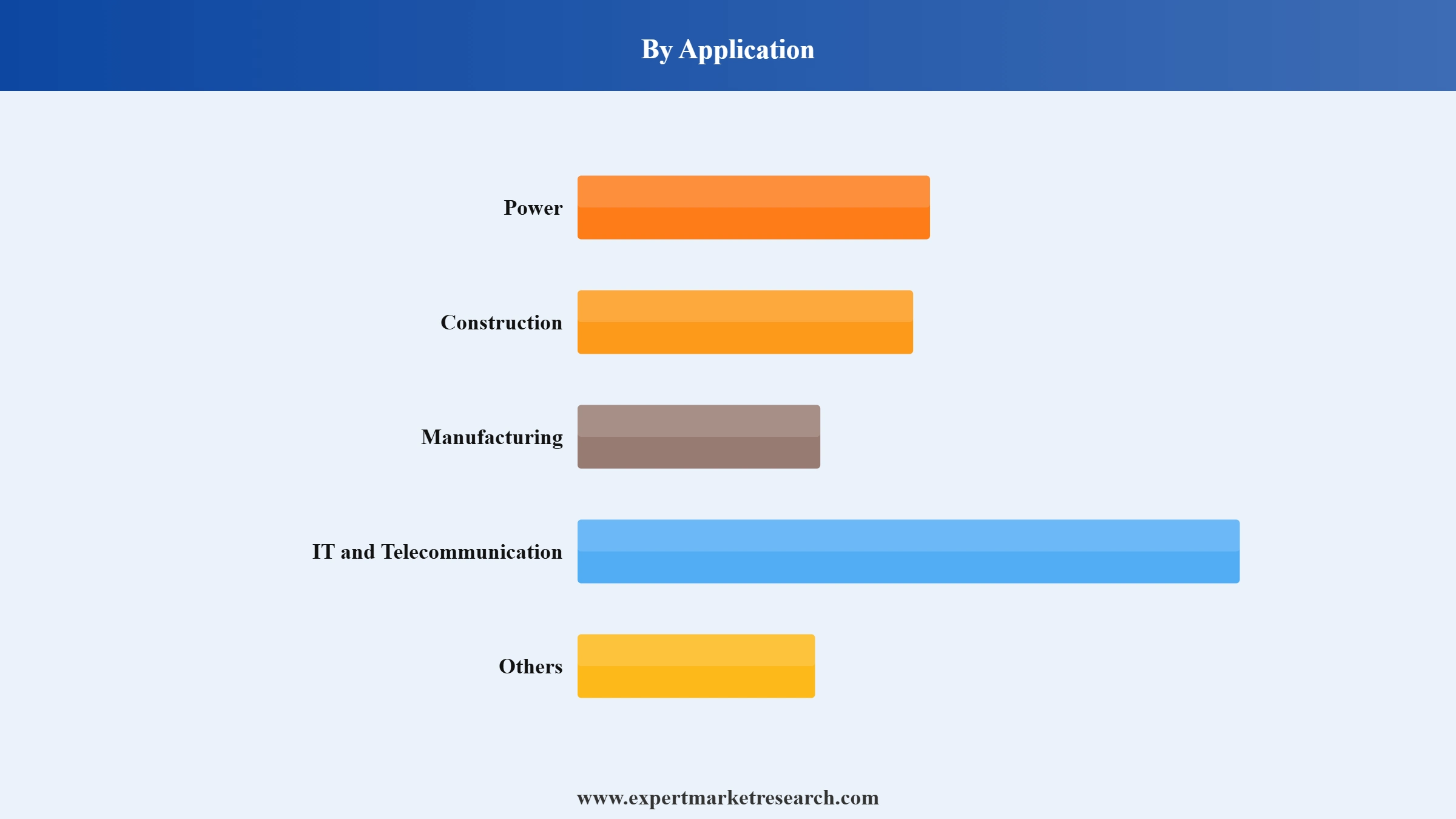
Market Breakup by Application
Key Insight: Power generation and transmission continue to lead in the cable trays market dynamics due to increasing electrification, grid redundancy efforts, and renewable rollouts. IT and telecom is the fastest growing, with investments in cloud infrastructure, 5G, and server architecture fuelling demand for thermally efficient, modular tray systems. Manufacturing, construction, and emerging segments like transportation and logistics are diversifying demand, requiring trays that balance fire resistance, easy install, and retrofitting flexibility. Applications now demand both load performance and integration with evolving digital and operational architectures.
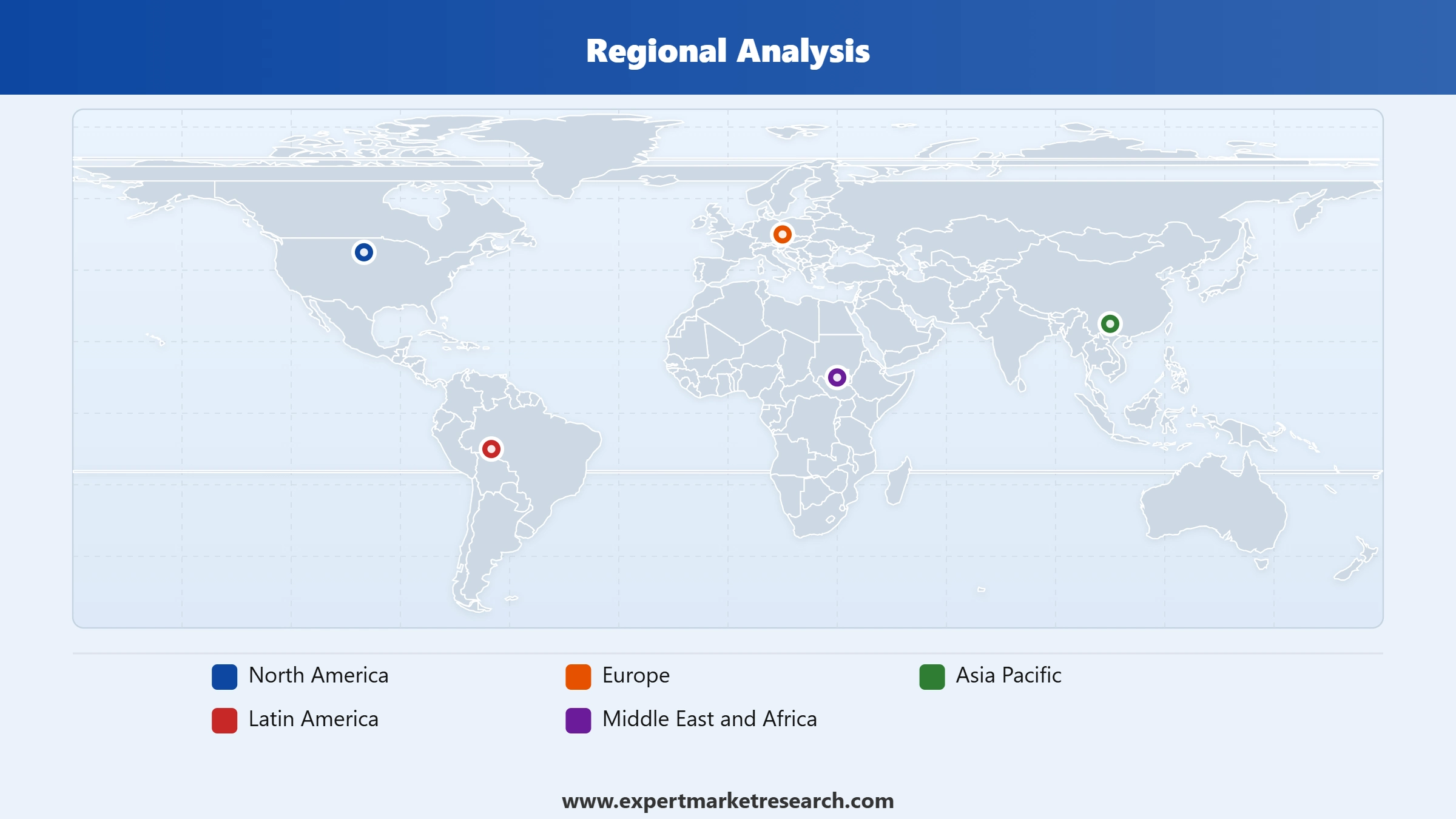
Market Breakup by Region
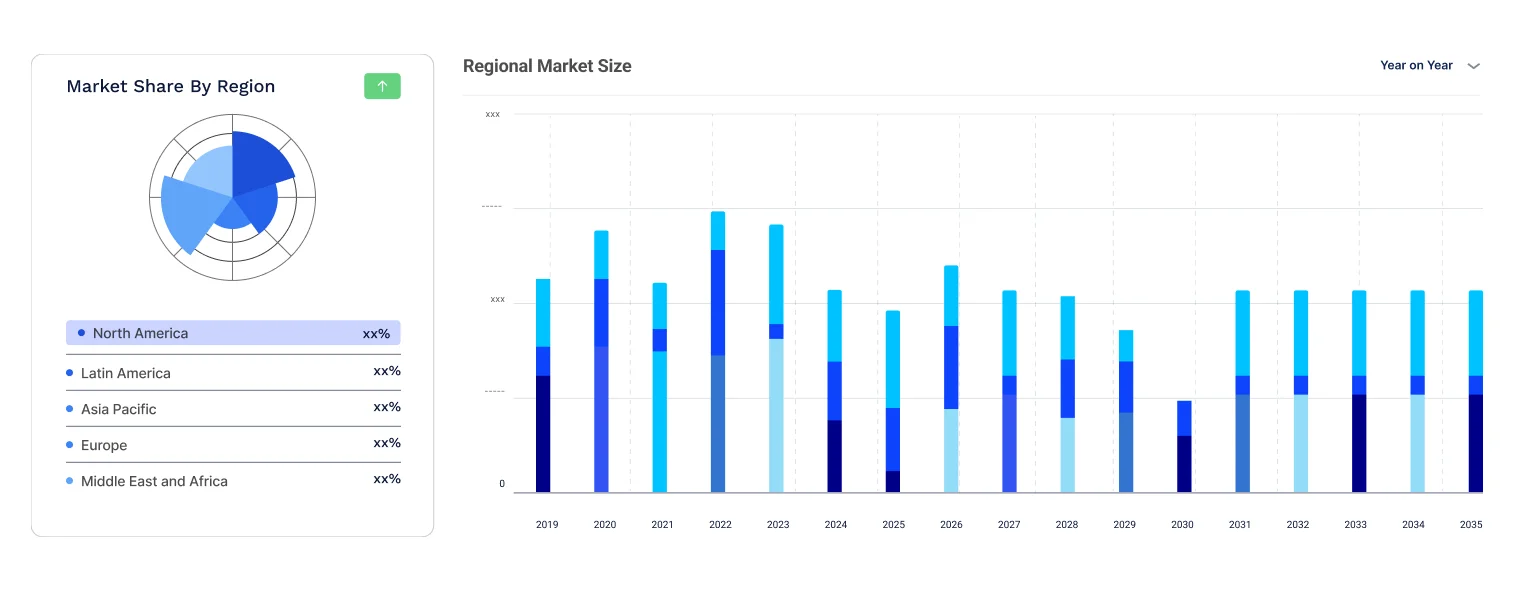
Key Insight: Asia Pacific dominates the global market, fuelled by urbanisation, industrial corridors, and expanding utility grids. The Middle East and Africa show the fastest growth, backed by large-format smart city and energy diversification projects. Europe maintains solid share due to manufacturing modernisation and ESG-driven construction. North America continues strong on data centre and smart grid upgrades. Latin America contributes steadily, with infrastructure renewal and telecom expansions shaping adoption.

Read more about this report - REQUEST FREE SAMPLE COPY IN PDF
By Type, Ladder Type Tray Register the Largest Share of the Market due to High Ventilation Capacity
Ladder-type trays remain the most preferred type due to their high load-bearing capacity and superior ventilation for power cables. Ideal for industrial and utility-scale installations, these trays offer rapid heat dissipation, critical in data centres and renewable energy plants. In offshore wind projects, especially across Northern Europe, ladder trays are being paired with corrosion-resistant coatings to withstand extreme weather. Their easy configurability for vertical and horizontal runs is making them a go-to choice for electrical contractors managing complex layouts.
Read more about this report - REQUEST FREE SAMPLE COPY IN PDF
Wire mesh trays are fast gaining expanding shares in the cable trays market revenue, particularly across IT and telecom sectors. Their lightweight construction and flexibility make them suitable for retrofit and underfloor installations. Their open architecture supports better airflow and simplifies re-routing during infrastructure upgrades. As green buildings grow in popularity, architects are favouring wire mesh trays for their clean aesthetics and recyclable material base, positioning this segment for significant near-term growth.
By Material, Aluminium Trays Secure the Largest Share owing to Lightweight and Anti-Corrosion Features
Aluminium trays dominate the cable trays industry for their corrosion resistance and lightweight build. Used widely across commercial construction, solar farms, and marine applications, these trays reduce structural load while maintaining durability. Their recyclability also aligns well with green building mandates, especially under the LEED and BREEAM frameworks. Countries like Australia and Canada are increasingly shifting towards aluminium systems for their above-ground utility projects.
Read more about this report - REQUEST FREE SAMPLE COPY IN PDF
Stainless steel trays are recording rapid growth in the cable trays market, especially across petrochemical, mining, and offshore platforms. These trays offer superior mechanical strength and resistance to both corrosion and fire, making them indispensable for safety-critical installations. As inspection standards tighten, stainless steel trays are being bundled with anti-theft and smart monitoring features, ensuring longevity and compliance across high-risk sectors. This shift is strengthening the segment’s position as a future-facing solution for hostile environments.
By Finishing, Hot-Dip Galvanised Coatings Clock in the Dominant Share Due to Superior Outdoor Resistance
Hot-dip galvanised trays are most favoured finishing category in outdoor and exposed applications. With thicker zinc coating offering long-term protection against rust, these trays dominate infrastructure and utility projects. In the United Kingdom’s Crossrail project, HDG trays were deployed in ventilation shafts and tunnels to meet longevity standards. Their reliability under fluctuating temperature and moisture conditions makes them essential in renewable energy and utility-grade transmission systems. These trays are also compliant with IEC and ASTM standards, assuring buyers of high quality and performance across critical infrastructure builds.
Read more about this report - REQUEST FREE SAMPLE COPY IN PDF
Pre-galvanised trays are emerging as the fastest-growing finishing type boosting demand in the cable trays market, largely due to their cost advantage and clean aesthetic appeal. Commonly used in commercial buildings, retail infrastructure, and low-humidity zones, they balance corrosion resistance with ease of fabrication. With fast-paced urban development in markets like Southeast Asia and Latin America, demand for pre-galvanised trays has surged in indoor cable distribution applications.
By Application, the Power Sector Dominates the Market Due to Grid Expansion Demands
The power sector accounts for the largest share in the global cable trays market, driven by the urgent need to expand, modernise, and secure energy transmission networks. Cable trays in this segment offer robust routing for high-voltage and low-voltage lines, ensuring uninterrupted power flow. Governments worldwide are investing in grid digitalisation and transmission redundancy, prompting large-scale adoption of heavy-duty trays, especially in substations and wind farms.
Read more about this report - REQUEST FREE SAMPLE COPY IN PDF
The IT and telecom sector is seeing rapid adoption of cable trays due to booming data centre construction, 5G rollout, and smart infrastructure expansion. Wire mesh and perforated trays are ideal for these high-density setups, offering efficient cable airflow and easy maintenance. Modular tray systems that allow for quick re-routing and scalability are also gaining favour in this sector. In modern server farms and telecom exchanges, trays now often come with smart load indicators and RFID-based monitoring systems.
Asia Pacific Secure the Largest Market Share Due to Industrialisation and Infrastructure Boom
Asia Pacific dominates the cable trays market, primarily due to aggressive investments in infrastructure, energy, and manufacturing. Countries like India, China, and Indonesia are rapidly deploying industrial parks, metro rail networks, and smart grid systems. These developments require complex electrical installations, where cost-effective and corrosion-resistant trays are critical. Governments in the region are pushing domestic manufacturing and renewable energy integration.
Read more about this report - REQUEST FREE SAMPLE COPY IN PDF
The Middle East and Africa cable trays market boasts significant growth due to mega infrastructure projects such as NEOM, Lusail City, and the UAE's clean energy agenda. In such large-scale developments, cable trays are integral to both electrical and fibre optic routing. With a harsh desert environment, stainless steel and HDG trays with enhanced coatings are being widely adopted. Meanwhile, African economies are upgrading utility infrastructure and telecom sectors, creating fresh demand. Smart city ambitions, paired with rising foreign investments in industrial estates, are propelling the market forward with a focus on reliability and scalability.
Key cable trays market players are focusing on innovation, durability, and smart integrations. A growing number of players are offering trays with built-in sensors, corrosion-resistant coatings, and tool-free installations to reduce labour time and improve lifecycle value. Opportunities lie in smart city projects, modular infrastructure, and renewable energy installations, sectors where tray requirements are evolving from static metal supports to intelligent cable routing systems.
Most of the cable trays companies are also entering strategic partnerships with EPC contractors and data centre builders to tailor offerings. Environmental compliance, recyclability, and lightweight designs are key areas of product differentiation. Companies that are integrating IoT-based diagnostics, offering cloud-connected tray monitoring, or introducing hybrid material blends stand to gain significant traction. With safety norms and installation costs under scrutiny, innovations that ensure long-term performance while cutting time on-site are winning attention. Market leaders are also exploring emerging markets in Southeast Asia and Sub-Saharan Africa for volume growth.
Established 1836, headquartered in Rueil-Malmaison, France, Schneider Electric offers intelligent cable tray solutions through its Universal Enclosures division. Known for modularity and smart integration, its cable trays are used in energy-efficient data centres and industrial automation setups. The firm focuses on digital twin compatibility and quick-fit tray systems that reduce installation effort, supporting the cable trays market growth.
Hubbell Incorporated, founded in 1888, headquartered in Shelton, Connecticut, United States, serves power and industrial customers with a robust range of cable trays under its Hubbell Wiring Device-Kellems line. Its latest innovation includes prefabricated tray supports designed for seismic compliance. The company also offers hot-dip galvanised trays with patented impact-resistant designs for oil and gas facilities.
Found in 1865, Legrand is renowned for aesthetic and smart cable management systems, catering primarily to the IT, telecom, and commercial building sectors. Through its Cablofil brand, it pioneered wire mesh tray designs now widely used in data centres. Its trays come with snap-in accessories and integrated partitioning for efficient cable segregation.
Headquartered in Ireland and founded in 1911, Eaton offers an extensive line of cable trays through its B-Line series, focusing on heavy-duty and seismic-rated applications. Its latest launches include tool-less ladder trays and snap-on fittings that significantly reduce field labour. Eaton is also incorporating AR/VR tools for tray design and layout planning.
*Please note that this is only a partial list; the complete list of key players is available in the full report. Additionally, the list of key players can be customized to better suit your needs.*
Other key players in the market include Basor Electric Ltd, and Chalfant Manufacturing Co., among others.
Explore the latest trends shaping the global cable trays market 2026-2035 with our in-depth report. Gain strategic insights, future forecasts, and key market developments that can help you stay competitive. Download a free sample report or contact our team for customised consultation on cable trays market trends 2026.


Upto 15% Off
USD
$2499 $2249
$3999 $3599
$4999 $4249
$5999 $5099


*While we strive to always give you current and accurate information, the numbers depicted on the website are indicative and may differ from the actual numbers in the main report. At Expert Market Research, we aim to bring you the latest insights and trends in the market. Using our analyses and forecasts, stakeholders can understand the market dynamics, navigate challenges, and capitalize on opportunities to make data-driven strategic decisions.*
The market is projected to grow at a CAGR of 10.70% between 2026 and 2035.
Prioritising modular product development, investing in tray smart tech, expanding distributor networks in emerging regions, aligning with renewable trends, and offering installation-friendly designs are driving stakeholder competitiveness in global markets.
The key trends guiding the growth of the market include easy installation of cable trays, resistance to corrosion, and the ability to adapt to complex structures.
The major regions in the market are North America, Latin America, the Middle East and Africa, Europe, and the Asia Pacific.
The significant applications of cable trays in the market are power, construction, manufacturing, and IT and telecommunication, among others.
The various finishings for cable trays in the market are galvanised coatings, pre-galvanised, and hot-dip galvanised.
The types of cable trays in the market are ladder type, solid bottom, trough cable tray, channel cable tray, and wire mesh, among others.
Materials used in cable trays are aluminium, steel, and stainless steel.
A cable tray is a mechanical support system that is used in the electrical wiring of buildings and supports insulted electric cables used for power control, communication, and distribution.
The major players in the global cable trays market are Schneider Electric, Hubbell Incorporated, Legrand SA, Eaton Corporation plc, Basor Electric Ltd, and Chalfant Manufacturing Co., among others.
In 2025, the cable trays market reached an approximate value of USD 6.37 Billion.
High material costs, labour shortages, and compliance with evolving fire and safety standards pose challenges. Complex customisation demands from modern infrastructure projects further stress manufacturing and delivery timelines.
Explore our key highlights of the report and gain a concise overview of key findings, trends, and actionable insights that will empower your strategic decisions.
| REPORT FEATURES | DETAILS |
| Base Year | 2025 |
| Historical Period | 2019-2025 |
| Forecast Period | 2026-2035 |
| Scope of the Report |
Historical and Forecast Trends, Industry Drivers and Constraints, Historical and Forecast Market Analysis by Segment:
|
| Breakup by Type |
|
| Breakup by Material |
|
| Breakup by Finishing |
|
| Breakup by Application |
|
| Breakup by Region |
|
| Market Dynamics |
|
| Competitive Landscape |
|
| Companies Covered |
|
| Report Price and Purchase Option | Explore our purchase options that are best suited to your resources and industry needs. |
| Delivery Format | Delivered as a n attached PDF and Excel through email, with an option of receiving an editable PPT, according to the purchase option. |
Datasheet
One User
USD 2,499
USD 2,249
tax inclusive*
Single User License
One User
USD 3,999
USD 3,599
tax inclusive*
Five User License
Five User
USD 4,999
USD 4,249
tax inclusive*
Corporate License
Unlimited Users
USD 5,999
USD 5,099
tax inclusive*
*Please note that the prices mentioned below are starting prices for each bundle type. Kindly contact our team for further details.*
Flash Bundle
Small Business Bundle
Growth Bundle
Enterprise Bundle
*Please note that the prices mentioned below are starting prices for each bundle type. Kindly contact our team for further details.*
Flash Bundle
Number of Reports: 3
20%
tax inclusive*
Small Business Bundle
Number of Reports: 5
25%
tax inclusive*
Growth Bundle
Number of Reports: 8
30%
tax inclusive*
Enterprise Bundle
Number of Reports: 10
35%
tax inclusive*
How To Order

Select License Type
Choose the right license for your needs and access rights.

Click on ‘Buy Now’
Add the report to your cart with one click and proceed to register.

Select Mode of Payment
Choose a payment option for a secure checkout. You will be redirected accordingly.
Strategic Solutions for Informed Decision-Making
Gain insights to stay ahead and seize opportunities.

Get insights & trends for a competitive edge.

Track prices with detailed trend reports.

Analyse trade data for supply chain insights.

Leverage cost reports for smart savings

Enhance supply chain with partnerships.

Connect For More Information
Our expert team of analysts will offer full support and resolve any queries regarding the report, before and after the purchase.
Our expert team of analysts will offer full support and resolve any queries regarding the report, before and after the purchase.
We employ meticulous research methods, blending advanced analytics and expert insights to deliver accurate, actionable industry intelligence, staying ahead of competitors.
Our skilled analysts offer unparalleled competitive advantage with detailed insights on current and emerging markets, ensuring your strategic edge.
We offer an in-depth yet simplified presentation of industry insights and analysis to meet your specific requirements effectively.




