

Consumer Insights
Uncover trends and behaviors shaping consumer choices today
Procurement Insights
Optimize your sourcing strategy with key market data
Industry Stats
Stay ahead with the latest trends and market analysis.

The global cargo shipping market attained a volume of 12.93 Billion Tons in 2025, has seen a notable expansion, fuelled by expanding trade, infrastructure investments, and supply chain diversification, enhancing efficiency and scalability The industry is expected to grow at a CAGR of 2.60% during the forecast period of 2026-2035, to reach 16.71 Billion Tons by 2035, driven by its role in supporting millions of jobs across shipping, logistics, port operations, and the manufacturing sector.
Base Year
Historical Period
Forecast Period
In 2024, global trade reached a record USD 33 trillion, marking a 3.7 per cent increase, or USD 1.2 trillion, from the previous year. This surge in trade has significantly impacted the cargo shipping market growth, driving a higher demand for shipping services. To keep pace with this growth, the industry is focusing on expanding fleet capacities, improving infrastructure, and enhancing operational efficiency to meet the rising volume of international trade.
In 2025, federal investments have nearly doubled annual funding for the Port Infrastructure Development Program to USD 450 million, enhancing U.S. ports' ability to address waterside and landside needs. This boost, as outlined in the 2025 American Infrastructure Report by the U.S. Department of Transportation’s Maritime Administration (MARAD), supports the cargo shipping market expansion by improving efficiency and capacity to handle rising trade volumes.
The growth in United States container imports will significantly boost the market by increasing demand for shipping services, enhancing port activities, and supporting global trade recovery. The increase from 2.14 million TEU in February 2025 to 2.38 million TEU in March 2025 highlights a positive upward trajectory, reflecting stronger supply chain performance and encouraging investments in shipping infrastructure for continued market expansion.
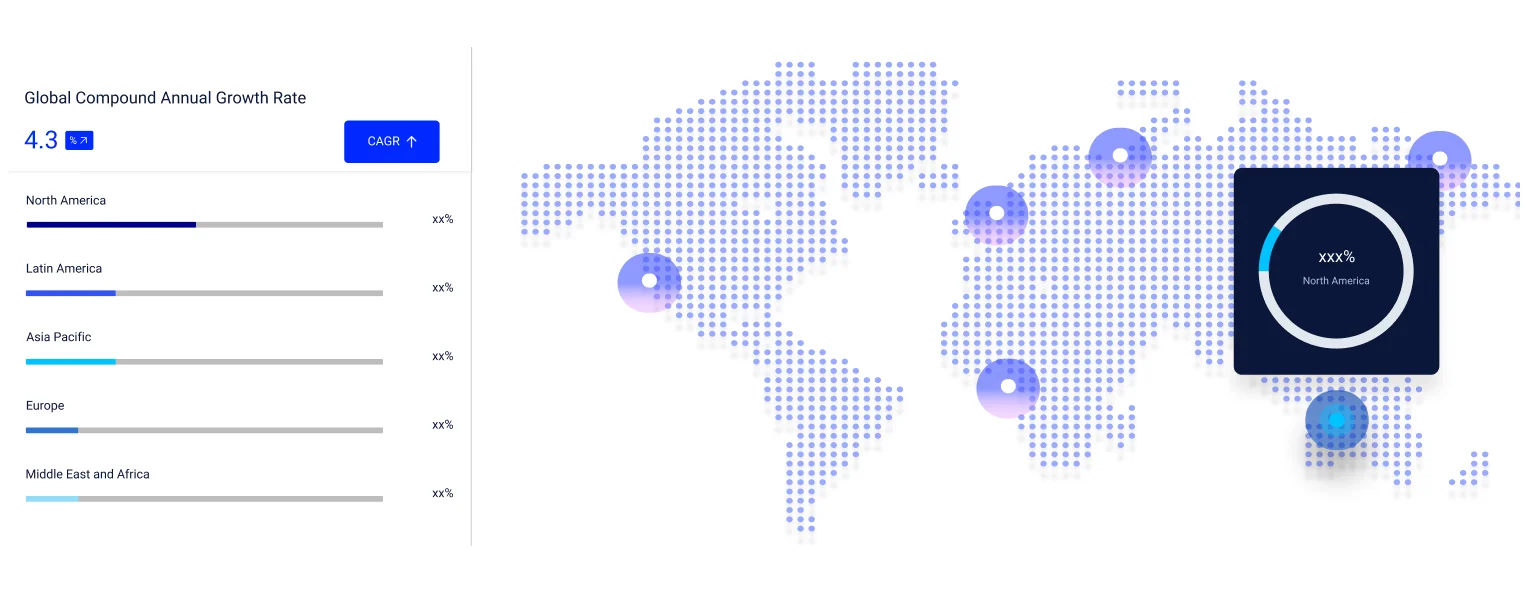
Compound Annual Growth Rate
2.6%
Value in Billion Tons
2026-2035
*this image is indicative*
|
Global Cargo Shipping Market Report Summary |
Description |
Value |
|
Base Year |
Billion Tons |
2025 |
|
Historical Period |
Billion Tons |
2019-2025 |
|
Forecast Period |
Billion Tons |
2026-2035 |
|
Market Size 2025 |
Billion Tons |
12.93 |
|
Market Size 2035 |
Billion Tons |
16.71 |
|
CAGR 2019-2025 |
Percentage |
XX% |
|
CAGR 2026-2035 |
Percentage |
2.60% |
|
CAGR 2026-2035- Market by Region |
Asia Pacific |
2.9% |
|
CAGR 2026-2035 - Market by Country |
India |
4.1% |
|
CAGR 2026-2035 - Market by Country |
China |
3.4% |
|
CAGR 2026-2035 - Market by Cargo Type |
General Cargo |
3.0% |
|
CAGR 2026-2035 - Market by End Use |
Food and Beverages |
3.3% |
|
Market Share by Country 2025 |
Australia |
2.1% |
The cargo shipping market value is poised for continued growth, driven by the expansion of world trade. WTO economists forecast steady merchandise trade volume growth in 2025 and 2026, aligning with global GDP growth, while commercial services trade is expected to increase even faster. In 2024, world merchandise exports grew by 2%, reaching USD 24.43 trillion, with China and the United States leading as the largest exporters and importers. Additionally, the value of world commercial services exports rose 9%, to USD 8.69 trillion. This growth in global trade, coupled with rising commercial services, is set to further boost the demand of the cargo shipping market in the future.
The cargo shipping industry outlook is shaped by robust commodity demand, supply chain recovery, and various global challenges. These include regulatory changes, fuel price fluctuations, and geopolitical tensions, all affecting capacity and freight efficiency, and expanding cargo shipping market growth. In 2023, global maritime trade grew by 2.4%, reaching 12.3 billion tons, which is projected to reach the annual growth of 2.4% by 2029. The sector is focused on managing risks, optimising supply chains, and addressing increasing demand, while also navigating geopolitical tensions and climate-related disruptions. These factors are shaping the industry’s future, highlighting the need for innovation and resilience in the face of ongoing and emerging global trade challenges.
The global cargo shipping market outlook is shaped by improvements in cargo safety, the adoption of green shipping solutions, enhanced connectivity through new routes, and technological advancements in container shipping.
Improvements in cargo safety minimises loss and damage, boosting reliability. They strengthen customer trust, encourage repeat business, and reduce insurance costs by demonstrating effective risk management. These advancements open opportunities in the cargo shipping market by ensuring compliance with international regulations, avoiding penalties, and improving operational standards. In March 2023, COSCO SHIPPING Lines partnered with top shipping firms in the Safetytech Accelerator initiative to address cargo fires, overboard losses, and enhance cargo control, fire detection, and safety on larger vessels.
Green shipping reduces carbon emissions, optimises fuel use, and aligns with environmental goals, influencing the cargo shipping market dynamics and trends. It improves a company’s reputation among eco-conscious consumers and investors, while helping meet regulatory requirements and avoiding fines, ensuring sustainable operations. In April 2024, Ocean Network Express (ONE) launched ONE LEAF+, a service aimed at reducing emissions through alternative fuels and providing verified emissions savings certificates, supporting decarbonisation goals and promoting a sustainable shipping industry.
New shipping routes expand global trade, reducing transit times and improving supply chain efficiency, impacting the cargo shipping market revenue. They ease congestion at key ports, enhancing shipping capacity, and offer cost-effective options by optimising route selection, benefiting both businesses and customers. Folk Marine Services Company launched the "India-Arabian Gulf Service" in October 2024, connecting Dammam and Umm Qasr to Indian ports like Nhava Sheva and Mundra. This service strengthens trade ties and supports Saudi Arabia’s Vision 2030 logistics goals.
Technological advancements in real-time tracking minimise delays and enhance container security, preventing theft, making it a key trend in the cargo shipping market. Automation and data analytics improve operational efficiency, reducing human error and labour costs, boosting profitability and safety. Meratus launched SMARCO in March 2023, a smart container solution featuring IoT sensors, GPS tracking, and cloud-based technology. This system provides real-time monitoring of factors like movement, temperature, and security. SMARCO enhances shipment visibility, reduces risks, and optimises supply chain performance, improving efficiency and security for customers.
The market is growing due to the rise of sustainable logistics and environmentally friendly shipping technologies. The use of green solutions, such as cleaner fuels and energy-efficient vessels, not only lowers environmental impact but also appeals to eco-conscious consumers and investors, further driving cargo shipping market expansion. The launch of Stream Shipping, a new inland shipping company in July 2024 by Amer Shipping and MSG eG, is a key development in this trend. Based in the Netherlands, Stream Shipping will operate vessels designed to reduce CO2 emissions, with new hull designs, propulsion systems, and alternative fuel considerations. This initiative enhances the market’s shift towards more efficient and environmentally responsible shipping practices. By aligning with trends like digitalisation and sustainability, Stream Shipping will contribute to growing market share in Europe’s inland cargo shipping sector.
The growth of the cargo shipping market presents significant opportunities, driven by increasing demand in key sectors like retail, textiles, and global trade. The need for faster, more efficient shipping services is growing, particularly in emerging markets. In this context, Maersk’s launch of the SH3 ocean service in July 2024 between China and Bangladesh offers a vital solution. This new service expands capacity and flexibility, offering multiple cargo loading options, and enhances supply chain efficiency. It benefits textile raw material exporters in China and garment manufacturers in Bangladesh, supporting the rapidly growing Ready-made Garment (RMG) industry and driving overall growth of the cargo shipping market.
“The EMR’s report titled “Global Cargo Shipping Market Report and Forecast 2026-2035” offers a detailed analysis of the market based on the following segments:
Breakup by Cargo Type
Breakup by Ship Type
Breakup by End Use
Breakup by Region
Market Analysis by Cargo Type
According to cargo shipping market analysis, the market is led by liquid cargo, due to increasing demand for raw materials and energy. Oil and chemicals remain crucial for the global energy supply. In November 2022, FESCO launched the FESCO Flexi service for bulk liquids in flexitank liners, enabling shipments by rail, sea, and intermodal methods to regions like East Asia, Turkey, and South America.
Dry cargo offers significant benefits in the cargo shipping market, including the transport of bulk commodities like coal, iron ore, and grains. It supports global trade, ensures efficient supply chain operations, and contributes to economic growth by meeting raw material demands. In 2024, global dry bulk flows are projected to reach 5.60 billion metric tons, up from 5.38 billion metric tons in 2023, reflecting strong demand for commodities like coal, iron ore, and grains.
Alongside this, the container and general cargo segment is expanding, with rising trade volumes and supply chain needs. Container cargo facilitates efficient, large-scale transportation of goods across global trade routes. With the rising demand for consumer goods and industrial products, containerised shipping provides unmatched flexibility, speed, and reliability, driving improvements in port activities, shipping services, and overall supply chain efficiency.
Market Analysis by Ship Type
As per the cargo shipping market report, the market is led by general cargo ships as they offer versatility by transporting various goods, including packaged items, machinery, and vehicles. They support global trade by efficiently moving different types of cargo, improving supply chain flexibility and meeting diverse shipping needs. In December 2024, Udupi Shipyard Ltd. launched the first of six 3,800 DWT cargo vessels for Wilson ASA, Norway. The eco-friendly vessel supports fuel efficiency, showcasing Udupi Shipyard's contribution to India's 'Make in India' initiatives.
Bulk carriers specialise in transporting large quantities of unpackaged bulk goods, such as coal, iron ore, and grain, boosting the growth of the cargo shipping market. They offer cost-effective shipping for high-volume materials, facilitating the global trade of essential raw materials for industries worldwide. According to UNCTAD 2023, the global fleet grew by 3.4%, reaching a total capacity of 2.4 billion tons.
Container ships are boosting the market by enabling the efficient, large-scale transport of goods across international routes. Their capacity to carry diverse cargo types in standardized containers enhances flexibility, accelerates trade, reduces costs, and strengthens global supply chains, driving significant market growth and expansion.
Market Analysis by End Use
The oil and gas sector is vital to the cargo shipping market, enabling large-scale transport of crude oil, LNG, and refined products. It supports global energy supply chains and ensures efficient delivery to meet industrial and consumer energy demands. In February 2025, Turkey launched the Neoliner Origin, the world’s longest wind-powered cargo ship. Built to cut emissions by up to 80%, it marked a major step towards sustainable maritime transport, combining wind propulsion with auxiliary engines for efficiency.
Pharmaceutical shipping ensures the timely and safe transport of temperature-sensitive and high-value medical products, impacting the cargo shipping market revenue. Specialised cargo services maintain product integrity, support global healthcare supply chains, and meet growing demand for medicines, vaccines, and healthcare goods across international markets. In the pharmaceuticals segment, IAG Cargo reported a 22% increase in shipments in 2024, with India and Ireland leading the growth. India’s pharmaceutical exports grew from USD 2.13 billion to USD 2.31 billion, while Ireland’s medical exports surged by 48%. To meet this demand, IAG Cargo expanded its Constant Climate network with new hubs in Cincinnati, Cape Town, and Strasbourg
As global consumption rises, the demand for timely and safe delivery of food products, including refrigerated containers, boosts shipping volumes, enhances logistics efficiency, and supports supply chain growth in the cargo shipping market, driving the food and beverage sector's need for efficient transportation of perishable goods.
|
CAGR 2026-2035- Market by |
Region |
|
Asia Pacific |
2.9% |
|
Latin America |
2.8% |
|
Middle East and Africa |
2.7% |
|
North America |
2.5% |
|
Europe |
2.4% |
North America Cargo Shipping Market Opportunities
The cargo shipping industry in North America is driven by several factors, including increasing trade volumes, front-loading of imports ahead of potential tariffs, and efforts to replenish inventories. These drivers have led to significant growth in the market. In Q4 2024, top seaports reported a 10% year-over-year increase in cargo volume, with a 13% rise for the full year. The ports of Los Angeles and Long Beach played a pivotal role, with a 23% year-over-year increase in container volume in Q4 2024. This surge was driven by strong trans-Pacific trade, inventory restocking, and improved supply chain efficiencies, reinforcing the overall growth of the cargo shipping market in North America.
Europe Cargo Shipping Market Trends
The Europe cargo shipping market is experiencing growth driven by rising trade volumes and increased vessel activity at key ports. In 2023, 2.2 million vessels entered the main EU ports, reflecting a 1.5% year-over-year increase. Greece recorded the highest number of vessel port calls at 477,115, followed by Italy with 449,131 and Denmark with 322,230. Other significant contributors included Croatia, Spain, and Germany, with 282,404, 177,667, and 115,531 port calls, respectively. The average size of vessels calling at these ports was estimated at 8,058 gross tonnage. This rise in vessel activity enhances the cargo shipping industry by improving port throughput, boosting supply chain efficiency, and strengthening the overall logistics infrastructure, facilitating smoother trade flows throughout Europe
Asia Pacific Cargo Shipping Market Drivers
The cargo shipping market in the Asia-Pacific is driven by the need for improved regional connectivity, rising trade volumes, and sustainable shipping practices. Arkas Line’s India Med Service (IMS) launched in February 2025, enhancing this market by connecting key Indian ports, including Mundra and Nhava Sheva, with the Mediterranean and Red Sea regions. Initially operating with four vessels, the service will expand to five by June 2025, providing weekly sailings. This boosts transit times and connectivity for Indian firms. Additionally, Arkas Line offers integrated logistics solutions and invests USD 240 million in fleet expansion, further strengthening the region's shipping infrastructure.
Latin America Cargo Shipping Market Analysis
The cargo shipping market development in Latin America is being significantly boosted by new shipping routes connecting Asia to Mexico. In May 2024, global carriers such as MSC, CMA CGM, and Cosco launched direct services to Mexico’s key ports, including Manzanillo, driven by increased container volumes and rising Chinese investments. Cosco’s TLP5 and CMA CGM's M2X – Mexico Express offer efficient connections with 15–20-day transit times. MSC’s loop shuttle service adds further frequency. The demand surge is fueled by nearshoring and geopolitical tensions, with Chinese investments in Mexico growing 11% in 2023, accelerating Cargo Shipping market growth across Latin America.
Middle East and Africa Cargo Shipping Market Factors
The cargo shipping demand growth in the Middle East and Africa is driven by increasing trade volumes, improved infrastructure, and the demand for efficient logistics solutions. The launch of JAS Middle East’s new regional headquarters at Dubai South in April 2025 significantly supports this growth. The 19,170-square-meter facility, featuring advanced storage, temperature-controlled chambers, and ESG-compliant infrastructure, enhances regional logistics capabilities. With direct access to Jebel Ali Port and Al Maktoum International Airport, this expansion improves supply chain efficiency, solidifying Dubai South’s role as a leading logistics hub and boosting cargo shipping activity, which drives further economic growth in the region.
The cargo shipping market key players are focusing on strategic initiatives, including technological advancements, collaborations, and new product launches. These efforts aim to meet the growing demands of consumers and end-users, enhance operational efficiency, and strengthen their position in the competitive global cargo shipping industry.
Founded in 1978 and headquartered in France, CMA CGM is a global leader in transportation and logistics, offering comprehensive services across shipping, port operations, supply chain management, and warehousing. The company provides tailored end-to-end logistics solutions for businesses of all sizes, specialising in contract logistics and freight management across sea, air, road, and rail transportation.
Founded in 1904 and headquartered in Copenhagen, Denmark, A.P. Moller-Maersk Group is an integrated transport and logistics company committed to delivering comprehensive services for customers and society. It operates through subsidiaries and affiliates, providing transportation for dry, refrigerated, and special cargo, along with used container sales and intermodal transport solutions.
Founded in 1970, with its headquarters in Geneva, Switzerland, MSC Mediterranean Shipping Company is a container shipping and logistics provider that facilitates regional and international trade by transporting cargo safely, efficiently, and sustainably. In addition to its shipping services, MSC also offers immersive cruise experiences with international dining, world-class entertainment, and award-winning family programs, allowing passengers to choose their destinations and durations.
Founded in 1935, with its headquarters in Switzerland, Panalpina World Transport is a supply chain and logistics company that specialises in air and sea freight forwarding and shipping services. The company operates through three key segments: air freight, ocean freight, and logistics, supported by an impressive fleet to efficiently manage and deliver its global operations.
*Please note that this is only a partial list; the complete list of key players is available in the full report. Additionally, the list of key players can be customized to better suit your needs.*
Other key players in the cargo shipping market report include DHL Global Forwarding, China COSCO Holdings Company Limited, Nippon Express Co., Ltd, Hapag-Lloyd AG, Ceva Logistics, and Deutsche Bahn AG, among others.


Upto 15% Off
USD
$2499 $2249
$3999 $3599
$4999 $4249
$5999 $5099


*While we strive to always give you current and accurate information, the numbers depicted on the website are indicative and may differ from the actual numbers in the main report. At Expert Market Research, we aim to bring you the latest insights and trends in the market. Using our analyses and forecasts, stakeholders can understand the market dynamics, navigate challenges, and capitalize on opportunities to make data-driven strategic decisions.*
Get in touch with us for a customized solution tailored to your unique requirements and save upto 35%!
In 2025, the market reached an approximate value of 12.93 Billion Tons.
The market is projected to grow at a CAGR of 2.60% between 2026 and 2035.
The market is estimated to witness healthy growth in the forecast period of 2026-2035 to reach a value of around 16.71 Billion Tons by 2035.
The major market drivers of the market are increasing global trade, advancements in port infrastructure, the rise of e-commerce, and technological innovations in logistics and shipping operations.
The key trends of the industry include the growing adoption of eco-friendly shipping solutions, digitalisation and automation in logistics, and the shift towards more sustainable, energy-efficient vessels.
The major regions in the market are North America, Europe, Asia Pacific, Latin America and the Middle East and Africa.
The types of cargo considered in the market report are liquid cargo, dry cargo, container cargo and general cargo.
The types of ships considered in the market report include general cargo ships, bulk carriers, container ships, reefer ships, and tankers.
The end-users considered in the market report are oil and gas, food and beverages, pharmaceuticals, manufacturing and others.
The major players in the market are CMA CGM Group, A.P. Moller-Maersk Group, MSC Mediterranean Shipping Company S.A., Panalpina World Transport (Holding) Ltd., DHL Global Forwarding, China COSCO Holdings Company Limited, Nippon Express Co., Ltd, Hapag-Lloyd AG, Ceva Logistics, and Deutsche Bahn AG, among others.
Explore our key highlights of the report and gain a concise overview of key findings, trends, and actionable insights that will empower your strategic decisions.
| REPORT FEATURES | DETAILS |
| Base Year | 2025 |
| Historical Period | 2019-2025 |
| Forecast Period | 2026-2035 |
| Scope of the Report |
Historical and Forecast Trends, Industry Drivers and Constraints, Historical and Forecast Market Analysis by Segment:
|
| Breakup by Cargo Type |
|
| Breakup by Ship Type |
|
| Breakup by End Use |
|
| Breakup by Region |
|
| Market Dynamics |
|
| Competitive Landscape |
|
| Companies Covered |
|
Datasheet
One User
USD 2,499
USD 2,249
tax inclusive*
Single User License
One User
USD 3,999
USD 3,599
tax inclusive*
Five User License
Five User
USD 4,999
USD 4,249
tax inclusive*
Corporate License
Unlimited Users
USD 5,999
USD 5,099
tax inclusive*
*Please note that the prices mentioned below are starting prices for each bundle type. Kindly contact our team for further details.*
Flash Bundle
Small Business Bundle
Growth Bundle
Enterprise Bundle
*Please note that the prices mentioned below are starting prices for each bundle type. Kindly contact our team for further details.*
Flash Bundle
Number of Reports: 3
20%
tax inclusive*
Small Business Bundle
Number of Reports: 5
25%
tax inclusive*
Growth Bundle
Number of Reports: 8
30%
tax inclusive*
Enterprise Bundle
Number of Reports: 10
35%
tax inclusive*
How To Order

Select License Type
Choose the right license for your needs and access rights.

Click on ‘Buy Now’
Add the report to your cart with one click and proceed to register.

Select Mode of Payment
Choose a payment option for a secure checkout. You will be redirected accordingly.
Gain insights to stay ahead and seize opportunities.

Get insights & trends for a competitive edge.

Track prices with detailed trend reports.

Analyse trade data for supply chain insights.

Leverage cost reports for smart savings

Enhance supply chain with partnerships.

Connect For More Information
Our expert team of analysts will offer full support and resolve any queries regarding the report, before and after the purchase.
Our expert team of analysts will offer full support and resolve any queries regarding the report, before and after the purchase.
We employ meticulous research methods, blending advanced analytics and expert insights to deliver accurate, actionable industry intelligence, staying ahead of competitors.
Our skilled analysts offer unparalleled competitive advantage with detailed insights on current and emerging markets, ensuring your strategic edge.
We offer an in-depth yet simplified presentation of industry insights and analysis to meet your specific requirements effectively.





Share