

Consumer Insights
Uncover trends and behaviors shaping consumer choices today
Procurement Insights
Optimize your sourcing strategy with key market data
Industry Stats
Stay ahead with the latest trends and market analysis.
The global civil engineering market attained a value of USD 9.21 Trillion in 2025 and is projected to expand at a CAGR of 5.20% through 2035. The market is further expected to achieve USD 15.29 Trillion by 2035. Growing demand for climate-resilient, digitally designed, and modular infrastructure systems is accelerating adoption of advanced engineering platforms and next-gen materials, encouraging developers to modernize long-term construction and asset management strategies across the world.
The market continues to expand as countries push aggressive infrastructure renewal agendas and developers lean toward digital-first project execution models. A major shift took place in September 2022, when Jacobs introduced its AI-enabled Digital OneWater platform to support resilient water infrastructure planning across large urban systems. This launch came at a time when aging water networks were losing considerable amount of treated water due to leakages, forcing governments to speed adoption of intelligent monitoring frameworks, accelerating the civil engineering market value.
At the same time, the market is benefiting from a steady wave of government-backed mega programs. The United States Infrastructure Investment and Jobs Act, the EU’s Green Deal infrastructure pipeline, and Asia’s rapidly urbanizing corridors are creating a long-tail of opportunities in transportation, industrial structures, and grid modernization. For instance, India observed the inauguration of infrastructure projects worth over INR 5,125 crore in Arunachal Pradesh in August 2025, highlighting developments in energy, connectivity and tourism. Key projects include the Tato-I and Heo hydropower schemes, which are expected to considerably increase regional energy production. Engineering companies are now focusing on modular construction, digital twin ecosystems, low-carbon concrete blends, and robotics-driven site automation to improve delivery timelines and reduce lifecycle costs. This civil engineering market trend feels more practical than ever as project owners now look beyond design capabilities and evaluate how engineering partners can contribute to sustainability reporting, operational uptime, and predictable cost forecasting.
Compound Annual Growth Rate
5.2%
Value in USD Trillion
2026-2035
Read more about this report - REQUEST FREE SAMPLE COPY IN PDF
Markel Insurance, part of Markel Group Inc. announced the establishment of its Construction & Engineering practice in its international division. This practice strengthens project risk management, enabling safer execution and accelerating civil engineering market growth.
The first Exercise Bronze Croc represented a significant milestone for the Royal Australian Air Force, as engineers performed airfield damage repair training domestically for the first time alongside partners from United States Pacific Air Forces and Royal Canadian Air Force. This program builds a skilled future workforce, fueling innovation and long-term growth across infrastructure and mobility sectors.
L&T EduTech collaborated with Medicaps University, Indore, to introduce an Integrated Program in Civil Engineering concentrating on Multi-Modal Transportation Infrastructure boosted by AI and ML. This program seeks to equip students for the changing needs of the infrastructure and mobility industries by merging fundamental engineering skills with new technologies.
Bentley Systems, Incorporated revealed new generative AI features for civil site design, which include a design assistant, optimizations for site layout, and automated drawing creation that will enhance productivity and precision to new heights in its Bentley Systems’ Year in Infrastructure 2024 program. This civil engineering market development streamlines design workflows, boosting accuracy and efficiency to significantly accelerate project delivery.
Civil engineering firms are embedding digital twins and AI design assistants into project lifecycles to reduce rework and speed approvals. Digital replicas let owners simulate climate impact, test phased construction and optimize maintenance scheduling, turning capital projects into managed assets. In September 2025, Allsite.ai, an AI-powered design platform built for civil engineering to deliver surface-ready designs in AutoCAD Civil 3D, expanded into the North America civil engineering market. Governments are often funding pilot digital twin programs for critical infrastructure, and procurement teams are adding digital maturity scores to RFPs.
Clients and regulators are increasingly demanding low-carbon concrete mixes, geopolymer binders and recycled-aggregate solutions. Engineers are re-specifying mix designs and structural details to cut embodied carbon, while certification schemes are imposing lifecycle accounting into procurement. In July 2025, CRH Ventures announced its continued support for Material Evolution, one of the successful companies that emerged from their third Sustainable Building Materials Accelerator program. Public infrastructure tenders in many markets are awarding points for lower embodied emissions and circularity plans, which pushes suppliers to validate carbon footprints and source recycled inputs, reshaping the civil engineering market dynamics.
To shorten timelines and reduce site risk, developers are adopting modular and prefabricated structural components, precast bridge decks, volumetric building modules, and factory-finished MEP pods. This trend in the civil engineering market is driven by labor scarcity, urban site constraints and owner demand for faster revenue generation. In August 2025, Balfour Beatty was awarded a EUR 47 million contract to improve flood defenses near Benacre, south of Kessingland in Suffolk, including the replacement of an existing pumping station and the construction of a brand new one. Governments supporting housing acceleration and disaster relief are sponsoring pilot modular programs, which in turn scale supply chains. Engineering firms that can design for modularity, standardize interfaces and coordinate factory logistics are capturing premium project pipelines and reducing on-site disruption for stakeholders.
With extreme weather events rising, design codes and insurers are tightening resilience requirements for floodplains, coastal defenses and transport corridors. Civil engineers are integrating adaptive features including elevated alignments, permeable pavements, and floodable parks into masterplans. In September 2025, South Asia, home to nearly one-fourth of the global population and a critical hub for global food security, launched the Atlas of Climate Adaptation in South Asian Agriculture (ACASA). Public funding is increasingly contingent on resilience metrics, and asset owners want engineering partners who can quantify climate risk and propose staged adaptation strategies, driving the civil engineering market value.
Robotic rebar tying, automated earthmoving and drone-led surveying are being trialed to improve safety and consistency. Sensorised sites stream telemetry back into project controls for schedule and quality governance. Schneider Electric, the global leader in the digital transformation of energy management and nextgen automation, launched the Open Automation Movement in April 2025. Governments running infrastructure stimulus packages are incentivizing tech adoption in construction SMEs to boost productivity, accelerating the demand in the civil engineering market. Contractors offering integrated automation roadmaps, training and retrofit solutions are gaining advantage in price-competitive tenders because they reduce variability and insurance exposure.

Read more about this report - REQUEST FREE SAMPLE COPY IN PDF
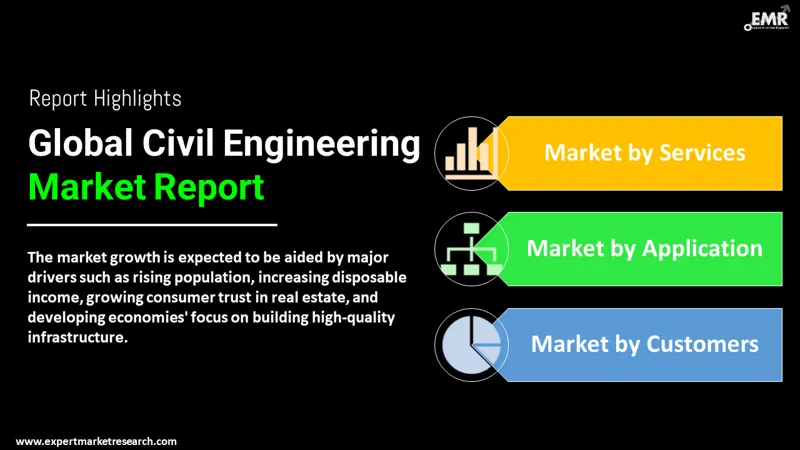
The EMR’s report titled “Global Civil Engineering Market Report and Forecast 2026-2035” offers a detailed analysis of the market based on the following segments:
Market Breakup by Services
Key Insight: Construction services hold the largest share of the civil engineering market revenue due to project budgets and complexity. Planning and design underpin project viability and are critical for secure financing. Maintenance is rapidly growing as owners prefer lifecycle contracting and predictive upkeep. Specialty services including geotechnical, environmental remediation provide niche technical value. Each service category demands different commercial models such as lump-sum EPCs for construction, consultancy retainers for design, long-term SLAs for maintenance, and performance guarantees for specialty works.
Market Breakup by Application
Key Insight: Infrastructure dominates due to public funding and strategic network upgrades, real estate projects require blended civil and architectural coordination for urban regeneration and mixed-use developments, industrial projects are growing rapidly popular because of demand for data centers, battery plants and logistics hubs requiring specialist civil tolerances. Each application imposes different delivery models with project finance and stakeholder engagement for infrastructure, speed and finish quality for real estate, and precision for industrial, boosting the civil engineering market growth.
Market Breakup by Customers
Key Insight: Government remains the largest buyer due to public infrastructure spending. Private clients are growing quickly with demand for industrial and data projects, utilities and institutions procure specialist civil works. Firms that can pivot commercial models, offer flexible risk allocation and provide sustainability evidence are winning across customer segments, converting project wins into multi-year service and upgrade contracts.
Market Breakup by Region
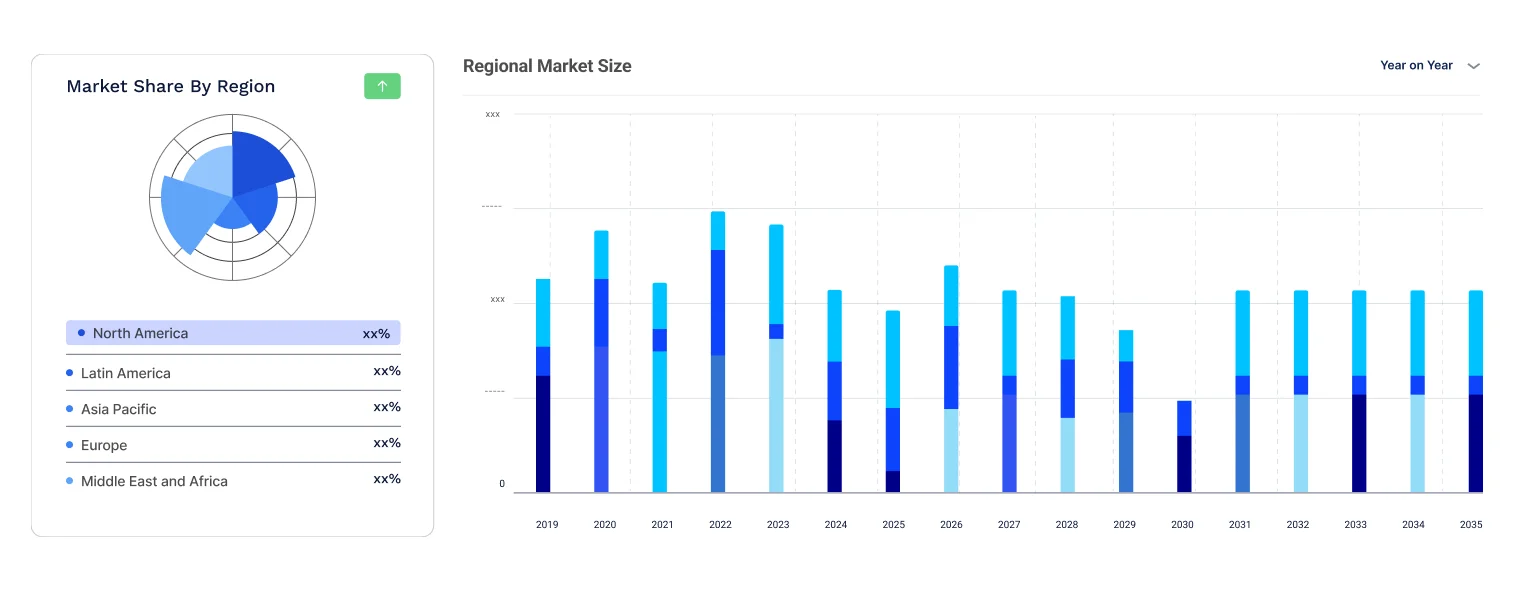
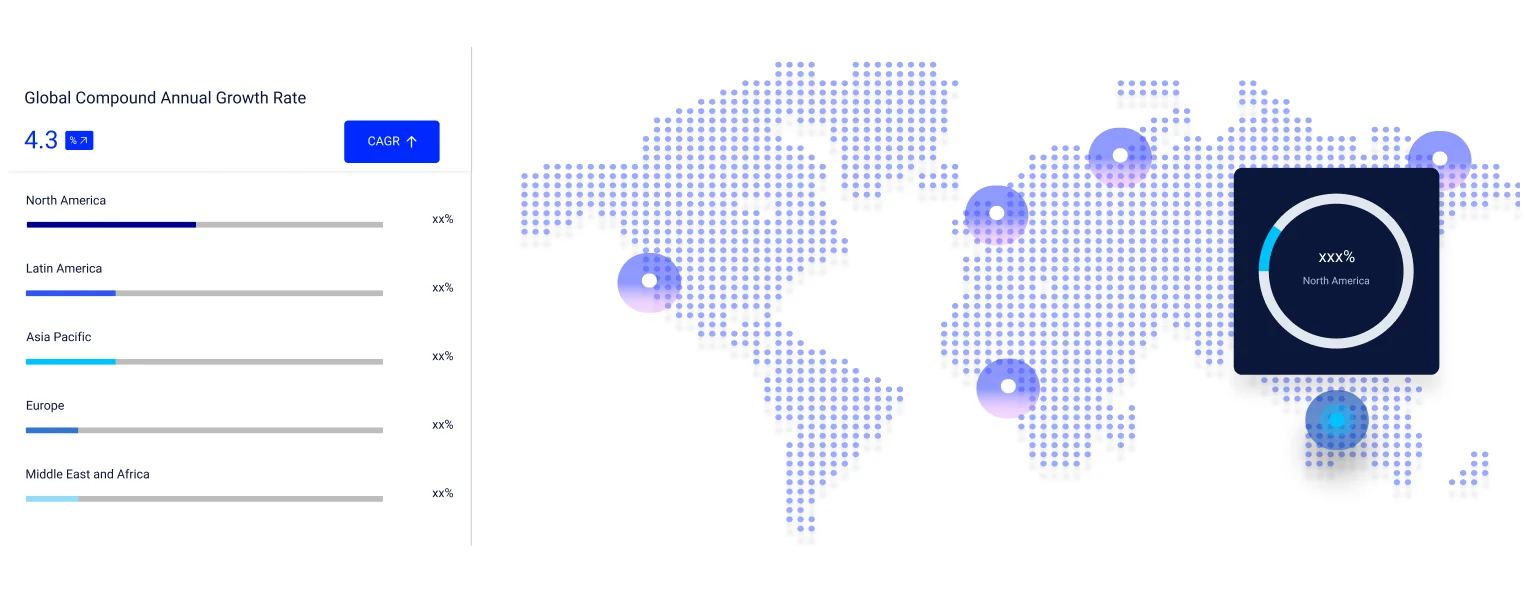
Key Insight: Asia Pacific leads in volume and rapid urban delivery. Europe is growing fast in premium, climate-driven projects. North America focuses on resilient infrastructure and grid modernization. Latin America and MEA show targeted growth in extractive, transport and urban programs. Regional civil engineering market dynamics influences material specs, procurement styles and financing structures. Vendors succeeding globally are localizing teams, aligning to regional regulatory regimes, and offering modular delivery systems to meet diverse timelines.
Read more about this report - REQUEST FREE SAMPLE COPY IN PDF
Construction services dominate the market due to scale, complexity and long-term infrastructure contracts
Construction holds the dominant share because it bundles design translation into physical assets, requires complex supply chains, and captures the largest share of project spend. Civil contractors are expanding capabilities such as temporary works, specialized piling, and advanced formwork to meet heavy infrastructure needs like tunnels, bridges and highways. Large construction firms are also integrating digital project controls, offsite procurement and risk-sharing contracting models to improve margins on long civil works. In April 2025, Patel Engineering Ltd secured two projects worth a total of INR 2,036.89 crore in Maharashtra and Arunachal Pradesh, in India.
Maintenance is growing larger in its overall civil engineering market share as ageing infrastructure requires extended asset life and owners seek to avoid disruptive replacements. Asset managers are prioritizing predictive maintenance, condition-based interventions, and digital asset registers that inform staged repairs. This shift is creating recurring revenue for engineering firms that offer inspection-as-a-service, long-term O&M contracts, and renewal roadmaps. Public utilities and transport authorities are tendering performance-based maintenance packages that reward uptime and risk sharing.
By application, infrastructure leads driven by public investment and urbanization-linked transport projects
Infrastructure including roads, rail, ports, water and energy networks, dominates civil engineering because governments and institutional investors channel the bulk of capital into public utility and mobility projects. These projects are capital-intensive, require long procurement cycles, and demand multi-disciplinary engineering, which benefits large firms capable of bundling design, permitting and construction. Infrastructure owners are increasingly seeking low-carbon, resilient solutions that integrate digital monitoring and lifecycle budgeting, creating opportunities for firms that can provide whole-of-asset proposals.
As per the civil engineering market report, industrial civil projects such as manufacturing campuses, logistics hubs, data centers and battery factories, represent the fastest-growing application due to electrification, reshoring, and supply-chain diversification. Companies are investing in dedicated facilities that require fast-track civil foundations, utility integration, and precision slabs to host sensitive equipment. The private sector is paying premiums for speed, predictable tolerances, and sustainability features like on-site stormwater reuse and low-emission concrete.
By customers, government dominates the market because public procurement funds most large civil projects
Government customers are dominant in the market because they fund national infrastructure, public housing and major utilities. Public procurement is notable for strict compliance, performance bonds, and long procurement cycles, demanding high financial and technical capacity from bidders. Engineering firms that can demonstrate past performance, community consultation processes and resilience planning score higher in tenders. Governments are increasingly using PPP and output-based contracts, creating avenues for engineering firms to invest in design innovation and then recoup through long-term service contracts.
Private customers like developers, industrial corporations and hyperscalers are growing their shares as corporate capex rebounds in logistics, manufacturing and data infrastructure, accelerating the civil engineering market revenue growth. Private clients demand speed, cost certainty and sustainable credentials. They often prefer single-vendor delivery models and early contractor involvement that compress timelines. Private funding allows for shorter procurement cycles and creative contracting (design-build, alliance models) that reward engineering teams able to deliver tight turnarounds.
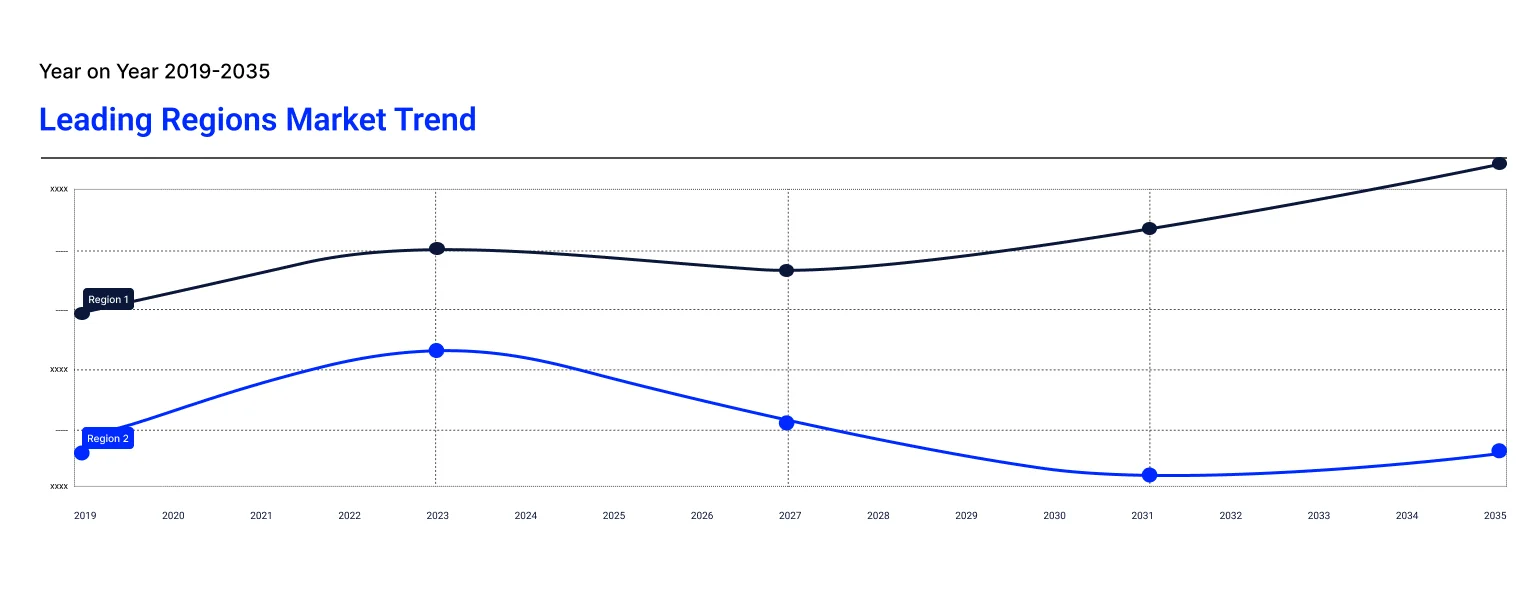
Read more about this report - REQUEST FREE SAMPLE COPY IN PDF
Asia Pacific leads the market, backed by rapid urbanization and heavy infrastructure spending
Asia Pacific is the dominant region because it combines rapid urbanization, major transport corridors, and large public infrastructure programs across China, India and Southeast Asia. The region’s scale creates continuous demand for bridges, metro networks, port expansions and water infrastructure. Local engineering firms are scaling regional capabilities while international firms are partnering via JV models to meet local content rules.
The civil engineering market in Europe boasts high-value, sustainability-driven work. Urban retrofits, renewable grid upgrades and nature-based flood defenses. Stringent climate targets and available green finance are driving a wave of technically complex, high-spec contracts that demand low-carbon materials, rigorous lifecycle analysis and stakeholder engagement. Engineering consultancies with expertise in embodied carbon accounting, circular construction, and digital twin modelling are in high demand.
Civil engineering companies are stretching beyond conventional project delivery, leaning more toward digitally enabled, sustainability-aligned engineering models. Most leading firms are sharpening their strengths in integrated design–build services, climate-resilient infrastructure, and AI-driven construction monitoring, since clients are now expecting faster delivery with tighter risk controls. There is also a notable shift toward advanced project visualization, with firms widely adopting digital twins and multi-layer simulation tools to reduce rework and improve coordination.
Civil engineering market players are also entering partnerships with materials innovators because governments across the world are encouraging low-carbon cement, recycled aggregates, and energy-optimized building systems. These alliances open large opportunities in green retrofits, modern rail corridors, water treatment upgrades, and specialized industrial facilities.
AECOM, established in 1990 and headquartered in Dallas, Texas, is a global engineering leader offering integrated design, construction management, and consulting services. The company caters to transport, water, buildings, and energy sectors with advanced digital engineering tools, including its Digital AECOM platform and scalable sustainability modeling frameworks.
Stantec, founded in 1954 and headquartered in Edmonton, Canada, specializes in community infrastructure, environmental engineering, and architectural design services. The company leverages digital twins, parametric modeling, and nature-positive design solutions to support sustainable project outcomes.
SNC-Lavalin, formed in 1911 and headquartered in Montreal, Canada, delivers advanced engineering, procurement, and project management services across transportation, nuclear, buildings, and industrial sectors. Operating through the AtkinsRéalis brand, the company supports clients with digital engineering, systems integration, and lifecycle asset optimization tools.
Fluor Corporation, founded in 1912 and headquartered in Irving, Texas, is known for delivering large-scale engineering and construction solutions for industrial, infrastructure, and energy markets. The company uses advanced constructability systems, modular fabrication, and AI-enabled project controls to improve schedule certainty and safety outcomes.
*Please note that this is only a partial list; the complete list of key players is available in the full report. Additionally, the list of key players can be customized to better suit your needs.*
Other key players in the civil engineering market report include HDR, Inc., Tetra Tech Inc., and Amec Foster Wheeler plc, among others.
Unlock the latest insights with our civil engineering market trends 2026 report. Discover regional growth patterns, consumer preferences, and key industry players. Stay ahead of competition with trusted data and expert analysis. Download your free sample report today and drive informed decisions in the market.


Upto 15% Off
USD
$2499 $2249
$3999 $3599
$4999 $4249
$5999 $5099


*While we strive to always give you current and accurate information, the numbers depicted on the website are indicative and may differ from the actual numbers in the main report. At Expert Market Research, we aim to bring you the latest insights and trends in the market. Using our analyses and forecasts, stakeholders can understand the market dynamics, navigate challenges, and capitalize on opportunities to make data-driven strategic decisions.*
In 2025, the market reached an approximate value of USD 9.21 Trillion.
The market is projected to grow at a CAGR of 5.20% between 2026 and 2035.
The major regions in the market are North America, Latin America, the Middle East and Africa, Europe, and the Asia Pacific.
Stakeholders are prioritizing digital project systems, forming material innovation partnerships, expanding green engineering capabilities, adopting modular construction workflows, and strengthening client collaboration for faster, predictable, and compliance-aligned infrastructure delivery.
The key trends guiding the civil engineering market include the development of technologically advanced construction machinery and the increased government investments in infrastructural development.
The major civil engineering services considered in the market report are planning and design, construction, and maintenance.
The significant applications of civil engineering are real estate, infrastructure, and industrial.
The different customers considered in the market report are government and private, among others.
The key players in the market include AECOM, Stantec Inc., SNC-Lavalin Group, Fluor Corporation, HDR Inc., Tetra Tech Inc., and Amec Foster Wheeler plc, among others.
Companies struggle with volatile material costs, talent shortages, digital integration gaps, and increasing compliance demands, while managing risks tied to climate-resilient design and high expectations for faster, more transparent project delivery.
Explore our key highlights of the report and gain a concise overview of key findings, trends, and actionable insights that will empower your strategic decisions.
| REPORT FEATURES | DETAILS |
| Base Year | 2025 |
| Historical Period | 2019-2025 |
| Forecast Period | 2026-2035 |
| Scope of the Report |
Historical and Forecast Trends, Industry Drivers and Constraints, Historical and Forecast Market Analysis by Segment:
|
| Breakup by Services |
|
| Breakup by Application |
|
| Breakup by Customers |
|
| Breakup by Region |
|
| Market Dynamics |
|
| Competitive Landscape |
|
| Companies Covered |
|
| Report Price and Purchase Option | Explore our purchase options that are best suited to your resources and industry needs. |
| Delivery Format | Delivered as an attached PDF and Excel through email, with an option of receiving an editable PPT, according to the purchase option. |
Datasheet
One User
USD 2,499
USD 2,249
tax inclusive*
Single User License
One User
USD 3,999
USD 3,599
tax inclusive*
Five User License
Five User
USD 4,999
USD 4,249
tax inclusive*
Corporate License
Unlimited Users
USD 5,999
USD 5,099
tax inclusive*
*Please note that the prices mentioned below are starting prices for each bundle type. Kindly contact our team for further details.*
Flash Bundle
Small Business Bundle
Growth Bundle
Enterprise Bundle
*Please note that the prices mentioned below are starting prices for each bundle type. Kindly contact our team for further details.*
Flash Bundle
Number of Reports: 3
20%
tax inclusive*
Small Business Bundle
Number of Reports: 5
25%
tax inclusive*
Growth Bundle
Number of Reports: 8
30%
tax inclusive*
Enterprise Bundle
Number of Reports: 10
35%
tax inclusive*
How To Order

Select License Type
Choose the right license for your needs and access rights.

Click on ‘Buy Now’
Add the report to your cart with one click and proceed to register.

Select Mode of Payment
Choose a payment option for a secure checkout. You will be redirected accordingly.
Strategic Solutions for Informed Decision-Making
Gain insights to stay ahead and seize opportunities.

Get insights & trends for a competitive edge.

Track prices with detailed trend reports.

Analyse trade data for supply chain insights.

Leverage cost reports for smart savings

Enhance supply chain with partnerships.

Connect For More Information
Our expert team of analysts will offer full support and resolve any queries regarding the report, before and after the purchase.
Our expert team of analysts will offer full support and resolve any queries regarding the report, before and after the purchase.
We employ meticulous research methods, blending advanced analytics and expert insights to deliver accurate, actionable industry intelligence, staying ahead of competitors.
Our skilled analysts offer unparalleled competitive advantage with detailed insights on current and emerging markets, ensuring your strategic edge.
We offer an in-depth yet simplified presentation of industry insights and analysis to meet your specific requirements effectively.




