

Consumer Insights
Uncover trends and behaviors shaping consumer choices today
Procurement Insights
Optimize your sourcing strategy with key market data
Industry Stats
Stay ahead with the latest trends and market analysis.
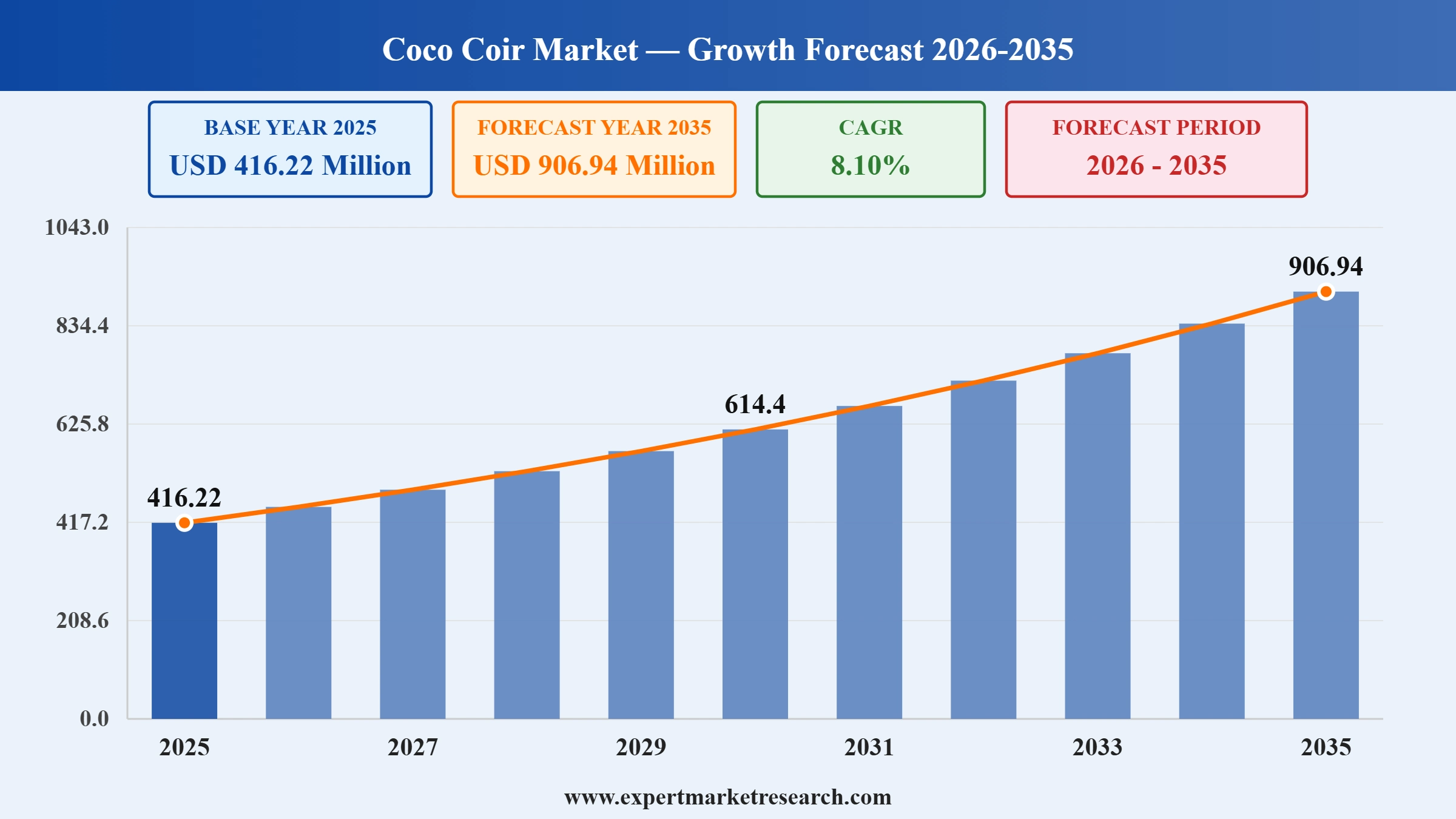
The global coco coir market attained a value of USD 416.22 Million in 2025 and is projected to expand at a CAGR of 8.10% through 2035. The market is further set to achieve USD 906.94 Million by 2035. Rising preference for engineered coir-based substrates in hydroponic and green-roof systems is encouraging producers to invest in advanced fiber processing and automated grading technologies.
The market is shifting from bulk commodity exports to value-driven, engineered solutions. In November 2023, RHP (Coir) introduced its “Responsibly Produced Coir (RPC)” certification program to verify sustainable processing and traceable sourcing of coir products across India and Indonesia. Such a development has become a turning point for global suppliers, as certified coir substrates are gaining traction among international horticulture brands seeking assured quality and environmental compliance. The move also encouraged producers to adopt mechanized fiber-sorting and eco-drying systems, improving export-grade quality and consistency, underlining the coco coir market trends.
Further advancing product development, Profile Products LLC, a United States-based agriscience company, completed the acquisition of Nivetha Exporters in October 2022 to expand its substrate and fiber technology division, creating new opportunities for coco coir market growth. The integration brings engineered coir-peat blends and coir-fiber composites designed for hydroponic and horticultural applications. These blends are intended to optimize moisture retention and root aeration, which helps greenhouse growers achieve higher yields with lower substrate waste.
Read more about this report - REQUEST FREE SAMPLE COPY IN PDF
Soleil Collective revealed a partnership with Coco & Eve to offer growth funding and recapitalize the business. This partnership supports business expansion and sustainable product innovation, enhancing brand-driven demand for high-quality coco coir substrates in premium personal and home care markets.
RX Green Technologies, a top developer and producer of cannabis cultivation nutrients, growing media, and services, introduced Ready to Use (RTU) Coco Grow Bags. This coco coir market development strengthens the professional horticulture and cannabis cultivation segment, increasing adoption of pre-treated coir-based media for precision agriculture.
The National Coir Research and Management Institute (NCRMI), located in Thiruvananthapuram and operating under the Department of Coir, Government of Kerala, released five new products that will aid the coir sector. Such a development promotes higher-value applications and modernization across India’s traditional coir manufacturing sector.
Sun Gro Horticulture announced the completion of an agreement to purchase Pelemix Mexico and Pelemix U.S.A. This move expands the company’s footprint in the North American horticultural substrates market, boosting the distribution and innovation of coir-based growing solutions.
Certification and provenance requirements are no longer optional for professional buyers. RHP’s Responsibly Produced Coir (RPC) initiative and parallel schemes have prompted processors to mechanize washing, grading and eco-drying, while buyers demand batch-level traceability and lab certificates so substrates meet horticultural specs. Producer response includes digital tagging, stricter quality control and standardized packaging to meet institutional tenders and retailer programs, boosting the overall coco coir market value. For example, in December 2024, ofi's cocoa business 'raises regenerative agriculture ambition' with new 2030 targets. Government bodies and coir boards provide training and subsidies for modernization, making certified, premium coir substrates a sales differentiator for exporters seeking long-term contracts with greenhouse integrators and landscape specialist buyers.
Commercial growers and vertical farms require consistent, low-EC media that can be specified by particle size and buffering treatment. Strategic M&A, for example Profile Products’ purchase of Nivetha Exporters (CoirSci) in September 2022, shows how agriscience firms integrate processed coir into blended coir-peat mixes and fiber composites targeted at professional growers, further reshaping the coco coir market dynamics. Regional policies and modernization schemes such as state coir policies, Coir Udyami Yojana push units toward producing conditioned, export-ready substrates rather than raw bales.
Demand for compostable coir mats, geotextiles and refillable grow-bag systems is growing where procurement requires biodegradable solutions such as green roofs, erosion control, integrated landscape projects. In May 2025, Millenniumsoils Coir announced a new partnership with Innovación Agrícola. This agreement is centered on the supply of high-quality coconut coir to Mexican growers. National pushes to increase coir value-addition and make better use of coconut husk, along with planned testing labs and training centers in coir clusters, encourage producers to deliver quality-assured eco-products suited to municipal and infrastructure tenders, driving demand in the coco coir market. Buyers prefer coir erosion blankets and seed-establishment mats because they biodegrade while meeting seed germination and soil stabilization specs, aligning with public ESG procurement trends.
Digital credentials such as QR batch tags, lab certificates, provenance records and UDYAM/GeM registration are changing how B2B buyers onboard suppliers. Governments encourage formalizing micro and small coir units via assistance schemes and registration portals, which helps firms access credit, tenders and export facilitation. For example, The Coir Board of India offers an online registration portal for “Supplier of Coir Products”. The emergence of lab and testing centers in producing regions reduces disputes over fiber/pith specs and supports product standardization for engineered applications, expanding the overall coco coir market scope. For financiers and larger buyers, digitally verifiable sales histories reduce risk, so modernized coir firms can secure working capital and larger institutional contracts.
Suppliers are deliberately shifting from low-margin bulk bale exports to higher-margin engineered products. These include pre-washed, buffered coir, graded blends, grow-bags and geotextile mats that meet landscape and horticulture specs. For example, in Sri Lanka, Arava Private Limited is manufacturing innovative coir-based horticulture and geotextile products, accelerating the coco coir market opportunities. Further, trade promotion bodies and coir boards help producers meet phytosanitary and residue norms and connect them with foreign integrators. This reduces raw commodity exposure and fosters upstream partnerships with substrate blenders, OEMs and landscape contractors, while enabling suppliers to lock into long-term contracts and co-development deals for tailored substrate formulations.
The EMR’s report titled “Global Coco Coir Market Report and Forecast 2026-2035” offers a detailed analysis of the market based on the following segments:
Market Breakup by Product
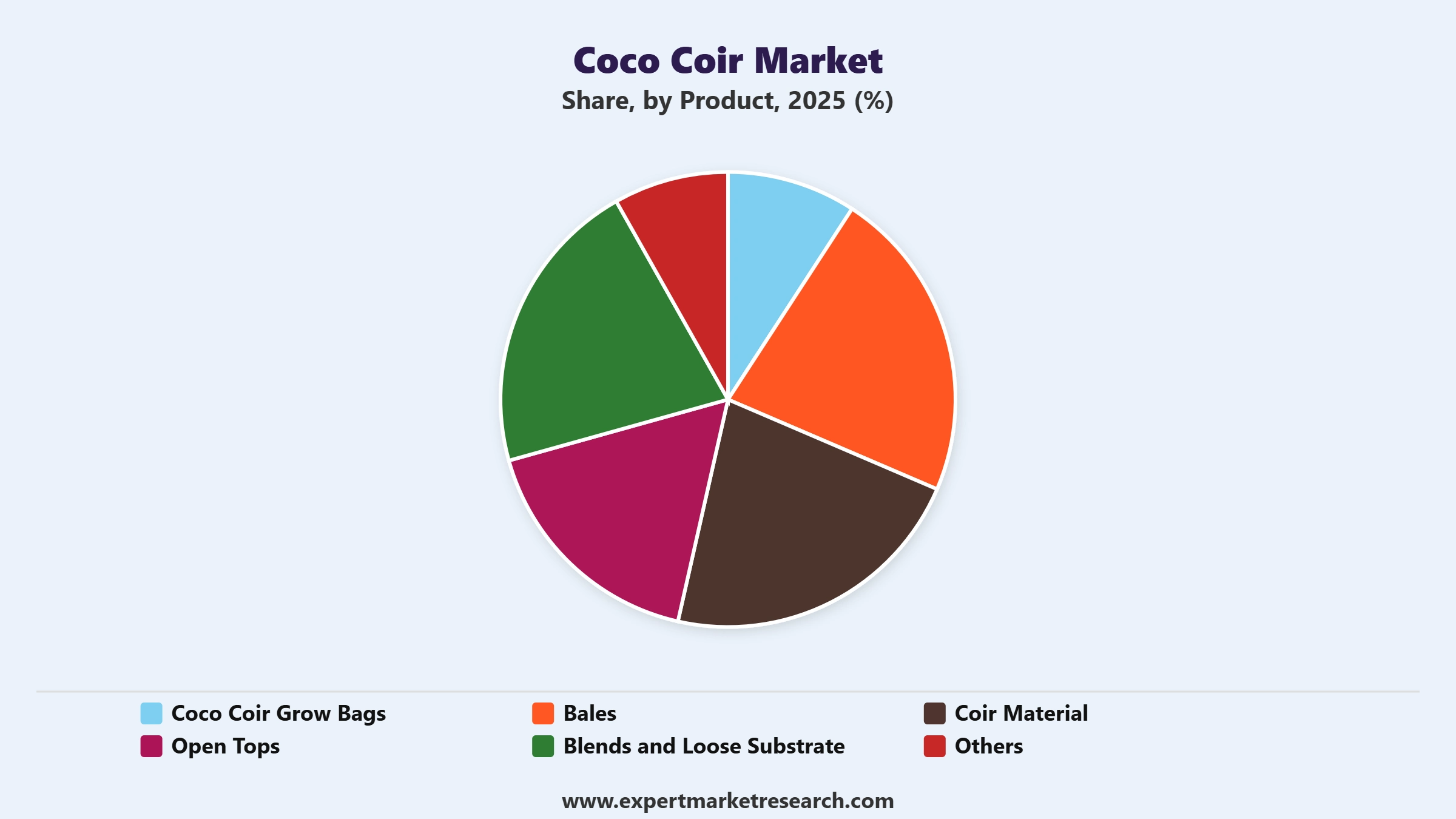
Key Insight: Product segmentation as considered in the coco coir market report spans across basic bales through engineered substrates, grow-bags, loose blends, coir materials and niche open-top products. Bales retain dominance for bulk buyers but face quality expectations, grow-bags and open-top formats serve retail and lifestyle channels seeking convenient, branded gardening solutions, coir material and fiber feed rope, mats and composite uses in construction and erosion control, blends and loose substrates win professional growers with tailored moisture and aeration specs and others include microdosed sachets and travel packs for direct-to-consumer convenience.
Market Breakup by Application
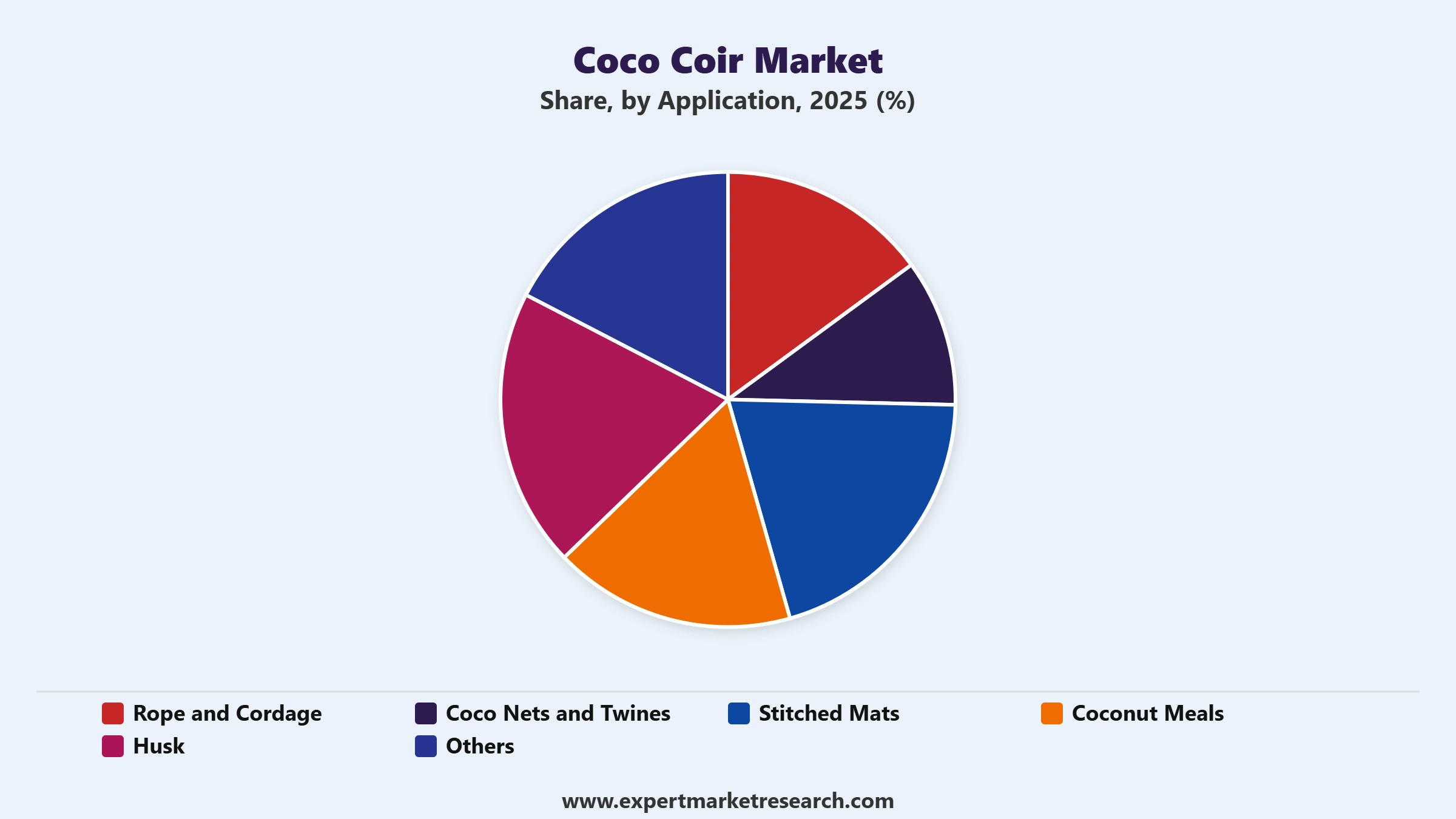
Key Insight: Industry research suggests that rope and cordage feed traditional industrial demand, coco nets and twines serve horticultural containment and transport, stitched mats address civil and restoration projects needing biodegradable geotextiles, coconut meals and husk fractions feed animal bedding and niche compound applications, husk and other residues supply substrate pith and bio-fillers. Each application is driven by distinct motivators including technical specifications in marine/industrial markets, environmental procurement for infrastructure, opening up newer coco coir market opportunities for growth.
Market Breakup by Consumers
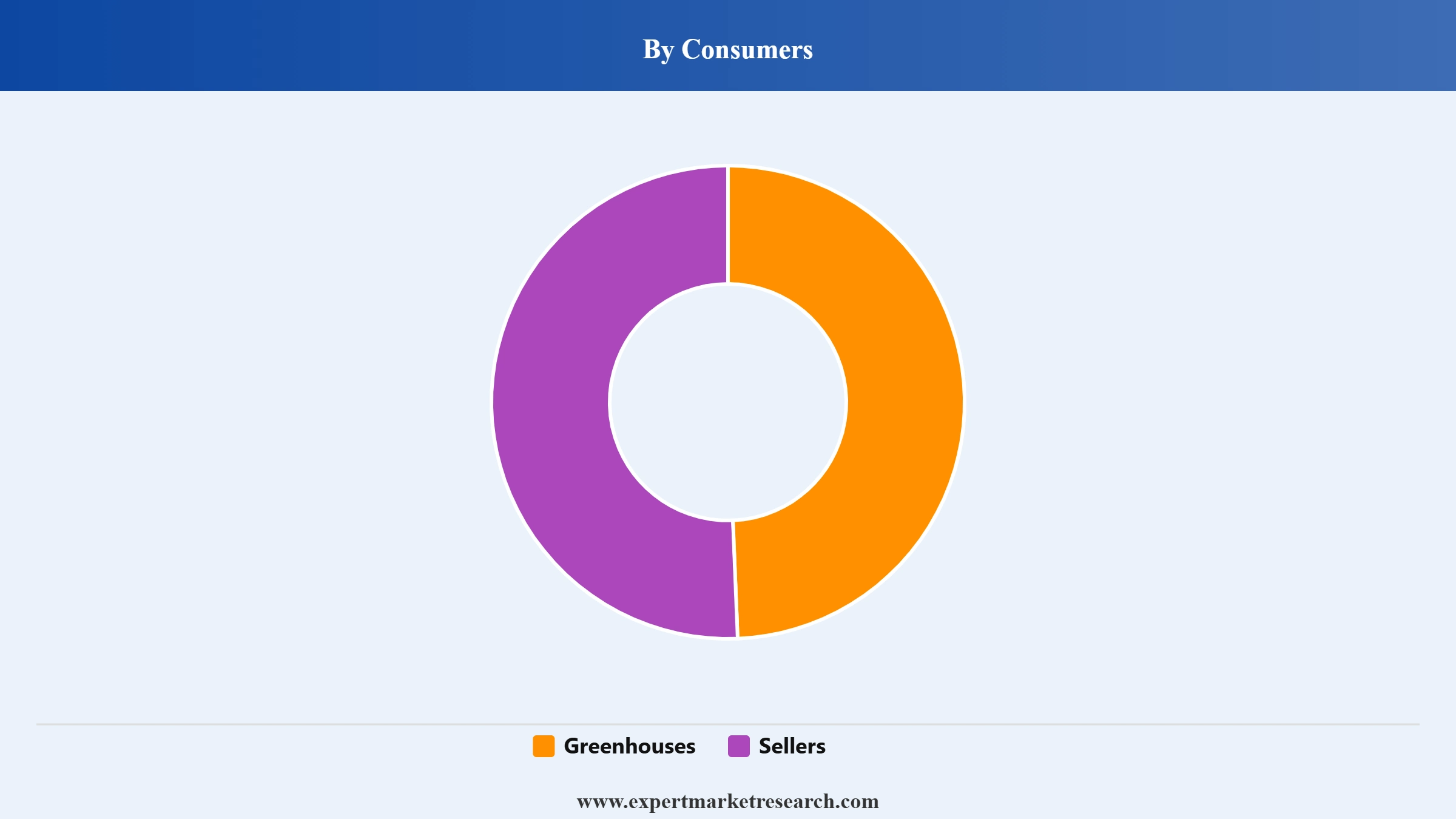
Key Insight: Greenhouses drive demand for specification-grade substrates and long contracts, sellers accelerate premium, convenient formats and microdosing packs, institutional buyers (municipal/landscape) drive stitched mats and erosion products, traditional nurseries continue to buy bales and bulk loose media. Suppliers calibrate packaging, certification and quality control to each buyer type such as institutional and greenhouse buyers prioritize lab certification and traceability, while sellers prioritize packaging, branding and consistent sizing, reshaping the coco coir market trends.
Market Breakup by Region
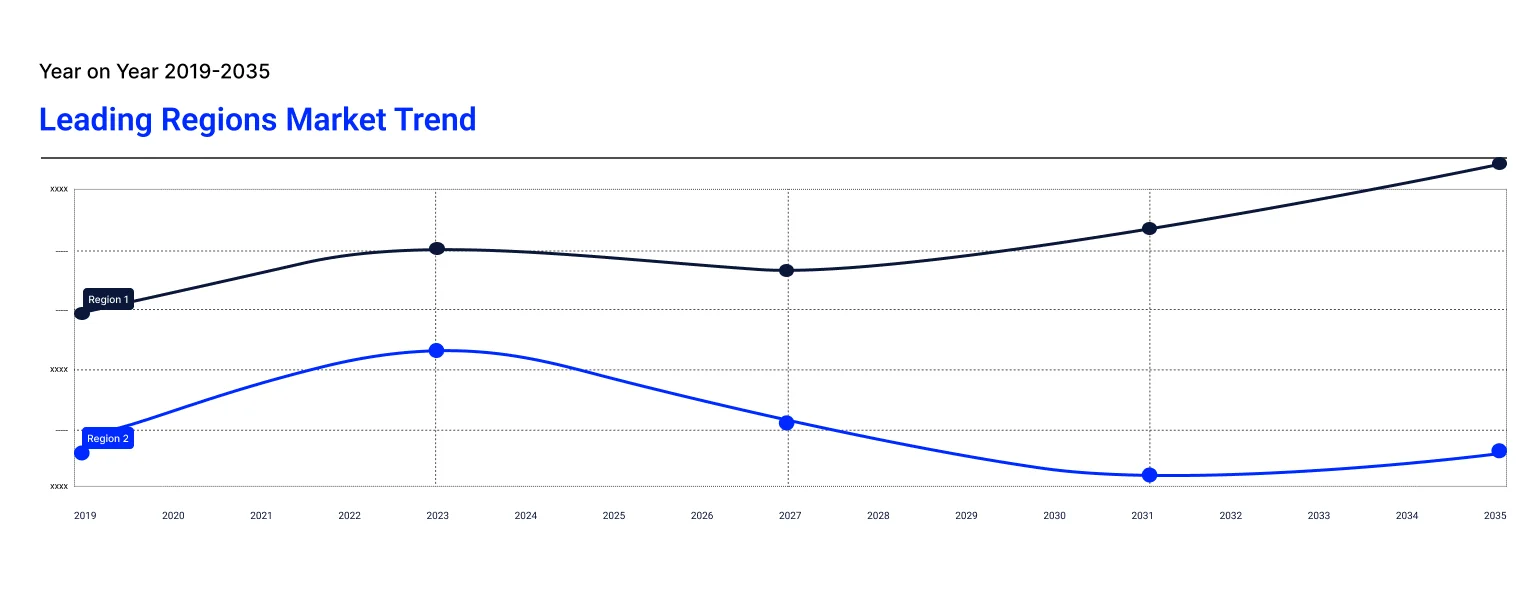
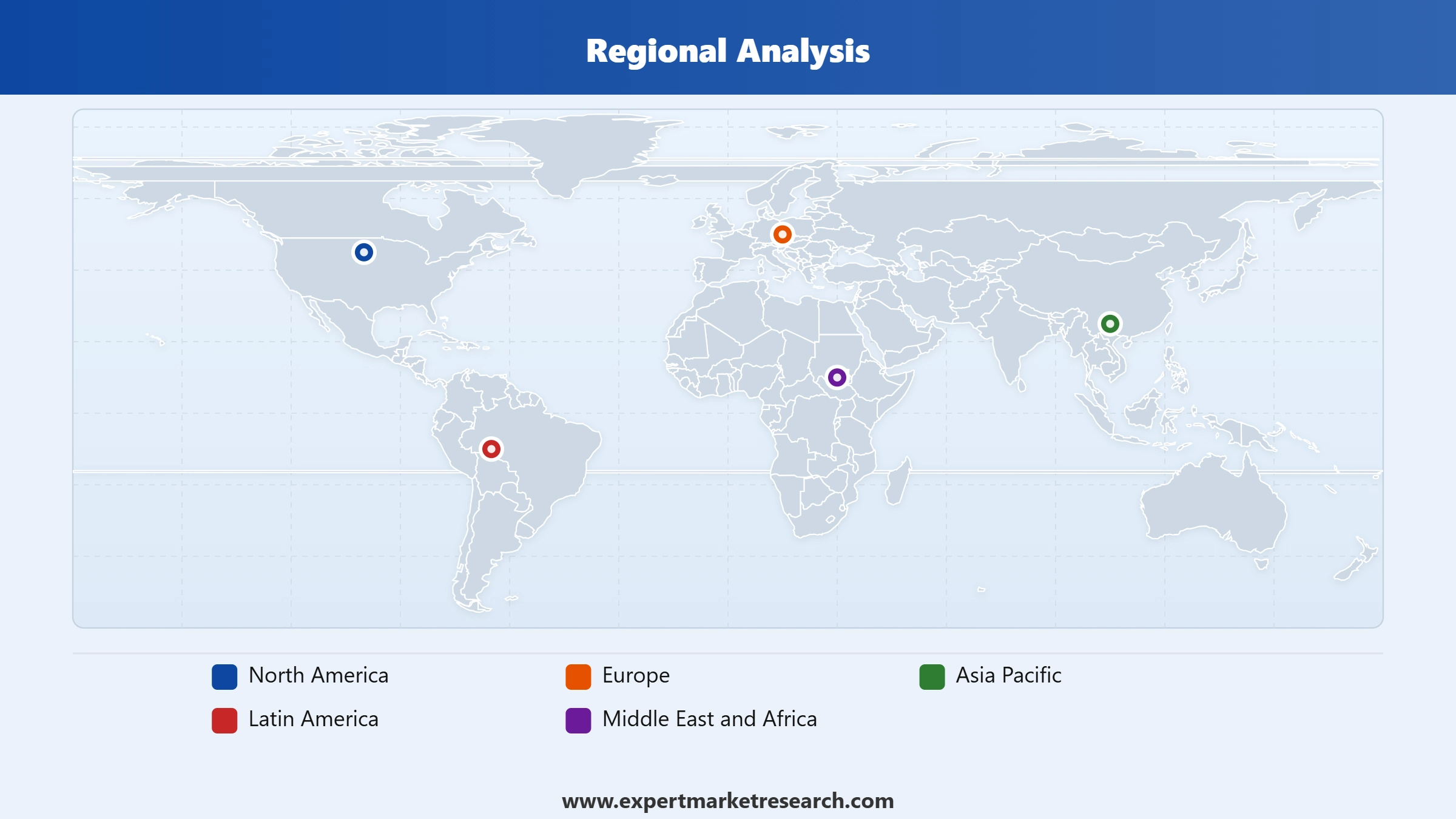
Key Insight: The coco coir industry in Asia Pacific leads due to raw material proximity and processing clusters, Europe demands certified, engineered substrates for green infrastructure and commercial greenhouses. North America seeks integrated substrate systems and branded grow-bags. Latin America offers growing domestic use and local processing initiatives for erosion control and agriculture. Middle East and Africa pull specialty imports for landscaping, reclamation and greenhouse projects.
Read more about this report - REQUEST FREE SAMPLE COPY IN PDF
By product, bales remain dominant due to cost-efficiency and traditional processing networks
Bales continue to anchor trade flows because their low processing intensity and simple logistics suit commodity buyers and traditional traders. Large exporters in India and Sri Lanka have long optimized bale compression, shipping, and bulk packing, supporting global distributors that require high outputs at predictable cost. Institutional buyers that still buy in bulk including soil blenders, coir refineries and traditional nurseries, prefer bale form for in-house conditioning and cost control. Companies like Coirmedia are offering Coirmedia Fibre Bale, which is made from natural fibre taken from coconut husk, cleaned and compressed into bales. They are used to make mattresses and ropes, further widening the opportunities for coco coir market revenue growth.
Read more about this report - REQUEST FREE SAMPLE COPY IN PDF
Blends and loose engineered substrates are the fastest-growing product category because they cater to customers who demand ready-to-use media with specified water-holding capacity, aeration and pH buffering. Processors now supply pre-conditioned coir-peat blends, coir fiber-enriched mixes and granular substrates tailored for automated irrigation and fertigation regimes. These products reduce on-site conditioning time, lower contamination risk and enable quicker scale-up for commercial growers. Blends also power subscription models and co-branded grow-kits sold via B2B channels.
By application, rope/cordage dominates the market owing to steady industrial and maritime demand across the world
Rope and cordage remain a cornerstone application thanks to established technical uses in fishing, marine and industrial sectors that value coir’s abrasion resistance, biodegradability and cost profile. Manufacturers supply spec-grade twines and multi-strand ropes for coastal communities and agro-applications where synthetic replacements are undesirable or legislated against. In India, the Ranchi government initiated an INR 25 lakh program in September that features a coir-spinning machine that converts coconut waste into valuable products like ropes. Furthermore, the processing chain for cordage is mature. Methods like fiber extraction, spinning and twisting support stable B2B contracts with packers, fishery cooperatives and shipping-support suppliers.
Read more about this report - REQUEST FREE SAMPLE COPY IN PDF
Stitched mats for erosion control and revegetation are rapidly scaling their shares in the coco coir industry as infrastructure and environmental projects adopt biodegradable solutions. Coir stitched mats and blankets deliver seed-holding, moisture retention and gradual biodegradation. These are features that clients require for highway slopes, riverbanks and reforestation projects. Governments and municipal buyers increasingly prefer natural stabilization media that support biodiversity and avoid plastic pollution, creating procurement windows for certified coir geotextiles.
By consumers, greenhouses hold the largest share due to year-round controlled cultivation demand
Greenhouse operations are the most demanding and consistent buyers of premium coir products. Large integrators require substrates with predictable water retention, buffering and particle gradation to support tight fertigation schedules and multi-crop rotations. They prefer pre-conditioned loose blends, coir slabs and grow-bags that reduce variability and contamination risk, enabling scale across climate-controlled lines. Growers sign multi-year supply contracts with certified processors to secure consistent material and to simplify traceability for food safety and export compliance.
Read more about this report - REQUEST FREE SAMPLE COPY IN PDF
Retailers and digital sellers are the fastest-growing consumer group in the coco coir market dynamics. This group commonly consumes pre-filled grow-bags, refillable pots, compostable mats and subscription kits for urban gardeners. E-commerce marketplaces and specialty garden sellers offer curated bundles and recurring deliveries, raising demand for consumer-friendly packaging, microdosing sachets and co-branded kits.
Asia Pacific secures the dominant market position because of concentrated production and established processing hubs
Asia Pacific remains the production hub due to concentrated coconut cultivation, long-standing coir clusters and emerging processing investments. India and Sri Lanka host dense manufacturing and skilled labor for fiber extraction, pith processing and basic value-addition. Local policies including national coir board schemes, state coir policies and Coir Udyami incentives, encourage mechanization, training and export promotion, enabling producers to scale and address quality expectations from export coco coir markets.
Read more about this report - REQUEST FREE SAMPLE COPY IN PDF
The European coco coir market is in an accelerated growth pace with engineered coir solutions. The market is driven by greenhouse expansion, urban greening initiatives and strict procurement standards favoring certified, responsibly produced materials. Professional growers, landscape contractors and rooftop-green project owners require RHP or equivalent certified coir, provenance assurance and low-contaminant substrates. European demand for biodegradable geotextiles and sustainable growing media pushes suppliers to adopt RPC-aligned production practices and invest in traceability.
The global industry is evolving rapidly as manufacturers shift from commodity-grade fiber to engineered substrates for horticulture, construction, and packaging applications. Coco coir market players are focusing on sustainability certifications, precision blending technologies, and vertical integration to enhance traceability and profit margins.
There is a visible opportunity in eco-engineered coir composites and digitally tracked supply chains, driven by global green building norms and sustainable agriculture policies. Partnerships with agri-tech firms and coir R&D centers are expanding, as coco coir companies aim to align with B2B customers demanding consistency, eco-compliance, and customizable fiber properties.
Established in 2006 and headquartered in Bali, Indonesia, Bali Coco Company specializes in high-grade coir grow bags and compressed coir blocks for hydroponic farming systems. The company has pioneered natural enzyme-based cleaning techniques to eliminate salt residues without chemical washing, improving substrate performance for global horticulture clients.
Founded in 1913 and based in Germany, Klasmann-Deilmann GmbH is a leading substrate producer integrating coir materials into its peat-free growing media portfolio. The firm’s coir-based blends are tailored for professional growers and feature optimized air-water ratios for high-yield crops. The company has also partnered with coir suppliers in Sri Lanka to expand its sustainable input sourcing under EU Green Deal compliance.
Headquartered in Sri Lanka, and established in 2009, CocoLand Lanka (Pvt) Ltd is a major exporter of coir grow bags, open tops, and customized substrates. The company offers precision cutting technology that allows automated shaping of grow bags for hydroponic trays, reducing installation time for commercial greenhouses. It also operates a closed-loop water recycling unit, minimizing wastewater during coir retting and fiber extraction, a key sustainability benchmark for buyers in Europe and Japan.
Founded in 1992 and based in Sri Lanka, Consarc (Pvt) Ltd focuses on high-performance coir erosion-control mats and geotextiles. The company roffers coir-biopolymer hybrids designed to enhance tensile strength and biodegradability for coastal and highway restoration projects. By combining geosynthetics expertise with coir’s natural resilience, Consarc is targeting infrastructure sustainability markets across Asia Pacific.
*Please note that this is only a partial list; the complete list of key players is available in the full report. Additionally, the list of key players can be customized to better suit your needs.*
Another key player in the coco coir market report includes FibreDust LLC and others.
Unlock the latest insights with our coco coir market trends 2026 report. Discover regional growth patterns, consumer preferences, and key industry players. Stay ahead of competition with trusted data and expert analysis. Download your free sample report today and drive informed decisions in the market.


Upto 15% Off
USD
$2499 $2249
$3999 $3599
$4999 $4249
$5999 $5099


*While we strive to always give you current and accurate information, the numbers depicted on the website are indicative and may differ from the actual numbers in the main report. At Expert Market Research, we aim to bring you the latest insights and trends in the market. Using our analyses and forecasts, stakeholders can understand the market dynamics, navigate challenges, and capitalize on opportunities to make data-driven strategic decisions.*
In 2025, the market reached an approximate value of USD 416.22 Million.
The market is projected to grow at a CAGR of 8.10% between 2026 and 2035.
Companies are investing in automated processing units, developing smart coir-based composites, forming strategic alliances with agri-tech firms, and expanding certified supply chains to strengthen sustainability credentials and market competitiveness.
The key trends guiding the market growth include the increasing technological advancements, rising demand of coir products such as doormats and rugs, and growing eco-consciousness among consumers due to the rising concerns regarding climate change.
The major regions in the market are North America, Latin America, the Middle East and Africa, Europe, and the Asia Pacific.
The significant products available in the market include coco coir grow bags, bales, coir material, open tops, and blends and loose substrate, among others.
The major applications of coco coir are rope and cordage, coco nets and twines, stitched mats, coconut meals, and husk, among others.
The various consumers of the coco coir include greenhouses and sellers.
The key players in the market include Bali Coco Company, Klasmann-Deilmann GmbH, CocoLand Lanka (Pvt) Ltd, Consarc (Pvt) Ltd, and FibreDust LLC, among others.
Companies face challenges in maintaining consistent fiber quality, balancing automation costs, and meeting stringent export certification requirements amid fluctuating raw coconut husk supplies and rising global transportation costs.
Explore our key highlights of the report and gain a concise overview of key findings, trends, and actionable insights that will empower your strategic decisions.
| REPORT FEATURES | DETAILS |
| Base Year | 2025 |
| Historical Period | 2019-2025 |
| Forecast Period | 2026-2035 |
| Scope of the Report |
Historical and Forecast Trends, Industry Drivers and Constraints, Historical and Forecast Market Analysis by Segment:
|
| Breakup by Product |
|
| Breakup by Application |
|
| Breakup by Consumers |
|
| Breakup by Region |
|
| Market Dynamics |
|
| Competitive Landscape |
|
| Companies Covered |
|
| Report Price and Purchase Option | Explore our purchase options that are best suited to your resources and industry needs. |
| Delivery Format | Delivered as an attached PDF and Excel through email, with an option of receiving an editable PPT, according to the purchase option. |
Datasheet
One User
USD 2,499
USD 2,249
tax inclusive*
Single User License
One User
USD 3,999
USD 3,599
tax inclusive*
Five User License
Five User
USD 4,999
USD 4,249
tax inclusive*
Corporate License
Unlimited Users
USD 5,999
USD 5,099
tax inclusive*
*Please note that the prices mentioned below are starting prices for each bundle type. Kindly contact our team for further details.*
Flash Bundle
Small Business Bundle
Growth Bundle
Enterprise Bundle
*Please note that the prices mentioned below are starting prices for each bundle type. Kindly contact our team for further details.*
Flash Bundle
Number of Reports: 3
20%
tax inclusive*
Small Business Bundle
Number of Reports: 5
25%
tax inclusive*
Growth Bundle
Number of Reports: 8
30%
tax inclusive*
Enterprise Bundle
Number of Reports: 10
35%
tax inclusive*
How To Order

Select License Type
Choose the right license for your needs and access rights.

Click on ‘Buy Now’
Add the report to your cart with one click and proceed to register.

Select Mode of Payment
Choose a payment option for a secure checkout. You will be redirected accordingly.
Strategic Solutions for Informed Decision-Making
Gain insights to stay ahead and seize opportunities.

Get insights & trends for a competitive edge.

Track prices with detailed trend reports.

Analyse trade data for supply chain insights.

Leverage cost reports for smart savings

Enhance supply chain with partnerships.

Connect For More Information
Our expert team of analysts will offer full support and resolve any queries regarding the report, before and after the purchase.
Our expert team of analysts will offer full support and resolve any queries regarding the report, before and after the purchase.
We employ meticulous research methods, blending advanced analytics and expert insights to deliver accurate, actionable industry intelligence, staying ahead of competitors.
Our skilled analysts offer unparalleled competitive advantage with detailed insights on current and emerging markets, ensuring your strategic edge.
We offer an in-depth yet simplified presentation of industry insights and analysis to meet your specific requirements effectively.




