

Consumer Insights
Uncover trends and behaviors shaping consumer choices today
Procurement Insights
Optimize your sourcing strategy with key market data
Industry Stats
Stay ahead with the latest trends and market analysis.
The global content intelligence market attained a value of USD 1678.65 Million in 2025 and is projected to expand at a CAGR of 30.50% through 2035. The market is further expected to achieve USD 24047.24 Million by 2035. Growing adoption by knowledge management enterprises driven by AI technology is increasing the need for content intelligence solutions that offer better content discovery, facilitate decision-making, boost productivity, and help in digital transformation initiatives on a scalable basis.
The growing focus of enterprises on employee experience platforms that need intelligent solutions for classifying and retrieving content to eliminate silos of information and increase workforce productivity is significantly accelerating the content intelligence market growth. Moreover, the proliferation of multilingual digital engagement efforts is making organizations opt for content intelligence solutions that are capable of analyzing, localizing, and optimizing content in different languages and geographies.
The content intelligence market is undergoing a period of rapid transformation as companies evolve from conventional analytics and integrate into AI-driven platforms that enable content management optimization and governance. This became evident when Adobe showcased AI-powered workflow automation, agentic systems, marketing orchestration, and enterprise content personalization, in April 2026. Such developments are making it easier for companies to automatically create and personalize content while measuring their performance. It is becoming more evident that large-scale corporations now focus on developing tools that integrate content analytics, workflow orchestration, and predictions into one integrated platform.
Businesses are also adopting content intelligence tools as part of their overall strategy to foster customer engagement while optimizing returns on content investments. Companies in the retail, financial services, healthcare, and technology sectors are deploying machine learning models to measure the efficiency of content in engaging with consumers. For example, in June 2026, SymphonyAI launched CINDE Retail Media Intelligence, connecting merchandising, media, and shopper data for grocers’ profitability. Market participants are working towards incorporating advanced natural language processing and sentiment analysis tools as well as real-time recommendation engines to empower enterprises with better decision-making tools. The increasing significance of first-party data approaches is leading companies to integrate intelligent content management tools within their ecosystem, boosting growth in the content intelligence market.
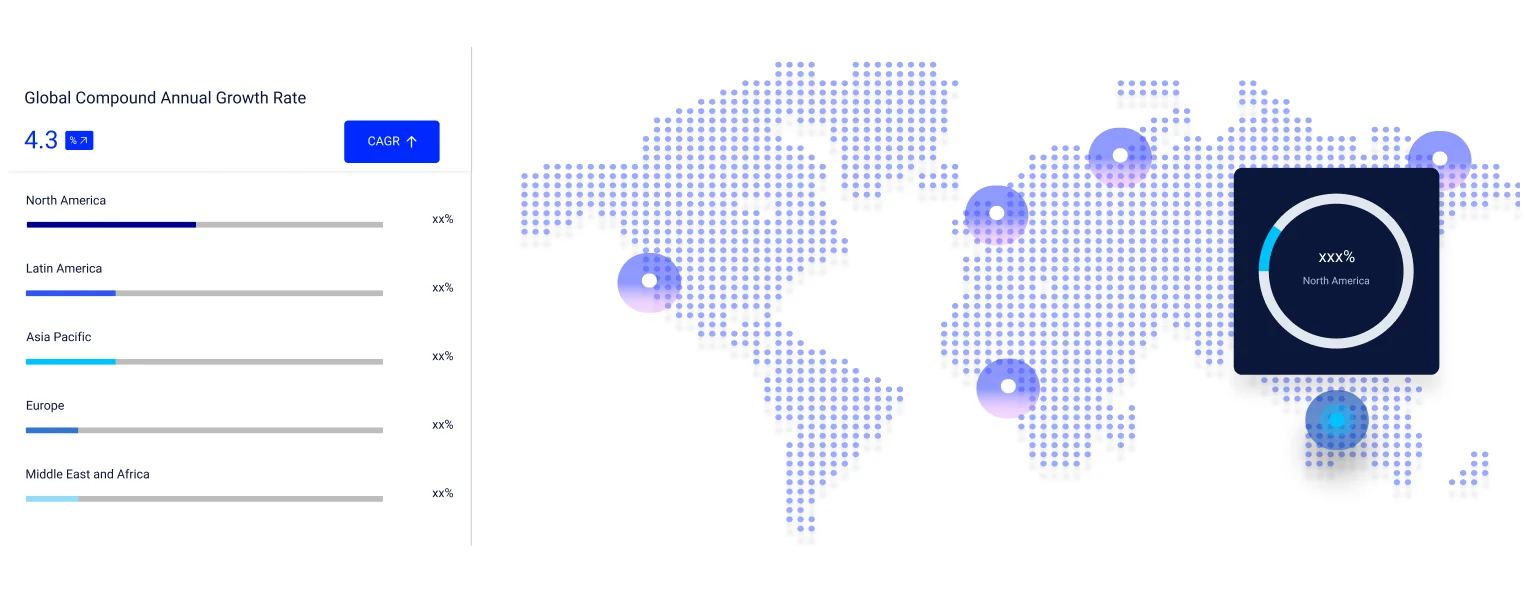
Compound Annual Growth Rate
30.5%
Value in USD Million
2026-2035
Read more about this report - REQUEST FREE SAMPLE COPY IN PDF
Hyland collaborated with AWS to offer content-driven agentic enterprise solutions throughout the Asia Pacific region, allowing firms to derive intelligence from enterprise content, automate processes, leverage AI-based decisions, and meet the data residency and governance needs. Companies can therefore create content intelligence systems that combine unstructured data, governance, and agentic AI for increased enterprise efficiency and regulatory compliance.
Fingerprint released the Automation Intelligence API and AI Assistant Detection services, giving businesses the ability to gain insights into the activity of AI-generated traffic, automation, and digital assistants across various platforms and applications. Content intelligence systems capable of analyzing the behavior of AI-driven users can therefore be developed by vendors.
Squiz introduced Content Intelligence as a content health solution that will help businesses detect problems with AI search visibility, accessibility, and digital content performance and make improvements to their websites. Companies can hence provide AI search readiness auditing services and content optimization solutions with the new tool, accelerating the content intelligence market value.
Veritone rolled out its next generation of Discovery products equipped with a smart AI agent called VERI. It will automatically analyze and verify audio/video files and enable a conversation interface for accessing multimedia archives. Leveraging such innovations in the content intelligence market, companies may develop advanced content intelligence systems that turn media data into useful insights.
Companies are using content intelligence systems to automate content value chains, ranging from production and approval to distribution and monitoring their performance. Organizations with huge volumes of digital assets are adopting AI technologies to automate content workflows. Companies like Adobe keep expanding the capabilities of their generative AI technologies to help brands automate content production under the governance framework. Moreover, governmental agencies are adopting automation approaches. The United States General Services Administration encourages digital services to conduct experiments with AI technologies for increased efficiency. Aligning with this trend in the content intelligence market, in May 2026, Intuit Mailchimp launched Analytics AI, delivering conversational insights, unified ecommerce data, and actionable marketing intelligence.
Companies are treating content as a vital asset, not just as an archive of information. Enterprise knowledge intelligence technologies are being utilized by companies to create searchable knowledge ecosystems out of unstructured materials like documents, emails, multimedia, and so on. Businesses are investing in search, discovery, and recommendation technologies based on AI, reshaping the content intelligence market dynamics. Leading software suppliers are launching generative AI assistants which can extract valuable insights from the organization's internal knowledge databases. For example, in April 2026, Docebo launched AgentHub, unifying skills intelligence, enterprise knowledge, and agentic AI for workforce learning automation.
Businesses are generating content in several languages to facilitate the overall content intelligence market expansion. These systems are assisting organizations in analyzing engagement levels, optimizing translations, and ensuring brand consistency while expanding across different geographies. Machine learning models can automatically detect regional content preferences and even make tailored recommendations. Digital commerce programs sponsored by the governments of countries across Asia and Europe are driving the demand for localized content experiences as well. For example, in May 2026, Acclaro launched AI-powered Localization Orchestration, streamlining multilingual multimedia content localization, translation, dubbing, and distribution.
The combination of generative AI and marketing intelligence represents the latest major trend in the content intelligence market. Companies are adopting AI-enabled content generators at an unprecedented pace, yet they still need intelligent systems to measure their performance and value to organizations. Top-tier tech firms are introducing solutions that leverage AI capabilities in content generation, predictions, and optimizations. For example, in June 2026, Siemens launched Intelligence Center X, orchestrating industrial AI, workflows, and data to accelerate enterprise automation. Such platforms allow marketing teams to find out which content formats, topics, and media channels yield optimal performance metrics. AI governance guidelines are also being published by public authorities across the world to foster the adoption of generative AI.
The content intelligence market observes an increasing pressure on organizations to handle digital content in an ethical manner while adhering to privacy laws. Modern content intelligence tools include features for automated tagging, metadata handling, compliance checks, and content lifecycle management. Companies within highly regulated sectors, such as finance, medicine, and pharmaceuticals, use such tools to mitigate risks associated with their operations. The tightening of data governance standards due to regulatory changes in major economies serves as another incentive for organizations to enhance content management. To meet these demands, vendors are releasing AI-based governance tools that detect breaches of policies and other sensitive content. For example, in May 2026, Writer launched AI Brand Governance Infrastructure, embedding brand standards, compliance controls, and connected workflows into enterprise AI content creation.
Read more about this report - REQUEST FREE SAMPLE COPY IN PDF
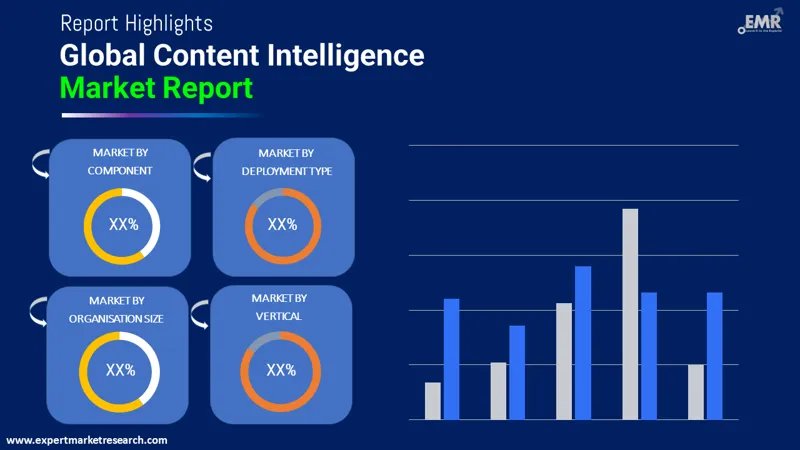
The EMR’s report titled “Global Content Intelligence Market Report and Forecast 2026-2035” offers a detailed analysis of the market based on the following segments:
Market Breakup by Component
Key Insight: The component ecosystem as considered in the content intelligence market report is defined by high demand for both solutions and services. Solutions are largely favored as businesses need cutting-edge technology that can turn content into intelligent insights that increase efficiency and aid in personalization efforts. Meanwhile, services are becoming more popular as businesses face integration needs, governance issues, and advancements in artificial intelligence. Several businesses consider services to be vital in making the most out of their platform deployments and aligning them with digital transformation efforts. Further, in November 2025, AnswerThePublic launched an AI Dashboard, unifying search, social, shopping, and sentiment insights for smarter content strategy.
Market Breakup by Deployment Type
Key Insight: Different deployment options depend on different company needs and approaches. The most preferred option is cloud deployment due to attributes including flexibility and speed, accelerating demand in the content intelligence market. However, on-premise solutions continue to remain relevant for companies that need full control over sensitive data and content creation activities. Hybrid approaches are becoming more popular since they combine advantages of the two options. Many companies view hybrid deployment options as an effective means of modernization as they allow companies to adhere to their governance standards and take advantage of cloud intelligence capabilities at the same time.
Market Breakup by Organization Size
Key Insight: Organization size plays a crucial role in the adoption dynamics in the content intelligence market. The main buyers include large-scale companies due to the nature of the complex content ecosystems that they have, coupled with the needs for governance and enterprise content intelligence services. However, smaller and medium-sized organizations are increasingly adopting technology because of its availability, scalability, and ease of implementation. While large companies try to optimize large-scale operations and the content ecosystems that they operate in, small and medium-sized enterprises try to ensure efficiency and better customer experience through content.
Market Breakup by Industry
Key Insight: The rate of content intelligence usage differs widely among various verticals. IT and telecom take the lead in the content intelligence market dynamics because of their heavy reliance on digital and continuous content optimization needs. The healthcare and life sciences sectors are experiencing rapid growth due to their increasing understanding of environmental complexity and its impact on research, development, and operational outcomes. Finance and insurance firms aim for governance and compliance, along with optimizing communications with customers. Governments and public sector firms pay attention to transparency and information accessibility. Manufacturers require operational knowledge management, whereas entertainment companies are more interested in monetizing their content and engaging audiences. Retailers and consumer goods companies adopt personalization approaches. Travel and hospitality firms use content to optimize customer experience.
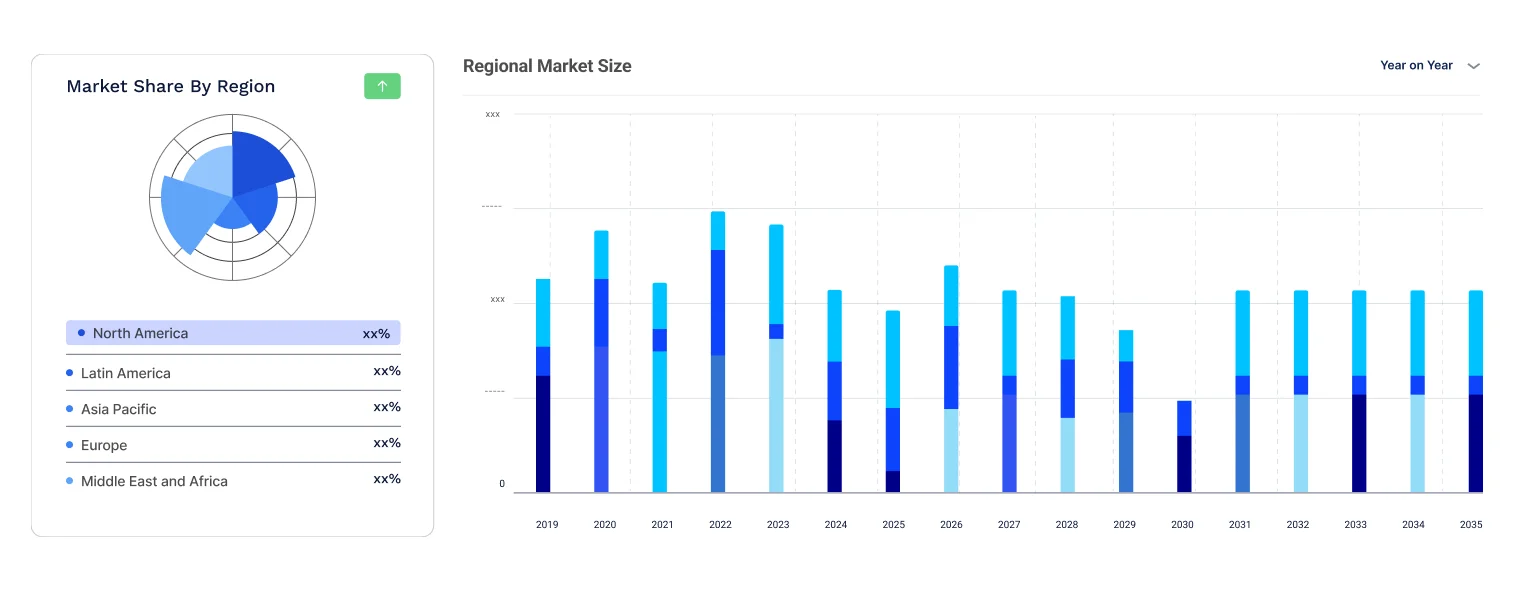
Market Breakup by Region
Key Insight: The regional growth trajectory of companies shows different stages of their digital readiness and IT adoption. North America takes the lead on account of robust innovation ecosystems, effective deployment of AI, and solid enterprise-level demand. Europe boasts an advantage owing to well-structured adoption processes, governance frameworks, and content management. The content intelligence market in Asia Pacific shows the most dynamic growth trend owing to significant investments in digital modernization. Latin America witnesses more adoption as corporations seek to transform their approach to customer experience. The Middle East and Africa witness rising interest in intelligent content solutions for digital transformation.
Read more about this report - REQUEST FREE SAMPLE COPY IN PDF
By component, solutions register the largest share of the market due to enterprise-wide content automation adoption
Solutions capture the largest share in the content intelligence market as companies emphasize the need for platforms that enable analysis, classification, optimization, and governance of content in various functional areas within an organization. Companies rely on artificial intelligence-powered solutions to ensure greater discoverability of content, automate metadata tagging, develop personalized strategies, and make informed decisions. The growing requirement to govern growing amounts of digital content in marketing, customer support, sales, and knowledge management departments remains one of the key growth drivers in this market. For example, in March 2026, Informa TechTarget introduced AI Visibility Audit and GEO Topic Planner, helping brands improve AI discoverability, content authority, and search performance.
On the other hand, services represent the fastest-growing segment within the content intelligence market scope due to the increasing need for expertise for integrating, implementing, customizing, and optimizing content intelligence platforms. The use of artificial intelligence models, complex governance policies, and sophisticated enterprise content architecture makes it necessary for companies to have experts to help them take advantage of the platform. Service providers can ensure the successful deployment of solutions by maximizing their performance, reducing implementation timeframes, and ensuring smooth adoption among company employees.
By deployment type, the cloud category secures the largest share of the market due to scalable AI content operations
Cloud deployment is leading the content intelligence market as enterprises are increasingly preferring more scalable, adaptive, and constantly updated environments for content intelligence. The cloud helps organizations process huge amounts of content, deploy AI models quickly, and collaborate across geographies without any need for investing in infrastructure. Businesses get benefits through easier integration with digital experience platforms, analytics, and collaboration applications. For example, in April 2025, Hyland enhanced its Content Innovation Cloud with AI agents, knowledge discovery, intelligent automation, and advanced data extraction capabilities.
The hybrid deployment type is witnessing exponential growth in the content intelligence market as enterprises try to find a way to combine the flexibility of cloud deployment with that of traditional deployment. Enterprises operating in highly regulated industries often prefer to keep sensitive data and intellectual property in private environments while leveraging cloud services for analytics, collaboration, and other non-sensitive functions. Hybrid solutions allow for better workload management, governance, and compliance. The trend of upgrading old infrastructures rather than replacing them altogether makes hybrid deployment more attractive as an option.
By organization size, large enterprises register notable growth due to extensive multi-channel content ecosystems
Large enterprises form the main segment since they have extensive content repositories covering many different departments, geographic locations, and customer touchpoints. They also need more advanced intelligence capabilities to manage the content lifecycle, increase its discoverability, and optimize customer experiences. Moreover, they can afford investments into better AI technology, enterprise integrations, and governance. The requirement to consolidate fragmented content and leverage it for data-driven decision making is what drives adoption by multinational companies and large-scale firms.
As per the content intelligence market report, small and mid-size enterprises represent the fastest-growing segment because cloud-based distribution models make them much easier to adopt. SMEs understand that content intelligence solutions help in increasing their effectiveness of marketing initiatives, customer engagement, and business operations in general. For example, in June 2026, White Noise Digital launched an AI-powered marketing suite featuring automation, predictive analytics, and intelligent content generation.
By vertical, the IT and telecommunications segment largely contributes to the market growth through data-intensive content management needs
The Information Technology (IT) and telecommunications industry largely contributes to the content intelligence market revenue owing to its large number of technical documents, customer communication, content, and knowledge bases. Companies in this vertical make use of content intelligence solutions to optimize their content discovery processes, automate content classification, deliver enhanced customer experiences, and perform other internal operations. In June 2026, Relativity launched FOIA, streamlining public disclosure workflows, automating reviews, and improving government transparency and compliance.
On the other hand, the healthcare and life sciences sector represents the fastest-growing vertical for content intelligence, driven by the need for highly efficient solutions to manage diverse and rapidly expanding content types. Healthcare organizations produce a huge amount of data that is necessary to be managed efficiently by utilizing the benefits of content intelligence solutions.
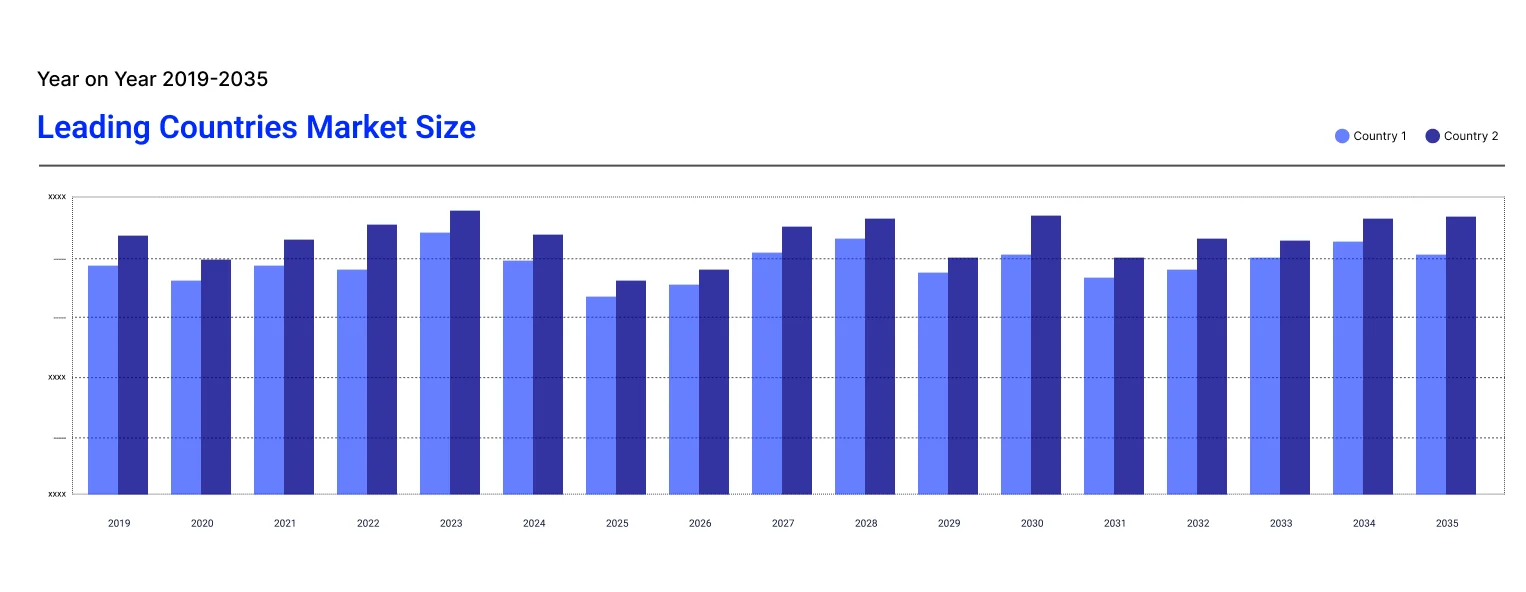
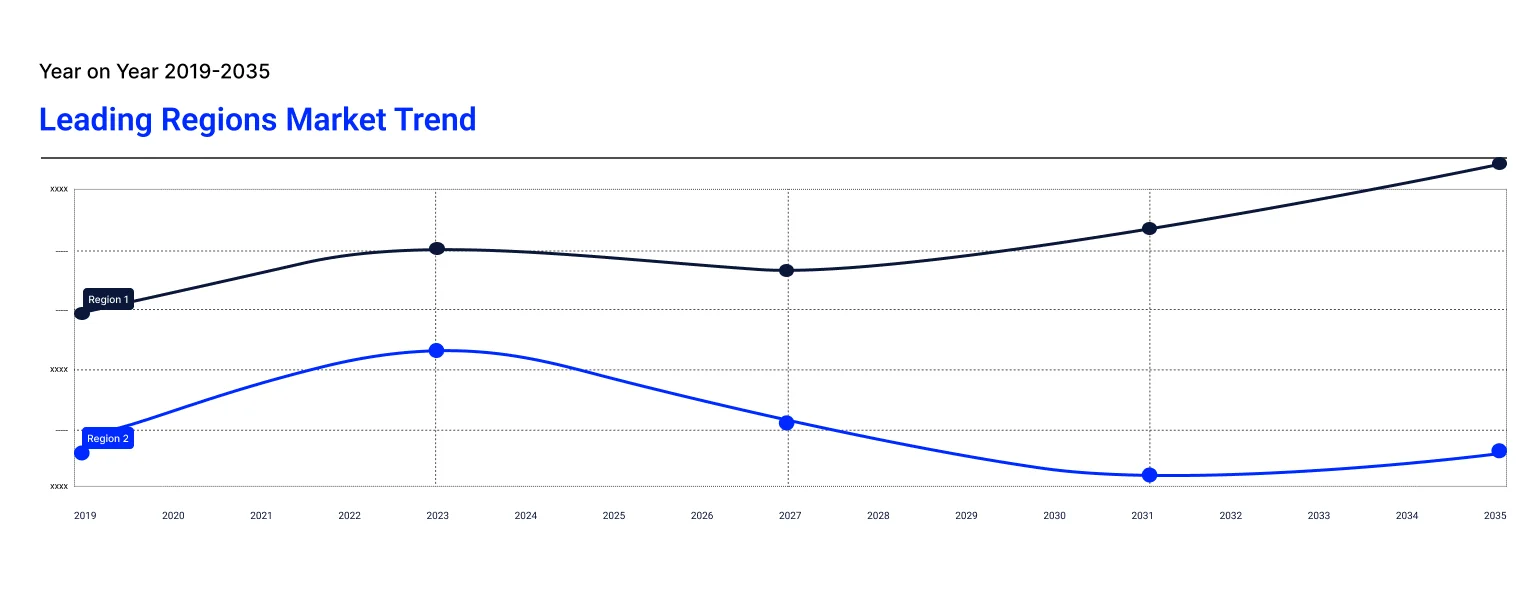
North America secures the leading position in the market through advanced enterprise AI adoption strategies
North America leads the content intelligence market growth owing to the availability of leading technology vendors, advanced digital ecosystems, and high adoption of intelligent content systems in enterprises. Companies across various verticals are focused on optimizing content, improving customer experience, and enhancing knowledge management activities. The region boasts high innovation rates, cloud adoption, and early adoption of analytics software.
Asia Pacific is the most rapidly growing regional content intelligence market with enterprises speeding up their digital transformation initiatives and spending more on business technologies enabled by AI. Companies in both developing and developed countries are upgrading their content management systems in order to engage customers through digital media. In April 2026, Google launched Personal Intelligence in Gemini, securely connecting Gmail, Photos, Search, and YouTube for personalized assistance.
Content intelligence market players are becoming quite competitive, with vendors shifting from merely offering content analytics to providing AI-driven decision-making, content discovery and governance capabilities. Some of the areas in which vendors are making investments include integration with generative AI systems, semantic search solutions, intelligent metadata capabilities, and predictive content optimization capabilities. In this way, vendors are aiming at increased visibility across the entire content supply chain, and thus enterprises are able to determine successful content.
The other major area in which content intelligence companies are making significant investments is responsible AI technologies that feature explainability, compliance monitoring, and governance controls. Other promising areas include multilingual content intelligence, employee knowledge management, and industry-specific applications in healthcare, financial services, and government sectors.
Founded in 1911 and based out of Armonk, New York, United States, International Business Machines Corporation offers services from their watsonx AI product line and enterprise automation services. They specialize in intelligent processing of documents, knowledge discovery, and content analysis with AI technology. IBM enhances enterprise content management by integrating generative AI, governance structures, and analytics to assist organizations in converting their huge content databases into business intelligence.
Founded in 1982 and based out of San Jose, California, United States, Adobe Inc. serves the content intelligence market via their Adobe Experience Cloud and Adobe GenStudio products. The company offers AI-enabled content creation and optimization, and customer experience management tools. Adobe is assisting companies to streamline their content creation processes and enable personalized content creation while equipping them with analytics tools to measure the success of their engagement initiatives.
Founded in 1989 with headquarters located in Texas, United States, M-Files Corporation is engaged in the field of knowledge work automation and intelligent information management. This organization utilizes approaches such as metadata-driven architecture and artificial intelligence in order to enhance content discoverability, compliance management, and workflows. M-Files concentrates on connecting information across different systems so that employees can receive access to information faster without any issues related to inefficient workflows caused by fragmented documents.
Founded in 1991 and headquartered in Waterloo, Ontario, Canada, OpenText Corporation provides content intelligence solutions using its portfolio of information management and AI content services solutions. Its specialization covers intelligent content classification, digital process automation, and enterprise knowledge management. OpenText improves content intelligence solutions by implementing artificial intelligence for searches, governance, and analytics that would help companies make better decisions and manage their information resources properly.
Other key players in the market include Curata, Inc., and Socialbakers (Emplifi Czech Republic a.s.), among others.
*Please note that this is only a partial list; the complete list of key players is available in the full report. Additionally, the list of key players can be customized to better suit your needs.*
Unlock the latest insights with our content intelligence market trends 2026 report. Discover regional growth patterns, consumer preferences, and key industry players. Stay ahead of competition with trusted data and expert analysis. Download your free sample report today and drive informed decisions in the market.


Upto 15% Off
USD
$2499 $2249
$3999 $3599
$4999 $4249
$5999 $5099


*While we strive to always give you current and accurate information, the numbers depicted on the website are indicative and may differ from the actual numbers in the main report. At Expert Market Research, we aim to bring you the latest insights and trends in the market. Using our analyses and forecasts, stakeholders can understand the market dynamics, navigate challenges, and capitalize on opportunities to make data-driven strategic decisions.*
The global content intelligence market reached a value of USD 1678.65 Million in 2025.
The market is further likely to grow at a CAGR of 30.50% in the forecast period of 2026 and 2035.
The major drivers of the market include the need for an artificial intelligence program to determine customer desires, increasing demand for planning business strategy based on enterprise goals, growing volume of return after incorporating content strategies and surging digital transformation across enterprises, surge in need for analytical information, and rapid adoption of advanced technologies by small and medium scale enterprises.
Rapid cloud technology advancements and the growing deployment of cloud-based content intelligent solutions by companies are the key trends propelling the market growth.
The major regions in the market are North America, Europe, the Asia Pacific, Latin America, and the Middle East and Africa.
The major components in the market are solutions and services.
The various deployment types of content intelligence are cloud, on-premises, and hybrid.
The major organisation sizes of content intelligence considered in the market report are small and medium-sized enterprises and large enterprises.
The major vertical in the market are banking, financial services and insurance, government and public sector, healthcare and life sciences, IT and telecommunications, manufacturing, media and entertainment, retail and consumer goods, and travel and hospitality, among others.
The major market players are International Business Machines Corporation, Adobe Inc., M-Files Corporation, OpenText Corporation, Curata, Inc., and Socialbakers (Emplifi Czech Republic a.s.), among others.
Explore our key highlights of the report and gain a concise overview of key findings, trends, and actionable insights that will empower your strategic decisions.
| REPORT FEATURES | DETAILS |
| Base Year | 2025 |
| Historical Period | 2019-2025 |
| Forecast Period | 2026-2035 |
| Scope of the Report |
Historical and Forecast Trends, Industry Drivers and Constraints, Historical and Forecast Market Analysis by Segment:
|
| Breakup by Component |
|
| Breakup by Deployment Type |
|
| Breakup by Organization Size |
|
| Breakup by Vertical |
|
| Breakup by Region |
|
| Market Dynamics |
|
| Competitive Landscape |
|
| Companies Covered |
|
| Report Price and Purchase Option | Explore our purchase options that are best suited to your resources and industry needs. |
| Delivery Format | Delivered as an attached PDF and Excel through email, with an option of receiving an editable PPT, according to the purchase option. |
Datasheet
One User
USD 2,499
USD 2,249
tax inclusive*
Single User License
One User
USD 3,999
USD 3,599
tax inclusive*
Five User License
Five User
USD 4,999
USD 4,249
tax inclusive*
Corporate License
Unlimited Users
USD 5,999
USD 5,099
tax inclusive*
*Please note that the prices mentioned below are starting prices for each bundle type. Kindly contact our team for further details.*
Flash Bundle
Small Business Bundle
Growth Bundle
Enterprise Bundle
*Please note that the prices mentioned below are starting prices for each bundle type. Kindly contact our team for further details.*
Flash Bundle
Number of Reports: 3
20%
tax inclusive*
Small Business Bundle
Number of Reports: 5
25%
tax inclusive*
Growth Bundle
Number of Reports: 8
30%
tax inclusive*
Enterprise Bundle
Number of Reports: 10
35%
tax inclusive*
How To Order

Select License Type
Choose the right license for your needs and access rights.

Click on ‘Buy Now’
Add the report to your cart with one click and proceed to register.

Select Mode of Payment
Choose a payment option for a secure checkout. You will be redirected accordingly.
Strategic Solutions for Informed Decision-Making
Gain insights to stay ahead and seize opportunities.

Get insights & trends for a competitive edge.

Track prices with detailed trend reports.

Analyse trade data for supply chain insights.

Leverage cost reports for smart savings

Enhance supply chain with partnerships.

Connect For More Information
Our expert team of analysts will offer full support and resolve any queries regarding the report, before and after the purchase.
Our expert team of analysts will offer full support and resolve any queries regarding the report, before and after the purchase.
We employ meticulous research methods, blending advanced analytics and expert insights to deliver accurate, actionable industry intelligence, staying ahead of competitors.
Our skilled analysts offer unparalleled competitive advantage with detailed insights on current and emerging markets, ensuring your strategic edge.
We offer an in-depth yet simplified presentation of industry insights and analysis to meet your specific requirements effectively.




