

Consumer Insights
Uncover trends and behaviors shaping consumer choices today
Procurement Insights
Optimize your sourcing strategy with key market data
Industry Stats
Stay ahead with the latest trends and market analysis.
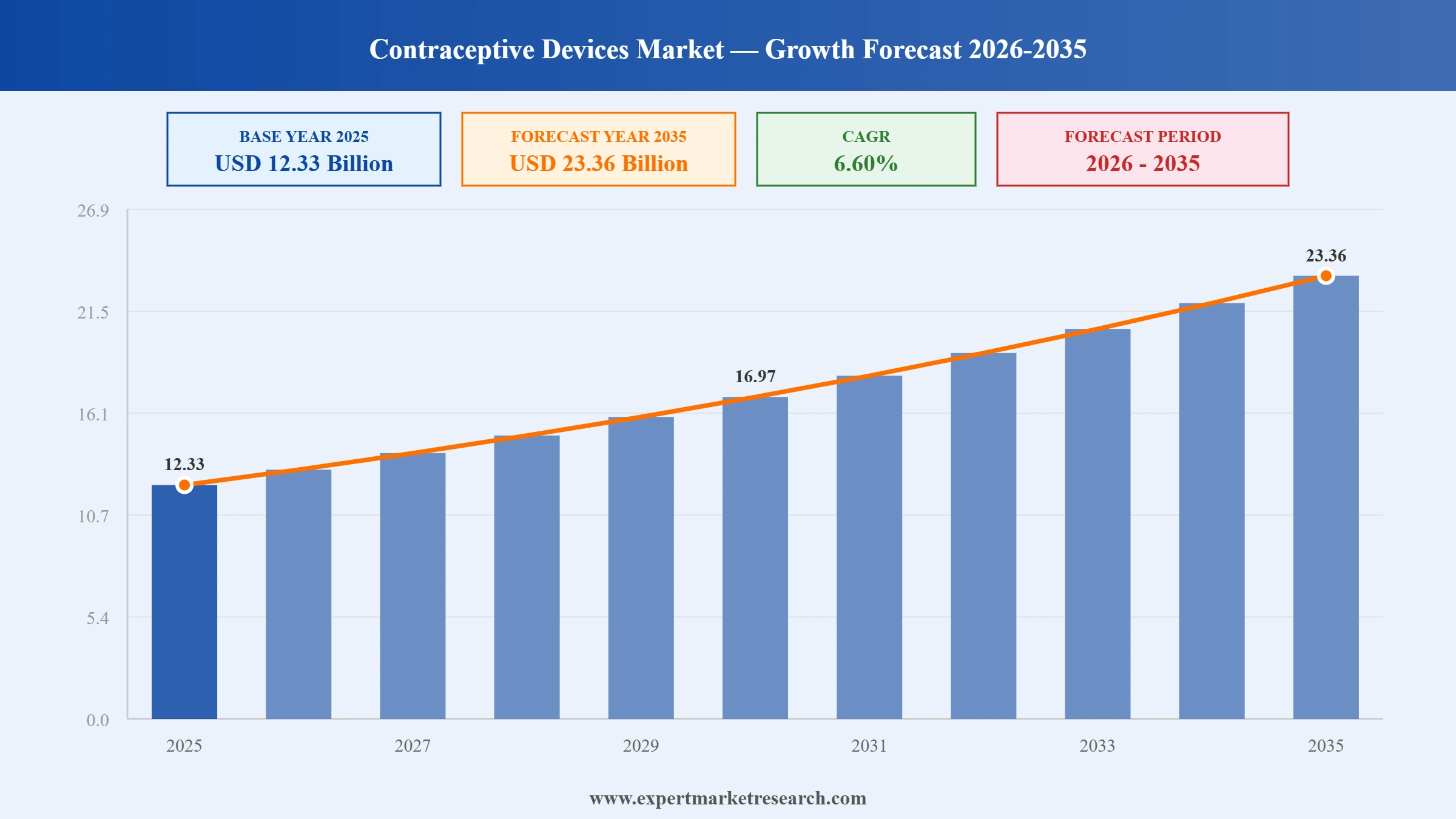
The global contraceptive devices market was valued at USD 12.33 Billion in 2025. It is poised to grow at a CAGR of 6.60% during the forecast period of 2026-2035, and reach USD 23.36 Billion by 2035. The market growth is driven by increasing awareness of family planning, rising demand for effective birth control methods, expanding access to reproductive healthcare services, and growing adoption of long-acting reversible contraceptives and technologically advanced contraceptive devices worldwide.
Read more about this report - REQUEST FREE SAMPLE COPY IN PDF
The market reached a value of approximately USD 12.33 Billion in 2025. The market is witnessing steady growth due to increasing awareness of family planning, rising demand for effective birth control methods, and expanding access to reproductive healthcare services worldwide. Growing adoption of Long-acting Reversible Contraception (LARC) methods, supported by their high efficacy and extended duration of protection, is significantly contributing to market expansion. Technological advancements in contraceptive devices, favorable healthcare policies, and improved access to reproductive healthcare services are further supporting demand. Additionally, increasing focus on preventing unintended pregnancies and enhancing women's reproductive autonomy is expected to drive sustained market growth.
Market Breakup by Product Type
The market is segmented by product type into male contraceptive devices and female contraceptive devices. Male contraceptive devices include condoms and spermicides, with condoms continuing to see high demand due to easy availability, low cost, and strong awareness. Female contraceptive devices include female condoms, contraceptive sponges, contraceptive vaginal rings, intrauterine devices, sub-dermal contraceptive implants, and non-surgical permanent contraceptive devices. Demand is supported by rising focus on reproductive health, long-acting contraception, and wider access to family planning products.
Market Breakup by Technology
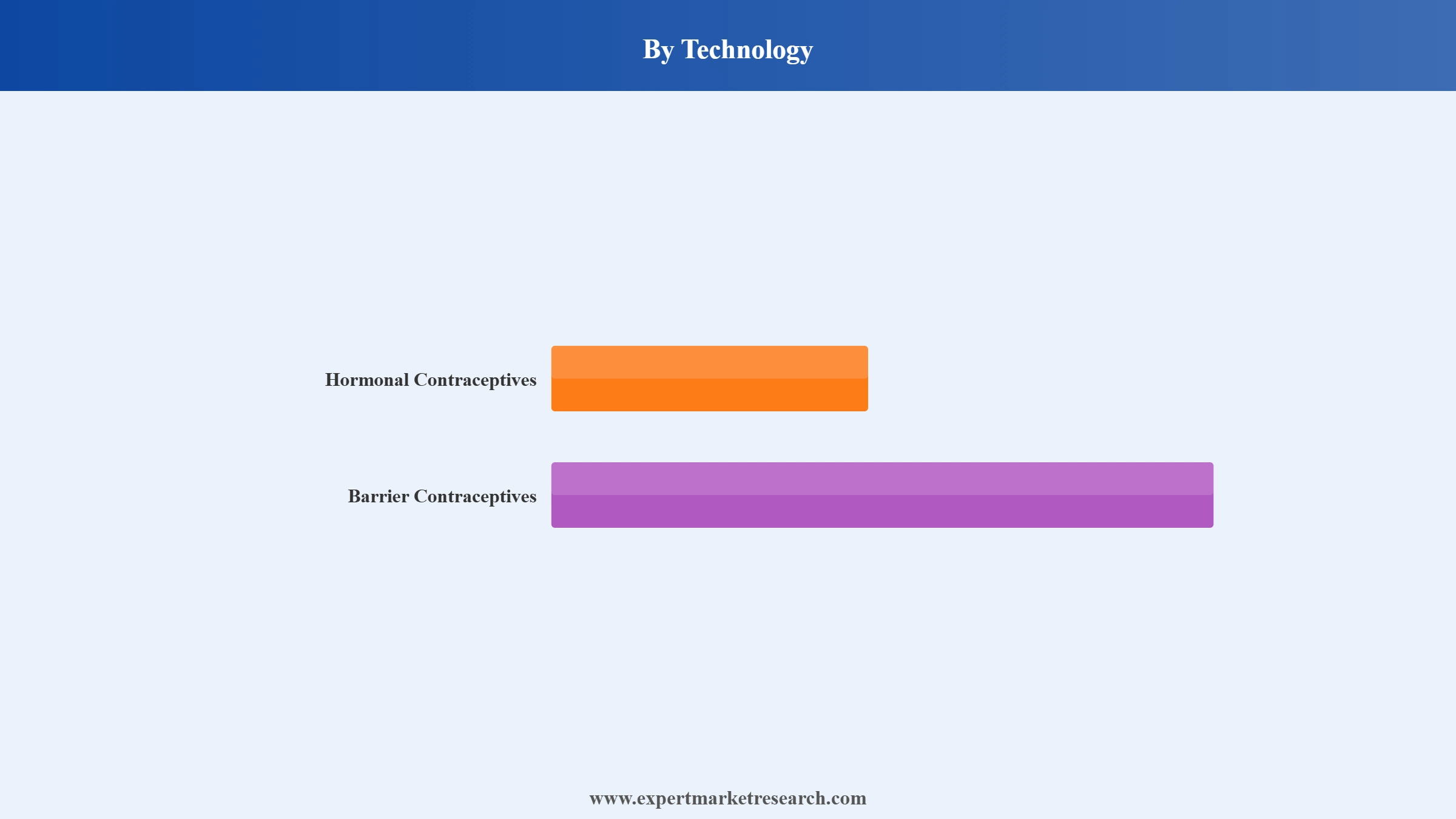
The market is divided into hormonal contraceptives and barrier contraceptives. Hormonal contraceptives are gaining demand due to their role in long-term pregnancy prevention and use across vaginal rings, implants, and other controlled-release products. Barrier contraceptives continue to hold strong relevance, supported by condom use, protection against sexually transmitted infections, and broad retail availability. Growing awareness of planned parenthood, improved counseling, and product innovation are supporting adoption across these technology categories.
Market Breakup by Distribution Channel
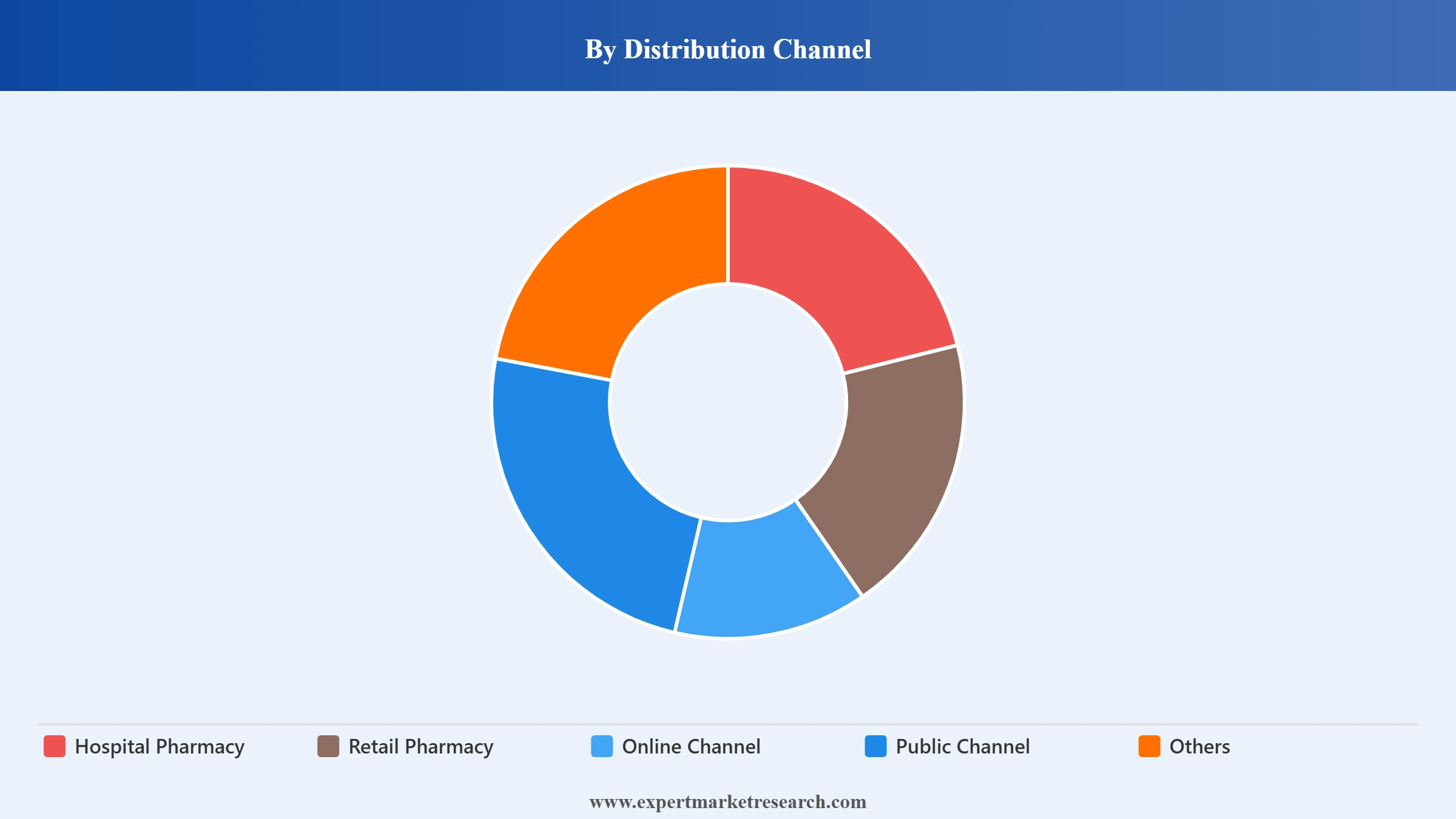
The market includes hospital pharmacy, retail pharmacy, online channel, public channel, and others. Retail pharmacies are expected to hold a strong share due to easy product access, repeat purchases, and consumer familiarity with condoms and other contraceptive products. Hospital pharmacies support prescription-based and procedure-linked contraceptive access, especially for implants and intrauterine devices. Online channels are expanding as consumers prefer discreet purchasing, while public channels remain important for government-led family planning programs and broader contraceptive access.
Market Breakup by Region
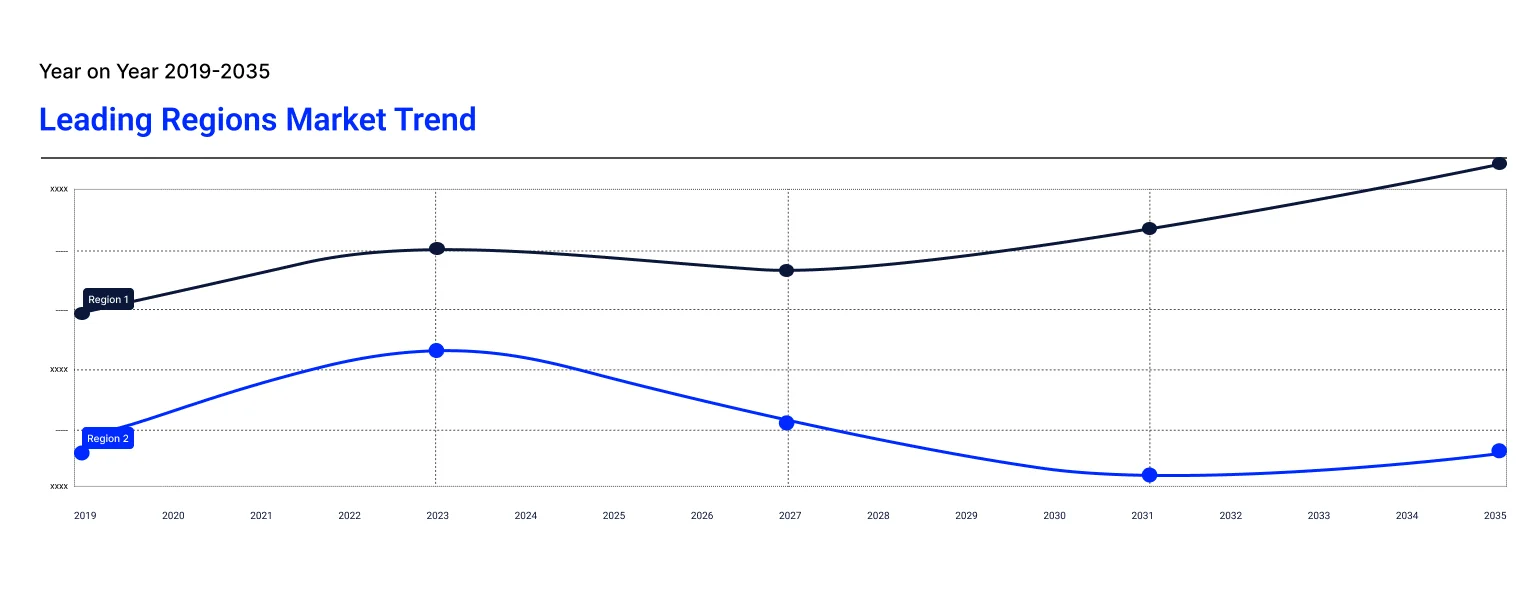
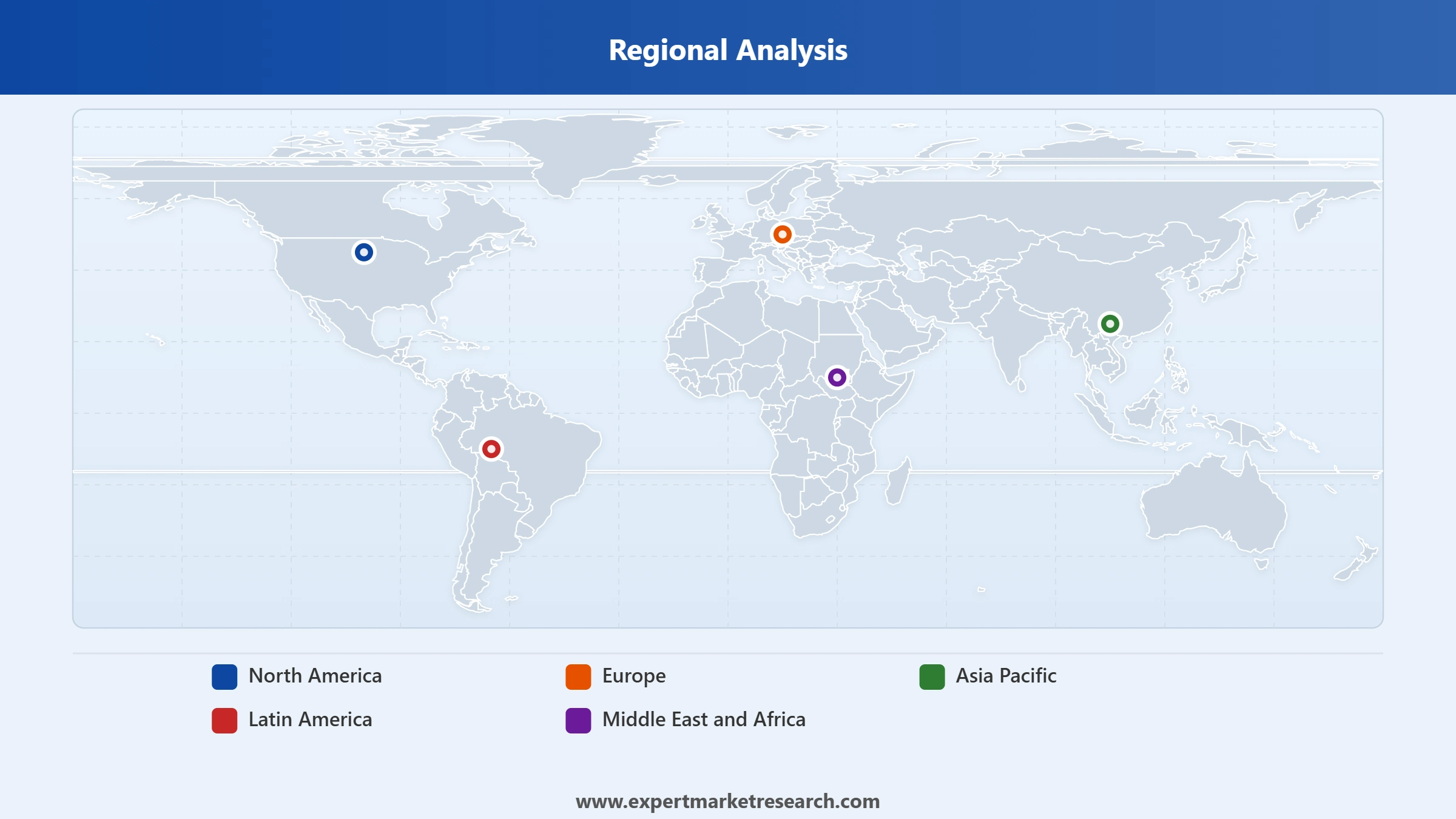
The market is segmented by region into North America, Europe, Asia Pacific, Latin America, and the Middle East and Africa. North America is expected to maintain a strong position due to high awareness, organized healthcare access, and availability of advanced contraceptive options. Europe is supported by favorable reproductive health programs and steady adoption of long-acting devices. Asia Pacific is expected to expand at a faster pace due to a large reproductive-age population, family planning initiatives, and rising healthcare access. Latin America and the Middle East and Africa are also witnessing gradual improvement in contraceptive availability.
Read more about this report - REQUEST FREE SAMPLE COPY IN PDF
| Analysis Type | Factors | Example |
| Market Drivers | Long-acting contraception demand and fewer replacement visits support stronger implant adoption and patient convenience worldwide. | Organon extended NEXPLANON approval to five years, reducing clinic visits and replacement burden for users. |
| Market Restraints | Provider certification needs and insertion risks may restrict implant availability in low-resource clinical settings nationwide. | FDA labeling retained NEXPLANON REMS requirements, requiring certified providers for insertion and removal procedures safely. |
| Market Opportunities | Demand for hormone-free contraception and long-acting methods creates portfolio expansion opportunities across key markets. | Organon licensed MIUDELLA globally, strengthening access to hormone-free copper intrauterine device options. |
This section analyzes key factors influencing market growth, including family planning awareness, reproductive healthcare access, technological advancements in contraceptive devices, regulatory frameworks, consumer preferences, demographic trends, and evolving demand for long-acting and non-hormonal contraception solutions.
Extended Implant Duration Supports Market Development
Rising demand for long-acting contraception and fewer replacement procedures are supporting market growth in contraceptive devices. For instance, in January 2026, Organon received U.S. FDA approval to extend NEXPLANON use from 3 years to up to 5 years, supported by trial data showing no pregnancies during years 4 and 5. This approval is expected to improve user convenience, reduce clinic visits, and strengthen adoption of implant-based contraception during the forecast period across healthcare settings.
REMS Requirements Create Access Barriers Restricting Market Avenues
Limited availability of trained providers and procedural safety requirements may create market restraints for contraceptive devices. For instance, in January 2026, FDA labeling for NEXPLANON continued to include a restricted REMS program due to risks linked to improper insertion and removal. This requirement may limit access in some healthcare settings, as providers must complete certification before performing implant procedures. During the forecast period, training needs could slow adoption in areas with fewer qualified professionals.
Read more about this report - REQUEST FREE SAMPLE COPY IN PDF
Hormone-Free IUD Licensing Advancing Market Regulation
Growing preference for hormone-free options and wider access to long-acting reversible contraception are supporting market development in contraceptive devices. For instance, in February 2026, Organon entered an agreement to license global rights to MIUDELLA, Sebela Pharmaceuticals’ hormone-free copper intrauterine device. This deal is expected to expand Organon’s reproductive health portfolio, improve commercial availability of newer IUD choices, and support broader adoption among users seeking non-hormonal contraception during the forecast period across key regional healthcare systems and retail channels.
Increasing Male Contraceptive Innovation Supporting Future Market Expansion
Rising interest in shared contraceptive responsibility and demand for non-hormonal male options are shaping market trends in contraceptive devices. For instance, in February 2026, NEXT Life Sciences announced that Plan A and NLS-133 advanced into Phase II clinical trials, including a long-acting male option and a non-hormonal pill. This progress is expected to support product innovation, attract investment, and create new male-focused contraceptive categories during the forecast period as clinical development advances.
Retail Pharmacies Likely to Lead the Market Segment by Distribution Channel
The retail pharmacies segment generated approximately 44% market share in the historical period and is likely to lead the market during the forecast period. Its strong position is supported by widespread consumer accessibility, established distribution networks, and growing demand for over-the-counter contraceptive products. Retail outlets continue to play a critical role in improving product availability and convenience for consumers. Increasing awareness of family planning and reproductive healthcare is further supporting demand. The availability of emergency contraceptive devices through retail channels is also contributing to segment growth by improving consumer access, convenience, and timely product availability, particularly in urban and semi-urban markets.
Read more about this report - REQUEST FREE SAMPLE COPY IN PDF
Asia Pacific accounted for about 31% market share in the historical period and is likely to dominate the market during the forecast period. The region benefits from a large reproductive-age population, expanding healthcare infrastructure, and increasing government initiatives supporting family planning programs. Rising awareness regarding birth control options and improved access to reproductive healthcare services continue to strengthen market demand. Economic development and urbanization are also influencing contraceptive adoption rates. Growing implementation of WHO contraceptive guidelines across healthcare systems is further supporting standardized access and utilization of contraceptive products throughout the region.
Read more about this report - REQUEST FREE SAMPLE COPY IN PDF
Bayer AG, headquartered in Leverkusen, Germany, was established in 1863. The company is a global life sciences leader with a strong presence in women’s healthcare. Its contraceptive portfolio includes hormonal intrauterine systems, oral contraceptives, and reproductive health products. Bayer’s extensive research capabilities and global distribution network support its leadership position in the market.
Pfizer Inc., headquartered in New York, United States, was founded in 1849. The company is a multinational biopharmaceutical organization with a diverse healthcare portfolio. In the contraceptive market, Pfizer offers reproductive health therapies and women’s healthcare products. Its strong research infrastructure, global commercial presence, and focus on innovative healthcare solutions contribute to expanding access to contraception and reproductive health services worldwide.
Janssen Global Services, LLC, headquartered in Beerse, Belgium, operates as part of Johnson & Johnson, founded in 1886. The company develops pharmaceutical and healthcare solutions across multiple therapeutic areas. Its reproductive health portfolio includes products supporting family planning and women’s health. Through extensive clinical research, strategic collaborations, and global healthcare outreach, Janssen contributes to advancing contraceptive access and reproductive healthcare innovation.
Teva Pharmaceutical Industries Ltd., headquartered in Tel Aviv, Israel, was established in 1901. The company is one of the world’s largest manufacturers of generic and specialty medicines. Its portfolio includes contraceptive products, women’s health therapies, and reproductive healthcare solutions. Teva’s broad manufacturing capabilities, global distribution network, and commitment to affordable healthcare support its role in expanding contraceptive accessibility across developed and emerging markets.
Other key players in the market include Merck Sharp & Dohme Corp., Mylan N.V., Reckitt Benckiser Group plc., Veru Inc., Medisafe Distribution Inc., CooperSurgical, Inc., Devex, Mayer Laboratories, Inc., Allergan plc., Agile Therapeutics, HLL Lifecare, ANSELL LTD, Mankind Pharma, TTK HealthCare, Boehringer Ingelheim International GmbH., V-Care Pharma Pvt. Ltd., VARDHAMAN LIFECARE PVT LTD, and Cipla Inc.
*Please note that this is only a partial list; the complete list of key players is available in the full report. Additionally, the list of key players can be customized to better suit your needs.*
This report is developed through a robust mixed-methods research design combining:


Upto 15% Off
USD
$3299 $2969
$5499 $4949
$6999 $5949
$8199 $6969


*While we strive to always give you current and accurate information, the numbers depicted on the website are indicative and may differ from the actual numbers in the main report. At Expert Market Research, we aim to bring you the latest insights and trends in the market. Using our analyses and forecasts, stakeholders can understand the market dynamics, navigate challenges, and capitalize on opportunities to make data-driven strategic decisions.*
Explore our key highlights of the report and gain a concise overview of key findings, trends, and actionable insights that will empower your strategic decisions.
| REPORT FEATURES | DETAILS |
| Base Year | 2025 |
| Historical Period | 2019-2025 |
| Forecast Period | 2026-2035 |
| Scope of the Report |
Historical and Forecast Trends, Industry Drivers and Constraints, Historical and Forecast Market Analysis by Segment:
|
| Breakup by Product Type |
|
| Breakup by Technology |
|
| Breakup by Distribution Channel |
|
| Breakup by Region |
|
| Market Dynamics |
|
| Supplier Landscape |
|
| Companies Covered |
|
Datasheet
One User
USD 3,299
USD 2,969
tax inclusive*
Single User License
One User
USD 5,499
USD 4,949
tax inclusive*
Five User License
Five User
USD 6,999
USD 5,949
tax inclusive*
Corporate License
Unlimited Users
USD 8,199
USD 6,969
tax inclusive*
*Please note that the prices mentioned below are starting prices for each bundle type. Kindly contact our team for further details.*
Flash Bundle
Small Business Bundle
Growth Bundle
Enterprise Bundle
*Please note that the prices mentioned below are starting prices for each bundle type. Kindly contact our team for further details.*
Flash Bundle
Number of Reports: 3
20%
tax inclusive*
Small Business Bundle
Number of Reports: 5
25%
tax inclusive*
Growth Bundle
Number of Reports: 8
30%
tax inclusive*
Enterprise Bundle
Number of Reports: 10
35%
tax inclusive*
How To Order

Select License Type
Choose the right license for your needs and access rights.

Click on ‘Buy Now’
Add the report to your cart with one click and proceed to register.

Select Mode of Payment
Choose a payment option for a secure checkout. You will be redirected accordingly.
Strategic Solutions for Informed Decision-Making
Gain insights to stay ahead and seize opportunities.

Get insights & trends for a competitive edge.

Track prices with detailed trend reports.

Analyse trade data for supply chain insights.

Leverage cost reports for smart savings

Enhance supply chain with partnerships.

Connect For More Information
Our expert team of analysts will offer full support and resolve any queries regarding the report, before and after the purchase.
Our expert team of analysts will offer full support and resolve any queries regarding the report, before and after the purchase.
We employ meticulous research methods, blending advanced analytics and expert insights to deliver accurate, actionable industry intelligence, staying ahead of competitors.
Our skilled analysts offer unparalleled competitive advantage with detailed insights on current and emerging markets, ensuring your strategic edge.
We offer an in-depth yet simplified presentation of industry insights and analysis to meet your specific requirements effectively.




