

Consumer Insights
Uncover trends and behaviors shaping consumer choices today
Procurement Insights
Optimize your sourcing strategy with key market data
Industry Stats
Stay ahead with the latest trends and market analysis.
The global cross laminated timber market attained a value of USD 1953.45 Million in 2025 and is projected to grow at a CAGR of 11.40% through 2035. The market is further expected to reach USD 5749.82 Million by 2035. Rising global adoption of mass timber construction as a lower carbon alternative to concrete and steel, combined with expanding building code allowances for taller timber structures and growing manufacturing capacity among established producers, continues to support strong growth in the cross laminated timber market.
Demand for cross laminated timber rests on its growing role as a structural alternative to concrete and steel across residential, public, and commercial construction, where prefabricated panels allow for faster on-site assembly, lighter foundations, and a materially lower carbon footprint than conventional building systems. Architects, developers, and government agencies pursuing sustainability targets are increasingly specifying engineered timber systems for new building projects, lifting demand across both established and emerging construction markets.
At the same time, regulatory momentum around embodied carbon and building safety is reshaping the addressable scope of the industry, as a growing number of jurisdictions require whole life carbon reporting and update building codes to permit taller timber structures. In December 2025, the European Commission adopted a delegated regulation setting a harmonised life cycle global warming potential method for buildings, with disclosure required in energy performance certificates for new buildings above 1,000 square metres from 2028 and for all new buildings from 2030, and with wood construction named as a carbon storage technique.
Major producers, most of which remain concentrated in Central Europe, are directing substantial capital toward capacity expansion in both their home markets and overseas, particularly in North America, to serve this broadening demand base closer to where construction activity is accelerating. This pattern of sustained investment in new and expanded production lines is consistent with the broader growth strategy underway among leading industry participants.
Compound Annual Growth Rate
11.4%
Value in USD Million
2026-2035
Read more about this report - REQUEST FREE SAMPLE COPY IN PDF
| Global Cross Laminated Timber Market Report Summary | Description | Value |
| Base Year | USD Million | 2025 |
| Historical Period | USD Million | 2019-2025 |
| Forecast Period | USD Million | 2026-2035 |
| Market Size 2025 | USD Million | 1953.45 |
| Market Size 2035 | USD Million | 5749.82 |
| CAGR 2019-2025 | Percentage | XX% |
| CAGR 2026-2035 | Percentage | 11.40% |
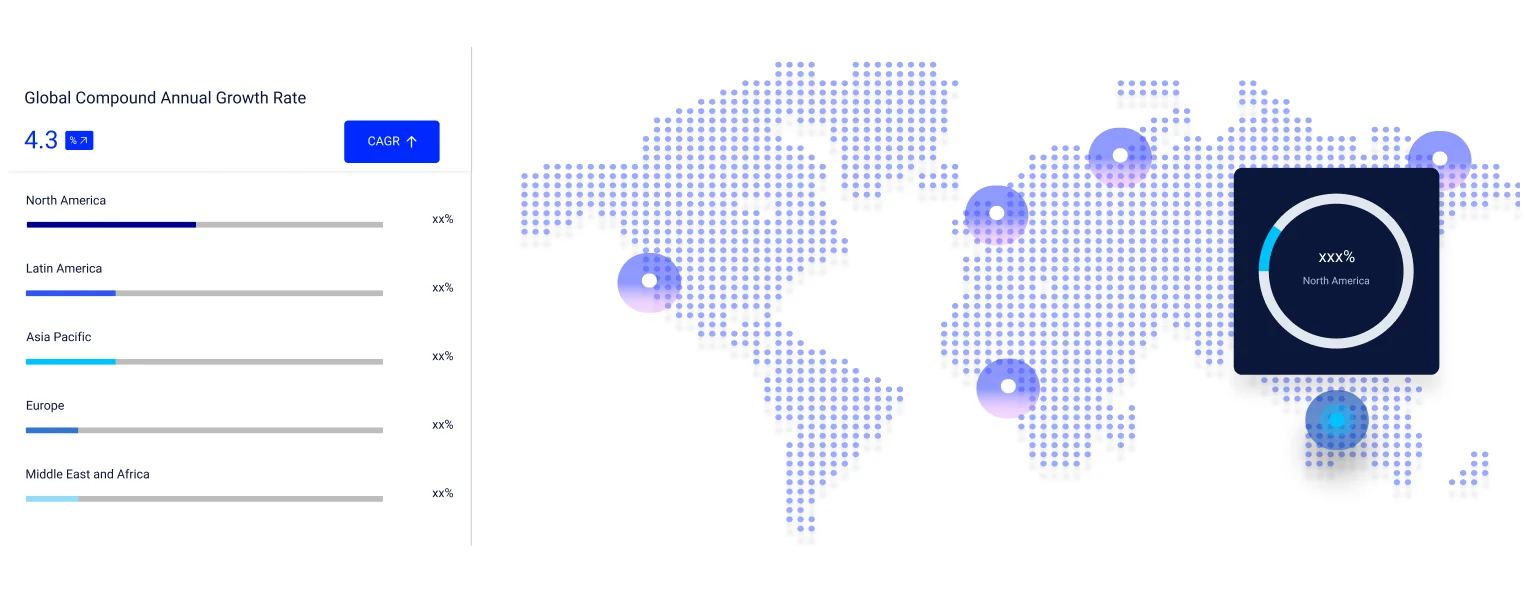
| CAGR 2026-2035 - Market by Region | Asia Pacific | 13.1% |
| CAGR 2026-2035 - Market by Country | India | 15.0% |
| CAGR 2026-2035 - Market by Country | China | 12.5% |
| CAGR 2026-2035 - Market by Product Type | Custom CLT | 12.5% |
| CAGR 2026-2035 - Market by Adhesive Type | PUR (Polyurethane) | 12.8% |
| Market Share by Country 2025 | France | 3.1% |
Kalesnikoff launched modular school classrooms in April 2026, built with CLT floors, walls, and ceilings and delivered with digital, heating, and plumbing systems pre-installed. Manufacturers can leverage this trend by offering factory finished modules to education authorities that need faster, repeatable delivery of public buildings. Early adopters can also use repeatable designs to win framework contracts.
Element5 opened its expanded St. Thomas, Ontario facility in September 2025, a USD 107 million project backed by HASSLACHER Group that doubled combined CLT and glulam capacity from 50,000 to 100,000 cubic metres annually. Producers can leverage this trend by pairing capacity additions with strategic investors to secure regional supply and customer access.
Sterling Structural launched its CLTimber Bay System in July 2025, a CLT and steel kit for warehouses, data centers, and retail buildings positioned against tilt wall construction. Producers can leverage this trend by packaging standard panels into ready to assemble building kits, which shortens delivery schedules and opens industrial project categories. Standard kits also simplify contractor pricing.
Sumitomo Forestry completed its acquisition of Teal Jones Louisiana Holdings in July 2025, gaining the Plain Dealing sawmill, which produces about 300 million board feet a year, and plans mass timber manufacturing on about 40 hectares of spare land. Companies can leverage this trend by securing fibre supply through acquisitions before adding panel capacity.
New entrants are building first of a kind plant in regions that previously imported panels, which shortens supply chains for local builders. In November 2025, FABRIC Mass Timber, working with WRNS Studio, announced plans for California's first large scale mass timber factory in Redding's Stillwater Business Park, a 200,000 square foot facility expected to create up to 150 jobs and open in late 2027. Local production also lets builders order panels with shorter lead times and lower transport emissions.
Public agencies are tying financing and purchasing to domestic engineered wood supply, which gives manufacturers a more predictable demand base. In August 2025, Prime Minister Mark Carney announced CAD 700 million in loan guarantees and CAD 500 million for product and market diversification for Canada's softwood sector, with federal procurement set to require Canadian lumber. Clear policy signals encourage producers to commit capital to new lines, training, and local supply chains.
Producers are weighing which sites to keep, restructure, or sell as regional demand shifts and input costs stay elevated. In November 2025, Stora Enso announced a strategic review of seven sawmills and three CLT mills across Austria, Czechia, Poland, and Lithuania, representing about three million cubic metres of capacity, with the assessment running through 2026. Reviews of this kind often lead to fewer, larger plants serving wider catchment areas.
Factory built modules are moving CLT from a panel product to a finished building component, which raises the value captured by the manufacturer. In July 2026, Prime Minister Christopher Luxon opened Red Stag's VoMo CLT volumetric modular factory in Rotorua, New Zealand, which has 150 modules on order and a design capacity of 800 modules a year. Orders from builders show growing confidence in prefabricated volumetric systems.
The Expert Market Research's report titled " Global Cross Laminated Timber Market Report and Forecast 2026-2035" offers a detailed analysis of the cross laminated timber market based on the following segments:
Market Breakup by Application
Key Insight: Commercial construction accounts for the largest share of application demand, as office developments, hotels, and institutional buildings increasingly specify engineered timber systems to meet corporate sustainability and embodied carbon targets. Residential applications are growing the fastest as expanding building code allowances and rising developer familiarity with prefabricated timber assembly support greater adoption across the cross laminated timber market. In June 2025, Powerhouse Company's Valckensteyn in Rotterdam was reported as the city's first mass timber apartment building, with seven storeys, 82 affordable rental units, and CLT upper floors. In October 2025, the Anthony Timberlands Center at the University of Arkansas was reported with CLT roof panels. In January 2025, Walmart's Bentonville Home Office was reported with 1.5 million cubic feet of mass timber across 12 office buildings.
Market Breakup by Product Type
Key Insight: Custom cross laminated timber panels, pre-cut and finished to individual project specifications, account for the larger share of the product type segment, reflecting the prefabrication efficiency that project developers seek from engineered timber systems. Blank CLT panels are growing fastest as independent fabricators and distributors expand secondary processing capacity across the cross laminated timber market. In June 2025, Kalesnikoff opened a 100,000 square foot prefabrication and modular facility in Castlegar, British Columbia, producing prefabricated walls, floors, and modules from its own mass timber. In April 2025, Pfeifer Group announced that its Schlitz CLT plant in Germany would move to a third production shift from Easter 2025, adding standard panel volume.
Market Breakup by Element Type
Key Insight: Wall panels represent the leading element type, forming the structural envelope of most mass timber buildings and benefiting from the broadest base of established design and certification standards. Flooring panels are the fastest growing element type as multi storey projects increasingly specify engineered timber floor assemblies to reduce overall building weight and construction time within the cross laminated timber market. In July 2025, Atrium Ljungberg launched Stockholm Wood City in Sickla, a SEK 12 billion project of about 250,000 square metres that uses CLT for cores and walls. In June 2025, SuperLA's nine-unit multifamily building in Los Angeles was reported with CLT forming its floors, walkways, and roof.
Market Breakup by Raw Material Type
Key Insight: Spruce remains the leading raw material owing to its wide availability across Central European forests and its established track record in structural certification. Fir is the fastest growing raw material category in the cross laminated timber market, supported by growing specification of Douglas fir panels in North American projects where the species is locally abundant. In December 2025, Timber-Online reported that spruce dominates CLT production in Austria, Germany, Switzerland, Italy, and the Czech Republic, where output reached 1.31 million cubic metres in 2024. In September 2026, Hyne Group began a strategic review to sell XLAM, whose Wodonga plant in Australia makes 50,000 cubic metres a year from radiata pine. In November 2025, Timberlab topped out its 192,000 square foot Millersburg, Oregon CLT plant, which will use Oregon grown Douglas fir.
Market Breakup by Bonding Method
Key Insight: Adhesively bonded panels dominate the bonding method segment, as structural adhesives remain the established industry standard for achieving the load bearing performance required in most building applications. Mechanically fastened panels are growing fastest as a subset of developers pursue adhesive free construction methods to meet specific indoor air quality and low emission building certifications within the cross laminated timber market. In February 2025, StructureCraft launched DowelLam, a brand dedicated to dowel laminated timber that uses hardwood dowels instead of glue or nails, produced at its Abbotsford, British Columbia plant. In February 2025, Henkel launched its Loctite HB XE polyurethane adhesive line for CLT and glulam, which meets Eurocode 5 requirements and was fire tested at ETH Zurich.
Market Breakup by Panel Layers
Key Insight: Five ply panels account for the largest share of the panel layers segment, offering a practical balance of structural strength and material cost suited to the midrise projects that make up the bulk of current construction activity. Seven ply panels are the fastest growing category as a growing pipeline of high rise and long span projects require the additional structural depth these panels provide across the cross laminated timber market. In January 2026, Mercer Mass Timber announced a USD 30 million expansion of its 270,000 square foot Spokane Valley, Washington plant. In July 2026, Blumer Lehmann opened a combined CLT and glulam plant at Erlenhof in Gossau, Switzerland, adding a patented CLT clever panel that saves up to 30% of material.
Market Breakup by Adhesive Type
Key Insight: Polyurethane adhesives lead the adhesive type of segment owing to their cost efficiency, fast curing properties, and broad structural certification across major markets. Melamine-urea-formaldehyde adhesives are the fastest growing category as taller timber projects increasingly require the enhanced fire and moisture performance these formulations provide to the cross laminated timber market. In May 2025, Henkel previewed its LIGNA 2025 presentation in Hanover, featuring the Loctite HB XE line alongside the bio-based Loctite HB S ECO. In September 2026, Kleiberit introduced Kleiberit 569.1, a one component polyurethane construction adhesive with a D4 bond rating under DIN EN 204.
Market Breakup by Press Type
Key Insight: Hydraulic presses remain the dominant press type, valued by large scale producers for the high, consistent clamping pressure needed for structural panel certification. Vacuum presses are the fastest growing press type as smaller and regional manufacturers adopt lower capital intensity production lines to enter the market. In March 2025, Ledinek announced a CLT line for Mosaic Timber in Crescent Mills, California, with a 45-foot XE-Press and a capacity of 60 cubic metres per shift. In July 2026, Ledinek shipped the final equipment for Argentina's first CLT plant, built by Cambium Build in Corrientes.
Market Breakup by Storey Class
Key Insight: Low rise buildings account for the largest share of the storey class segment, reflecting the project type for which engineered timber construction has the longest track record and broadest regulatory approval. High rise buildings are the fastest growing storey class as an expanding number of jurisdictions update building codes to permit taller mass timber structures, widening addressable demand. In January 2025, Paris's Wood Up tower was reported at 14 storeys and 50 metres, with 132 apartments built from glulam and CLT. In July 2026, Atlassian Central in Sydney, a 39-floor hybrid tower using about 10,000 cubic metres of glulam and CLT, reached its topping out.
Market Breakup by End Use
Key Insight: Structural applications dominate the end use segment, as load bearing walls, floors, and roofing remain the core function for which cross laminated timber panels are specified. Non-structural applications are growing fastest as architects increasingly use exposed timber panels for interior finishes and partitions. In September 2026, Forest Villa Home was reported to be building Japan's first all CLT five storey office in Fukuoka, using 359 cubic metres of timber, with completion due in May 2027.
Market Breakup by Region
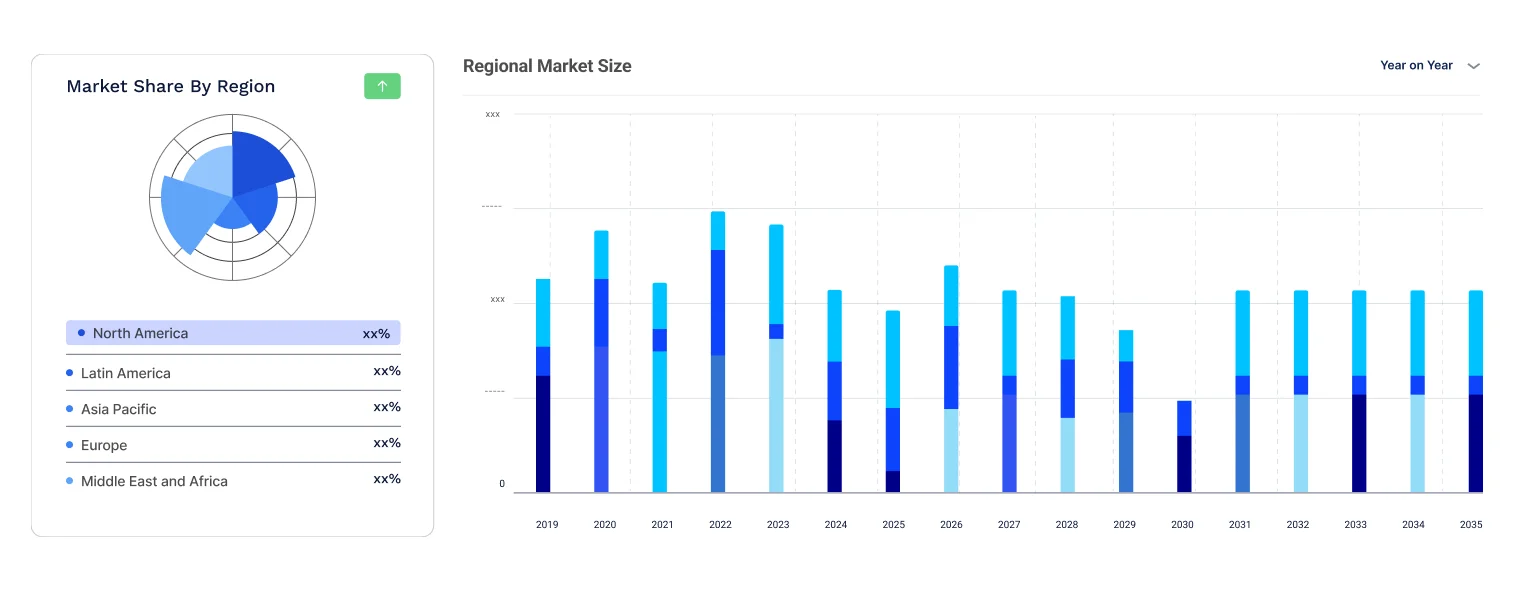
Key Insight: Europe accounts for the largest regional share of the cross laminated timber market, anchored by the long established Central European producer base and decades of structural certification and design experience. The Rest of the World category is registering the fastest growth, led by rapid expansion of mass timber construction activity in Asia Pacific markets including India. In September 2026, Stora Enso announced plans to end CLT production at Gruvon in Sweden by the end of 2026 and serve Nordic customers from its Czech and Austrian mills. In January 2026, Washington State's Buy Clean and Buy Fair Low Carbon Manufacturing plan recommended expanding the state database for wood environmental product declarations. In September 2026, a mass timber workshop at Anant National University in Ahmedabad, supported by the US Softwood Export Council, was reported as part of efforts to build engineered timber awareness in India.
Read more about this report - REQUEST FREE SAMPLE COPY IN PDF
By application, commercial construction dominates the cross laminated timber market owing to corporate sustainability and embodied carbon reduction targets
Commercial construction holds the largest share of the application segment, as office developments, hotels, and institutional buildings increasingly specify engineered timber systems to meet corporate sustainability commitments and reduce embodied carbon relative to concrete and steel. Repeating floor plates suit prefabricated panels. In March 2026, Binderholz announced a strategic alliance with BAM Nederland, with a predominantly timber office building in The Hague for the Dutch government real estate agency as the first joint project.
Residential applications are registering the fastest growth within the application segment as expanding building code allowances and rising developer familiarity with prefabricated timber assembly support broader adoption across multifamily and low-rise housing projects in the cross laminated timber market. Standardised panel designs shorten approval and construction timelines. In September 2025, Canada unveiled Build Canada Homes, a CAD 13 billion agency to build mass timber modular homes, with a first phase of 4,000 homes on six federal sites.
By product type, custom CLT panels lead this segment owing to the prefabrication efficiency developers seek from project specific designs
Custom cross laminated timber panels, cut and finished to individual project specifications, hold the largest share of the product type segment, reflecting the prefabrication efficiency and reduced on site labor that developers increasingly seek. Early collaboration lets openings and connections be machined at the factory. In July 2025, Mercer Mass Timber integrated its CLT and glulam products into the CLT Toolbox engineering design platform for North American structural engineers.
Blank CLT panels are the fastest growing product type as independent fabricators and regional distributors expand secondary processing capacity to serve smaller contractors that do not require full custom engineering. Standard panel sizes can be stocked, cut locally, and delivered quickly, which suits housing builders and renovation projects with tight schedules. Growing numbers of regional machining centers are widening access to the product and supporting above average growth across the cross laminated timber market.
By element type, wall panels dominate the cross laminated timber market owing to their central role in the structural building envelope
Wall panels account for the largest share of the element type segment, forming the structural envelope of most mass timber buildings and benefiting from the broadest base of established design details and certification standards across the cross laminated timber market. Walls also carry the repeated vertical loads that make panel thickness and layup decisions most consequential, which keeps demand concentrated in this element type for residential and commercial frames alike. Established connection details give designers a reliable starting point.
Flooring panels are registering the fastest growth within the element type segment as multi storey projects increasingly specify engineered timber floor assemblies to reduce overall building weight and shorten construction schedules. In May 2026, BCIT's 12 storey, 469 bed student residence in Burnaby was reported complete, with CLT floors resting on steel hollow section columns. Floors also deliver acoustic and fire performance benefits when topped with screeds, helping timber compete in multifamily and office buildings.
By raw material type, spruce leads this segment owing to its wide availability across Central European forests
Spruce holds the largest share of the raw material type segment, supported by its wide availability across Central European forests and its long-established track record in structural certification among the cross laminated timber market's major producers. In March 2025, Setra Group moved CLT and wood component production at Langshyttan, Sweden, from continuous to periodic operation because of high timber prices, showing how log costs shape panel output. Consistent strength grading also helps panel producers manage yield and certification.
Fir is the fastest growing raw material category as growing specification of Douglas fir panels in North American projects, where the species is locally abundant, supports above average growth. Local sourcing shortens transport distances and lets producers’ market regionally grown timber with traceable origin. Projects seeking lower embodied carbon and certified supply chains are increasingly choosing regionally grown species, which keeps fir demand rising faster than the wider segment.
By bonding method, adhesively bonded panels dominate this segment owing to their established structural performance standards
Adhesively bonded panels hold the largest share of the bonding method segment, as structural adhesives remain the established industry standard for achieving the load bearing performance, dimensional stability, and fire behavior required in most building applications. Established certification routes and engineering design tools are written around glued panels, which gives specifiers confidence and keeps adhesively bonded products the default choice for most projects across the cross laminated timber market. Their dominance is reinforced by decades of testing data.
Mechanically fastened panels are the fastest growing bonding method as a subset of developers pursue adhesive free construction methods to meet specific indoor air quality and low emission building certifications. In February 2026, Mad River Mass Timber opened California's first commercial dowel laminated plant in Humboldt County, joining wood with dowels rather than adhesives, widening choice in the cross laminated timber market. Dowels and fasteners also simplify end of life disassembly and reuse, which appeals to circular construction programs.
By panel layers, five ply panels lead this segment owing to their balance of structural strength and material cost
Five ply panels account for the largest share of the panel layers segment, offering a practical balance of structural strength and material cost suited to the midrise projects that make up the bulk of current construction activity. In May 2025, Sterling Structural became the first US CLT manufacturer listed on the CLT Toolbox platform, with its TerraLam panels certified to PRG 320 for structural use. Their thickness also supports common floor spans and wall heights without excessive material use.
Seven ply panels are registering the fastest growth within the panel layers segment as a growing pipeline of high rise and long span projects require the additional structural depth these panels provide. Thicker layups carry heavier loads over longer spans and offer greater fire resistance through added char depth, which makes them the preferred choice as designers push timber into taller and more demanding buildings. Producers with larger presses and wider panel capacity are better placed to supply these specifications.
By adhesive type, PUR adhesives dominate this segment owing to their cost efficiency and fast curing properties
Polyurethane adhesives hold the largest share of the adhesive type of segment of the cross laminated timber market owing to their cost efficiency, fast curing properties, and broad structural certification across major markets. In September 2026, Kleiberit introduced Kleiberit 569.1, a one component polyurethane construction adhesive with a D4 bond rating under DIN EN 204, adding to the choice available to timber and construction manufacturers. Fast cure times also raise press throughput for high volume plants.
MUF adhesives are the fastest growing category within the adhesive type of segment as taller timber projects increasingly require the enhanced fire and moisture performance these formulations provide. Their light-colored glue lines suit exposed interior surfaces, and their performance under heat and humidity supports certification for larger buildings. Manufacturers serving high rise projects are therefore adopting them at a faster rate than the wider cross laminated timber market. Producers value their documented structural track record.
By press type, hydraulic presses lead this segment owing to their high, consistent clamping pressure for structural certification
Hydraulic presses hold the largest share of the press type segment of the cross laminated timber market, valued by large scale producers for the high, consistent clamping pressure needed to achieve structural panel certification. In March 2026, Spearhead launched a USD 60 million glulam and CNC facility in Nelson, British Columbia, with a new production line arriving in spring 2026 and installation from summer 2026. Their proven reliability also supports high daily output across the cross laminated timber market.
Vacuum presses are the fastest growing press type as regional manufacturers adopt lower capital intensity production lines to enter the cross laminated timber market. Vacuum systems can press large and curved panels without heavy steel frames, which lowers installation cost and floor space requirements. This makes them attractive to new producers building first plants in regions without established panel supply, supporting faster growth than the wider segment. Producers entering local markets can scale output gradually as order books grow.
By storey class, low-rise buildings dominate the cross laminated timber market owing to their long regulatory track record
Low rise buildings account for the largest share of the storey class segment, reflecting the project type for which engineered timber construction has the longest track record and broadest regulatory approval across major markets. Schools, housing blocks, and small commercial buildings can be designed within long standing code provisions, which keeps approval risk low and lets developers repeat proven panel layouts across the cross laminated timber market. Repeatable layouts also support efficient factory production and delivery planning.
High rise buildings are the fastest growing storey class as an expanding number of jurisdictions update building codes to permit taller mass timber structures. In October 2025, the Edison in Milwaukee, a 32 storey, 110 metre towers developed by Neutral that is planned to be the world's tallest mass timber building, was reported paused with the developer citing tariffs and inflation. Taller projects also attract investment in fire testing and larger panel capacity across the cross laminated timber market.
By end use, structural applications dominate this segment owing to sustained demand for load bearing wall, floor, and roof systems
Structural applications account for the largest share of the end use segment, as load bearing walls, floors, and roofing remain the core function for which cross laminated timber panels are specified. In December 2025, trade press reported that HM Timber, part of Holz Meissnitzer in Austria, is building a new CLT, glulam, and structural timber plant of 35,000 cubic metres a year, with the first panel due in the first quarter of 2027.
Non-structural applications are the fastest growing end use category as architects increasingly use exposed timber panels for interior finishes and partitions to extend the aesthetic and sustainability benefits of mass timber beyond the load bearing frame. Thinner panels can be finished for walls, ceilings, and cabinetry, which widens the addressable market to interior fit out and renovation projects that do not need structural certification. Lower regulatory hurdles also let designers adopt timber panels earlier in the design process.
Europe commands the largest regional share of the cross laminated timber market, underpinned by its long-established producer base and decades of structural certification experience
Europe's position as the largest regional cross laminated timber market rests on the depth of its producer base across Austria, Germany, and neighboring countries, where manufacturers have built decades of structural certification experience and dense distribution networks. In July 2026, Binderholz agreed to acquire Kuhmo Oy and Juntinsalo Oy in Finland, mills processing more than one million cubic metres of roundwood a year, extending the group's European raw material base.
The Rest of the World category is registering the fastest growth among the cross laminated timber market's regional markets, led by mass timber construction activity across Asia Pacific, with India at the forefront as rising urban construction and sustainability focused building codes lift demand. In September 2026, the Canada Wood technical workshop in Seoul reported 158 registered participants, with discussion moving from feasibility to implementation, including two-hour fire resistance certification for timber assemblies.
The competitive landscape remains moderately consolidated, with established cross laminated timber companies competing on production scale, structural certification breadth, and proximity to major construction markets across Europe and North America. Leading cross laminated timber companies continue to invest in capacity expansion, species and adhesive diversification, and overseas production footprint to maintain their position with large institutional developers while capturing demand in faster growing regions.
Major cross laminated timber market players are also pursuing strategic investments in regional subsidiaries and new production facilities to strengthen their footprint across both established and faster growing construction markets. Continued emphasis on structural certification, species diversification, and capacity expansion closer to end markets is allowing established producers to defend their position with large developers while building deeper presence in newer geographies.
Founded in 1998 through the merger of Stora AB and Enso Oyj, and headquartered in Helsinki, Finland, Stora Enso Group is one of the largest suppliers to the cross laminated timber market, operating multiple CLT mills across Central Europe including its long running Ybbs facility in Austria. The company's product portfolio spans structural timber panels, sawn timber, and other wood-based building products serving residential, public, and commercial construction worldwide.
Founded in 1950 and headquartered in Fugen, Tyrol, Austria, Binderholz GmbH supplies the cross laminated timber market through an extensive network of sawmilling and panel production sites across Austria and Germany. The company positions itself among the largest cross laminated timber producers globally, with a product range spanning structural panels, glued laminated timber, and other engineered wood products.
Founded in 1850 and headquartered in Leoben, Austria, Mayr-Melnhof Holz Group is a long-established supplier to the cross laminated timber market, operating sawmilling and panel production facilities across Austria. The company's product portfolio includes structural timber panels and sawn timber products supplied to construction markets across Europe.
Founded in 1861 and headquartered in Kussnacht am Rigi, Switzerland, Schilliger Holz AG supplies the cross laminated timber market through its production facilities in Switzerland and France. The company's product range spans structural timber panels and sawn timber products serving construction customers across Central Europe.
Other key players in the market include KLH Massivholz GmbH, HASSLACHER Holding GmbH, Sterling Company, Structurlam Mass Timber Corporation, Nordic Structures, and Eugen Decker Holzindustrie KG, among others.
*Please note that this is only a partial list; the complete list of key players is available in the full report. Additionally, the list of key players can be customized to better suit your needs.*
Unlock the latest insights with our global cross laminated timber market trends 2026 report. Discover regional growth patterns, adhesive and panel technology shifts, and key industry players. Stay ahead of competition with trusted data and expert analysis. Download your free sample report today and drive informed decisions in the market.


Upto 15% Off
USD
$2499 $2249
$3999 $3599
$4999 $4249
$5999 $5099


*While we strive to always give you current and accurate information, the numbers depicted on the website are indicative and may differ from the actual numbers in the main report. At Expert Market Research, we aim to bring you the latest insights and trends in the market. Using our analyses and forecasts, stakeholders can understand the market dynamics, navigate challenges, and capitalize on opportunities to make data-driven strategic decisions.*
The cross laminated timber market reached a value of USD 1953.45 Million in 2025.
The cross laminated timber market is projected to grow at a CAGR of 11.40% between 2026 and 2035, reaching USD 5749.82 Million by 2035.
By 2035, the market is projected to reach USD 5749.82 Million.
The major market drivers include rising population, increasing construction activities, and the flexibility offered by cross-laminated timber.
The rising awareness about the advantages of cross-laminated timber over other traditional construction materials and the growing focus on reducing construction time are the key trends fuelling the market growth.
Europe leads the market by region, while the Rest of the World category, led by Asia Pacific, is registering the fastest growth.
Commercial construction leads the market by application, while residential applications are the fastest growing category.
The leading product types in the market are custom CLT and blank CLT.
The significant element types in the market are wall panels, flooring panels, and roofing panels.
The major raw material types of the product include spruce, pine, and fir, among others.
The significant bonding methods of the product are adhesively bonded and mechanically fastened.
The major panel layers of the product are 3-Ply, 5-Ply, and 7-Ply, among others.
The several adhesive types considered in the market report are PUR (Polyurethane), PRF (Phenol Resorcinol Formaldehyde), and MUF (Melamine-Urea-Formaldehyde).
The significant press types of the product include hydraulic press, vacuum press, and pneumatic press, among others.
The significant storey classes of the product are low-rise buildings (1-4 storeys), mid-rise buildings (5-10 storeys), and high-rise buildings (more than 10 storeys).
The major end uses of the product include structural applications and non-structural applications.
Key players in the cross laminated timber market include Stora Enso Group, Binderholz GmbH, Mayr-Melnhof Holz Group, Schilliger Holz AG, KLH Massivholz GmbH, HASSLACHER Holding GmbH, Sterling Company, Structurlam Mass Timber Corporation, Nordic Structures, and Eugen Decker Holzindustrie KG, among others.
Explore our key highlights of the report and gain a concise overview of key findings, trends, and actionable insights that will empower your strategic decisions.
| REPORT FEATURES | DETAILS |
| Base Year | 2025 |
| Historical Period | 2019-2025 |
| Forecast Period | 2026-2035 |
| Scope of the Report |
Historical and Forecast Trends, Industry Drivers and Constraints, Historical and Forecast Market Analysis by Segment:
|
| Breakup by Application |
|
| Breakup by Product Type |
|
| Breakup by Element Type |
|
| Breakup by Raw Material Type |
|
| Breakup by Bonding Method |
|
| Breakup by Panel Layers |
|
| Breakup by Adhesive Type |
|
| Breakup by Press Type |
|
| Breakup by Storey Class |
|
| Breakup by End Use |
|
| Breakup by Region |
|
| Market Dynamics |
|
| Competitive Landscape |
|
| Companies Covered |
|
| Report Price and Purchase Option | Explore our purchase options that are best suited to your resources and industry needs. |
| Delivery Format | Delivered as an attached PDF and Excel through email, with an option of receiving an editable PPT, according to the purchase option. |
Datasheet
One User
USD 2,499
USD 2,249
tax inclusive*
Single User License
One User
USD 3,999
USD 3,599
tax inclusive*
Five User License
Five User
USD 4,999
USD 4,249
tax inclusive*
Corporate License
Unlimited Users
USD 5,999
USD 5,099
tax inclusive*
*Please note that the prices mentioned below are starting prices for each bundle type. Kindly contact our team for further details.*
Flash Bundle
Small Business Bundle
Growth Bundle
Enterprise Bundle
*Please note that the prices mentioned below are starting prices for each bundle type. Kindly contact our team for further details.*
Flash Bundle
Number of Reports: 3
20%
tax inclusive*
Small Business Bundle
Number of Reports: 5
25%
tax inclusive*
Growth Bundle
Number of Reports: 8
30%
tax inclusive*
Enterprise Bundle
Number of Reports: 10
35%
tax inclusive*
How To Order

Select License Type
Choose the right license for your needs and access rights.

Click on ‘Buy Now’
Add the report to your cart with one click and proceed to register.

Select Mode of Payment
Choose a payment option for a secure checkout. You will be redirected accordingly.
Strategic Solutions for Informed Decision-Making
Gain insights to stay ahead and seize opportunities.

Get insights & trends for a competitive edge.

Track prices with detailed trend reports.

Analyse trade data for supply chain insights.

Leverage cost reports for smart savings

Enhance supply chain with partnerships.

Connect For More Information
Our expert team of analysts will offer full support and resolve any queries regarding the report, before and after the purchase.
Our expert team of analysts will offer full support and resolve any queries regarding the report, before and after the purchase.
We employ meticulous research methods, blending advanced analytics and expert insights to deliver accurate, actionable industry intelligence, staying ahead of competitors.
Our skilled analysts offer unparalleled competitive advantage with detailed insights on current and emerging markets, ensuring your strategic edge.
We offer an in-depth yet simplified presentation of industry insights and analysis to meet your specific requirements effectively.




