Consumer Insights
Uncover trends and behaviors shaping consumer choices today
Procurement Insights
Optimize your sourcing strategy with key market data
Industry Stats
Stay ahead with the latest trends and market analysis.
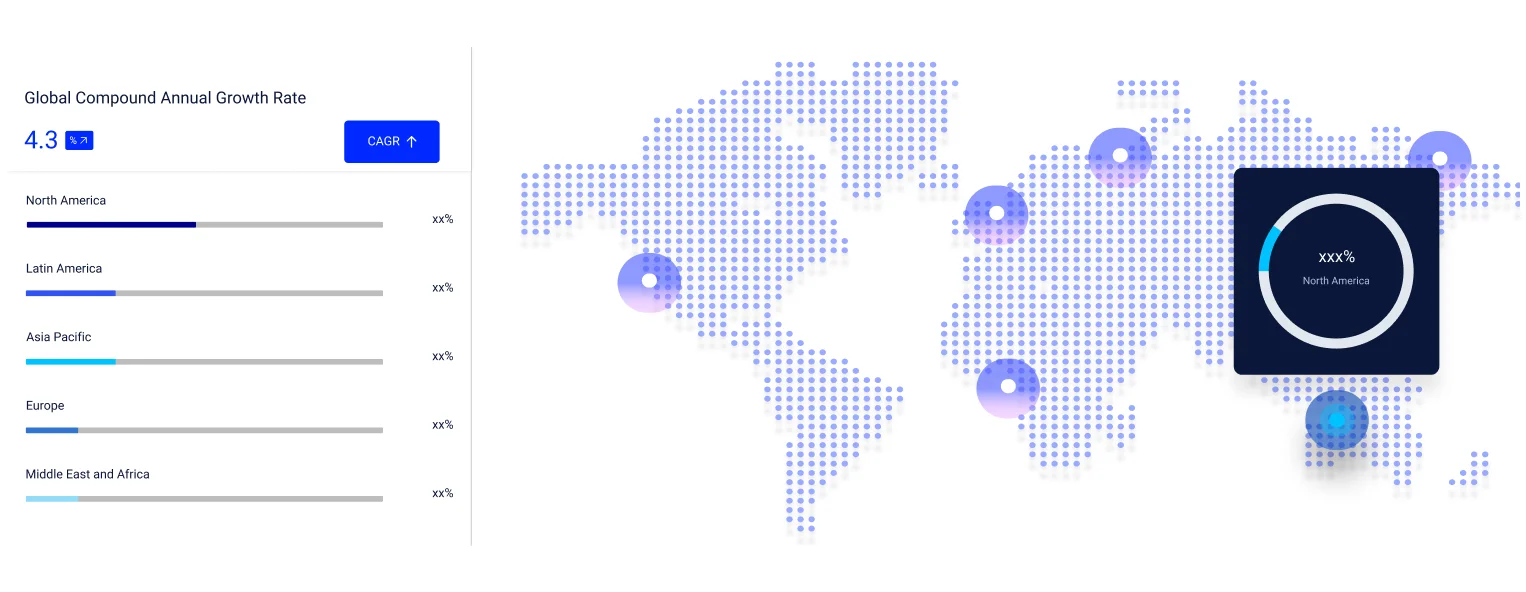
The global customer data platform market was valued at USD 3.43 Billion in 2025 and is projected to reach USD 24.25 Billion by 2035, growing at a CAGR of 21.60% from 2026 to 2035 , according to Expert Market Research. North America is the largest regional market, led by the United States, where early adoption by marketers and brands and strong vendor presence support demand. Retail and eCommerce is the fastest-growing vertical, and BFSI, healthcare, telecom and media organisations are expanding deployments. Organisations use customer data platforms to unify first-party data, build persistent customer profiles and activate those profiles across marketing, service and analytics channels. The report covers segmentation by component, deployment mode, organisation size, application, vertical and region, along with the competitive landscape.
Compound Annual Growth Rate
21.6%
Value in USD Billion
2026-2035
| Customer Data Platform Market Report Summary | Description | Value |
| Base Year | USD Billion | 2025 |
| Historical Period | USD Billion | 2019-2025 |
| Forecast Period | USD Billion | 2026-2035 |
| Market Size 2025 | USD Billion | 3.43 |
| Market Size 2035 | USD Billion | 24.25 |
| CAGR 2019-2025 | Percentage | XX% |
| CAGR 2026-2035 | Percentage | 21.60% |
| CAGR 2026-2035 - Market by Region | Asia Pacific | 24.3% |
| CAGR 2026-2035 - Market by Country | India | 27.9% |
| CAGR 2026-2035 - Market by Country | Canada | 23.8% |
| CAGR 2026-2035 - Market by Application | Predictive Analytics | 24.6% |
| CAGR 2026-2035 - Market by Vertical | Retail and eCommerce | 26.7% |
| Market Share by Country 2025 | France | 3.2% |
A customer data platform is packaged software that collects customer data from websites, mobile apps, point-of-sale systems, email, call centres and other sources, and consolidates it into a single, persistent customer profile. The data includes behavioural, transactional and demographic records. Identity resolution links events from the same person across devices and channels, and the unified profile becomes available to marketing, sales, service and analytics teams.
The platform differs from a customer relationship management system, which records interactions and pipeline activity, and from master data management, which governs reference records across the enterprise. Customer data management in a CDP centres on first-party data, audience segmentation and real-time activation. Businesses use these profiles to personalise offers, measure campaigns and improve retention.
Read more about this report - REQUEST FREE SAMPLE COPY IN PDF
Organisations are raising expenditure on marketing and advertising, and each channel adds data that needs a common home. A customer data platform connects spend to outcomes by tying campaign exposure to customer profiles. Marketing leaders who track digital marketing budgets may assess unified data as a way to improve return on spend.
Customers expect relevant offers at the moment of interaction. Real-time and personalised data analysis helps brands recommend products, adjust messaging and respond to browsing behaviour within the same session. Retailers, banks and media companies value profiles that refresh as new events arrive.
The US Census Bureau reported e-commerce sales of USD 340.2 Billion in the second quarter of 2026, equal to 17.1% of total retail sales and 12.2% higher than the second quarter of 2025. Growth in online ordering creates large volumes of clickstream, basket and loyalty data. Retail and eCommerce companies adopt customer data platforms to turn those volumes into audiences and lifecycle journeys.
Business-to-business marketers target named accounts and need a combined view of contacts, firmographics and engagement. Customer data platforms merge account and individual records, which supports coordinated outreach by marketing and sales. Teams that automate outreach may explore the marketing automation market for adjacent tools.
Companies are using big data technologies to process structured and unstructured information at scale, and data analytics investment continues across verticals. Funding and investment by major organisations in customer data infrastructure further widen product choice and speed up deployment.
Enterprises increasingly prefer to keep customer data in their cloud data warehouse and activate it through connected tools. This approach reduces data copies, shortens integration cycles and lets data teams reuse the same models for analytics and marketing. Vendors respond with connectors that read warehouse tables directly. Buyers evaluating this route may assess data integration capabilities alongside platform features.
Machine learning models score propensity to buy, churn risk and next best action using unified profiles. Generative and agentic AI tools draw on the same profiles to draft messages and answer customer queries. Quality of the underlying customer record decides the accuracy of these outputs, which makes the platform a data foundation for AI programmes.
Google stated in April 2025 that Chrome will keep third-party cookies without a standalone user choice prompt. Brands continue to invest in consented first-party data because other browsers already restrict third-party cookies. Deterministic and probabilistic identity resolution improves audience match rates across web, app and offline touchpoints.
Customer data platforms increasingly store consent status next to each profile and enforce it during activation. Purpose-based permissions, preference centres and automated deletion workflows help teams respond to access and erasure requests. Companies assessing the consent management market may find useful context on adjacent tooling.
Event streaming lets platforms update profiles in seconds and trigger journeys across email, mobile, web, advertising and in-store systems. Customer journey analytics measure the effect of each touchpoint, and readers can explore the North America customer journey analytics market for related insight.
Market challenges centre on data fragmentation, identity accuracy and compliance across jurisdictions. Customer records sit in separate CRM, commerce, support and advertising systems, and linking them requires clean identifiers, mapping rules and governance. Privacy laws differ by country and are changing quickly, so global brands maintain different consent and retention rules by region. Skills for data engineering and activation remain in short supply in many organisations. The Expert Market Research report examines how these challenges vary by component, deployment mode and region.
Market restraints include implementation cost, long integration timelines and overlap with existing martech and CRM investments. Small and medium-sized enterprises weigh licence fees, data engineering effort and ongoing maintenance against expected campaign gains. Concerns over data security and vendor lock-in slow decisions in regulated sectors, and some buyers prefer to extend existing suites. Readers may explore the full report for deployment and organisation-size detail.
Market opportunities span healthcare, retail and eCommerce, BFSI and telecom, where customer lifetime value and retention carry high commercial weight. Emerging digital economies in Asia Pacific, Latin America, and the Middle East and Africa offer greenfield adoption, and small and medium-sized enterprises gain access through cloud subscriptions. Services around implementation, data strategy and managed activation add further revenue for vendors and system integrators. The full report provides segment-level and regional forecasts to help planning teams prioritise entry points.
Read more about this report - REQUEST FREE SAMPLE COPY IN PDF
The Expert Market Research report titled “Customer Data Platform Market Report and Forecast 2026-2035” offers a detailed analysis of the market based on the following segments.
Market Breakup by Component
Key Insights: Platform software forms the core of the market and covers data collection, identity resolution, profile management, segmentation and activation connectors. Buyers choose between packaged suites from large software vendors and specialist products that focus on data unification. Services include consulting, implementation, integration, training and managed operations. Implementation effort rises with the number of source systems, so services demand follows platform adoption in large enterprises and in organisations with fragmented data estates.
Market Breakup by Deployment Mode
Key Insights: Cloud deployment suits organisations that want fast rollout, elastic data volumes and regular feature releases. It connects naturally with the cloud computing market and with cloud data warehouses. On-premises deployment serves organisations with strict data residency, security or latency requirements, including some banks, insurers and public sector bodies. Hybrid arrangements allow sensitive attributes to remain in private infrastructure while behavioural data runs in the cloud.
Market Breakup by Organisation Size
Key Insights: Large enterprises operate many brands, channels and regions, so they carry the most complex data estates and the largest platform budgets. They typically run multi-year programmes with dedicated data teams and system integrators. SMEs adopt lighter, subscription-based products with prebuilt connectors for ecommerce, email and advertising tools. Lower entry cost and managed onboarding widen the addressable base in this group.
Market Breakup by Application
Key Insights: Predictive analytics is the fastest-growing application, with a CAGR of 24.6% over 2026-2035 according to Expert Market Research. Models estimate purchase propensity, churn and lifetime value from unified profiles, and readers can explore the predictive analytics market for wider context. Personalised recommendations serve product discovery on websites, apps and email. Marketing data segmentation builds audiences for campaigns and advertising platforms. Customer retention and engagement programmes use lifecycle triggers, loyalty data and service history. Security management covers access control, encryption and audit trails around personal data.
Market Breakup by Vertical
Key Insights: Retail and eCommerce records the fastest vertical growth, with a CAGR of 26.7% over 2026-2035. Retailers combine online, store and loyalty data, and the retail analytics market offers related reading. BFSI institutions use unified profiles for cross-sell, onboarding and fraud-aware personalisation under strict data controls. Media and entertainment firms connect viewing and subscription data to improve retention. Travel and hospitality companies assemble booking, stay and loyalty histories. Telecom and IT operators manage very large subscriber bases. Healthcare organisations apply platforms to patient engagement, appointment outreach and consent tracking under HIPAA and similar rules, and the healthcare analytics market provides adjacent insight.
Market Breakup by Region
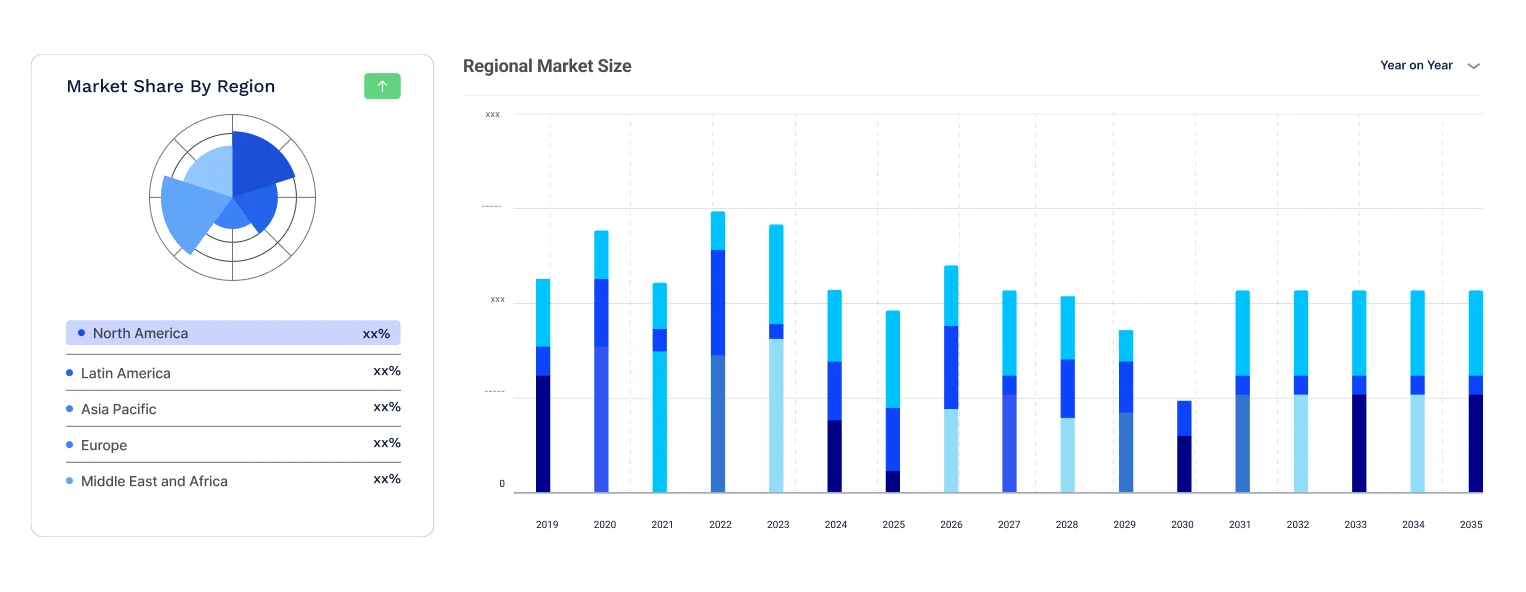
Key Insights: North America holds the largest regional position through early adoption and a deep vendor base. Europe combines mature marketing technology use with strict data protection practice. Asia Pacific is the fastest-growing region, supported by digital commerce and expanding cloud use. Latin America draws retail, telecom and financial services adopters. The Middle East and Africa gain from digital transformation programmes in the Gulf.
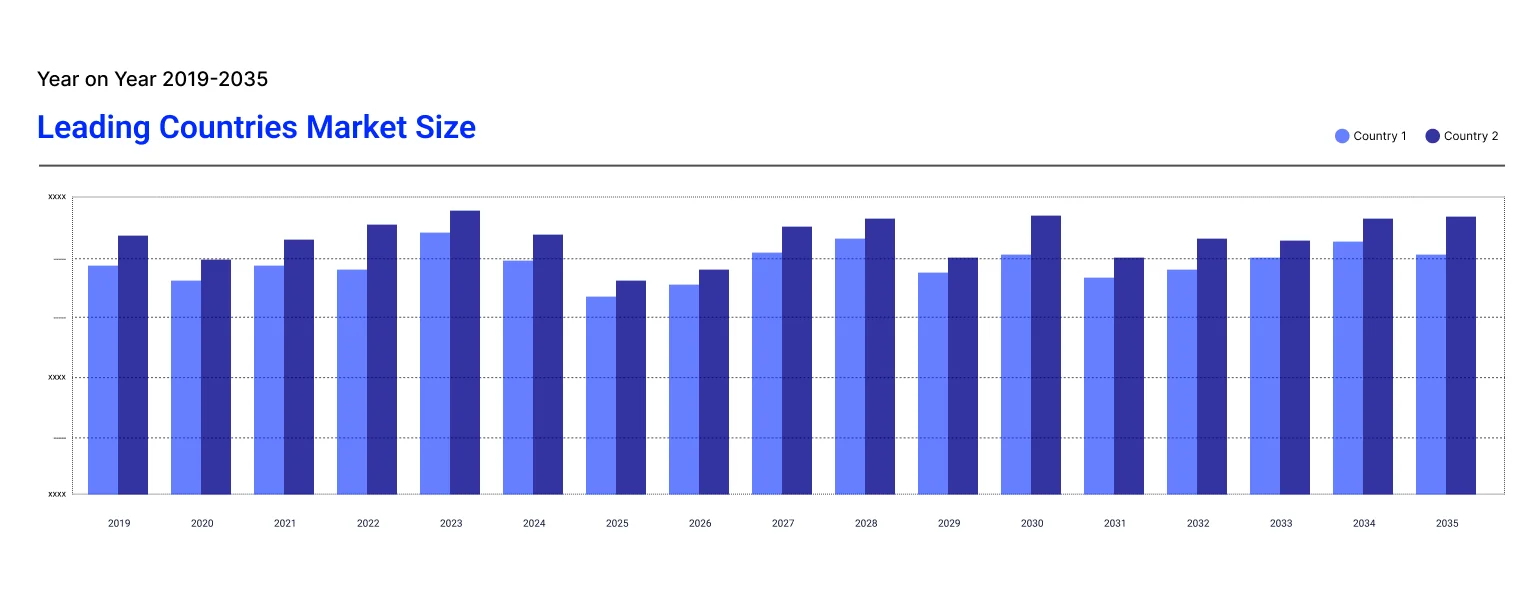
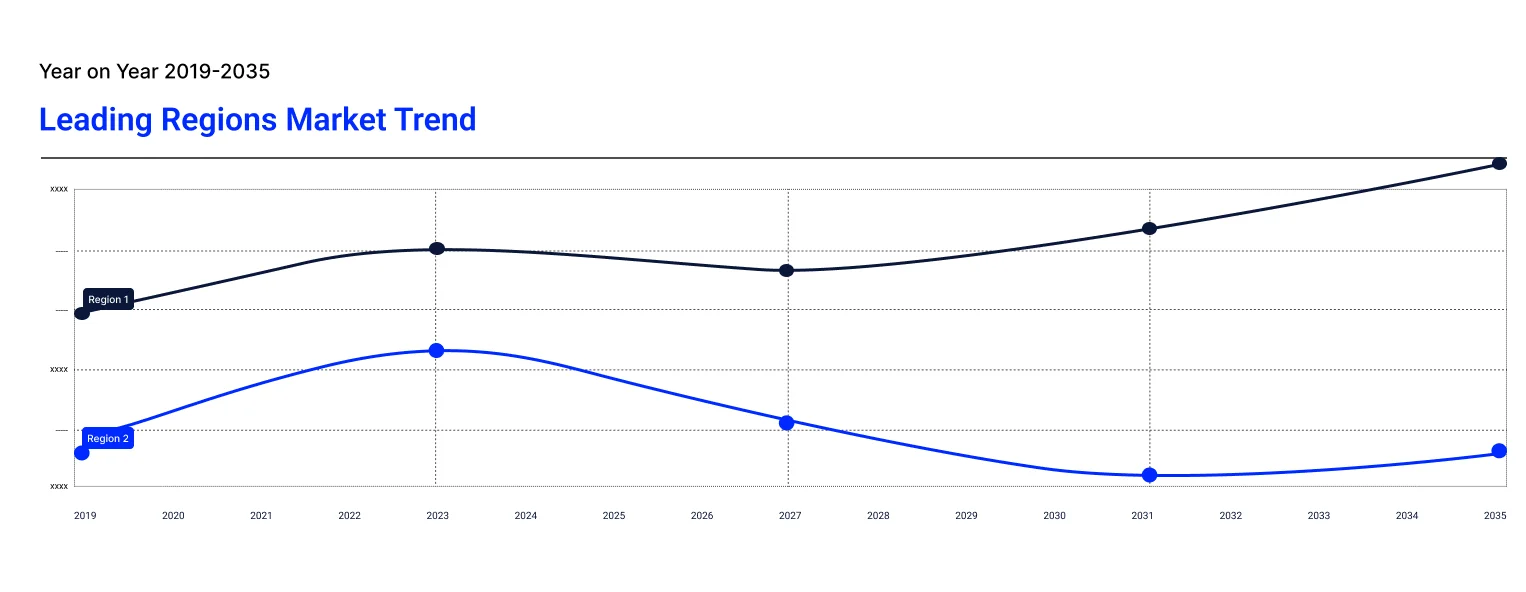
The United States dominates regional demand, helped by early adopters among marketers and brands, a large base of software vendors and higher funding for customer data platforms. BFSI, healthcare and eCommerce organisations lead deployments as they seek personalised experiences and better retention. Canada is projected to record strong growth in the coming years. Organisations use the platform to derive insight from structured and unstructured data, and solutions for retention, engagement and recommendations help them stay competitive.
Europe’s demand reflects mature digital marketing and consent-first data practice under the General Data Protection Regulation. The United Kingdom and Germany are projected to grow steadily, and Italy is also expanding. France holds a modest share of the global market. Retail, telecom and financial services drive adoption, and buyers favour platforms that offer regional data hosting and granular consent controls.
Asia Pacific is projected to be the fastest-growing region. India is projected to record the strongest country-level growth, followed by China. Rapid growth in mobile commerce, digital payments and cloud use supports adoption, and Singapore and Australia add mature enterprise demand. Phased data protection rules in India raise the importance of consent and governance tooling, and readers may review the India customer relationship management market for adjacent demand.
Latin America is gaining adoption among retailers, banks and telecom operators that serve large mobile-first populations. Mexico is projected to grow at a healthy pace, and Brazil represents a large digital commerce base. Marketers look for localisation, Portuguese and Spanish language support and connectors for regional payment and messaging channels.
Digital transformation programmes in Saudi Arabia and the United Arab Emirates are driving interest in customer data platforms across government services, banking, retail and telecom. Cloud region availability and local data residency options influence vendor selection. Adoption in Africa is at an early stage, with telecom and financial services as natural starting points.
The report profiles the competitive landscape, covering company capacity and latest developments such as mergers, acquisitions, investments and expansions.
Oracle Corporation, founded in 1977 and headquartered in Austin, Texas, provides cloud applications, database technology and infrastructure. Its Oracle Unity customer data platform unifies customer data for advertising, marketing and service teams within Oracle’s customer experience portfolio.
SAP SE, founded in 1972 and headquartered in Walldorf, Germany, supplies enterprise software for finance, supply chain, commerce and customer experience. SAP Customer Data Platform links consent-based customer profiles with commerce, marketing and service applications.
Adobe Inc., founded in 1982 and headquartered in San Jose, California, provides creative, document and digital experience software. Adobe Real-Time CDP sits within Adobe Experience Platform and feeds audiences to marketing and advertising tools. For the third quarter of fiscal 2026, ended 28 August 2026, Adobe reported total subscription revenue of USD 6,582 Million against USD 5,791 Million a year earlier.
Microsoft Corporation, founded in 1975 and headquartered in Redmond, Washington, offers cloud, productivity and business applications. Dynamics 365 Customer Insights - Data unifies customer records and connects them with Dynamics 365 marketing, sales and service modules and with Azure analytics services.
SAS Institute Inc., founded in 1976 and headquartered in Cary, North Carolina, specialises in analytics and artificial intelligence software. SAS Customer Intelligence 360 combines customer data management with analytics-driven decisioning for marketers.
*Please note that this is only a partial list; the complete list of key players is available in the full report. Additionally, the list of key players can be customized to better suit your needs.*


Upto 15% Off
USD
$2499 $2249
$3999 $3599
$4999 $4249
$5999 $5099


*While we strive to always give you current and accurate information, the numbers depicted on the website are indicative and may differ from the actual numbers in the main report. At Expert Market Research, we aim to bring you the latest insights and trends in the market. Using our analyses and forecasts, stakeholders can understand the market dynamics, navigate challenges, and capitalize on opportunities to make data-driven strategic decisions.*
In 2025, the global customer data platform market attained a value of nearly USD 3.43 Billion.
The market is projected to grow at a CAGR of 21.60% between 2026 and 2035.
The market is estimated to witness healthy growth in the forecast period of 2026-2035 to reach USD 24.25 Billion by 2035.
The major drivers of the market include the increasing technological advancements, presence of significant market players, growing utilisation of the big data technology, growing inclination toward customer satisfaction, real-time and personalised data analysis offered by the customer data platform, growing adoption of account-based marketing, and increasing funding and investments by significant organisations.
Increasing expenditure on marketing and advertising activities by organisations and growing demand for determining consumer buying behaviour across different industries are the key industry trends propelling the market growth.
The major regions in the industry are North America, Latin America, the Middle East and Africa, Europe, and the Asia Pacific.
The components in the market include platforms and services.
Based on the deployment model, the market is divided into on-premises and cloud.
Based on organisation size, the market is segmented into large enterprises and small and medium enterprises (SMEs).
The significant market applications include personalised recommendations, predictive analytics, marketing data segmentation, customer retention and engagement, and security management, among others.
The major verticals of the market are BFSI, retail and eCommerce, media and entertainment, travel and hospitality, telecom and IT, and healthcare, among others.
The major players in the industry are Oracle Corporation, SAP SE, Adobe Inc., Microsoft Corporation, and SAS Institute Inc, among others.
Explore our key highlights of the report and gain a concise overview of key findings, trends, and actionable insights that will empower your strategic decisions.
| REPORT FEATURES | DETAILS |
| Base Year | 2025 |
| Historical Period | 2019-2025 |
| Forecast Period | 2026-2035 |
| Scope of the Report |
Historical and Forecast Trends, Industry Drivers and Constraints, Historical and Forecast Market Analysis by Segment:
|
| Breakup by Component |
|
| Breakup by Deployment Mode |
|
| Breakup by Organization Size |
|
| Breakup by Application |
|
| Breakup by Vertical |
|
| Breakup by Region |
|
| Market Dynamics |
|
| Competitive Landscape |
|
| Companies Covered |
|
| Report Price and Purchase Option | Explore our purchase options that are best suited to your resources and industry needs. |
| Delivery Format | Delivered as an attached PDF and Excel through email, with an option of receiving an editable PPT, according to the purchase option. |
Datasheet
One User
USD 2,499
USD 2,249
tax inclusive*
Single User License
One User
USD 3,999
USD 3,599
tax inclusive*
Five User License
Five User
USD 4,999
USD 4,249
tax inclusive*
Corporate License
Unlimited Users
USD 5,999
USD 5,099
tax inclusive*
*Please note that the prices mentioned below are starting prices for each bundle type. Kindly contact our team for further details.*
Flash Bundle
Small Business Bundle
Growth Bundle
Enterprise Bundle
*Please note that the prices mentioned below are starting prices for each bundle type. Kindly contact our team for further details.*
Flash Bundle
Number of Reports: 3
20%
tax inclusive*
Small Business Bundle
Number of Reports: 5
25%
tax inclusive*
Growth Bundle
Number of Reports: 8
30%
tax inclusive*
Enterprise Bundle
Number of Reports: 10
35%
tax inclusive*
How To Order

Select License Type
Choose the right license for your needs and access rights.

Click on ‘Buy Now’
Add the report to your cart with one click and proceed to register.

Select Mode of Payment
Choose a payment option for a secure checkout. You will be redirected accordingly.
Strategic Solutions for Informed Decision-Making
Gain insights to stay ahead and seize opportunities.
Get insights & trends for a competitive edge.
Track prices with detailed trend reports.
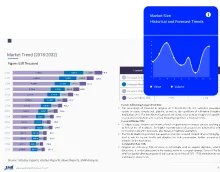
Analyse trade data for supply chain insights.

Leverage cost reports for smart savings
Enhance supply chain with partnerships.
Connect For More Information
Our expert team of analysts will offer full support and resolve any queries regarding the report, before and after the purchase.
Our expert team of analysts will offer full support and resolve any queries regarding the report, before and after the purchase.
We employ meticulous research methods, blending advanced analytics and expert insights to deliver accurate, actionable industry intelligence, staying ahead of competitors.
Our skilled analysts offer unparalleled competitive advantage with detailed insights on current and emerging markets, ensuring your strategic edge.
We offer an in-depth yet simplified presentation of industry insights and analysis to meet your specific requirements effectively.