

Consumer Insights
Uncover trends and behaviors shaping consumer choices today
Procurement Insights
Optimize your sourcing strategy with key market data
Industry Stats
Stay ahead with the latest trends and market analysis.
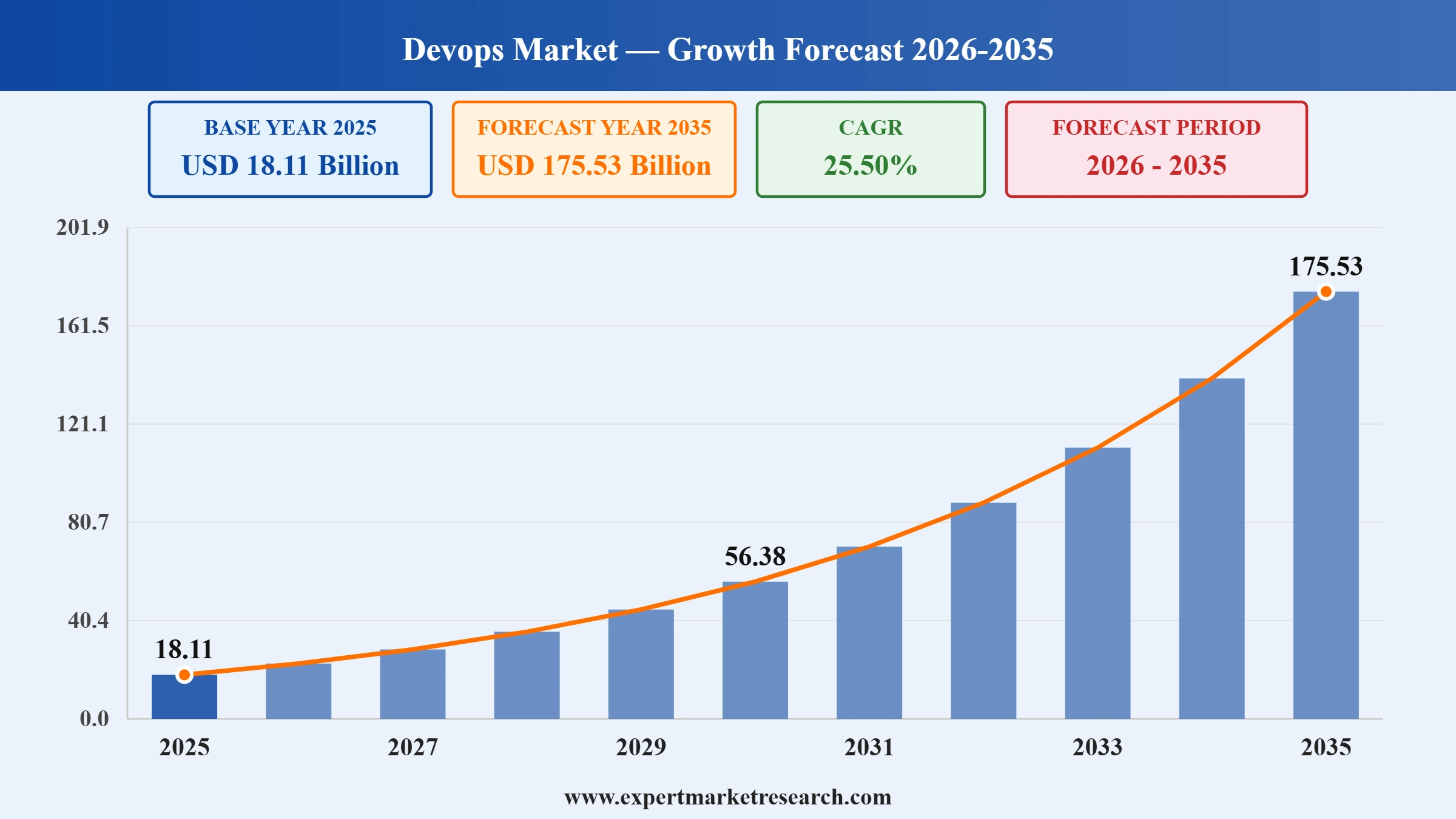
The DevOps market attained a value of USD 18.11 Billion in 2025 and is projected to expand at a CAGR of 25.50% through 2035. The market is further expected to achieve USD 175.53 Billion by 2035. The uptake of platform engineering and AI-driven software deployment by businesses is driving the need for unified DevOps solutions that will boost developer efficiency, enable governance automation, enhance cybersecurity, and optimize cloud resource usage.
Increased spending on software supply chain security and continuous compliance management are key factors that are influencing the DevOps market dynamics. An increasing number of enterprises are embracing DevSecOps methodologies which include security testing in the process of developing applications rather than viewing it as an independent stage. At the same time, software vendors are developing AI-powered tools for incident management and predictive systems monitoring as well as automated infrastructure repairs aimed at reducing downtime.
Vendors in the DevOps market are seeing high adoption rates from enterprises as they are embedding AI into their software development delivery pipelines. One such move was made by GitLab, which added support for GitLab Duo, thereby providing automatic code suggestions, vulnerability explanations, and intelligent review of merge requests in the software development life cycle. For example, in July 2026, AWS expanded DevOps Agent with AI-powered release reviews and autonomous testing, validating code before production deployment efficiently. This trend signifies the increasing need for unified platforms that will reduce the complexity involved in deployment while ensuring that the software developed is of high quality. Companies are now realizing the importance of unified platforms that will include development, security, and operation.
The DevOps market keeps evolving due to the continuous efforts of enterprises in the modernization of legacy infrastructure, the creation of a multi-cloud environment, and platform engineering. Software vendors are increasingly paying attention to AI assistance, developer efficiency, policy automation, and security as opposed to faster release of software. Cloud companies are teaming up with enterprise software companies in order to come up with interoperable DevOps ecosystems, which will be able to manage Kubernetes, hybrid clouds, and edge computing workloads. For example, Kubernetes 1.36, released in May 2026, strengthens security, advances AI workload scheduling, improves API scalability, and introduces 70 platform enhancements.
Read more about this report - REQUEST FREE SAMPLE COPY IN PDF
Google introduced AI agents that would handle database configuration, performance optimization, migration, monitoring, and troubleshooting, which will assist companies in simplifying database administration and reducing the complexities involved. Companies in the DevOps market can create AI-enabled database automation and multi-cloud management systems to make the operations more efficient and easier to manage.
AWS released its DevOps Agent, which would autonomously detect incidents, perform root cause analysis, remediate incidents, and provide smart monitoring capabilities to make software systems more reliable and efficient. Companies can incorporate AI-driven observability, predictive maintenance, and incident resolution features in their DevOps platforms.
Rocket Software released new DevOps solutions that would facilitate application modernization, release automation, software delivery, and operations visibility capabilities, allowing organizations to speed up their digital transformation process and improve collaboration between development and IT operations teams. Organizations can therefore extend their AI-powered modernization, legacy integration, and release orchestration solutions, following such developments in the DevOps market.
Opsera released its DevOps for DataOps solution by leveraging Databricks Data Intelligence Platform, which will automate CI/CD pipelines, data governance, workflow orchestration, and AI application delivery in enterprise analytics and data engineering projects. Organizations can create integrated DevOps-DataOps platform that automates AI pipeline, data lifecycle, and enterprise analytics deployment.
Companies are turning to platform engineering to make sense of complex DevOps environments and improve efficiency for developers. Platform engineering helps in streamlining deployment practices, infrastructure automation, and governance of cloud operations from multiple clouds. The Cloud Native Computing Foundation reports continued growth in enterprise adoption of Kubernetes and cloud-native technologies, indicating the shift in software engineering to platforms. Aligning with such trends in DevOps market, in April 2026, VMware extended Tanzu Platform capabilities to support better application lifecycle automation and Kubernetes management.
AI is revolutionizing the DevOps market trends and dynamics through automated development, testing, deployment, and operational management of software applications. More companies are deploying AI assistants for faster coding, bug detection, and optimization of infrastructure performance. For example, in May 2025, GitHub introduced agentic coding features for GitHub Copilot, allowing engineers to conduct independent development activities and develop software products more quickly without compromising on software quality. GitLab also offers GitLab Duo with features such as automated code review and AI-driven security recommendations in its DevSecOps workflows.
The emergence of cyberattacks is compelling companies to build their security needs into the DevOps processes through full-scale DevSecOps practices. Businesses in the DevOps market are focusing on software composition analysis, container security, code scanning, and continuous compliance to combat more advanced cyberattacks. In March 2026, JFrog bolstered its Software Supply Chain Platform by incorporating advanced runtime security and artifact integrity validation to help businesses protect their software from development through deployment phases. In addition, the United States Cybersecurity and Infrastructure Security Agency (CISA) continues to promote Secure by Design principles. Software security requirements established through Executive Orders encourage vendors to adopt secure software development practices for federal agencies.
IaC is becoming crucial for organizations running hybrid cloud and multi-cloud environments. Infrastructure automation increases deployment consistency, minimizes manual errors, and accelerates disaster recovery for distributed infrastructures. Companies like HashiCorp are continuously developing new capabilities in Terraform to better manage the increasing complexity of cloud infrastructures through policy management and infrastructure governance. On the other hand, leading cloud service providers such as Microsoft Azure, Amazon Web Services, and Google Cloud are rolling out AI-based automation services, widening the DevOps market scope. Following such trends, in July 2025, DuploCloud and AWS partnered to deliver AI-powered cloud automation, strengthening secure DevOps, compliance, and infrastructure management for startups.
Organizations are adopting sophisticated observability solutions to increase reliability and uptime while ensuring operational issues are identified in advance to prevent customer disruption. Using AI-driven monitoring solutions that leverage log, metric, trace, and business data, enterprises are resulting in predictive management of incidents and automated fixes, driving growth in the DevOps market. In June 2026, Datadog further bolstered its suite of AI-powered observability solutions through intelligent investigation features that help enterprises analyze their distributed applications faster. Similarly, with the acquisition of Splunk, Cisco is also bolstering its full-stack observability solutions.
The EMR’s report titled “DevOps Market Report and Forecast 2026-2035” offers a detailed analysis of the market based on the following segments:
Market Breakup by Type
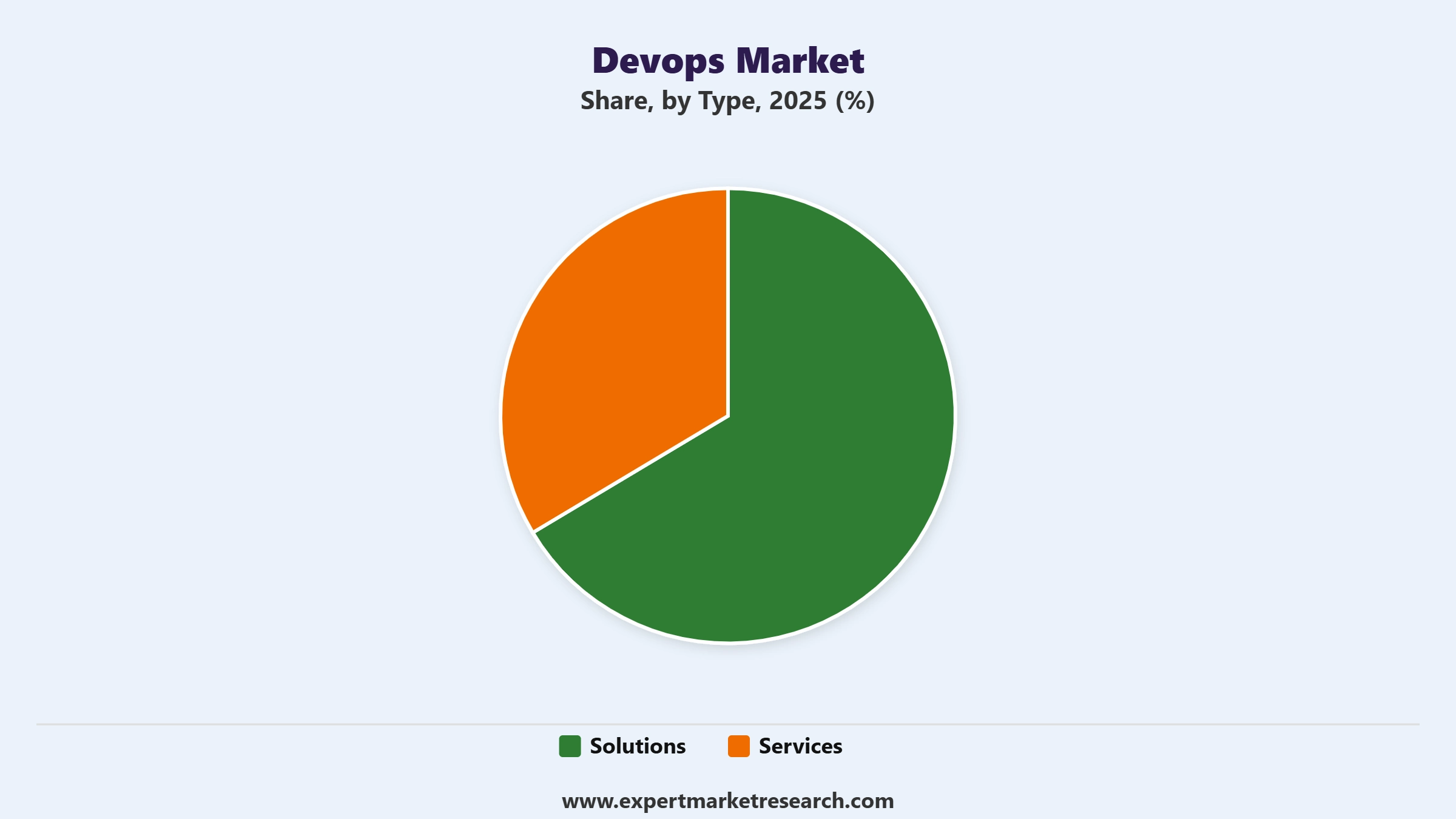
Key Insight: Both solutions and services help fuel the DevOps market considering the drive towards software delivery transformation. Solutions integrate automation, security, governance, and observability across the software development lifecycle. On the other hand, services are helping implement such platforms, migrate to clouds, engineering platforms, and continual operations optimization. As large-scale enterprises seek platform standardization across their entire business, an increasing number of mid-size companies are undergoing digital transformation, thus increasing the popularity of services.
Market Breakup by Deployment Tool
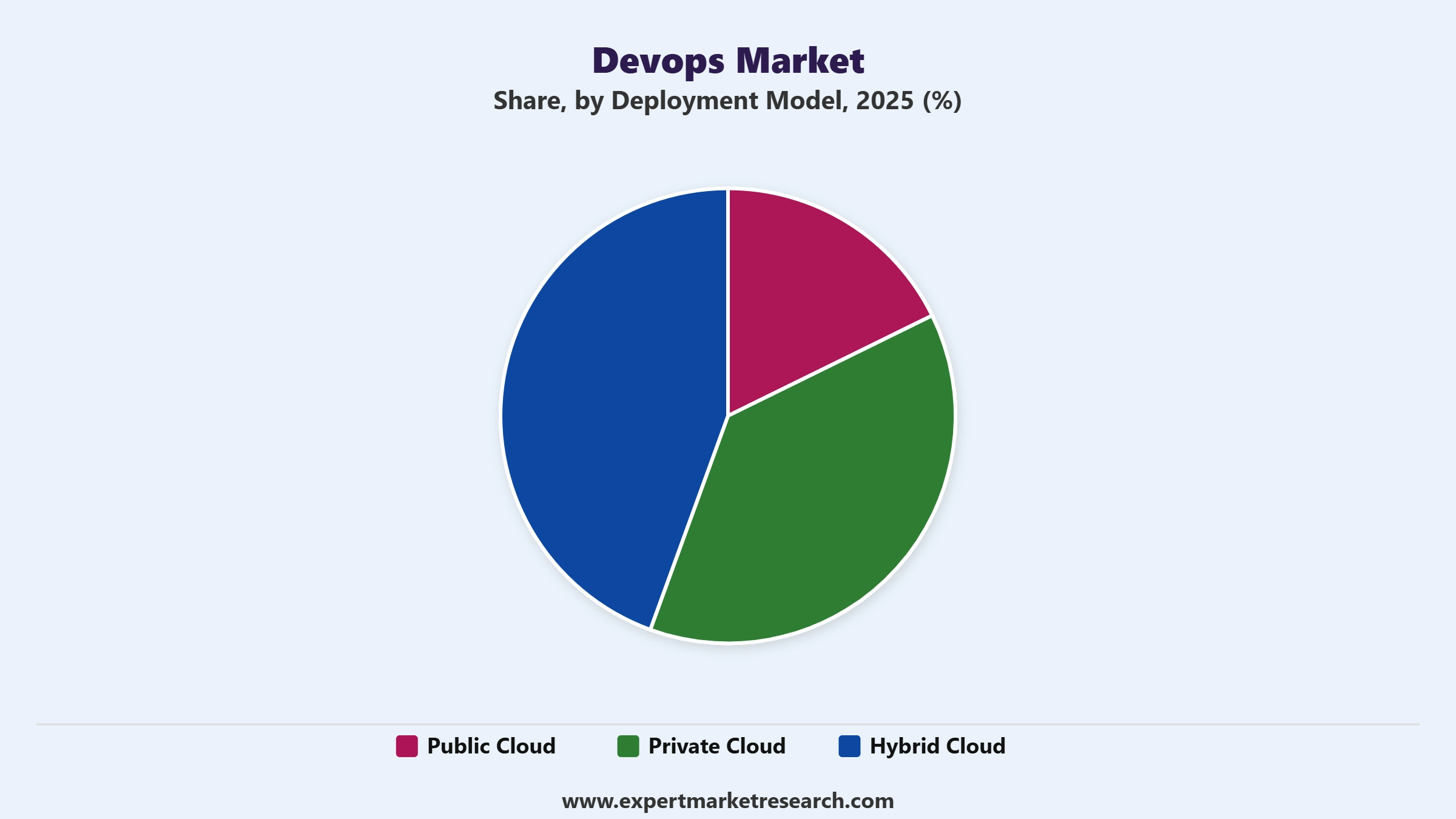
Key Insight: As per the DevOps market report, the preference for one type of deployment depends on the organizational needs, security, and maturity of the infrastructure. The public cloud is preferable for those organizations which need scalability, agility, and efficiency in delivering their software. Private will continue to cater to enterprises which have strict governance, compliance, and data sovereignty regulations, especially in heavily regulated industries. However, the increasing adoption of hybrid clouds is occurring due to the fact that they offer both flexibility and better control over critical applications. Organizations want portability, governance, and uniform DevOps practices in all their environments.
Market Breakup by Organization Size
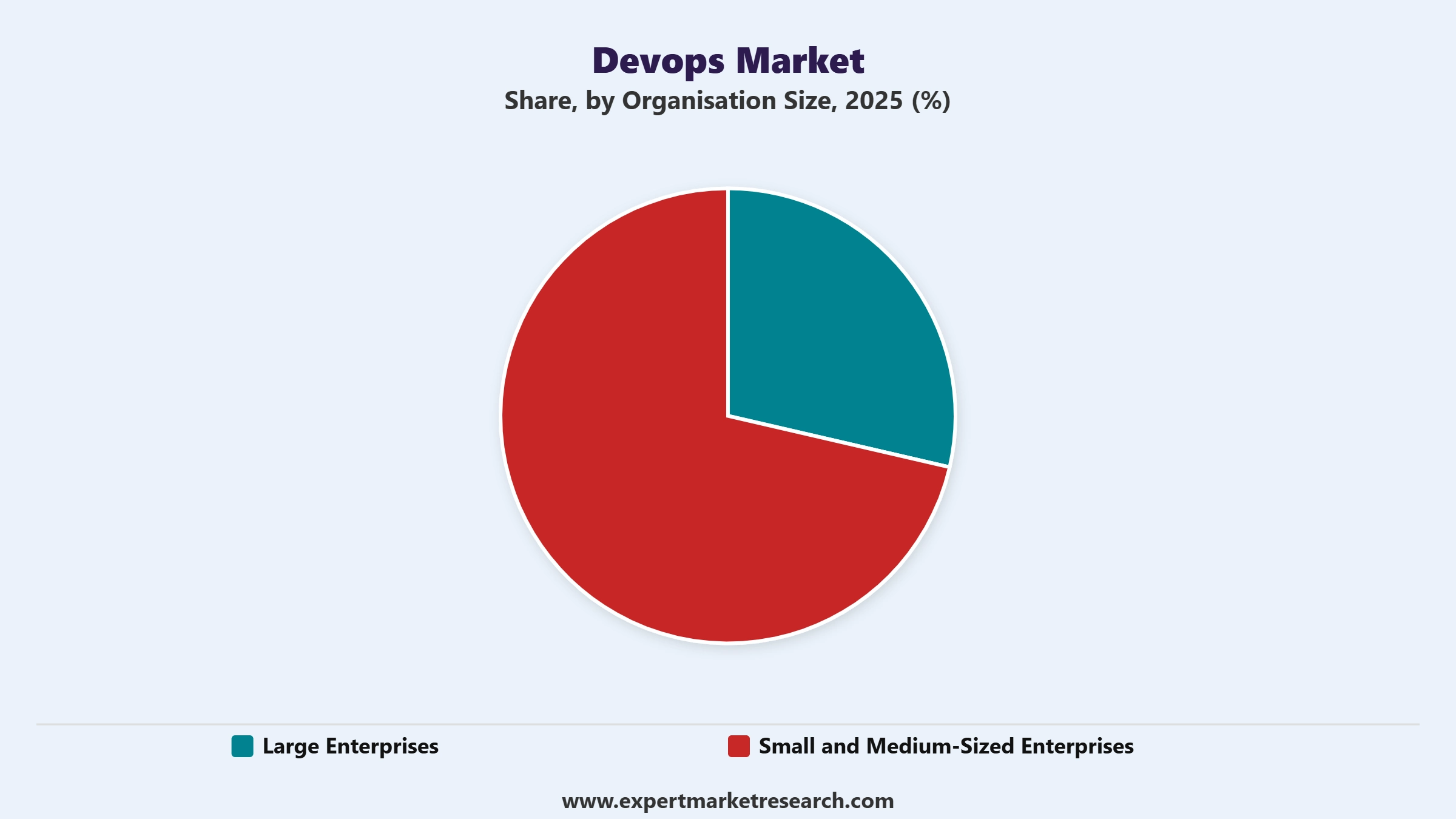
Key Insight: All companies are embracing DevOps based on operational complexity and digital maturity. Large corporations keep leading the trend by making investments in large-scale modernization programs, corporate governance, and platform standardization. SMEs are getting more interested in implementing DevOps due to cloud-native delivery approaches that allow decreasing the cost of deployment and increasing software development productivity, accelerating the overall DevOps market penetration. Vendors customize their solutions based on price flexibility, deployment simplicity, and automation scalability to meet different business needs. Irrespective of the size of an organization, speed of application delivery, cybersecurity, resiliency, developer productivity, and customer experience are key goals.
Market Breakup by Tools
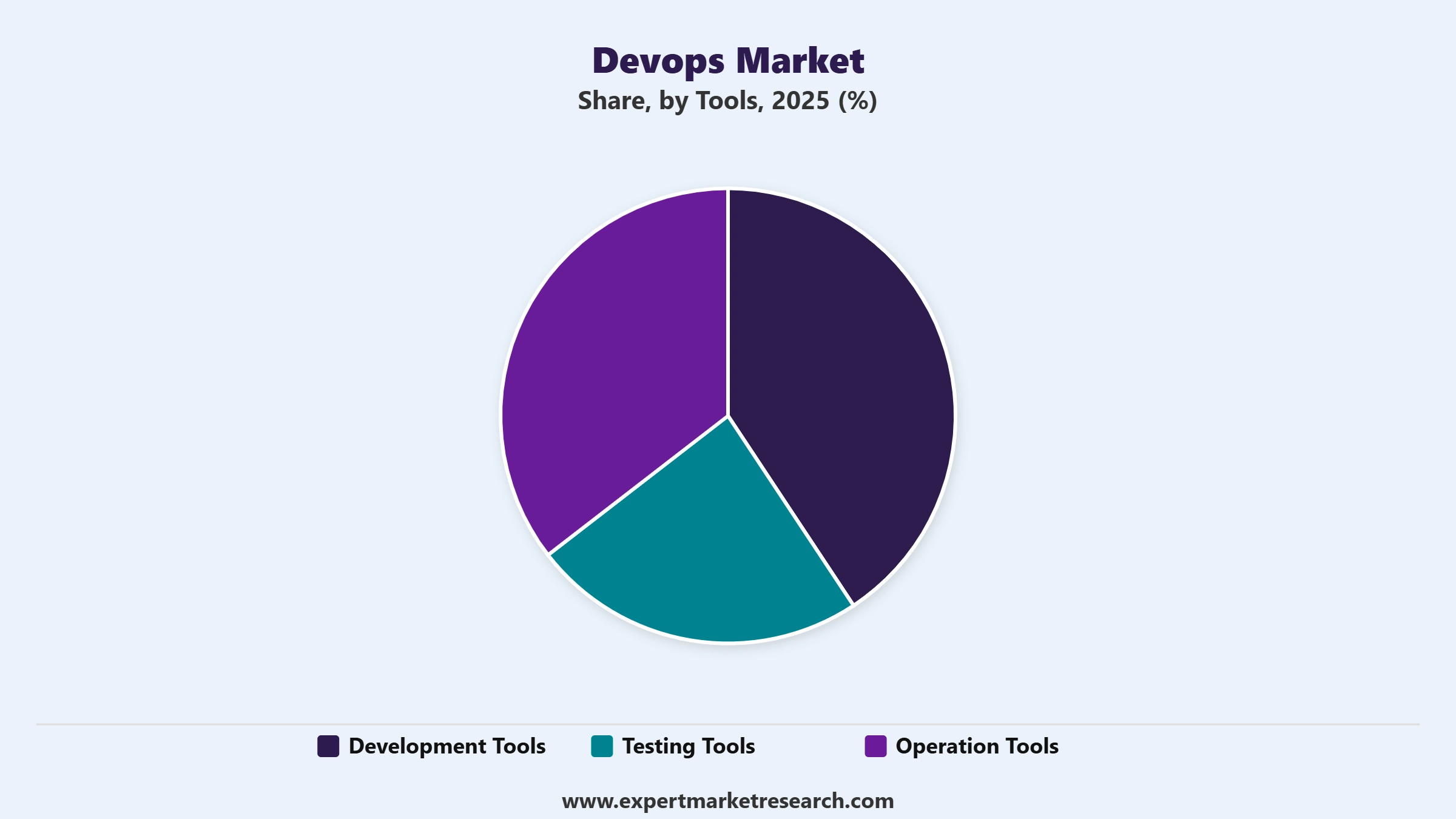
Key Insight: DevOps toolset includes development, testing, and operations management tools, with each addressing unique needs of the software life cycle stage. Development tools continue to dominate since they support collaborative coding, continuous integration, and release automation. The testing tools are critical in ensuring software quality, security checks, and reliability during continuous deliveries, stimulating opportunities in the DevOps market. Tools for operations are growing fast due to increased demands for observability, automation, and intelligent response in dealing with incidents. Tool vendors have started including all three tool types into a single DevOps platform.
Market Breakup by Industry Verticals
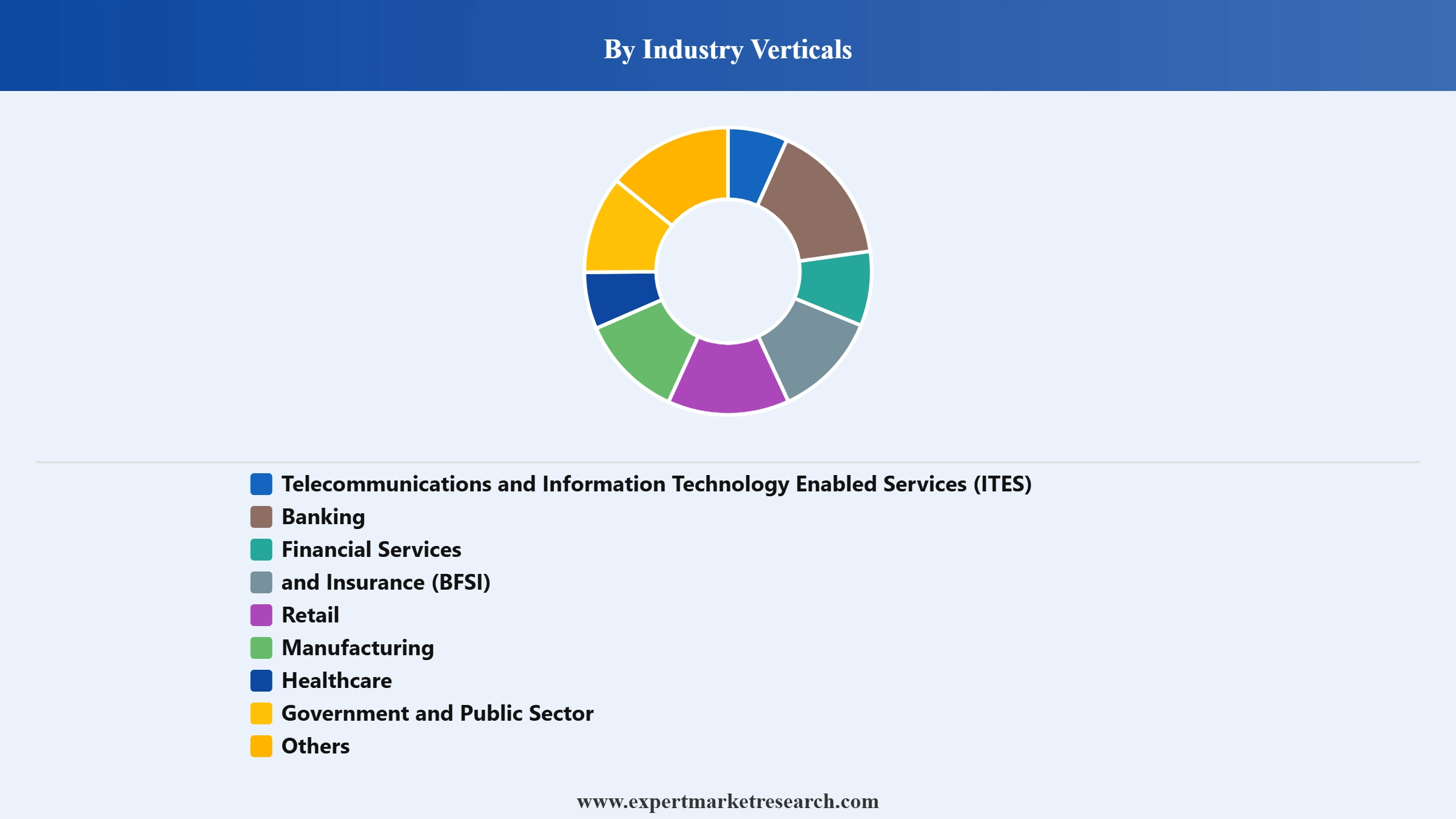
Key Insight: The use of DevOps is continuously growing in the telecommunication and ITES, BFSI, retail, manufacturing, healthcare, and government sectors, based on their operational needs. As per the DevOps market report, telecommunication companies require reliability and constant innovation in software applications, while BFSI organizations emphasize the importance of cyber security and compliance with transactions integrity. In retail companies, the priority is given to the experience of customers and performance of the application on the omnichannel platform, whereas in manufacturing companies, investments are made in automation and connected operations.
Market Breakup by Region
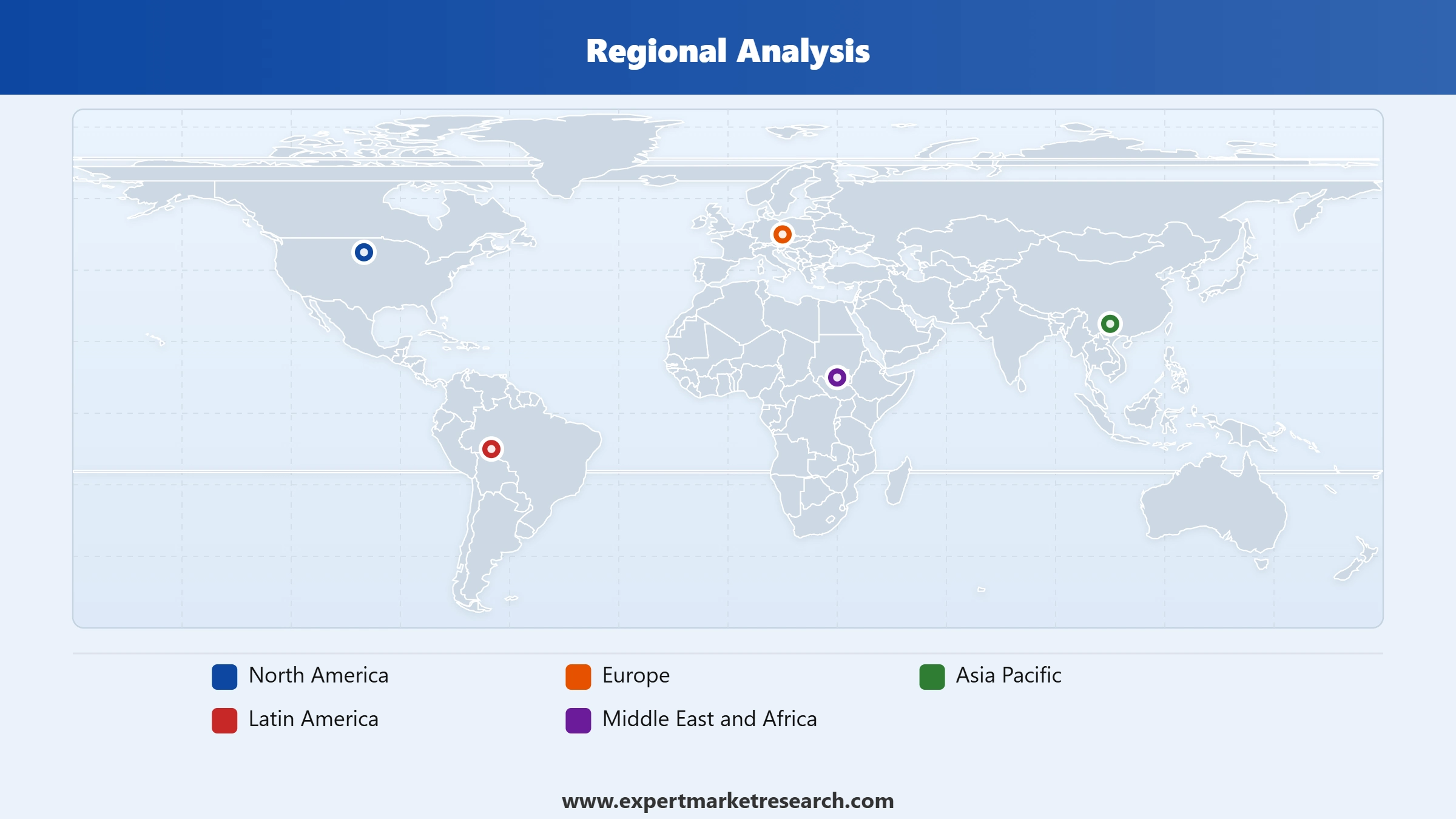
Key Insight: Regional demand trends in the DevOps market are characterized by different stages of technological maturity, cloud deployment, and digitalization. Market leadership in North America is attributed to investment in technologies and innovation. Europe prioritizes security for software development, compliance, and industrial digitalization. The region with the fastest growth is Asia Pacific, where rapid deployment of cloud and AI technologies is being witnessed due to government and corporate initiatives. Latin America benefits from digitization of banking services, e-commerce, and cloud transformation, while the Middle East and Africa witness rising demand from smart cities, public sector digitization, and enterprise cloud deployment.
By type, the solutions category registers the largest market share due to enterprise demand for integrated automation platforms
The solutions segment represents the largest share of the DevOps market since companies tend to prefer platforms that bring together all the capabilities related to source code management, CI/CD, infrastructure automation, observability, and security under one roof. Companies are turning to consolidated DevOps solutions to ensure more efficient governance and faster deployment of software in order to simplify their processes. In addition to AI-powered workflow automation and policy management, the built-in DevSecOps capabilities make these solutions even more appealing to enterprises operating within hybrid clouds and those dealing with large-scale modernization efforts. In February 2026, Qodo integrated AI-powered, context-aware code review into Azure DevOps, strengthening governance, security, compliance, and enterprise software quality.
Read more about this report - REQUEST FREE SAMPLE COPY IN PDF
The services segment is experiencing the highest rates of growth in the DevOps market due to the need for consulting and optimization support for increasingly sophisticated DevOps environments. In many cases, companies do not possess the in-house expertise to use cloud-native architectures, platform engineering approaches, and DevOps-related AI-powered automation effectively. This segment is also helping businesses with modernizing legacy applications, implementing DevSecOps solutions, and optimizing software delivery pipelines, thus making sure that companies are compliant with regulatory requirements.
By deployment model, the public cloud category dominates the market through scalable infrastructure supporting enterprise-wide DevOps automation initiatives
The public cloud deployment model is prevalent across the DevOps market scope due to the increasing need for hyperscale infrastructure to enable agile software development and deployment, and application delivery. Cloud-native services make it easy for organizations to implement DevOps due to the provision of scalable compute resources, security services, and Kubernetes platforms. Organizations benefit from less infrastructure maintenance, quick deployments, and allocation of resources. Public cloud enables continuous innovation through quick testing, incorporating AI capabilities, and scaling applications across business operations that are distributed. In December 2025, DuploCloud launched AI DevOps Engineers that autonomously provision, troubleshoot, optimize, and secure cloud infrastructure across multi-cloud environments.
Read more about this report - REQUEST FREE SAMPLE COPY IN PDF
The hybrid cloud deployment model is growing at the fastest pace due to an increase in the balancing act between regulatory compliance and cloud scalability. Private infrastructure is used for sensitive workloads while public cloud resources are utilized for development, testing, and deploying applications. DevOps in hybrid cloud provide portability of workloads, business continuity, and optimization of infrastructure while maintaining compliance. The DevOps market observes significant investments made in platform engineering, container orchestration, and multi-cloud management.
By organization size, large enterprises lead adoption through enterprise-scale digital transformation and modernization programs
Large enterprises hold the major share in the DevOps market revenue as they handle vast software product portfolios with constant integration, testing, management, and deployment of those products within their global operations. These companies are extensively investing in AI-based software development platforms, platform engineering, DevSecOps, and enterprise observability to ensure that they develop quality software while making operations simple. Huge IT budget allocations and cloud strategy transformations in these firms are leading to rapid adoption of integrated DevOps platforms that can cater for thousands of developers working in various business units and locations.
Read more about this report - REQUEST FREE SAMPLE COPY IN PDF
Small and mid-sized enterprises are experiencing the highest growth rate in the DevOps market as cloud-based DevOps platforms minimize costs and complexities in implementation. The subscription-based models and AI-based automation of infrastructures allow smaller companies to modernize software development processes without making significant investments. More digitization, SaaS solutions, and customer demand for innovative applications are motivating SMEs to adopt DevOps platforms. The vendors are offering specialized platform packages for such enterprises. In November 2025, AlertD launched an AI agentic SRE and DevOps platform, automating cloud operations, incident response, observability, and infrastructure management efficiently.
Development tools dominate the global industry through continuous integration and collaborative software engineering workflows
Development tools constitute the largest share of the DevOps market revenue as they act as the core for DevOps environments. Source code management, version control, continuous integration, repository management, and AI coding tools make it possible for developers to collaborate easily and facilitate faster software delivery. Businesses are now consolidating their development processes using platforms that can facilitate automated code review, security scans, and release management. Adoption of platform engineering and cloud-native development is adding to investments in robust development tools ecosystems. In June 2026, GitLab previewed an AI-ready DevOps platform featuring agentic workflows, intelligent orchestration, governance, and accelerated enterprise software delivery capabilities.
Read more about this report - REQUEST FREE SAMPLE COPY IN PDF
Operation tools are registering notable demand in the DevOps market owing to the need of businesses for real-time monitoring, automation of infrastructure, incident management, and application observability. AI-driven analytics and automated remediation improve application performance by ensuring reduced downtime. Businesses are looking for solutions that provide them with complete visibility across containers, microservices, and hybrid infrastructure. Increased adoption of Site Reliability Engineering practices is adding to the demand for intelligent operation management platforms. In January 2026, Harness introduced its Human-Aware Change Agent, accelerating AI-driven incident investigation through conversational intelligence, automated change correlation, and evidence-based root-cause analysis.
By industry vertical, telecommunications and ITES account for a substantial market share through continuous software delivery and cloud-native innovation
Telecommunications and ITES represent the largest segment across the DevOps market scope due to the nature of work of these companies that involves running highly dynamic digital services, requiring frequent software deployments. DevOps can automate deployments, infrastructure scaling, API management, and service reliability in cloud-native applications. The telecommunications industry uses AI operations, edge computing, and network automation in development processes. Continuous innovation in the field of telecommunication and an extensive portfolio of digital services necessitates strategic investments in DevOps technology. In May 2026, Intellias highlighted telco cloudification using cloud-native DevOps, CI/CD, microservices, and automation to accelerate telecom network modernization.
Read more about this report - REQUEST FREE SAMPLE COPY IN PDF
Healthcare is one of the fastest-growing industry verticals owing to the modernization of patient-facing applications by hospitals and medical technology companies while staying compliant with regulations. DevOps helps to build secure software applications, automate testing, provide infrastructure reliability, and perform continuous monitoring of healthcare applications working with sensitive data of patients. Increasing complexity of software with cloud adoption, telehealth, connected medical devices, and AI diagnostics prompts the adoption of DevSecOps principles by healthcare companies.
Read more about this report - REQUEST FREE SAMPLE COPY IN PDF
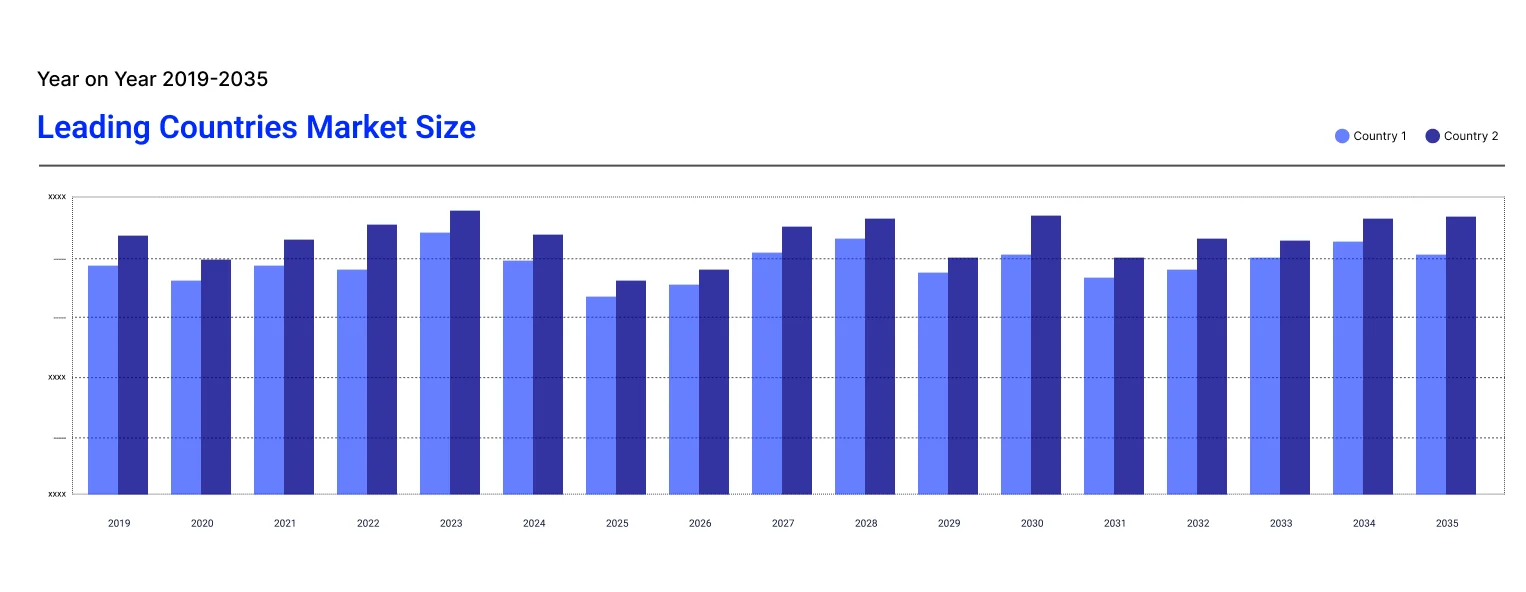
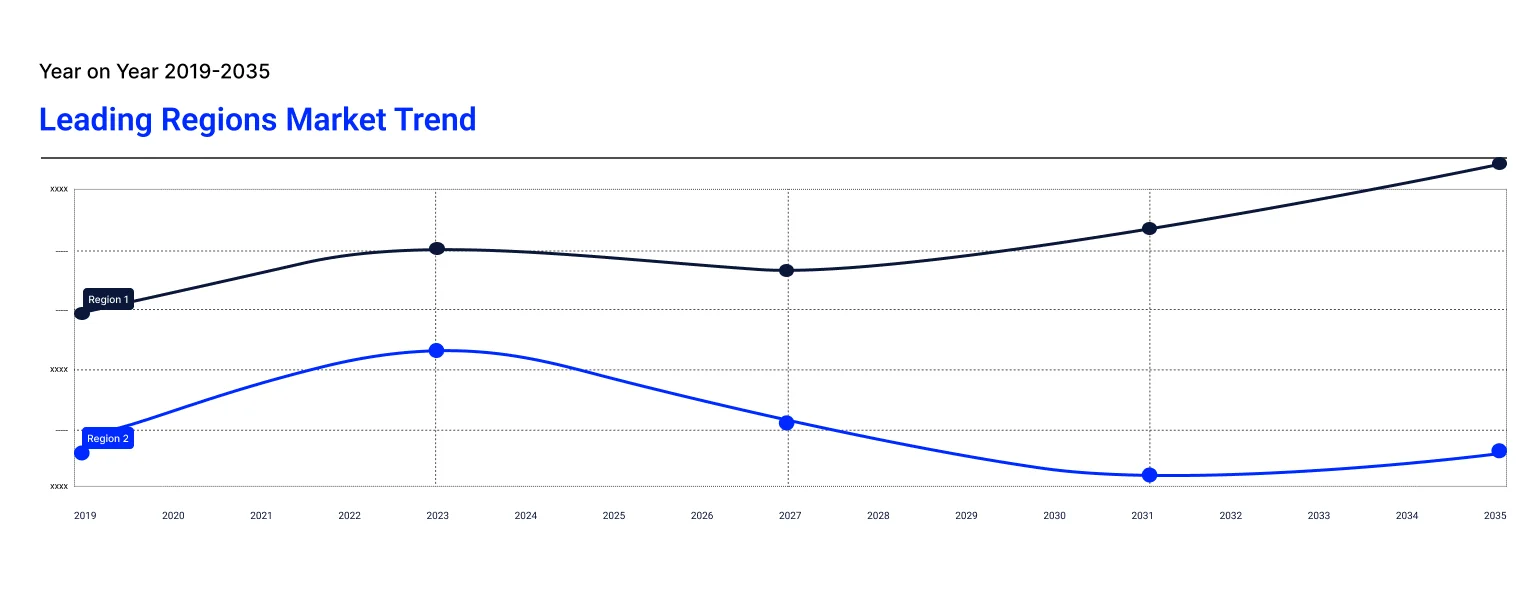
North America accounts for the leading position in the market through advanced cloud ecosystems and enterprise technology investments
The ongoing dominance of the North American DevOps market is led by the presence of major cloud providers, software vendors, AI companies, and mature enterprises in this region. Enterprises operating in the United States and Canada make huge investments in platform engineering, DevSecOps, cloud-native modernization, and AI-powered software development processes. Venture capital investment activities, high adoption of Kubernetes, and constant digital transformation of enterprises contribute to the consistent demand for innovative DevOps platforms. In June 2026, Euristiq achieved AWS DevOps Competency, validating AI-native DevOps expertise for secure, scalable, automated cloud application delivery and modernization.
Read more about this report - REQUEST FREE SAMPLE COPY IN PDF
The Asia Pacific region experiences rapid growth in terms of demand in the DevOps market due to increasing cloud migration, growth of the fintech sector, digitization of manufacturing sectors, and software innovations being made by organizations in this region. Governments in countries such as India, Singapore, Japan, South Korea, and Australia encourage digitization and adoption of cloud and AI technologies in order to modernize software development capabilities.
The market is experiencing increased competition as tech firms move away from traditional CI/CD solutions towards AI-based software development, smart observability, platform engineering, and secure software supply chain practices. Leading DevOps market players are developing AI agentic, predictive operations, policy-based automation, and DevSecOps features that make enterprise software delivery easier and lower the risks of running business operations. Mergers and acquisitions, cloud ecosystems partnerships, and open-source collaborations are key growth tactics.
In addition, DevOps platform solutions are now being offered specifically to industries like banking, healthcare, and government that operate in a highly regulated environment. DevOps companies can find lucrative opportunities in platform engineering, where solutions for simplifying developer experience using self-service infrastructure and automated governance become important. Firms which have skills in building AI coding assistance, infrastructure automation, compliance, and full-stack observability together are gaining strong retention of customers and enterprise subscriptions.
IBM was founded in 1911 and headquartered in Armonk, United States. IBM provides enterprise DevOps capabilities via IBM Cloud, Red Hat OpenShift, and Instana observability services. The company enhances hybrid cloud software delivery with AI assistance via Watsonx.Ai, which allows intelligent application modernization, automation of operations, and secure DevSecOps process execution in enterprises with complex cloud-native environments.
Microsoft Corporation was founded in 1975 and is headquartered in Redmond, United States. Microsoft supports the DevOps industry via Azure DevOps, GitHub, GitHub Copilot, and Azure cloud services. The company continuously grows the AI assistance for software engineering through intelligent coding, automated testing, security validation, and cloud-native deployment capabilities.
Founded in 1977 and headquartered in the United States, Oracle offers DevOps services through its Oracle Cloud Infrastructure, Kubernetes Engine, and cloud-native developer tools. The firm is primarily involved in helping organizations automate mission-critical workloads by utilizing automated infrastructure, security measures, and cloud deployment options tailored to regulated industries and large enterprises.
Founded in 1991 and based in Palo Alto, California, United States, Broadcom assists the DevOps community through its VMware Tanzu, automation tools, and enterprise infrastructure management platforms. It primarily specializes in platform engineering, Kubernetes lifecycle management, and application modernization, which helps organizations streamline software delivery.
Other key players in the market include Atlassian Corporation Plc, Google LLC, Amazon Web Services, Inc., Cigniti Technologies Limited, Dell Technologies Inc., and Open Text Corporation, among others.
*Please note that this is only a partial list; the complete list of key players is available in the full report. Additionally, the list of key players can be customized to better suit your needs.*
Unlock the latest insights with our DevOps market trends 2026 report. Discover regional growth patterns, consumer preferences, and key industry players. Stay ahead of competition with trusted data and expert analysis. Download your free sample report today and drive informed decisions in the market.


Upto 15% Off
USD
$2499 $2249
$3999 $3599
$4999 $4249
$5999 $5099


*While we strive to always give you current and accurate information, the numbers depicted on the website are indicative and may differ from the actual numbers in the main report. At Expert Market Research, we aim to bring you the latest insights and trends in the market. Using our analyses and forecasts, stakeholders can understand the market dynamics, navigate challenges, and capitalize on opportunities to make data-driven strategic decisions.*
In 2025, the market reached an approximate value of USD 18.11 Billion.
The market is projected to grow at a CAGR of 25.50% between 2026 and 2035.
The market is estimated to witness healthy growth in the forecast period of 2026-2035 to reach a value of around USD 175.53 Billion by 2035.
Stakeholders are investing in AI-powered automation, strengthening DevSecOps capabilities, expanding platform engineering, modernizing hybrid cloud infrastructure, improving developer experience, and building strategic cloud partnerships for sustainable growth.
The key trends fuelling the growth of the market include rising implementation of DevOps in cloud environments and increasing adoption of security and testing practices.
The major regions in the market are North America, Europe, the Asia Pacific, Latin America, and the Middle East and Africa.
The significant tools in the market for DevOps include development tools, testing tools, and operation tools.
The key players in the market include IBM Corporation, Microsoft Corporation, Oracle Corporation, Broadcom Inc., Atlassian Corporation Plc, Google LLC, Amazon Web Services, Inc., Cigniti Technologies Limited, Dell Technologies Inc., and Open Text Corporation, among others.
Organizations struggle with integrating legacy infrastructure, managing multi-cloud complexity, addressing cybersecurity threats, reducing DevOps skill shortages, ensuring regulatory compliance, and controlling operational costs while maintaining rapid software delivery.
Explore our key highlights of the report and gain a concise overview of key findings, trends, and actionable insights that will empower your strategic decisions.
| REPORT FEATURES | DETAILS |
| Base Year | 2025 |
| Historical Period | 2019-2025 |
| Forecast Period | 2026-2035 |
| Scope of the Report |
Historical and Forecast Trends, Industry Drivers and Constraints, Historical and Forecast Market Analysis by Segment:
|
| Breakup by Type |
|
| Breakup by Deployment Model |
|
| Breakup by Organisation Size |
|
| Breakup by Tools |
|
| Breakup by Industry Verticals |
|
| Breakup by Region |
|
| Market Dynamics |
|
| Competitive Landscape |
|
| Companies Covered |
|
Datasheet
One User
USD 2,499
USD 2,249
tax inclusive*
Single User License
One User
USD 3,999
USD 3,599
tax inclusive*
Five User License
Five User
USD 4,999
USD 4,249
tax inclusive*
Corporate License
Unlimited Users
USD 5,999
USD 5,099
tax inclusive*
*Please note that the prices mentioned below are starting prices for each bundle type. Kindly contact our team for further details.*
Flash Bundle
Small Business Bundle
Growth Bundle
Enterprise Bundle
*Please note that the prices mentioned below are starting prices for each bundle type. Kindly contact our team for further details.*
Flash Bundle
Number of Reports: 3
20%
tax inclusive*
Small Business Bundle
Number of Reports: 5
25%
tax inclusive*
Growth Bundle
Number of Reports: 8
30%
tax inclusive*
Enterprise Bundle
Number of Reports: 10
35%
tax inclusive*
How To Order

Select License Type
Choose the right license for your needs and access rights.

Click on ‘Buy Now’
Add the report to your cart with one click and proceed to register.

Select Mode of Payment
Choose a payment option for a secure checkout. You will be redirected accordingly.
Strategic Solutions for Informed Decision-Making
Gain insights to stay ahead and seize opportunities.

Get insights & trends for a competitive edge.

Track prices with detailed trend reports.

Analyse trade data for supply chain insights.

Leverage cost reports for smart savings

Enhance supply chain with partnerships.

Connect For More Information
Our expert team of analysts will offer full support and resolve any queries regarding the report, before and after the purchase.
Our expert team of analysts will offer full support and resolve any queries regarding the report, before and after the purchase.
We employ meticulous research methods, blending advanced analytics and expert insights to deliver accurate, actionable industry intelligence, staying ahead of competitors.
Our skilled analysts offer unparalleled competitive advantage with detailed insights on current and emerging markets, ensuring your strategic edge.
We offer an in-depth yet simplified presentation of industry insights and analysis to meet your specific requirements effectively.




