

Consumer Insights
Uncover trends and behaviors shaping consumer choices today
Procurement Insights
Optimize your sourcing strategy with key market data
Industry Stats
Stay ahead with the latest trends and market analysis.

The global digital textile printing market attained a value of USD 4.22 Billion in 2025 and is projected to expand at a CAGR of 18.50% through 2035. The market is further expected to achieve USD 23.04 Billion by 2035. Expanding demand for hyper-personalized textile designs is pushing converters to adopt digital systems that handle rapid artwork changes, shorter runs, and quicker approvals without disrupting production output or raising total operating costs.
The global market is reshaping itself as equipment makers innovate products lines to boost speed, color consistency, and reduced chemical loads. One notable development came in May 2024 when Epson unveiled its Monna Lisa 13000 series, a high-output machine designed for production floors shifting away from rotary printing. The system gained traction because fashion suppliers want faster sampling and shorter print runs without losing color accuracy, impacting the overall digital textile printing market trends and dynamics.
Manufacturers are now focusing on inline pretreatment, expanded color gamut, and printheads that maintain stability under long production shifts. Print service providers also look for lower ink laydown since retailers are raising quality checks on digitally printed fabrics. For example, in July 2025, Orange O Tec introduced ‘Rocket’, the hybrid single-pass digital textile printing machine to the Indian digital textile printing market, engineered for unmatched speed, precision and environmental performance. Many OEMs are quietly building partnerships with ink formulators to secure proprietary chemistries, giving them tighter control over performance under demanding workflows.
Base Year
Historical Period
Forecast Period
Compound Annual Growth Rate
18.5%
Value in USD Billion
2026-2035
*this image is indicative*
Converters and brands are demanding machines that enable rapid design changes whenever required. Single-step printers, that integrate pre-treatment, printing and post-coating, reduce floor space, lower labor, and shorten lead times, have become critical for near-shoring and micro-batch business models. For example, Epson’s Monna Lisa ML-13000 removes separate pre/post lines and supports faster sampling, letting suppliers run profitable short runs for fashion and home textiles. Following this digital textile printing market trend, in August 2025, Atexco India announced the launch of its latest innovation called the Vega One, a next-generation Single Pass Digital Textile Printing Machine, set to redefine speed, quality, and efficiency in textile manufacturing. As brands move toward smaller, more frequent orders, suppliers offering turnkey, high-output ecosystems win premium contracts and reduce inventory risk for retailers.
The EU’s textile strategy and related national initiatives are encouraging lower water use, better recyclability, and less discharge. Vendors such as Kornit and others are packaging single-step, low-water workflows and ink-recovery product lines to comply with these rules and to meet retailer ESG scoring, shaping the digital textile printing market dynamics. In March 2025, Mimaki Europe launched the Tx330-1800 and Tx330-1800B, two advanced direct-to-textile printers designed for sustainable and high-quality on-demand printing.
Advances in printhead technology and multi-channel inks are unlocking high-precision, high-gamut printing on performance substrates. OEMs are collaborating with ink formulators to create proprietary chemistries that balance vivid color and lower curing energy, which are key for technical textiles, automotive interiors, and soft signage, boosting the demand in the digital textile printing market. In January 2023, Vera Inkjet launched a new range of inks, available in 8 colors, tailor-made for the high standards specially designed for the R2R textile market.These product developments let suppliers move beyond commodity apparel into higher-margin industrial applications where technical specifications and certifications matter.
Print managers are linking RIP software, cloud color management, and order routing to run decentralized production networks. This integration supports genuine print-on-demand and regional fulfilment, which reduces inventory, shortens replenishment time, and cuts freight risk. B2B platforms that combine production planning, automated color profiling, and supplier performance dashboards are attracting investment because they scale customization across sites, accelerating the digital textile printing market value. In October 2025, EFI announced the launch of Reggiani Hyper Series that delivers higher printing speeds, enhanced connectivity, and outstanding image quality, pushing the limits of productivity and precision even further. Brands are using these systems to launch micro-collections, regional assortments, and rapid prototyping without centralizing inventory.
High capital costs and operator skill needs are slowing down product adoption but creating durable advantages for early adopters. Large converters and textile parks are forming shared ink banks, operator training hubs, and equipment-financing pools to spread upfront expenses and standardize operator competence. For example, in August 2025, ColorJet launched ColorJet Academy that is positioned as a hub for knowledge and expertise, thereby boosting digital textile printing market opportunities. Meanwhile, governments and industry bodies in several regions are funding pilot lines and academies to accelerate capability building.

Read more about this report - REQUEST FREE SAMPLE COPY IN PDF
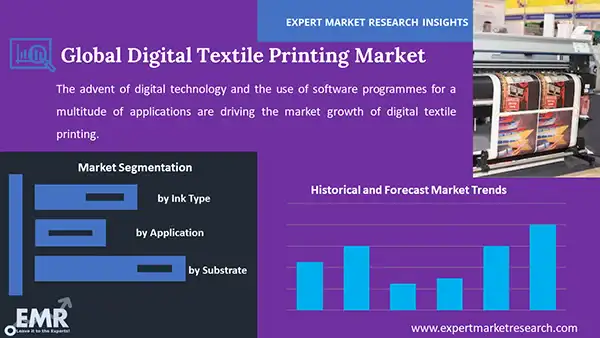
The EMR’s report titled “Global Digital Textile Printing Market Report and Forecast 2026-2035” offers a detailed analysis of the market based on the following segments:
Market Breakup by Ink Type
Key Insight: Reactive, pigment, disperse, acid and sublimation inks serve specific textile needs. Reactive inks lead the digital textile printing market for cotton and high-wash applications. Pigments gain share where pretreatment is costly, and blends are common. Disperse and sublimation dominate polyester printing for sportswear and soft signage. Acid inks remain crucial for silk and specialty protein fibers. Other niche chemistries address flame-retardant and conductive fabric printing.
Market Breakup by Substrate
Key Insight: As per the digital textile printing market report, cotton benefits from reactive chemistries and low-salt fixation paths. The polyester category’s growth is driven by sublimation and recycled feedstock workflows, which fit sports and outdoor apparel. Silk and protein fibers need acid inks and gentler fixation, often adding value in luxury segments. Other substrates such as aramids, flame-retardant blends and conductive textiles demand specialized chemistries and certified processes.
Market Breakup by Application
Key Insight: Clothing, household, technical textiles and other niche applications each demand various printing capabilities. Garments require fast turnarounds, accurate color, and migration control. Household textiles focus on soft hand, durable washes and scalable small-lot production. Technical textiles encourage the development of printers with functional inks, certified process windows, and batch traceability. Other uses such as soft signage and customized industrial panels value high-resolution and rapid fulfilment, all collectively accelerating the overall demand in the digital textile printing market.
Market Breakup by Region
Key Insight: Asia Pacific leads the market via manufacturing clusters and cost advantage. North America prefers near-shore micro-factories for brands. Europe is driven by regulation and recycled feedstock programs. The digital textile printing market in Latin America is trialing single-step systems to cut water use. Middle East and Africa use digital printing for technical textiles and signage. Buyers select their regional partners depending on traceability, fulfilment speed and sustainability certifications.
Read more about this report - REQUEST FREE SAMPLE COPY IN PDF
By ink type, reactive inks currently dominate the market due to cotton affinity
Reactive inks remain the dominant choice for digital textile printing on cellulose fibers because they bond chemically with cotton, delivering unmatched colorfastness. Converters focused on apparel and home textiles prefer reactive systems for contract-grade orders where wash durability is non-negotiable. Brands pushing near-shore micro-batches want predictable post-wash look and feel, so converters offering reactive ink platforms and proven fixation protocols win long-term contracts. For example, Sun Chemical offers Xennia Amethyst Eco RC ink, launched in June 2023, which is a reactive printing ink for industrial textile printers
Pigment inks are experiencing fast-paced growth in the digital textile printing market because they remove the need for extensive pre-treatment and broaden substrate compatibility, especially for blended fabrics and dark garments. Printers using pigment systems can handle cotton-poly blends and technical textiles with minimal steaming, which shortens throughput and reduces capital tied in pretreatment lines. Textile parks and converters adopting pigment workflows are attracting short-run orders from fast-fashion and sportswear brands.
By substrate, cotton continues to be the dominant category in the market driven by heritage supply chains and washability
Cotton remains the dominant substrate for digital textile printing because of its global cultivation scale and finishing compatibility, which make it the primary target for reactive and pigment systems. Apparel brands and home-textile converters keep large cotton volumes in near-shore fabs, since cotton meets performance expectations after industrial laundering. In February 2022, Premier Digital Textiles introduced a Recycled Cotton fabric which was included in their Essentials Range. Innovations include enzyme-assisted finishing and enzyme-stable inks that preserve fiber strength during repeated washes, broadening the digital textile printing market scope.
Polyester represents the fastest-growing substrate for digital textile printing, driven by sportswear, athleisure, and soft signage demand that favors sublimation and disperse systems. Brands value polyester for stretch, durability and lighter-weight constructions, and digital dye-sublimation yields vivid, wash-stable results without heavy wet processing.
By application, clothing garments lead the demand growth as brands seek fast sampling and personalization
Clothing and garments remain the dominant application for digital textile printing as fashion brands use it for rapid design iteration, micro-batching, and near-shore production. Digital methods reduce minimum order quantities and support fast sampling, which is crucial for trend-driven collections. Innovations such as embedded performance inks for moisture-wicking prints, and zone-specific printing for mixed-fabric constructions are enabling garments with integrated functionality.
Technical textiles also contribute to the digital textile printing market revenue by a high margin as this type of printing enables complex inks and functional coatings for filtration, automotive interiors, and wearable electronics. Digitally printed conductive inks, flame-retardant patterns and hydrophobic zones allow converters to meet precise performance specifications without laborious analogue masking. Governments supporting advanced manufacturing clusters and industry 4.0 pilots are accelerating adoption, since certified functional prints reduce assembly steps.
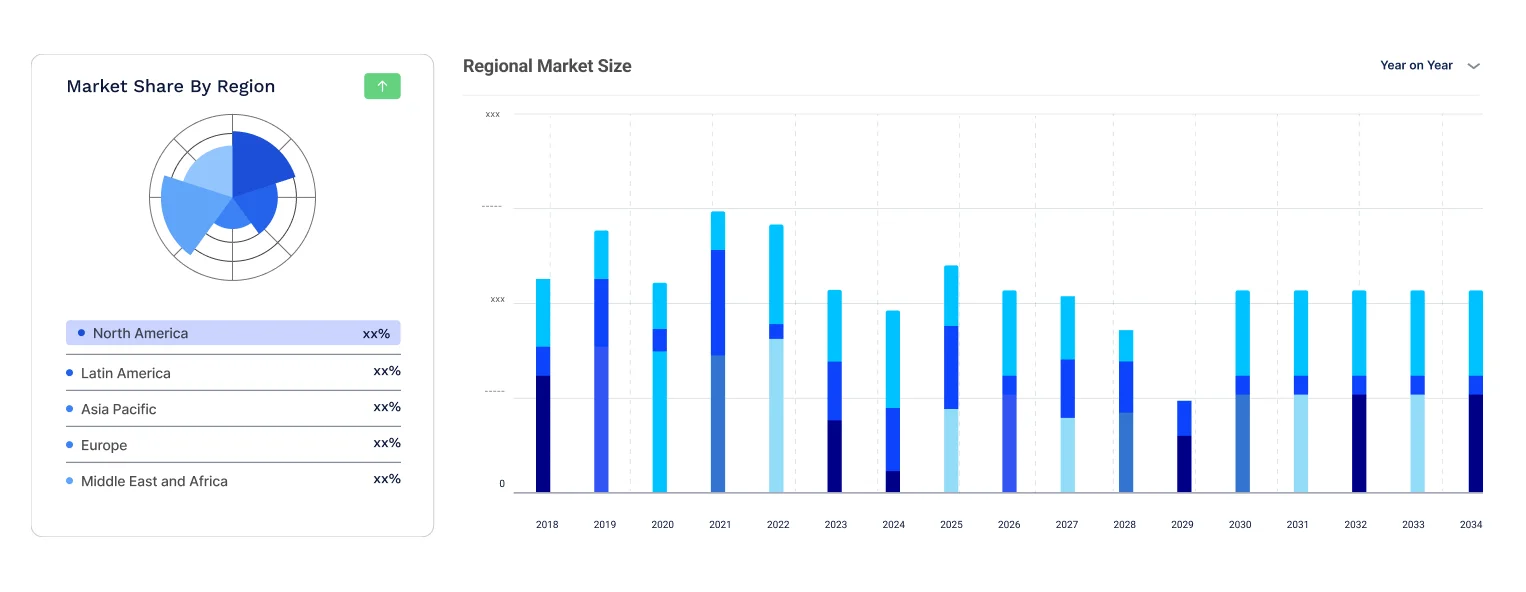
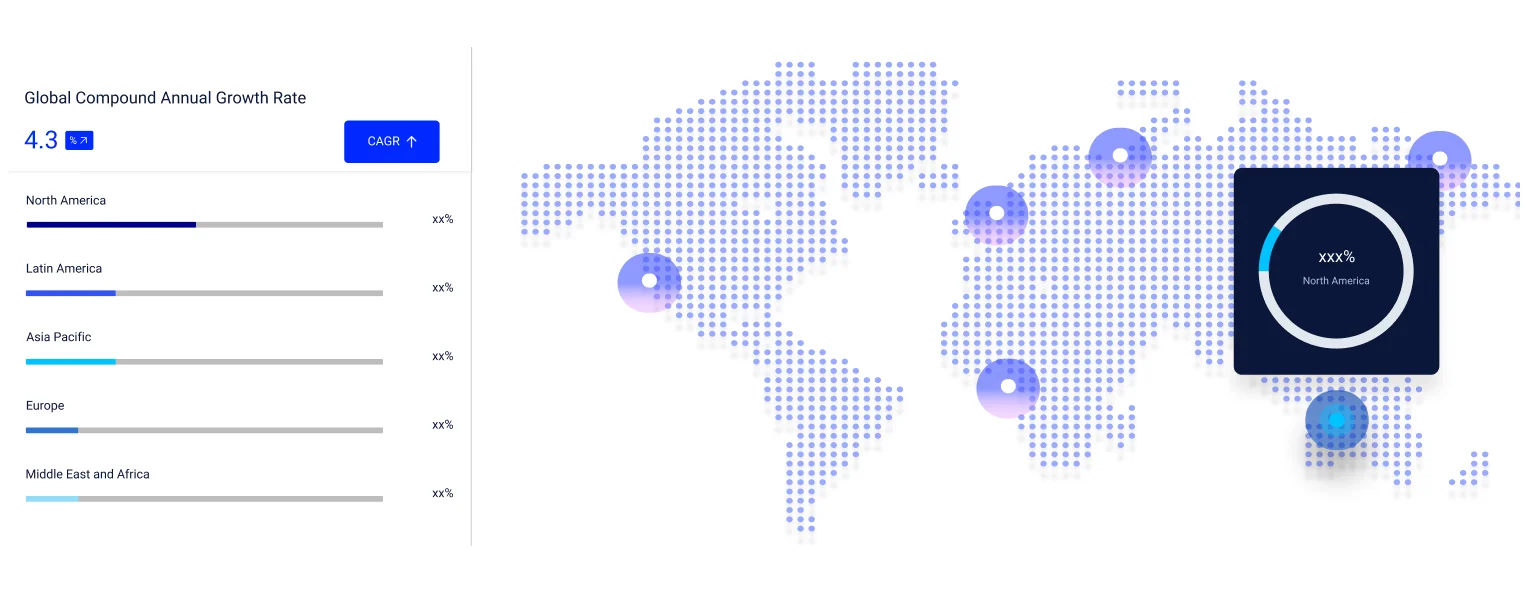
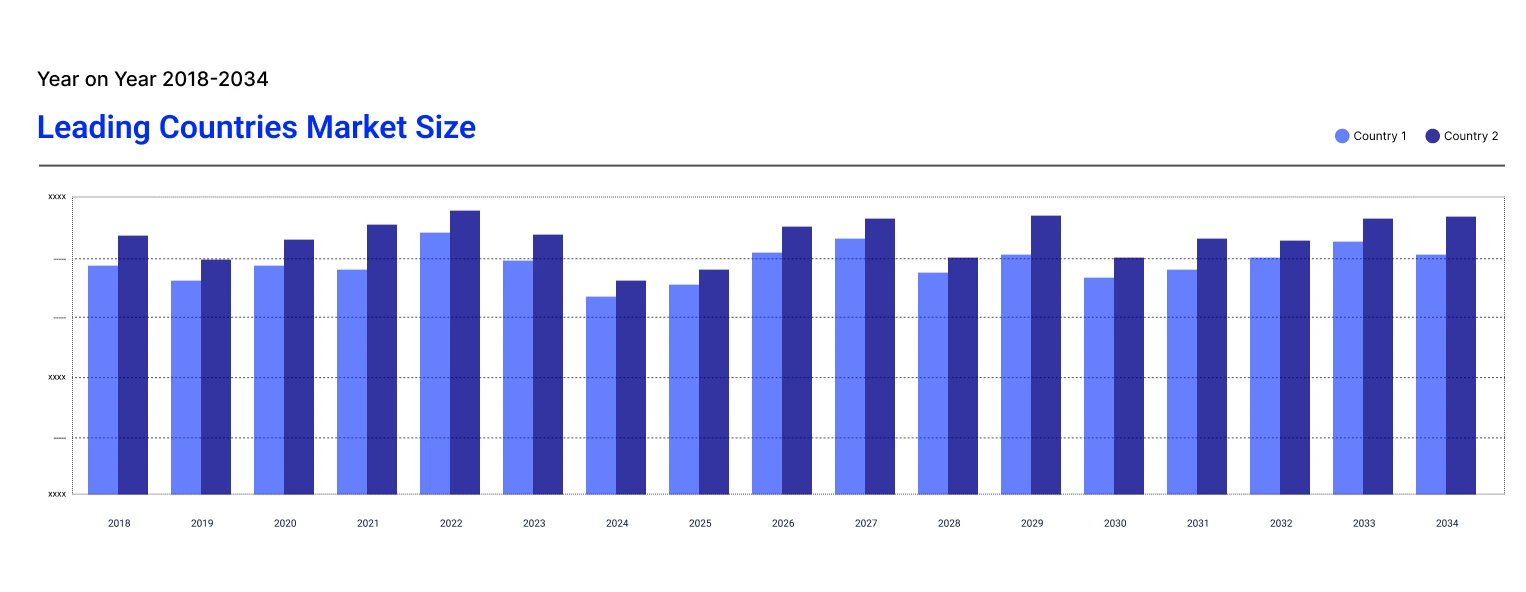
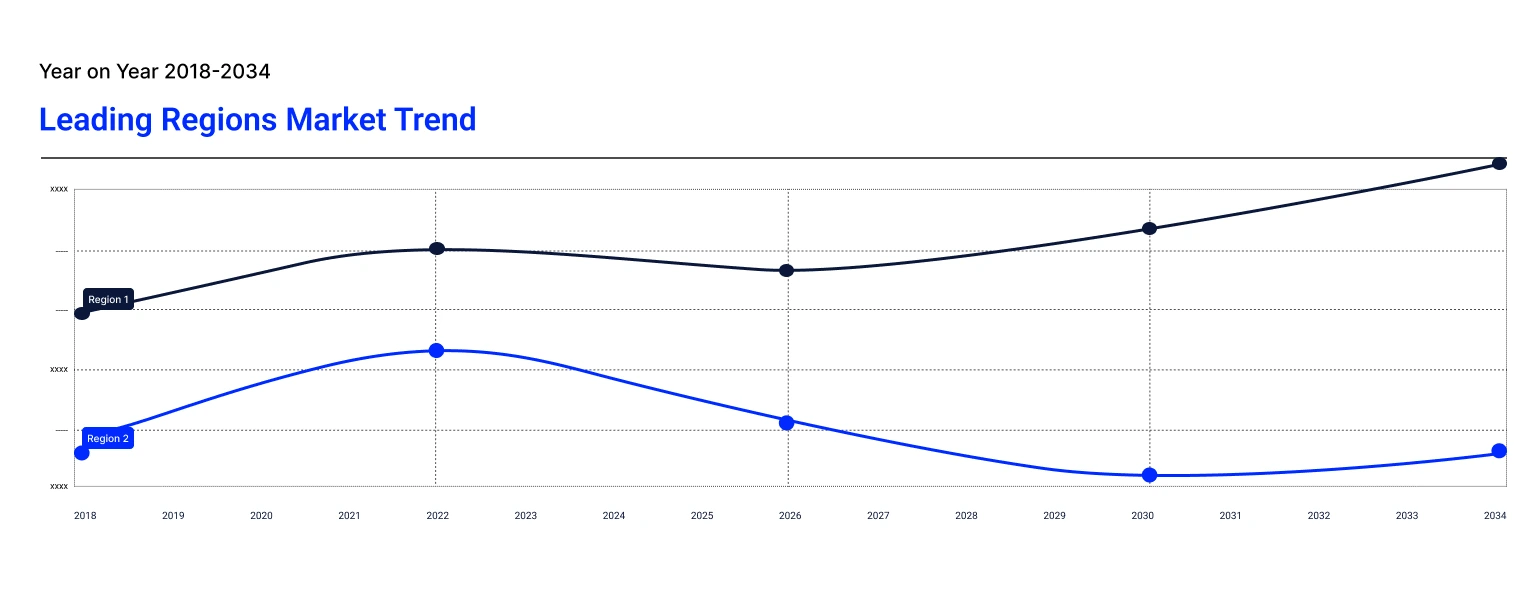
By region, Asia Pacific secures the leading market position with large textile clusters and accelerating adoption
Asia Pacific remains the dominant region due to dense textile clusters, cost-competitive converters and strong OEM presence. Countries such as China, India, and Bangladesh are building digital pilot lines to serve domestic brands and export orders. Conversion parks offering shared ink facilities and operator training reduce adoption barriers for smaller players. Demand from fast-fashion, sportswear, and home textile exporters keeps capacity utilization high.
The fast expansion of the European digital textile printing market is due to regulatory pressure, and brand sustainability commitments that are compelling the adoption of water-light technologies and traceable workflows. The European Green Deal and emerging textile strategies are nudging converters and brands to adopt recycled feedstocks, which favors digital processes with lower water footprints. OEMs and ink formulators are launching certified rPET-compatible disperse inks and low-salt reactive chemistries aimed at European supply chains.
Digital textile printing market players are focusing on inline pretreatment, low-water chemistries, and modular printheads. Opportunities lie in functional inks for wearables, conductive prints for smart textiles, and rPET-compatible disperse systems that also cater to brand circularity demands. Service providers are building distributed fulfilment nodes to shorten lead times and reduce freight impact while enabling on-demand regional batches.
OEMs and ink formulators are launching proprietary low-migration pigment sets and enzyme-stable fixation processes which cut energy per square meter. Digital textile printing companies with operator training, remote diagnostics, and integrated color-management platforms are winning long-term contracts. Margins are expanding in technical textile segments where certified performance prints replace assembly steps and attract higher contracts. Investors are funding pilot lines and shared ink banks to reduce capital barriers, accelerating adoption among medium converters and enabling faster technology diffusion across clusters and scalability.
AM Printex Solutions, established in 1990 and headquartered in India, specializes in high-resolution dye sublimation and hybrid pigment solutions for sportswear and décor markets. AM Printex is also developing inline finishing modules that reduce thermal budgets and enable faster throughput with stable color profiles.
Founded in 1842 and headquartered in the United States, Dazian, LLC is focusing on textile-print distribution and custom print services for fashion and interior markets. Dazian is investing in modular pigment printing lines that handle blended fabrics and dark garments with minimal pretreatment.
Digitex India Inc. was established in 2005, and its head office is located in India. It is scaling production for domestic brands and export clients. The company is also piloting enzyme-stable fixation lines and low-salt reactive workflows to keep vivid color.
Headquartered in North Carolina, United States and founded in 1988, Fisher Textiles, Inc. is known for supplying wide-format fabrics and custom printable substrates to converters and print shops. Fisher is developing certified substrate lines for high-resolution pigment printing and rPET blends tailored to sportswear and upholstery.
*Please note that this is only a partial list; the complete list of key players is available in the full report. Additionally, the list of key players can be customized to better suit your needs.*
Other key players in the market include Hollanders Printing Systems B.V., Seiko Epson Corporation, Mimaki Engineering Co., Ltd., Aeoon Technologies GmbH, Roland DG Corporation, Brother International Corporation, Colorjet Group, Dover Corporation, Electronics For Imaging, Inc., Mutoh Holdings Co. Ltd., HP Development Company, L.P., ATP Color, d.gen, Inc, Kornit Digital Ltd., among others.
Unlock the latest insights with our digital textile printing market trends 2026 report. Discover regional growth patterns, consumer preferences, and key industry players. Stay ahead of competition with trusted data and expert analysis. Download your free sample report today and drive informed decisions in the market.


Upto 15% Off
USD
$2499 $2249
$3999 $3599
$4999 $4249
$5999 $5099


*While we strive to always give you current and accurate information, the numbers depicted on the website are indicative and may differ from the actual numbers in the main report. At Expert Market Research, we aim to bring you the latest insights and trends in the market. Using our analyses and forecasts, stakeholders can understand the market dynamics, navigate challenges, and capitalize on opportunities to make data-driven strategic decisions.*
Get in touch with us for a customized solution tailored to your unique requirements and save upto 35%!
In 2025, the market reached an approximate value of USD 4.22 Billion.
The market is projected to grow at a CAGR of 18.50% between 2026 and 2035.
The market is estimated to witness a healthy growth in the forecast period of 2026-2035, reaching around USD 23.04 Billion by 2035.
Suppliers are strengthening ink partnerships, expanding training academies, deploying shared-ink banks, piloting on-demand regional hubs, and publishing certified wash protocols to win larger frameworks scaling remotely.
The key trends of the market include rising importance of sustainable textile printing, increasing spending on fashionable textiles, and use of digital textile printing for branding.
The major regional markets for digital textile printing are North America, Latin America, the Asia Pacific, Europe, and the Middle East and Africa.
The different ink types in digital textile printing are reactive, acid, direct disperse, sublimation, and pigments, among others.
The major substrates of digital textile printing are cotton, silk, and polyester, among others.
The various applications of digital textile printing are clothing/garments, household, and technical textiles, among others.
The key players in the market include AM Printex Solutions, Dazian LLC, Digitex India Inc., Fisher Textiles Inc., Hollanders Printing Systems B.V., Seiko Epson Corporation, Mimaki Engineering Co. Ltd., Aeoon Technologies GmbH, Roland DG Corporation, Brother International Corporation, Colorjet Group, Dover Corporation, Electronics For Imaging Inc., Mutoh Holdings Co. Ltd., HP Development Company L.P., ATP Color, d.gen Inc., Kornit Digital Ltd., among others.
High capital costs, operator skill shortages, and complex ink approvals are slowing adoption. Regulatory effluent rules and supply-chain volatility are adding procurement risk across converters. and quality consistency challenges persist.
Explore our key highlights of the report and gain a concise overview of key findings, trends, and actionable insights that will empower your strategic decisions.
| REPORT FEATURES | DETAILS |
| Base Year | 2025 |
| Historical Period | 2019-2025 |
| Forecast Period | 2026-2035 |
| Scope of the Report |
Historical and Forecast Trends, Industry Drivers and Constraints, Historical and Forecast Market Analysis by Segment:
|
| Breakup by Ink Type |
|
| Breakup by Substrate |
|
| Breakup by Application |
|
| Breakup by Region |
|
| Market Dynamics |
|
| Competitive Landscape |
|
| Companies Covered |
|
| Report Price and Purchase Option | Explore our purchase options that are best suited to your resources and industry needs. |
| Delivery Format | Delivered as an attached PDF and Excel through email, with an option of receiving an editable PPT, according to the purchase option. |
Datasheet
One User
USD 2,499
USD 2,249
tax inclusive*
Single User License
One User
USD 3,999
USD 3,599
tax inclusive*
Five User License
Five User
USD 4,999
USD 4,249
tax inclusive*
Corporate License
Unlimited Users
USD 5,999
USD 5,099
tax inclusive*
*Please note that the prices mentioned below are starting prices for each bundle type. Kindly contact our team for further details.*
Flash Bundle
Small Business Bundle
Growth Bundle
Enterprise Bundle
*Please note that the prices mentioned below are starting prices for each bundle type. Kindly contact our team for further details.*
Flash Bundle
Number of Reports: 3
20%
tax inclusive*
Small Business Bundle
Number of Reports: 5
25%
tax inclusive*
Growth Bundle
Number of Reports: 8
30%
tax inclusive*
Enterprise Bundle
Number of Reports: 10
35%
tax inclusive*
How To Order

Select License Type
Choose the right license for your needs and access rights.

Click on ‘Buy Now’
Add the report to your cart with one click and proceed to register.

Select Mode of Payment
Choose a payment option for a secure checkout. You will be redirected accordingly.
Gain insights to stay ahead and seize opportunities.

Get insights & trends for a competitive edge.

Track prices with detailed trend reports.

Analyse trade data for supply chain insights.

Leverage cost reports for smart savings

Enhance supply chain with partnerships.

Connect For More Information
Our expert team of analysts will offer full support and resolve any queries regarding the report, before and after the purchase.
Our expert team of analysts will offer full support and resolve any queries regarding the report, before and after the purchase.
We employ meticulous research methods, blending advanced analytics and expert insights to deliver accurate, actionable industry intelligence, staying ahead of competitors.
Our skilled analysts offer unparalleled competitive advantage with detailed insights on current and emerging markets, ensuring your strategic edge.
We offer an in-depth yet simplified presentation of industry insights and analysis to meet your specific requirements effectively.





Share