

Consumer Insights
Uncover trends and behaviors shaping consumer choices today
Procurement Insights
Optimize your sourcing strategy with key market data
Industry Stats
Stay ahead with the latest trends and market analysis.

The global ethyl acetate market attained a volume of 4.69 MMT in 2025 and is projected to expand at a CAGR of 3.60% through 2035. The market is set to achieve a volume of 6.68 MMT by 2035. Rising demand for eco-certified solvents in coatings, adhesives and flexible packaging, driven by regulatory VOC limits and brand-owner sustainability mandates, is increasing adoption of bio-based ethyl acetate across industrial supply chains.
Driven by the accelerating global shift toward sustainable chemicals, manufacturers are increasingly channeling investments into bio-based production technologies. For example, in December 2022, major player CropEnergies AG announced plans to build a chemical-plant at Zeitz Chemical & Industrial Park for the production of renewable (bio-based) ethyl acetate, investing approximately EUR 120-130 million and aiming for commissioning the same by end-2025. Such a strategic move underlines the basic trend in the ethyl acetate market as chemicals companies decarbonize their solvent portfolios and gain first-mover advantage in “green” esters supply chains.
From a downstream perspective, companies such as Eastman Chemical Company and Solvay S.A. are pivoting towards custom-grade ethyl acetate formulations designed for adhesives, flexible packaging laminates and high-speed printing inks, prompted by stringent volatile organic compound (VOC) regulations in Europe and North America. In December 2023, Handsome Chemical Board unanimously approved the 500,000 tons of acetates and 100,000 tons of electronic grade ethyl acetate project in Jingmen, Hubei Province.
For B2B buyers and chemical producers, this signals a two-fold trend. One is the premiumization of ethyl acetate as a “sustainable solvent” where companies are willing to pay a surcharge for certified-bio variants; and the other is the increasing supply-chain complexity and risk, as new production hubs emerge, specifically in the Asia Pacific region, and raw material feedstock dynamics come under pressure. This creates ethyl acetate market growth avenues with opportunities for firms to differentiate via bespoke solvent solutions, while also mandating tighter supply-chain management.
Base Year
Historical Period
Forecast Period
Compound Annual Growth Rate
3.6%
Value in MMT
2026-2035
*this image is indicative*
Major producers are investing in renewable ethyl acetate capacity to capture their sustainability quota. For example, started in August 2024, BASF’s new bio-based EA boasts a certified 14C-traceable content of 40% according to DIN EN 16640 standards and offers a substantial 30% reduction in Product Carbon Footprint (PCF) compared to its fossil-based counterpart. This ethyl acetate market trend raises willingness to pay for certified feedstocks and forces incumbent producers to upgrade traceability and certification systems. Moreover, companies that can vertically integrate ethanol sourcing or secure green feedstock contracts gain a structural margin advantage.
Tighter VOC limits and ecolabel revisions in Europe and updated emissions reporting rules are nudging formulators toward low-VOC, fast-evaporating esters or blended solvent systems. Paint, ink and adhesive makers face stricter product criteria around EU Ecolabel revisions and are reformulating to retain performance while meeting limits, which lifts demand for specialty grades of ethyl acetate that balance evaporation rate with low HAPs, shaping the ethyl acetate market trends. For example, in August 2022, Vertec BioSolvents relaunched ethyl acetate solvent as VertecBio Bio-Based Ethyl Acetate, which is formulated completely from renewable resources, with zero environmentally-hazardous ingredients, ozone-depleting chemicals (ODCs), and hazardous air pollutants (HAPs).
Large chemical players like Eastman, Solvay, BASF are shifting from spot-commodity selling to supplying tailored grades such as urethane, pharma, ink-grade plus technical formulation services and supply continuity contracts. Price volatility (and periodic price increases) has accelerated this shift. For instance, in March 2024, Eastman Chemical Company announced esters price increases in North America and Latin America. Customers pay small surcharges for consistent low-impurity, application-specific ethyl acetate and supplier technical support. That makes commercial agreements for longer terms and reduces churn, but also raises barriers for new commodity entrants, impacting the overall ethyl acetate market revenue.
Asia, especially China, dominates capacity additions, which keeps baseline prices competitive and pressures margins for commodity producers in the West. At the same time, Western and European players invest in domestic bio-capacity to de-risk supply and meet regional sustainability mandates. For example, in October 2021, Sekab invested EUR 9.95 million to increase green chemical production capacity at its facility in Örnsköldsvik, Sweden. This dual trend of procuring cheap bulk supply from APAC and premium bio supply in Europe/North America is catering to the ongoing demand in the ethyl acetate market. Firms that optimize logistics and forward contracting gain commercial edge.
Ethyl acetate demand is being pulled by high-speed packaging inks, low-VOC adhesives for flexible packaging, and pharma applications requiring tighter impurity specs. In September 2024, Bostik announced the launch of its new Kizen LIME range of packaging adhesives. Brand owners in food and personal care are also requesting certified low-carbon solvents for packaging inks and adhesives, so suppliers that can deliver documented supply chains with bio feedstock, GHG reductions, capture higher value, driving the ethyl acetate market value.
The EMR’s report titled “Global Ethyl Acetate Market Report and Forecast 2026-2035” offers a detailed analysis of the market based on the following segments:
Market Breakup by Application
Key Insight: Paints and coatings, adhesives, inks, pharmaceuticals and other industrial uses, all drive the ethyl acetate demand but for different technical reasons. Coatings dominate for evaporation control and clarity, adhesives grow at the fastest pace with packaging and low-VOC reformulations, inks require fast-dry, low-residue esters for high-speed web printing, pharmaceuticals demand high-purity, low-impurity grades with strict documentation, other niche uses need volume and cost efficiency.
Market Breakup by Region
Key Insight: Asia Pacific remains cost-driven and export oriented, while Europe and North America are value engines favoring bio-based, certified and technical grades. Latin America supplies feedstock and regional demand for adhesives and inks. The ethyl acetate market in the Middle East & Africa represents niche growth avenues anchored to petrochemical integration and rising coatings activity.
By application, paints and coatings command largest share given extensive solvent use
Paints & coatings remain the single largest application for ethyl acetate because of its ideal evaporation profile and compatibility with common resins used in industrial and decorative coatings. Coatings formulators prize ethyl acetate for high-speed printing, lacquer clarity and controlled drying in coil and industrial lines; regulatory pushes to lower VOCs have prompted formulators to replace heavier aromatics with esters like ethyl acetate or blend it into high-solids systems. Suppliers now provide specialty urethane-compatible or low-residue esters and technical trials to reduce VOC footprint while retaining film properties.
Adhesives, especially solvent-based adhesives used in flexible packaging and pressure-sensitive tapes, observe fast growth in the ethyl acetate market due to rising packaging output and the sector’s rapid move to low-VOC solvents. In October 2022, Viridis Chemical, LLC started producing renewable ethyl acetate from its manufacturing plant in Columbus, Nebraska. Brand-owners expect adhesives that bond rapidly yet meet stricter indoor-air and product safety standards; ethyl acetate’s fast evaporation and compatibility with many tackifiers make it an preferred solvent for reformulations.
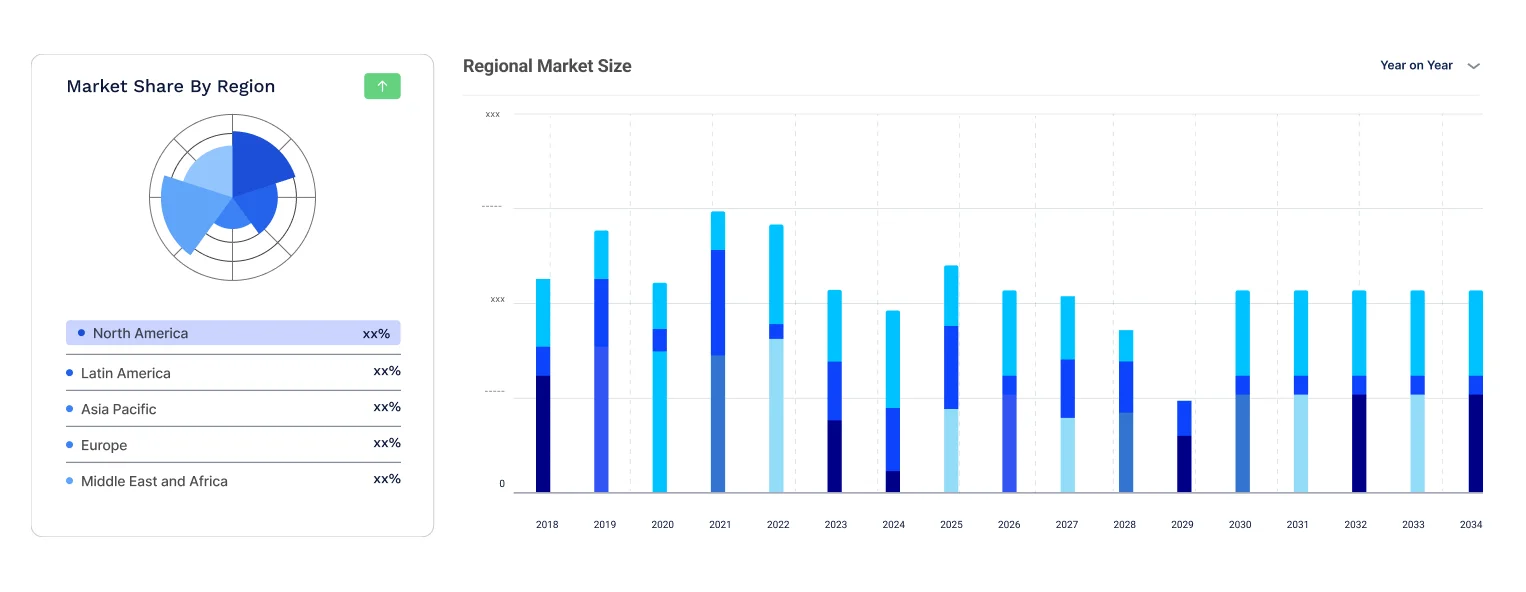
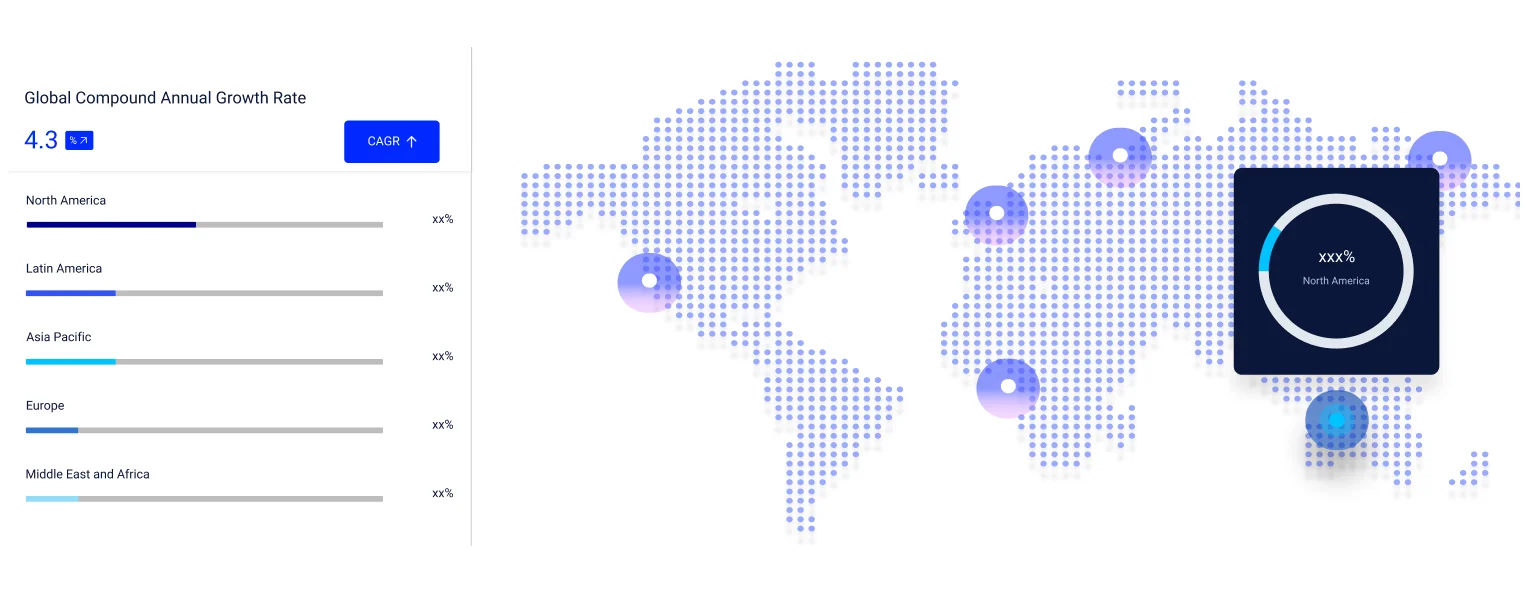
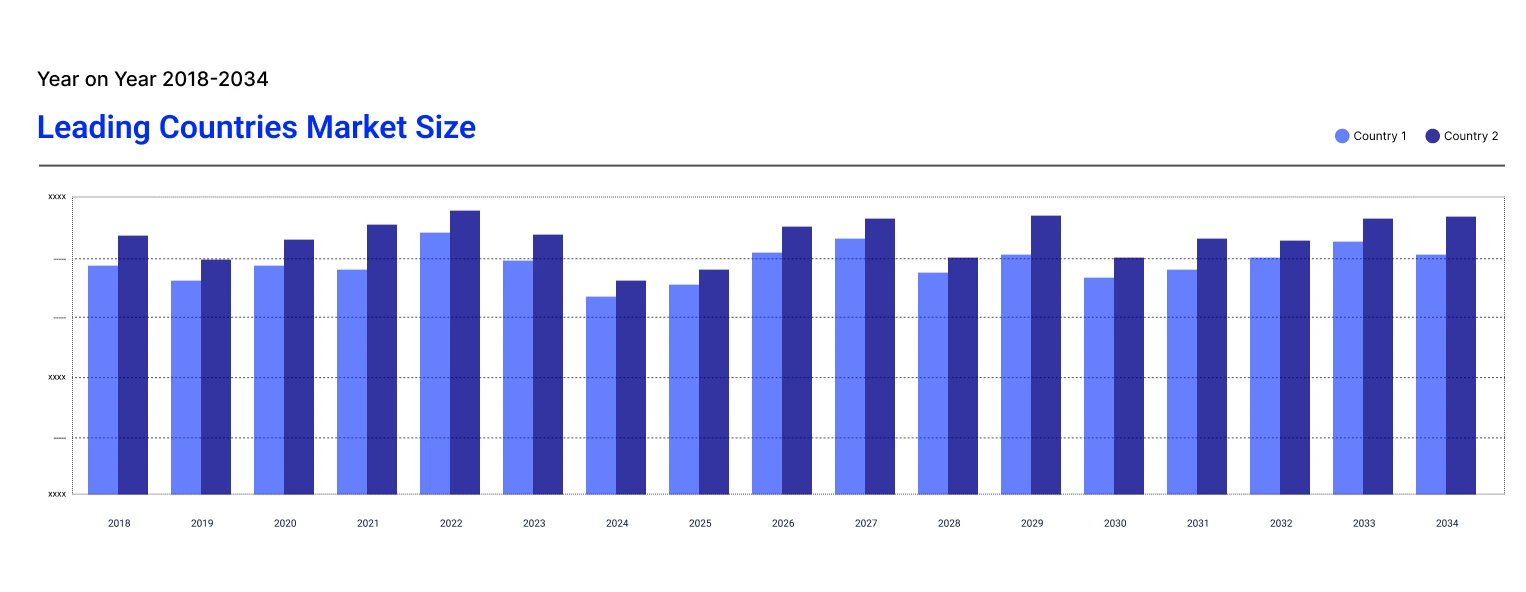
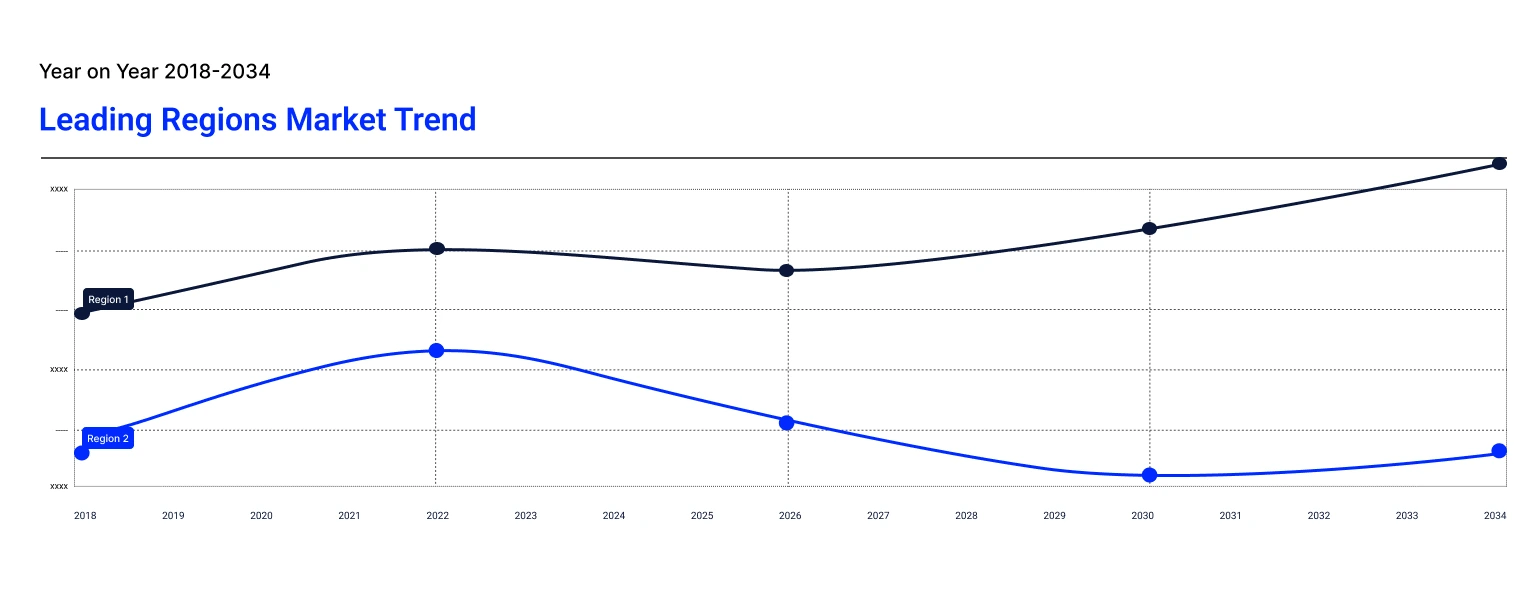
By region, Asia Pacific holds the largest share driven by local capacity expansion
Asia Pacific currently leads the market as the global production hub, largely due to rapid industrialization, with large solvent-using applications and aggressive capacity additions in China. Local integration of ethanol and acetic acid feedstocks plus cost-competitive steam cracker and esterifying facilities have created a hub that supplies both domestic converters and exports to neighboring markets. That scale keeps baseline prices competitive and forces Western suppliers to differentiate via specialty grades or bio-based credentials.
The ethyl acetate market in Europe is evolving fast because of stringent environmental rules and an active policy push to scale bio-based chemicals and industrial emissions transparency. The revision of paint ecolabels and new industrial emissions reporting create strong demand for lower-carbon, traceable ethyl acetate and incentivize domestic investments to secure supply. For example, in July 2025, INEOS finalized a significant EUR 30 million investment at its Hull manufacturing location, transforming the facility to operate using clean-burning hydrogen instead of natural gas, reducing 75% in carbon emissions. European formulators and brand-owners, under regulator scrutiny and consumer pressure, are also willing to pay premiums for certified bio feedstocks.
The market is increasingly becoming innovation-driven, as manufacturers pursue sustainability, energy efficiency, and digitalized production control. Leading ethyl acetate market players are investing in renewable ethyl acetate derived from bioethanol, circular feedstock integration, and smart plant automation. The competitive focus is shifting from low-cost output to certified, traceable, and high-purity solvents that meet evolving environmental standards.
Ethyl acetate companies are actively forming alliances with downstream formulators in adhesives, coatings, and packaging to co-develop eco-compliant products. Opportunities exist in developing bio-based ester networks across Europe and Asia, leveraging government incentives for low-carbon chemicals.
Established in 2003 and headquartered in China, Jiangmen Handsome Chemical Development Ltd. is among Asia’s largest ethyl acetate manufacturers, with integrated facilities producing solvents, coatings intermediates, and fine chemicals. The company focuses on digitalized process optimization and VOC control technologies to ensure consistent quality for export markets.
Founded in 1996 and based in Zhenjiang, China, Jiangsu Sopo (Group) Co., Ltd. is a vertically integrated chemicals enterprise producing acetic acid and downstream esters such as ethyl acetate. The company’s recent innovation includes continuous-process esterification lines with automation controls that reduce emissions and energy use.
Headquartered in Tennessee, United States, and established in 1920, Eastman Chemical Company offers a wide portfolio of solvents including specialty-grade ethyl acetate. The company’s competitive strategy centers on innovation in sustainable chemicals, circular feedstocks, and low-carbon solutions. Eastman collaborates with packaging and coatings manufacturers to develop performance-oriented, regulatory-compliant solvents.
Founded in 1985 and headquartered in Sweden, Sekab is a pioneer in renewable chemical production, focusing on bio-based ethyl acetate derived from sustainable ethanol. The company uses forest-based feedstocks and advanced biorefining to create low-carbon solvents for coatings and pharmaceutical applications. Sekab’s innovation lies in integrating renewable energy sources and waste valorization to cut emissions across its value chain.
*Please note that this is only a partial list; the complete list of key players is available in the full report. Additionally, the list of key players can be customized to better suit your needs.*
Other key players in the ethyl acetate market report include Shandong Jinyimeng Group Co. Ltd., Godavari Biorefineries Ltd., INEOS Group, and Solvay, among others.
Unlock the latest insights with our ethyl acetate market trends 2026 report. Discover regional growth patterns, consumer preferences, and key industry players. Stay ahead of competition with trusted data and expert analysis. Download your free sample report today and drive informed decisions in the market.


Upto 15% Off
USD
$2499 $2249
$3999 $3599
$4999 $4249
$5999 $5099


*While we strive to always give you current and accurate information, the numbers depicted on the website are indicative and may differ from the actual numbers in the main report. At Expert Market Research, we aim to bring you the latest insights and trends in the market. Using our analyses and forecasts, stakeholders can understand the market dynamics, navigate challenges, and capitalize on opportunities to make data-driven strategic decisions.*
Get in touch with us for a customized solution tailored to your unique requirements and save upto 35%!
In 2025, the market reached an approximate volume of 4.69 MMT.
The market is projected to grow at a CAGR of 3.60% between 2026 and 2035.
The market is estimated to witness healthy growth in the forecast period of 2026-2035 to reach a volume of around 6.68 MMT by 2035.
Companies are enhancing bio-feedstock integration, expanding certified product lines, digitalizing operations, forming strategic partnerships with converters, and continuously innovating sustainable solvents to strengthen market position and profitability in the ethyl acetate sector.
The key trends guiding the market are innovations in the production of ethanol from coal or natural gas, the rising demand for paints and coatings, and the growing automotive sector.
The major regions in the market are North America, Latin America, the Middle East and Africa, Europe, and the Asia Pacific.
Paints and coating, adhesives, inks, and pharmaceutical, among others are the major application segments of ethyl acetate.
The key players in the market include Jiangmen Handsome Chemical Development Ltd., Jiangsu Sopo (Group) Co., Ltd., Eastman Chemical Company, Sekab, Shandong Jinyimeng Group Co. Ltd., Godavari Biorefineries Ltd., INEOS Group, and Solvay, among others.
Volatile feedstock pricing, high capital cost of bio-based plants, stringent VOC and emissions regulations, and maintaining global supply reliability while meeting sustainability commitments remain the core challenges for industry participants.
Explore our key highlights of the report and gain a concise overview of key findings, trends, and actionable insights that will empower your strategic decisions.
| REPORT FEATURES | DETAILS |
| Base Year | 2025 |
| Historical Period | 2019-2025 |
| Forecast Period | 2026-2035 |
| Scope of the Report |
Historical and Forecast Trends, Industry Drivers and Constraints, Historical and Forecast Market Analysis by Segment:
|
| Breakup by Application |
|
| Breakup by Region |
|
| Market Dynamics |
|
| Competitive Landscape |
|
| Companies Covered |
|
| Report Price and Purchase Option | Explore our purchase options that are best suited to your resources and industry needs. |
| Delivery Format | Delivered as an attached PDF and Excel through email, with an option of receiving an editable PPT, according to the purchase option. |
Datasheet
One User
USD 2,499
USD 2,249
tax inclusive*
Single User License
One User
USD 3,999
USD 3,599
tax inclusive*
Five User License
Five User
USD 4,999
USD 4,249
tax inclusive*
Corporate License
Unlimited Users
USD 5,999
USD 5,099
tax inclusive*
*Please note that the prices mentioned below are starting prices for each bundle type. Kindly contact our team for further details.*
Flash Bundle
Small Business Bundle
Growth Bundle
Enterprise Bundle
*Please note that the prices mentioned below are starting prices for each bundle type. Kindly contact our team for further details.*
Flash Bundle
Number of Reports: 3
20%
tax inclusive*
Small Business Bundle
Number of Reports: 5
25%
tax inclusive*
Growth Bundle
Number of Reports: 8
30%
tax inclusive*
Enterprise Bundle
Number of Reports: 10
35%
tax inclusive*
How To Order

Select License Type
Choose the right license for your needs and access rights.

Click on ‘Buy Now’
Add the report to your cart with one click and proceed to register.

Select Mode of Payment
Choose a payment option for a secure checkout. You will be redirected accordingly.
Gain insights to stay ahead and seize opportunities.

Get insights & trends for a competitive edge.

Track prices with detailed trend reports.

Analyse trade data for supply chain insights.

Leverage cost reports for smart savings

Enhance supply chain with partnerships.

Connect For More Information
Our expert team of analysts will offer full support and resolve any queries regarding the report, before and after the purchase.
Our expert team of analysts will offer full support and resolve any queries regarding the report, before and after the purchase.
We employ meticulous research methods, blending advanced analytics and expert insights to deliver accurate, actionable industry intelligence, staying ahead of competitors.
Our skilled analysts offer unparalleled competitive advantage with detailed insights on current and emerging markets, ensuring your strategic edge.
We offer an in-depth yet simplified presentation of industry insights and analysis to meet your specific requirements effectively.





Share