

Consumer Insights
Uncover trends and behaviors shaping consumer choices today
Procurement Insights
Optimize your sourcing strategy with key market data
Industry Stats
Stay ahead with the latest trends and market analysis.
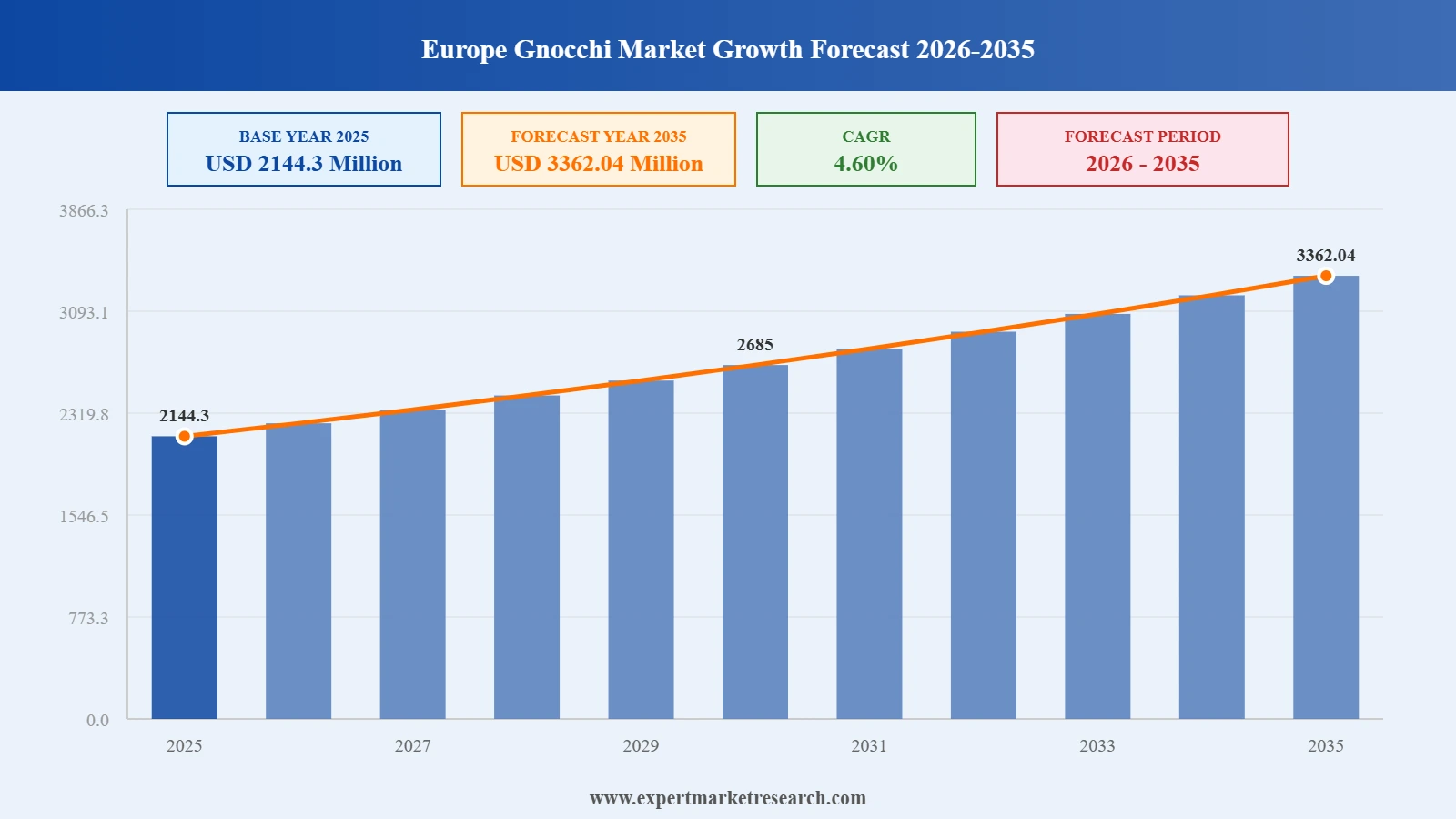
The Europe gnocchi market was valued at USD 2144.30 Million in 2025. The market is expected to grow at a CAGR of 4.60% during the forecast period of 2026-2035 to reach a value of USD 3362.04 Million by 2035.
The European gnocchi market is being strongly driven by the reinvention of traditional recipes for modern retail. Consumers are embracing premium, region-specific variants such as ‘gnocchi di pane’ and ‘gnocchi alla romana’, which are now offered with clean-label packaging and certified PDO ingredients. Retailers like Edeka and Rewe are capitalizing on this trend by dedicating shelf space to these elevated formats, blending authenticity with contemporary gourmet appeal.
Moreover, sustainability trends are shaping gnocchi sourcing. Recently, Italy’s Ministry of Agriculture launched the “Made Green in Italy” scheme to support low-carbon, traditional pasta products including gnocchi. The project incentivises producers to switch to eco-friendly packaging and adopt energy-efficient extrusion technologies. Meanwhile, export opportunities have opened up as United Kingdom and Nordic consumers are actively substituting regular pasta with chilled, ready-to-eat gnocchi variants.
The growing popularity of ready-to-cook and frozen products has shaped the Europe gnocchi market dynamics. Urban consumers tend to favor easy-to-prepare meals, and this consumer trend supports the demand for such products in supermarkets and grocery stores. As the product is stable at room temperature, 20% of Italian gnocchi are exported to non-EU countries for retail sale. The remaining 80% of shipments which consist of chilled products, are made for European markets.
Read more about this report - Request a Free Sample
|
Europe Gnocchi Market Report Summary |
Description |
Value |
|
Base Year |
USD Million |
2025 |
|
Historical Period |
USD Million |
2019-2025 |
|
Forecast Period |
USD Million |
2026-2035 |
|
Market Size 2025 |
USD Million |
2144.30 |
|
Market Size 2035 |
USD Million |
3362.04 |
|
CAGR 2019-2025 |
Percentage |
XX% |
|
CAGR 2026-2035 |
Percentage |
4.60% |
|
CAGR 2026-2035 - Market by Country |
Italy |
4.7% |
|
CAGR 2026-2035 - Market by Type |
Gluten Free |
6.4% |
|
CAGR 2026-2035 - Market by End Use |
Retail |
4.9% |
|
Market Share by Country 2025 |
Germany |
13.5% |
Olivieri launched Olivieri Skillet Gnocchi that is changing the way families cook together. Skillet Gnocchi is a delectable potato twist with a unique recipe that results in a crispy, golden exterior and a soft, creamy within. It comes in a number of flavors, including cheese, tomato mozzarella, pesto mozzarella, cheddar and bacon, and non-filled basic gnocchi, making it ideal for a main course, side dish, or snack. The launch signals rising innovation in ready-to-cook gnocchi, positively influencing premium product demand in the European market.
Newlat agreed to buy multinational food and beverage business Princes from Mitsubishi Corporation for EUR 700 million, including all current operations and brands. This acquisition boosts Newlat’s production capabilities and international presence, strengthening the competitive landscape of the European gnocchi industry.
Hyle Capital Partners, a Milan-based private equity firm, announced an investment in Ciemme Alimentari, a potato gnocchi producer. It is the private equity firm's sixth investment in Italian agri-food. This investment highlights growing investor confidence in traditional gnocchi manufacturing, enhancing scalability and export potential across Europe.
Noodles & Company, which is known for selling bowls of standard noodle, Zoodle, and Cauliflower Noodle dishes, added two Cauliflower Gnocchi dishes to its menu: Cauliflower Gnocchi Rosa and Cauliflower Gnocchi with Roasted Garlic Cream. This move reflects growing international interest in healthier gnocchi alternatives, further boosting demand in the Europe gnocchi market.
Italian producers in Emilia-Romagna are capitalising on “L’indication Géographique Protégée” (IGP) to market their gnocchi as premium exports. Firms are reviving traditional pomme-based gnocchi recipes using native potato varieties, promoted via agricultural-tourism collaborations. Such dynamics shift gnocchi into high-margin culinary niches, attracting restaurants and gourmet retailers. This Europe gnocchi market trend has become pivotal in France and Belgium, where consumers prefer food with traceable provenance and sustainable production methods.
Chilled gnocchi market in Europe has surged, owing to the region’s modernised cold chain networks. Poland’s cross-border cold logistics programme under the EU Cohesion Fund enabled gnocchi brands to reach underserved Eastern markets. Tesco Czechia recently introduced locally sourced gnocchi SKUs from Dutch producer Grand’Italia through deep-freeze truck lines. Similarly, blockchain-based shelf-life tracking by startups like Everledger is being piloted in Italy and Spain to improve traceability and reduce returns in chilled pasta segments.
The plant-based dietary habits adopted by consumers has given rise to gluten-free gnocchi variants. For example, in 2025, White Rabbit entered the premium biscuit sector through its exclusive category-first gluten-free biscotti alongside its recently released plain gnocchi in fresh pasta at the chilled shelf, boosting the Europe gnocchi market trends and dynamics. These alt-ingredient gnocchi often overlap with vegan preferences, doubling consumer appeal. In response, firms are increasingly developing protein-rich lentil-based gnocchi with extended shelf life.
Retailers across Europe are increasingly launching their own-label gnocchi lines. For example, Aldi Süd introduced a seasonal gnocchi range featuring beetroot, pumpkin, and squid ink variants. On the other hand, Sainsbury’s launched a “Cook’s Collection”, tapping rising the premium gnocchi demand. By shortening the supply chain and integrating production visibility, grocers are better positioned to align with ESG audits and reduce packaging waste via in-house control.
Gnocchi manufacturers in Europe are entering export-focused partnerships. The deal includes co-development of SKUs with lower sodium and native herbs. Additionally, under EU-Japan Economic Partnership Agreement, producers are getting tariff-free access to Japanese retail channels, making Europe a production base for Asia’s niche pasta segment. These deals offer European producers exposure beyond internal markets while meeting global demand for diversified pasta products. For example, Austria’s Wolf Nudeln GmbH began exporting shelf-stable gnocchi through Aeon supermarkets, tailored for Japanese home chefs seeking artisanal Western comfort foods.
The EMR’s report titled “Europe Gnocchi Market Report and Forecast 2026-2035” offers a detailed analysis of the market based on the following segments:
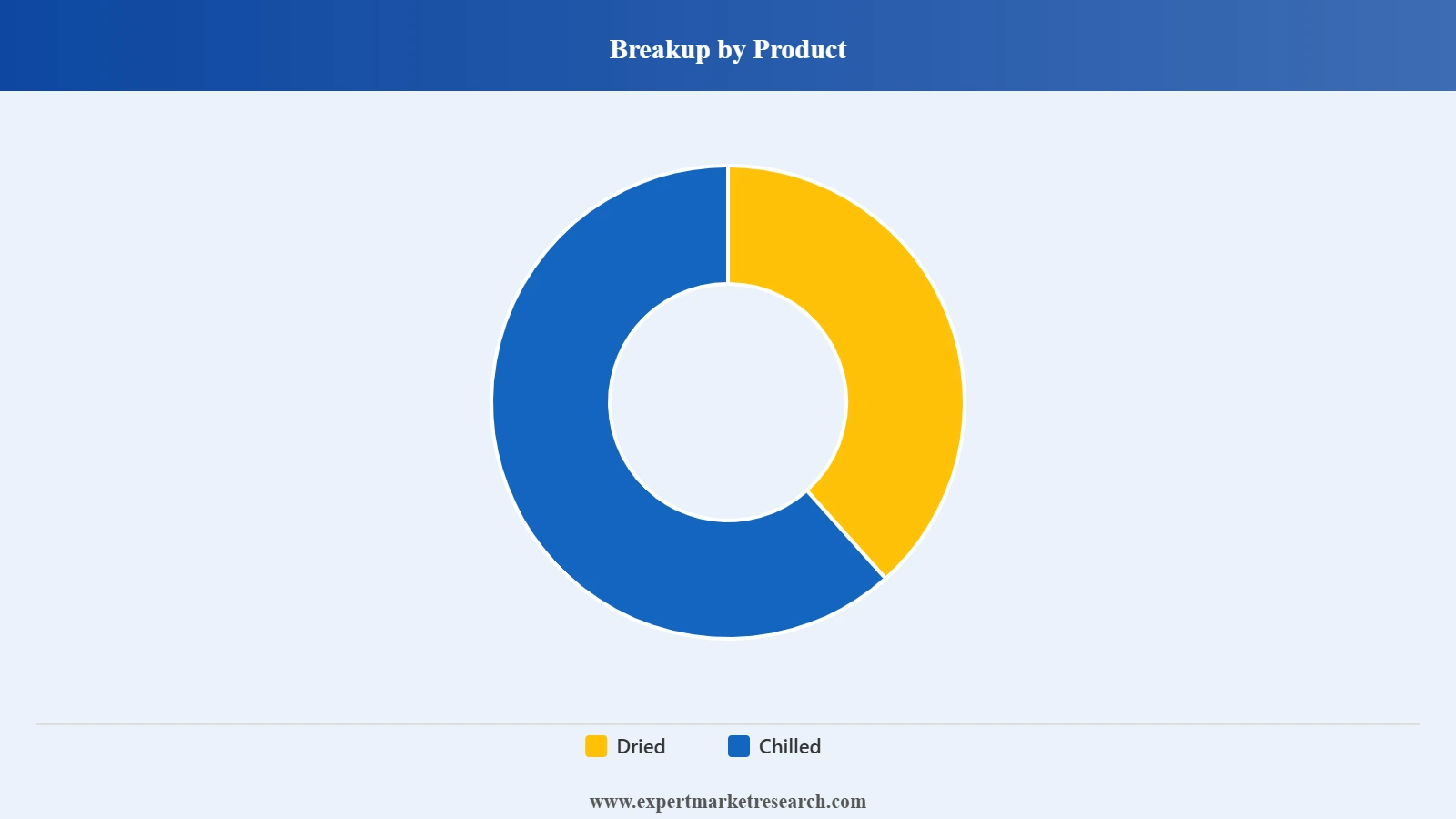
Market Breakup by Product
Key Insight: Dried and chilled gnocchi segments, as considered in the Europe gnocchi market report, cater to distinct operational needs, including longer storage for the former and premium freshness for the latter. While dried dominates the industry in volume and export utility, the market for chilled gnocchi is growing stronger in terms of consumer appeal and innovation. Innovation in both formats centres around packaging, automation, and private labelling.
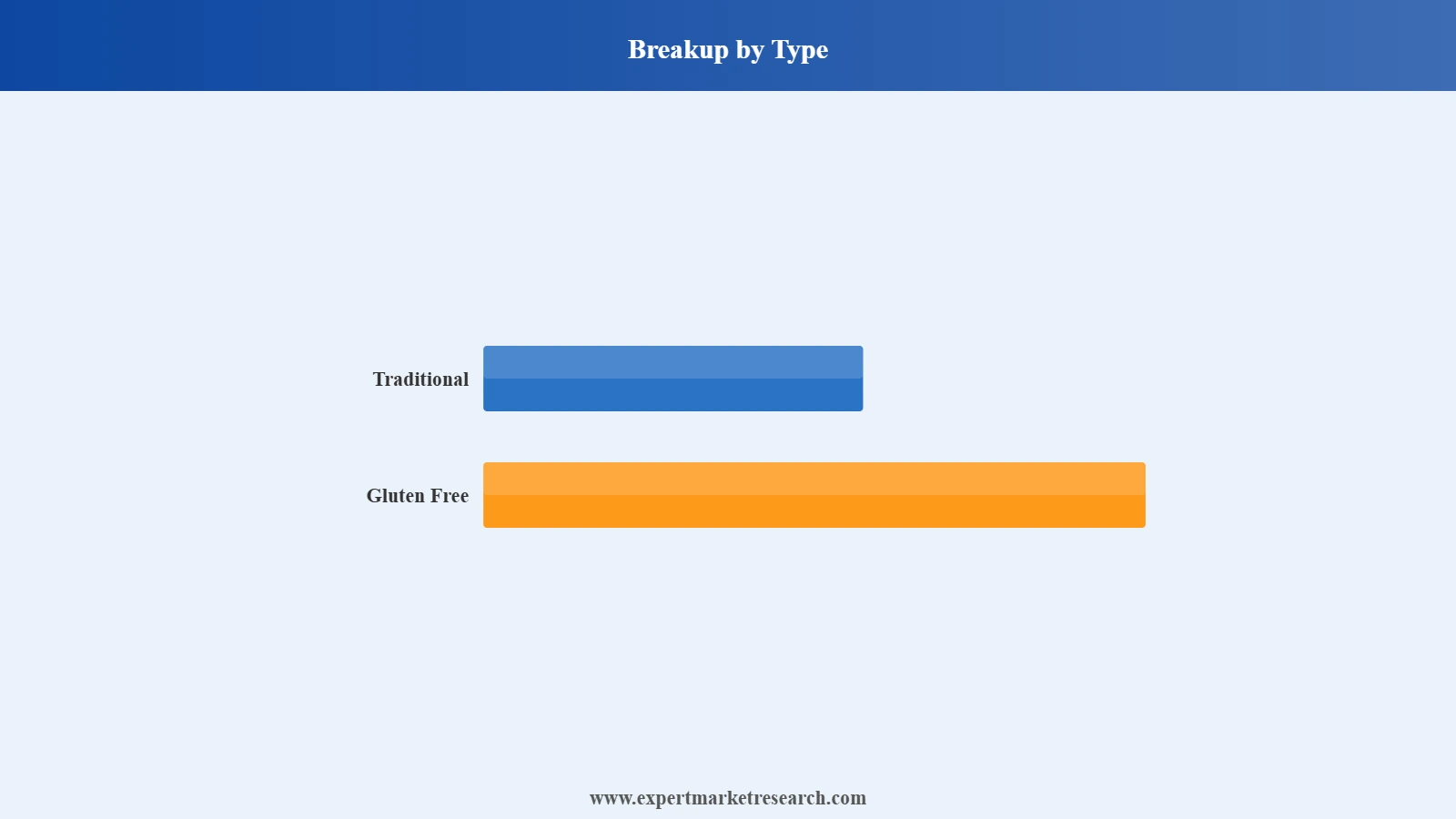
Market Breakup by Type
Key Insight: Traditional gnocchi retain dominance in the Europe gnocchi market, through heritage and flavour adaptability, while gluten-free variants are gaining ground by meeting modern dietary expectations. Emerging variants like vegan and organic gnocchi are being explored but these are yet to achieve market traction. With regulatory backing and ingredient innovation accelerating, manufacturers are diversifying portfolios to include multi-functional, allergy-sensitive SKUs.
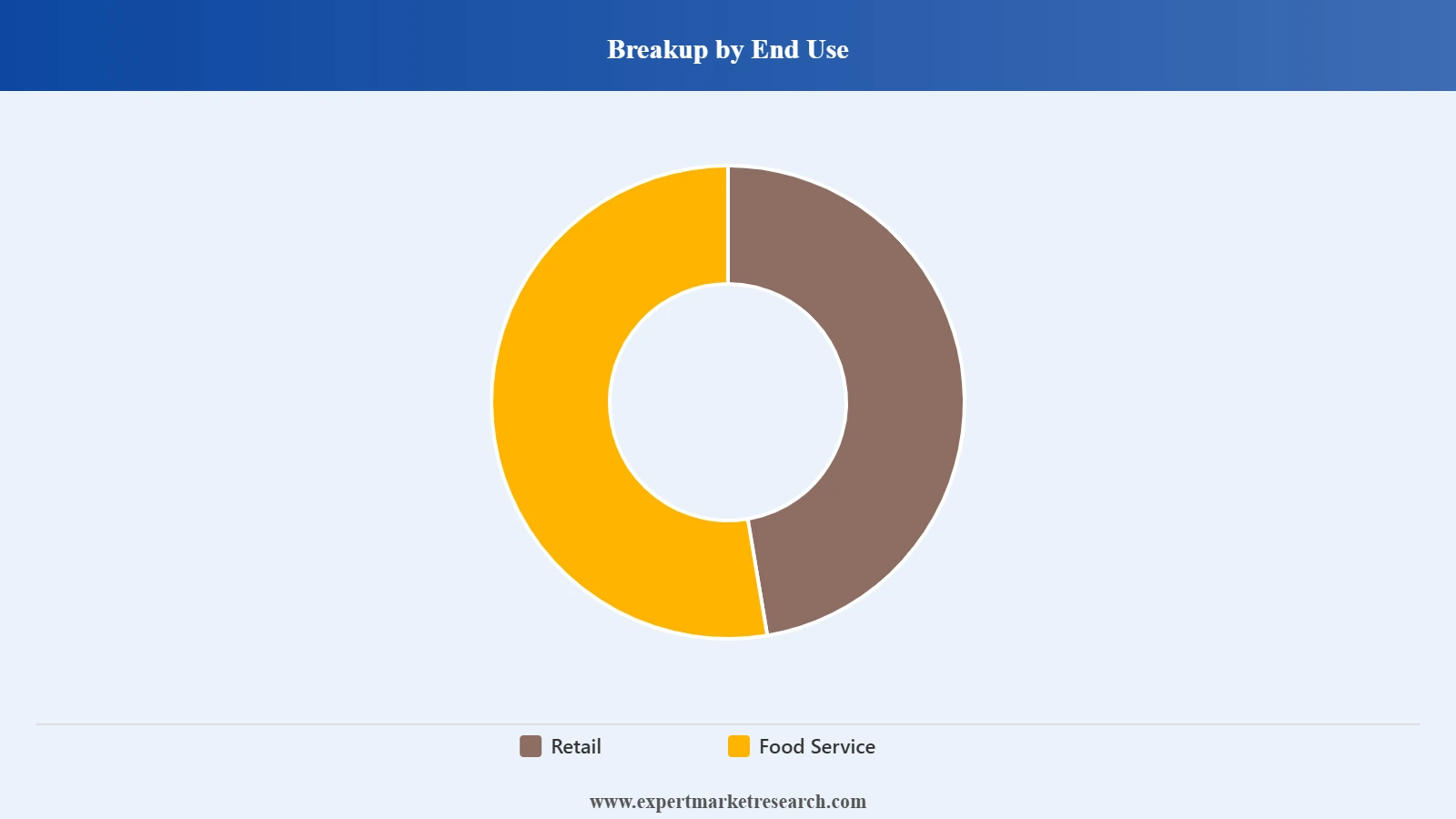
Market Breakup by End Use
Key Insight: The retail segment significantly drives the gnocchi demand in Europe owing to convenience and innovation, while the foodservice segment is taking up a bigger shape with experiential dining and operational efficiency. Other end use segments include institutional catering or airline services. B2B players are optimising formats, packaging, and portion sizes to suit use-case requirements.
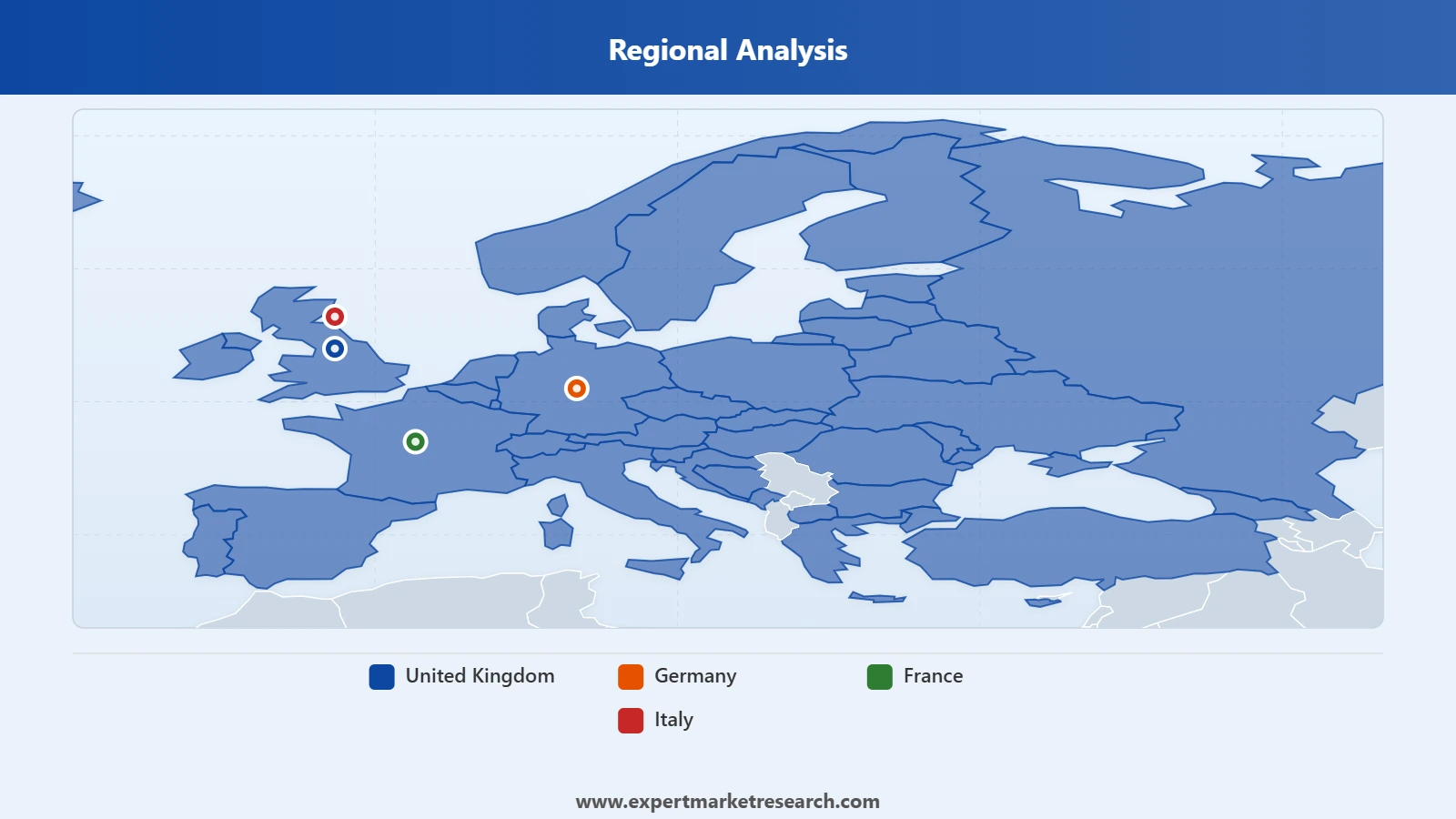
Market Breakup by Region
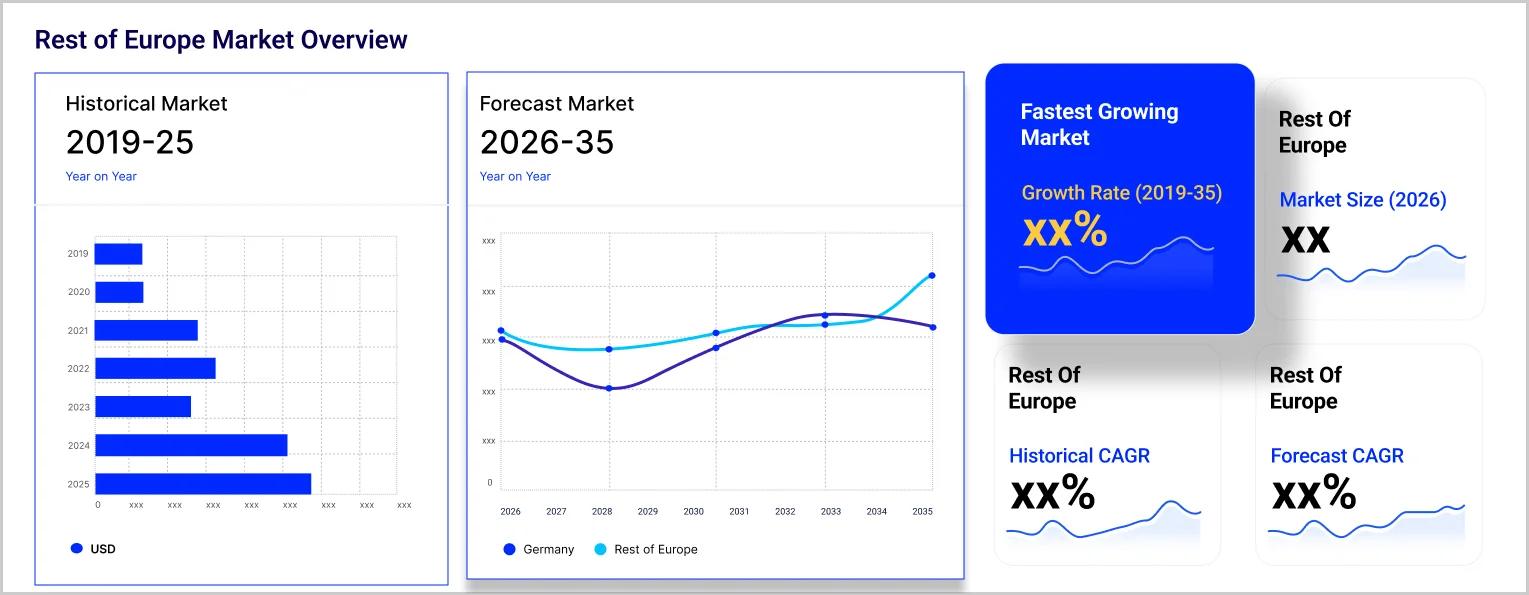
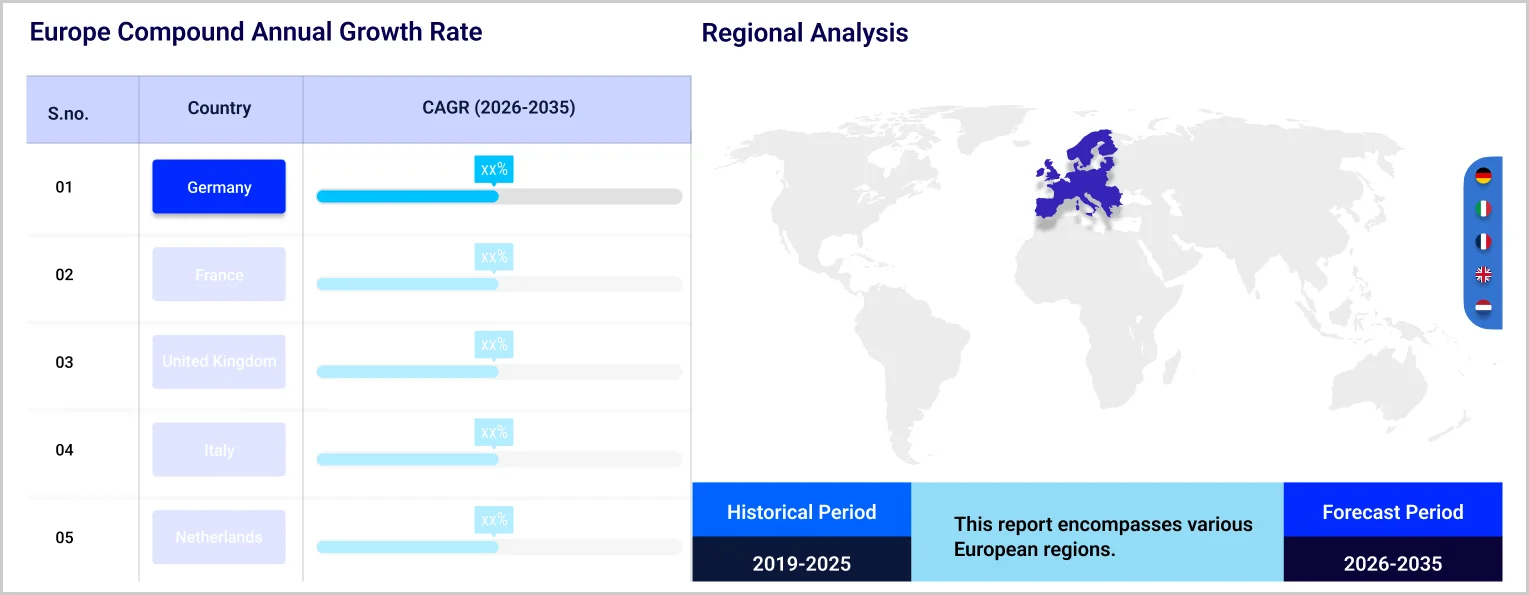
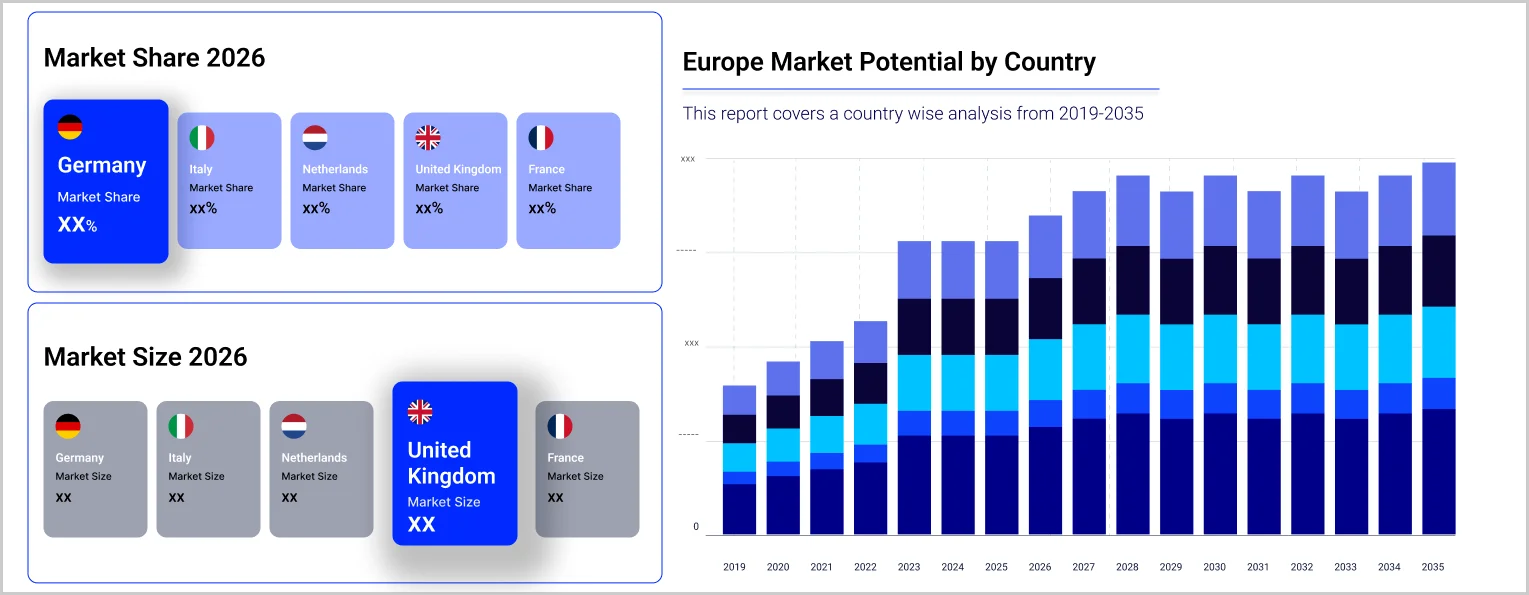
Key Insight: Italy continues to dominate the European gnocchi industry due to production heritage and policy support, while the United Kingdom market is surging with localised innovation. Germany, France, and Spain represent maturing markets with strong retail demand and co-manufacturing models. Eastern Europe has become an emerging player, largely driven by export manufacturing and cold chain infrastructure development.
Read more about this report - Request a Free Sample
By Product, Dried Gnocchi Account for the Largest Share of the Market Revenue
The dried segment accounts for the dominant share in the Europe gnocchi market due to its longer shelf life and suitability for bulk procurement It is now a popular option among budget hotel chains, airline caterers, and institutional customers. Companies such as Italy-based Garofalo have maximized production using semi-automatic lines, reducing cost-per-unit while preserving artisanal flavour. The segment's dominance is also supported by cross-border EU trade due to durability and low spoilage. The product is frequently retailed in private-label presentations, particularly in German and Eastern European supermarkets.
Read more about this report - Request a Free Sample
Chilled gnocchi represent the fastest-growing segment in the Europe gnocchi market, with tech-enabled traceability and vacuum skin-pack formats enhancing its shelf appeal It is gaining traction in urban foodservice, particularly in France and the United Kingdom, where 'ready-to-cook gourmet' is becoming a growing category. Companies such as Rana are utilizing vacuum skin-pack technology to provide longer shelf life at no additives. With the support of developing cold chains, chilled gnocchi are entering the online grocery, meal-kit platforms, and gourmet foodservice segments.
By Type, Traditional Gnocchi Registers the Maximum Share of the Market
Traditional gnocchi made from potato, flour, and egg has significantly boosted the Europe gnocchi market value. In Italy and Spain, such products are deeply embedded in national cuisine. Players like De Cecco concentrate on duplicating hand-rolled texture with slow-dough kneading machines. Classic gnocchi also enjoy trust among consumers and versatility in recipes, making it a stable choice across foodservice and retail B2B channels.
Read more about this report - Request a Free Sample
Gluten-free gnocchi is the fastest-growing subsegment in the Europe gnocchi industry, propelled by rising health consciousness and demand for allergen-friendly foods. Grocery stores such as Tesco now stock cassava, rice, and lentil-based products in mainstream shelves. The EU's "Safe2Eat" project accelerated innovation in allergen-free formats in 2024, specifically aiding Germany and the Netherlands' producers. Alternatives tend to converge with vegan, low-GI, and wholegrain trends. Others such as GlutenLess and Schaer are trying slow-release carbs and enriched ingredients for enhanced nutrition and flavour.
By End Use, the Retail Segment Occupies a Substantial Market Share
Retail dominates Europe’s gnocchi market due to changing consumer eating habits and the rise of convenient, premium grocery products. Supermarkets in Italy, France, and the United Kingdom have diversified their gnocchi offerings with chilled, gourmet, and gluten-free options. Companies like Waitrose, Coop, and Lidl now feature own-brand gnocchi with seasonal ingredients. Visual merchandising, transparent sourcing, and recyclable packaging are enhancing shelf appeal.
Read more about this report - Request a Free Sample
Foodservices are rapidly driving gnocchi consumption in Europe as gnocchi becomes a gourmet staple in modern menus. Quick-service restaurants, hotel chains, and upscale cafés are integrating gnocchi dishes for their fast preparation and ability to carry rich flavours. For instance, in 2024, Leo’s Spaghetti Bar has introduced a "Gnocchi Bolognese" bowl, featuring pillowy gnocchi paired with slow-cooked meat sauce, capitalizing on the dish’s comfort appeal and suitability for gourmet-style presentation in minimal prep time, ideal for high-footfall dining environments. Cloud kitchens in cities like Berlin and Amsterdam now include chilled gnocchi in delivery offerings. Customisation has become a key growth lever. B2B suppliers are offering gnocchi in unique shapes and colours for visual appeal.
By Region, Italy Holds the Leading Position in the Market
Continuous growth of the Italy gnocchi market revenue is bolstered by the region’s culture and production facilities. Cities like Bologna and Verona house longstanding gnocchi brands such as Barilla and Master Gnocchi, supported by national policies encouraging PDO certification and artisanal exports. Traditional varieties like ‘gnocchi di patate’ and ‘gnocchi alla romana’ have gained international appeal. Italian producers benefit from a mature supply chain, including local sourcing, technical know-how, and government-backed trade incentives. The country also leads in export volumes, leveraging heritage branding to reach premium international retailers.
Read more about this report - Request a Free Sample
The United Kingdom observes rapid gnocchi consumption, fuelled by changing dietary habits, post-Brexit food policies, and a shift towards domestic production. Retailers like M&S, Waitrose, and Tesco have rolled out British-made gnocchi with regional vegetables, catering to localism and ESG compliance. Online food retailers and meal-kit providers are also featuring gnocchi as a versatile, upscale pasta alternative.
The Europe gnocchi market players like De Cecco, Pasta Nostra, and Rana are expanding through automation and regional co-manufacturing deals. The key area of focus lies in texture engineering, eco-material packaging, and allergen-friendly formulations. New entrants are creating niche disruption. B2B players are aligning closely with evolving procurement norms, offering ESG metrics, clean-label certification, and shelf-life transparency. The upcoming EU Eco-Pack Directive 2026 is pushing manufacturers to pre-emptively pivot to recyclable or compostable packs, creating new packaging collaborations with firms like Amcor Flexibles. Further, Europe gnocchi companies find opportunities in culinary education and white-label production for emerging boutique grocers in the Nordics and Baltics. Export-led firms are experimenting with co-branded launches in Asia and the Middle East, using Europe’s culinary image as brand leverage.
Established in 1877 and based in Parma, Italy, Barilla is a market leader in European gnocchi market with a full range of pasta products, including premium gnocchi. Barilla focuses on innovating and on sustainability.
Founded in 1936, Germany-based Hans Henglein and Son GmbH manufactures pasta and gnocchi. The company offers traditional and novel styles of gnocchi while ensuring consumer convenience with premium-quality ingredients to address needs on retail and foodservice applications.
F.lli De Cecco di Filippo S.p.A. is one of Italy's most famous pasta manufacturers. The company was founded in the year 1986 and is headquartered in Fara San Martino, Italy. Apart from the pasta range, the company produces high-quality gnocchi that follows traditional system preferences in terms of quality and innovation used for Europe as well as in international markets.
CIEMME ALIMENTARI was started in 2005 with a focus on producing frozen gnocchi. The organization is committed to delivering quality and authenticity in its product lines, offering different types of gnocchi products for food service and retail, particularly in Europe.
*Please note that this is only a partial list; the complete list of key players is available in the full report. Additionally, the list of key players can be customized to better suit your needs.*
Other key players in the market are Pastificio Avesani s.r.l., il pastaio company, Rummo S.p.A., Pasaniè - Antica Pasta Mediterranea, Pastificio Artigiano Fabbri SRL, and Pastificio Riscossa F.Lli Mastromauro Spa, among others.
Explore the latest trends shaping the Europe Gnocchi Market 2026-2035 with our in-depth report. Gain strategic insights, future forecasts, and key market developments that can help you stay competitive. Download a free sample report or contact our team for customized consultation on Europe Gnocchi Market Trends 2026.


Upto 15% Off
USD
$2499 $2249
$3999 $3599
$4999 $4249
$5999 $5099


*While we strive to always give you current and accurate information, the numbers depicted on the website are indicative and may differ from the actual numbers in the main report. At Expert Market Research, we aim to bring you the latest insights and trends in the market. Using our analyses and forecasts, stakeholders can understand the market dynamics, navigate challenges, and capitalize on opportunities to make data-driven strategic decisions.*
In 2025, the Europe gnocchi market reached an approximate value of USD 2144.30 Million.
The market is projected to grow at a CAGR of 4.60% between 2026 and 2035.
The market is estimated to witness healthy growth in the forecast period of 2026-2035 to reach a value of around USD 3362.04 Million by 2035.
Key strategies driving the market include investing in eco-packaging, co-manufacturing with SMEs, integrating AI-based demand prediction, expanding private-label deals, and tapping export demand through regional branding.
The key challenges are volatile ingredient costs, fragmented cold-chain access, tight labour markets, and escalating eco-compliance demands.
The major regions in the market are United Kingdom, Germany, France, and Italy.
The various products considered in the market report are dried and chilled.
The various types considered in the market report are traditional and gluten free.
The end uses considered in the Europe gnocchi market report are retail and food service.
The major players in the market are Barilla G. e R. F.lli S.p.A., Hans Henglein and Son GmbH, F.lli De Cecco di Filippo S.p.A, CIEMME ALIMENTARI S.r.l., Pastificio Avesani s.r.l., il pastaio company, Rummo S.p.A., Pasaniè - Antica Pasta Mediterranea, Pastificio Artigiano Fabbri SRL, and Pastificio Riscossa F.Lli Mastromauro Spa, among others.
Explore our key highlights of the report and gain a concise overview of key findings, trends, and actionable insights that will empower your strategic decisions.
| REPORT FEATURES | DETAILS |
| Base Year | 2025 |
| Historical Period | 2019-2025 |
| Forecast Period | 2026-2035 |
| Scope of the Report |
Historical and Forecast Trends, Industry Drivers and Constraints, Historical and Forecast Market Analysis by Segment:
|
| Breakup by Product |
|
| Breakup by Type |
|
| Breakup by End Use |
|
| Breakup by Region |
|
| Market Dynamics |
|
| Competitive Landscape |
|
| Companies Covered |
|
Datasheet
One User
USD 2,499
USD 2,249
tax inclusive*
Single User License
One User
USD 3,999
USD 3,599
tax inclusive*
Five User License
Five User
USD 4,999
USD 4,249
tax inclusive*
Corporate License
Unlimited Users
USD 5,999
USD 5,099
tax inclusive*
*Please note that the prices mentioned below are starting prices for each bundle type. Kindly contact our team for further details.*
Flash Bundle
Small Business Bundle
Growth Bundle
Enterprise Bundle
*Please note that the prices mentioned below are starting prices for each bundle type. Kindly contact our team for further details.*
Flash Bundle
Number of Reports: 3
20%
tax inclusive*
Small Business Bundle
Number of Reports: 5
25%
tax inclusive*
Growth Bundle
Number of Reports: 8
30%
tax inclusive*
Enterprise Bundle
Number of Reports: 10
35%
tax inclusive*
How To Order

Select License Type
Choose the right license for your needs and access rights.

Click on ‘Buy Now’
Add the report to your cart with one click and proceed to register.

Select Mode of Payment
Choose a payment option for a secure checkout. You will be redirected accordingly.
Strategic Solutions for Informed Decision-Making
Gain insights to stay ahead and seize opportunities.

Get insights & trends for a competitive edge.

Track prices with detailed trend reports.

Analyse trade data for supply chain insights.

Leverage cost reports for smart savings

Enhance supply chain with partnerships.

Connect For More Information
Our expert team of analysts will offer full support and resolve any queries regarding the report, before and after the purchase.
Our expert team of analysts will offer full support and resolve any queries regarding the report, before and after the purchase.
We employ meticulous research methods, blending advanced analytics and expert insights to deliver accurate, actionable industry intelligence, staying ahead of competitors.
Our skilled analysts offer unparalleled competitive advantage with detailed insights on current and emerging markets, ensuring your strategic edge.
We offer an in-depth yet simplified presentation of industry insights and analysis to meet your specific requirements effectively.




