

Consumer Insights
Uncover trends and behaviors shaping consumer choices today
Procurement Insights
Optimize your sourcing strategy with key market data
Industry Stats
Stay ahead with the latest trends and market analysis.
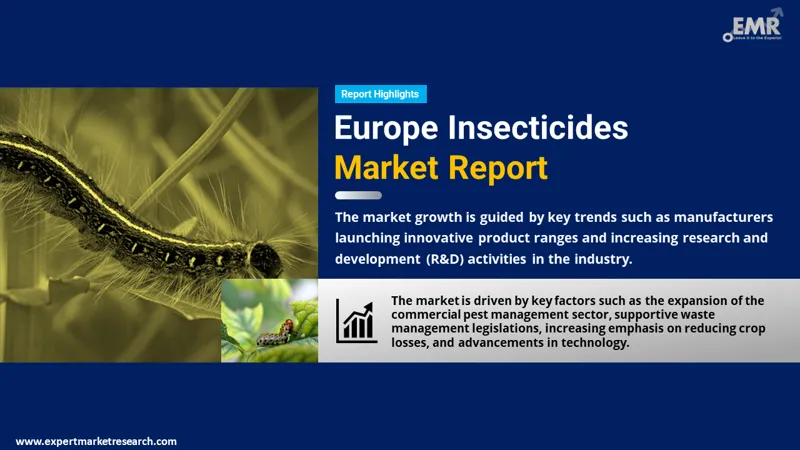
The Europe insecticides market was valued at USD 5.08 Billion in 2025. The market is expected to grow at a CAGR of 5.10% during the forecast period of 2026-2035 to reach a value of USD 8.35 Billion by 2035. The transition toward sustainable crop protection solutions is boosting the market growth as regulators and growers increasingly favor biological and low-toxicity pest control technologies.
AgTechNavigator reported on April 28 that Syngenta will invest USD 130 million in a new Biological Sciences Technology and Research centre at its UK Jealott's Hill campus, opening by 2028. The hub will host around 300 scientists working on biologicals, digital science, and crop protection. For Europe's insecticides market, this signals a pivot from traditional chemistry toward Biology-Led Pest Control as regulatory pressure shrinks the chemical toolbox.
In its full-year 2025 results published on March 4, Bayer reported that insecticide sales fell 12.2 percent on a currency and portfolio adjusted basis, with the decline largely attributed to the expiration of the Movento registration in Europe. The press release on Bayer's corporate site highlights how regulatory withdrawals continue to reshape the European Insecticides Market, opening room for biological alternatives and creating gaps for newer chemistries to fill.
One of the major trends contributing to Europe insecticides market growth is the growing focus on circular economy practices, as various European governments and municipalities are increasing their diversion and recycling goals to manage waste more effectively. Incentives aimed at promoting waste recovery and minimization lead to a higher rate of use of advanced waste treatment methods, including anaerobic digestion and mechanical biological treatment. Moreover, the increased interest in developing waste-to-energy plants contribute to further market development, as it creates opportunities to effectively convert non-recyclable waste into energy sources.
European agricultural practices are currently witnessing an evolution where the use of traditional synthetic chemicals is being substituted with a comprehensive strategy for pest management based on biological means, natural-origin actives, and precision protection measures. With regulators in the EU placing greater emphasis on reducing pesticide applications, there is a growing investment by major chemical firms in biocontrols that provide effective pest control while maintaining minimal environmental impact. This evolution thus encourages the development of insecticides that provide pest control without harming the useful insects.
As a result, market participants continue to expand their biological-based product offerings and develop new sustainable insect control products for use across Europe's farmlands. A notable example is Rovensa Next’s introduction of new BioSolutions in Europe in November 2025, including Tulga Spinex, a fermentation-based bioinsecticide designed for rapid pest control against insects such as thrips and caterpillars, while remaining compliant with organic farming standards and Integrated Pest Management (IPM) programs. Such advances illustrate the continued developments in pest control technologies using natural elements and, consequently, the future growth trend of the Europe insecticides market.
Compound Annual Growth Rate
5.1%
Value in USD Billion
2026-2035
Read more about this report - REQUEST FREE SAMPLE COPY IN PDF
The European Food Safety Authority suggested a new regulatory framework intended to allow more rapid and efficient approval procedures for pesticides in the EU. This new system encourages pesticide manufacturers to speed up innovations in technologies that are more effective in controlling insects.
Syngenta invested USD 130 million in the development of the Biological Sciences Technology and Research Center in its United Kingdom campus. Syngenta's action illustrates increasing innovation, thereby accelerating the Europe insecticides market development and encouraging other companies to conduct further research in the protection of biocrops.
Corteva Agriscience introduced insect control solutions that assist growers in protecting their crop yields from any form of damage due to insects. These innovations boost the level of competition in the Europe insecticides market landscape and encourage players in the industry to develop integrated pest management products.
Corteva released its first biological insecticide, Goltrevo, along with another insecticide, Varpelgo, to cater to yield-harming pests like aphids and leafhoppers. The move indicate growing interest among players in developing biological and integrated pest management products.
Research efforts that are collaborative in nature, aimed at safer crop protection technology, help to stimulate innovation within the Europe insecticides market. Collaborations between research organizations and commercial organizations are helping in the development of pest-control products that can be considered eco-friendly in relation to practices of integrated pest management. This trend certainly accelerates the process of technology advancement. A notable example is the developments announced under the CropSafe project in December 2025, highlighting ongoing innovation and progress in the field.
Growing demand for biological crop protection is driving agrochemical firms to focus on developing their biological insecticide pipeline. With increased regulatory pressure on artificial pesticides, the companies are focusing on biological technologies to provide effective pest control and simultaneously achieve sustainable outcomes. The trend is expected to drive innovations in the crop protection industry. For instance, Bayer AG announced in April 2024 that it plans to launch its first biological insecticide for use in arable crops in the market.
Regulatory developments in the EU region are increasingly leading agrochemical companies to produce safer formulations for insecticides. The stringent regulatory policies are pushing manufacturing firms to innovate and comply with safety and environmental policies. Regulatory trends are expected to affect the product development approach in the crop protection industry. In May 2025, developments in plant protection policies in the EU brought about some changes in pesticide approvals in the Europe insecticides market.
The increasing preference for eco-friendly solutions for pest management acts as a catalyst for companies to create green insecticide formulations. The companies involved in the production of agrochemicals are coming up with products using sustainable and non-toxic ingredients in line with IPM standards and regulatory policies. This trend is being instrumental in enhancing product offerings for the industry. For example, in October 2024, Altinco announced the release of Grinward, an eco-friendly insecticide meant to promote sustainable pest control in Europe.
Innovations in insecticide formulations are making it easier for companies to increase efficiencies in pest control and efficacy in crop protection. Companies manufacturing agrochemicals are developing better methods of applying the active ingredients to enhance efficacy, persistence, and compatibility with advanced agricultural techniques. This is expected to create stiffer competition and new growth opportunities in Europe insecticides market. An illustration of this technological progress is the formulation optimization of FMC Corporation's Coragen Evo insecticide, announced in December 2023.
Read more about this report - REQUEST FREE SAMPLE COPY IN PDF
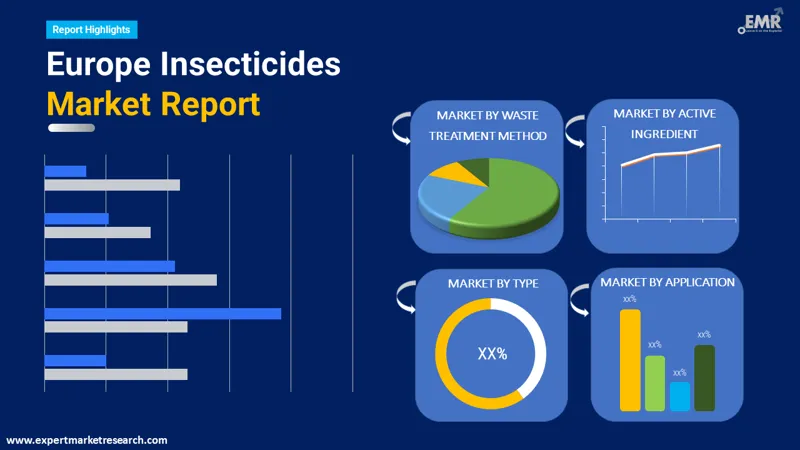
The Expert Market Research's report titled “Europe Insecticides Market Report and Forecast 2026-2035” offers a detailed analysis of the market based on the following segments:
Market Breakup by Type
Key Insight: The larvicide is commonly employed to break the life cycle of the pests at an early stage, especially in agriculture and vector control programs, while the adulticides play a crucial role in eliminating the insects from agriculture. Leading agricultural chemical companies, including Bayer, Syngenta, and FMC Corporation, are developing innovative technologies in both the larvicide and adulticide categories. They include both biological and high-quality formulations that improve their portfolio and influence the Europe insecticides market trends and dynamics.
Market Breakup by Waste Treatment Method
Key Insight: The MBT process enables the separation and stabilization of organic waste, while incineration facilitates the destruction of hazardous residues through high-temperature treatment. Anaerobic digestion, meanwhile, converts organic waste into biogas and nutrient-rich byproducts known as digestate. The waste management firms are increasing their investment in infrastructures for effective and efficient waste management, which can support their operations related to agrochemical disposal. This trend is reflected in increased investments by firms such as Veolia and SUEZ in treatment infrastructure across Europe, aimed at improving operational efficiency.
Market Breakup by Method of Application
Key Insight: The use of toxic bait application equipment continues to dominate the Europe insecticides market. Key types of toxic bait application equipment include dry scatter bait systems, liquid sprinkle bait applicators, and liquid bait dispensers, each designed for targeted and efficient pest control deployment. Dichlorvos vaporizers are usually used in confined agricultural or storage environments, while outdoor space spraying is effective when dealing with pest control over large spaces. Other types of insecticide application equipment include larvicide sprayers, among others. Growth in advanced technology within application equipment is being reflected in innovations introduced by companies such as BASF and Syngenta.
Market Breakup by Active Ingredients
Key Insight: Azamethiphos, diazinon, dimethoate, and pirimiphos-methyl are significant organophosphorus compounds for broad-spectrum pest protection. Meanwhile, bioresmethrin, cyfluthrin, deltamethrin, and pyrethrins are among the commonly used pyrethroid compounds. These are used due to their high efficacy and comparatively low toxicity levels. Imidacloprid and thiamethoxam are neonicotinoid compounds providing systemic protection to plants. Cyromazine belongs to the insect growth regulator category, functioning by disrupting the growth and development cycle of pests. At the same time, key market players such as BASF, Corteva Agriscience, and Syngenta are focusing on safer formulations and alternative insecticide solutions to improve efficiency.
Market Breakup by Region
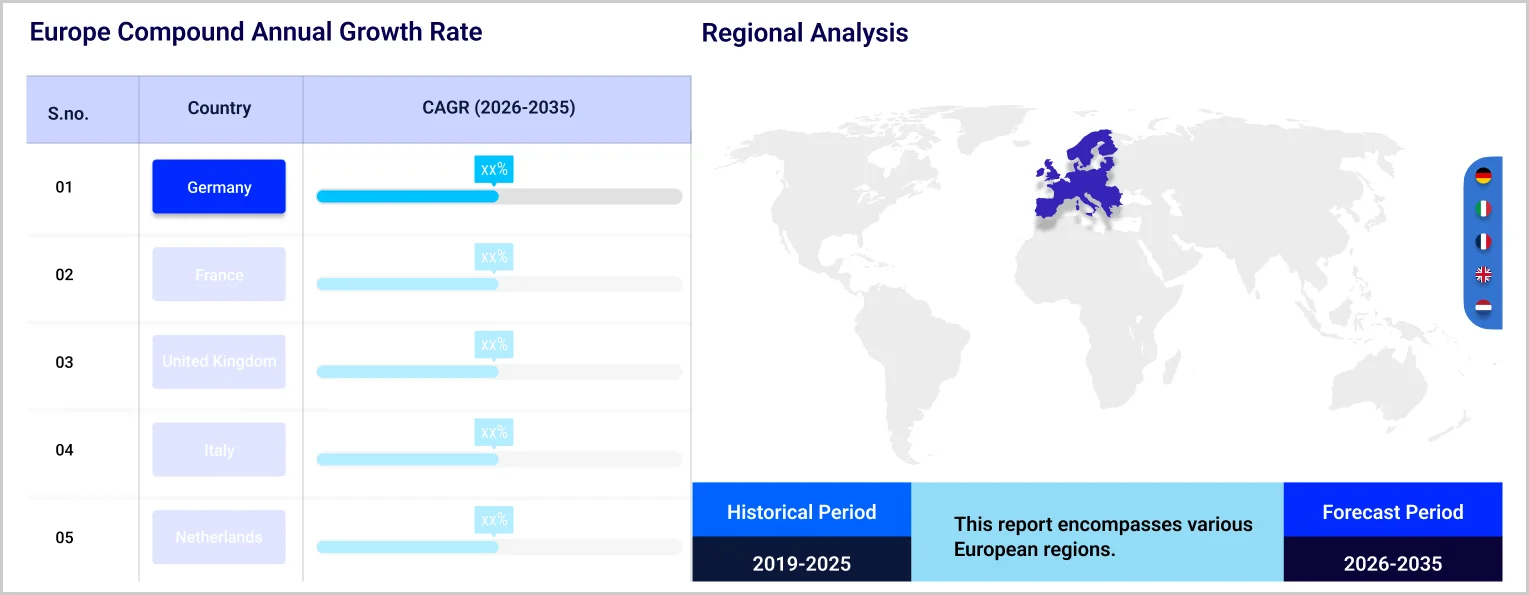
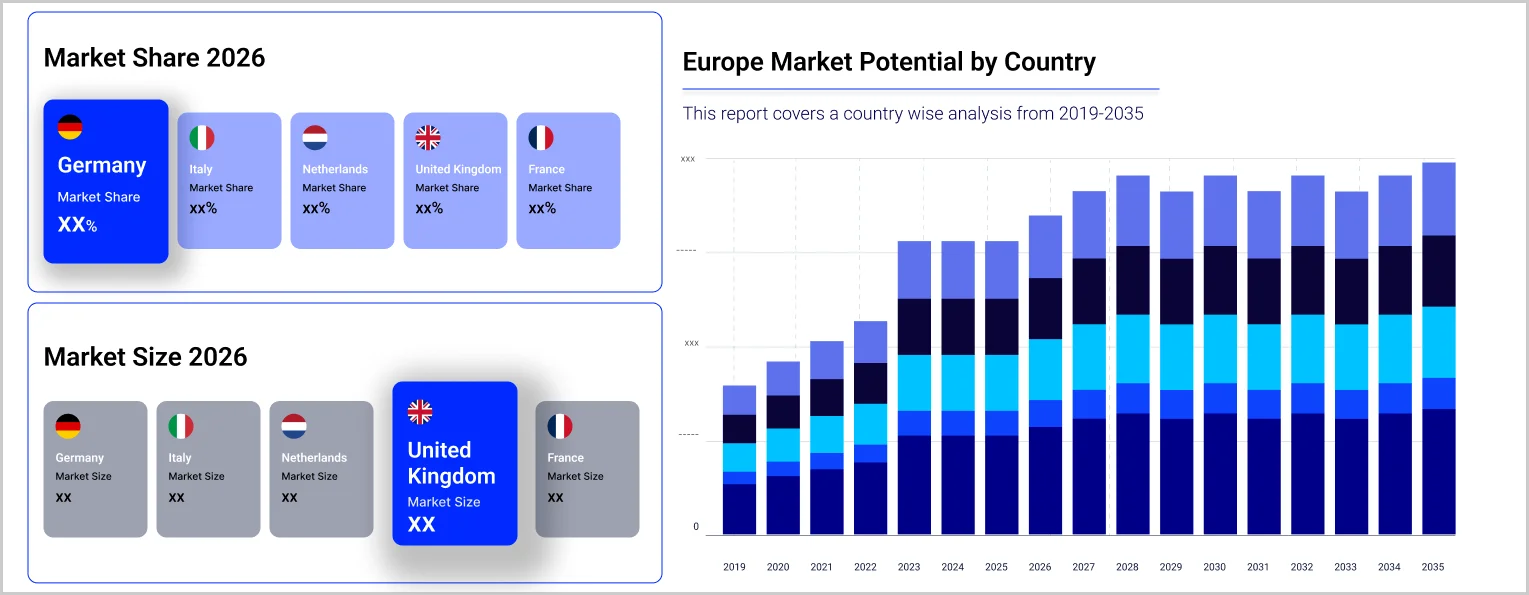
Key Insight: The use of innovative crop protection products is on the rise across the United Kingdom due to the implementation of precision agriculture programs. In terms of research and innovation within the field of agrochemicals and formulations that comply with regulations, Germany remains at the forefront of European countries. The well-developed sector of horticulture in Italy makes this regional market more attractive for target-specific solutions. In turn, sustainability is becoming a critical aspect of French crop protection strategies.
Read more about this report - REQUEST FREE SAMPLE COPY IN PDF
By types, larvicide witnesses high demand driven by advanced insecticide technology platforms
Larvicide products observe notable demand in the Europe insecticides market, as one of the most effective pest control measures aimed at preventing damage to crops at the initial stage. The latest insecticide technologies facilitate effective pest suppression at the larval stage for cereals, vegetables, and specialty crops. In December 2025, Syngenta launched Plinazolin insecticide technology platforms, featuring five insecticides aimed at pest elimination. Such innovations ensure effective pest suppression at the larval stage and promote the adoption of novel insecticide technologies.
The adulticide products contribute significantly to the Europe insecticides market revenue and are growing due to the need to develop effective means of eliminating adult pests, which cause damage to crops. Natural-origin insecticides are known for their effectiveness and ability to ensure environmental compliance. In May 2025, Albaugh introduced Milicia as a natural-origin insecticide to the Greek market. Such trends promote the adoption of eco-friendly adulticide products.
By waste treatment method, mechanical biological treatment (MBT) shows robust growth, driven by crop protection innovation pipelines
Processes of mechanical and biological treatment are currently gaining attention in agricultural ecosystems due to increasing synergy between sustainable waste management practices and those used in crop protection. Growth of the Europe insecticides market is further fueled by innovation pipelines aimed at enhancing technologies for effective pest control in sustainable farming practices. In January 2023, BASF reported on its expanding crop protection research pipeline featuring innovations in insecticides that are meant to facilitate pest control on crops. These kinds of innovations contribute to integrated waste management and sustainable agriculture practices.
Anaerobic digestion is increasingly becoming associated with sustainable agricultural ecosystems following the introduction of circular farming practices in which waste usage and increased crop productivity are being merged. Innovation investments made by key players in the crop protection industry are enhancing sustainable agricultural practices throughout Europe. In June 2024, Bayer announced plans to introduce ten innovations in the crop protection industry over the next decade, driven by extensive research and development in advanced agricultural technologies. These innovations enhance sustainable agricultural ecosystems in association with the Europe insecticides market.
By method of application, toxic bait records notable growth, supported by advancements in targeted pest control technologies
Toxic bait is becoming more popular within the Europe insecticides market dynamics as farmers are shifting towards using precise pest control strategies that do not expose them to harmful chemicals but maintain high levels of pest elimination efficiencies. Toxic baits come in different forms, like dry scatter baits, liquid sprinkle baits, and liquid bait dispensers, hence allowing for efficient pest management in farming areas. Ongoing innovations within the insecticide industry are enhancing formulation development, making insecticides increasingly suitable for bait-based applications through improved effectiveness, stability, and targeted pest control.
Outdoor space spraying is another method gaining popularity in the Europe insecticides market due to farmers’ need for more efficient methods to be able to cover wide areas for farming. Insecticides used in outdoor space spraying are becoming more environmentally friendly through the development of biological insecticides that can be used within spray-based delivery systems. In June 2025, BioWorks developed Principle WP, which is a biological insecticide used in sprays for protecting crops.
By active ingredients, organophosphorus compounds observe notable demand owing to continuous insecticide innovation
Organophosphorus insecticides continue to be popular in the Europe insecticides market for their high efficacy in the control of a wide variety of agricultural pests. Active ingredients such as azamethiphos, diazinon, dimethoate, and pirimiphos-methyl are demonstrating effectiveness in pest control applications, particularly across cereals, horticulture, and other agricultural crop protection activities. Innovation in the industry is helping to increase insecticides' efficiency as well as pest resistance management. In June 2024, BASF presented its novel insecticides and other crop protection technologies at the Hortitec 2024 conference.
Pyrethroid insecticides contribute significantly to market expansion since they are efficient in their contribution to pest control operations owing to their quick knockdown impact and broad-spectrum action against agricultural pests. Bioresmethrin, cyfluthrin, deltamethrin, and pyrethrins are some of the active ingredients that find successful application in protecting agricultural crops from pests. Innovation in the crop protection business continues to enhance the effectiveness of the insecticides and pest resistance management practices. For instance, in April 2024, Bayer and Corteva collaborated to develop insecticide technologies supporting improved pest control efficiency and formulation development.
Read more about this report - REQUEST FREE SAMPLE COPY IN PDF
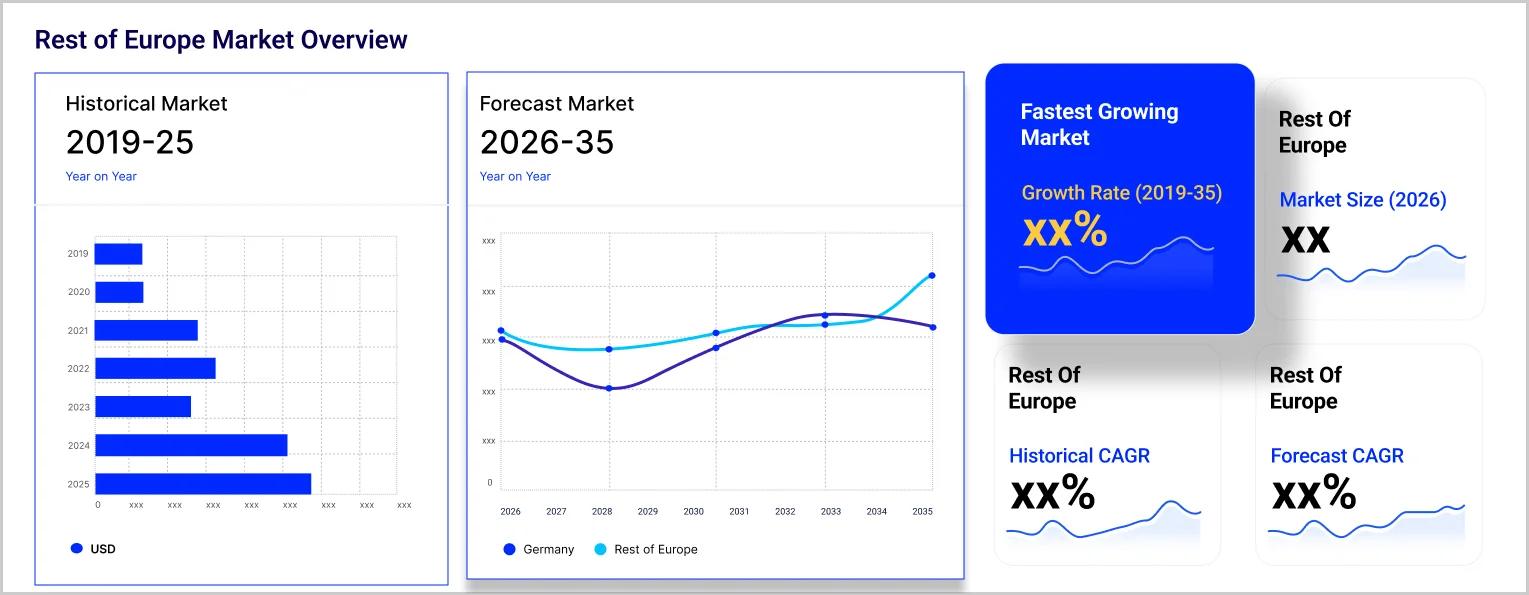
By region, Germany leads the market growth driven by rising innovation in next-generation insecticide molecules to address pest resistance
Germany accounts for a significant share of the Europe insecticides market, supported by the strong innovation capabilities of agrochemical companies such as BASF SE, which continuously develop new crop protection solutions to enhance pest control efficiency. In May 2024, BASF introduced Efficon, an advanced insecticide formulated with the new active ingredient Axalion, designed to control piercing and sucking pests such as aphids, jassids, and whiteflies that significantly reduce crop yields. The product’s novel mode of action and resistance-management capability enable farmers to protect crops more effectively, thereby driving demand for technologically advanced insecticides in the market.
Meanwhile, France is witnessing increasing adoption of environmentally responsible pest management solutions as farmers focus on reducing chemical intensity while maintaining agricultural productivity. The insecticides market in France is further benefiting from growing adoption of integrated pest management strategies and sustainable crop protection technologies. Agricultural producers are increasingly implementing biological insecticides and precision pesticide applications to control pests effectively while complying with stringent environmental regulations, supporting steady demand for innovative and environmentally compatible insecticide products.
Major Europe insecticides market players are increasingly concentrating their efforts on innovations of sustainable pest control technologies in order to comply with changing regulations and eco-friendly trends in the region. The market observes considerable amounts of capital invested into the development of bio-insecticides, natural-origin formulas, and insect control products complying with principles of integrated pest management. Firms are enhancing their research and development programs, developing their laboratories, and partnering with research organizations in order to foster innovation of environmentally friendly technologies in crop protection.
Besides, the key insecticide companies in Europe are striving for portfolio diversification, innovative formula techniques, and timely product launches in order to remain competitive in the industry. They are focusing on increasing the efficacy of active ingredients, product life cycles, and the development of the next generation of insecticides capable of targeted pest control. In addition, the market players are considerably increasing their investment in field trials, regulatory approvals, and digital agronomy in order to boost sales.
Viridor Ltd. is a company that deals with resource recovery and waste management, which was established in 1991. Viridor operates out of Taunton, United Kingdom. The firm focuses on offering innovative solutions for recycling and recovery of energy from waste through its energy-from-waste and recycling facilities spread across the United Kingdom.
BTA International GmbH is a company that was founded in 1985, located in Munich, Germany. This company has emerged as a leading player in the Europe insecticides market as it develops technologies in the area of mechanical and biological waste treatment, offering solutions in organic waste processing and anaerobic digestion.
The Nehlsen AG company is an enterprise that engages in providing waste management services and was established in the year 1923. This company is based in Bremen, Germany, and delivers environmental services such as waste collection and recycling and industrial cleaning services, among other hazardous waste management solutions.
FCC Austria Abfall Service AG is a company offering waste management services founded in 1989 and based in Himberg, Austria. This company specializes in the provision of waste collection and recycling services.
Other key players in the market include Amey Plc, among others.
*Please note that this is only a partial list; the complete list of key players is available in the full report. Additionally, the list of key players can be customized to better suit your needs.*
Explore the latest trends shaping the Europe insecticides market 2026-2035 with our in-depth report. Gain strategic insights, future forecasts, and key market developments that can help you stay competitive. Download a free sample report or contact our team for customized consultation on Europe insecticides market trends 2026.


Upto 15% Off
USD
$2499 $2249
$3999 $3599
$4999 $4249
$5999 $5099


*While we strive to always give you current and accurate information, the numbers depicted on the website are indicative and may differ from the actual numbers in the main report. At Expert Market Research, we aim to bring you the latest insights and trends in the market. Using our analyses and forecasts, stakeholders can understand the market dynamics, navigate challenges, and capitalize on opportunities to make data-driven strategic decisions.*
In 2025, the Europe insecticides market attained a value of nearly USD 5.08 Billion.
The market is projected to grow at a CAGR of 5.10% between 2026 and 2035.
The market is estimated to grow in the forecast period of 2026-2035 to reach about USD 8.35 Billion by 2035.
The major market drivers include the growth of the commercial pest management sector, favourable waste management legislations, growing focus to reduce crop losses, and technological advancements.
The key trends guiding the growth of the market include the launch of innovative product range by manufacturers and the growing R&D activities.
The major countries for insecticides in Europe are the United Kingdom, France, Germany, and Italy, among others.
Larvicide and adulticide are the leading insecticide types in the market.
The significant waste treatment methods considered in the market report are mechanical biological treatment (MBT), incineration, and anaerobic digestion.
Toxic bait, dichlorvos vaporizer, outdoor space-spraying, and larvicide sprayers, among others, are the major methods of application in the market.
Organophosphorus compounds, pyrethroids compounds, neonicotinoid compounds, and insect growth regulator are the leading active ingredients present in the product.
The major market players include Viridor Ltd, BTA International GmbH, Nehlsen AG, FCC Austria Abfall Service AG, and Amey Plc, among others.
Explore our key highlights of the report and gain a concise overview of key findings, trends, and actionable insights that will empower your strategic decisions.
| REPORT FEATURES | DETAILS |
| Base Year | 2025 |
| Historical Period | 2019-2025 |
| Forecast Period | 2026-2035 |
| Scope of the Report |
Historical and Forecast Trends, Industry Drivers and Constraints, Historical and Forecast Market Analysis by Segment:
|
| Breakup by Type |
|
| Breakup by Waste Treatment Method |
|
| Breakup by Application |
|
| Breakup by Active Ingredient |
|
| Breakup by Region |
|
| Market Dynamics |
|
| Competitive Landscape |
|
| Companies Covered |
|
| Report Price and Purchase Option | Explore our purchase options that are best suited to your resources and industry needs. |
| Delivery Format | Delivered as an attached PDF and Excel through email, with an option of receiving an editable PPT, according to the purchase option. |
Datasheet
One User
USD 2,499
USD 2,249
tax inclusive*
Single User License
One User
USD 3,999
USD 3,599
tax inclusive*
Five User License
Five User
USD 4,999
USD 4,249
tax inclusive*
Corporate License
Unlimited Users
USD 5,999
USD 5,099
tax inclusive*
*Please note that the prices mentioned below are starting prices for each bundle type. Kindly contact our team for further details.*
Flash Bundle
Small Business Bundle
Growth Bundle
Enterprise Bundle
*Please note that the prices mentioned below are starting prices for each bundle type. Kindly contact our team for further details.*
Flash Bundle
Number of Reports: 3
20%
tax inclusive*
Small Business Bundle
Number of Reports: 5
25%
tax inclusive*
Growth Bundle
Number of Reports: 8
30%
tax inclusive*
Enterprise Bundle
Number of Reports: 10
35%
tax inclusive*
How To Order

Select License Type
Choose the right license for your needs and access rights.

Click on ‘Buy Now’
Add the report to your cart with one click and proceed to register.

Select Mode of Payment
Choose a payment option for a secure checkout. You will be redirected accordingly.
Strategic Solutions for Informed Decision-Making
Gain insights to stay ahead and seize opportunities.

Get insights & trends for a competitive edge.

Track prices with detailed trend reports.

Analyse trade data for supply chain insights.

Leverage cost reports for smart savings

Enhance supply chain with partnerships.

Connect For More Information
Our expert team of analysts will offer full support and resolve any queries regarding the report, before and after the purchase.
Our expert team of analysts will offer full support and resolve any queries regarding the report, before and after the purchase.
We employ meticulous research methods, blending advanced analytics and expert insights to deliver accurate, actionable industry intelligence, staying ahead of competitors.
Our skilled analysts offer unparalleled competitive advantage with detailed insights on current and emerging markets, ensuring your strategic edge.
We offer an in-depth yet simplified presentation of industry insights and analysis to meet your specific requirements effectively.




