

Consumer Insights
Uncover trends and behaviors shaping consumer choices today
Procurement Insights
Optimize your sourcing strategy with key market data
Industry Stats
Stay ahead with the latest trends and market analysis.
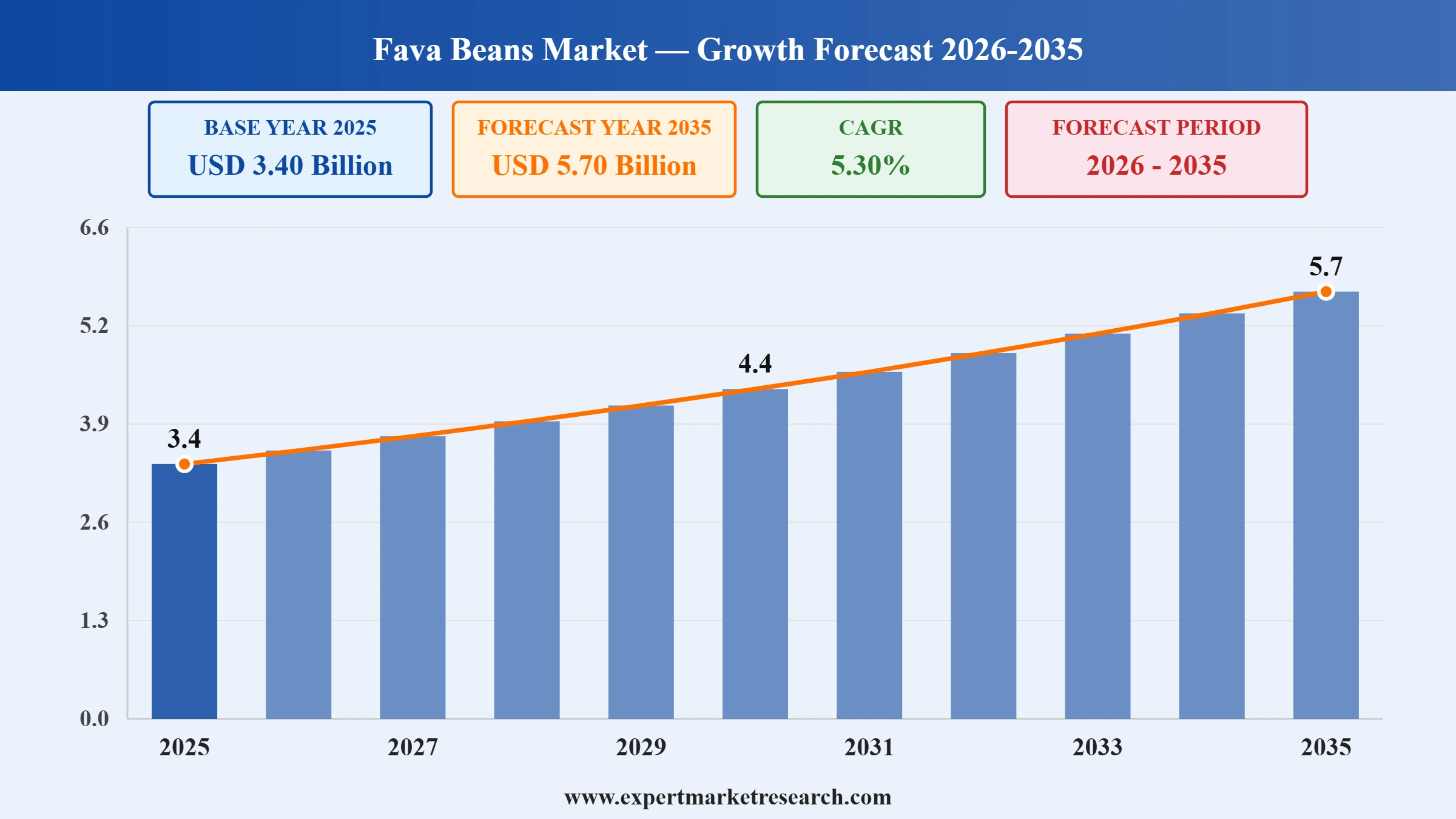
The global fava beans market was valued at USD 3.40 Billion in 2025. The market is expected to grow at a CAGR of 5.30% during the forecast period of 2026-2035 to reach a value of USD 5.70 Billion by 2035. Rising interest in plant-based protein, increasing consumption of pulses, and growing applications in food processing are supporting market development. Food manufacturers are using fava beans in meat alternatives, snacks, protein ingredients, and prepared foods. Their nutritional profile and versatility are encouraging wider commercial adoption.
Read more about this report - REQUEST FREE SAMPLE COPY IN PDF
Fava Beans, also known as broad beans or faba beans, are a member of the pea family and are one of the oldest known cultivated plants. Fava beans contain a high level of protein, usually between 20-40%, depending on the variety and the environmental conditions in which they are grown. It is a good source of iron, magnesium, potassium, zinc, copper, selenium, and many vitamins as well. The high nutritional value of fava beans is a major driver of market growth. Hence, rising adoption of healthier eating habits, growing middle class population, and increasing disposable incomes are fuelling demand for fava beans.
Moreover, improved availability of fava beans through organised retail channels like supermarkets, hypermarkets, and online stores is also contributing to the fava beans market expansion. Additionally, the use of fava beans in various food applications, such as ready meals, and the development of new fava bean varieties optimised for different climate and growing regions are expected to further drive the market in the coming years. Moreover, the rising trend of vegetarianism is also anticipated to bolster the consumption of fava beans in the coming years.
German ingredient specialist Crespel & Deiters launched Lory® IsoCrisp Fava Protein in September 2026 as part of a new range of high-protein plant-based crisps. The fava bean ingredient contains 50.5 grams of protein per 100 grams and is produced in an extruded format designed to provide a consistent crunch. The company is targeting manufacturers of snacks, confectionery, active-nutrition products and protein bars. The launch expands the use of fava beans beyond conventional whole-bean and flour applications into structured protein ingredients for commercial food formulations.
Crespel & Deiters entered a partnership with Finnish plant-protein company Happy Plant Protein in July 2026 to bring its patented one-step dry-extrusion technology to commercial scale. The process produces textured vegetable protein from European-grown fava beans and peas at Crespel & Deiters' facility in the Netherlands. The initiative is intended to improve the industrial availability of textured plant proteins for food manufacturers while expanding the use of European-grown pulses in meat-alternative formulations. The development strengthens the processing infrastructure surrounding fava beans and moves the crop further into value-added ingredient applications.
UK cereal processor Silvery Tweed Cereals launched a new range of pulse ingredients in February 2026, including fava bean flakes alongside kibbled red lentils and chickpea flour. The company developed the products for use in cereal and bakery formulations, where manufacturers can incorporate fava ingredients to increase protein and fibre content. Silvery Tweed highlighted the versatility of fava beans as both a main ingredient and a substitute ingredient in food production. The launch demonstrates the expansion of fava beans into bakery and breakfast applications beyond traditional whole-bean consumption.
Gala Export showcased new flavoured fava bean snack products at Gulfood 2026, including Fajita Fava Bean with Chili and Lime. The Ecuadorian product uses broad beans grown in the country's highlands and combines slowly fried beans with chili, lemon and seasoning ingredients. The product was presented as a ready-to-eat salty snack in a 60-gram pack. Gala Export also showcased a salted fava bean variant, demonstrating how processors are adding value to the crop through flavouring, frying and convenient retail formats rather than relying solely on dried or frozen whole beans.
Fava beans are gaining importance as Europe diversifies its domestic protein supply and seeks alternatives to imported protein ingredients. The European Commission identifies protein crops as an important part of European food and feed production, while the European Environment Agency's 2026 assessment links protein diversification with stronger food-system resilience and reduced reliance on imported feed. European production is also expanding as exemplified by the 2026 UFOP supply report, drawing on European Commission estimates, indicates that EU-27 broad bean production reached approximately 1.4 million tonnes in 2025, an increase of around 4% year-on-year. The VALPRO Path project is also examining faba bean value chains from cultivation through processing and product development. These developments are encouraging greater commercial interest in fava bean ingredients for food manufacturers.
Fava beans are increasingly being processed into textured ingredients that can provide structure, protein and bite in plant-based foods. European processors are investing in dry extrusion and other technologies that transform fava beans into textured vegetable protein suitable for meat alternatives, snacks and hybrid foods. In July 2026, Crespel & Deiters partnered with Finnish foodtech company Happy Plant Protein to industrialise a dry-extrusion process for European-grown fava beans and peas at its Netherlands facility. The initiative highlights a shift from selling fava beans primarily as whole pulses or flour toward higher-value functional ingredients. Textured fava protein can also help manufacturers develop products without relying exclusively on soy, creating opportunities in vegetarian, vegan and flexitarian categories.
The market is moving beyond traditional cooked or dried fava beans toward convenient, protein-focused snack formats. Ingredient suppliers are developing extruded fava protein pieces that can be incorporated into confectionery, cereal, active-nutrition products and snack formulations. In September 2026, Crespel & Deiters introduced Lory® IsoCrisp Fava Protein, containing 50.5 grams of protein per 100 grams, specifically designed to provide crunch while increasing protein content in finished products. This reflects a broader shift toward using fava beans as a functional ingredient rather than simply a pulse. Their neutral processing characteristics, protein content and compatibility with extrusion allow processors to create differentiated formats including crisps, clusters, bars and coated snacks.
European food manufacturers are placing greater emphasis on locally sourced pulses as supply-chain resilience and dependence on imported protein become more important. Fava beans are well suited to this shift because they can be cultivated within European agricultural systems and incorporated into regional processing networks. The July 2026 partnership between Crespel & Deiters and Happy Plant Protein specifically targets European-grown pulses, demonstrating how processors are connecting local cultivation with industrial ingredient manufacturing. The European Commission also maintains dedicated production and trade data for broad beans and other protein crops, reflecting their growing importance within European agricultural markets. Regional sourcing can give food manufacturers greater visibility over raw-material origins while supporting shorter supply chains for fava-based ingredients.
Fava beans are increasingly associated with sustainable crop rotations and lower-input agricultural systems because pulses can contribute ecological benefits and fix atmospheric nitrogen. The 2026 UFOP supply report notes that pulse cultivation is gaining importance in the EU-27 for biodiversity and climate-mitigation reasons because these crops do not require mineral nitrogen applications. The European Environment Agency similarly identifies protein diversification as an opportunity to reduce environmental pressures and strengthen food-system resilience. These characteristics are supporting interest in fava beans not only as a food ingredient but also as part of more diversified agricultural systems. As European processors seek locally produced plant proteins, the crop's agronomic characteristics are becoming an additional consideration alongside protein content and food-processing functionality.
Companies like The Good Bean have expanded their distribution network to include major retail chains and e-commerce platforms, making fava bean snacks more accessible to a wider consumer base. The convenience and accessibility offered by these distribution channels are making fava beans more readily available to consumers, contributing to the fava beans market growth.
Furthermore, research institutions like the International Center for Agricultural Research in the Dry Areas (ICARDA) are working on developing drought-tolerant fava bean varieties to enhance productivity in water-stressed regions. These advancements are leading to increased fava bean production and improved quality. Additionally, the increased demand for fava beans in the livestock industry, as a protein and starch rich animal feed solution is also expected to supplement the market growth in the forecast period.
The EMR’s report titled “Fava Beans Market Report and Forecast 2026-2035” offers a detailed analysis of the market based on the following segments:
Market Breakup by Application
Market Breakup by Distribution Channel
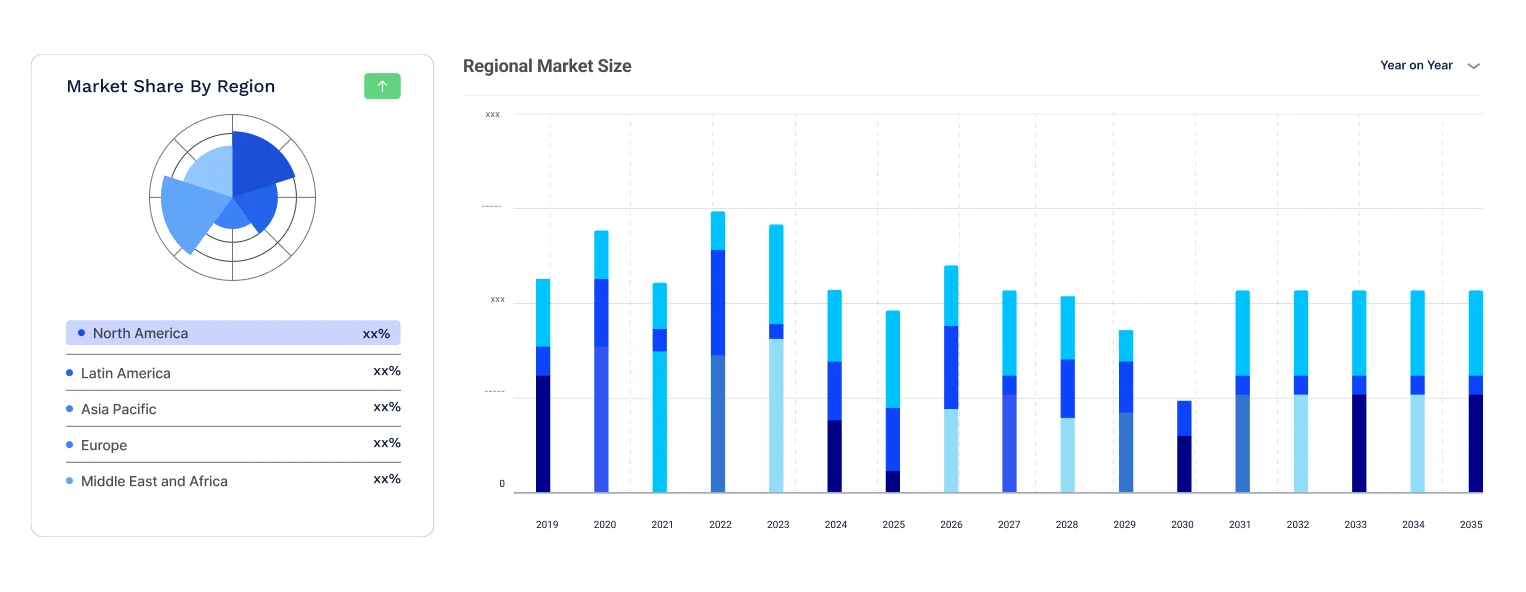
Market Breakup by Region

Read more about this report - REQUEST FREE SAMPLE COPY IN PDF
Fava beans are being increasingly consumed due to high demand for plant-based protein sources
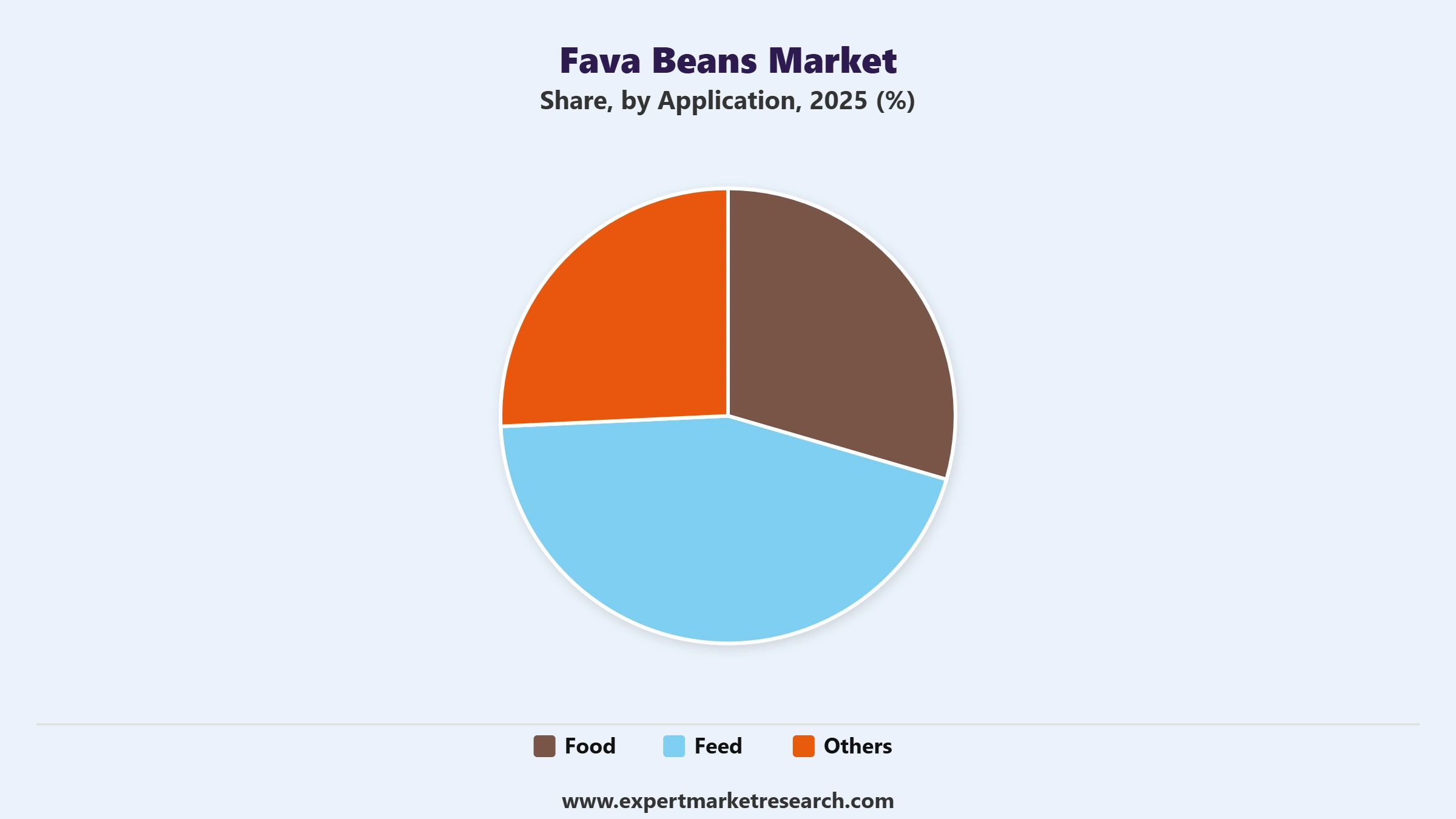
In the food applications segment, fava beans are utilised for human consumption in various forms, including direct consumption and incorporation into food products. They are used in dishes like soups, stews, salads, and as a meat substitute in vegetarian and vegan recipes, catering to the increasing demand for plant-based protein sources and nutritious food options globally.
Read more about this report - REQUEST FREE SAMPLE COPY IN PDF
As per fava beans market analysis, in the feed applications segment, fava beans serve as a protein-rich feed ingredient for livestock, including poultry, swine, and cattle. The feed applications segment plays a crucial role in supporting the livestock industry's need for high-quality and sustainable feed sources.
Easy availability of fava beans across supermarkets and hypermarkets to supplement the market growth
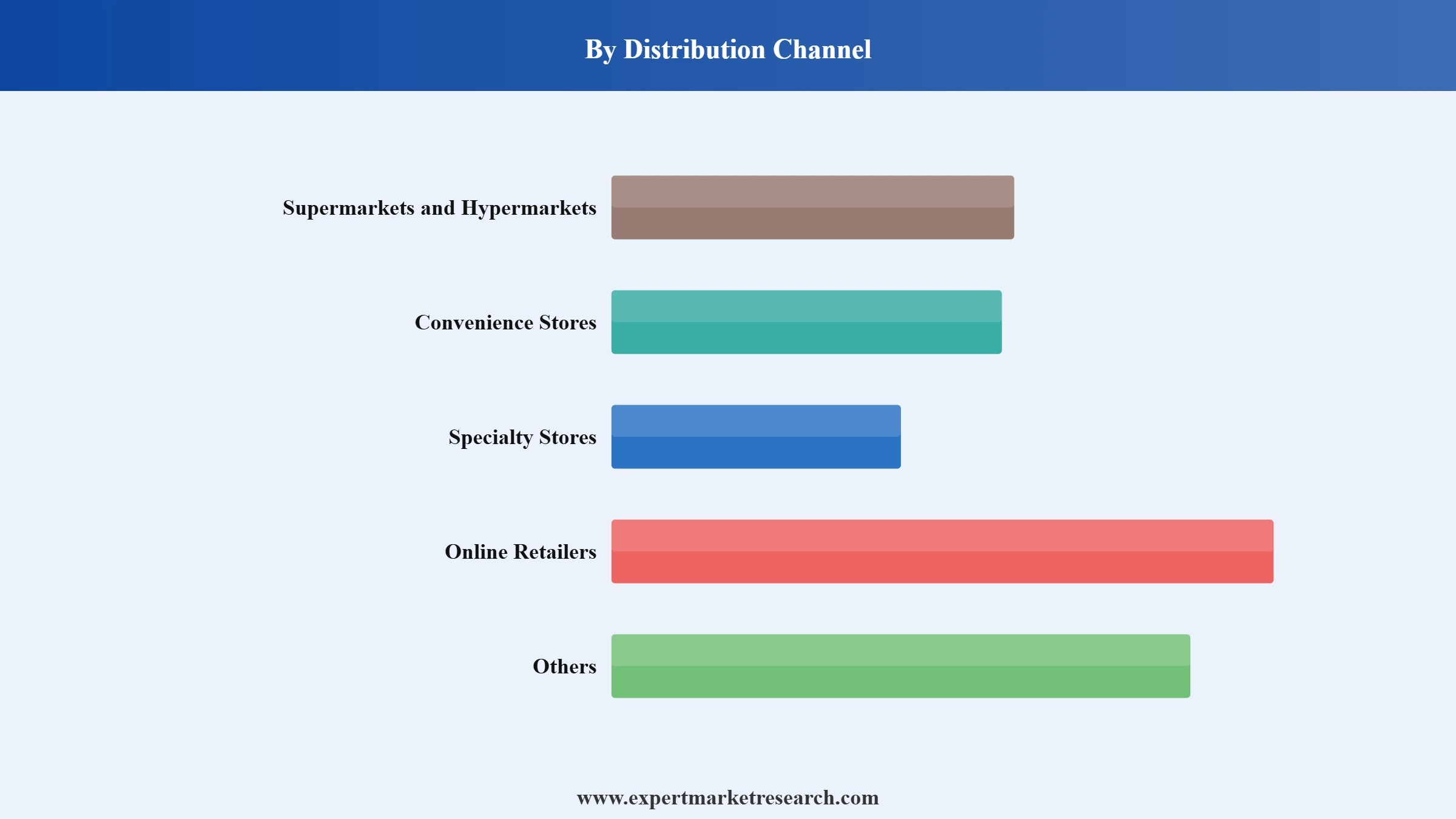
The market is being driven by the increasing availability of fava beans across supermarkets and hypermarkets to meet the growing consumer demand for food products packed with nutrients. In addition, the rapid expansion of e-commerce channels is also expected to prove beneficial for the growth of the fava beans market. For instance, through online stores, such as Amazon Pantry, consumers can purchase fresh, canned, and packaged fava beans . Convenience stores, such as 7-Eleven, offer quick access to fava beans and may stock canned fava beans or snacks for on-the-go consumers. Speciality stores, like gourmet food stores, offers organic dried fava beans or fava bean flour.
Read more about this report - REQUEST FREE SAMPLE COPY IN PDF
Market players are focused on product innovation, market expansion, technological advancements, collaborative research, and the nutritional value and cost-effectiveness of fava beans
BroadGrain Commodities Inc., founded in 2003 and headquartered in Ontario, Canada, is a prominent producer of grains, cereals, oilseeds, pulses, speciality crops, and related by-products. It also offers shipping, originating, handling, processing, storing, and marketing of agricultural products.
AGT Food and Ingredients, established in 2001 and based in Saskatchewan, Canada, is a leading Canadian processor of pulses like lentils, peas, and beans. AGT also deals with grains and other agricultural commodities.
Simpson Seeds Inc., founded in 1979 and headquartered in Saskatchewan, Canada, is a well-established company specialising in the processing and distribution of speciality crops. With a focus on crops like mustard, canary seed, and other grains, it provides top-quality seeds to the food industry.
Archer Daniels Midland Company, with a founding year of 1902 and headquarters in Illinois, United States, is a renowned multinational food processing and commodities trading corporation. It provides cereal grains and oilseeds for food, beverage, nutraceutical, industrial, and animal feed markets.
*Please note that this is only a partial list; the complete list of key players is available in the full report. Additionally, the list of key players can be customized to better suit your needs.*
Asia Pacific leads the market due to the increasing availability of fava beans across various distribution channels in the region
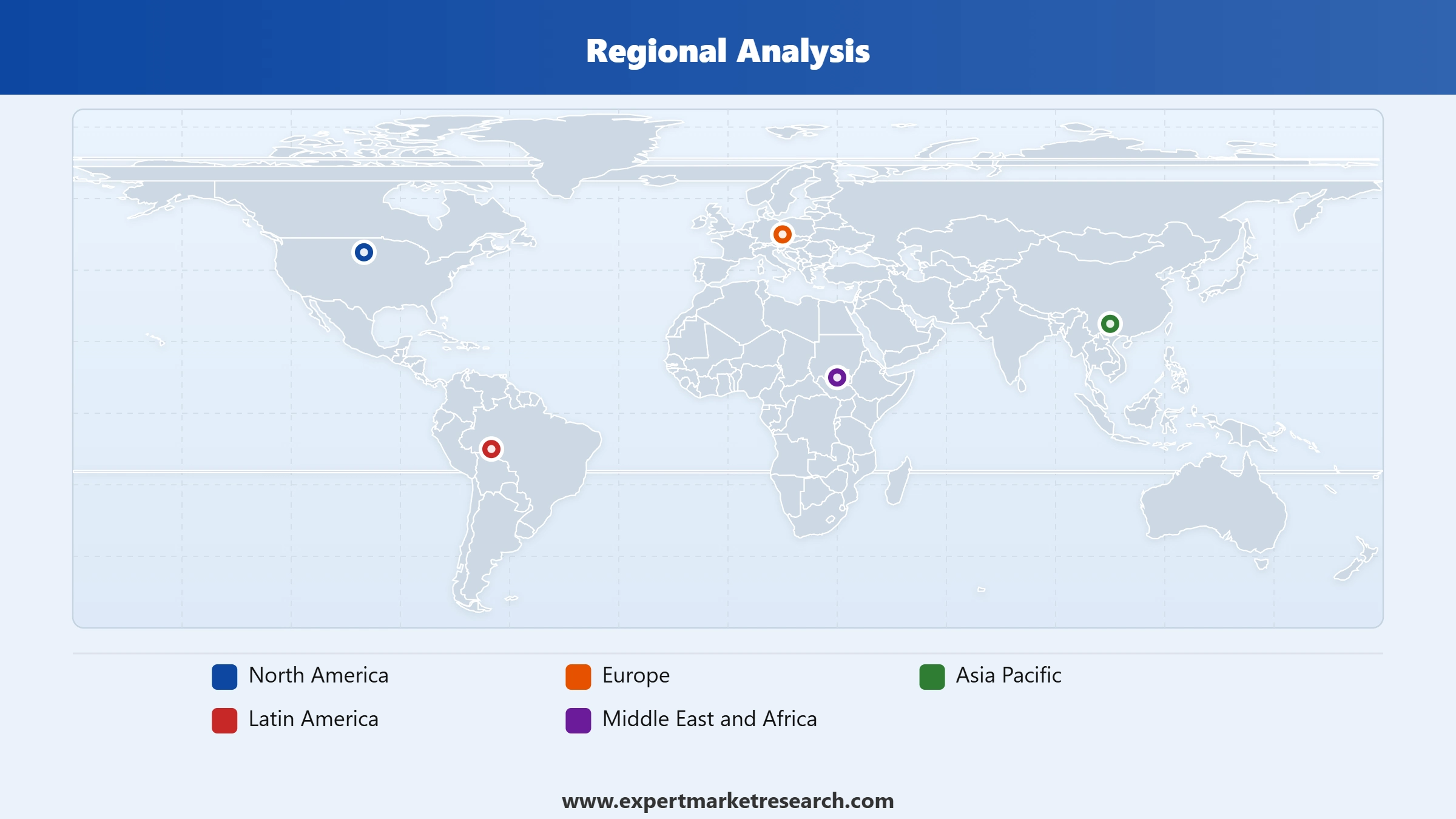
The Asia Pacific region accounts for a significant fava beans market share, with China being the leading producer. The demand for fava beans in the region can be associated with the changing consumer lifestyles, fuelled by the rising demand for organic and health enhancing food. Another factor supporting the market growth is the presence of a large vegan and vegetarian population.
Read more about this report - REQUEST FREE SAMPLE COPY IN PDF
Meanwhile, the North American region is expected to witness considerable growth in the fava beans market during the forecast period, driven by the increasing consumption of fava beans for efficient weight management. The rising concerns of obesity in the region are supporting the demand for fava beans as a nutritious food option.


Upto 15% Off
USD
$2499 $2249
$3999 $3599
$4999 $4249
$5999 $5099


*While we strive to always give you current and accurate information, the numbers depicted on the website are indicative and may differ from the actual numbers in the main report. At Expert Market Research, we aim to bring you the latest insights and trends in the market. Using our analyses and forecasts, stakeholders can understand the market dynamics, navigate challenges, and capitalize on opportunities to make data-driven strategic decisions.*
The market is projected to grow at a CAGR of 5.30% between 2026 and 2035.
The major drivers of the market include rising adoption of healthier eating habits, rising disposable incomes, growing middle class population, and the rising consumption of legumes.
Fava beans are the seeds of the broad-bean plant, also known as Vicia faba, and are commonly used as vegetables in various culinary dishes. They are rich in protein, fibre, and nutrients like folate, manganese, and iron.
Key trends aiding fava beans market expansion include the growing awareness about the high nutritional value of fava beans, the expansion of e-commerce channels, and the development of fava bean-based snacks.
Regions considered in the market are North America, Europe, the Asia Pacific, Latin America, and the Middle East and Africa.
Food and feed are the leading applications of the product.
Supermarkets and hypermarkets, convenience stores, speciality stores, and online retailers, among others, are the major distribution channels in the market.
Key players in the market are BroadGrain Commodities, AGT Food and Ingredients, Simpson Seeds Inc., and Archer Daniels Midland Company, among others.
In 2025, the global fava beans market reached an approximate value of USD 3.40 Billion.
The market is expected to attain approximately USD 5.70 Billion by 2035.
Explore our key highlights of the report and gain a concise overview of key findings, trends, and actionable insights that will empower your strategic decisions.
| REPORT FEATURES | DETAILS |
| Base Year | 2025 |
| Historical Period | 2019-2025 |
| Forecast Period | 2026-2035 |
| Scope of the Report |
Historical and Forecast Trends, Industry Drivers and Constraints, Historical and Forecast Market Analysis by Segment:
|
| Breakup by Application |
|
| Breakup by Distribution Channel |
|
| Breakup by Region |
|
| Market Dynamics |
|
| Competitive Landscape |
|
| Companies Covered |
|
| Report Price and Purchase Option | Explore our purchase options that are best suited to your resources and industry needs. |
| Delivery Format | Delivered as an attached PDF and Excel through email, with an option of receiving an editable PPT, according to the purchase option. |
Datasheet
One User
USD 2,499
USD 2,249
tax inclusive*
Single User License
One User
USD 3,999
USD 3,599
tax inclusive*
Five User License
Five User
USD 4,999
USD 4,249
tax inclusive*
Corporate License
Unlimited Users
USD 5,999
USD 5,099
tax inclusive*
*Please note that the prices mentioned below are starting prices for each bundle type. Kindly contact our team for further details.*
Flash Bundle
Small Business Bundle
Growth Bundle
Enterprise Bundle
*Please note that the prices mentioned below are starting prices for each bundle type. Kindly contact our team for further details.*
Flash Bundle
Number of Reports: 3
20%
tax inclusive*
Small Business Bundle
Number of Reports: 5
25%
tax inclusive*
Growth Bundle
Number of Reports: 8
30%
tax inclusive*
Enterprise Bundle
Number of Reports: 10
35%
tax inclusive*
How To Order

Select License Type
Choose the right license for your needs and access rights.

Click on ‘Buy Now’
Add the report to your cart with one click and proceed to register.

Select Mode of Payment
Choose a payment option for a secure checkout. You will be redirected accordingly.
Strategic Solutions for Informed Decision-Making
Gain insights to stay ahead and seize opportunities.

Get insights & trends for a competitive edge.

Track prices with detailed trend reports.

Analyse trade data for supply chain insights.

Leverage cost reports for smart savings

Enhance supply chain with partnerships.

Connect For More Information
Our expert team of analysts will offer full support and resolve any queries regarding the report, before and after the purchase.
Our expert team of analysts will offer full support and resolve any queries regarding the report, before and after the purchase.
We employ meticulous research methods, blending advanced analytics and expert insights to deliver accurate, actionable industry intelligence, staying ahead of competitors.
Our skilled analysts offer unparalleled competitive advantage with detailed insights on current and emerging markets, ensuring your strategic edge.
We offer an in-depth yet simplified presentation of industry insights and analysis to meet your specific requirements effectively.




