

Consumer Insights
Uncover trends and behaviors shaping consumer choices today
Procurement Insights
Optimize your sourcing strategy with key market data
Industry Stats
Stay ahead with the latest trends and market analysis.
The global flavor ingredients market attained a value of USD 39.39 Billion in 2025 and is projected to expand at a CAGR of 6.00% through 2035. The market is further expected to achieve USD 70.54 Billion by 2035. Ingredient disclosure regulations are tightening globally, pushing food brands toward fewer compliant suppliers and increasing demand for flavor partners offering documented molecules, processing stability, and consistent sensory performance across regions.
Reformulation timelines are shortening as sugar, salt, and fat limits expand across packaged food categories. At the same time, multinational brands are standardizing flavor systems to reduce regulatory complexity, boosting the flavor ingredients market growth. These changes favor suppliers with scalable flavor molecules and strong application support. Firms capable of adjusting formulations during pilot and commercial runs are becoming preferred partners. This preference often converts into longer supply commitments and predictable production planning.
Companies are responding to a growing problem for beverage formulators, where sugar reduction weakens aroma retention during pasteurization. In June 2024, Better Juice, a food tech startup, expanded its sugar reduction technology to diminish the sugar content of fruit sorbets by up to 70%. On the other hand, Givaudan offers its PrimeLock citrus modulation platform, targeting flavor stability issues in low sugar beverages processed under heat intensive conditions, since February 2022. Suppliers who are capable of delivering functional performance rather than novelty driven taste extensions, are boosting the overall flavor ingredients market value.
Flavor ingredient portfolios are increasingly being reshaped around regulatory resilience and formulation efficiency. Clean label pressure is now being reinforced by compliance risk management within multinational food companies. Procurement teams are narrowing approved ingredient lists to simplify audits and reduce reformulation exposure. This flavor ingredients market trend is benefiting suppliers investing in fermentation derived flavor molecules and precision extraction techniques. For example, in April 2023, Insempra launched a fermentation- derived version of α-ionone, a flavor and fragrance molecule that smells like fresh violets and raspberries. Firms offering traceable inputs and stable documentation are securing longer supply contracts, which helps smooth demand volatility.
Compound Annual Growth Rate
6%
Value in USD Billion
2026-2035
Read more about this report - REQUEST FREE SAMPLE COPY IN PDF
ofi unveiled three single-origin cocoa liquors with bespoke fermentation and roast profiles to meet premium chocolate makers’ scaling needs. Firms can thus explore origin-specific portfolios and sensory mapping technology for premium confectionery applications, leveraging such developments in the flavor ingredients market.
BASF Aroma Ingredients added Isobionics Natural alpha-Farnesene 95, a high purity ingredient tailored for lime and citrus applications. Other suppliers may also develop high-purity, single-note natural compounds to serve premium citrus and beverage portfolios.
Sensient launched BioSymphony, a natural flavor compound platform using biotransformation to expand sensory complexity and simplify global formulation. Other ingredient developers can also expand biotransformation techniques to offer nuanced flavor libraries that support premium positioning and global label compliance.
BASF introduced Isobionics Natural beta-Sinensal 20 and alpha-Humulene 90 to improve citrus and woody flavor formulation flexibility using fermentation. Following this flavor ingredients market trend, competitors can invest in fermentation platforms targeting unique sensory notes for emerging beverage and savory markets.
Flavor ingredients produced from fermentation are attracting commercial interest mainly because of regulatory acceptance and better cost control. European policy support for bio-based supply chain continues to favor microbial production routes rather than synthetic chemistry. Corporate players such as IFF are increasing fermentation capacity to obtain exclusive flavor molecules which have consistent sensory output. These ingredients are making labeling requirements easier and at the same time reducing the dependence on volatile agricultural inputs, boosting the flavor ingredients market value. Fermentation platforms are becoming central to savory and dairy alternative applications. In February 2026, the Good Food Institute (GFI) and the Foundation for Food & Agriculture Research (FFAR) partnered to launch a Protein Innovation Program.
Flavor masking solutions are becoming essential as fortification programs expand globally. Government-led nutrition initiatives across Asia are driving higher inclusion of minerals and functional additives in beverages and staples. These ingredients introduce bitterness and metallic notes that compromise consumer acceptance. Flavor houses are responding with targeted masking systems developed early in formulation cycles, redefining the flavor ingredients market dynamics. For example, ModulaSENSE maskers, launched by dsm-firmenich in August 2025, target multiple sensory pathways and block unwanted flavors before they can activate taste receptors.
Flavor ingredient suppliers are regionalizing production strategies to reduce regulatory exposure and logistics risk. Import controls on food additives are tightening in markets such as China and India, increasing approval timelines for foreign manufactured inputs. Local production improves compliance speed and customer responsiveness. For example, Bell's facility in Sri City opened in January 2023, has been a key hub for flavor and fragrance solutions for manufacturers in India. Companies are investing in mid-scale regional plants instead of centralized global hubs. This approach supports co-development with local customers while protecting intellectual property, boosting the flavor ingredients market penetration. Regional facilities are also evolving into innovation centers as they enable faster adaptation to local taste preferences and regulatory nuances.
Growth in plant protein consumption is driving demand in the flavor ingredients market. Government-backed protein diversification initiatives in Europe and Asia are accelerating product launches in meat alternatives. Off notes and texture related flavor issues remain persistent challenges. Flavor companies are developing layered savory systems tailored to specific protein matrices. Kerry Group continues expanding savory platforms focused on mouthfeel balance and aftertaste control. In May 2023, Daiya released the BBQ Plant-based Chick'n Style Thin Crust Pizza and Plant-Based Chick'n, Smoked Bac'n, & Ranch Style Flatbreads at Walmarts.
Digital tools are transforming flavor development workflows for leading ingredient suppliers on a large scale. Government-backed Industry 4.0 initiatives are driving digital adoption in food manufacturing. Flavor houses are using sensory modeling platforms for the prediction of perception changes during reformulation. In December 2024, Symrise launched its novel trend prediction tool, Symvision AI to assist food and beverage manufacturers to develop ingredients and flavors. These tools decrease the number of physical trial cycles and help achieve consistency in different regions. Data libraries linked to trained sensory panels are becoming strategic assets, reshaping the flavor ingredients market trends and dynamics. Clients rely on these insights to shorten development timelines. Large-scale firms with data scale gain advantage, while smaller players face rising entry barriers in advanced flavor development.

Read more about this report - REQUEST FREE SAMPLE COPY IN PDF
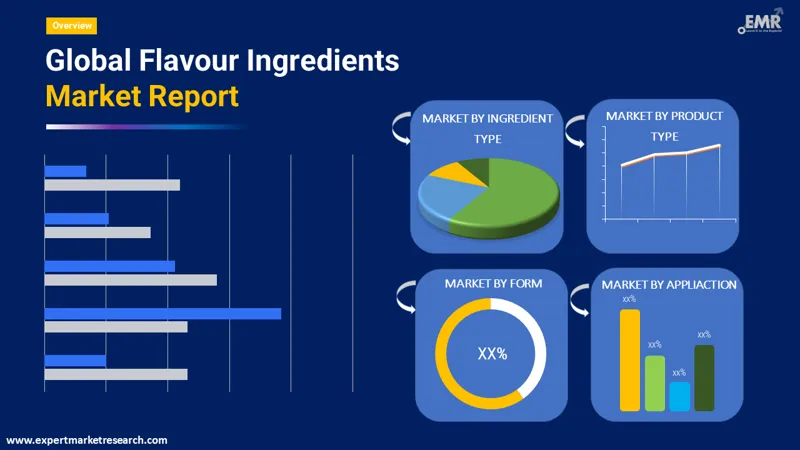
The EMR’s report titled “Global Flavor Ingredients Market Report and Forecast 2026-2035” offers a detailed analysis of the market based on the following segments:
Market Breakup by Ingredient Type
Key Insight: Aroma chemicals lead the flavor ingredients market because they deliver reliability and scale. Essential oils remain important where sensory authenticity matters. Plant extracts gain momentum through clean label demand. In May 2025, T. Hasegawa launched PlantReact, a plant-based flavor technology enhancing clean label performance and authentic taste across beverage and food formulations. Functional ingredients grow alongside nutrition-focused products. Each segment addresses a different formulation priority. Cost, stability, and labeling drive preferences. Suppliers succeed by aligning ingredient portfolios with brand positioning strategies. Flexibility across ingredient types is becoming a competitive requirement.
Market Breakup by Product Type
Key Insight: As per the flavor ingredients market report, nature-identical flavors anchor volume driven applications. Artificial flavors serve cost sensitive categories, while natural flavors grow through premium positioning. Each type supports different commercial goals. Performance, cost, and branding influence selection. Suppliers offering flexible portfolios capture broader customer demand.
Market Breakup by Form
Key Insight: Liquid flavors continue to lead because they integrate easily into large scale processing environments. Beverage and dairy manufacturers value their dosing precision and quick dispersion. Dry flavors are gaining importance where shelf stability and transport efficiency matter more. Snack and bakery producers increasingly favor powdered formats for operational simplicity. Form selection across the flavor ingredients market dynamics reflects production design, storage constraints, and market geography. In September 2025, Kemin Food Technologies expanded its Olessence range of natural flavorings with the rollout of Olessence P Dry for meat and poultry products. Suppliers that support both liquid and dry systems are better positioned to serve global customers.
Market Breakup by Application
Key Insight: Beverages continue to dominate the flavor ingredients market due to constant reformulation pressure and frequent product launches. Dairy and frozen desserts rely on indulgent and nostalgic profiles. Savories and snacks grow through protein innovation and convenience demand. Bakery depends on aroma release and baking stability. Other applications serve specialized or regional needs. Each category values different performance attributes. Flavor suppliers succeed when they tailor systems to application specific challenges. Application diversity supports steady market expansion and reduces dependence on any single food category.
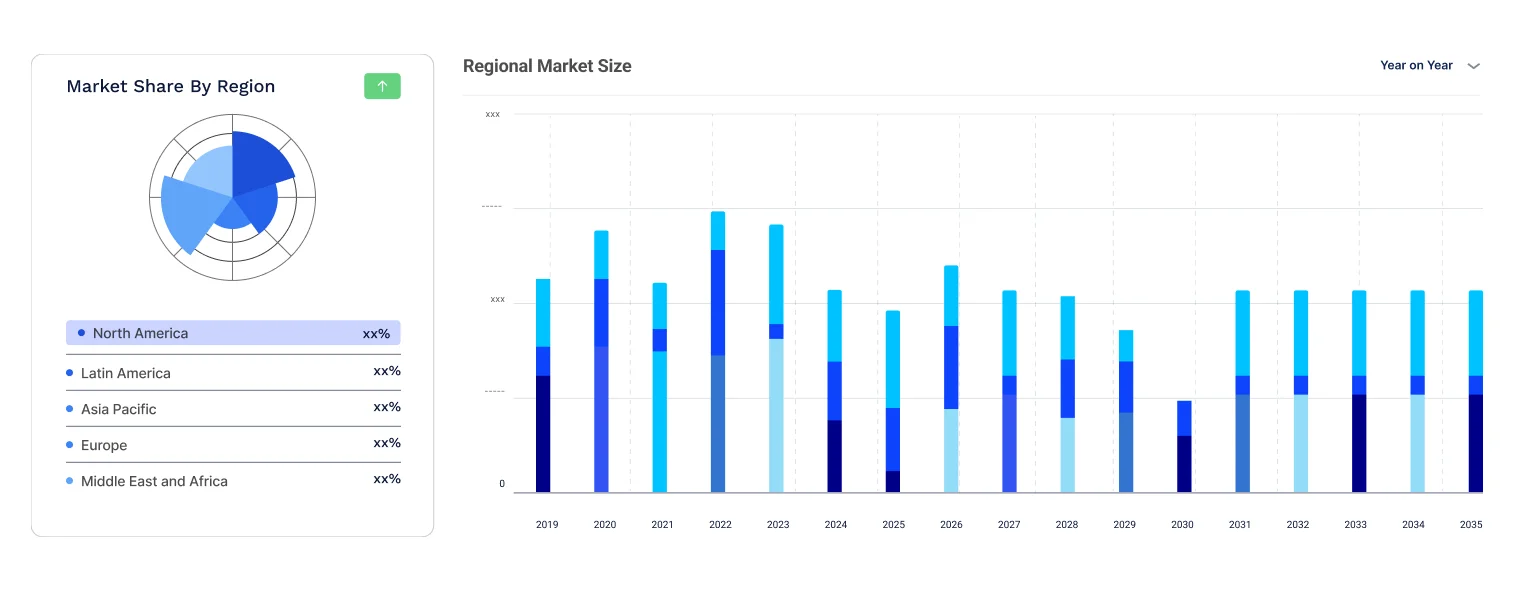
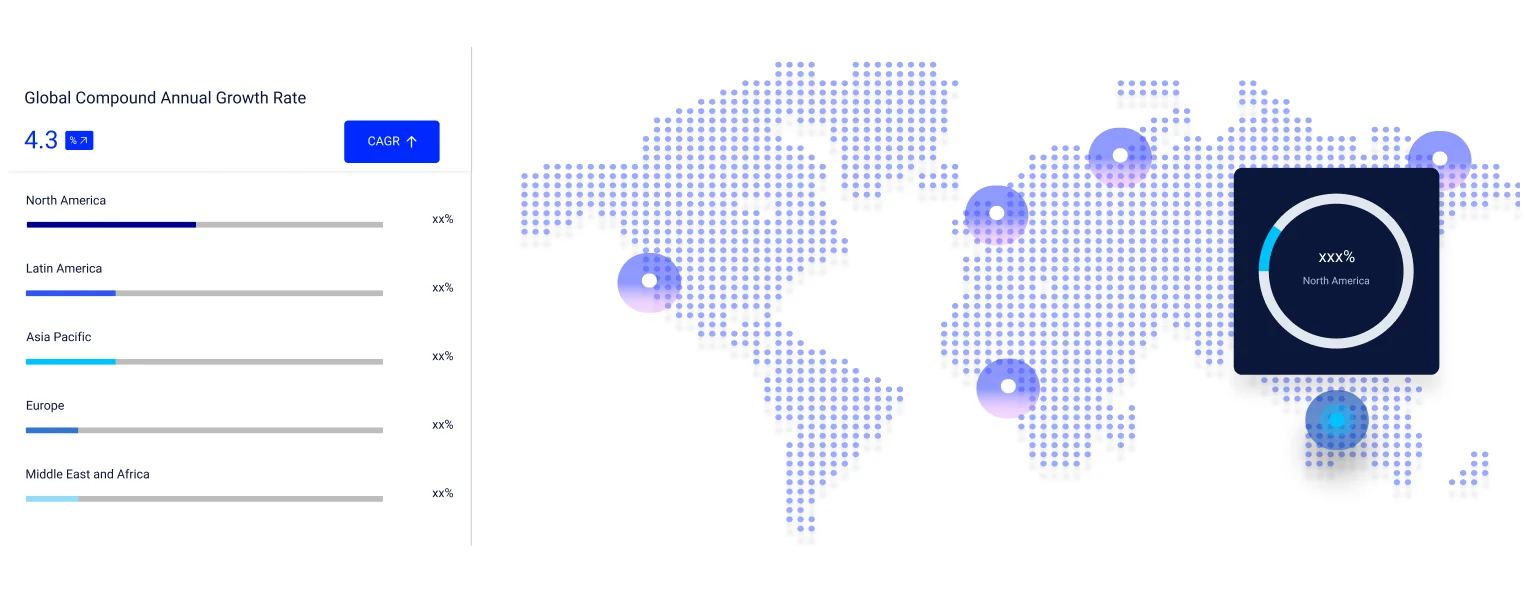
Market Breakup by Region
Key Insight: North America leads through stability and technical maturity. The flavor ingredients market in Europe emphasizes regulatory alignment and sustainability. On the other hand, Asia Pacific grows through volume and rapid product launches. Latin America shows selective growth tied to local manufacturing expansion. Middle East and Africa prioritize heat-resistant and cost-effective solutions. Regional strategies vary based on infrastructure, regulation, and consumption patterns. Suppliers must adapt regionally to maintain relevance and competitiveness.
Read more about this report - REQUEST FREE SAMPLE COPY IN PDF
By ingredient type, aroma chemicals drive major demand due to formulation stability and scalable manufacturing efficiency
Aroma chemicals continue to be the main type of ingredient because they are able to offer consistency, cost control, and formulation precision at scale. Food and beverage companies use aroma chemicals to ensure the same flavor in the products they manufacture in different sites. These ingredients are able to withstand thermal processing, which is essential for beverages, snacks, and ready-to-eat meals, expanding the flavor ingredients market scope. Suppliers are constantly working on improving molecular stability so that flavor loss during shelf life is minimized. Moreover, aroma chemicals fit well with both reduced sugar and reduced salt recipes. In February 2026, True Terpenes announced the launch of Headstash, a first-of-its-kind aromatic product.
Plant extracts have become popular as an increasing number of brands promote ingredient lists that consumers can easily recognize. Flavors artists are now seeking to create flavors from botanical sources without giving up on the quality of the flavor. Suppliers are delivering state-of-the-art extraction and purification techniques that result in flavor quality improvement and consistency. These extracts are highly standardized to minimize batch variation, which is a critical factor for global product launches. Besides, growth is also enabled by luxurious positioning in the beverage and confectionery categories, creating new flavor ingredients market opportunities.
By product type, nature-identical flavors capture the largest share of the market as brands balance performance with regulatory acceptance
Nature-identical flavors retain their relevance since they provide sensory accuracy along with production efficiency. To replicate natural taste profiles and avoid being impacted by agricultural fluctuations, food manufacturers use these flavors. These flavors also exhibit good performance under heat and storage stress. Manufacturers are concentrating on perfecting the synthesis processes to increase the sensory depth. For example, SET Flavors by Symrise, launched in October 2023, help create unique taste, nutrition, and health solutions. The aspect of regulatory clarity also facilitates their acceptance in various regions. Nature-identical solutions help brands to keep their consistency while still meeting the cost pressure.
Natural flavors continue to gain momentum across the flavor ingredients industry dynamics along with transparency as a factor for consumers while making a purchase. Drinks with natural flavors usually belong to the category of premium drinks along with dairy substitutes. The marketing of such products usually highlights health and environmental benefits, in line with the use of natural flavors.
By form, liquid flavors dominate the global industry due to ease of blending and process compatibility
Liquid flavors largely contribute to the flavor ingredients market revenue because they integrate smoothly into industrial processes. Beverage and dairy manufacturers prefer liquids for precise dosing and uniform dispersion. These flavors blend quickly during production, which reduces processing time. Suppliers are enhancing solvent systems to improve stability. Liquid formats also support rapid reformulation during pilot trials. In February 2026, Wonder Juice announced the launch of Clean Green and Veg8 & Cayenne flavors, expanding the brand's growing portfolio of functional, flavor-forward juices.
Dry flavors are also expanding their shares in the flavor ingredients market due to longer shelf life and easier transportation. Snack and bakery producers favor dry formats for blending efficiency. Suppliers are improving encapsulation techniques to protect volatile compounds. This enhances flavor release during consumption. Dry flavors reduce cold chain dependency, which lowers logistics risk. Growth is also supported by expansion in emerging markets where storage conditions vary.
By application, beverages boost flavor ingredients demand growth due to continuous reformulation and functional drink innovation
Beverages remain the dominant application because flavor reformulation is constant. Sugar reduction, fortification, and clean label transitions continue to reshape drink recipes. Flavor suppliers support beverage brands with masking, modulation, and stability solutions tailored to liquid systems. Heat resistance remains a critical requirement, especially for shelf stable formats. Leading suppliers invest heavily in beverage focused application laboratories to shorten development cycles. Product launches in drinks occur more frequently than in other categories which sustains recurring demand. In February 2026, United Kingdom functional beverage brand WaterJunkie expanded its portfolio with the launch of a new range of mushroom-infused sparkling drinks.
Savories and snacks are contributing to the flavor ingredients market value as consumption patterns shift toward protein-rich and convenient foods. These products require advanced flavor systems to address texture-driven taste issues. Suppliers are developing savory bases that improve mouthfeel and flavor persistence. Off notes from plant proteins remain a challenge. Flavor houses respond with layered savory solutions designed for specific matrices. Growth is also supported by increased snacking occasions across regions.
Read more about this report - REQUEST FREE SAMPLE COPY IN PDF
North America secures the leading market position due to mature food processing and formulation depth
North America dominates the flavor ingredients industry due to its established food processing base. Long standing relationships between suppliers and manufacturers support stable volumes. Regulatory clarity allows suppliers to plan innovation pipelines with confidence. Companies invest consistently in advanced application laboratories across the region. Demand is largely replacement-driven, with reformulation cycles sustaining consumption. This environment supports margin protection for leading suppliers. North America also sets formulation benchmarks that influence global product standards. In October 2025, Herbal Isolates announced the launch of its new sub-brand Savouron, dedicated to its growing range of flavour enhancing solutions.
Urbanization and rising packaged food consumption are the main factors that are accelerating demand in the flavor ingredients market in the Asia Pacific region. Flavor demand is tightly associated with the growth of beverage and snack categories. For success, it is crucial to adapt to the local taste. To shorten the time of their response, suppliers are increasing regional facilities. As a result of regulatory complexity, companies are being pushed to make local investments.
Competition in the market is increasingly a matter of formulation expertise and customer integration. Flavor ingredient companies are progressively moving towards solution-oriented partnerships. It has been realized that technical support is a major factor that sets one apart from the others. In order to be more responsive, companies are investing in application labs, sensory science, and digital formulation tools. Reformulations for the clean label and functional nutrition represent excellent opportunities for growth. Besides, regional expansion remains indispensable as regulations and taste preferences are different.
Leading flavor ingredients market players who focus on proprietary molecules and protected technologies have a stronger hold on prices. Moreover, cooperation between F&B manufacturers and suppliers is growing stronger, especially when it comes to the initial stages of product development. The edge over competitors relies on the speed of innovation, availability of regulatory knowledge, and the ability to provide the necessary support to customers during complex reformulation cycles.
Givaudan was founded in 1895 and its headquarters are located in Switzerland. The company produces progressive flavor systems for the global food and beverage industry. It puts an emphasis on innovation, sustainability, and customer co-development. On the one hand, its strategy focuses on proprietary molecules, on the other, it values long-term partnerships.
Firmenich was established in 1895 and is headquartered in Geneva, Switzerland. The company specializes in natural and nature inspired flavors. It focuses on sustainability and biotechnology. Firmenich supports customers through formulation expertise. Its offerings cater to beverages, dairy, and nutrition markets globally.
International Flavor Ingredients & Fragrances was established in 1958 and is headquartered in the United States. The company delivers flavor solutions across food categories. It emphasizes fermentation and biotechnology platforms. Its portfolio supports clean label and functional applications.
Symrise Group was established in 2003 and is headquartered in Germany. The company focuses on flavor innovation and nutrition solutions. It supports customers through application specific systems. Symrise invests in masking technologies and regional expansion. Its strategy targets long-term customer alignment.
*Please note that this is only a partial list; the complete list of key players is available in the full report. Additionally, the list of key players can be customized to better suit your needs.*
Other key players in the market include Takasago International Corporation, Mane Group, and Sensient Technologies Corporation, among others.
Unlock the latest insights with our flavor ingredients market trends 2026 report. Discover regional growth patterns, consumer preferences, and key industry players. Stay ahead of competition with trusted data and expert analysis. Download your free sample report today and drive informed decisions in the market.


Upto 15% Off
USD
$2499 $2249
$3999 $3599
$4999 $4249
$5999 $5099


*While we strive to always give you current and accurate information, the numbers depicted on the website are indicative and may differ from the actual numbers in the main report. At Expert Market Research, we aim to bring you the latest insights and trends in the market. Using our analyses and forecasts, stakeholders can understand the market dynamics, navigate challenges, and capitalize on opportunities to make data-driven strategic decisions.*
In 2025, the market reached an approximate value of USD 39.39 Billion.
The market is projected to grow at a CAGR of 6.00% between 2026 and 2035.
Companies are expanding fermentation capacity, strengthening application support, localizing production, investing in digital tools, and aligning portfolios with regulatory driven reformulation needs across global food categories.
The thriving food and beverages industry and the increasing demand for flavoring agents in various applications are the key industry trends propelling the market's growth.
The major regions in the industry are North America, Latin America, the Middle East and Africa, Europe, and the Asia Pacific with North America accounting for the largest share in the market.
Based on ingredient type, the market is divided into aroma chemicals, essential oils, plant extract, and functional ingredients.
Based on product type, the industry can be segmented into nature-identical, artificial, and natural.
The forms of flavor ingredients are liquid and dry.
flavor ingredients find their major application in beverages, dairy and frozen desserts, savouriers and snacks, and bakery and confectionary products, among others.
The key players in the market include Givaudan, Firmenich SA, International Flavor Ingredients & Fragrances Inc., Symrise Group, Takasago International Corporation, Mane Group, and Sensient Technologies Corporation, among others.
Regulatory complexity, raw material variability, cost pressure, supply chain risk, and rising demand for technical support are challenging profitability and speed across global flavor ingredient operations.
Explore our key highlights of the report and gain a concise overview of key findings, trends, and actionable insights that will empower your strategic decisions.
| REPORT FEATURES | DETAILS |
| Base Year | 2025 |
| Historical Period | 2019-2025 |
| Forecast Period | 2026-2035 |
| Scope of the Report |
Historical and Forecast Trends, Industry Drivers and Constraints, Historical and Forecast Market Analysis by Segment:
|
| Breakup by Ingredient Type |
|
| Breakup by Product Type |
|
| Breakup by Form |
|
| Breakup by Application |
|
| Breakup by Region |
|
| Market Dynamics |
|
| Competitive Landscape |
|
| Companies Covered |
|
| Report Price and Purchase Option | Explore our purchase options that are best suited to your resources and industry needs. |
| Delivery Format | Delivered as an attached PDF and Excel through email, with an option of receiving an editable PPT, according to the purchase option. |
Datasheet
One User
USD 2,499
USD 2,249
tax inclusive*
Single User License
One User
USD 3,999
USD 3,599
tax inclusive*
Five User License
Five User
USD 4,999
USD 4,249
tax inclusive*
Corporate License
Unlimited Users
USD 5,999
USD 5,099
tax inclusive*
*Please note that the prices mentioned below are starting prices for each bundle type. Kindly contact our team for further details.*
Flash Bundle
Small Business Bundle
Growth Bundle
Enterprise Bundle
*Please note that the prices mentioned below are starting prices for each bundle type. Kindly contact our team for further details.*
Flash Bundle
Number of Reports: 3
20%
tax inclusive*
Small Business Bundle
Number of Reports: 5
25%
tax inclusive*
Growth Bundle
Number of Reports: 8
30%
tax inclusive*
Enterprise Bundle
Number of Reports: 10
35%
tax inclusive*
How To Order

Select License Type
Choose the right license for your needs and access rights.

Click on ‘Buy Now’
Add the report to your cart with one click and proceed to register.

Select Mode of Payment
Choose a payment option for a secure checkout. You will be redirected accordingly.
Strategic Solutions for Informed Decision-Making
Gain insights to stay ahead and seize opportunities.

Get insights & trends for a competitive edge.

Track prices with detailed trend reports.

Analyse trade data for supply chain insights.

Leverage cost reports for smart savings

Enhance supply chain with partnerships.

Connect For More Information
Our expert team of analysts will offer full support and resolve any queries regarding the report, before and after the purchase.
Our expert team of analysts will offer full support and resolve any queries regarding the report, before and after the purchase.
We employ meticulous research methods, blending advanced analytics and expert insights to deliver accurate, actionable industry intelligence, staying ahead of competitors.
Our skilled analysts offer unparalleled competitive advantage with detailed insights on current and emerging markets, ensuring your strategic edge.
We offer an in-depth yet simplified presentation of industry insights and analysis to meet your specific requirements effectively.




