

Consumer Insights
Uncover trends and behaviors shaping consumer choices today
Procurement Insights
Optimize your sourcing strategy with key market data
Industry Stats
Stay ahead with the latest trends and market analysis.
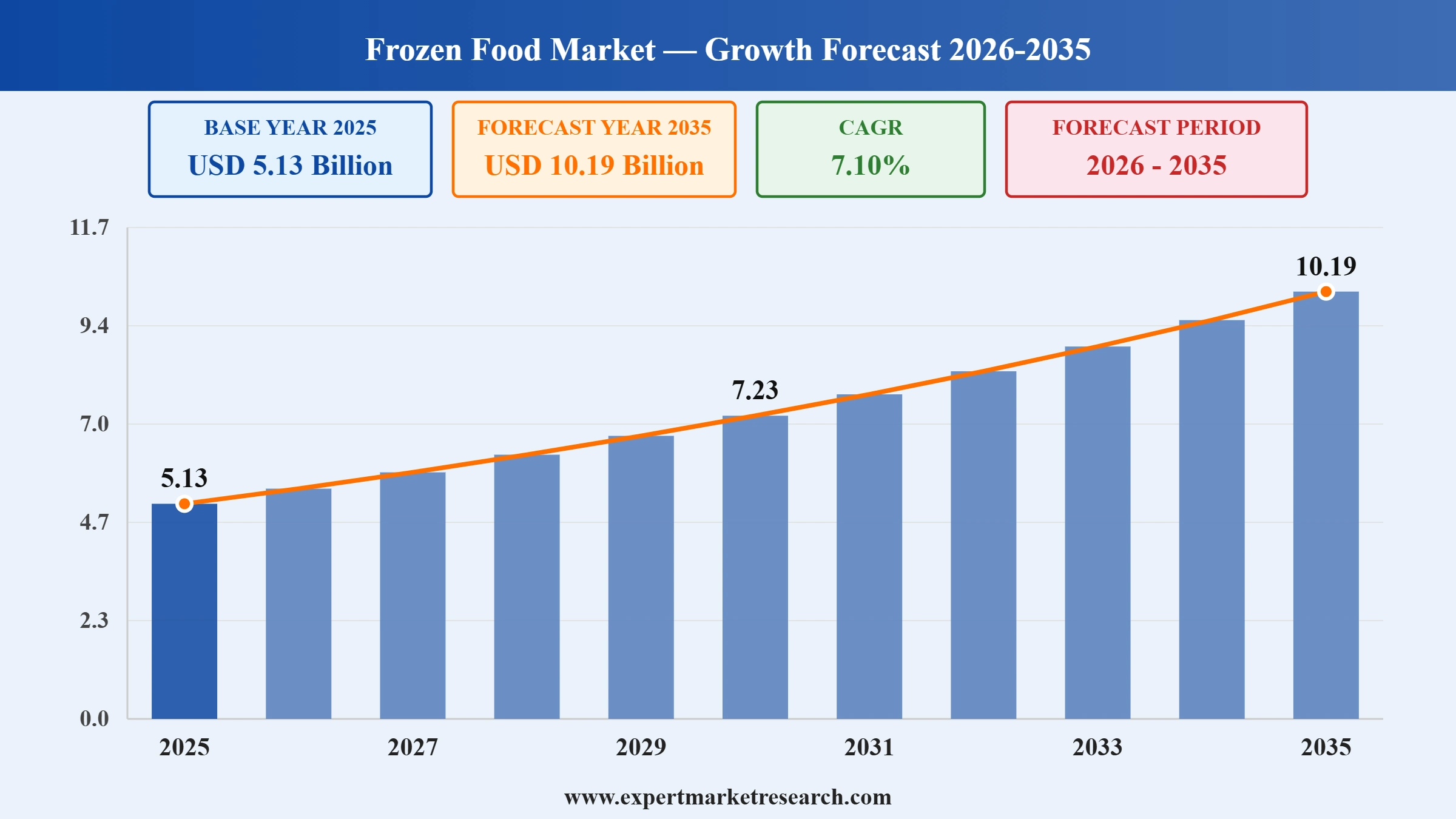
The global frozen food market reached a value of USD 5.13 Billion in 2025 and is projected to grow at a compound annual growth rate (CAGR) of 7.10% during the forecast period of 2026 and 2035, reaching USD 10.19 Billion by 2035. The frozen food industry encompasses a broad range of food products that have been preserved through commercial freezing including frozen ready meals, frozen snacks, frozen processed foods, frozen meat and poultry, frozen fish and seafood, frozen fruits and vegetables, and frozen baked goods and desserts offering consumers the convenience of extended shelf life, rapid meal preparation, and year-round availability without fresh food's perishability constraints.
The frozen food market is experiencing consistent growth driven by fundamental demographic and lifestyle changes across both developed and emerging consumer markets. Rapid urbanisation particularly in Asia Pacific, where Indonesia, India, Japan, South Korea, and Singapore are experiencing sustained growth in frozen food consumption is expanding the working urban population that relies on time-saving convenient food solutions. In Ajinomoto Co. Inc., which recorded sales of 1.1493 trillion yen globally in 2021-22, the frozen food division is consistently among the highest-revenue segments, illustrating the commercial scale and stability of the global frozen food category.
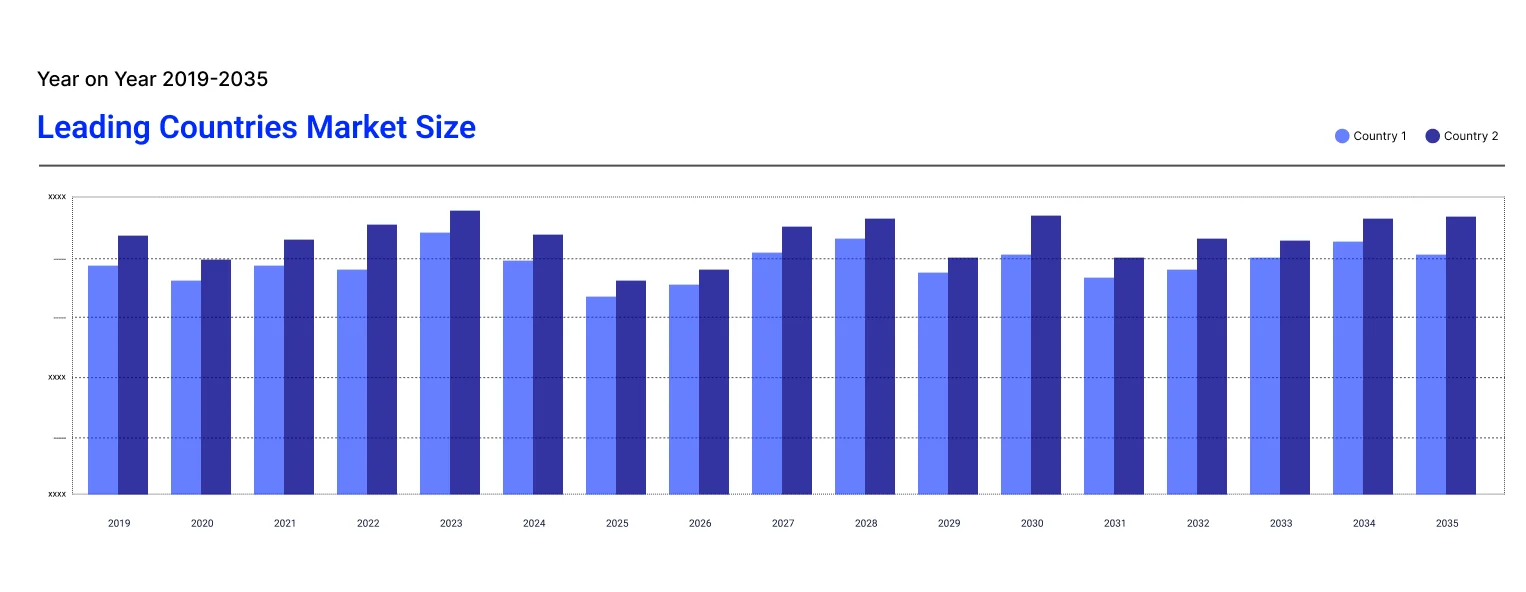
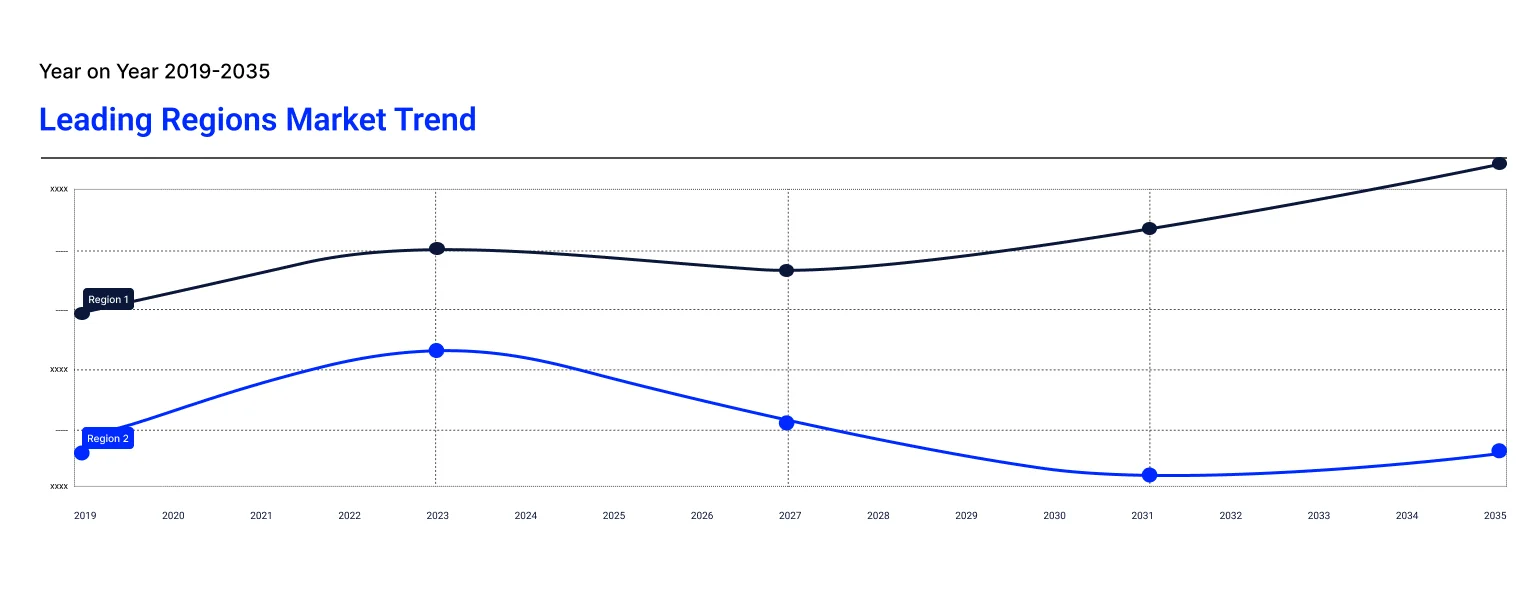
Europe dominates the global frozen food market by geographic consumption share, with the Europe frozen food market valued at USD 67.07 Billion in 2025 and projected to reach USD 88.40 Billion by 2035 at a CAGR of 2.80%. Germany leads European frozen food consumption with approximately 22.8% of the European market supported by comprehensive retail distribution through Edeka, Rewe, Lidl, and Aldi while the United Kingdom, France, Netherlands, Poland, and Russia represent significant secondary European markets. The Asia Pacific frozen food market is the fastest-growing regional market, driven by growing fast-food chain presence, rising disposable incomes, and cold chain infrastructure investment.
Read more about this report - REQUEST FREE SAMPLE COPY IN PDF
The frozen food market encompasses the commercial production, distribution, retail sale, and foodservice supply of food products preserved through sub-zero temperatures typically at or below -18°C (0°F) that inhibit microbial growth and enzymatic activity causing food spoilage. Commercial food freezing utilises several primary technologies: Individual Quick Freezing (IQF), which rapidly freezes individual food pieces to maintain texture and prevent ice crystal damage; blast freezing using high-velocity cold air for rapid temperature reduction; plate freezing for flat products including fish fillets; and spiral belt freezing for continuous high-volume production lines.
The frozen food category encompasses frozen ready meals and entrees (the largest sub-category by value at ~33% revenue share), frozen snacks, frozen processed foods, frozen meat and poultry, frozen fish and seafood, frozen fruits and vegetables, frozen baked goods, and frozen desserts. The primary distribution channels include offline retail supermarket chains (~89% of sales), foodservice operators including fast-food chains and institutional catering, and online grocery channels (~11%, growing at CAGR 5.4%).
Read more about this report - REQUEST FREE SAMPLE COPY IN PDF
Rising focus on reducing food waste; growing popularity of air fryers; growth of snacking culture; and soaring appeal for global flavours are factors favouring the frozen food market growth.
Nestlé SA expanded its Garden Gourmet plant-based frozen meal range in European markets, adding a Mediterranean Grills product line targeting health-conscious consumers seeking protein-rich sustainable frozen meal options reflecting the growing premiumisation of the frozen food category beyond its traditional convenience positioning.
ConAgra Brands reported continued strong performance in its Frozen segment encompassing Birds Eye, Healthy Choice, Marie Callender's, and Banquet brands with volume growth in frozen single-serve meals and premium frozen pizza categories driven by at-home meal occasions and value-seeking consumer behaviour.
McCain Foods Limited announced expansion of its Air Fryer-optimised frozen potato product range across European and North American retail channels, positioning Air Fryer-ready frozen snacks and potato products as a high-growth sub-category as Air Fryer penetration in household kitchens surpassed 40% in key markets.
Tyson Foods expanded its Raised and Rooted plant-based frozen meal and snack portfolio, targeting the growing flexitarian consumer segment in North America seeking protein-varied meal occasions while maintaining convenience purchasing habits consistent with mainstream frozen food consumption.
The increasing consumer focus on reducing food waste is facilitating frozen food market expansion. As per the market analysis, an average American household wastes EUR 1397.32 worth of food products annually, leading to shift towards frozen food items.
Since 2020, the adoption of air fryers in the United States has increased by 27 points. This has led to a 90% increase in the introduction of frozen foods with air-frying instructions during 2020-24.
In 2023, around 3 million total internet searches included recipes of bite sized food, indicating the growing consumer preference for portion controlled, quick to prepare, and healthy snacking solutions.
The growing popularity of cooking shows and artisanal bakers on social media platforms such as YouTube and Instagram has increased the demand for frozen foods with global flavours, such as Korean BBQ and Indian cuisines.
The fundamental driver of frozen food market growth is the structural increase in consumer demand for food solutions that minimise meal preparation time without sacrificing nutritional quality or eating satisfaction. Approximately 72% of consumers report purchasing frozen foods primarily for convenience and long shelf life, reflecting the rational economic logic of frozen food within household food purchasing strategies. Time poverty driven by dual-income household structures, longer working hours, and extended commuting times creates persistent preference for convenient meal solutions that frozen foods satisfy more economically than restaurant dining.
The rapid expansion of cold chain logistics infrastructure across emerging markets in Asia Pacific, the Middle East, Africa, and Latin America is progressively enabling frozen food distribution to reach consumer populations that previously lacked access to reliable frozen food retail. Cold chain infrastructure investment is particularly significant in India, Indonesia, and sub-Saharan African markets, where the combination of hot climates and growing urban populations with commercially viable consumer density is attracting significant investment from both public infrastructure programs and private cold chain logistics operators.
Rapid urbanisation in emerging economies is the primary demand-side driver of frozen food market growth in developing markets, with urban populations having fundamentally different food purchasing behaviour including higher incomes, smaller living spaces, longer working hours, and greater exposure to global food cultures. South Africa's urbanisation rate is projected to reach 71% by 2030, with consumers aged 18-34 already accounting for 64% of South African frozen food consumption a demographic profile that signals sustained long-term demand growth as this urban cohort ages into peak household spending years.
The growing consumer preference for plant-based protein sources and healthier meal options is driving product innovation across the frozen food category that expands the market's addressable consumer base. Plant-based frozen meal and protein brands including Amy's Kitchen, Quorn, Morning Star Farms, and Garden Gourmet are growing at rates significantly above the overall frozen food market, attracting flexitarian consumers who value the convenience and accessibility of mainstream retail distribution that the frozen food channel provides.
The rapid growth of online grocery retail is creating a new and fast-growing distribution channel for frozen foods, expanding category accessibility beyond physical retail store footprint. Online frozen food sales are growing at an above-category CAGR of 5.4%, driven by the elimination of the inconvenience of transporting heavy and bulky frozen food products from store to home and the ability of online platforms to offer broader frozen food assortments than physical store constraints allow.
To achieve Sustainable Development Goal 12.3, the European Commission revised its Waste Framework Directive mandating a 10% reduction in food production waste and a 30% per capita reduction in consumption waste by 2030. With approximately 80 billion tons of food waste worth EUR 413.61 billion generated annually worldwide, frozen food's extended shelf life positions it as a structurally superior solution for reducing household and foodservice waste, aligning the category favourably with binding regulatory targets across European markets.
The frozen food market is undergoing a fundamental shift as premium, restaurant-quality, and plant-based offerings attract health-conscious buyers beyond the category's traditional convenience positioning. Brands including Nestlé's Garden Gourmet, Amy's Kitchen, and Quorn are expanding clean-label, globally inspired product lines that command significant retail price premiums. Chef-developed recipes, transparent nutritional communication, and premium packaging are collectively elevating frozen food's value proposition and capturing disproportionate value share within a category growing simultaneously in volume and unit price.
Air Fryer household penetration surpassing 40% in key markets including the United States, United Kingdom, and Germany is creating a structural demand tailwind for frozen snacks and potato products. McCain Foods, Tyson Foods, and Lamb Weston have each launched dedicated Air Fryer-optimised ranges capitalising on this appliance trend. Simultaneously, online grocery platforms including Instacart, Ocado, and Amazon Fresh are expanding frozen food distribution beyond physical retail with online frozen food sales growing at a CAGR of 5.4%, enabling premium and niche brands to reach consumer segments previously inaccessible through conventional supermarket shelf allocation.
The global frozen food market faces significant operational and perceptual challenges rooted in cold chain cost intensity, consumer quality perception gaps, and the energy-intensive nature of commercial frozen food logistics and retail display. The requirement for continuous refrigerated storage and transport at temperatures at or below -18°C imposes significant capital and operating cost premiums on frozen food supply chains relative to ambient or chilled food categories with cold chain logistics costs representing approximately 38% of total supply chain costs for frozen food manufacturers. The negative quality perception among health-conscious consumers who associate frozen food with artificial preservatives, excessive sodium content, and nutritional degradation creates a structural marketing challenge that premium brand operators must continuously counter through product innovation, clean-label formulation, and transparent ingredient communication.
Structural restraints moderate the pace of frozen food market expansion. Energy cost volatility directly impacts profitability of frozen food manufacturing, logistics, and retail operations through its effect on the refrigeration systems underpinning every stage of the frozen food supply chain. The concentration of frozen food retail in a relatively small number of large grocery chains creates significant buyer power dynamics that compress manufacturer margins and limit new entrants' ability to secure shelf space without substantial promotional investment. Regulatory requirements for food labelling, nutritional content standards, and allergen declarations across multiple national markets create compliance complexity for international frozen food brands seeking simultaneous multi-market commercial presence.
Despite these structural challenges, the frozen food market presents compelling growth opportunities across product, geography, and channel dimensions. The premium and gourmet frozen food segment represents the highest-value growth opportunity, with consumers demonstrating consistent willingness to pay premium prices for frozen meals that credibly deliver restaurant-quality taste and ingredient standards. The MENA frozen food market is experiencing above-global-average growth driven by the GCC's large high-income expatriate consumer base and modern trade retail infrastructure. The online grocery channel growing at 15.50% CAGR within the frozen food category is expanding market reach and enabling niche and premium frozen food brands to access consumer segments unreachable through conventional physical retail distribution. The full Expert Market Research Frozen Food Market Report and Forecast 2026-2035 provides granular analysis across product type, processing type, distribution channel, and regional market.
The EMR’s report titled “Global Frozen Food Market Report and Forecast 2026-2035” offers a detailed analysis of the market based on the following segments:
Market Breakup by Product Type
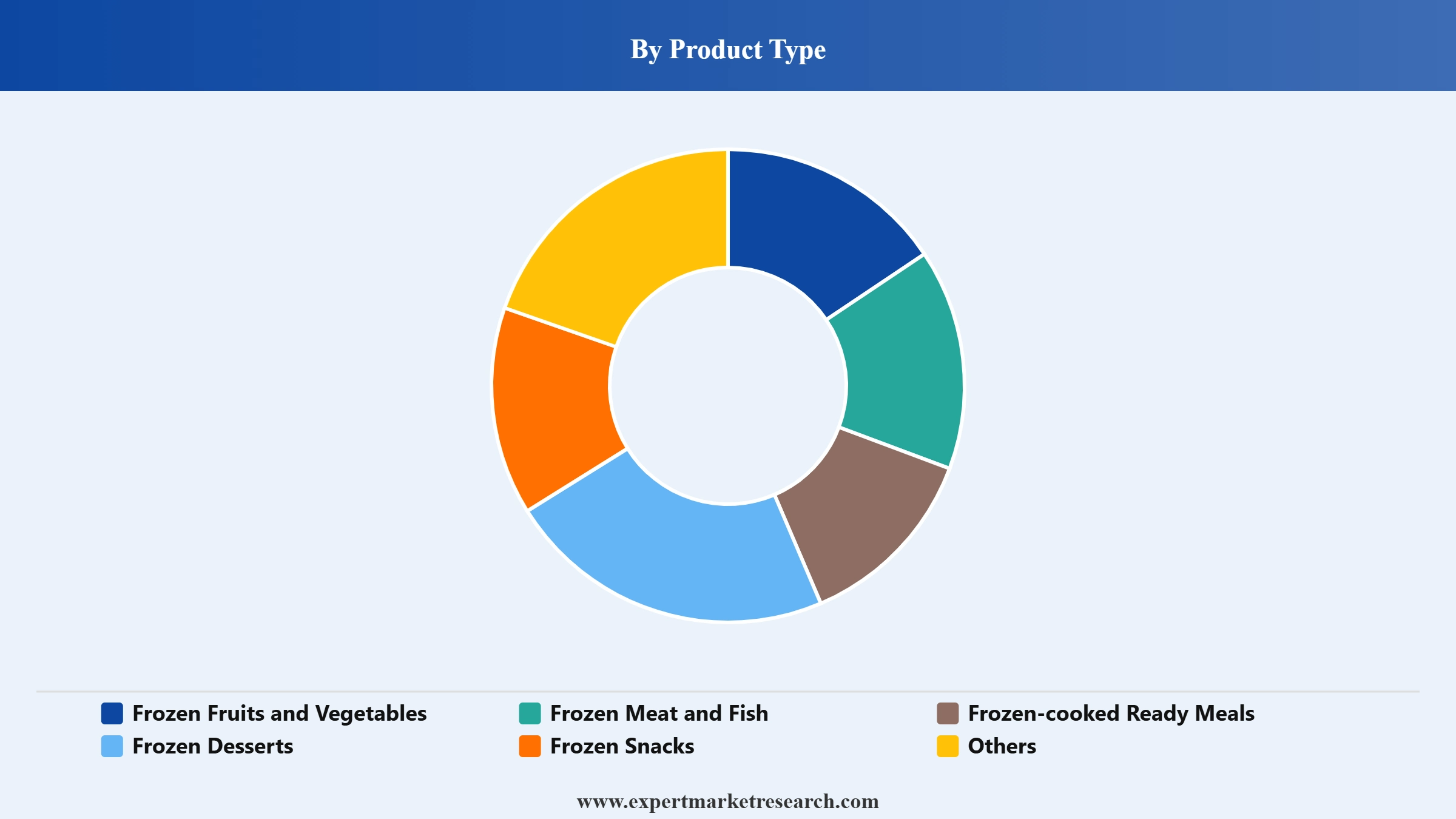
Key Insights: The frozen food market can be segmented by product type, type, and distribution channel, each reflecting distinct consumer and commercial demand patterns. By product type, the market spans Frozen Fruits and Vegetables, valued for preserving nutrition and enabling year-round availability; Frozen Meat and Fish, driven by cold-chain advances and rising global protein consumption; Frozen-cooked Ready Meals, fueled by convenience-seeking and premiumization trends; Frozen Desserts, shaped by indulgence-driven and increasingly plant-based demand; Frozen Snacks, popular for impulse and occasion-based consumption; and Others, a niche category including frozen dough, bakery items, and specialty regional foods that often signal emerging trends.
Market Breakup by Type
Key Insights: By type, products are categorized as Raw Material, Half-cooked, or Ready-to-Eat, representing increasing levels of preparation and convenience. Raw Material products appeal to consumers and food service operators who want full control over cooking and typically offer the lowest price point. Half-cooked items, such as par-fried or par-baked goods, strike a balance between convenience and hands-on preparation, making them popular in food service settings that value speed without sacrificing quality control. Ready-to-Eat products, requiring only reheating, represent the fastest-growing type due to busy lifestyles and smaller households, commanding premium pricing for the time savings they deliver.
Market Breakup by Distribution Channel
Key Insights: By distribution channel, the market divides into Food Service and Retail, each with distinct purchasing dynamics. Food Service buyers, including restaurants, hotels, and institutional kitchens, prioritize consistency, cost control, and reduced labor needs, often favoring raw material and half-cooked products for bulk, customizable use. Retail, spanning supermarkets, convenience stores, and online grocery platforms, is driven by consumer convenience, growing home freezer capacity, and the expansion of e-commerce and quick-commerce, which has particularly boosted sales of ready-to-eat meals and frozen desserts through fast, cold-chain-enabled delivery.
Market Breakup by Region
Read more about this report - REQUEST FREE SAMPLE COPY IN PDF
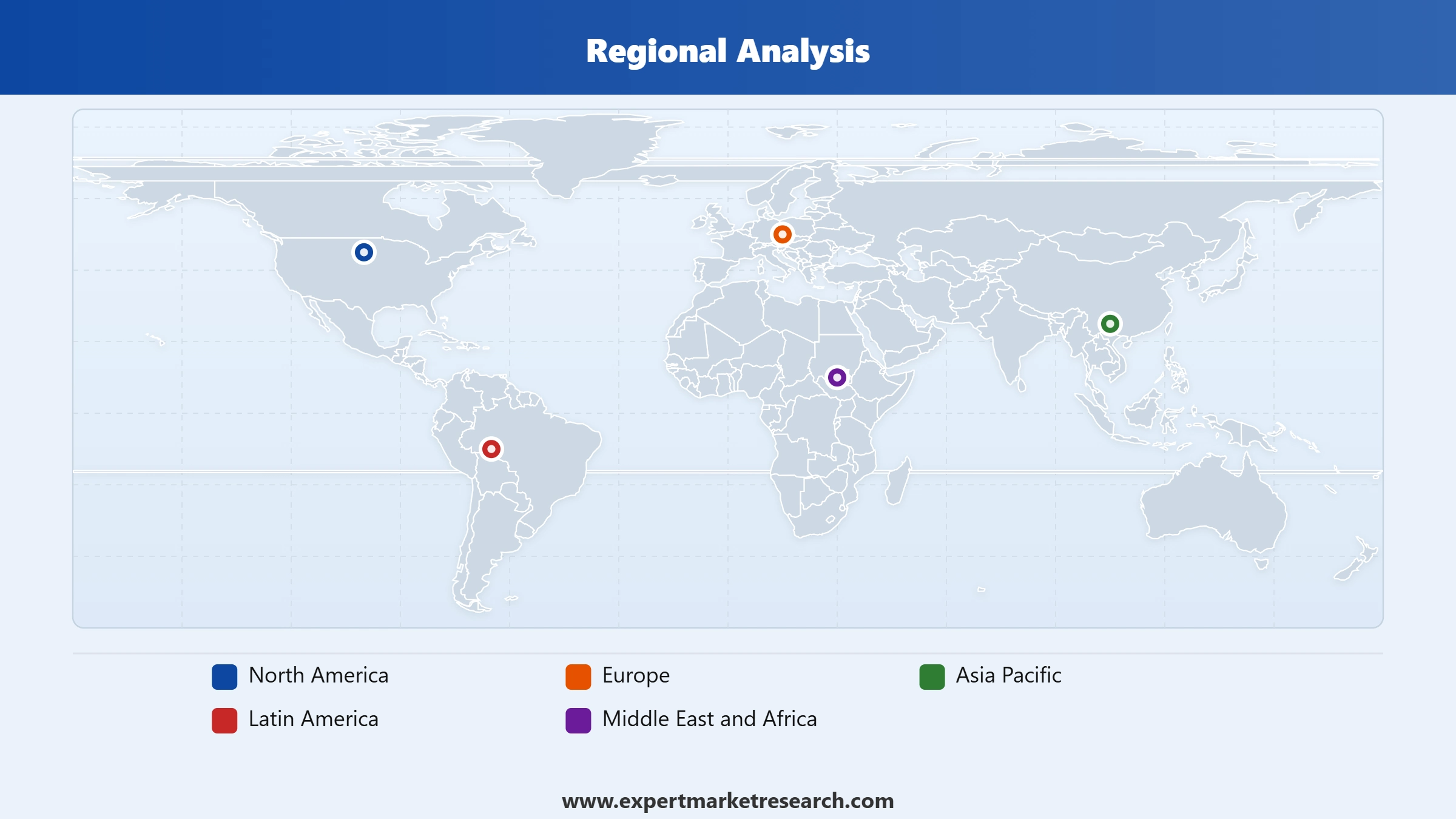
North America is the world's largest frozen food market by value anchored by the United States, where deeply embedded convenience food culture, high household income levels, large-format retail freezer infrastructure, and a highly developed brand portfolio across all frozen food categories sustain the world's highest frozen food spending. The US frozen food market benefits from a concentrated competitive landscape of scale players including ConAgra Brands (Birds Eye, Healthy Choice), Tyson Foods (Any'ztizers, Jimmy Dean), Nestlé USA (DiGiorno, Stouffer's), and General Mills (Totino's), alongside premium and mission-driven brands including Amy's Kitchen.
Europe is the world's largest frozen food consuming region, with the market expected to see steady growth in the coming years. Germany leads European frozen food consumption, representing the largest share of the European market. Switzerland, despite its small population, reflects a high-income consumer base, a multinational resident population with diverse food preferences, and advanced modern retail infrastructure. Italy and Netherlands represent niche but highly relevant frozen food markets within Europe, worth targeting with country-specific positioning.
Read more about this report - REQUEST FREE SAMPLE COPY IN PDF
Asia Pacific is the fastest-growing frozen food region, driven by rapid urbanisation, rising disposable incomes, fast-food chain expansion, and cold chain infrastructure investment. Japan is Asia's most mature frozen food market by per-capita consumption, anchored by Ajinomoto's frozen meal and gyoza dominance and the country's convenience store frozen meal category. India's frozen food market is growing strongly through urban population growth and QSR chain expansion. Indonesia is the fastest-growing Southeast Asian market. South Korea is an important APAC market with high K-food frozen export culture and growing premium domestic frozen food adoption. Singapore is a significant ASEAN frozen food audience.
The Middle East and North Africa frozen food market is experiencing above-global-average growth driven by the GCC countries' large high-income expatriate populations, extremely hot climates making frozen food the natural food preservation solution, well-developed modern trade retail infrastructure across UAE and Saudi Arabia, and the progressive expansion of halal-certified international frozen food brands. Saudi Arabia represents a specific and growing national market of interest within the region.
South Africa is the most developed frozen food market in sub-Saharan Africa, supported by a well-established modern retail sector, a growing middle class, and rising consumer reliance on convenience-oriented food solutions. The market's growth is further shaped by an urban young adult consumer base, with those aged 18-34 accounting for a majority of total frozen food consumption, drawn to the affordability, variety, and convenience frozen products offer.
The country's rising urbanisation rate provides a strong structural foundation for continued demand growth, as more consumers move into cities where lifestyles naturally align with frozen food consumption. This growth is further supported by strong retail infrastructure, with major chains such as Pick n Pay, Woolworths Food, and Shoprite ensuring widespread distribution and consistent product availability across the country.
Latin America is a growing frozen food market with Brazil and Mexico as the dominant national markets. Brazil's large population and growing modern trade retail are driving frozen ready meal and snack adoption. Mexico reflects the country's frozen fruit export significance alongside growing domestic frozen food consumption. South and Central America collectively represent an emerging frozen food market of growing interest.
Major players are introducing plant-based food products, such as frozen meat and milk to gain a larger frozen food market share.
Unilever PLC was founded in 1872 and is headquartered in London, United Kingdom. It produces FMCG products such as soaps, household cleaning products, razors, creams, and food items. It is renowned for brands like Lipton, Dove, Knor, and Axe, among others worldwide.
Conagra Brands Inc. was founded in 1919 and is headquartered in Illinois, United States. It is engaged in providing numerous services related to food and beverage industry, including marketing, distribution, and supply chain management.
McCain Foods Limited was founded in 1957 and is headquartered in Ontario, Canada. It is engaged in sustainable manufacturing of food and beverage products for global consumers. As per frozen food market analysis, the company operates in over 160 countries.
Ajinomoto Co. Inc. was founded in 1908 and is headquartered in Tokyo, Japan. Guided by the principle of “Eat Well, Live Well”, the company is engaged in manufacturing nutritious food products and beverages for global consumers.
Other players included in the frozen food market report are Nestlé S.A., Tyson Foods Inc., General Mills, Inc, Nomad Foods Ltd., Wawona Frozen Foods, Inc., and Grupo Nutresa S. A., among others.
*Please note that this is only a partial list; the complete list of key players is available in the full report. Additionally, the list of key players can be customized to better suit your needs.*


Upto 15% Off
USD
$2499 $2249
$3999 $3599
$4999 $4249
$5999 $5099


*While we strive to always give you current and accurate information, the numbers depicted on the website are indicative and may differ from the actual numbers in the main report. At Expert Market Research, we aim to bring you the latest insights and trends in the market. Using our analyses and forecasts, stakeholders can understand the market dynamics, navigate challenges, and capitalize on opportunities to make data-driven strategic decisions.*
In 2025, the market reached an approximate value of USD 5.13 Billion.
The market is projected to grow at a CAGR of 7.10% between 2026 and 2035.
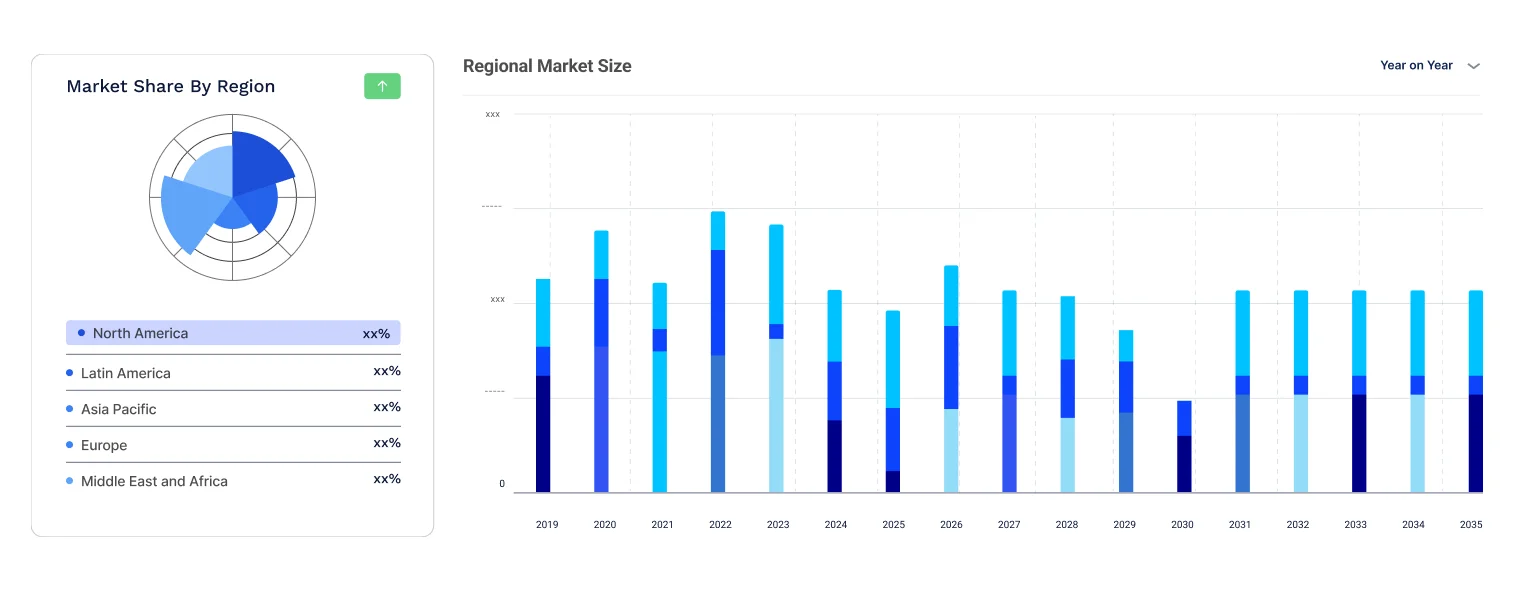
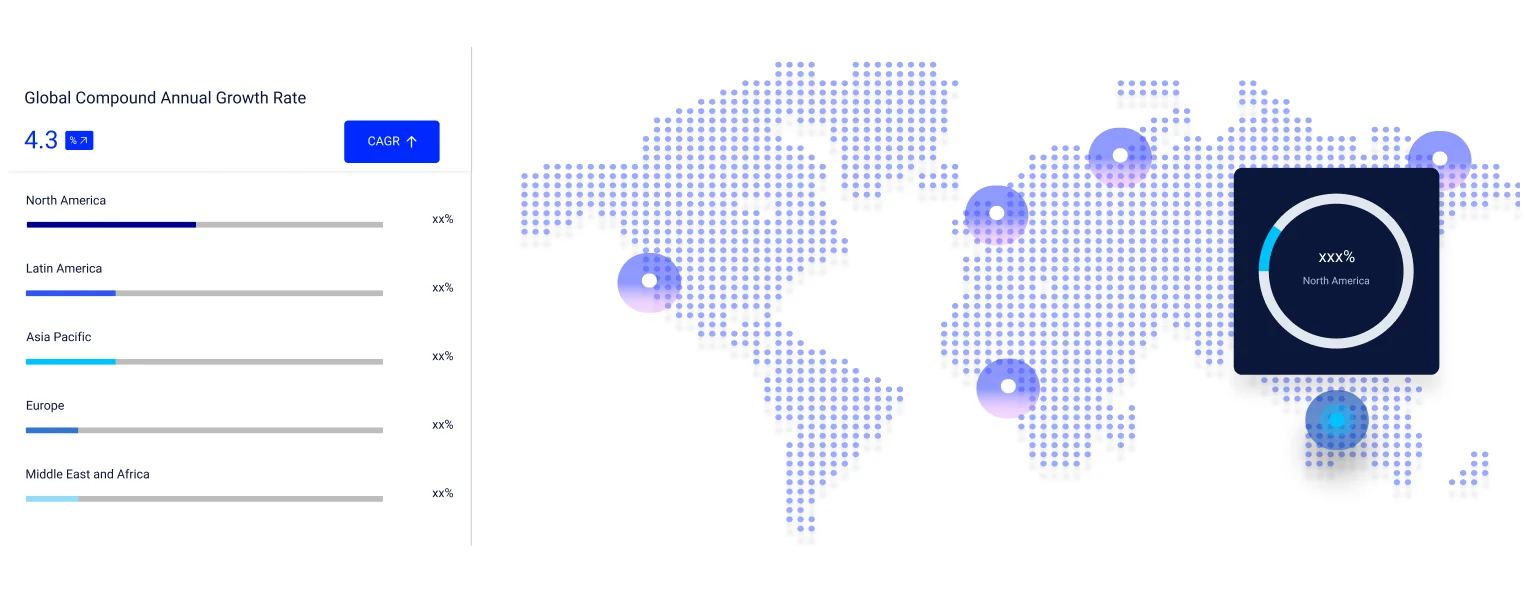
The different regions considered in the frozen food market report include North America, Europe, Asia Pacific, Latin America, and the Middle East and Africa.
The different types of products in the market are frozen fruits and vegetables, frozen meat and fish, frozen-cooked ready meals, frozen desserts, and frozen snacks, among others.
The different types of frozen food in the market are raw material, half-cooked, and ready-to-eat.
The different distribution channels in the market are food service and retail.
Key players in the market are Nestlé S.A., Unilever PLC, Tyson Foods Inc., Conagra Brands Inc., General Mills, Inc, McCain Foods Limited, Nomad Foods Ltd., Ajinomoto Co. Inc., Wawona Frozen Foods, Inc., and Grupo Nutresa S. A., among others.
The market is estimated to witness healthy growth in the forecast period of 2026-2035 to reach a value of around USD 10.19 Billion by 2035.
Explore our key highlights of the report and gain a concise overview of key findings, trends, and actionable insights that will empower your strategic decisions.
| REPORT FEATURES | DETAILS |
| Base Year | 2025 |
| Historical Period | 2019-2025 |
| Forecast Period | 2026-2035 |
| Scope of the Report |
Historical and Forecast Trends, Industry Drivers and Constraints, Historical and Forecast Market Analysis by Segment:
|
| Breakup by Product Type |
|
| Breakup by Type |
|
| Breakup by Distribution Channel |
|
| Breakup by Region |
|
| Market Dynamics |
|
| Competitive Landscape |
|
| Companies Covered |
|
Datasheet
One User
USD 2,499
USD 2,249
tax inclusive*
Single User License
One User
USD 3,999
USD 3,599
tax inclusive*
Five User License
Five User
USD 4,999
USD 4,249
tax inclusive*
Corporate License
Unlimited Users
USD 5,999
USD 5,099
tax inclusive*
*Please note that the prices mentioned below are starting prices for each bundle type. Kindly contact our team for further details.*
Flash Bundle
Small Business Bundle
Growth Bundle
Enterprise Bundle
*Please note that the prices mentioned below are starting prices for each bundle type. Kindly contact our team for further details.*
Flash Bundle
Number of Reports: 3
20%
tax inclusive*
Small Business Bundle
Number of Reports: 5
25%
tax inclusive*
Growth Bundle
Number of Reports: 8
30%
tax inclusive*
Enterprise Bundle
Number of Reports: 10
35%
tax inclusive*
How To Order

Select License Type
Choose the right license for your needs and access rights.

Click on ‘Buy Now’
Add the report to your cart with one click and proceed to register.

Select Mode of Payment
Choose a payment option for a secure checkout. You will be redirected accordingly.
Strategic Solutions for Informed Decision-Making
Gain insights to stay ahead and seize opportunities.

Get insights & trends for a competitive edge.

Track prices with detailed trend reports.

Analyse trade data for supply chain insights.

Leverage cost reports for smart savings

Enhance supply chain with partnerships.

Connect For More Information
Our expert team of analysts will offer full support and resolve any queries regarding the report, before and after the purchase.
Our expert team of analysts will offer full support and resolve any queries regarding the report, before and after the purchase.
We employ meticulous research methods, blending advanced analytics and expert insights to deliver accurate, actionable industry intelligence, staying ahead of competitors.
Our skilled analysts offer unparalleled competitive advantage with detailed insights on current and emerging markets, ensuring your strategic edge.
We offer an in-depth yet simplified presentation of industry insights and analysis to meet your specific requirements effectively.




