

Consumer Insights
Uncover trends and behaviors shaping consumer choices today
Procurement Insights
Optimize your sourcing strategy with key market data
Industry Stats
Stay ahead with the latest trends and market analysis.
The global furniture and home goods market attained a value of USD 609.35 Billion in 2025 and is projected to expand at a CAGR of 5.60% through 2035. The market is further expected to achieve USD 1050.77 Billion by 2035. The increasing renovation expenditure by shared working space providers as well as the short-term let platforms has fueled the demands for quick installation furniture solutions that come with fast turnaround requirements. The global furniture and home goods market is also benefiting from a structural shift in how people relate to their living and working spaces post-pandemic. According to the United Nations, over 56% of the world's population now lives in urban areas a figure projected to reach 68% by 2050 and this rapid urbanisation is directly translating into sustained demand for space-efficient, adaptable home furnishing solutions. In markets like India and Southeast Asia, rising disposable incomes combined with a young, first-time homebuyer demographic are opening up entirely new consumer segments for mid-range and aspirational furniture brands.
Structural changes in housing and product positioning are primarily driving demand in the global furniture and home goods market. The expansion and renovation of urban housing is leading to increased purchases of modular, multifunctional furniture, particularly in urban areas. Meanwhile, top brands are promoting premium ranges, concentrating on sustainable materials, smart features, and customization. Such enhancements are enabling manufacturers and retailers to raise margins while meeting consumer preference for more durable, better, designed home solutions. Smart home integration is accelerating this premiumisation trend further. Furniture embedded with wireless charging pads, IoT-enabled lighting, and adjustable ergonomic mechanisms is gaining notable traction, particularly among younger urban consumers in North America and Europe. The U.S. Consumer Product Safety Commission's evolving safety standards for smart furniture components are also pushing manufacturers to invest in certified, better-engineered product lines indirectly raising the overall quality bar across the furniture and home goods market.
Sustainability-led business models are increasingly influencing how key furniture players design, distribute, and recover products across both commercial and residential channels. For example, Ingka Group, which owns and operates the majority of IKEA stores, launched a second-hand e-commerce platform in Poland in October 2025, as a strategy to build a circular economy industry. This furniture and home goods market trend reflects that players are shaping up their product roadmaps by focusing on modularity, standardization, and reverse logistics. Regulatory pressure is reinforcing this shift. The European Union's Ecodesign for Sustainable Products Regulation (ESPR), which came into force in 2024, sets binding requirements for product durability, repairability, and recyclability directly affecting how furniture manufacturers operating in or exporting to European markets design their product lines. This legislative backdrop, combined with growing consumer willingness to pay a premium for verified sustainable home goods, is making circular design less of a differentiator and more of a baseline expectation across the industry.
Parallel investments are becoming more apparent among digit-native e-commerce players. In May 2023, Wayfair Inc. marked its foray into the Indian market with the opening of its Technology Development Centre (TDC) in Bengaluru. The focus of suppliers is on enhanced speeds for customizations, data-driven forecasting on demand, and regionalization of assembly to build faster delivery. Manufacturers in hospitality and co-living categories are entering into multi-year supply contracts, which further creates stability on volumes in the supply chain, boosting furniture and home goods market opportunities. Brands among mid-market categories prefer forming ventures to get supplies, speed up deliveries, and sustain prices.
Compound Annual Growth Rate
5.6%
Value in USD Billion
2026-2035
Homary unveiled its Winter 2026 furniture line, focusing on "Flexible Warmth" for flexible, comfort-driven home interiors. The series combines practical design, layered textures, and adaptable materials to create furniture for living rooms, bedrooms, and so on. Developments like these highlight how adaptable materials and layered comfort designs are shaping furniture and home goods market dynamics, supporting multi-use living spaces and year-round interior flexibility.
SONGMICS HOME introduced their TOOLLESS furniture collection with a sleek, narrow-edge design. Such product launches showcase the rising demand for faster installation and user-friendly furniture, reducing setup friction for urban consumers, and lowering return risks for online furniture sellers.
Furlenco announced the release of its new kids' furniture line, which is made especially for expanding families and combines safety, and flexibility. Such products are being launched due to the growing specialization in age-specific, safety-led designs as brands target expanding families and long-term rental or upgrade-driven consumption cycles.
Helix Sleep announced a significant retail expansion with a new relationship with Rooms To Go, the top independent furniture retailer in India. Hence, digital-native brands are leveraging physical retail to scale visibility, improve trial-based buying, and accelerate the overall furniture and home goods market growth.
Leading players are repositioning product roadmaps to embed sustainability. Companies like IKEA are scaling circular offerings with buy-back, resale, and remanufacturing programs that prolong furniture life and cut waste. For instance, IKEA announced the launch of a secondhand marketplace that forms part of its commitment to be a circular business by 2030, in September 2024. Retailers highlight eco-certified materials such as FSC wood and recycled fabrics with the tightening regulatory standard in Europe and North America. As per the furniture and home goods market analysis, switching to a circular model could unlock USD 4.5 trillion in Gross Value Added by 2030 and create stable jobs as firms design for disassembly and reuse rather than disposability.
Technology is reshaping how furniture products are conceived, sold, and managed across their lifecycle. Companies are looking beyond aesthetics and focusing more on long-term value, while AR-driven interaction data is improving stock planning and inventory accuracy. Many players are now using AR tools during product launches to reduce purchase hesitation and returns, boosting demand in the furniture and home goods market. For instance, Tylko relies on AR and online configurators that allow customers to view customized wardrobes or shelving units in real time before placing an order.
Smart furniture is becoming more functional in commercial and residential spaces. Smart furniture with sensor capabilities, wireless charging, voice commands, and IoT connectivity is gaining more profit margins and traction. Desks with dynamic adjustment and usage data are increasingly being included in the scope of RFPs for workplaces, giving rise to the furniture and home goods market expansion. For example, in November 2025, IKEA rolled out 21 smart home products with an emphasis on lighting, sensors, and control solutions, developed with the latest smart home standard, "Matter."
E-commerce is further changing conventional supply chains and product offerings. The digital ecosystem is making personalization, AR try-on, and quick delivery possible. This trend in the furniture and home goods market compels manufacturers to focus on digitalization of their products and optimal SKU rationalization. Players are developing omnichannel retail expansion plan, future-ready product offerings, and design-driven innovation strategies. For instance, Interio by Godrej re-branded itself in September 2025 by disclosing its new branding positioning as the complete destination for contemporary living for Indians at home and at workplaces.
Regulatory actions continue to shape product sourcing and cost strategies for imported furniture. For example, in January 2026, the United States delayed the planned tariff increases on imported upholstered furniture and cabinets, holding tariffs at 25% and not doubling the rates, thus giving producers and importers more stability in pricing strategies. This policy shift influences product development decisions, as companies weigh local production against global sourcing, redefining the current furniture and home goods market dynamics. In December 2025, IKEA announced that the company is planning to increase its procurement from United States factories as the regulatory shifts have raised the expense of importing items like mattresses, sofas, and bookcases.
The EMR’s report titled “Global Furniture and Home Goods Market Report and Forecast 2026-2035” offers a detailed analysis of the market based on the following segments:
Market Breakup by Type
Key Insight: The organized segment continues to anchor furniture and home goods market stability through process control and scale. Buyers depend on it for consistency and long-term supply assurance. Unorganized players, however, remain structurally relevant as they fill up gaps where speed, customization, and cost negotiation matter more than standardization. Procurement decisions increasingly depend on project urgency and budget tolerance. In October 2024, India-based Creaticity adopted a house of brands approach to bring various reputed and top-draw home furniture and décor brands under one roof and provide holistic product solutions to their customers.
Market Breakup by Material Type
Key Insight: Material selection in the furniture and home goods market is becoming application-driven rather than preference-driven. Wood continues to signal durability and value where visibility matters, whereas plastics and polyurethane are gaining acceptance in functional environments. Fibers support comfort-focused categories, and metal delivers strength in commercial use cases. Stone, clay, and melamine remain selective choices tied to surfaces and finishes. Buyers are balancing lifecycle cost with performance expectations. Manufacturers are responding by diversifying material portfolios instead of committing to one. For instance, in May 2025, UCUORO, a luxury furniture brand operating on an invitation-only model, formally launched in India with its first experiential concept space, penetrating different furniture categories with various material designs.
Market Breakup by Application
Key Insight: Large furniture categories drive volume and baseline revenue, whereas sofas and beds remain central to furnishing decisions. Seating and tables follow closely in commercial settings. All of these categories considered in the furniture and home goods market report allow faster design refresh and margin experimentation. Applications now serve different roles in portfolio planning, while some stabilize revenue, others enable differentiation.
Market Breakup by Distribution Channel
Key Insight: Physical retail continues to anchor trust and final purchase decisions, particularly for high-value or customized furniture where buyers want to assess materials and build quality firsthand. E-commerce plays a complementary role by accelerating product discovery and repeat ordering, thus contributing to the furniture and home goods market revenue. Onsite and project-based channels support bulk and contract fulfilment, especially for commercial buyers. Large-format stores enable side-by-side comparison at scale, while smaller formats address convenience and proximity needs.
Market Breakup by Region
Key Insight: North America prioritizes comfort, reliability, and service depth, and the market in Europe emphasizes sustainability and regulatory alignment. In December 2025, the United Kingdom furnishing industry experienced a notable surge in new business activity, with a total of 287 new companies incorporated, according to the furniture and home goods market analysis. Asia Pacific focuses on scale, affordability, and modular efficiency. While Latin America shows selective growth tied to urban development, markets in Middle East and Africa lean toward project-driven procurement.
Organized retail dominates the market due to scale manufacturing procurement efficiency and compliance
The organized furniture category continues to hold the largest furniture and home goods market share because standardized production and centralized sourcing allow companies to deliver consistent products at scale. Their supply chains further support their consistent SKUs, quality, and requirements for compliance, which are especially crucial for institutional customers, which include real estate developers, hotels, and corporate offices looking for consistent supply. Companies are aligning with their growth plans for their densely populated housing and project-based bulk purchases. For instance, in January 2026, Royaloak Furniture reinforced its base in Bengaluru with the launch of two company-operated stores in Rajajinagar and Banashankari, in India.
The unorganized category is also expanding shares rapidly due to cost competitiveness and responsiveness to local demand patterns. Small manufacturers and workshops adapt designs quickly based on regional tastes and housing formats. This flexibility appeals to price-sensitive buyers and smaller developers managing short construction cycles. Many unorganized players now source semi-finished components from organized suppliers, blending speed with acceptable quality.
By material type, wooden furniture accounts for the dominant share of the market due to durability perception and premium positioning
Wooden furniture continues to be dominant in the market as it aligns with premium positioning and long-term durability expectations. Developers and hospitality buyers continue to specify engineered wood and solid wood variants where aesthetics matter. Manufacturers invest in surface treatments, laminated finishes, and moisture-resistant coatings to extend lifecycle performance. This product-driven focus was reflected in September 2025, when Tribesigns launched TribeWood, a premium solid wood sub-brand, directly contributing to the overall demand in the furniture and home goods market.
Plastic and polyurethane-based furniture is quickly gaining momentum due to versatility and manufacturing efficiency. These materials allow mass production with consistent tolerances, reducing defect rates. Designers favor polyurethane for ergonomic seating and compact furniture used in rental housing and coworking spaces. Plastic furniture supports stackability and easy transportation, lowering logistics costs. Commercial buyers value moisture resistance and low maintenance, particularly in outdoor and high-traffic environments. Material innovation improves load-bearing capacity, addressing earlier durability concerns. Companies like Avro India are reinforcing this material-driven shift when it launched a greenfield recycling facility in Ghaziabad, India, strengthening recycled plastic supply and supporting sustainable production of plastic-based furniture for commercial and outdoor use in January 2026.
By application, sofa and bed registers the dominant market shares due to replacement frequency and space priority
Sofas and beds account for the largest application share as they remain core household investments. Buyers prioritize comfort, size compatibility, and durability. Manufacturers focus on modular frames and replaceable upholstery to improve logistics efficiency. Product development centers on balancing comfort with compact urban layouts. Hospitality and rental housing categories drive bulk demand, favoring standardized designs with limited customization, contributing to the furniture and home goods market value. This application-driven focus was evident in February 2025, when Sofa Source introduced new sofa bed designs at the Birmingham Furniture Show, emphasizing versatility and compact living requirements.
Home décor also experiences rapid demand buyers seek personalization without high commitment purchases. Items such as mirrors, wall units, and accent storage are easier to replace and upgrade. Manufacturers benefit from shorter design cycles and lower material intensity, owing to frequent product refresh without heavy tooling investment. Developers use décor packages to differentiate housing projects at minimal cost. In May 2023, Yellow Verandah announced its entry into the furniture and home goods market with its exclusive range of handcrafted, environment-friendly, and sustainable products.
By distribution channel, single and multi-brand retail dominates the market through tactile buying experience
Physical retail remains dominant as buyers prefer touch, testing, and scale visualization. Large furniture purchases involve comfort assessment and finish inspection, while multi-brand stores offer comparison within a single visit, improving conversion rates. These stores act as fulfillment hubs for nearby regions. For example, in December 2025, HomeLane opened its second interior design studio in Jamshedpur, India, strengthening its presence in the city as demand grows for organised and professionally managed home interior solutions.
As per the furniture and home goods market report, the e-commerce channel is growing at an exponential rate as digital visualization improves buyer confidence. Platforms support configuration, size filtering, and room previews. Online channels also enable direct-to-consumer margins for manufacturers. Institutional buyers increasingly place repeat orders online after initial offline validation. E-commerce also allows better data capture on preferences, feeding future product development decisions. This distribution channel’s current momentum was reflected in December 2025, when IKEA extended its India operations to Goa by launching online deliveries across the state, with a catalogue of more than 6,400 products through the IKEA app, the IKEA.in website, or the Shop-by-Phone service.
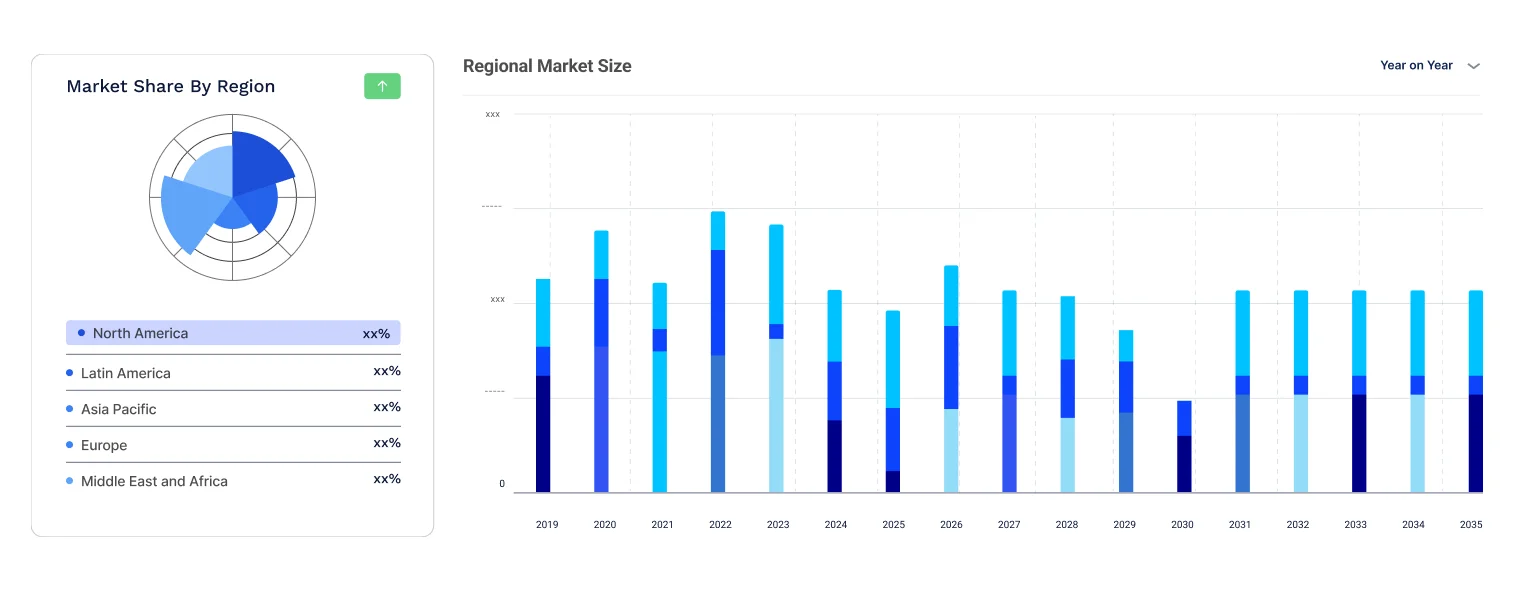
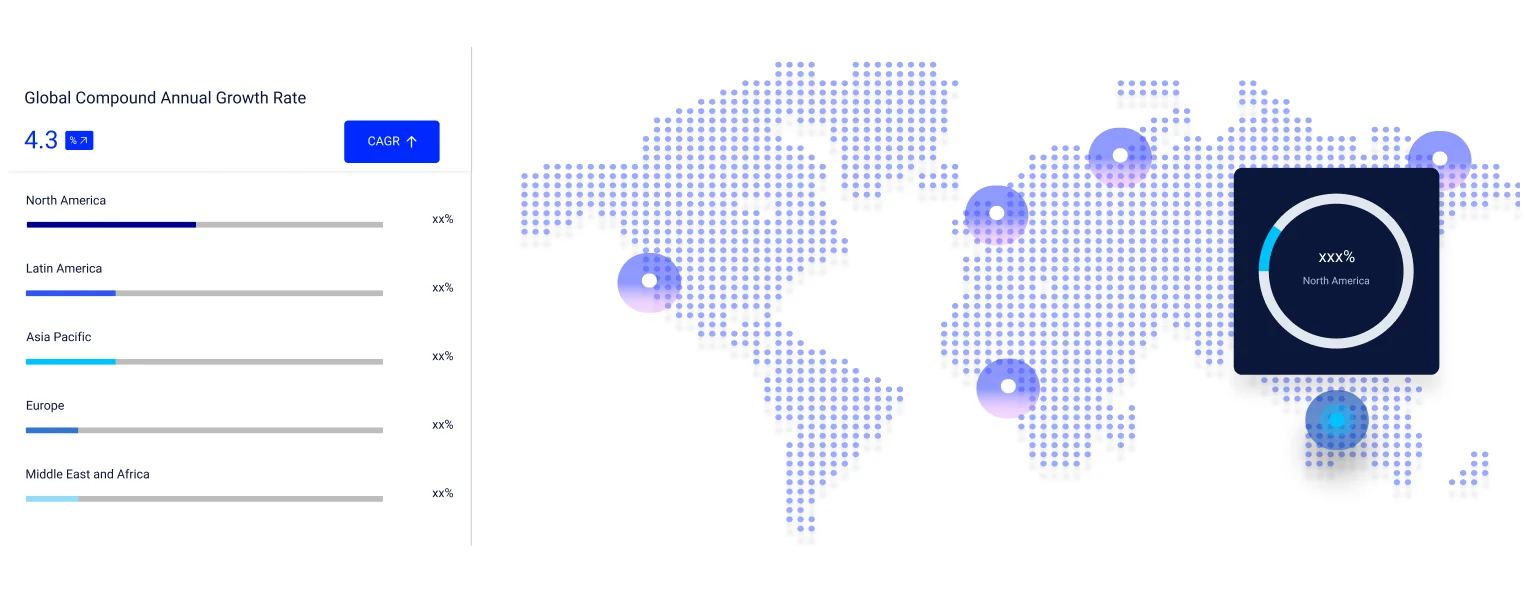
North America secures the dominant position of the market due to high spending and organized retail
North America leads the global furniture and home goods industry due to high per-household furniture spend and strong organized retail penetration. Buyers favor branded products with financing options and extended warranties. Manufacturers focus on comfort-driven design and premium finishes. Commercial demand from offices, hospitality, and rental housing sustains volumes. Players are capitalizing on this region-specify trend for capturing greater footprint in the global market. For example, in April 2025, the Singapore-founded furniture brand launched its online storefront and full product lineup to Toronto, Vancouver, Edmonton, and Calgary, in Canada.
The continuous growth of the furniture and home goods market in Asia Pacific is led by urban housing expansion and rising disposable incomes. Compact living drives demand for modular and multifunctional furniture. Developers increasingly specify furniture packages for mid-income housing. Manufacturers are responding to this trend by localizing designs to suit regional layouts and usage habits rather than relying on global SKUs. In October 2024, Nilkamal announced the launch of 60 new Nilkamal Homes, a retail initiative dedicated to elevated home furniture and decor in India.
Competition in the global market is increasingly shaped by product intelligence rather than scale alone. Leading furniture and home good companies are prioritizing modular engineering, circular design, and digital configuration tools to secure long-term B2B contracts. Enterprise buyers now evaluate vendors on lifecycle cost, delivery predictability, and customization speed. This pushes manufacturers to invest in standardized platforms that can still support localized design changes. Opportunities are emerging in furniture-as-a-service models, smart workplace furniture, and contract-driven residential supply tied to build-to-rent and co-living projects.
Furniture and home goods market players with in-house design labs, regional assembly capabilities, and strong material sourcing networks are better positioned over the forecast period. As procurement teams seek fewer but deeper supplier relationships, competitive advantage is shifting toward players that can integrate design, manufacturing, logistics, and after-sales service into a single, reliable offering.
Founded in 1943 and headquartered in Sweden, Netherlands, IKEA operates one of the world’s most integrated furniture ecosystems. The company caters to both consumers and institutional buyers through modular, flat-pack furniture designed for scalability. IKEA’s focus is on circular products, standardized components, and furniture subscription pilots for businesses.
Established in 1905 and headquartered in Zeeland, Michigan, United States, Herman Miller serves the premium commercial furniture segment. The company specializes in ergonomically advanced seating, desks, and collaborative workspace systems. Its product development centers on research-backed comfort and long-term durability. Herman Miller caters to corporate offices, healthcare facilities, and educational institutions.
Founded in 1912 and headquartered in Grand Rapids, Michigan, United States, Steelcase focuses on workplace furniture and integrated space solutions. The company supports large enterprises through research-driven design that adapts to evolving work patterns. Its offerings combine furniture with spatial planning insights, helping clients optimize real estate usage.
Founded in 1944 and headquartered in Muscatine, Iowa, United States, HNI Corporation operates across office furniture and residential hearth products. The company caters to mid-market commercial buyers and institutional clients through brands focused on value-driven performance. HNI emphasizes manufacturing efficiency, private-label partnerships, and regional distribution strength.
*Please note that this is only a partial list; the complete list of key players is available in the full report. Additionally, the list of key players can be customized to better suit your needs.*
Other key players in the market include Home Centre, Ashley Furniture Industries, Duff & Phelps, Wayfair LLC, Pottery Barn, and Dedon GmbH.
Unlock the latest insights with our furniture and home goods market trends 2026 report. Discover regional growth patterns, consumer preferences, and key industry players. Stay ahead of competition with trusted data and expert analysis. Download your free sample report today and drive informed decisions in the market.


Upto 15% Off
USD
$2999 $2699
$4399 $3959
$5599 $4759
$6659 $5660


*While we strive to always give you current and accurate information, the numbers depicted on the website are indicative and may differ from the actual numbers in the main report. At Expert Market Research, we aim to bring you the latest insights and trends in the market. Using our analyses and forecasts, stakeholders can understand the market dynamics, navigate challenges, and capitalize on opportunities to make data-driven strategic decisions.*
In 2025, the market reached an approximate value of USD 609.35 Billion.
The market is projected to grow at a CAGR of 5.60% between 2026 and 2035.
The market is estimated to witness a healthy growth in the forecast period of 2026-2035 to reach a value of around USD 1050.77 Billion by 2035.
Investing in modular platforms, strengthening regional assembly, integrating digital visualization tools, forming long-term developer partnerships, and optimizing material sourcing are helping stakeholders improve margins and contract stability.
The key trends aiding the market expansion include the growing investments in product marketing, increasing sales through e-commerce platforms, and growing preference for furniture and home goods made from sustainable materials.
The major regions covered in the report are North America, Europe, the Asia Pacific, Latin America, and the Middle East and Africa.
Wooden, plastics and polyurethane, fibres, metal, and stone, clay, and melamine, among others are the different material types used in the market.
The key players in the market include IKEA Global, Herman Miller Inc., Steelcase Inc., HNI Corporation, Home Centre, Ashley Furniture Industries, Duff & Phelps, Wayfair LLC, Pottery Barn, and Dedon GmbH.
Rising material costs, logistics volatility, demand forecasting uncertainty, and pressure to shorten lead times while maintaining customization flexibility remain persistent challenges across residential and commercial furniture supply chains.
Explore our key highlights of the report and gain a concise overview of key findings, trends, and actionable insights that will empower your strategic decisions.
| REPORT FEATURES | DETAILS |
| Base Year | 2025 |
| Historical Period | 2019-2025 |
| Forecast Period | 2026-2035 |
| Scope of the Report |
Historical and Forecast Trends, Industry Drivers and Constraints, Historical and Forecast Market Analysis by Segment:
|
| Breakup by Type |
|
| Breakup by Material Type |
|
| Breakup by Application |
|
| Breakup by Distribution Channel |
|
| Breakup by Region |
|
| Market Dynamics |
|
| Competitive Landscape |
|
| Companies Covered |
|
Datasheet
One User
USD 2,999
USD 2,699
tax inclusive*
Single User License
One User
USD 4,399
USD 3,959
tax inclusive*
Five User License
Five User
USD 5,599
USD 4,759
tax inclusive*
Corporate License
Unlimited Users
USD 6,659
USD 5,660
tax inclusive*
*Please note that the prices mentioned below are starting prices for each bundle type. Kindly contact our team for further details.*
Flash Bundle
Small Business Bundle
Growth Bundle
Enterprise Bundle
*Please note that the prices mentioned below are starting prices for each bundle type. Kindly contact our team for further details.*
Flash Bundle
Number of Reports: 3
20%
tax inclusive*
Small Business Bundle
Number of Reports: 5
25%
tax inclusive*
Growth Bundle
Number of Reports: 8
30%
tax inclusive*
Enterprise Bundle
Number of Reports: 10
35%
tax inclusive*
How To Order

Select License Type
Choose the right license for your needs and access rights.

Click on ‘Buy Now’
Add the report to your cart with one click and proceed to register.

Select Mode of Payment
Choose a payment option for a secure checkout. You will be redirected accordingly.
Strategic Solutions for Informed Decision-Making
Gain insights to stay ahead and seize opportunities.

Get insights & trends for a competitive edge.

Track prices with detailed trend reports.

Analyse trade data for supply chain insights.

Leverage cost reports for smart savings

Enhance supply chain with partnerships.

Connect For More Information
Our expert team of analysts will offer full support and resolve any queries regarding the report, before and after the purchase.
Our expert team of analysts will offer full support and resolve any queries regarding the report, before and after the purchase.
We employ meticulous research methods, blending advanced analytics and expert insights to deliver accurate, actionable industry intelligence, staying ahead of competitors.
Our skilled analysts offer unparalleled competitive advantage with detailed insights on current and emerging markets, ensuring your strategic edge.
We offer an in-depth yet simplified presentation of industry insights and analysis to meet your specific requirements effectively.




