

Consumer Insights
Uncover trends and behaviors shaping consumer choices today
Procurement Insights
Optimize your sourcing strategy with key market data
Industry Stats
Stay ahead with the latest trends and market analysis.
The Germany luxury goods market attained a value of USD 17.58 Billion in 2025 and is projected to expand at a CAGR of 4.20% through 2035. The market is further expected to achieve USD 26.53 Billion by 2035. Germany's luxury market is increasingly supported by the intersection of high-value purchasing and product longevity. In 2025, German jewelers generated EUR 5.37 billion from watches and jewelry despite lower unit volumes, as higher average prices compensated for fewer transactions. This indicates an opportunity for luxury companies to emphasize craftsmanship, material value, durability, authentication and after-sales services rather than relying solely on higher purchase frequency.
One important catalyst is the increasing ability of German luxury retailers to blend their physical presence with their digitally driven purchasing experience. German e-commerce merchandise sales have grown to EUR 83.1 billion in 2025, up by 3.2% compared to previous year, whereas fashion and footwear spending via the online distribution channels has increased by 3.5% reaching EUR 19.21 billion. Thus, the digital acquisition channel for premium brands continues to expand while still keeping the importance of physical boutique for high-value transactions. A second catalyst is the resilience of value-oriented luxury purchasing. German jewelry and watch sales increased 2.1% in 2025 even though unit sales declined, demonstrating that customers were purchasing fewer items but accepting higher average prices. Luxury companies can capitalize on this pattern through limited editions, high-value materials, personalization and product-service ecosystems that reinforce perceived lifetime value, thereby boosting the Germany luxury goods market value.
Refillable fragrance packaging is one of the latest product innovations that have gained significance in the luxury goods industry of Germany, especially among luxury beauty brands trying to strike a balance between sustainability and convenience. For instance, CHANEL offers refill formats of selected fragrances such as GABRIELLE CHANEL ESSENCE where one can fill in the fragrance without changing the original bottle. Similarly, Dior has refill formats of Sauvage Eau de Toilette and selected other fragrances. Thus, luxury brands get the opportunity to use fewer packaging solutions that are disposable and still keep their distinct bottle packaging and presentations intact. Moreover, refillable formats of fragrances might help to develop loyalty for specific products among customers.
However, the increase in EU regulation requirements related to product durability, reparability, resource efficiency, and product information might become a challenge for luxury brands in Germany in terms of increased compliance costs and complexity in their supply chain. Brands would need to gather more data from suppliers and make some changes to product development and documentation procedures. These compliance issues can be solved if the company incorporates its sustainability requirements into the process of product design and does not consider compliance as something that should be done only in later phases. It is necessary to set up standardised data systems, perform material traceability, and develop products that will be easily repairable. Luxury brands can also work closely with European suppliers and specialised technology providers to improve documentation accuracy while maintaining craftsmanship, product quality, and brand-specific design standards, thereby boosting the Germany luxury goods market developments.
Compound Annual Growth Rate
4.2%
Value in USD Billion
2026-2035
Read more about this report - REQUEST FREE SAMPLE COPY IN PDF
CHANEL expanded its fragrance offering in 2026 with products including COCO MADEMOISELLE CRUSH ABSOLU and new GABRIELLE CHANEL ESSENCE refillable formats. The latter includes a limited-edition purse spray featuring a gold-toned case and double-chain strap, designed to be worn like jewellery. CHANEL’s current new-arrivals portfolio also includes BLEU DE CHANEL L’EXCLUSIF and CHANCE EAU FRAÎCHE Hair and Body Oil. These launches broaden the house’s premium fragrance proposition while adding portable, refillable and complementary formats that encourage engagement beyond traditional perfume purchases.
Tiffany & Co. unveiled the summer phase of its 2026 Blue Book collection at a private gala on 1 June 2026. Designed by Nathalie Verdeille, the collection draws on nature through coloured gemstones, fluid forms and intricate diamond-set details. The summer chapter forms part of a three-phase Blue Book programme spanning spring, summer and fall. Tiffany says the collection demonstrates its high-jewellery craftsmanship and ability to translate natural forms into expressive designs, providing German luxury retailers with opportunities to showcase highly differentiated, gemstone-focused pieces.
Hermès reopened its redesigned and expanded Berlin Kurfürstendamm house on 21 May 2026. Originally opened in 1999, the store now brings all 16 of the Maison’s métiers together within a historic Gründerzeit building. Designed by Paris-based RDAI, the interiors incorporate locally crafted furniture, original stucco elements and woven leather remnants from Hermès workshops. The reopening strengthens the brand’s physical presence in Berlin while combining local architectural references with its broader luxury portfolio, creating a more immersive environment for German customers.
Rolex introduced its 2026 watch collection in 2026, presenting 56 new models across its portfolio. The releases include new Oyster Perpetual, Datejust and Yacht-Master II models alongside exceptional timepieces. Rolex highlights materials science, dial-making artistry and horological performance as key elements of the new collection, with the watches carrying its Superlative Chronometer certification. New combinations include Oystersteel with gold, yellow gold, Everose gold and distinctive dial treatments. The expanded assortment gives German luxury-watch retailers additional high-end products across classic and professional collections.
The European Commission launched the Digital Product Passport Registry on 20 July 2026, providing the technical infrastructure for registering product identifiers and associated metadata across the EU market. Textile apparel is explicitly included among the priority product groups under the 2025-2030 ESPR Working Plan. For German luxury brands, this creates a need to connect product information across sourcing, manufacturing and after-sales systems. Gucci already provides a relevant industry example: its Circular Hub assigns digital product identification to products to support traceability from raw materials through manufacturing, alongside care and repair information.
German jewellery businesses are increasingly operating in an environment where maintaining value per customer is important. A useful indicator comes from Germany’s 2025 jewellery and watch trade, where the German Association of Jewellery, Watches, Silverware and Related Industries reported that jewellery sales reached €4.12 billion, while watches generated €1.25 billion. Rather than relying solely on transaction frequency, luxury houses can strengthen premiumisation through distinctive materials, craftsmanship, provenance and specialised services. Rolex and other high-end watchmakers can use servicing and authentication capabilities to reinforce long-term ownership, while jewellery houses can develop appointment-based selling around bespoke pieces, bridal jewellery and high-value collections.
German consumers are increasingly using digital channels to discover and purchase fashion, creating opportunities for luxury brands to connect online browsing with physical retail. BTE reported that online shoe expenditure increased 5.8% in Q1 2025 and 7.6% in Q2 2025, indicating continued movement toward digital purchasing within a premium-relevant category. Luxury houses can use this behaviour to improve product discovery through detailed imagery, virtual consultations, availability information and appointment booking rather than treating e-commerce purely as a transaction channel. Chanel, for example, allows customers to book appointments with fashion advisors at its Munich boutique, linking digital planning with personalized in-store service, thus boosting the Germany luxury goods market dynamics and trends.
Germany’s fashion-retail structure is becoming more concentrated, creating implications for luxury brands seeking efficient physical distribution. BTE reported that companies generating more than €100 million in net sales increased from 39 to 44 businesses between 2022 and 2023, while their combined sales grew 7.2% during the period. For luxury operators, this makes relationships with established premium retailers, department stores and specialist groups increasingly relevant. Brands can also differentiate their own boutiques through high-touch services rather than relying exclusively on wholesale reach. Hermès, for instance, operates boutiques in German locations including Berlin, Munich, Hamburg, Frankfurt Airport and Stuttgart, giving the brand direct control over customer presentation and service.
Sustainability requirements are increasingly affecting how luxury products are designed, sold and managed after purchase. The European Commission's 2025-2030 ESPR Working Plan places textiles, particularly apparel, among its priority product groups, while new EU measures adopted in February 2026 address the destruction of unsold apparel, accessories and footwear. The Commission estimates that 4-9% of unsold textiles in Europe are destroyed before being worn. Luxury companies can respond through controlled production, repair, resale and product-life extension. Chanel's German boutiques already offer CHANEL & moi, covering care, repair and alteration services, while Gucci provides care and repair services as part of its circularity approach.
The Expert Market Research’s report titled "Germany Luxury Goods Market Report and Forecast 2026-2035” offers a detailed analysis of the market based on the following segments:
Market Breakup by Product Type
Key Insight: Watches and jewelry, perfumes and cosmetics, clothing, bags/purses and other luxury products are increasingly developing as interconnected rather than isolated purchasing categories. Jewelry and watches benefit from Germany's willingness to allocate spending toward high-value, durable products, while perfumes and cosmetics provide more accessible entry points into prestige brands. Clothing and bags remain central to brand identity and visual recognition, whereas other categories can extend luxury houses into lifestyle, accessories and collectible products. The most effective B2B strategies therefore involve cross-category merchandising, coordinated launches and customer-data integration. Retailers can increase basket value by connecting fragrance, accessories and fashion while using flagship stores to showcase complete brand ecosystems.
Market Breakup by End Use
Key Insight: Women and men represent increasingly complementary customer pools across Germany's luxury goods industry. Women's purchasing remains deeply connected to jewelry, handbags, cosmetics, fragrance and fashion, creating opportunities for multi-category customer journeys. Men's luxury demand increasingly spans watches, tailoring, leather goods, fragrance, footwear and accessories, expanding the addressable assortment beyond traditional menswear. Luxury companies can improve performance by reducing rigid category segmentation and instead developing client profiles around lifestyle, occasion and purchasing history. Retailers should also design gender-neutral discovery environments where appropriate, particularly for watches, fragrance, accessories and jewelry, while retaining targeted product recommendations and personalized services.
Market Breakup by Distribution Channel
Key Insight: Offline and online channels are increasingly complementary in Germany's luxury goods market. Physical stores retain a strategic role because luxury purchases often require tactile evaluation, expert consultation, appointment-based selling and brand immersion. Online channels, meanwhile, provide discovery, replenishment and access to broader product assortments. German merchandise e-commerce reached EUR 83.1 billion in 2025, growing 3.2%, while online fashion and footwear sales rose 3.5%. This makes omnichannel integration increasingly important for luxury operators. Companies should synchronize product availability, customer profiles, appointment booking, after-sales services and digital content so that customers can move seamlessly between online research and physical purchasing, thus driving the demand in the Germany luxury goods market.
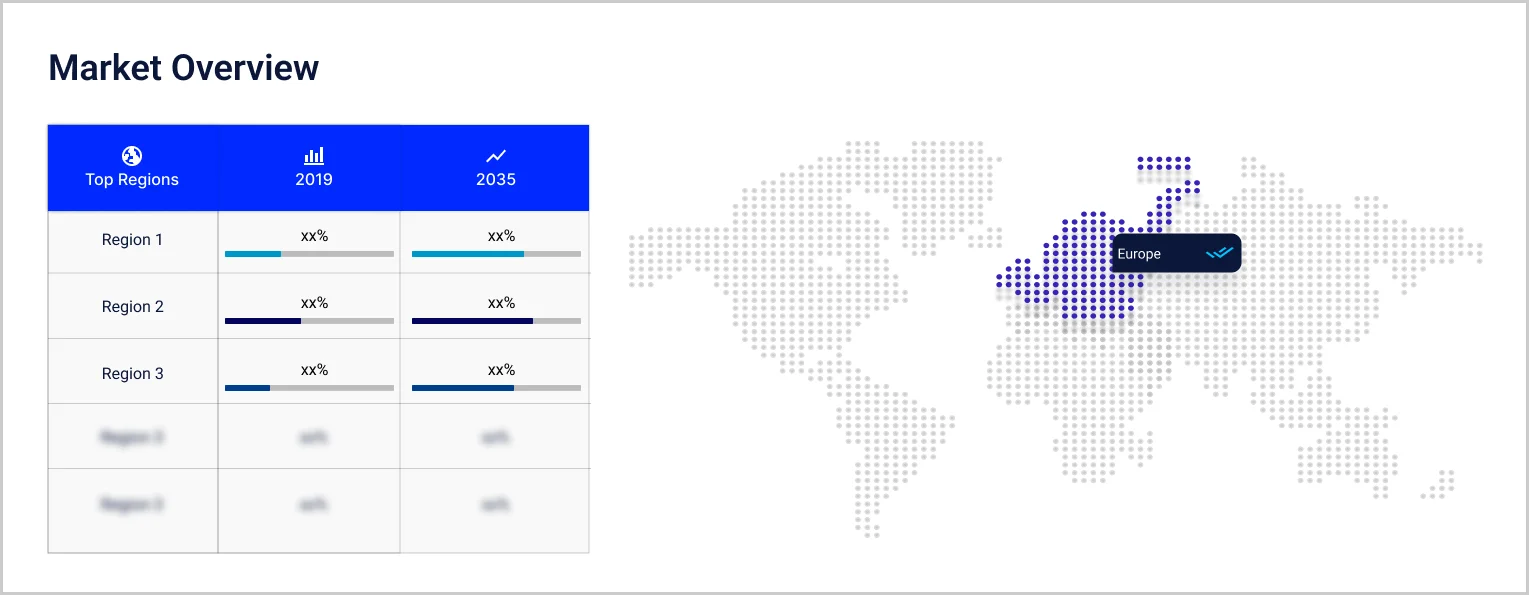
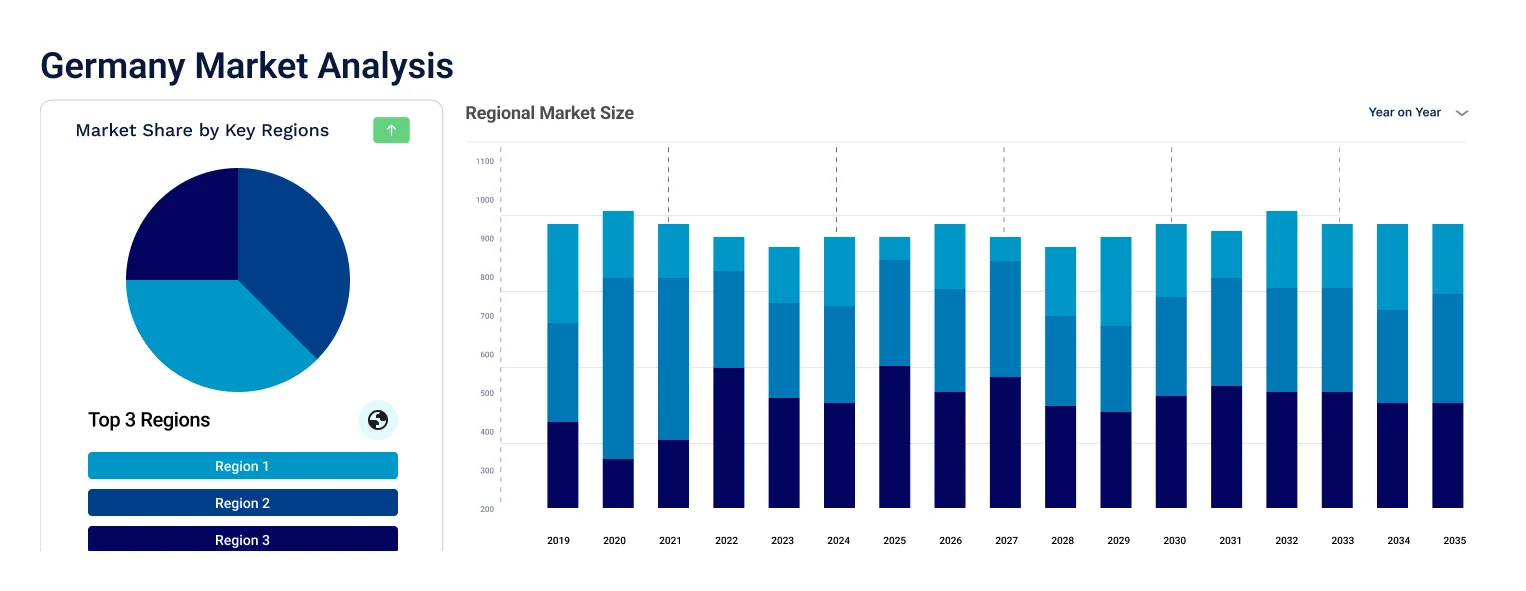
Market Breakup by Region
Key Insight: North Rhine-Westphalia, Bavaria, and Baden-Württemberg are gaining traction through concentrated luxury retail ecosystems and strong city-level brand presence. In North Rhine-Westphalia, Düsseldorf’s Königsallee hosts flagship stores of Prada, Gucci, Hermès, Chanel, Dior, and Louis Vuitton, strengthening the region’s appeal for international luxury shopping. Bavaria benefits from Munich’s Maximilianstraße, where international fashion, jewellery, and watch houses operate alongside premium hospitality and cultural destinations. Baden-Württemberg is supported by Stuttgart’s established premium retail environment and its concentration of affluent-oriented fashion, automotive, jewellery, and lifestyle businesses, providing luxury brands with opportunities to connect premium consumption with the region’s broader high-end economic ecosystem.
Read more about this report - REQUEST FREE SAMPLE COPY IN PDF
By type, watches and jewellery are anticipated to dominate due to high-value purchasing
Watches and jewellery are anticipated to remain the dominant product category because Germany has a sizeable specialist retail infrastructure and demonstrated resilient value growth. BVJ reported EUR 5.37 billion in German consumer sales from watches and jewelry in 2025, including EUR 4.12 billion from jewelry and EUR 1.25 billion from watches. The category grew 2.1% despite declining unit volumes, indicating strong average-value realization. For luxury companies, the segment supports premium pricing, limited editions, authentication services and long-term ownership models. Such developments will thus boost Germany luxury goods market trends in the long run.
Perfumes and cosmetics represent a high-frequency luxury entry point with greater potential for repeat purchasing than many durable categories. Destatis reported that German retail sales of pharmaceutical, cosmetic and medical products increased 3.4% in real terms during January-November 2025, while nominal sales rose 5.5%. Luxury beauty companies can build on this momentum through premium skincare, refill systems, fragrance layering, personalized consultations and exclusive boutique assortments.
By end use, women are anticipated to dominate due to broad multi-category luxury demand
Women are anticipated to remain the dominant end-use segment, supported by the broader range of luxury categories marketed to female consumers, including fashion, handbags, jewellery, beauty and fragrance. In 2025, Germany had an estimated 7.78 million luxury-oriented consumers, based on an Allensbach survey covering 2,703 respondents. Luxury fashion is also a significant component of Germany’s luxury-goods sales mix, with clothing, footwear, leather accessories, watches, jewellery and cosmetics forming the tracked market categories. This breadth enables brands to connect multiple purchases through clienteling and cross-category offerings.
Men represent a rapidly developing opportunity as luxury houses broaden their assortments across watches, tailoring, leather goods, footwear, fragrance and accessories. Germany’s overall retail market recorded 2.4% real growth in 2025, while internet and mail-order retail increased by 10.8% during January-November 2025, supporting greater digital access to premium and luxury products. Luxury brands with established menswear and watch portfolios can leverage this channel expansion alongside dedicated men's collections, personalised digital services and exclusive product launches to deepen engagement and encourage higher-value purchases.
By distribution channel, offline is anticipated to dominate due to experiential luxury retail
Offline retail is anticipated to remain dominant because luxury purchasing depends heavily on controlled brand environments, expert consultations and physical product interaction. This is particularly relevant for jewelry, watches, handbags and high-end fashion where fit, material quality and craftsmanship can materially influence purchasing decisions. Major luxury houses continue to invest in premium physical environments, while German retail structures remain concentrated around established operators and prominent urban shopping locations. The channel therefore remains critical for clienteling, private appointments, product demonstrations and after-sales relationship management, thereby shaping the demand in the Germany luxury goods market.
Online is anticipated to be the fastest-growing distribution channel, supported by Germany's broader digital-commerce expansion. Merchandise e-commerce reached EUR 83.1 billion in 2025, representing 3.2% growth, while the online fashion cluster reached EUR 19.21 billion. Luxury companies can use this channel for discovery, limited digital releases, replenishment and personalized communication, while connecting online customers to boutiques for high-value purchases.
By region, Bavaria dominates through Munich’s concentrated luxury retail and flagship-store ecosystem
Bavaria is the dominant region in Germany’s luxury goods market, supported by Munich’s highly concentrated luxury ecosystem. Maximilianstraße continues to attract international fashion and jewellery houses, including Armani, Gucci, Louis Vuitton, Cartier, and Chanel. Recent luxury-retail expansion has further strengthened Munich’s position, with one new luxury-store opening recorded on Maximilianstraße in 2025. The combination of premium retail, high-end hospitality, cultural attractions, and established international brands is deepening Munich’s role as a destination for luxury fashion, watches, jewellery, and accessories, thereby directly boosting the Germany luxury goods market regional growth.
Baden-Württemberg is showing faster momentum through new luxury-brand retail investment in Stuttgart. In August 2025, Panerai opened its first Stuttgart boutique in partnership with Gerhard D. Wempe, expanding its German distribution network and introducing a dedicated customer-experience space focused on the brand’s watchmaking heritage and technical innovations. The opening demonstrates how Stuttgart is attracting specialised luxury players beyond traditional fashion retail, particularly in high-end watches. This growing presence is adding new luxury categories and strengthening the region’s premium retail proposition.
Leading Germany luxury goods market players are aiming to strengthen growth by combining brand exclusivity with broader consumer engagement. Companies are expanding omnichannel retail, improving digital shopping experiences, and using personalised services to build stronger relationships with affluent and younger consumers. Investments in limited-edition collections, exclusive collaborations, experiential retail, and premium customer services are being used to reinforce brand desirability while encouraging repeat purchases. Luxury houses are also strengthening their presence across fragrances, beauty, accessories, watches, and jewellery to increase customer spending across complementary categories.
Germany luxury goods companies are focusing on sustainability, product innovation, and market-specific positioning. Greater use of traceable materials, responsible sourcing, durable product design, and transparent production practices can support changing consumer expectations in Germany. Companies are also leveraging social media, digital storytelling, and influencer partnerships to communicate craftsmanship and heritage to new audiences. Maintaining scarcity and premium pricing while selectively expanding distribution remains important for protecting luxury positioning and supporting long-term revenue growth.
Founded in 1910 by Gabrielle Chanel, Chanel Limited is headquartered in Paris, France and operates as a global luxury house with a strong presence in Germany. Its luxury offerings include haute couture, ready-to-wear, handbags, footwear, watches, fine jewellery, eyewear, fragrances, makeup, and skincare. Its key differentiator is its integrated luxury portfolio, combining fashion, beauty, and accessories under a highly recognisable brand identity. Chanel’s fragrance and beauty collections complement its fashion proposition, while its handbags, watches, and jewellery reinforce its positioning across Germany’s premium luxury consumer market.
Founded in 1963 by François Pinault, Kering SA is headquartered in Paris, France and operates a portfolio of luxury houses serving consumers in Germany. Its luxury offerings span fashion, handbags, footwear, jewellery, watches, eyewear, and beauty through brands including Gucci, Saint Laurent, Bottega Veneta, Balenciaga, Alexander McQueen, Brioni, Boucheron, and Pomellato. Its key differentiator is its multi-brand luxury platform, enabling it to address diverse consumer preferences across categories. The individual houses maintain distinct creative identities while benefiting from Kering’s broader expertise in luxury brand development and retail.
Founded in 1905 by Hans Wilsdorf, Rolex SA is headquartered in Geneva, Switzerland and offers its luxury timepieces to consumers in Germany through its established retail network. Its product portfolio includes Oyster Perpetual, Datejust, Day-Date, Submariner, GMT-Master II, Cosmograph Daytona, and Sky-Dweller watches. Its key differentiator is its focus on precision, mechanical watchmaking, durability, and long-standing Swiss craftsmanship. Rolex combines technical performance with distinctive designs and brand heritage, while its authorised retail and servicing infrastructure supports the ownership experience for German luxury-watch consumers.
Founded in 1975 by Giorgio Armani, Giorgio Armani S.p.A. is headquartered in Milan, Italy and offers a comprehensive luxury portfolio in Germany. Its offerings include men’s and women’s ready-to-wear, tailored clothing, handbags, footwear, accessories, eyewear, watches, jewellery, fragrances, and beauty products. Its key differentiator is its distinctive Italian design philosophy, characterised by refined tailoring and understated sophistication. The company extends this aesthetic across fashion and lifestyle categories, enabling Armani to serve German consumers seeking coordinated luxury products spanning apparel, accessories, fragrances, and other premium lifestyle offerings.
Other key players in the Germany luxury goods market include Ralph Lauren Corporation, Hermès International S.A., Prada SpA, VALENTINO S.p.A., Tiffany & Co., and Estee Lauder Inc., among others.
*Please note that this is only a partial list; the complete list of key players is available in the full report. Additionally, the list of key players can be customized to better suit your needs.*
Access the Expert Market Research report to understand the Germany Luxury Goods Market Size, competitive environment and emerging Germany Luxury Goods Market trends 2026. The report provides a structured assessment of demand patterns, product categories, distribution channels, regional opportunities and leading companies. Download the sample to explore the Germany Luxury Goods Market forecast 2026-2035 and identify commercially relevant opportunities for expansion, positioning and investment.
Philippines Luxury Goods Market


Upto 15% Off
USD
$2499 $2249
$3999 $3599
$4999 $4249
$5999 $5099


*While we strive to always give you current and accurate information, the numbers depicted on the website are indicative and may differ from the actual numbers in the main report. At Expert Market Research, we aim to bring you the latest insights and trends in the market. Using our analyses and forecasts, stakeholders can understand the market dynamics, navigate challenges, and capitalize on opportunities to make data-driven strategic decisions.*
In 2025, the market reached an approximate value of USD 17.58 Billion.
The market is projected to grow at a CAGR of 4.20% between 2026 and 2035.
The luxury goods market in Germany is estimated to witness a healthy growth during 2026-2035 to reach around USD 26.53 Billion by 2035.
Key strategies driving the Germany luxury goods market include strengthening omnichannel retail, expanding e-commerce, personalising customer experiences, investing in sustainable materials and production, introducing limited-edition collections, enhancing brand storytelling, targeting affluent younger consumers, and expanding premium services to reinforce exclusivity and customer loyalty.
The key trends aiding the market include the trend towards sustainable and ethical consumption, the growth of online shopping platforms, and the growing interest in vintage watches.
Regions considered in the market are North Rhine-Westphalia, Bavaria, and Baden-Württemberg.
Based on product type, market segmentations include watches and jewellery, perfumes and cosmetics, clothing, and bags/purse, among others.
Different distribution channels are offline and online.
Key players in the market are Chanel Limited, Kering SA, Rolex SA, Giorgio Armani S.p.A., Ralph Lauren Corporation, Hermès International S.A., Prada SpA, VALENTINO S.p.A., Tiffany & Co., and Estee Lauder Inc., among others.
Key challenges in the Germany luxury goods market include inflation-driven shifts in consumer spending, changing luxury preferences, counterfeit products, supply-chain disruptions, stringent sustainability regulations, rising production costs, and increasing pressure to maintain exclusivity while expanding digital and omnichannel retail experiences.
Explore our key highlights of the report and gain a concise overview of key findings, trends, and actionable insights that will empower your strategic decisions.
| REPORT FEATURES | DETAILS |
| Base Year | 2025 |
| Historical Period | 2019-2025 |
| Forecast Period | 2026-2035 |
| Scope of the Report |
Historical and Forecast Trends, Industry Drivers and Constraints, Historical and Forecast Market Analysis by Segment:
|
| Breakup by Product Type |
|
| Breakup by End Use |
|
| Breakup by Distribution Channel |
|
| Breakup by Region |
|
| Market Dynamics |
|
| Competitive Landscape |
|
| Companies Covered |
|
Datasheet
One User
USD 2,499
USD 2,249
tax inclusive*
Single User License
One User
USD 3,999
USD 3,599
tax inclusive*
Five User License
Five User
USD 4,999
USD 4,249
tax inclusive*
Corporate License
Unlimited Users
USD 5,999
USD 5,099
tax inclusive*
*Please note that the prices mentioned below are starting prices for each bundle type. Kindly contact our team for further details.*
Flash Bundle
Small Business Bundle
Growth Bundle
Enterprise Bundle
*Please note that the prices mentioned below are starting prices for each bundle type. Kindly contact our team for further details.*
Flash Bundle
Number of Reports: 3
20%
tax inclusive*
Small Business Bundle
Number of Reports: 5
25%
tax inclusive*
Growth Bundle
Number of Reports: 8
30%
tax inclusive*
Enterprise Bundle
Number of Reports: 10
35%
tax inclusive*
How To Order

Select License Type
Choose the right license for your needs and access rights.

Click on ‘Buy Now’
Add the report to your cart with one click and proceed to register.

Select Mode of Payment
Choose a payment option for a secure checkout. You will be redirected accordingly.
Strategic Solutions for Informed Decision-Making
Gain insights to stay ahead and seize opportunities.

Get insights & trends for a competitive edge.

Track prices with detailed trend reports.

Analyse trade data for supply chain insights.

Leverage cost reports for smart savings

Enhance supply chain with partnerships.

Connect For More Information
Our expert team of analysts will offer full support and resolve any queries regarding the report, before and after the purchase.
Our expert team of analysts will offer full support and resolve any queries regarding the report, before and after the purchase.
We employ meticulous research methods, blending advanced analytics and expert insights to deliver accurate, actionable industry intelligence, staying ahead of competitors.
Our skilled analysts offer unparalleled competitive advantage with detailed insights on current and emerging markets, ensuring your strategic edge.
We offer an in-depth yet simplified presentation of industry insights and analysis to meet your specific requirements effectively.




