

Consumer Insights
Uncover trends and behaviors shaping consumer choices today
Procurement Insights
Optimize your sourcing strategy with key market data
Industry Stats
Stay ahead with the latest trends and market analysis.
The global high temperature insulation market attained a value of USD 5.74 Billion in 2025 and is projected to expand at a CAGR of 6.50% through 2035. The market is further expected to reach USD 10.77 Billion by 2035. Rising demand from steel, cement, glass, and petrochemical plants for ceramic fibre, insulating firebrick, and calcium silicate products is supporting steady growth across industrial manufacturing facilities worldwide.
The high temperature insulation market covers materials engineered to limit heat transfer and protect structural components in furnaces, kilns, boilers, and reactors operating at several hundred degrees Celsius. Ceramic fibre, insulating firebrick, and calcium silicate products form the core of this market, serving industries that depend on continuous thermal processing. Adoption spans primary metal production, cement and glass manufacturing, petrochemical refining, and powder metallurgy, where lining integrity directly affects fuel consumption and equipment life. Manufacturers continue to refine fibre chemistry, board density, and brick porosity to improve thermal efficiency while meeting occupational exposure limits that apply across these industries. Demand growth is closely tied to capital spending on new furnace capacity and the relining of ageing industrial infrastructure worldwide.
Demand is concentrating around established refractory and insulation producers that supply furnace linings to steel, cement, and glass plants on a recurring basis. Many of these manufacturers are reporting stronger order books as capital spending on furnace relining and new capacity recovers across Asia and Europe. In July 2025, Krosaki Harima Corporation raised its full year profit and dividend forecasts, citing strong sales of refractory materials and expanding overseas business as the principal drivers behind the improved outlook. Such results point to firm underlying demand for high temperature insulation across heavy industry, even as raw material and energy costs remain a persistent pressure on supplier margins. Installed base growth in emerging manufacturing regions is reinforcing this trend, giving established suppliers a wider base of recurring relining revenue.
Manufacturers across the high temperature insulation market operating in this market are also widening their portfolios through acquisitions and added machining capability alongside organic capacity growth. In April 2025, Chiz Bros, a supplier of refractory and high temperature insulation solutions, completed its acquisition of Advanced Material Science, a maker of thermal and electrical insulation with custom machining capability, to broaden its induction and furnace lining offerings. Such combinations allow suppliers to offer faster turnaround on precision insulation parts alongside standard board and fibre products. Investment of this kind is widening the services attached to core insulation materials, from machining to design support, as buyers increasingly expect suppliers to resolve lining problems directly.
Compound Annual Growth Rate
6.5%
Value in USD Billion
2026-2035
Get a sample of the market report in PDF – REQUEST A FREE SAMPLE
RHI Magnesita is weighing an integrated refractory plant in Egypt after talks with the industry ministry on localizing high temperature insulation output. The move supports efforts to cut imported furnace linings for the steel and cement sectors. A domestic plant would shorten regional supply lines. Localization helps suppliers across the high temperature insulation market secure longer contracts with buyers across the Middle East and Africa regions.
Zaporizhvognetryv, Ukraine's largest refractory maker, shipped more than 390 tons of new refractory products in 2025, including heat insulating mixtures for steel ladles and vibro cast blocks for converters. The company added fifteen new types for mining and steel customers. This strengthens domestic supply during ongoing disruption. Such breadth helps regional steelmakers secure reliable high temperature insulation without distant imports.
RATH Group introduced ULTIFORM, a vacuum formed high temperature insulation product made from polycrystalline wool rated for continuous use up to 1400 degrees Celsius. The product targets laboratory and dental furnaces needing precisely shaped parts instead of full linings. Vacuum forming allows tighter tolerances than cut blanket. Such components let instrument makers across the high temperature insulation market cut heat loss in small, high value equipment.
Monolithisch India completed trial runs on new lines that add 250,000 tonnes of annual unshaped refractory capacity, lifting group total toward 574,000 tonnes by mid-2026. The expansion targets castables used to line furnaces across steel and nonferrous plants. This scale places the company among the largest unshaped refractory producers, giving buyers across the high temperature insulation market more sourcing options for high temperature insulation.
Glass container producers across the high temperature insulation market are now shortening planned furnace rebuilds to limit lost production and reduce idle capacity costs. Rebuilds involve demolishing and reinstalling thousands of tonnes of refractory and high temperature insulation inside each furnace shell, along with cooling and control system upgrades. In October 2025, Beta Glass Plc completed a 48 day rebuild of its DF1 container furnace in Ughelli, Nigeria, replacing more than 2,000 tonnes of refractory and describing the project as a new benchmark for its industry.
Furnace operators across the high temperature insulation market are adopting fast drying refractory systems to cut the time linings needed to reach full operating temperature after relining work is fully completed. Conventional cement bonded linings can take days to dry safely, keeping furnaces offline and raising fuel use during restart. In January 2025, Calderys launched an expanded Fast Dry range, including an aluminium variant able to cover every furnace zone, cutting relining downtime by more than half while lowering emissions tied to the dry out process.
Refineries and petrochemical complexes across the high temperature insulation market are handing more turnaround insulation and inspection work to specialist providers instead of managing it entirely in house on their own. These contracts bundle pipe and tank insulation replacement with corrosion detection beneath cladding, reducing the chance of failures between shutdowns. In July 2025, Bilfinger secured a five-year framework contract worth more than twenty million euros to provide insulation services and digital inspection tools at a major refinery in the Antwerp Rotterdam Amsterdam chemical hub.
Cement makers across the high temperature insulation market are expanding kiln capacity to keep pace with rising construction demand across several emerging markets, a trend that lifts requirements for kiln shell refractory and high temperature insulation able to withstand continuous firing cycles. Capacity additions are also bringing acquisitions of existing grey cement units into larger groups. In July 2025, UltraTech Cement confirmed capital spending of up to one hundred billion rupees for the year, including an organic capacity addition of 28.8 million tonnes across its plants.
Suppliers are steadily broadening calcium silicate pipe and board ranges to serve customers seeking noncombustible, moisture resistant linings for high temperature industrial piping systems worldwide. New entrants are offering customizable shapes such as elbow sleeves and reducers alongside standard straight sections. In March 2026, Shandong Robert New Material promoted calcium silicate pipe coverings rated for continuous service up to 650 degrees Celsius, aimed at power generation, petrochemical, and metallurgy customers needing corrosion resistant, asbestos free insulation for industrial piping.
The Expert Market Research's report titled “Global High Temperature Insulation Market Report and Forecast 2026-2035” offers a detailed analysis of the market based on the following segments:
Market Breakup by Product
Key Insight: Ceramic fibre leads the high temperature insulation market because of its light weight, low thermal mass, and ease of installation in furnace linings, flue systems, and seals across multiple industries. Insulating firebrick continues to serve applications that need rigid, load bearing linings able to withstand mechanical wear inside kilns and heat treatment furnaces. Calcium silicate is gaining share in piping and boiler insulation because it combines noncombustible performance with moisture resistance and straightforward fabrication into pipe covers, boards, and preformed shapes. The others category covers microporous panels, vacuum formed shapes, and mineral wool blends used where space is limited or very low thermal conductivity is required. Together these product types let furnace designers balance weight, durability, and installation cost across different operating temperatures.
Market Breakup by Application
Key Insight: Iron and steel plants account for the largest application share in the high temperature insulation market, since blast furnaces, ladles, and reheating furnaces require continuous lining and refractory replacement across long production campaigns. Petrochemical plants depend on insulation for crackers, reformers, and process piping to control heat loss and protect personnel. Cement kilns and glass furnaces each need linings able to withstand abrasive, continuously fired conditions, while ceramics manufacturing uses similar materials in tunnel and shuttle kilns for tile and sanitaryware firing. Refractory as an application covers general lining and relining services sold across multiple industries. Powder metallurgy and aluminium producers use insulation in sintering and melting furnaces where precise temperature control affects product quality, while the others category includes smaller thermal processing uses such as foundries and laboratory furnaces.
Market Breakup by Region
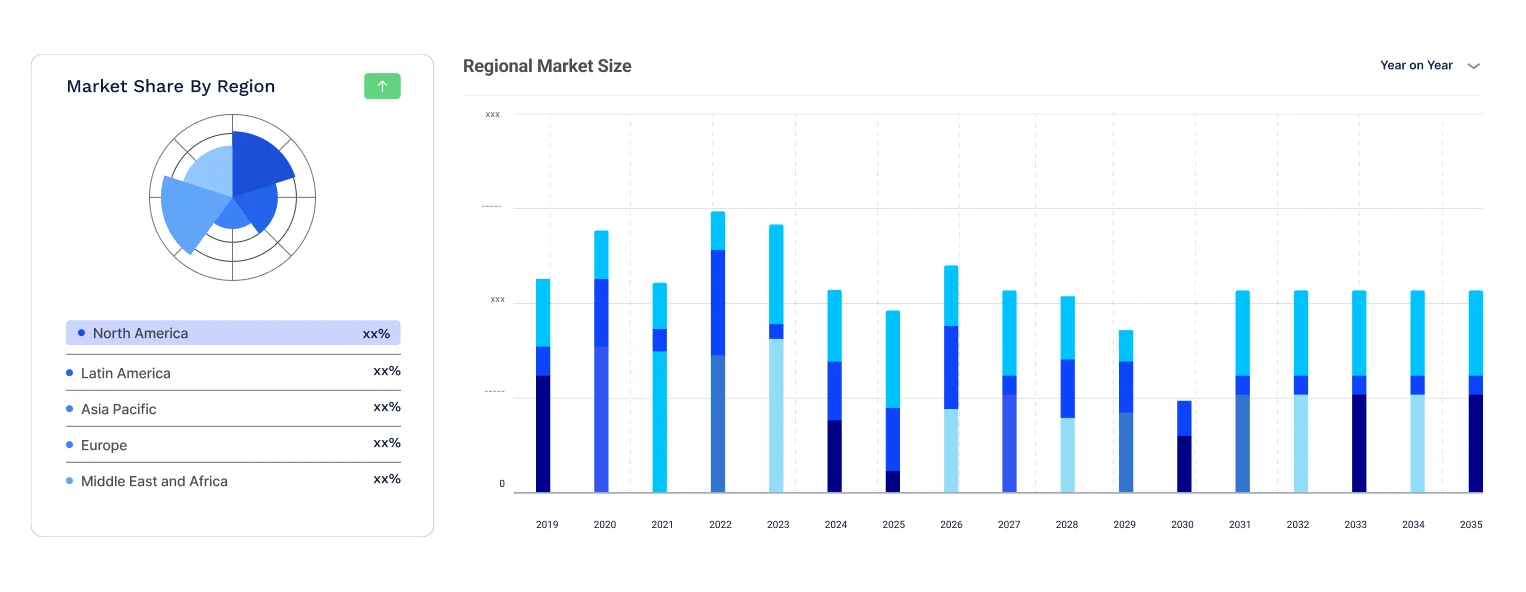
Key Insight: Asia Pacific accounts for the largest regional share in the high temperature insulation market, supported by extensive steel, cement, and glass manufacturing capacity across China, India, and Japan that keeps relining and new furnace demand steady. Europe and North America maintain mature, replacement driven demand tied to aluminium, petrochemical, and specialty glass production. The Middle East and Africa are expanding capacity as governments encourage local production of furnace linings to reduce dependence on imports for steel and cement projects. Latin America is seeing increased furnace investment tied to steelmaking and processing capacity, which is supporting gradual growth in insulation consumption across the region.

Get a sample of the market report in PDF – REQUEST A FREE SAMPLE
Ceramic fibre dominates the market through its light weight and ease of installation across furnace and kiln linings
Ceramic fibre holds the largest product share across the high temperature insulation market because it combines low thermal mass with flexible handling, letting fabricators cut, wrap, and seal modules quickly around irregular furnace shapes. Its low density reduces structural loading on furnace shells compared with brick linings, which matters for mobile and frequently relined equipment. Producers continue to refine fibre chemistry to lower biopersistence while preserving temperature ratings, helping the material keep pace with tightening workplace exposure rules across steel, ceramics, and glass manufacturing operations worldwide.
Calcium silicate is the fastest growing product category across the high temperature insulation market as boiler operators, petrochemical plants, and power utilities replace ageing pipe insulation with noncombustible, moisture resistant board and pipe cover alternatives. Its rigidity suits long straight pipe runs and large flat surfaces where fibre blanket would sag or compress over time. In May 2025, Thermal Pipe Shields opened a fourth fabrication site in Fayetteville, North Carolina, stocking calcium silicate pipe cover to cut delivery times for petrochemical and power plant customers.
Iron and steel production leads to application demand because of its continuous, high volume furnace operating cycles
Iron and steel plants consume the largest total share of insulation demand across the high temperature insulation market because blast furnaces, ladles, and reheating furnaces operate nearly continuously and require periodic relining to maintain thermal efficiency and worker safety across production lines. Integrated mills plan outages around campaign life, timing refractory and insulation replacement closely to minimize lost production time. Capacity expansions and modernization projects across emerging steelmaking regions are adding further lining demand, as new furnaces require full insulation packages instead of partial repair work.
Aluminium production is the fastest growing application as smelters and foundries across the high temperature insulation market adopt advanced dosing and holding furnace linings that cut energy use during melting and casting operations. Fast drying and low wettability insulation systems let operators shorten furnace downtime between full relining campaigns, which matters most for continuous casting schedules. In July 2026, Chongqing Jinjiufeng Aluminum began environmental review for a 10,000 tonne per year secondary aluminium recycling line with new smelting furnaces that will need high temperature insulation packages.
Asia Pacific leads the market through its extensive steel, cement, and glass manufacturing base
Asia Pacific accounts for the largest regional share across the high temperature insulation market, anchored by China, India, and Japan's steel, cement, and glass manufacturing capacity. Dense clusters of integrated mills, cement kilns, and container glass furnaces create steady demand for relining materials across product categories. Domestic refractory and insulation producers across the region continue to add unshaped and shaped capacity, reducing reliance on imported linings. Government support for local manufacturing keeps the region ahead of other global markets in installed volume.
Latin America is the fastest growing regional market in the high temperature insulation market, supported by renewed investment in steelmaking capacity across Brazil and neighbouring countries. In September 2026, ArcelorMittal announced an investment of up to USD 962 million to expand its Tubarao steelmaking complex in Brazil, a project expected to add blast furnace and casting capacity that requires extensive refractory and high temperature insulation lining. Expansion of this scale is lifting demand for furnace linings beyond routine maintenance, supporting faster growth than mature manufacturing regions.
High temperature insulation companies are competing on product breadth, covering ceramic fibre, insulating firebrick, calcium silicate, and specialty shapes from a single supplier relationship. Established players maintain extensive manufacturing footprints close to steel, cement, and glass customers, which shortens delivery times for planned furnace outages and emergency repairs. Many high temperature insulation companies are also investing in lower biopersistence fibre formulations and fast drying castable technologies to meet tightening workplace safety rules and reduce furnace downtime during relining.
Competitive intensity among high temperature insulation market players is increasing as regional manufacturers across Asia and the Middle East add domestic capacity, reducing reliance on imported linings for steel and cement projects. Global high temperature insulation players continue to differentiate through application engineering support, helping customers select fibre, brick, or board combinations suited to specific furnace geometries and fuel types. Consolidation among refractory groups is also reshaping the competitive field, as combined entities extend insulation ranges alongside core refractory brick and castable product lines.
Founded in 1902 and headquartered in Saint Paul, Minnesota, United States, 3M Company supplies ceramic fibre and composite insulation products used in furnace linings, seals, and gaskets across heavy industry. The company continues to invest in lower biopersistence fibre formulations and application engineering support for customers replacing legacy insulation in steel, petrochemical, and glass manufacturing equipment.
Founded in 2004 and headquartered in Frankfurt, Germany, Almatis B.V. produces specialty alumina-based materials used in refractory and high temperature insulation formulations for steel, cement, and glass furnace linings. The company focuses on calcined and reactive alumina grades that improve the density and thermal stability of castable, and brick products supplied to furnace builders worldwide.
Founded in 1927 and headquartered in Osaka, Japan, Isolite Insulating Products Co., Ltd. manufactures ceramic fibre blankets, modules, and insulating firebrick for kilns and furnaces across the ceramics, steel, and heat treatment industries. The company maintains a long-standing presence across Japanese and broader Asian manufacturing clusters, supplying both standard and application specific insulation shapes to equipment builders.
Founded in 1962 and headquartered in Cobourg, Ontario, Canada, ADL Insulflex Inc. supplies flexible and rigid high temperature insulation products, including blanket, board, and custom fabricated parts for industrial furnaces and process equipment. The company serves steel, petrochemical, and power generation customers across North America with insulation systems designed to reduce heat loss and protect personnel.
Other key players in the market include Dyson Energy Services Limited, Hi-Temp Insulation Inc., Insulcon Group, and Pacor, Inc., among others.
*Please note that this is only a partial list; the complete list of key players is available in the full report. Additionally, the list of key players can be customized to better suit your needs.*
Unlock the latest insights with our high temperature insulation market trends 2026 report. Discover regional growth patterns, industrial furnace relining demand, and key industry players. Stay ahead of competition with trusted data and expert analysis. Download your free sample report today and drive informed decisions in the market.


Upto 15% Off
USD
$2499 $2249
$3999 $3599
$4999 $4249
$5999 $5099


*While we strive to always give you current and accurate information, the numbers depicted on the website are indicative and may differ from the actual numbers in the main report. At Expert Market Research, we aim to bring you the latest insights and trends in the market. Using our analyses and forecasts, stakeholders can understand the market dynamics, navigate challenges, and capitalize on opportunities to make data-driven strategic decisions.*
In 2025, the market reached an approximate value of USD 5.74 Billion.
The market is projected to grow at a CAGR of 6.50% between 2026 and 2035.
Expanding unshaped and shaped refractory capacity, developing lower biopersistence fibre formulations, launching fast drying castable technologies, broadening calcium silicate board and pipe ranges, and strengthening regional manufacturing footprints to serve steel, cement, and petrochemical customers faster.
Increased production of specialised high-temperature insulation (HTI) products and strict government regulations on cement, oil and gas, and metal manufacturers are the key trends of the market.
The major regions in the industry are North America, Europe, Asia Pacific, Latin America, and Middle East and Africa.
Ceramic fibre, insulating firebrick, and calcium silicate, among others are the products in the market.
Petrochemicals, ceramics, glass, cement, iron and steel, refractory, powder metallurgy, and aluminium, among others are the leading applications of the industry.
The key players in the market include 3M Company, Almatis B.V., Isolite Insulating Products Co., Ltd., ADL Insulflex Inc., Dyson Energy Services Limited, Hi-Temp Insulation Inc., Insulcon Group, Pacor, Inc., and other players.
Companies face volatile raw material and energy costs, tightening workplace exposure regulations on fibre products, competition from low-cost regional manufacturers, and the technical complexity of matching insulation systems to diverse furnace designs across steel, cement, glass, and petrochemical operations.
Explore our key highlights of the report and gain a concise overview of key findings, trends, and actionable insights that will empower your strategic decisions.
| REPORT FEATURES | DETAILS |
| Base Year | 2025 |
| Historical Period | 2019-2025 |
| Forecast Period | 2026-2035 |
| Scope of the Report |
Historical and Forecast Trends, Industry Drivers and Constraints, Historical and Forecast Market Analysis by Segment:
|
| Breakup by Product |
|
| Breakup by Application |
|
| Breakup by Region |
|
| Market Dynamics |
|
| Competitive Landscape |
|
| Companies Covered |
|
| Report Price and Purchase Option | Explore our purchase options that are best suited to your resources and industry needs. |
| Delivery Format | Delivered as an attached PDF and Excel through email, with an option of receiving an editable PPT, according to the purchase option. |
Datasheet
One User
USD 2,499
USD 2,249
tax inclusive*
Single User License
One User
USD 3,999
USD 3,599
tax inclusive*
Five User License
Five User
USD 4,999
USD 4,249
tax inclusive*
Corporate License
Unlimited Users
USD 5,999
USD 5,099
tax inclusive*
*Please note that the prices mentioned below are starting prices for each bundle type. Kindly contact our team for further details.*
Flash Bundle
Small Business Bundle
Growth Bundle
Enterprise Bundle
*Please note that the prices mentioned below are starting prices for each bundle type. Kindly contact our team for further details.*
Flash Bundle
Number of Reports: 3
20%
tax inclusive*
Small Business Bundle
Number of Reports: 5
25%
tax inclusive*
Growth Bundle
Number of Reports: 8
30%
tax inclusive*
Enterprise Bundle
Number of Reports: 10
35%
tax inclusive*
How To Order

Select License Type
Choose the right license for your needs and access rights.

Click on ‘Buy Now’
Add the report to your cart with one click and proceed to register.

Select Mode of Payment
Choose a payment option for a secure checkout. You will be redirected accordingly.
Strategic Solutions for Informed Decision-Making
Gain insights to stay ahead and seize opportunities.

Get insights & trends for a competitive edge.

Track prices with detailed trend reports.

Analyse trade data for supply chain insights.

Leverage cost reports for smart savings

Enhance supply chain with partnerships.

Connect For More Information
Our expert team of analysts will offer full support and resolve any queries regarding the report, before and after the purchase.
Our expert team of analysts will offer full support and resolve any queries regarding the report, before and after the purchase.
We employ meticulous research methods, blending advanced analytics and expert insights to deliver accurate, actionable industry intelligence, staying ahead of competitors.
Our skilled analysts offer unparalleled competitive advantage with detailed insights on current and emerging markets, ensuring your strategic edge.
We offer an in-depth yet simplified presentation of industry insights and analysis to meet your specific requirements effectively.




