

Consumer Insights
Uncover trends and behaviors shaping consumer choices today
Procurement Insights
Optimize your sourcing strategy with key market data
Industry Stats
Stay ahead with the latest trends and market analysis.
The global Human Capital Management (HCM) market was valued at USD 31.80 Billion in 2025. The market is expected to grow at a CAGR of 9.10% during the forecast period of 2026-2035 to reach a value of USD 75.98 Billion by 2035. AI-driven skill mapping is unlocking workforce potential across industries, boosting the demand for predictive HCM tools.
One key trend pushing the global market forward is the rapid digitisation of workforce operations, especially post-pandemic. Businesses are rapidly transforming the way they manage human resources, automating time tracking, payroll, benefits, and performance evaluation through AI-backed platforms. Major economies like Germany and Singapore have introduced tax reliefs for companies adopting cloud-based HR software, further propelling demand in the human capital management (HCM) market.
Governments are also directly influencing the trend. For instance, India's Skill India Digital Platform, launched in August 2023, targets over 1 million youth with AI-enabled career planning and tracking systems by 2026, demonstrating how public policies are helping shape private HCM demand. Meanwhile, the EU’s Digital Compass 2030 plans to equip majority of the adults with digital skills is spurring demand for workforce learning and development modules embedded in HCM platforms.
The human capital management (HCM) market 's complexity lies not just in HR automation, but also in merging analytics, employee experience, and compliance in one suite. Players like SAP, Workday, and Oracle are now developing custom modules aligned with region-specific labour laws, data localisation requirements, and diversity mandates. B2B stakeholders are investing in workforce resilience, agility, and compliance-readiness at scale.
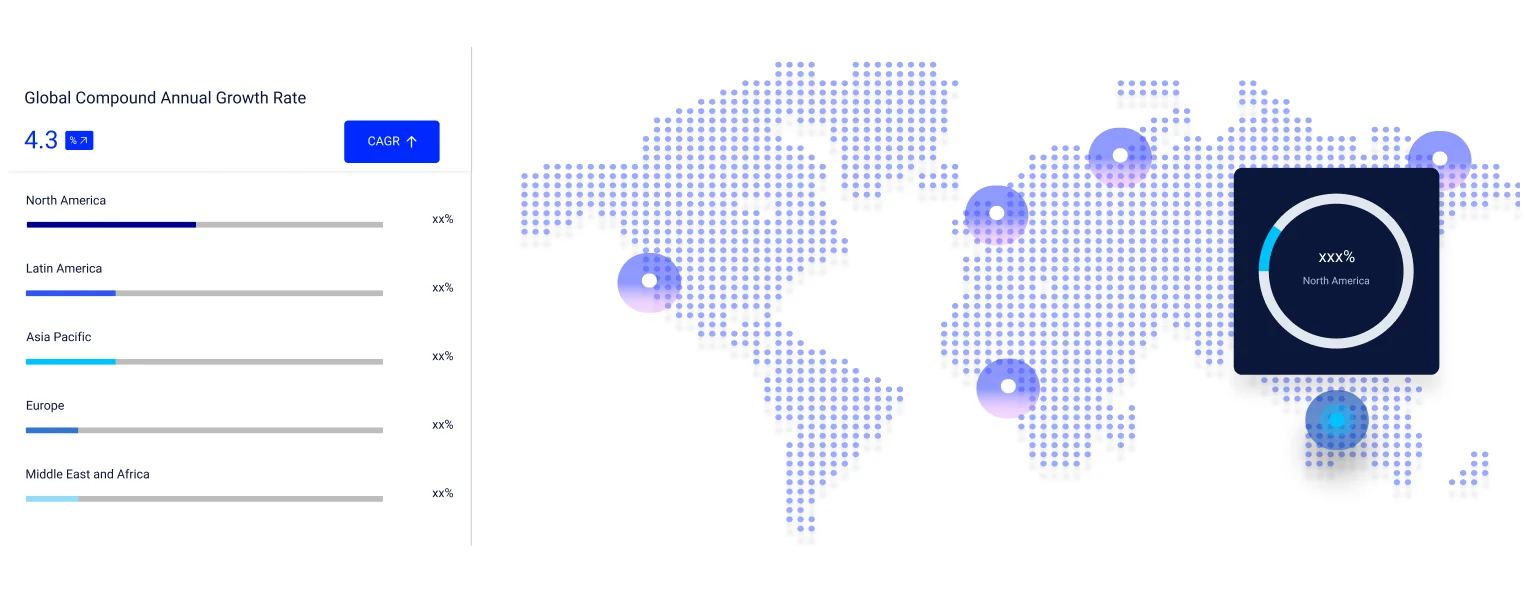
Compound Annual Growth Rate
9.1%
Value in USD Billion
2026-2035
Read more about this report - REQUEST FREE SAMPLE COPY IN PDF
| Global Human Capital Management (HCM) Market Report Summary | Description | Value |
| Base Year | USD Billion | 2025 |
| Historical Period | USD Billion | 2019-2025 |
| Forecast Period | USD Billion | 2026-2035 |
| Market Size 2025 | USD Billion | 31.80 |
| Market Size 2035 | USD Billion | 75.98 |
| CAGR 2019-2025 | Percentage | XX% |
| CAGR 2026-2035 | Percentage | 9.10% |
| CAGR 2026-2035 - Market by Region | Asia Pacific | 9.2% |
| CAGR 2026-2035 - Market by Country | India | 10.6% |
| CAGR 2026-2035 - Market by Country | China | 8.7% |
| CAGR 2026-2035 - Market by Offering | Software | 8.8% |
| CAGR 2026-2035 - Market by End Use | IT and Telecommunication | 9.1% |
| Market Share by Country 2025 | France | 3.2% |
The "JPX-Nikkei Index Human Capital 100" was introduced by JPX Market Innovation & Research, Inc. and Nikkei Inc. This index reflects how well businesses perform based on their efforts to integrate human capital into their management practices. This launch promotes enterprise-level prioritisation of human capital integration, driving demand for performance-focused HCM systems.
The Human Capital AI solution suite, which includes Workforce Analyser and Workforce Planner+. These tools are intended to assist businesses in evaluating how AI will affect various workforce segments, streamlining and automating procedures, and developing and scaling business outcomes. This human capital management (HCM) market development enhances AI-driven workforce planning and automation, accelerating global adoption.
In partnership with HRCI, the leading certification and learning community for the human resource profession. In order to keep Chief Human Resources Officers (CHROs) and their staff abreast of HR procedures and professional certification, this partnership seeks to offer them complete learning options.
Darwinbox, a prominent worldwide supplier of AI-driven HCM solutions, announced the introduction of its Model Context Protocol (MCP) Server, making it the first significant HCM platform to do so. This human capital management (HCM) market development marks a breakthrough in contextual AI within HCM platforms, improving system adaptability and decision-making.
Human capital tools are shifting from reactive management to predictive capabilities. Firms now harness AI to forecast attrition, performance gaps, and training ROI. Companies like Unilever are piloting an AI-powered HCM dashboard to predict workforce fatigue pattern, reducing attrition rates to a significant extent. Similarly, NEC has integrated machine learning for human resource operations as per the company’s report published in 2024. Predictive analytics has thus become a necessity, reshaping the human capital management (HCM) market dynamics. Firms investing in these tools are not just enhancing productivity, they are shaping future-ready teams in real-time.
With ESG disclosures tightening in the United Kingdom, France, and Canada, firms are integrating diversity, equity, and inclusion (DEI) tracking within HCM suites. For example, Salesforce Service Cloud's new Employee Service solution now allows automated DEI analytics and pay gap visualisations. The EU Corporate Sustainability Reporting Directive (CSRD), effective from 2024, mandates workforce-related data disclosures, pushing organisations to quantify social value in reports, accelerating further growth in the human capital management (HCM) market.
Global talent means global compliance challenges. HCM vendors are increasingly embedding automated compliance tracking aligned with labour regulations across jurisdictions. In December 2023, SAP SuccessFactors added region-specific payroll and tax compliance tools for 40+ locales. Meanwhile, countries like Brazil are mandating real-time payroll integration with federal systems, prompting a surge in localised human capital management solutions adoption. For MNCs, cross-border compliance automation has become critical for avoiding fines and reputational damage, making regulatory intelligence a key module in HCM deployments.
As per the human capital management (HCM) market analysis, with 62% of United Kingdom firms now offering hybrid or remote models, the focus of HCM is shifting towards employee experience. Microsoft Viva and Workday have integrated real-time engagement tools to monitor wellbeing, communication, and burnout. The Australia Digital Health Agency’s Workforce Strategy even includes wellbeing metrics as part of public HR management. Experience-driven HCM platforms are being used not just to manage but to retain and empower distributed teams, making employee sentiment data a boardroom-level KPI.
Public investment in upskilling initiatives is indirectly fuelling the human capital management (HCM) market growth. For instance, Canada’s Skills for Success Program now requires digital progress tracking, benefiting vendors offering integrated L&D (Learning & Development) tools. Germany’s Bildungsgutschein programme allows HR departments to use government-funded certifications, all tracked via employer-linked HCM systems. These initiatives are driving corporate adoption of skill-mapping and certification tracking platforms.
-market-by-end-use.png)
Read more about this report - REQUEST FREE SAMPLE COPY IN PDF
The EMR’s report titled “Global Human Capital Management (HCM) Market Report and Forecast 2026-2035” offers a detailed analysis of the market based on the following segments:
Market Breakup by Offering
Key Insight: Software drives the dominant share in the human capital management (HCM) market revenue, due to its automation features, advanced analytics, and scalability across verticals. Enterprises are leveraging HCM platforms not just for administration but for workforce transformation. Meanwhile, services are becoming increasingly vital, especially in regions with high compliance complexity or digital skill gaps. The demand for multilingual platforms, localisation, and post-deployment support is reshaping how vendors structure service portfolios.
Market Breakup by Deployment
Key Insight: Deployment preferences in the human capital management (HCM) market hinge on industry type, compliance needs, and IT maturity. Cloud-based models are widely adopted due to cost-efficiency, mobility, and ease of scaling. These have become especially popular among SMEs and digitally native enterprises. On the other hand, on-premises systems continue to serve sectors where data sensitivity and regulatory oversight are paramount.
Market Breakup by Enterprise Size
Key Insight: Large enterprises demand highly configurable, compliance-rich HCM platforms that can manage complexity and scale across global operations. Their adoption is driven by strategic goals like workforce analytics, DEI compliance, and leadership pipeline development. In contrast, SMEs are prioritising ease of use, cost-effectiveness, and automation of basic HR functions. Their adoption is often reactive, triggered by growth, digital transition, or regulatory changes.
Market Breakup by End Use
Key Insight: Each industry is investing in HCM for unique goals. IT seeks agility and engagement, BFSI needs compliance-ready systems, while governments focus on transparency and performance tracking. Retail uses HCM for seasonal workforce management, while education institutions demand solutions for certification and attendance. Manufacturing is shifting to workforce safety and productivity tools, and healthcare pushes for automation in complex shift management.
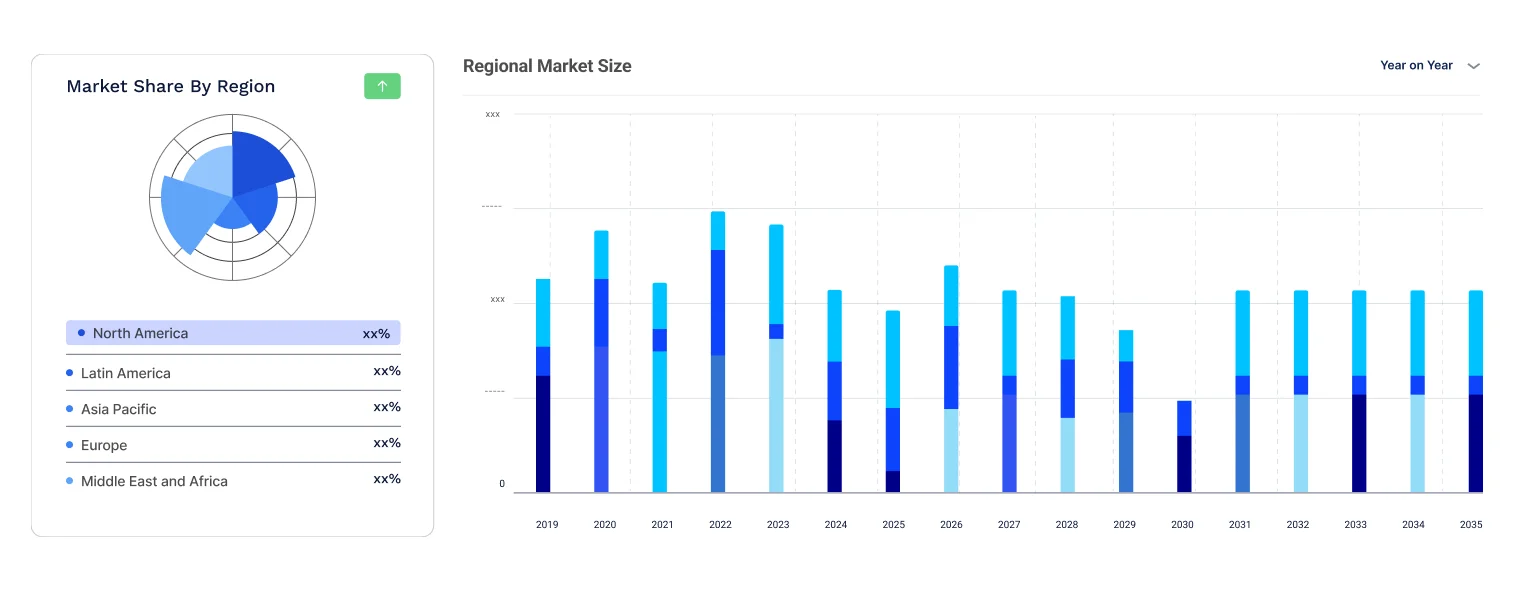
Market Breakup by Region
Key Insight: While North America boasts significant human capital management (HCM) market opportunities due to innovation and mature enterprise needs, Europe is focusing on ESG and regulatory alignment. Asia Pacific is growing with rapid SME digitisation and public sector demand. The Middle East is adopting HCM within large infrastructure and government transformation projects, while Latin America witnesses rising adoption in finance and education sectors. Africa is at the early growth stage in health and agriculture-linked HCM tools.
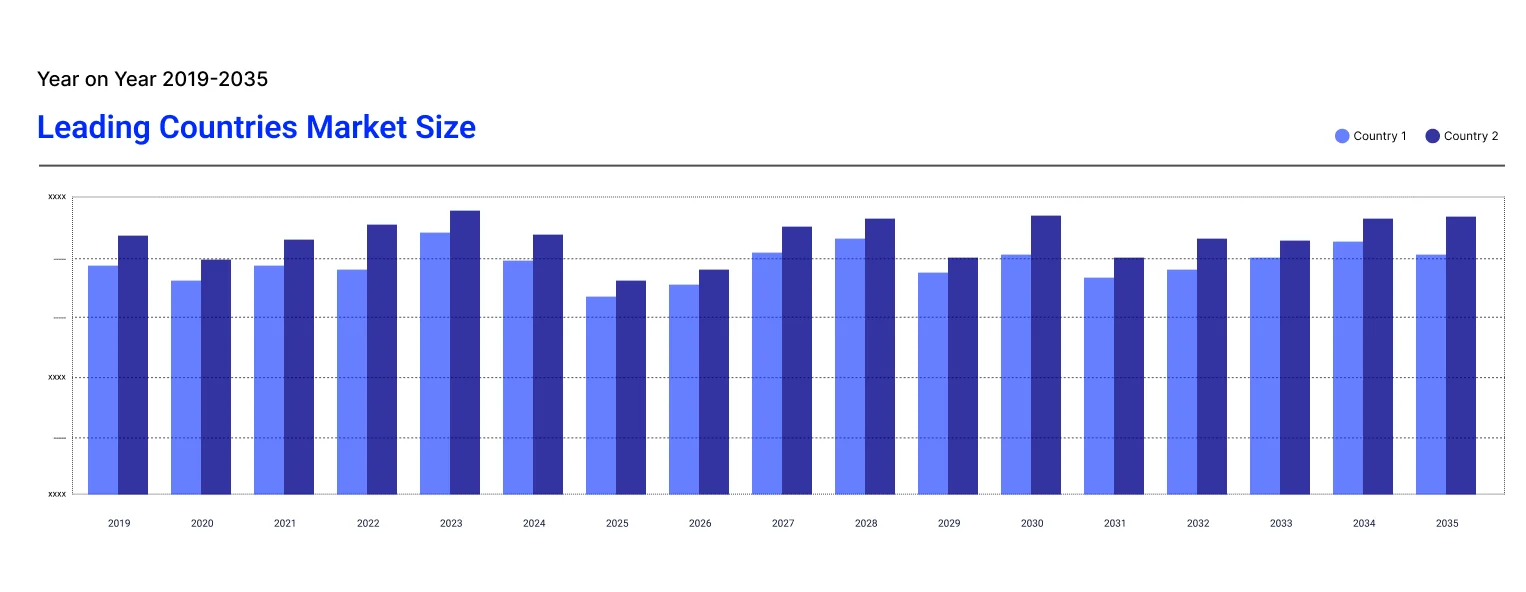
| CAGR 2026-2035 - Market by | Country |
| India | 10.6% |
| China | 8.7% |
| USA | 7.2% |
| Italy | 6.6% |
| Japan | 6.4% |
| Canada | XX% |
| UK | XX% |
| Germany | XX% |
| France | 6.3% |
| Australia | XX% |
| Saudi Arabia | XX% |
| Brazil | XX% |
| Mexico | XX% |
By offering, software dominates the market owing to rising AI integration in core modules
The software category leads the global industry due to the adoption of cloud-native HCM suites integrating advanced features such as AI, NLP, and real-time analytics. Businesses prefer these tools for unified management of payroll, recruitment, L&D, and compliance. Workday’s AI Developer Toolset, introduced in June 2025, for example, can autonomously recommend career paths based on performance metrics, reducing internal mobility costs. The need for scalable, interoperable tools has driven governments to adopt enterprise software in national employment missions as well, especially in Europe and Asia Pacific.
Services emerge to be the fastest-growing offering, as per the human capital management (HCM) market report, especially due to demand for region-specific implementation, training, and post-deployment support. Customisation around local tax regimes, multilingual interfaces, and labour codes require professional services. Moreover, SMEs often lack internal IT capabilities for integrating full-suite HCM tools, creating recurring demand for managed services.
By deployment, cloud-based HCM account for the largest market share owing to scalability and remote accessibility
Cloud-based deployment largely contributes to the human capital management (HCM) market value due to the need for flexible, scalable, and location-independent access. Especially in sectors like education, finance, and retail, HR teams are dispersed across geographies, demanding seamless system availability. SaaS models also allow frequent updates, ensuring firms remain compliant with evolving regulatory frameworks. Moreover, cloud HCM reduces upfront infrastructure costs, suiting startups and mid-size firms.
On-premises deployment remains relevant in industries with strict data sovereignty and security mandates, like defence, healthcare, and public services. For example, France’s CNIL regulations limit personal data transfer outside the EU, prompting firms to choose local hosting, accelerating on-premises solutions growth to cater the ongoing human capital management demand. In India, PSUs and public education bodies continue using on-premise HCM tools aligned with government cloud restrictions. Companies also prefer these solutions to customise software for unique workflows, especially where integration with legacy IT infrastructure is critical.
Large enterprises account for the biggest share of the market due to complex workforce and compliance needs
Large enterprises remain dominant in the global human capital management (HCM) market due to their complex organisational structures, distributed teams, and stringent regulatory compliance needs. These businesses typically manage large, diverse workforces and require advanced HCM platforms that integrate payroll, talent management, learning, and workforce analytics under a single digital ecosystem. Additionally, global expansion and mergers demand scalable systems that can adapt to region-specific tax laws, labour codes, and DEI mandates. Large firms also tend to invest in AI-powered tools to monitor employee sentiment, predict attrition, and customise career development.
SMEs are emerging as the fastest-growing category in the human capital management industry, primarily driven by the availability of affordable, cloud-based, and easy-to-deploy HCM tools. As these businesses scale, the need to formalise HR functions, automate payroll, and streamline recruitment becomes more critical. Moreover, remote and hybrid work trends have pushed SMEs to invest in digital onboarding, attendance, and employee engagement solutions. With limited internal HR staff, SMEs also prefer intuitive platforms with low training overheads and integrated support features.
By End Use, IT and Telecom dominates the market with its dynamic workforce requirements
The IT and telecom sector dominates the human capital management (HCM) industry revenue owing to its dynamic workforce needs, rapid employee turnover, and demand for remote-friendly platforms. With employees often spread across countries, HCM platforms with multilingual, AI-backed engagement tools have become key requirements. Tech giants are increasingly opting for real-time skill-mapping and predictive retention modules to manage contractor-heavy teams.
Healthcare is emerging as the fastest-growing sector in terms of human capital management adoption due to rising demand for 24/7 scheduling, compliance with evolving patient privacy laws, and staff training tools. Hospitals are turning to automated credential tracking, AI-powered shift schedulers, and burnout monitoring tools to maintain efficiency. Especially post-COVID, the need to track both contract and permanent staff, while staying audit-ready, has pushed hospitals to modernise their HR workflows with robust, industry-specific HCM suites.
Read more about this report - REQUEST FREE SAMPLE COPY IN PDF
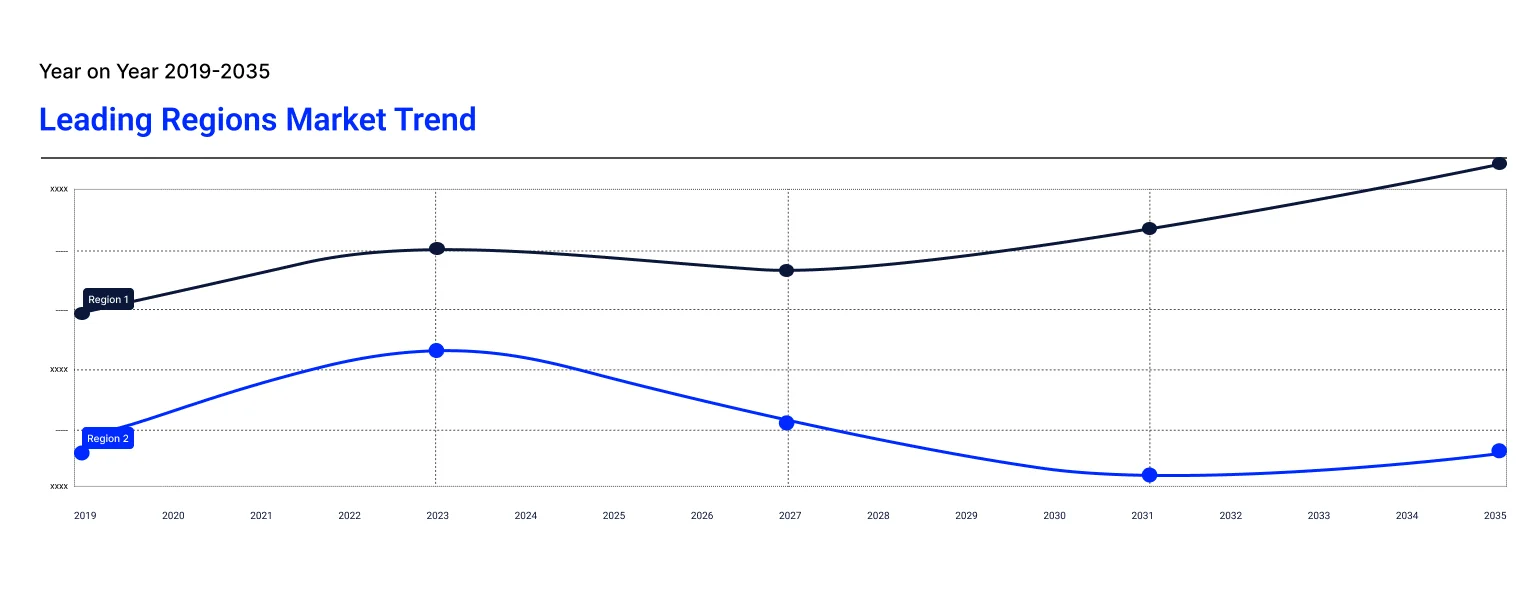
North America secures the leading position in the market due to high cloud HCM penetration and innovation
The continuous dominance of the human capital management (HCM) market in North America is sustained by the region’s early cloud adoption, tech-forward HR practices, and stringent diversity and compliance reporting standards. United States and Canadian firms are integrating predictive analytics and AI-based sentiment tracking into their workflows. Additionally, government regulations around pay transparency and DEI reporting have created fresh demand for modular HCM features.
Asia Pacific is experiencing surging human capital management demand growth, driven by national skill development schemes and the digitisation of HR in emerging economies. Nations like India, Indonesia, and Vietnam are embracing cloud-native HCM tools through public-private initiatives. For example, Singapore’s HR Industry Transformation Plan has pushed SMEs toward AI-based HR platforms, making the region a proving ground for affordable, scalable, and localised HCM solutions tailored to language and regulatory needs.
The global market is becoming increasingly competitive, with vendors focusing on hyper-personalised, AI-integrated, and compliance-ready solutions. Leading human capital management (HCM) market players are heavily investing in adaptive platforms that merge workforce analytics, engagement, and learning into one ecosystem. The market further witnesses a growing shift towards offering industry-specific modules, voice-enabled employee self-service, and compliance dashboards for diverse regions.
Opportunities can also be found in creating low-code/no-code configurations, API-rich tools for interoperability, and embedded DEI analytics. Human capital management (HCM) companies are also forming partnerships with local service providers to offer regional customisation. Players tapping into underserved markets, like public education, blue-collar industries, and mid-tier manufacturers, are gaining early traction. The competitive edge now lies not just in features, but in adaptability, localisation, and innovation in workforce intelligence.
Founded in 1977 and headquartered in the United States, Oracle provides a broad suite of HCM cloud applications under its Fusion platform. Oracle’s recent innovations include adaptive intelligence for workforce planning, multilingual HR bots, and integrated ESG tracking, positioning it strongly in highly regulated markets and large enterprise use cases.
SAP SE, established in 1972 and based in Walldorf, Germany, offers SAP SuccessFactors, known for its modular HCM approach. SAP is focused on embedding predictive analytics, workforce diversity tools, and EU-compliant payroll systems, catering heavily to multinational enterprises and public sector clients seeking deep regulatory alignment.
Founded in 1949, ADP is headquartered in Roseland, New Jersey. It specialises in payroll processing and human capital outsourcing. ADP’s recent product updates include AI-enhanced compliance checks and integrated talent benchmarking tools, helping SMEs and mid-tier firms manage HR operations at scale without in-house HR tech teams.
Established in 1992 and headquartered in Minneapolis, Minnesota, Ceridian’s Dayforce HCM platform combines payroll, talent, and workforce intelligence in a single suite. The firm focuses on real-time pay, dynamic scheduling, and AI-based workforce sentiment analysis, attracting retail, hospitality, and healthcare clients needing speed and precision.
*Please note that this is only a partial list; the complete list of key players is available in the full report. Additionally, the list of key players can be customized to better suit your needs.*
Another key player in the market is Infor among others.
Explore the latest trends shaping the Human capital management (HCM) market 2026-2035 with our in-depth report. Gain strategic insights, future forecasts, and key market developments that can help you stay competitive. Download a free sample report or contact our team for customised consultation on Human capital management (HCM) market trends 2026.


Upto 15% Off
USD
$2499 $2249
$3999 $3599
$4999 $4249
$5999 $5099


*While we strive to always give you current and accurate information, the numbers depicted on the website are indicative and may differ from the actual numbers in the main report. At Expert Market Research, we aim to bring you the latest insights and trends in the market. Using our analyses and forecasts, stakeholders can understand the market dynamics, navigate challenges, and capitalize on opportunities to make data-driven strategic decisions.*
The market is projected to grow at a CAGR of 9.10% between 2026 and 2035.
Vendors are localising features, embedding compliance tools, partnering with governments, enhancing user experience with AI, and offering vertical-specific solutions to expand market reach and strengthen trust among enterprise and SME buyers.
Advances including the convergence of AI and machine learning technologies and increasing focus towards talent mobility activities are the key trends of the market.
The major regions in the market are North America, Latin America, the Middle East and Africa, Europe, and the Asia Pacific.
The leading offerings of human capital management (HCM) in the market are software and services.
The major deployments of human capital management (HCM) in the market are cloud based and on-premises.
The significant enterprise sizes in the market are SMEs and large enterprises.
The major end uses in the market are IT and telecommunication, BFSI, government, retail, healthcare, education, and manufacturing, among others.
The key players in the global human capital management (HCM) market are Oracle Corporation, SAP SE, ADP, Inc., Ceridian HCM, Inc., and Infor, among others.
In 2025, the Human capital management (HCM) market reached an approximate value of USD 31.80 Billion.
The market is estimated to witness a healthy growth in the forecast period of 2026-2035 to reach about USD 75.98 Billion by 2035.
Data localisation laws, integration with legacy systems, and resistance to digital change are major barriers. Many firms also struggle with vendor lock-in, hidden costs, and poor customisation in legacy HCM platforms.
Explore our key highlights of the report and gain a concise overview of key findings, trends, and actionable insights that will empower your strategic decisions.
| REPORT FEATURES | DETAILS |
| Base Year | 2025 |
| Historical Period | 2019-2025 |
| Forecast Period | 2026-2035 |
| Scope of the Report |
Historical and Forecast Trends, Industry Drivers and Constraints, Historical and Forecast Market Analysis by Segment:
|
| Breakup by Offering |
|
| Breakup by Deployment |
|
| Breakup by Enterprise Size |
|
| Breakup by End Use |
|
| Breakup by Region |
|
| Market Dynamics |
|
| Competitive Landscape |
|
| Companies Covered |
|
| Report Price and Purchase Option | Explore our purchase options that are best suited to your resources and industry needs. |
| Delivery Format | Delivered as an attached PDF and Excel through email, with an option of receiving an editable PPT, according to the purchase option. |
Datasheet
One User
USD 2,499
USD 2,249
tax inclusive*
Single User License
One User
USD 3,999
USD 3,599
tax inclusive*
Five User License
Five User
USD 4,999
USD 4,249
tax inclusive*
Corporate License
Unlimited Users
USD 5,999
USD 5,099
tax inclusive*
*Please note that the prices mentioned below are starting prices for each bundle type. Kindly contact our team for further details.*
Flash Bundle
Small Business Bundle
Growth Bundle
Enterprise Bundle
*Please note that the prices mentioned below are starting prices for each bundle type. Kindly contact our team for further details.*
Flash Bundle
Number of Reports: 3
20%
tax inclusive*
Small Business Bundle
Number of Reports: 5
25%
tax inclusive*
Growth Bundle
Number of Reports: 8
30%
tax inclusive*
Enterprise Bundle
Number of Reports: 10
35%
tax inclusive*
How To Order

Select License Type
Choose the right license for your needs and access rights.

Click on ‘Buy Now’
Add the report to your cart with one click and proceed to register.

Select Mode of Payment
Choose a payment option for a secure checkout. You will be redirected accordingly.
Strategic Solutions for Informed Decision-Making
Gain insights to stay ahead and seize opportunities.

Get insights & trends for a competitive edge.

Track prices with detailed trend reports.

Analyse trade data for supply chain insights.

Leverage cost reports for smart savings

Enhance supply chain with partnerships.

Connect For More Information
Our expert team of analysts will offer full support and resolve any queries regarding the report, before and after the purchase.
Our expert team of analysts will offer full support and resolve any queries regarding the report, before and after the purchase.
We employ meticulous research methods, blending advanced analytics and expert insights to deliver accurate, actionable industry intelligence, staying ahead of competitors.
Our skilled analysts offer unparalleled competitive advantage with detailed insights on current and emerging markets, ensuring your strategic edge.
We offer an in-depth yet simplified presentation of industry insights and analysis to meet your specific requirements effectively.




