

Consumer Insights
Uncover trends and behaviors shaping consumer choices today
Procurement Insights
Optimize your sourcing strategy with key market data
Industry Stats
Stay ahead with the latest trends and market analysis.
The India EV charging station market was valued at USD 619.66 Million in 2025. The industry is expected to grow at a CAGR of 7.30% during the forecast period of 2026-2035. The increasing localization of EV component and charging hardware manufacturing has significantly driven down costs and improved supply chain efficiency, making the charging infrastructure affordable and scalable across diverse regions within India. In turn, these factors have resulted in the market attaining a valuation of USD 1253.58 Million by 2035.
Compound Annual Growth Rate
7.3%
Value in USD Million
2026-2035
Read more about this report - REQUEST FREE SAMPLE COPY IN PDF
|
India EV Charging Station Market Report Summary |
Description |
Value |
|
Base Year |
USD Million |
2025 |
|
Historical Period |
USD Million |
2019-2025 |
|
Forecast Period |
USD Million |
2026-2035 |
|
Market Size 2025 |
USD Million |
619.66 |
|
Market Size 2035 |
USD Million |
1253.58 |
|
CAGR 2019-2025 |
Percentage |
XX% |
|
CAGR 2026-2035 |
Percentage |
7.30% |
|
CAGR 2026-2035 - Market by Region |
South India |
7.8% |
|
CAGR 2026-2035 - Market by Region |
East India |
7.4% |
|
CAGR 2026-2035 - Market by Vehicle Type |
Passenger Cars |
8.5% |
|
CAGR 2026-2035 - Market by Application |
Public |
8.1% |
|
2025 Market Share by Region |
North India |
32.1% |
The India EV charging station market experiences steady expansion with government incentives, increase in fuel prices, and rising acceptance of EV across segments. Demand for accessible charging stations is further aided by increasing urbanization and the development of smart cities. Some of the emerging trends include ultra-fast charging, integration with renewable energy systems, and app-based charging solutions. Different categories under market scope include public, private, and highway charging networks, which are growing in demand due to the strong support of regulatory frameworks such as FAME II. Major players such as Tata Power, Fortum, and Ather Energy work on enlarging footprints on the market through partnerships and technological upgrade. With increased investments and policy support in place, the sector provides huge opportunities for scaling up and promoting innovations to companies.
Two primary niches leading the demand in the India EV charging station market are the last-mile delivery and electric two-wheelers. The rapid growth of e-commerce and food delivery businesses has accelerated the use of electric vehicles for last-mile logistics, generating high demand for purpose-built high-utilization charging centers. On the other hand, largely due to cost and convenience, the electric two-wheeler market is significantly expanding, particularly with the rising demand from urban riders. This segment favors small and inexpensive charging solutions and battery swapping infrastructure. Companies like Zypp Electric and Bounce Infinity targeting these niches are creating customized networks for high-frequency users, enabling faster returns on infrastructure investments while aiding greater EV ecosystem development.
The key trends of the India EV charging station market include the rising number of ultra-fast charging solutions, increased use of renewable energy, smart and app-based charging networks, and growth of the public charging network in tier-2 and tier-3 cities.
ESR Group Limited developed India's first comprehensive electric vehicle charging infrastructure at its 89-acre Grade A Taloja Industrial and Logistics Park. The new EV charging station is powered by renewable energy provided by ESR's rooftop solar panels, which are installed on the charging station itself.
ThunderPlus announced India's first Women EV Fast Charger Franchise in Hyderabad to commemorate International Women's Day and make a big contribution to inclusion in the EV sector. The project aims to empower female entrepreneurs by providing a structured business model in the increasing electric vehicle charging market.
TATA.ev unveiled a daring move to double India's accessible charging points to 400,000 by 2027 as part of its flagship Open Collaboration 2.0 strategy. To accomplish this, TATA.ev is expanding its partnership with key Charging Point Operators (CPOs) to install the TATA.ev Mega Charger network, which will provide lightning-fast charging and unrivaled reliability. This will be accompanied by the installation of over 30,000 new public charging stations.
The State Bank of India (SBI) teamed with Statiq, an electric vehicle charging network operator, to offer a first-of-its-kind financing initiative for EV charging infrastructure development in India. The comprehensive financing initiative fills a major need in India's EV ecosystem by offering structured funding choices for firms wishing to set up charging stations.
With the growing need to reduce EV charging time, ultra-fast DC chargers (50kW and above) are rapidly being laid down, particularly along highways and major urban centers, boosting the overall India EV charging station market dynamics. These high-powered chargers offer long-range EVs a recharge of less than an hour. For example, Tata Power and Statiq have installed High-Performance DC (HPDC) chargers ranging from 50kW to 240kW at strategic highway points and highway corridors that enable intercity travel. This trend is quite beneficial for high-end EV models and instills confidence in consumers with regards to long routes in electric mobility.
As per the India EV charging station market analysis, solar energy is now powering a growing number of EV charging stations to mitigate over-dependence on the grid and to generalize sustainability. Cost cutting on operations, besides holding on to India's green energy goals, is one of the key advantages of solar-integrated stations. For example, Fortum and Tata Power Solar are developing solar EV charging hubs across states such as Maharashtra and Delhi to promote clean energy ecosystems while reducing urban carbon footprints. This trend is more relevant for clients in government or institutional spaces.
User experience is changing with real-time availability of chargers, remote surveillance, and digital payments through online platforms. Such smart charging networks have IoT integrated sensors, predictive maintenance, and location-based services, boosting heavy demand in the India EV charging station market. Applications by companies such as Ather Energy and ChargeZone allow users to find, book, and pay for charging services through mobile programs, making it a high-tech method of giving enhanced efficiency that is crucial for scalable infrastructure in overcrowded urban places.
Charging networks are finding their ways into Tier 2 and Tier 3 cities like Lucknow, Coimbatore, and Nagpur, further stimulating the India EV charging station market development. The push has been aided by government schemes such as FAME II and the collaborations forged with local DISCOMs about facilitating the charging network. For example, companies, including REIL and EESL, have increasingly deployed public chargers across different cities. This trend opens up various opportunities in the EV market and provides infrastructure for regional logistics, public transport, and small fleet operators beyond the early adopters.
Government infrastructure mandates and automaker-led networks are the key drivers of the India EV charging station market growth. Regulations imposed by the Indian government are increasingly mandating new residential and commercial projects to incorporate provisions for EV charging, accelerating the charger installation process. Meanwhile, EV manufacturers like Tata Motors and Mahindra are setting up their own charging networks to enable sales and improve customer experience. This dual push of strong incentive-policy enforcement and OEM infrastructure development is building up the availability of chargers, encouraging EV adoption, and creating sustainable growth momentum across urban and semi-urban regions.
Two major opportunities in the India EV charging station market include the development of B2B fleet electrification partnerships and charging-as-a-service (CaaS) models. With logistics, cab aggregators, and e-commerce companies switching over to electric fleets, the demand for scalable and customized charging hubs managed by third-party agencies is increasingly picking up. Further, CaaS provides an option to companies to cut down on upfront infrastructure costs by offering complete solutions on a subscription or pay-per-use basis. Sun Mobility and Magenta Power are thriving with these models, facilitating faster adoption by granting operational flexibility and a lower capital expenditure to enterprise clients.
The EMR’s report titled “India EV Charging Station Market Report and Forecast 2026-2035” offers a detailed analysis of the market based on the following segments:
Market Breakup by Vehicle Type
Market Breakup by Charging Type
Market Breakup by Application
Market Breakup by Region
Read more about this report - REQUEST FREE SAMPLE COPY IN PDF
Market Insights by Vehicle Type
Passenger vehicles in the India EV charging station market are currently experiencing growing traction, with urban adoption, government subsidies, and increased home and workplace charger availability. Auto manufacturers like Tata Motors increase demand for EVs by all-electric models at attractive prices, thereby stimulating the growth of infrastructure in both residential and public areas. Demand for fast-charging stations with high capacities, particularly on highways and logistics depots when it comes to e-buses and freight carriers, is stimulated by commercial vehicles. Initiatives such as the National Electric Bus Program and corporate fleet electrification are accelerating this transition. Thus, the two segments complement one another to build up the overall charging network while supporting the economies of scale in infrastructure deployment.
Market Analysis by Charging Type
As per the India EV charging station market analysis, AC charging stations are becoming common among residential, workplace, and low-speed EVs like two-wheeler and passenger cars due to cost-effective affordability and easy installation. These are best suited for locations where charging occurs overnight or over extended periods. DC charging stations, on the other hand, are booming in the areas of public or commercial buildings as a result of demand for fast charging of electric buses, commercial fleet operation, and consumers using long-range passenger EVs.
Market Insights by Application
Public charging stations are increasingly gaining momentum, boosting the demand for EV charging stations in India. The segment is supported by government incentives and regulatory mandates and the increasing use of EVs for personal and commercial applications. The charging stations are set up in areas expected to generate the most traffic, such as malls, highways, and parking areas, to render the facilities available for use. Private charging stations, on the other hand, are growing in residential complexes, office spaces, and fleet operations. While home charging is gaining widespread traction, private infrastructure is becoming imperative with some companies providing workplace charging solutions to meet the convenience needs of EV owners.
Read more about this report - REQUEST FREE SAMPLE COPY IN PDF
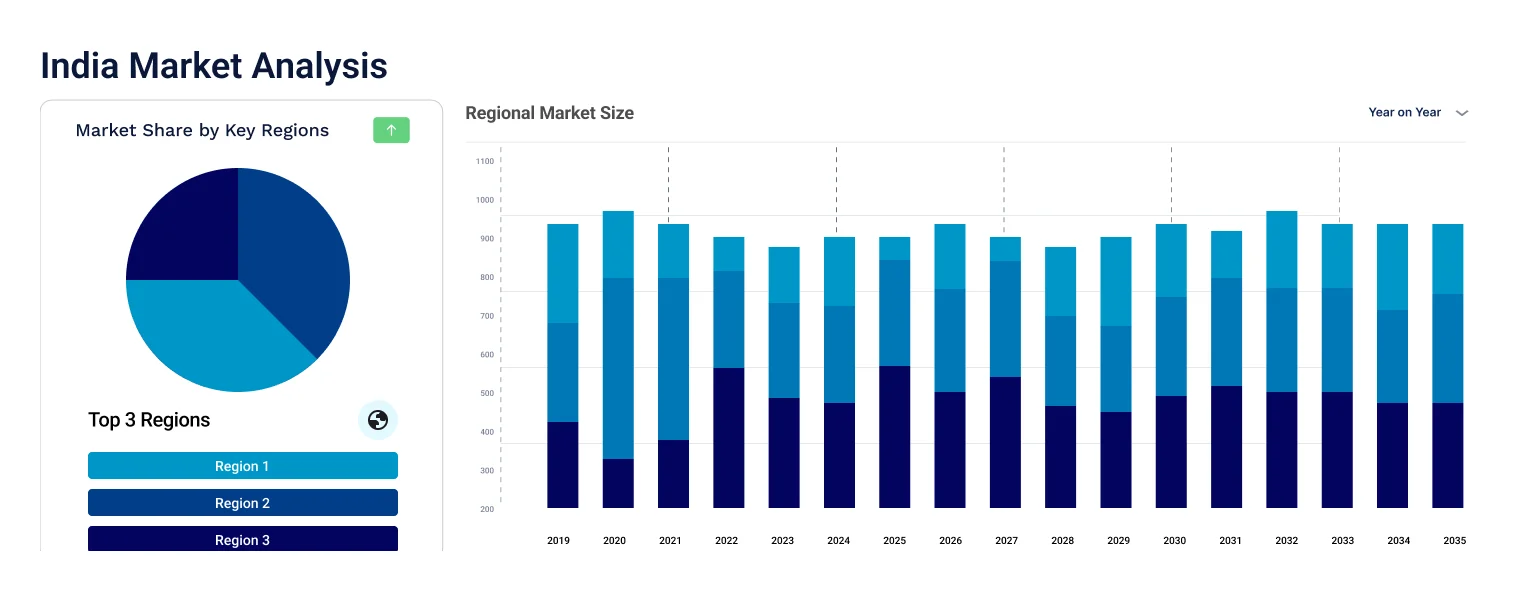
|
CAGR 2026-2035 - Market by |
Region |
|
South India |
7.8% |
|
East India |
7.4% |
|
North India |
XX% |
|
West India |
XX% |
North India EV Charging Station Market Opportunities
Cities like Delhi, Noida, and Chandigarh, have witnessed a tremendous spike in the demand for EV charging stations spurred by state policy efforts that promote the advent of EVs in the nation along with increasing public concern over air pollution and mounting electric vehicle conversions. Apart from vehicle density, infrastructural development initiatives undertaken in the region also justify the influx of charging stations along highways and urban centers.
East India EV Charging Station Market Insights
The East India EV charging station market witnesses heavy demand generated in states like West Bengal and Odisha. The increased government incentives and push for sustainable urban mobility are triggering this trend in East India. Kolkata, the urban hub of the country, is experiencing an upsurge in electric vehicle adoption with the emphasis on increasing public charging infrastructure and promoting the move towards green transport.
South India EV Charging Station Market Growth
The EV charging stations market in South India is led by the major cities like Bengaluru, Chennai, and Hyderabad. The region, with a relatively high concentration of IT firms and electric vehicle manufacturers, has the highest tech-driven adoption. Government policies such as the Tamil Nadu Electric Vehicle Policy are increasingly facilitating infrastructure development, creating an effective demand for charging stations among both public and private sectors.
West and Central India EV Charging Station Market Outlook
Mumbai, Pune, Indore, as part of the West and Central India are rapidly boosting the overall EV charging station adoption because of growing use of electric vehicles in the personal and commercial segments. These markets are supported by robust industrial support, state government initiatives, and encouragement for electric mobility.
The India EV charging station market players are increasingly concentrating on developing their infrastructure networks, integrating smart charging solutions, and providing fast-charging technologies. Most of the India EV charging station companies focus on government incentives and collaborating with auto manufacturers to cater to the growing demand for electric mobility by creating widespread accessibility and convenience.
Launched in 2007 and headquartered in California, United States, ChargePoint is one of the major EV charging solutions providers in the world. The company specializes in networked charging stations and provides an extensive range of residential and commercial EV charging infrastructure.
Established in 1988 in Zurich, Switzerland, ABB is a world leader in power and automation. The company provides innovative DC fast-charging solutions for electric cars, such as public and private charging infrastructures in India, to drive transition towards sustainable transportation.
Established in 1907 with its headquarters in London, United Kingdom, Shell is one of the world's largest energy corporations. Shell is growing its EV charging network to fast-charging stations, which are supplying energy solutions throughout India in favor of the increasing electric mobility market.
Siemens is a global engineering giant that was established in 1847 and headquartered in Munich, Germany. The company offers intelligent charging solutions and infrastructure for electric vehicles in India, serving private and public sectors with scalable, sustainable charging networks and energy-efficient technologies.
*Please note that this is only a partial list; the complete list of key players is available in the full report. Additionally, the list of key players can be customized to better suit your needs.*
Other key players in the India EV charging station market report are Schneider Electric SE, Tesla, Inc., Eaton Corporation, Webasto Group, Cyber Switching Patents LLC, and TGOOD Global Ltd., among others.
Innovative firms are mostly focused on promoting rapid charging technology, battery swapping solutions, and integrating IoT-based smart charging. Their goals include reducing charging time, enhancing user experience, and expanding infrastructure to underserved areas, all while utilizing renewable energy and cost-effective scaling alternatives.
QUENCH CHARGERS PRIVATE LIMITED
QUENCH CHARGERS PRIVATE LIMITED, an electric vehicle charging firm, established in 2024 is dedicated to offering a full suite of EV charging solutions for electric vehicles, cars, buses, and trucks.


Upto 15% Off
USD
$2499 $2249
$3999 $3599
$4999 $4249
$5999 $5099


*While we strive to always give you current and accurate information, the numbers depicted on the website are indicative and may differ from the actual numbers in the main report. At Expert Market Research, we aim to bring you the latest insights and trends in the market. Using our analyses and forecasts, stakeholders can understand the market dynamics, navigate challenges, and capitalize on opportunities to make data-driven strategic decisions.*
In 2025, the India EV charging station market reached an approximate value of USD 619.66 Million.
The market is projected to grow at a CAGR of 7.30% between 2026 and 2035.
The market is estimated to witness healthy growth in the forecast period of 2026-2035 to reach a value of around USD 1253.58 Million by 2035.
The major drivers of the market are the increasing localization of EV components and charging hardware manufacturing, government infrastructure mandates, and automaker-led networks.
The key trends of the market include the rising number of ultra-fast charging solutions, increased use of renewable energy, smart and app-based charging networks, and growth of the public charging network in tier-2 and tier-3 cities.
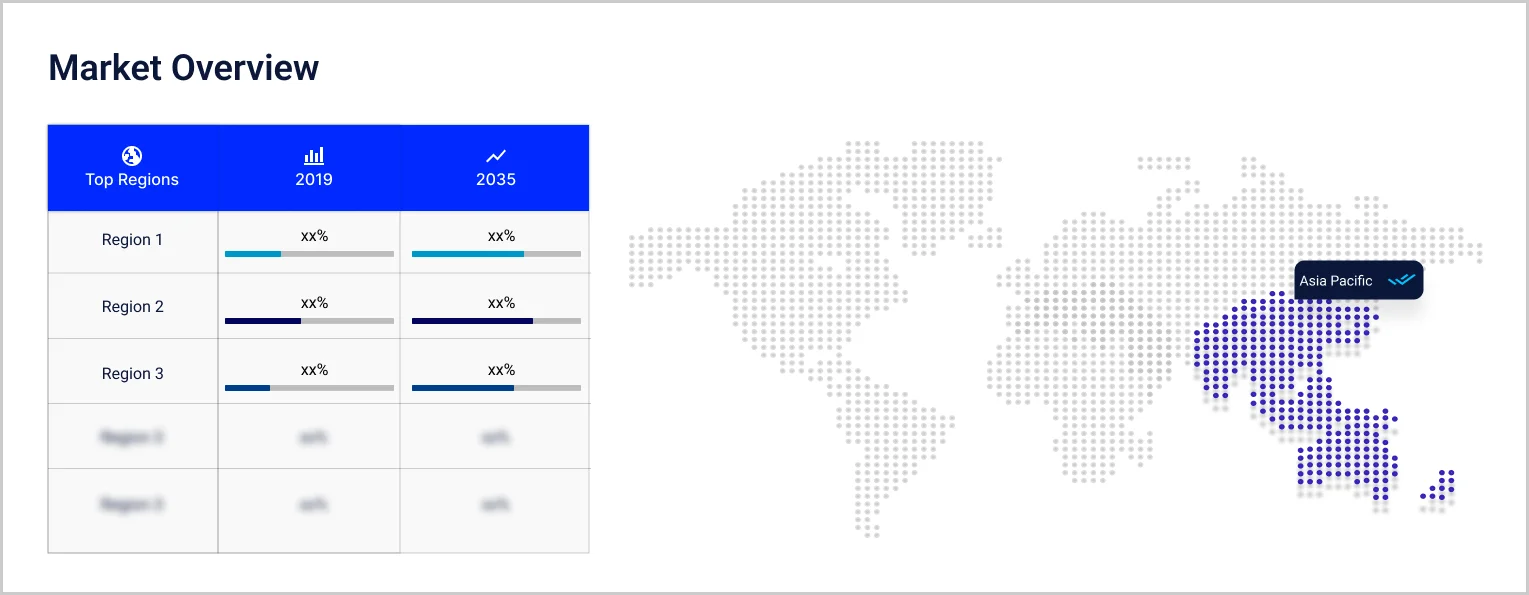
The major regions in the market are North India, East India, South India, and West and Central India.
The various vehicle types considered in the market report are passenger cars and commercial vehicles.
The various charger types considered in the market report are AC charging stations and DC charging stations.
The applications considered in the India EV charging station market report are public and private.
The major players in the market are ChargePoint, Inc., ABB Ltd., Shell plc, Siemens AG, Schneider Electric SE, Tesla, Inc., Eaton Corporation, Webasto Group, Cyber Switching Patents LLC, and TGOOD Global Ltd., among others.
Explore our key highlights of the report and gain a concise overview of key findings, trends, and actionable insights that will empower your strategic decisions.
| REPORT FEATURES | DETAILS |
| Base Year | 2025 |
| Historical Period | 2019-2025 |
| Forecast Period | 2026-2035 |
| Scope of the Report |
Historical and Forecast Trends, Industry Drivers and Constraints, Historical and Forecast Market Analysis by Segment:
|
| Breakup by Vehicle Type |
|
| Breakup by Charger Type |
|
| Breakup by Application |
|
| Breakup by Region |
|
| Market Dynamics |
|
| Competitive Landscape |
|
| Companies Covered |
|
Datasheet
One User
USD 2,499
USD 2,249
tax inclusive*
Single User License
One User
USD 3,999
USD 3,599
tax inclusive*
Five User License
Five User
USD 4,999
USD 4,249
tax inclusive*
Corporate License
Unlimited Users
USD 5,999
USD 5,099
tax inclusive*
*Please note that the prices mentioned below are starting prices for each bundle type. Kindly contact our team for further details.*
Flash Bundle
Small Business Bundle
Growth Bundle
Enterprise Bundle
*Please note that the prices mentioned below are starting prices for each bundle type. Kindly contact our team for further details.*
Flash Bundle
Number of Reports: 3
20%
tax inclusive*
Small Business Bundle
Number of Reports: 5
25%
tax inclusive*
Growth Bundle
Number of Reports: 8
30%
tax inclusive*
Enterprise Bundle
Number of Reports: 10
35%
tax inclusive*
How To Order

Select License Type
Choose the right license for your needs and access rights.

Click on ‘Buy Now’
Add the report to your cart with one click and proceed to register.

Select Mode of Payment
Choose a payment option for a secure checkout. You will be redirected accordingly.
Strategic Solutions for Informed Decision-Making
Gain insights to stay ahead and seize opportunities.

Get insights & trends for a competitive edge.

Track prices with detailed trend reports.

Analyse trade data for supply chain insights.

Leverage cost reports for smart savings

Enhance supply chain with partnerships.

Connect For More Information
Our expert team of analysts will offer full support and resolve any queries regarding the report, before and after the purchase.
Our expert team of analysts will offer full support and resolve any queries regarding the report, before and after the purchase.
We employ meticulous research methods, blending advanced analytics and expert insights to deliver accurate, actionable industry intelligence, staying ahead of competitors.
Our skilled analysts offer unparalleled competitive advantage with detailed insights on current and emerging markets, ensuring your strategic edge.
We offer an in-depth yet simplified presentation of industry insights and analysis to meet your specific requirements effectively.




