

Consumer Insights
Uncover trends and behaviors shaping consumer choices today
Procurement Insights
Optimize your sourcing strategy with key market data
Industry Stats
Stay ahead with the latest trends and market analysis.
The India warehousing market attained a value of USD 66.76 Billion in 2025 and is projected to expand at a CAGR of around 10.50% through 2035. The rise of hyperlocal delivery models in Tier II and III cities is driving demand for decentralized micro-warehousing hubs, enabling faster fulfillment cycles and reducing last-mile logistics costs for e-commerce, grocery, and pharma distribution networks. Such factors are thus propelling the market to achieve a value of USD 181.19 Billion by 2035.
Compound Annual Growth Rate
10.5%
Value in USD Billion
2026-2035
Read more about this report - REQUEST FREE SAMPLE COPY IN PDF
|
India Warehousing Market Report Summary |
Description |
Value |
|
Base Year |
USD Billion |
2025 |
|
Historical Period |
USD Billion |
2019-2025 |
|
Forecast Period |
USD Billion |
2026-2035 |
|
Market Size 2025 |
USD Billion |
66.76 |
|
Market Size 2035 |
USD Billion |
181.19 |
|
CAGR 2019-2025 |
Percentage |
XX% |
|
CAGR 2026-2035 |
Percentage |
10.50% |
|
CAGR 2026-2035 - Market by Region |
South India |
12.0% |
|
CAGR 2026-2035 - Market by Region |
East India |
11.2% |
|
CAGR 2026-2035 - Market by Type of Warehouse |
Refrigerated Warehousing and Storage |
11.4% |
|
CAGR 2026-2035 - Market by Ownership |
Private Warehouses |
11.7% |
|
2025 Market Share by Region |
East India |
17.4% |
India’s warehousing sector grew by 10% in 2025, with major logistics companies such as DHL and Mahindra Logistics expanding their facilities across Tier 2 and Tier 3 cities in 2026.
E-commerce giant Amazon announced the opening of three new fulfillment centers in India, emphasizing the increasing demand for large-scale warehousing solutions in the country.
India’s new Goods and Services Tax (GST) law, introduced in 2026, is expected to further streamline warehousing operations, allowing for easier cross-state logistics and improved supply chain efficiency.
The growth of India’s manufacturing sector led to increased demand for warehousing services, with key industrial hubs like Pune and Bengaluru seeing a rise in warehouse construction.
Global players such as Panattoni are entering the Indian warehousing ecosystem, fuelled by robust growth opportunities. In 2023, Panattoni announced a INR 3,500 crore investment to develop industrial and warehousing parks across India, targeting metros and emerging hubs like Pune and Bengaluru to capitalize on growing demand. Several private investments are being made in this sector, with billions being invested in developing modern logistics parks in metros and emerging industrial belts, thereby bolstering the India warehousing market growth.
Warehousing is getting smarter through the deployment of AI-driven demand forecasting, IoT-enabled cold chain monitoring, and automated guided vehicles (AGVs) in high-throughput sectors like pharmaceuticals and agri-commodities. In 2023, AWL India introduced IoT-enabled cold chain solutions featuring real-time temperature and humidity sensors, integrated with blockchain for secure, FSSAI-compliant storage of perishable goods, enhancing traceability and reducing spoilage. In particular, firms are deploying temperature and humidity sensors linked to blockchain-based inventory logs to comply with FSSAI standards in food storage. These tech upgrades align with FCI depot digitization and private sector mandates for zero-error traceability in perishable goods supply chains.
Developers are targeting Grade A spaces with increased safety, efficiency, and sustainability. Such spaces have demand from sectors such as pharmaceutical, FMCG, and 3PL, with global standards compliant, and temperature-controlled and high-value inventory management support, thus boosting the India warehousing demand.
Demand for warehouses is gaining significance in Tier II and Tier III cities with increasing e-commerce and retail requirements. Cities like Lucknow and Coimbatore are witnessing increased absorption, facilitating decentralized distribution and minimizing logistics turnaround time. Localized warehousing in these cities is also enabling quicker replenishment cycles for FMCG and pharmacy players targeting regional consumption clusters.
Drones improve inventory management and last-mile delivery efficiency, thereby shaping new trends in the India warehousing market. Startups such as Skye Air in India are experimenting with drone deliveries to remote locations, ensuring quicker and cheaper logistics. These technologies enhance precision, cut down turnaround time, and expand operations effectively, making India's logistics industry more agile to increasing e-commerce and manufacturing needs.
The EMR’s report titled “India Warehousing Market Report and Forecast 2026-2035” offers a detailed analysis of the market based on the following segments:
Market Breakup by Type of Warehouse
Key Insight: General warehousing dominates with its versatility across sectors, specifically meeting contract logistics companies managing multi-client inventory under shared storage arrangements. Such warehouses facilitate SKU variability, dynamic racking, and quicker cross-docking, supporting flexible supply chains, particularly for e-commerce and FMCG. Their prevalence in integrated logistics parks in Delhi NCR and Maharashtra helps in improving scalability and throughput for 3PL operators managing unpredictable demand patterns, thus boosting the India warehousing market development.
Market Breakup by Ownership
Key Insight: Private warehouses are anticipated to gain the dominant market share by ownership, led by big retailers and manufacturers who want to control end-to-end inventory flows, infrastructure quality, and compliance. Such assets support customized layouts according to individual cargo requirements and easy integration with proprietary ERP/WMS systems. Private configurations close to industrial belts such as Sanand or Sriperumbudur are preferred by companies from automotive, electronics, and pharma industries to maximize JIT logistics and minimize dwell time.
Market Breakup by End Use
Key Insight: Manufacturing is the largest end-use segment because of growing industrial production under PLI schemes and rising demand for raw material and component warehousing. OEMs and contract manufacturers utilize large warehouses located close to production centers for coordinated in-bound and out-bound logistics. Warehouses in zones such as Bhiwandi and Hosur are being specially designed with VMI (Vendor-Managed Inventory) arrangements to maintain lean production cycles and reduced buffer stock.
Market Breakup by Region
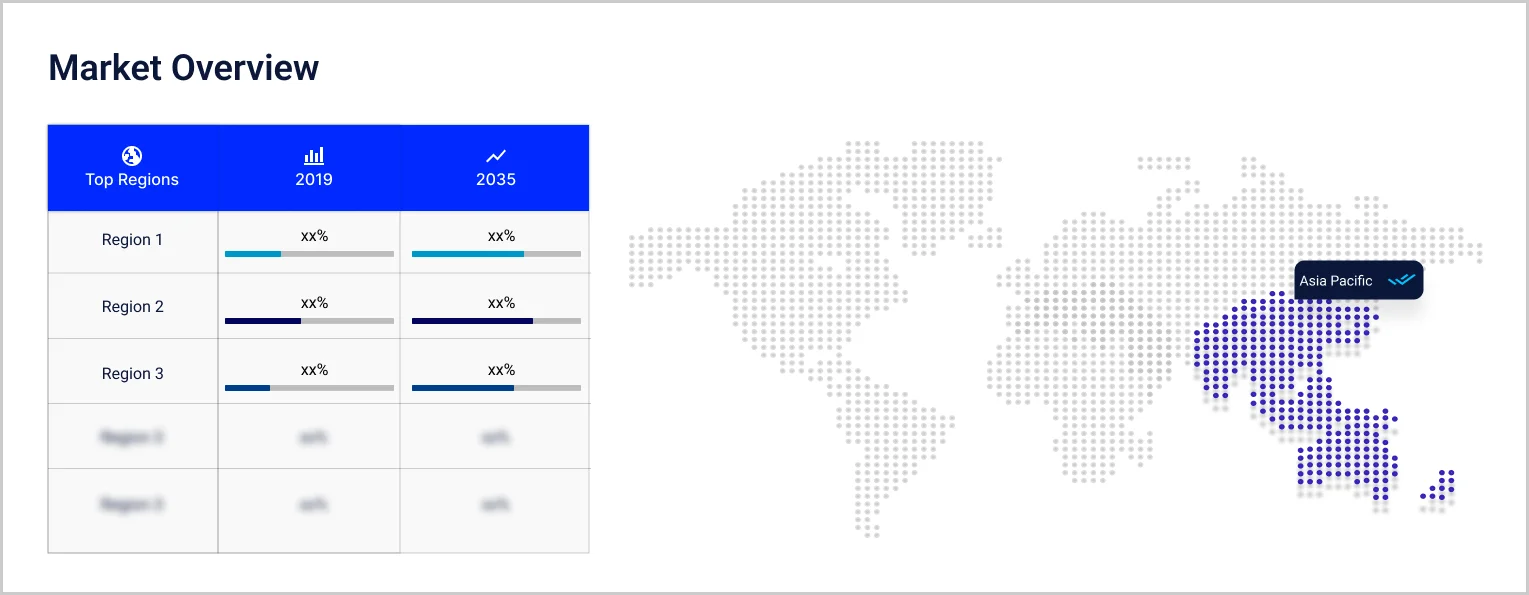
Key Insight: North India dominates the warehousing sector because it is strategically positioned between Delhi NCR and prime consumption and production belts. The integration of the region with freight corridors (such as WDFC), multimodal parks, and proximity to government-assisted logistics clusters has precipitated significant warehousing development. High organized 3PL presence and technology-driven infrastructure in cities such as Gurugram and Ludhiana facilitates increased throughput and optimized distribution reach.
Read more about this report - REQUEST FREE SAMPLE COPY IN PDF
|
CAGR 2026-2035 - Market by |
Region |
|
South India |
12.0% |
|
East India |
11.2% |
|
West India |
XX% |
|
North India |
XX% |
General warehousing supports diverse products and fast processing, leading market demand.
General warehousing dominates because it is well-suited for just-in-time (JIT) inventory strategies and consolidated storage of a wide range of SKUs. It is used in third-party logistics (3PL) operations for non-temperature-sensitive industries such as apparel and electronics. Developers are designing these areas with mezzanine floors and automation-capable layouts for accepting high-turnover merchandise, especially near multimodal logistics parks around cities, to reduce processing cycles and turnaround time.
Refrigerated warehousing is growing fast with regulatory compliance in food and pharma logistics, thus bolstering the India warehousing demand. Startups and cold chain aggregators are installing temperature-controlled units in tier II cities to support online grocery and vaccine distribution. New warehouses are equipped with real-time temperature sensors, backup power systems, and GPS-enabled reefer tracking to minimize spoilage and ensure audit trails, especially in high-growth corridors such as Pune-Nagpur and Kochi-Coimbatore.
Private warehouses provide full inventory control, dominating industrial and retail supply chains.
Private warehouses take up the fastest CAGR as companies look for end-to-end visibility, facility-level customization, and integration with bespoke systems. This control enables companies in automotive and heavy engineering to streamline inbound logistics and install automated storage and retrieval systems (AS/RS) customized to production sequencing. In locations such as Chakan and Oragadam, such configurations mitigate operational friction and enhance asset utilization through synchronized logistics with plant operations.
Bonded warehouses are expanding at the highest rate as a result of increasing demand from import-dependent industries such as electronics and luxury products. Facilities provide duty deferral advantages, beneficial in Free Trade Warehousing Zones (FTWZs). With intense globalization sourcing and increased attention from e-commerce exporters, bonded warehouses along ports such as Nhava Sheva and Chennai are expanding, with customs-compliant digitization technology and pre-clearance systems for quicker international order delivery.
Manufacturing warehouses enable just-in-time supply, improving efficiency in production hubs.
Warehousing is a crucial part of manufacturing because of the industry's requirement for coordinated logistics and JIT inventory supplies. Firms dealing in capital-intensive sectors like aerospace and electronics develop value-engineered storage facilities to support lean inventory objectives. In 2023, Tata Motors expanded its Sanand facility with a INR 500 crore automated warehouse, enabling just-in-time inventory management and seamless component flow to support its lean manufacturing and assembly operations. These are geared towards inbound component staging and outbound dispatch synchronization with assembly plans, especially around auto hubs and SEZs within clusters like Sanand and Chakan, thereby bolstering the India warehousing demand growth.
Food and beverage warehousing is expanding rapidly with increasing demand for processed food, online shopping for groceries, and health drinks. Multiple-temperature zones, FSSAI-approved infrastructure, and trackable cold chain solutions are being invested in by companies to cope with shelf-life-sensitive SKUs. Demand is particularly strong in consumption-intensive cities such as Hyderabad and Ahmedabad, where food park clusters and city centre urban fulfilment centres minimize wastage and improve retail replenishment cycles.
Read more about this report - REQUEST FREE SAMPLE COPY IN PDF
North India leads with large logistics parks and strong transport connectivity.
North India takes centre stage with its robust logistics foundation, backed by NCR, Punjab, and Rajasthan's large-format warehousing developments. The region offers easy connectivity between consumption centres and production hubs. Public and private logistics parks near cities such as Rewari and Ghaziabad have multimodal access, fuelling the efficiencies of 3PLs in handling multi-client operations in both B2B and B2C distribution channels, thus boosting the India warehousing market expansion. For example, in 2023, the Haryana State Industrial and Infrastructure Development Corporation (HSIIDC) launched a 1 million sq. ft. multimodal logistics park near Rewari, enhancing connectivity and boosting third-party logistics (3PL) efficiency in North India.
South India's warehousing expansion is driven by technology-intensive manufacturing, export operations, and digital-led retail growth. Bengaluru and Chennai are being pulled in by infrastructure investments in Grade A warehouse development at the periphery of areas such as Hoskote and Sriperumbudur. Organizations are leveraging robotic picking, IoT sensor-based inventory tracking, and hybrid last-mile hubs to meet metro and Tier II city demand while lowering carbon footprint through solar-powered buildings and EV logistics collaborations.
Major India warehousing market players are focusing on two key areas: automation-based efficiency and regional decentralization to harvest early-stage demand hubs. They are first laying major bets on sophisticated automation technologies including automated storage and retrieval systems (AS/RS), AI-enabled tracking of inventory, and robotics to minimize turnaround time and dependency on manpower. These technologies provide end-to-end visibility and error reduction, essential for high-volume ecommerce order fulfilment and just-in-time manufacturing supply chain logistics. This integration of technology also enables adherence to strict cold chain protocols for perishables and drugs. India warehousing companies are positioning warehousing infrastructure strategically away from historical metro-based hubs to Tier II and Tier III cities. This decentralization at the regional level resolves rising demand due to surging e-commerce penetration and manufacturing clusters in secondary cities, enhancing last-mile delivery times and cost savings. Places such as Lucknow, Coimbatore, and Nagpur are seeing focused developments thanks to their strategic connectivity and government-sponsored industrial policies. By synergizing tech-infused facilities with geo diversified networks, market leaders seek to create robust, scalable networks that dynamically adapt to the changing supply chain complexities of India.
Founded in 2007 and headquartered in Mumbai, Mahindra Logistics provides pan-India integrated warehousing and distribution services. It provides multi-client warehouses, in-factory logistics, and automation-based storage systems to various industries such as automotive, FMCG, pharmaceuticals, and e-commerce with pan-India reach.
Established in 2017 and headquartered in New Delhi, Shiprocket offers technology-enabled warehousing and fulfilment services for e-commerce and D2C brands. Its platform consists of intelligent warehouses with inventory syncing, real-time tracking, and return management, enabling SMEs to handle scalable logistics efficiently throughout India.
Founded in 2011 and based in Gurugram, Delhivery provides end-to-end warehousing solutions such as on-demand warehousing, order management, and real-time inventory transparency. Its pan-India infrastructure benefits e-commerce, retail, and industrial customers with tech-enabled, scalable storage and fulfillment options.
Founded in 1989 and based in Hyderabad, Allcargo Gati offers contract logistics and warehousing solutions throughout India. It has multi-user facilities and automated distribution centers serving various industries such as retail, automotive, and healthcare with an emphasis on speed and reliability.
*Please note that this is only a partial list; the complete list of key players is available in the full report. Additionally, the list of key players can be customized to better suit your needs.*
Other key players in the India warehousing market report are Deutsche Post AG (DHL), FM LOGISTIC CORPORATE, Apollo Warehousing Limited, AAJ Supply Chain Management Private Limited, Warehouse Now, and AWL India Private Limited, among others.
Unlock strategic intelligence on India’s growing warehousing market with our 2026-2035 forecast report. Discover key trends, regional demand shifts, and competitive strategies. Download a free sample or consult our analysts to identify high-growth segments and technology-driven opportunities across India.


Upto 15% Off
USD
$2499 $2249
$3999 $3599
$4999 $4249
$5999 $5099


*While we strive to always give you current and accurate information, the numbers depicted on the website are indicative and may differ from the actual numbers in the main report. At Expert Market Research, we aim to bring you the latest insights and trends in the market. Using our analyses and forecasts, stakeholders can understand the market dynamics, navigate challenges, and capitalize on opportunities to make data-driven strategic decisions.*
In 2025, the India warehousing market reached an approximate value of USD 66.76 Billion.
The market is projected to grow at a CAGR of 10.50% between 2026 and 2035.
The market is estimated to witness healthy growth in the forecast period of 2026-2035 to reach a value of around USD 181.19 Billion by 2035.
Key strategies driving India’s warehousing market include technology integration for automation, regional expansion into Tier II and III cities, developing specialized cold storage, and forming strategic partnerships to enhance supply chain efficiency.
Some of the key trends in the market are e-commerce expansion, infrastructure growth, technological innovation, automation, sustainability trend, green logistics, investment boom, AI integration, and government policies.
The major regions in the market are North India, South India, East India and West India.
The various types of warehouses considered in the market report are general warehousing and storage, refrigerated warehousing and storage, and farm product warehousing and storage.
The various warehouses on the basis of ownership mentioned in the report are private warehouses, public warehouses, and bonded warehouses.
The major players in the market are Mahindra Logistics Ltd, Shiprocket, Delhivery Limited, Allcargo Gati Limited, Deutsche Post AG (DHL), FM LOGISTIC CORPORATE, Apollo Warehousing Limited, AAJ Supply Chain Management Private Limited, Warehouse Now, and AWL India Private Limited, among others.
Explore our key highlights of the report and gain a concise overview of key findings, trends, and actionable insights that will empower your strategic decisions.
| REPORT FEATURES | DETAILS |
| Base Year | 2025 |
| Historical Period | 2019-2025 |
| Forecast Period | 2026-2035 |
| Scope of the Report |
Historical and Forecast Trends, Industry Drivers and Constraints, Historical and Forecast Market Analysis by Segment:
|
| Breakup by Type of Warehouse |
|
| Breakup by Ownership |
|
| Breakup by End Use |
|
| Breakup by Region |
|
| Market Dynamics |
|
| Competitive Landscape |
|
| Companies Covered |
|
Datasheet
One User
USD 2,499
USD 2,249
tax inclusive*
Single User License
One User
USD 3,999
USD 3,599
tax inclusive*
Five User License
Five User
USD 4,999
USD 4,249
tax inclusive*
Corporate License
Unlimited Users
USD 5,999
USD 5,099
tax inclusive*
*Please note that the prices mentioned below are starting prices for each bundle type. Kindly contact our team for further details.*
Flash Bundle
Small Business Bundle
Growth Bundle
Enterprise Bundle
*Please note that the prices mentioned below are starting prices for each bundle type. Kindly contact our team for further details.*
Flash Bundle
Number of Reports: 3
20%
tax inclusive*
Small Business Bundle
Number of Reports: 5
25%
tax inclusive*
Growth Bundle
Number of Reports: 8
30%
tax inclusive*
Enterprise Bundle
Number of Reports: 10
35%
tax inclusive*
How To Order

Select License Type
Choose the right license for your needs and access rights.

Click on ‘Buy Now’
Add the report to your cart with one click and proceed to register.

Select Mode of Payment
Choose a payment option for a secure checkout. You will be redirected accordingly.
Strategic Solutions for Informed Decision-Making
Gain insights to stay ahead and seize opportunities.

Get insights & trends for a competitive edge.

Track prices with detailed trend reports.

Analyse trade data for supply chain insights.

Leverage cost reports for smart savings

Enhance supply chain with partnerships.

Connect For More Information
Our expert team of analysts will offer full support and resolve any queries regarding the report, before and after the purchase.
Our expert team of analysts will offer full support and resolve any queries regarding the report, before and after the purchase.
We employ meticulous research methods, blending advanced analytics and expert insights to deliver accurate, actionable industry intelligence, staying ahead of competitors.
Our skilled analysts offer unparalleled competitive advantage with detailed insights on current and emerging markets, ensuring your strategic edge.
We offer an in-depth yet simplified presentation of industry insights and analysis to meet your specific requirements effectively.




