

Consumer Insights
Uncover trends and behaviors shaping consumer choices today
Procurement Insights
Optimize your sourcing strategy with key market data
Industry Stats
Stay ahead with the latest trends and market analysis.
The India women nutrition market was valued at USD 17.50 Million in 2025. The market is expected to grow at a CAGR of 7.40% during the forecast period of 2026-2035 to reach a value of USD 35.73 Million by 2035. Factors like increasing health awareness and demand for specialized nutritional products are driving the overall growth in the market.
Compound Annual Growth Rate
7.4%
Value in USD Million
2026-2035
Earthful, a clean-label plant-based nutrition brand, secured INR 26 crore in a pre-Series A funding round, spearheaded by Fireside Ventures and V3 Ventures. The funds will be utilized to enhance its product range, especially for women's health and menopause requirements, and to grow its staff in Hyderabad and Mumbai, in India. This strengthens the India women nutrition market by channeling capital into menopause and hormone-support products.
Millers for Nutrition, supported by TechnoServe, in collaboration with the Gujarat Roller Flour Millers Association (GRFMA) and Fortify Health, unveiled seven fortified wheat flour brands in Ahmedabad, representing a significant step in India’s continuous battle against malnutrition and anemia. This supports the India women nutrition market growth by embedding iron and micronutrients into daily diets, reinforcing anemia prevention beyond supplements.
Bayer’s Consumer Health Division announced its foray into the prenatal nutrition market by launching Supradyn Mom’s and Supradyn Naturals Calcium+ under the Supradyn® multivitamin brand. The launch took place during National Nutrition Week. These product launches validate prenatal nutrition as a priority subsegment, pushing competition toward clinically backed maternal formulations in India.
Gytree introduced India's inaugural peri/menopause-specific protein for women aged 40 and above. This development highlights growing demand for age-targeted women nutrition products addressing muscle health, hormones, and metabolic changes after 40.
Public health procurement and anemia programs are creating structural demand for women-specific nutrition. Anemia Mukt Bharat and NFHS highlight persistent iron and folate shortfalls among women, pushing brands to design targeted iron-folate stacks, boosting demand in the India women nutrition market. Research shows that 67.1% of children and 59.1% of adolescent girls in India are anemic, while 3 out of 4 Indian women have low dietary iron intake. AnemiaPhone, a solution created by a diverse group of Cornell researchers to effectively, swiftly, and affordably evaluate iron deficiency, was handed over to the Indian Council of Medical Research for incorporation into the country’s initiatives for anemia, women's health, and maternal and child health, in December 2024.
Regulatory clarity from FSSAI is reshaping formulation and claim strategies across women nutrition lines. The Nutra regulations demand documented RDA alignment, ingredient provenance and permissible health claims which raises development costs. To meet this trend in the India women nutrition market, firms are investing in chelated iron, liposomal vitamin D and enhanced stability testing to support clinical messaging. In August 2024, INJA Wellness announced the launch of INJA Glow, the country's first-ever liposomal glutathione effervescent tablets, which help promote radiant skin. Contract manufacturers are also upgrading analytical labs and dossier capability to accelerate entries for enterprise buyers.
Life-stage segmentation is turning multivitamin R&D toward discrete women cohorts and outcomes. Brands are launching adolescent iron gummies, conception-focused stacks, pregnancy-safe protein blends, and peri-menopause nutrient packs. For example, Yoginii, the country’s first women-centric wellbeing marketplace, was launched in December 2025. Yoginii aims to provide curated offerings in products, content, and programs in an attempt to address women’s emotional, mental, and physical wellbeing, impacting the overall India women nutrition market value. Further, firms that demonstrate measurable outcomes through pilots are attracting B2B buyers such as clinics, maternity hospitals, and wellness chains.
Distribution innovation is linking diagnostics, e-pharmacies and corporate wellness into the women nutrition growth model. E-pharmacies enabling lab bookings allow personalized recommendations tied to blood tests, improving targeting and refill conversion. In October 2025, Hebron Nutrition Inc entered the India women nutrition market with the launch of its operations in Mumbai. The move marks a key development for India’s health and wellness retail sector as demand for science-based nutrition continues to rise. Employers and wellness integrators are procuring women-specific kits as part of workforce health programs, creating recurring bulk demand. Digital subscription packages that combine diagnostics, coaching, and supplements are improving retention and lifetime value for brands.
Ingredient localization and sustainable sourcing are emerging as competitive differentiators for women nutrition brands. Companies are trialing millets, pulses, and plant proteins to improve micronutrient profiles and reduce import dependence. Large FMCG players reformulating legacy nutrition ranges with millet blends show scalability of local inputs. In August 2025, Wholviz Foods announced the launch of its latest innovation, the YBE range, which includes YBE Kids, YBE Adults, and YBE Premium. This approach improves traceability, aligns with government nutrition agendas and supports rural value chains, impacting the overall India women nutrition market dynamics. Early movers are partnering with farmer cooperatives to secure reliable, traceable inputs and better pricing.
The EMR’s report titled “India Women Nutrition Market Report and Forecast 2026-2035” offers a detailed analysis of the market based on the following segments:
Market Breakup by Product
Key Insight: Vitamins occupy a substantial share of the India women nutrition market revenue because deficiencies remain widespread. Minerals and protein-based multivitamins are demanded for strength and recovery, while probiotics focus on gut balance. Beauty supplements grow through lifestyle positioning, while other categories serve niche requirements. Brands structure portfolios to balance volume and innovation. Core products ensure stability while emerging segments drive margin expansion.
Market Breakup by Form
Key Insight: Form categorization as considered in the India women nutrition market report, reflects how women balance convenience, tolerance, and routine adherence. Powders dominate the market because they allow flexible dosing and support multi-nutrient blends, including proteins, vitamins, and botanicals. Capsules are growing at a much faster pace as daily schedules tighten, and portability becomes more critical. Tablets remain relevant due to familiarity and pharmacy preference. Other forms serve targeted use cases such as beauty or gut health. Brands increasingly design parallel formats to retain users across life stages.
Market Breakup by Distribution Channel
Key Insight: Offline channels account for a significant share in the India women nutrition market revenue through trust, medical influence, and steady repeat demand. Online channels grow through education, accessibility, and subscription-based routines. Brands that integrate both channels perform better than those choosing one. A blended approach protects margins while supporting innovation and long-term consumer engagement.
Market Breakup by Region
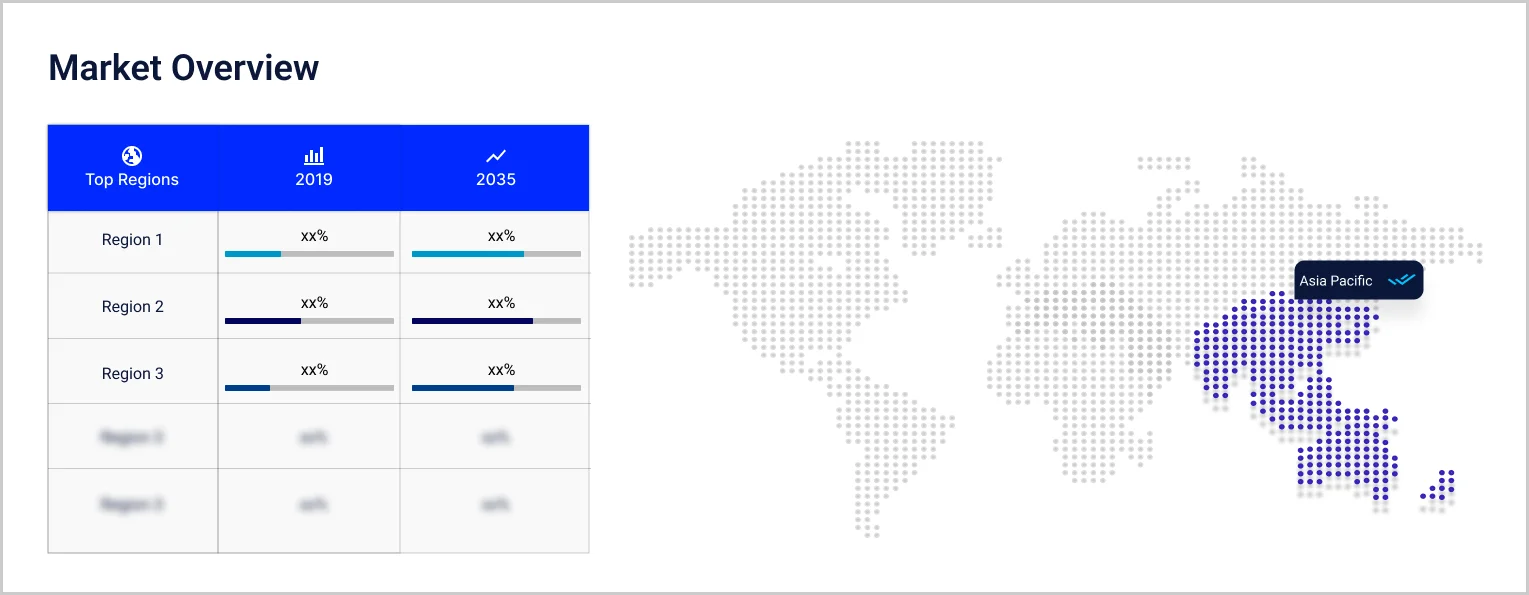
Key Insight: The North India women nutrition market leads through scale and infrastructure. South India grows at an accelerated pace through preventive habits and consistency. West India supports premium and beauty-focused nutrition. East India remains price sensitive but is improving at a notable pace. Brands plan expansion sequentially, aligning formulation, pack size, and distribution strategies to regional demand patterns.
By product, vitamins dominate the market due to deficiency prevalence and routine daily supplementation
Vitamins remain the dominant product category because they address widespread micronutrient gaps among women. Iron, folate, vitamin D, and B-complex drive consistent demand across age groups. Brands focus on women-specific blends rather than single nutrients, improving perceived value. Vitamins fit well into preventive routines, especially for fatigue and immunity. For example, DSM’s Nu-Shakti offers a range of daily home fortifiers formulated with essential vitamins and minerals to meet the nutritional needs of urban and rural consumers. Physicians and pharmacists frequently recommend vitamins, reinforcing credibility. From a manufacturing point-of-view, vitamin formulations are scalable and compliant, and their shelf stability supports wider India women nutrition market penetration.
Beauty supplements are growing at the fastest pace as nutrition overlaps with skin and hair health. Women increasingly link internal nutrition to appearance outcomes. Collagen, biotin, and antioxidant blends drive trial, as brands position these products as daily rituals rather than treatments. In December 2025, Becura, known for its clinically aligned, dermatology-inspired nutraceuticals, introduced Achrovive as a targeted solution that addresses skin discoloration, dullness, and environmental damage at the cellular level. Moreover, beauty-led nutrition also attracts younger consumers, expanding category reach beyond deficiency correction.
By form, powders account for the largest share of the market due to dosage flexibility and formulation adaptability
Powders lead the India women nutrition market by a huge margin because they allow formulation flexibility and dosing control. Women can adjust intake based on tolerance and routine. Powders support multi-ingredient blends including protein, vitamins, and botanicals. From a production standpoint, powders scale efficiently and adapt to regulatory changes. On the other hand, packaging options support both retail and subscription models. While preparation requires effort, powders remain preferred for comprehensive nutrition solutions.
Capsules are also gaining momentum in the India women nutrition market due to convenience and precise dosing. Women prefer capsules for daily routines, especially when managing multiple supplements. Capsules mask taste issues and improve portability. They suit targeted nutrition such as iron or probiotics. Brands use capsules to signal clinical credibility. Manufacturing consistency supports pharmacy distribution. In August 2022, Vedistry, a part of Charak Pharma, launched a nutritional supplement called Fortyfitt Woman Tablets during an event in Mumbai. Although powders dominate volume, capsules and tablets gain share through adherence and simplicity.
Offline distribution channels dominate the market due to medical trust and pharmacy-led recommendations
Offline channels continue to dominate the women nutrition market in India because trust remains central to purchase decisions. Pharmacies, clinics, and hospitals influence supplement selection, especially for iron, calcium, and vitamin blends. Women often rely on medical advice before starting long-term supplementation. Offline retail provides consumers with explanation, reassurance, and dosage clarity. Established brands benefit from visibility and pharmacist familiarity. Institutional nutrition programs also route through offline networks. From a business perspective, offline channels deliver steady volume and predictable demand. Even with digital growth, brands treat offline presence as essential for credibility, especially when entering new regions or launching women-specific formulations.
Online channels also experience exponential growth in the India women nutrition market as women become more ingredient-aware and research-driven. Digital platforms allow comparison, education, and peer reviews before consumers make their purchasing decisions. Subscription models support habit formation and improve retention. Brands use online channels to introduce new formats, test messaging, and refine pricing. Direct engagement helps companies understand tolerance and preference patterns.
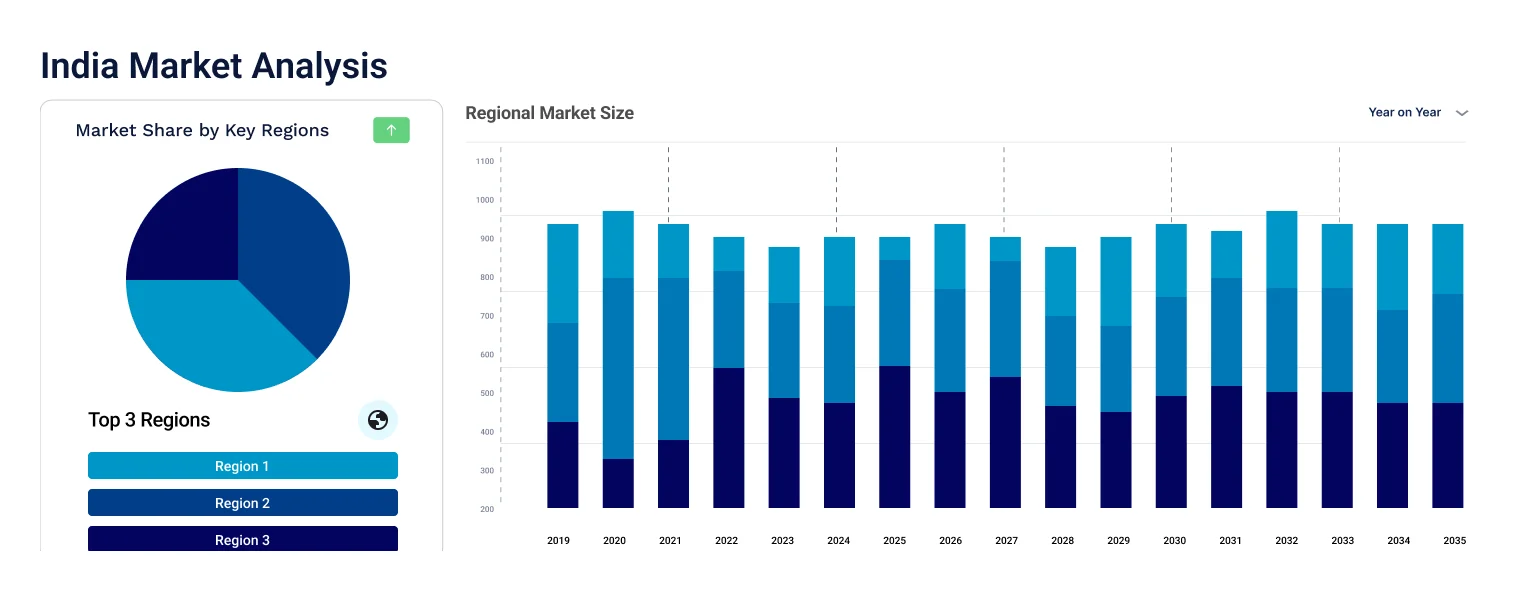
By region, North India dominates the market due to urban density and organized healthcare access
North India sustains its dominance in the market due to dense urban populations and stronger healthcare access. Working women drive demand for energy, immunity, and daily nutrition products. Organized pharmacies and modern retail support premium women-focused SKUs. E-commerce adoption is also high in this region, which further results in higher subscription usage. Brands prioritize North India for pilots, launches, and pricing experiments. Logistics infrastructure is more developed, supporting faster replenishment and lower distribution risk.
Growth of the South India women nutrition market is accelerated by preventive health trends that are already embedded in daily routines. Women actively engage with diagnostics and follow supplementation consistently. Pharmacy, clinic, and diagnostic ecosystems are well integrated, improving adherence. South India attracts long-term investment because growth is stable, predictable, and aligned with science-led women nutrition positioning.
Most of the India women nutrition market players are shifting focus from broad wellness products to life-stage and condition-specific formulations addressing anemia, hormonal balance, gut health, and skin nutrition. Product teams are investing in bioavailable ingredients, clean labels, and formats that improve adherence, such as gummies and powders with better taste profiles. Opportunities are emerging in B2B channels, especially corporate wellness programs, clinics, and diagnostic-linked nutrition plans.
Contract manufacturing partnerships are also expanding as brands look for opportunities to scale faster without heavy capex. Compliance readiness under FSSAI rules has now become a competitive advantage. India women nutrition companies that can combine formulation science, reliable sourcing, and channel-specific positioning are gaining traction.
India-based Nutritionalab Pvt. Ltd. operates Wellbeing Nutrition, focusing strongly on women-centric supplements. Its portfolio emphasizes iron, hormone balance, gut health, and beauty nutrition. Nutritionalab, founded in 2016, invests in bioavailable formats like melts and powders. The brand uses direct-to-consumer channels and education-led marketing. It caters to urban women seeking clean labels and lifestyle-oriented nutrition.
Zeon Lifesciences Ltd., founded in 1987 and headquartered in Himachal Pradesh, India, operates mainly as a contract manufacturer and formulation partner. It supports women nutrition brands with customized vitamins, minerals, and protein blends. Zeon focuses on regulatory compliance, stability testing, and scalable production. Its strength lies in B2B relationships rather than consumer branding.
HealthyHey Foods LLP was established in 2016 and is headquartered in Mumbai, India. The company offers protein powders and functional nutrition products that appeal to women focused on fitness and weight management. It emphasizes clean ingredients and simple formulations. HealthyHey relies heavily on e-commerce channels and influencer education for growth.
Founded in 1986 and headquartered in the United States, AdvaCare Pharma supplies pharmaceutical and nutraceutical products globally, including women nutrition supplements. It focuses on WHO-GMP manufacturing and international quality standards. AdvaCare serves institutional buyers, hospitals, and distributors. Its women nutrition offerings emphasize safety, consistency, and regulatory compliance.
*Please note that this is only a partial list; the complete list of key players is available in the full report. Additionally, the list of key players can be customized to better suit your needs.*
Other companies in the market include Zywie Ventures Private Limited, Herbalife International of America, Inc., GNC Holdings, Inc., and Amway Corporation, among others.
Explore the latest trends shaping the India women nutrition Market 2026-2035 with our in-depth report. Gain strategic insights, future forecasts, and key market developments that can help you stay competitive. Download your free sample report today and drive informed decisions in the market.


Upto 15% Off
USD
$2499 $2249
$3999 $3599
$4999 $4249
$5999 $5099


*While we strive to always give you current and accurate information, the numbers depicted on the website are indicative and may differ from the actual numbers in the main report. At Expert Market Research, we aim to bring you the latest insights and trends in the market. Using our analyses and forecasts, stakeholders can understand the market dynamics, navigate challenges, and capitalize on opportunities to make data-driven strategic decisions.*
The market is projected to grow at a CAGR of 7.40% between 2026 and 2035.
Life-stage nutrition, bioavailable ingredients, beauty-from-within supplements, diagnostics-linked personalization, and growth of direct-to-consumer channels are reshaping how women nutrition products are formulated, positioned, and distributed in India.
The key players in the market include Nutritionalab Pvt. Ltd., Zeon Lifesciences Ltd., HealhtyHey Foods LLP, AdvaCare Pharma, Zywie Ventures Private Limited, Herbalife International of America, Inc., GNC Holdings, Inc., and Amway Corporation, among others.
Key strategies driving the market include investing in compliant formulations, expanding digital education, strengthening B2B wellness partnerships, localizing ingredient sourcing, and building multi-format portfolios.
Companies face compliance complexity, taste acceptance issues, rising ingredient costs, fragmented consumer trust, and intense digital competition, which slow scale-up and pressure margins while increasing reliance on education-driven marketing efforts.
In 2025, the India women nutrition market reached an approximate value of USD 17.50 Million.
The market is anticipated to witness a steady growth rate and achieve a value of USD 35.73 Million by 2035.
Explore our key highlights of the report and gain a concise overview of key findings, trends, and actionable insights that will empower your strategic decisions.
| REPORT FEATURES | DETAILS |
| Base Year | 2025 |
| Historical Period | 2019-2025 |
| Forecast Period | 2026-2035 |
| Scope of the Report |
Historical and Forecast Trends, Industry Drivers and Constraints, Historical and Forecast Market Analysis by Segment:
|
| Breakup by Product |
|
| Breakup by Form |
|
| Breakup by Distribution Channel |
|
| Breakup by Region |
|
| Market Dynamics |
|
| Competitive Landscape |
|
| Companies Covered |
|
Datasheet
One User
USD 2,499
USD 2,249
tax inclusive*
Single User License
One User
USD 3,999
USD 3,599
tax inclusive*
Five User License
Five User
USD 4,999
USD 4,249
tax inclusive*
Corporate License
Unlimited Users
USD 5,999
USD 5,099
tax inclusive*
*Please note that the prices mentioned below are starting prices for each bundle type. Kindly contact our team for further details.*
Flash Bundle
Small Business Bundle
Growth Bundle
Enterprise Bundle
*Please note that the prices mentioned below are starting prices for each bundle type. Kindly contact our team for further details.*
Flash Bundle
Number of Reports: 3
20%
tax inclusive*
Small Business Bundle
Number of Reports: 5
25%
tax inclusive*
Growth Bundle
Number of Reports: 8
30%
tax inclusive*
Enterprise Bundle
Number of Reports: 10
35%
tax inclusive*
How To Order

Select License Type
Choose the right license for your needs and access rights.

Click on ‘Buy Now’
Add the report to your cart with one click and proceed to register.

Select Mode of Payment
Choose a payment option for a secure checkout. You will be redirected accordingly.
Strategic Solutions for Informed Decision-Making
Gain insights to stay ahead and seize opportunities.

Get insights & trends for a competitive edge.

Track prices with detailed trend reports.

Analyse trade data for supply chain insights.

Leverage cost reports for smart savings

Enhance supply chain with partnerships.

Connect For More Information
Our expert team of analysts will offer full support and resolve any queries regarding the report, before and after the purchase.
Our expert team of analysts will offer full support and resolve any queries regarding the report, before and after the purchase.
We employ meticulous research methods, blending advanced analytics and expert insights to deliver accurate, actionable industry intelligence, staying ahead of competitors.
Our skilled analysts offer unparalleled competitive advantage with detailed insights on current and emerging markets, ensuring your strategic edge.
We offer an in-depth yet simplified presentation of industry insights and analysis to meet your specific requirements effectively.




