

Consumer Insights
Uncover trends and behaviors shaping consumer choices today
Procurement Insights
Optimize your sourcing strategy with key market data
Industry Stats
Stay ahead with the latest trends and market analysis.
The isobutanol market was valued at USD 1.45 Billion in 2025. The market is expected to grow at a CAGR of 5.80% during the forecast period of 2026-2035 to reach a value of USD 2.55 Billion by 2035. Rising demand for bio-based isobutanol in sustainable aviation fuel production, tightening emissions regulations, and steady coatings and automotive demand are collectively driving the global market growth.
The isobutanol market reflects a landscape increasingly shaped by the convergence of traditional petrochemical solvent demand and emerging renewable fuel applications. Isobutanol's role as a chemical intermediate for isobutyl acetate, isobutyl methacrylate, and glycol ethers keeps demand steady across paints, coatings, and industrial solvent formulations, while tightening volatile organic compound regulations in North America and the European Union are pushing formulators toward isobutanol-based low-VOC systems. Governments including the United States, through Renewable Fuel Standard credits, and the European Union, through the ReFuelEU aviation mandate, are simultaneously creating a fast-growing secondary demand channel for bio-based isobutanol as a feedstock for sustainable aviation fuel. Similarly, in July 2026, India proposed 15% isobutanol blending in diesel, strengthening biofuel adoption, energy security, and sustainable agricultural feedstock demand.
Isobutanol market dynamics are increasingly influenced by capacity investment tied to renewable fuel conversion. Firms like Gevo, Inc. are reporting successful commercial scale isobutanol production batches at their facilities alongside a sustainable aviation fuel supply. Established producers including BASF, Eastman Chemical, and Dow continue to supply isobutanol through conventional oxo-process routes, maintaining reliable large-scale volumes for coatings, automotive, and oil and gas customers even as bio-based capacity expands around them.
Compound Annual Growth Rate
5.8%
Value in USD Billion
2026-2035
Read more about this report - REQUEST FREE SAMPLE COPY IN PDF
|
Isobutanol Market Report Summary |
Description |
Value |
|
Base Year |
USD Billion |
2025 |
|
Historical Period |
USD Billion |
2019-2025 |
|
Forecast Period |
USD Billion |
2026-2035 |
|
Market Size 2025 |
USD Billion |
1.45 |
|
Market Size 2035 |
USD Billion |
2.55 |
|
CAGR 2019-2025 |
Percentage |
XX% |
|
CAGR 2026-2035 |
Percentage |
5.80% |
|
CAGR 2026-2035 - Market by Region |
Asia Pacific |
7.6% |
|
CAGR 2026-2035 - Market by Product Type |
Bio-Based Isobutanol |
10.5% |
|
CAGR 2026-2035 - Market by Application |
Fuel Additive |
9.2% |
|
2025 Market Share by Region |
Europe |
23.8% |
The isobutanol market is being reshaped by the rapid rise of bio-based production for sustainable aviation fuel, continued investment by established oxo-process producers, and tightening environmental regulations that favor low-VOC solvent chemistry. Expanding renewable fuel mandates in the United States and European Union are creating a fast-growing secondary demand channel alongside steady coatings, automotive, and chemical intermediate applications.
Tata Motors commenced commercial vehicle trials using isobutanol-diesel blends, evaluating fuel efficiency, engine performance, and lower emissions for sustainable transportation applications. Other companies can collaborate with automakers to develop biofuel-compatible engines and expand commercial fleet adoption of isobutanol blends.
India launched nationwide isobutanol–diesel blend trials for commercial vehicles, supporting advanced biofuel commercialization, cleaner mobility, and reduced fossil fuel dependence. Fuel producers can invest in large-scale isobutanol production and distribution infrastructure to support future biofuel blending mandates, leveraging such trends in the isobutanol market.
Gevo completed the sale of its Luverne ethanol facility, optimizing capital allocation while strengthening focus on sustainable fuels and renewable chemical technologies. Companies can acquire or modernize existing biofuel assets to expand renewable isobutanol and sustainable fuel production capacity.
Kirloskar Oil Engines introduced ethanol- and isobutanol-compatible engines, supporting cleaner industrial power generation and next-generation renewable fuel adoption. Engine manufacturers can develop multi-fuel technologies compatible with advanced biofuels to address emerging industrial and transportation markets, thereby boosting demand in the isobutanol market.
To lower GHG emissions, enhance energy security, and diversify the sources of transportation fuels, governments are increasingly promoting advanced biofuels, leading to an increase in the demand in the isobutanol market. Compared to traditional ethanol fuel, which has low energy density, isobutanol provides high energy density and improved compatibility with current fuel infrastructure. Advanced biofuels, including isobutanol, are being promoted under the Renewable Fuel Standard of the United States and the EU's Renewable Energy Directive. Similarly, in July 2025, India advanced isobutanol as a diesel alternative for construction equipment, supporting cleaner operations, fuel efficiency, and biofuel adoption.
As the aviation industry is inclining towards reduced carbon fuels, firms are focusing on isobutanol as an intermediate raw material for the production of Sustainable Aviation Fuels (SAF). Isobutanol can be transformed to renewable jet fuel using the alcohol to jet technology which is aimed at helping the airlines cut down their carbon footprints. The isobutanol market growth is further boosted by different government policies on SAF blending requirements, tax breaks, and production grants being introduced within the United States, Europe, and Asia-Pacific to drive the commercialization process. In the United States, the Inflation Reduction Act provides tax credits for sustainable aviation fuels. Following this trend, in January 2026, Praj demonstrated integrated ethanol-to-jet technology with Axens, validating bio-isobutanol and ethanol pathways for sustainable aviation fuel production.
Chemical firms are switching from petrochemical intermediates to renewable ones, thus increasing the demand for bio-isobutanol. It can be used as the basis for production of coatings, adhesives, solvents, plasticizers, and specialty chemicals that have smaller impact on the environment. Governments are supporting for biobased manufacturing in terms of green industry policy, carbon reductions, and circular economy projects. The Bioeconomy Strategy of the European Commission keeps on promoting renewable chemicals and sustainable feedstock development. As companies in the isobutanol market look to decrease lifecycle emissions and comply with environmental legislation, bio-isobutanol is being viewed as a promising option. For example, in July 2026, Arkema expanded bio-based coatings using renewable bio-butanol feedstocks, accelerating low-carbon material adoption for sustainable industrial applications.
Global manufacturers are building large-scale biorefineries to optimize the efficiency of producing renewable isobutanol and cater to rising industry requirements. Investments in state-of-the-art fermentation processes, process optimization, and bio-refining facilities are being made to minimize production costs. Programs for government funding, loan guarantees, and incentives for green energy are aiding the development of advanced biofuel systems. The United States Department of Energy keeps on funding initiatives in next generation biorefineries and alternative fuel technologies to promote innovations in the bioeconomy. Aligning with this trend in the isobutanol market, in November 2025, Gevo retained low-carbon isobutanol production assets while divesting its ethanol facility, strengthening renewable fuels and chemicals innovation.
Emissions regulations that are aimed at reducing the emissions of volatile organic compounds are compelling various industries to use cleaner solvents and specialty chemicals, thus accelerating the overall isobutanol demand. Isobutanol finds widespread application in automotive coatings, construction chemicals, paints, and various other industrial products owing to its good solvency and performance properties. Emissions and manufacturing standards are being increasingly tightened by various regulatory agencies in North America and Europe. For example, in May 2026, Praj and ARAI expanded nationwide isobutanol-diesel validation trials, assessing engine compatibility, emissions, and commercial deployment readiness.
The Expert Market Research's report titled "Isobutanol Market Report and Forecast 2026-2035" offers a detailed analysis of the market based on the following segments:
Market Breakup by Product Type
Key Insight: Synthetic isobutanol produced through conventional oxo-process hydroformylation accounts for the dominant share of the isobutanol market, supported by large-scale, well-established production infrastructure at facilities such as Eastman Chemical's Longview, Texas complex. Bio-based isobutanol is the fastest-growing product type, expanding at a CAGR of approximately 10.5%, driven by Gevo, Inc.'s fermentation-based production and its conversion pathway into sustainable aviation fuel. Renewable Fuel Standard credits in the United States and the European Union's ReFuelEU aviation mandate are accelerating bio-based capacity investments in the industry.
Market Breakup by Application
Key Insight: The solvent application holds the largest share of the isobutanol market, reflecting isobutanol's widespread use in paint, varnish, and adhesive formulations where its low volatility and high solvency are valued. Chemical intermediate applications, including isobutyl acetate and isobutyl methacrylate production, form a substantial secondary base. The fuel additive segment emerges to be the fastest-growing application, propelled by sustainable aviation fuel conversion technology from companies such as Gevo, Inc. and rising renewable fuel blending mandates across North America and Europe.
Market Breakup by End-Use Industry
Key Insight: Paints and coatings represent the leading end-use industry for the isobutanol market, driven by sustained demand for high-performance, low-VOC coating formulations across residential, commercial, and industrial construction. The automotive industry represents a significant and growing consumer base, using isobutanol-based coatings and solvents in vehicle finishing and industrial maintenance applications. Oil and gas end-use, including drilling fluid additives and industrial cleaning applications, continues to provide a steady, less cyclical demand base across the isobutanol market.
Market Breakup by Region
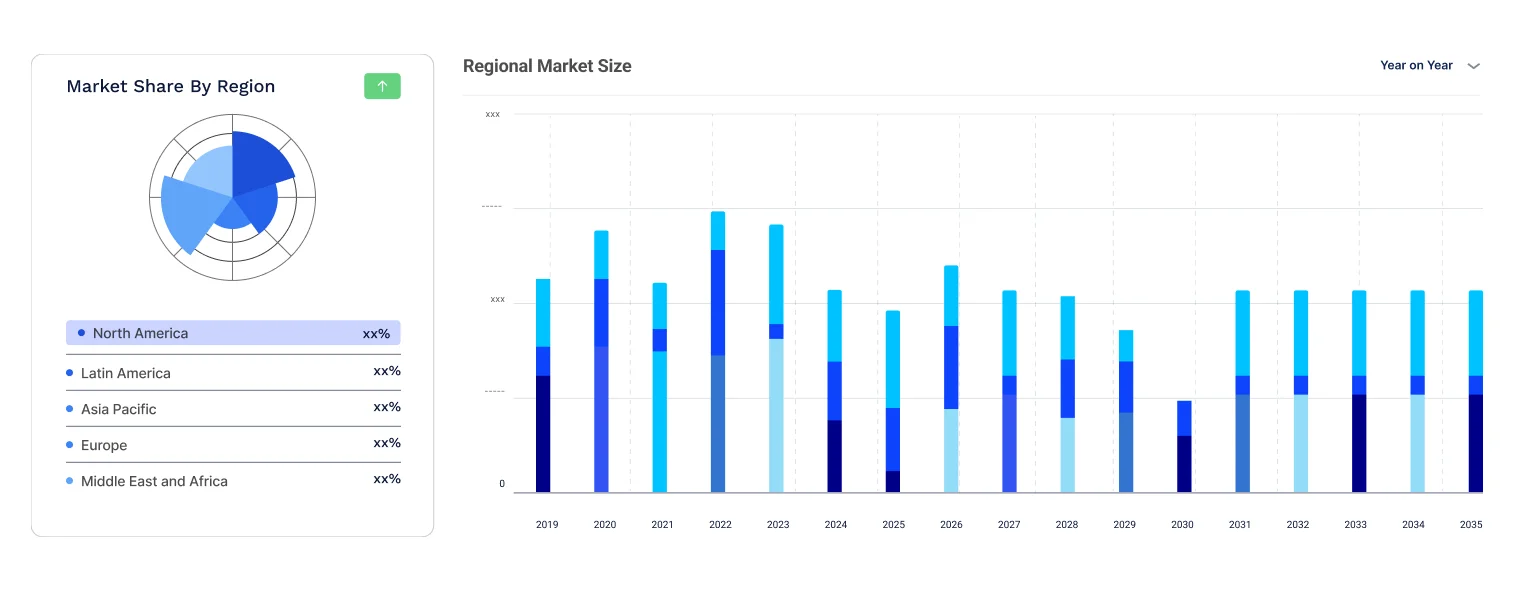
Key Insight: North America dominates the isobutanol market, supported by robust downstream coatings, automotive, and oil and gas demand alongside significant bio-based production capacities and established oxo-process output from Eastman Chemical and Dow. Asia Pacific is the fastest-growing region, propelled by rapid industrialization and expanding paints and coatings manufacturing capacity across China and India. Europe remains a significant market supported by stringent volatile organic compound regulations favoring isobutanol-based low-emission solvent systems, while Latin America and the Middle East and Africa observe steadier growth tied to industrial and construction activity.
Read more about this report - REQUEST FREE SAMPLE COPY IN PDF
By product type, the synthetic isobutanol category dominates the market due to established large-scale oxo-process production infrastructure
Synthetic isobutanol produced via conventional oxo-process hydroformylation accounts for the largest share of the isobutanol market, underpinned by decades-old, large-scale production infrastructure at facilities such as Eastman Chemical's Longview, Texas complex, one of the world's largest single-site oxo production facilities. This established production base gives synthetic isobutanol reliable, cost-competitive supply for high-volume coatings, adhesives, and chemical intermediate customers that require consistent quality and large-scale committed volumes.
Bio-based isobutanol is the fastest-growing product type as fermentation-based production scales up to meet sustainable aviation fuel demand. Companies are confirming successful commercial-scale isobutanol production batches, illustrating how renewable fuel policy is accelerating bio-based isobutanol market share gains against conventional synthetic supply. Following such trends in the market, in July 2026, Evonik partnered with Celtic Renewables to develop bio-based butanol ingredients, supporting sustainable, low-carbon cosmetics manufacturing and circular feedstocks.
Solvent applications account for the dominant share of the market due to widespread coatings and adhesive use
Solvent applications hold the largest share of the isobutanol market, reflecting isobutanol's long-standing role in paint, varnish, and adhesive formulations where its favorable volatility and solvency properties are highly valued. Tightening volatile organic compound regulations in North America and the European Union continue to reinforce isobutanol's position as a preferred low-VOC solvent choice across industrial and decorative coating systems.
The fuel additive segment is the fastest-growing application as sustainable aviation fuel conversion technology scales commercially. Gevo, Inc.'s Net-Zero 1 facility, targeting commercial-scale isobutanol-to-jet-fuel conversion, and the company's EU-certified low-carbon fuel pathway are driving rapid fuel additive segment growth, supported by Renewable Fuel Standard credits in the United States and the European Union's ReFuelEU aviation mandate.
By end-use industry, the paints and coatings segment represents the leading end-use industry due to sustained low-VOC formulation demand
Paints and coatings represent the leading end-use industry within the isobutanol market, driven by sustained global construction and renovation activity requiring high-performance, low-volatility coating formulations. Isobutanol's compatibility with a wide range of resin systems and its favorable evaporation profile make it a preferred solvent choice across both decorative and industrial coating applications.
The automotive industry is an increasingly important end-use segment as vehicle manufacturers and refinishing shops rely on isobutanol-based coatings and cleaning solvents. Growing automotive production across Asia Pacific, combined with steady replacement coating demand in mature markets, continues to support isobutanol consumption growth within the automotive end-use category across the isobutanol market.
Read more about this report - REQUEST FREE SAMPLE COPY IN PDF
North America dominates the market due to strong downstream demand and bio-based production leadership
North America dominates the isobutanol market, supported by robust downstream demand from coatings, automotive, and oil and gas customers alongside a significant and growing bio-based production base led by Gevo, Inc.'s Luverne, Minnesota and South Dakota facilities. Established oxo-process producers including Eastman Chemical and Dow further reinforce the region's production scale, giving North America both the largest conventional supply base and the most advanced bio-based isobutanol capacity globally.
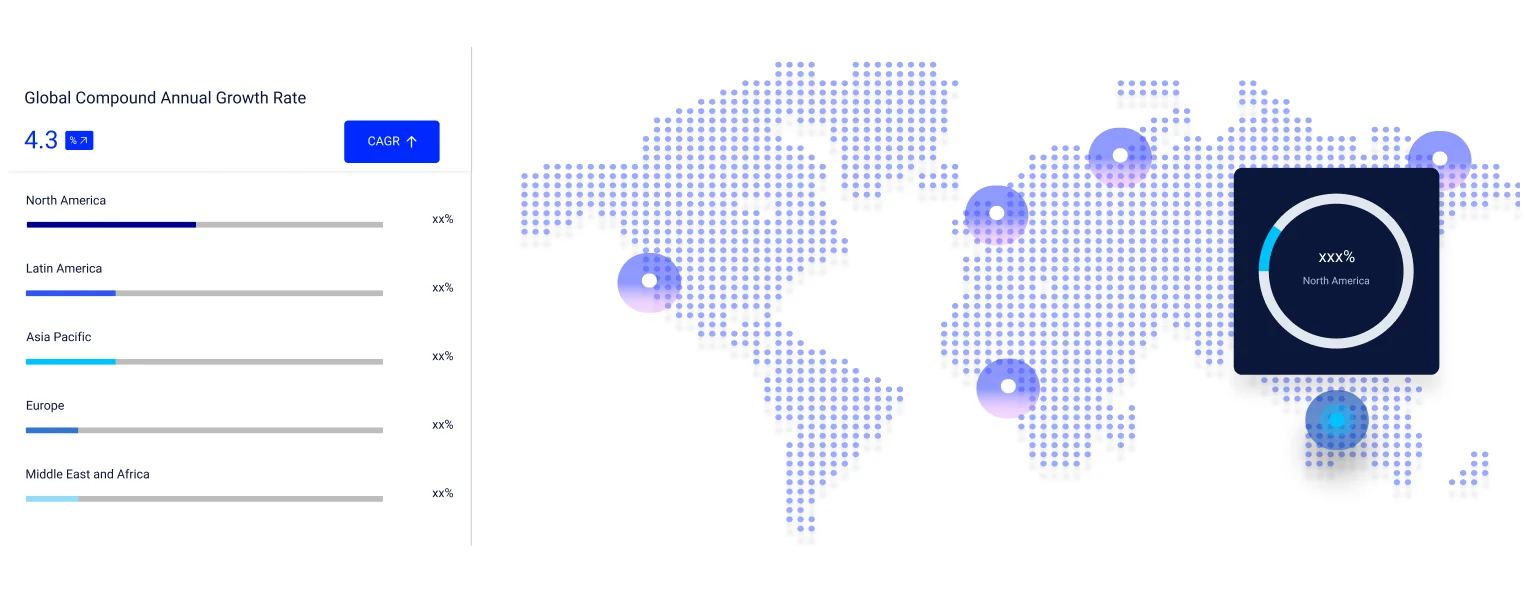
Asia Pacific is the fastest-growing region as rapid industrialization and expanding paints and coatings manufacturing capacity across China and India drive isobutanol demand higher. Growing automotive production and construction activity across the region continue to support double-digit demand growth in several end-use categories, positioning Asia Pacific as an increasingly important growth market alongside North America's production leadership. In May 2026, MoRTH advanced isobutanol-diesel blending plans, supporting cleaner transport, energy security, and commercial biofuel adoption across India.
|
CAGR 2026-2035 - Market by |
Region |
|
North America |
5.4% |
|
Europe |
5.1% |
|
Asia Pacific |
7.6% |
|
Latin America |
5.9% |
|
Middle East and Africa |
5.5% |
The global market features a moderately consolidated competitive structure spanning diversified petrochemical majors that produce isobutanol through conventional oxo-process routes alongside newer entrants pursuing bio-based fermentation technology. Leading isobutanol market players such as BASF, Eastman Chemical, and Dow compete primarily on production scale, feedstock integration, and long-standing customer relationships across coatings and industrial solvent markets, while Gevo, Inc. has carved a distinct position in renewable fuel-linked bio-based isobutanol production.
Isobutanol companies are increasingly differentiating through sustainability positioning and end-market diversification. Established oxo-process producers are investing in supply reliability and regional production footprint, while bio-based entrants pursue renewable fuel standard credits and sustainable aviation fuel supply agreements with major airlines. This bifurcation between conventional scale and renewable innovation is shaping competitive strategy in the market.
BASF SE, founded in 1865, headquartered in Ludwigshafen, Germany, is one of the world's largest diversified chemical producers, manufacturing isobutanol and related oxo-alcohols through its integrated Verbund production system. The company supplies isobutanol derivatives across coatings, plasticizers, and specialty chemical applications through a global production and distribution network spanning Europe, North America, and Asia.
Eastman Chemical Company, headquartered in Kingsport, Tennessee, United States and founded in 1920, operates one of the world's largest single-site oxo production complexes at Longview, Texas, manufacturing isobutyraldehyde and derivative alcohols including isobutanol alongside more than twenty other organic chemicals.
Dow Inc., founded in 1897, headquartered in Midland, Michigan, United States, is a global materials science company with a significant presence in oxo-alcohol production, including isobutanol used in solvent, coatings, and chemical intermediate applications. Dow's integrated petrochemical feedstock position supports reliable large-scale isobutanol supply to industrial customers.
Gevo, Inc., headquartered in Englewood, Colorado, United States, founded in 2005, produces bio-based isobutanol through proprietary fermentation technology at its Luverne, Minnesota facility and is developing commercial-scale isobutanol-to-sustainable aviation fuel conversion at its Net-Zero 1 facility in South Dakota. Gevo's isobutanol-based jet fuel pathway is EU-certified at approximately 75% lower greenhouse gas emissions than petroleum-based jet fuel.
Other key players in the market report include Mitsubishi Chemical Corporation, INEOS Group Holdings S.A., Sasol Limited, OQ Chemicals GmbH, and The Andhra Petrochemicals Limited, among others.
*Please note that this is only a partial list; the complete list of key players is available in the full report. Additionally, the list of key players can be customized to better suit your needs.*
Explore the latest trends shaping the isobutanol market 2026-2035 with our in-depth report. Gain strategic insights, future forecasts, and key market developments that can help you stay competitive. Download a free sample report or contact our team for customized consultation on the market trends 2026.


Upto 15% Off
USD
$2499 $2249
$3999 $3599
$4999 $4249
$5999 $5099


*While we strive to always give you current and accurate information, the numbers depicted on the website are indicative and may differ from the actual numbers in the main report. At Expert Market Research, we aim to bring you the latest insights and trends in the market. Using our analyses and forecasts, stakeholders can understand the market dynamics, navigate challenges, and capitalize on opportunities to make data-driven strategic decisions.*
In 2025, the isobutanol market reached an approximate value of USD 1.45 Billion.
The market is projected to grow at a CAGR of 5.80% between 2026 and 2035.
The key players in the market include BASF SE, Eastman Chemical Company, The Dow Chemical Company, Gevo, Inc., Mitsubishi Chemical Corporation, INEOS Group Holdings S.A., Sasol Limited, OQ Chemicals GmbH, and The Andhra Petrochemicals Limited, among others.
Leading companies are pursuing bio-based capacity expansion, sustainable aviation fuel partnerships, feedstock integration, and low-VOC product positioning to capture regulatory-driven demand.
Key challenges include feedstock price volatility, high capital costs for bio-based conversion facilities, competition from substitute solvents, and dependence on renewable fuel policy support.
Explore our key highlights of the report and gain a concise overview of key findings, trends, and actionable insights that will empower your strategic decisions.
|
Report Features |
Details |
|
Base Year |
2025 |
|
Historical Period |
2019-2025 |
|
Forecast Period |
2026-2035 |
|
Scope of the Report |
Historical and Forecast Trends, Industry Drivers and Constraints, Historical and Forecast Market Analysis by Segment:
|
|
Breakup by Product Type |
|
|
Breakup by Application |
|
|
Breakup by End-Use Industry |
|
|
Breakup by Region |
|
|
Market Dynamics |
|
|
Competitive Landscape |
|
|
Companies Covered |
|
Datasheet
One User
USD 2,499
USD 2,249
tax inclusive*
Single User License
One User
USD 3,999
USD 3,599
tax inclusive*
Five User License
Five User
USD 4,999
USD 4,249
tax inclusive*
Corporate License
Unlimited Users
USD 5,999
USD 5,099
tax inclusive*
*Please note that the prices mentioned below are starting prices for each bundle type. Kindly contact our team for further details.*
Flash Bundle
Small Business Bundle
Growth Bundle
Enterprise Bundle
*Please note that the prices mentioned below are starting prices for each bundle type. Kindly contact our team for further details.*
Flash Bundle
Number of Reports: 3
20%
tax inclusive*
Small Business Bundle
Number of Reports: 5
25%
tax inclusive*
Growth Bundle
Number of Reports: 8
30%
tax inclusive*
Enterprise Bundle
Number of Reports: 10
35%
tax inclusive*
How To Order

Select License Type
Choose the right license for your needs and access rights.

Click on ‘Buy Now’
Add the report to your cart with one click and proceed to register.

Select Mode of Payment
Choose a payment option for a secure checkout. You will be redirected accordingly.
Strategic Solutions for Informed Decision-Making
Gain insights to stay ahead and seize opportunities.

Get insights & trends for a competitive edge.

Track prices with detailed trend reports.

Analyse trade data for supply chain insights.

Leverage cost reports for smart savings

Enhance supply chain with partnerships.

Connect For More Information
Our expert team of analysts will offer full support and resolve any queries regarding the report, before and after the purchase.
Our expert team of analysts will offer full support and resolve any queries regarding the report, before and after the purchase.
We employ meticulous research methods, blending advanced analytics and expert insights to deliver accurate, actionable industry intelligence, staying ahead of competitors.
Our skilled analysts offer unparalleled competitive advantage with detailed insights on current and emerging markets, ensuring your strategic edge.
We offer an in-depth yet simplified presentation of industry insights and analysis to meet your specific requirements effectively.




