

Consumer Insights
Uncover trends and behaviors shaping consumer choices today
Procurement Insights
Optimize your sourcing strategy with key market data
Industry Stats
Stay ahead with the latest trends and market analysis.
The Japan Activewear Market reached a value of USD 21.83 Billion at 2025 and is projected to expand at a CAGR of around 6.70% during the forecast period of 2026-2035. With rising health-consciousness, athleisure mainstreaming, expansion of flagship and omnichannel retail, and sustainable performance innovation, the market is expected to reach USD 41.75 Billion.
Japan's activewear sector is experiencing robust growth, underpinned by intersecting trends in health, fashion, and digital retail. Consumers are increasingly seeking apparel that transitions seamlessly from the gym to daily life, elevating the role of athleisure across age groups and demographics. The market benefits from a mature sportswear culture rooted in domestic heritage brands with strong technical credibility, alongside the expanding influence of global labels that localize product design and marketing for Japanese tastes. Youth and millennial consumers are emerging as the most active spenders, while the aging population segment continues to generate demand for comfort-first, functional activewear. The growing acceptance of sportswear as casual fashion in urban centers such as Tokyo, Osaka, and Nagoya continues to widen the total addressable market. For instance, in October 2024, UNIQLO opened a new worldwide flagship store in the Shinjuku district of Tokyo, spanning 3,967 square meters and offering a curated range of performance-oriented lifestyle apparel, reinforcing how Japanese retail infrastructure is aligning with active lifestyle trends and broadening the overall Japan activewear market share.
Compound Annual Growth Rate
6.7%
Value in USD Billion
2026-2035
|
Japan Activewear Market Report Summary |
Description |
Value |
|
Base Year |
USD Billion |
2025 |
|
Historical Period |
USD Billion |
2019-2025 |
|
Forecast Period |
USD Billion |
2026-2035 |
|
Market Size 2025 |
USD Billion |
21.83 |
|
Market Size 2035 |
USD Billion |
41.75 |
|
CAGR 2019-2025 |
Percentage |
XX% |
|
CAGR 2026-2035 |
Percentage |
6.70% |
|
CAGR 2026-2035 - Market by End Users |
Women |
7.6% |
|
CAGR 2026-2035 - Market by Distribution Channel |
Online |
9.6% |
ASICS announced the GEL-NIMBUS 28 alongside its global “Move Your Body, Move Your Mind” campaign from its Kobe headquarters. The 28th-generation neutral cushioned trainer features PureGEL technology and FF BLAST PLUS cushioning, with a weight reduction of over 20 grams versus its predecessor. The launch reinforces ASICS’ wellness-led performance positioning ahead of Japan’s 2026 running season, with the campaign film carrying a reimagined version of The Beach Boys’ “Good Vibrations.” The shoe is now available at asics.com and select ASICS stores in Japan and worldwide.
Japanese technical apparel brand Goldwin unveiled its Fall/Winter 2025 outerwear collection, designed for both alpine and urban use. Highlights include the PERTEX QUANTUM Down Parka with CLEANDOWN insulation and a Dope Dyed Ripple Nylon Down Jacket using yarn-dyeing techniques to reduce environmental impact. Key pieces such as the Oyabe 3L Jacket priced from JPY 69,300 to JPY 154,000 (about USD 444 to USD 984) sold through Goldwin’s official Japan channels and select retailers, reinforcing the brand’s premium technical positioning in the Japan activewear market.
PUMA debuted the FAST-XP collection at its exclusive NITRO Lab in Minami-Aoyama, Tokyo, timed to the start of the World Athletics Championships Tokyo 2025. The collection translates PUMA’s competitive-spike technology into futuristic concept models for stadium and road use, including the FAST-XP SPT inspired by the Berserker spike worn by 400m hurdle world record holder Karsten Warholm. Tied to PUMA’s “Future of Fast” platform with over 140 partnered athletes, the launch reinforces the brand’s premium performance push in the Japan activewear market.
Nike rolled out its International Running Pack at the UNION RUNNING DEPT. by Nike in Tokyo on August 30, 2025, ahead of nationwide Japan availability on September 5 and a global rollout from September 10. The capsule reimagines four classic Nike Running silhouettes through a Japanese aesthetic lens, paired with archive-inspired apparel co-developed with Tokyo run crews. Designed by Katsunobu Asayama, lead footwear designer, the launch deepens Nike’s heritage tie to Japan’s running community in the lead-up to the Tokyo World Athletics Championships.
ASICS introduced the METASPEED RAY along with the METASPEED SKY TOKYO and METASPEED EDGE TOKYO from Kobe. Weighing only 129 grams, the METASPEED RAY ranks among the lightest carbon-plated racing shoes on the market and uses a Dynamic Drop Structure for greater forefoot rebound. To showcase the line, ASICS hosted the Tokyo: Speed: Race event on May 3 next to Japan National Stadium with more than 2,750 runners. The launch positions ASICS as official partner of the World Athletics Championships Tokyo 2025.
Japanese activewear brands are accelerating ethical-sourcing reforms in response to consumer scrutiny and global advocacy pressure. In June 2025, Mizuno Corporation confirmed a planned phase-out of kangaroo leather across its athletic footwear, following similar moves by Adidas and ASICS earlier in 2025. The shift reflects Japanese consumers’ growing preference for values-aligned brands and is opening the door to recycled fibres, bio-based foams, and ocean-plastic textiles. Sustainability is now becoming a meaningful purchase criterion, particularly among younger urban shoppers, and is reshaping product development roadmaps across the Japan activewear industry.
Activewear brands are deepening their physical retail bets in Tokyo’s premium shopping corridors to anchor brand-building, community programming, and product trial. In September 2025, Swiss sportswear brand On opened its second-largest global flagship - On Flagship Store Tokyo Ginza - on Namiki-dori, with three floors covering running, lifestyle, tennis, and kids categories, and an adjacent On Labs Tokyo pop-up showcasing its LightSpray robotic shoe-construction technology. Such investments illustrate how leading activewear players in Japan are using flagship stores to complement digital channels and convert curiosity into long-term loyalty.
Brands are partnering with music, fashion, and lifestyle labels to position activewear as everyday cultural wear rather than purely sports apparel. In September 2025, Adidas Originals released its long-anticipated Oasis LIVE ’25 Collection in Japan on September 17, with Japan-exclusive sneakers - the NG MARATHON SPZL and LG ACHILLE SPZL - distributed through the CONFIRMED app and select stores. The drop, drawing on 1990s British street style, illustrates how Japanese athleisure is increasingly fuelled by music, nostalgia, and limited-edition drops, broadening category occasions and lifting price points across the Japan activewear market.
The World Athletics Championships Tokyo 2025 catalysed a wave of locally curated performance launches as brands raced to claim cultural and technical relevance. In August 2025, ASICS unveiled the TOKYO Collection at its Kobe headquarters, headlined by two new pinnacle running shoes - the MEGABLAST and SONICBLAST - built on its newly developed FF TURBO SQUARED midsole foam, reportedly about 32.5% bouncier than its predecessor. Tokyo-inspired colourways drawing on wisteria and sunrise red palettes were also applied across the GEL-KAYANO 32 and GEL-NIMBUS 27, deepening Japan-rooted storytelling for the global running audience.
The EMR’s report titled “Japan Activewear Market Report and Forecast 2026-2035” offers a detailed analysis of the market based on the following segments:
Market Breakup by End-User
Key Insight: Japan’s activewear demand is becoming clearly segmented across end-user cohorts, each with a distinct purchase logic. Men gravitate to performance-led athletic apparel for running, training, and ekiden-style relay racing, with brands such as ASICS and Nike focused heavily on this group. Women - already the largest revenue group at over 50% of the market - are driving the fastest growth among the three cohorts at a 7.6% forecast CAGR, fuelled by inclusive sizing, athleisure-fashion crossover, and the broader entry of women into recreational fitness. The Kids segment is being lifted by parents seeking durable, eco-friendly apparel and rising youth participation in school athletics, baseball, and football.
Market Breakup by Distribution Channel
Key Insight: Online and offline channels in Japan are converging into deeply integrated omnichannel ecosystems rather than competing silos. Online platforms - including brand DTC sites, ZOZOTOWN, and Rakuten - are expected to grow at the fastest CAGR of 9.6% over the forecast period, supported by app-led drops, lottery sneaker releases, and digitally native women’s brands. Offline retail still anchors share through experiential flagship stores in Tokyo’s Ginza, Harajuku, and Shibuya districts, where brands such as Nike, Adidas Originals, On, and PUMA invest heavily in community programming, in-store running clinics, and trial events. The two channels reinforce each other in driving Japan activewear market revenue.
Market Breakdown by Region
Key Insight: Kanto, anchored by Greater Tokyo, dominates the Japan activewear market thanks to its concentration of flagship retail, urban running culture, and corporate fitness programmes - Tokyo Metropolitan Government data indicates that residents’ regular involvement in sports and exercise climbed from 60.4% in 2020 to 66.3% by October 2023. Kansai (Osaka, Kyoto, Kobe) follows closely, hosting Mizuno’s headquarters and a strong base of running, baseball, and amateur cricket activity. Chubu (notably Toyama and Nagoya) is gaining visibility on the back of Goldwin’s Toyama-based Tech Lab and Goldwin 0 experimental line, while Kyushu, Tohoku, and Hokkaido are emerging as growth pockets driven by outdoor recreation, marathons, and an aging-population wellness push.
Within the End-User segmentation, the Women category is the dominant revenue contributor in the Japan activewear market, holding above 50% share by 2025, while also recording the fastest growth among end-users at a 7.6% forecast CAGR. The dominance reflects a structural shift - women in Tokyo, Osaka, and other metros are entering yoga, Pilates, reformer Pilates, and recreational running in record numbers, and they reward brands that combine inclusive design with performance fabrics. Recent evidence reinforces this dynamic: NIKE Inc. and SKIMS jointly launched the NikeSKIMS brand in September 2025, with seven collections, 58 styles, and a global expansion that includes Japan, signalling that women’s activewear has become a strategic battleground for the world’s largest sportswear groups. Men remain a major secondary cohort, anchored by performance running and team sports.
In the Distribution Channel segmentation, Offline retail still holds the larger revenue share due to Japan’s deeply rooted speciality store culture and the pivotal role of department stores in apparel discovery - yet Online is the more dynamic dominant segment, expanding at a 9.6% forecast CAGR, well above the overall market. The acceleration is being led by brand DTC sites, ZOZOTOWN, and lottery-based mobile drops via apps such as Nike SNKRS and Adidas CONFIRMED. Confirming this trajectory, On - which only opened its first Tokyo flagship in Ginza on September 12, 2025 - operates a tightly integrated online-offline model that uses Tokyo retail to drive premium digital conversion, illustrating why Japan’s leading brands are doubling down on digital while continuing to invest in flagship retail.
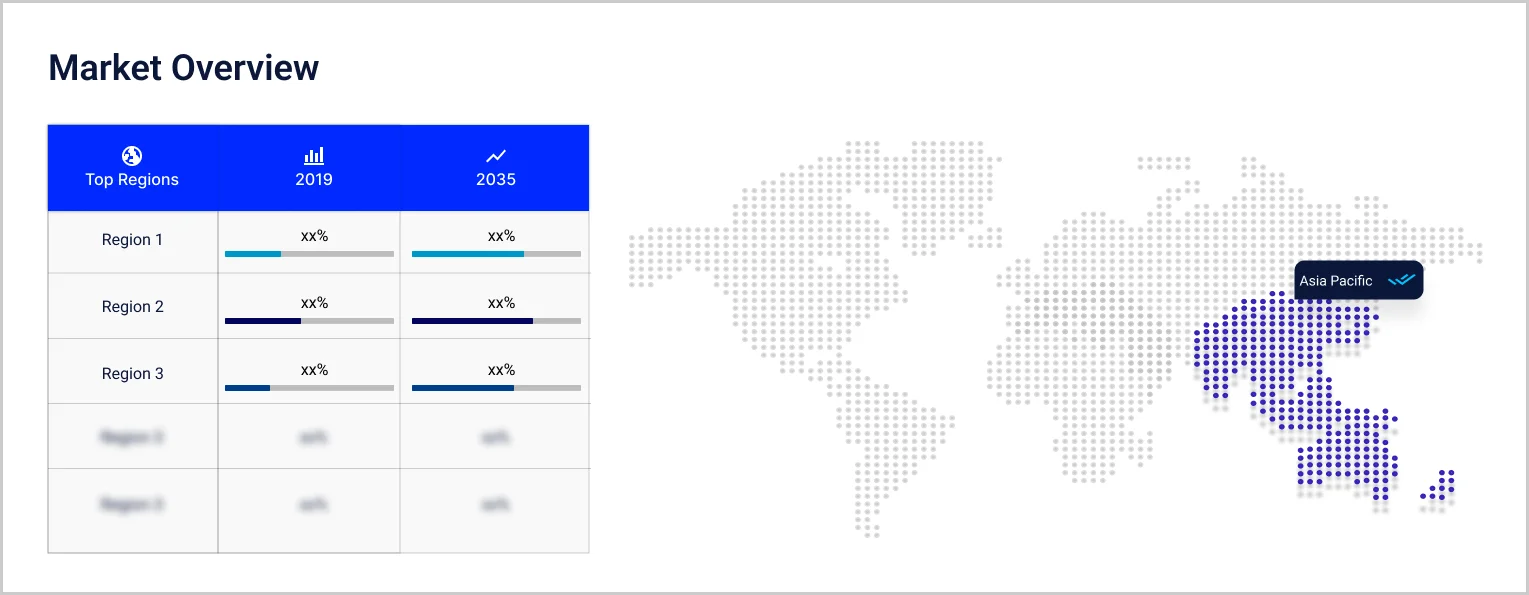
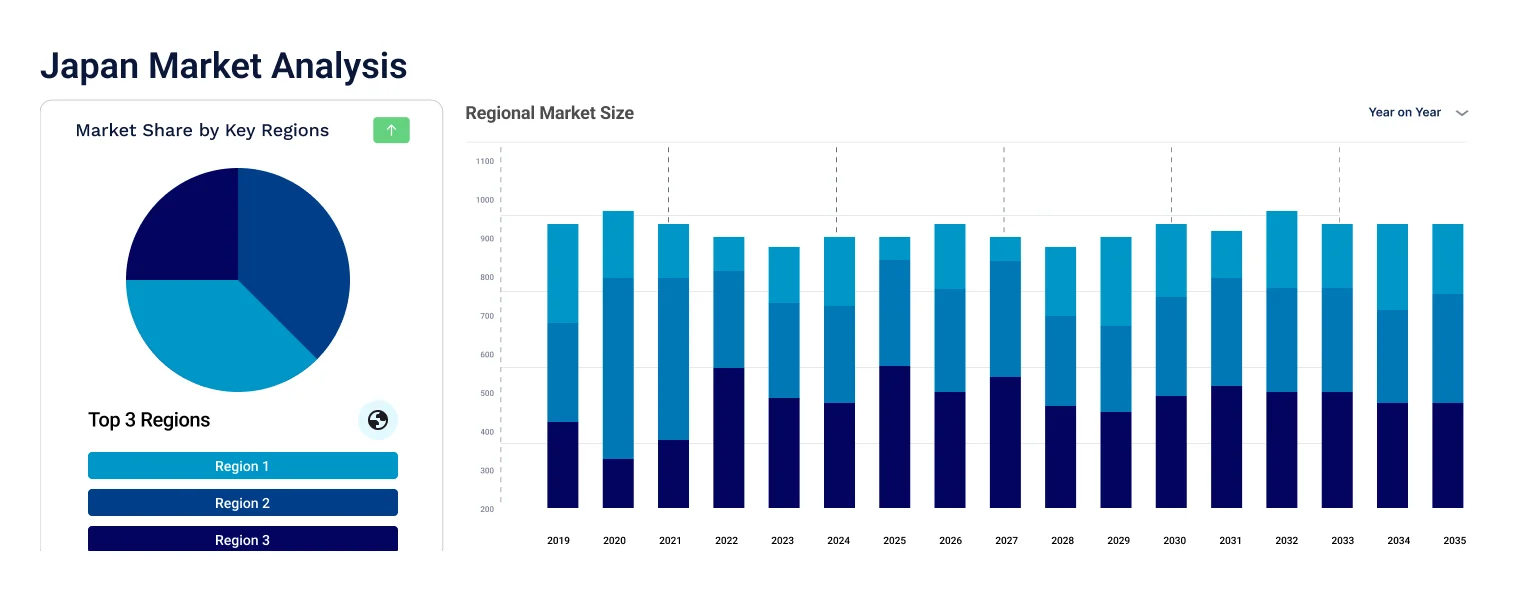
Kanto, anchored by Tokyo and the wider National Capital Region, is the single most important regional engine of the Japan activewear market. The region houses the country’s flagship retail concentration - including Nike Ginza, Adidas Originals Harajuku, the new On Tokyo Ginza store opened on September 12, 2025, and PUMA’s NITRO Lab in Minami-Aoyama - and was the host city of the World Athletics Championships in September 2025, around which ASICS, Nike, and PUMA all built dedicated Tokyo capsules. Tokyo Metropolitan Government data shows residents’ regular participation in sports and exercise rose from 60.4% in 2020 to 66.3% by late 2023, supporting consistent gym, ekiden running, and yoga uptake. Kanto’s high disposable incomes, dense corporate-wellness programmes, and running-club culture make it the region of choice for premium product launches and direct-to-consumer pilots.
Kansai, centred on Osaka, Kyoto, and Kobe, is the second-most important region for the Japan activewear market and acts as a key counterweight to Kanto. Kansai is home to ASICS in Kobe and Mizuno in Osaka - two of Japan’s most globally relevant activewear groups - anchoring a deep manufacturing, R&D, and retail ecosystem. The region drives demand across baseball, marathon, and rugby categories, and Mizuno’s strategic moves out of Osaka - including its January 2024 partnership with the Japan Cricket Association as official kit supplier and its June 2025 commitment to phase out kangaroo leather - illustrate Kansai’s role as both an industry hub and a values-led trendsetter. Continuous investment in retail at venues such as Hanshin and Hankyu department stores reinforces Kansai’s contribution to the Japan activewear market revenue base.
The Japan activewear market is moderately consolidated at the top end, with global multi-sport groups - Nike Inc., Adidas AG, and PUMA SE - competing intensely with Japan-rooted leaders such as ASICS Corp., Mizuno Corporation, and Goldwin Inc., supported by smaller domestic brands and lifestyle players. Competition is particularly fierce in performance running, athleisure for women, and premium outerwear, where mega-event tie-ins and limited-edition drops are key differentiators.
Strategic priorities are converging across competitors - flagship store expansion in Tokyo’s premium districts, deeper direct-to-consumer and omnichannel investments, frequent product refreshes built around proprietary foams and recycled fabrics, and culturally resonant collaborations with music, fashion, and lifestyle labels. Sustainability and ethical-sourcing reforms are quickly becoming table stakes, while Japan-specific product storytelling around Tokyo, ekiden running, and Japanese craftsmanship is increasingly used to differentiate global brands and protect domestic players.
Founded in 1964 and headquartered in Beaverton, Oregon, Nike Inc. is the world’s largest athletic footwear and apparel company, with deep retail and athlete-marketing roots in Japan dating back to its earliest decades. In Japan, Nike runs flagship stores in Ginza, Harajuku, and Shibuya, supports ekiden university running teams, and consistently launches Tokyo-anchored capsules - including the August 2025 International Running Pack - to deepen its connection with the Japanese running community.
Adidas AG, founded in 1949 in Herzogenaurach, Germany, is a global sportswear leader spanning performance, originals, and football. In Japan, Adidas operates an Adidas Originals flagship in Harajuku and pursues a steady stream of Japan-exclusive drops and Originals collaborations - most recently the Adidas Originals x Oasis LIVE ’25 collection released in Japan in September 2025 - leveraging music and street culture to drive cultural resonance with younger urban consumers.
ASICS Corp., founded in 1949 and headquartered in Kobe, Japan, is one of the country’s most globally recognised performance running brands. With proprietary technologies such as FF TURBO SQUARED foam, the METASPEED carbon-plate series, and the GEL-KAYANO and GEL-NIMBUS franchises, ASICS leads premium running in Japan. The brand is an official partner of the Tokyo Marathon and World Athletics, with strong sustainability credentials following its 2025 commitment to phase out kangaroo leather.
Mizuno Corporation, founded in 1906 and headquartered in Osaka, Japan, is one of Japan’s oldest sporting goods groups, spanning baseball, running, golf, football, volleyball, and beyond. Through Wave Plate, ENERZY, and ENERZY Lite midsole technologies, Mizuno covers everyday training to elite racing. Recent strategic moves - including a January 2024 Japan Cricket Association kit-supplier partnership and the June 2025 kangaroo-leather phase-out - reinforce its sustainability and category-expansion agenda within the Japan activewear market.
*Please note that this is only a partial list; the complete list of key players is available in the full report. Additionally, the list of key players can be customized to better suit your needs.*
Other key players in the market are PUMA SE, VF Corporation, Goldwin Inc., and Others.
Discover the latest insights on the Japan Activewear Market 2026 with our comprehensive report. Stay ahead of the curve with the most relevant data on product innovations, consumer demand trends, and high-growth regions across Japan. Whether you are launching a new performance line, expanding your athleisure portfolio, or evaluating a Japan market entry, this report gives you the clarity you need. Download your free sample now and uncover the most important opportunities across the thriving Japan Activewear landscape.


Upto 15% Off
USD
$2499 $2249
$3999 $3599
$4999 $4249
$5999 $5099


*While we strive to always give you current and accurate information, the numbers depicted on the website are indicative and may differ from the actual numbers in the main report. At Expert Market Research, we aim to bring you the latest insights and trends in the market. Using our analyses and forecasts, stakeholders can understand the market dynamics, navigate challenges, and capitalize on opportunities to make data-driven strategic decisions.*
In 2025, the Japan activewear market reached an approximate value of USD 21.83 Billion.
The market is projected to grow at a CAGR of 6.70% between 2026 and 2035.
The key players in the market include Adidas AG, Nike Inc., PUMA SE, ASICS Corp., VF Corp., Mizuno Corporation, Goldwin Inc., and Others.
Growth is driven by rising health and fitness awareness across an aging Japanese population, the mainstreaming of athleisure into everyday wear, deepening omnichannel and direct-to-consumer strategies, premium flagship retail expansion in Tokyo and Osaka, mega-event innovation tied to the World Athletics Championships and Tokyo Marathon, and a clear consumer pull toward sustainable and ethically sourced performance apparel.
Online platforms demonstrate significant growth in the Japan activewear market and is set to expand at a CAGR of 9.6% through 2035.
By end-user, the Japan activewear market is segmented into Men, Women, and Kids. Women is the largest revenue cohort and the fastest-growing at an estimated 7.6% CAGR, supported by inclusive design and rising female sports participation. Men remain a strong secondary group anchored by performance running and team sports, while Kids represent a smaller but resilient segment lifted by youth athletics and parental preference for durable, eco-friendly apparel.
The leading trends include sustainability and ethical-sourcing reforms exemplified by Mizuno’s June 2025 kangaroo-leather phase-out; experiential premium retail expansion such as On’s September 2025 Tokyo Ginza flagship; cultural crossover collaborations like the Adidas Originals x Oasis Japan-exclusive collection in September 2025; and performance-tech innovation tied to the World Athletics Championships Tokyo 2025, including the ASICS TOKYO Collection and PUMA’s FAST-XP launch.
Explore our key highlights of the report and gain a concise overview of key findings, trends, and actionable insights that will empower your strategic decisions.
| REPORT FEATURES | DETAILS |
| Base Year | 2025 |
| Historical Period | 2019-2025 |
| Forecast Period | 2026-2035 |
| Scope of the Report |
Historical and Forecast Trends, Industry Drivers and Constraints, Historical and Forecast Market Analysis by Segment:
|
| Breakup by End-User |
|
| Breakup by Distribution Channel |
|
| Breakup by Region |
|
| Market Dynamics |
|
| Competitive Landscape |
|
| Companies Covered |
|
Datasheet
One User
USD 2,499
USD 2,249
tax inclusive*
Single User License
One User
USD 3,999
USD 3,599
tax inclusive*
Five User License
Five User
USD 4,999
USD 4,249
tax inclusive*
Corporate License
Unlimited Users
USD 5,999
USD 5,099
tax inclusive*
*Please note that the prices mentioned below are starting prices for each bundle type. Kindly contact our team for further details.*
Flash Bundle
Small Business Bundle
Growth Bundle
Enterprise Bundle
*Please note that the prices mentioned below are starting prices for each bundle type. Kindly contact our team for further details.*
Flash Bundle
Number of Reports: 3
20%
tax inclusive*
Small Business Bundle
Number of Reports: 5
25%
tax inclusive*
Growth Bundle
Number of Reports: 8
30%
tax inclusive*
Enterprise Bundle
Number of Reports: 10
35%
tax inclusive*
How To Order

Select License Type
Choose the right license for your needs and access rights.

Click on ‘Buy Now’
Add the report to your cart with one click and proceed to register.

Select Mode of Payment
Choose a payment option for a secure checkout. You will be redirected accordingly.
Strategic Solutions for Informed Decision-Making
Gain insights to stay ahead and seize opportunities.

Get insights & trends for a competitive edge.

Track prices with detailed trend reports.

Analyse trade data for supply chain insights.

Leverage cost reports for smart savings

Enhance supply chain with partnerships.

Connect For More Information
Our expert team of analysts will offer full support and resolve any queries regarding the report, before and after the purchase.
Our expert team of analysts will offer full support and resolve any queries regarding the report, before and after the purchase.
We employ meticulous research methods, blending advanced analytics and expert insights to deliver accurate, actionable industry intelligence, staying ahead of competitors.
Our skilled analysts offer unparalleled competitive advantage with detailed insights on current and emerging markets, ensuring your strategic edge.
We offer an in-depth yet simplified presentation of industry insights and analysis to meet your specific requirements effectively.




