

Consumer Insights
Uncover trends and behaviors shaping consumer choices today
Procurement Insights
Optimize your sourcing strategy with key market data
Industry Stats
Stay ahead with the latest trends and market analysis.
The Japan battery additives market was valued at USD 88.20 Million in 2025. The market is expected to grow at a CAGR of 8.40% during the forecast period of 2026-2035 to reach a value of USD 197.59 Million by 2035. Rapid expansion of grid-scale energy storage projects is driving demand for advanced additives that enhance thermal stability, safety, and lifespan, encouraging suppliers to customize formulations for utility-backed battery deployments across the nation.
Material suppliers are accelerating innovation in next-generation anode technologies to meet evolving performance and durability expectations. In May 2025, Electronic components manufacturer TDK Corp announced the launch of its next-generation silicon anode batteries, with preparations running ahead of schedule and demand from smartphone makers. The company is targeting improved cycle stability and thermal resistance as Japanese automakers push longer warranty periods. The batteries use optimized silicon-carbon blends and proprietary additives to control swelling and heat generation during fast charging, boosting the overall Japan battery additives market growth.
Additive innovation is shifting toward functional coatings, conductive agents, and SEI-forming materials that extend battery life under fast-charging conditions. Companies such as Asahi Kasei and UBE are investing in proprietary polymer and carbon-based additives to differentiate performance rather than compete on volume. In October 2025, Evonik officially opened its first state-of-art fumed alumina production facility “Alu5” in Yokkaichi, Japan, which marks a major step forward in the company’s strategy to serve the Asian market with advanced aluminum oxide-based solutions. This Japan battery additives market development aligns with the country’s premium battery positioning, where reliability outweighs cost.
Compound Annual Growth Rate
8.4%
Value in USD Million
2026-2035
|
Japan Battery Additives Market Report Summary |
Description |
Value |
|
Base Year |
USD Million |
2025 |
|
Historical Period |
USD Million |
2019-2025 |
|
Forecast Period |
USD Million |
2026-2035 |
|
Market Size 2025 |
USD Million |
88.20 |
|
Market Size 2035 |
USD Million |
197.59 |
|
CAGR 2019-2025 |
Percentage |
XX% |
|
CAGR 2026-2035 |
Percentage |
8.40% |
|
CAGR 2026-2035 - Market by Type |
Conductive Additive |
9.1% |
|
CAGR 2026-2035 - Market by Application |
Lithium-Ion Battery |
9.4% |
Under a license from Asahi Kasei, EAS Batteries launched its cylindrical UHP601300 LFP 22 cell in March 2026, integrating Asahi Kasei's acetonitrile-based electrolyte additive. The cell delivers 2,550 W/kg continuous power approximately 60% higher than cells using conventional electrolytes supported by Germany's HEADLINE project.
Mitsubishi Chemical Group transferred its lithium-ion battery electrolyte manufacturing assets in the United States and the United Kingdom to GEO, with the transaction scheduled to take effect on March 31, 2026 (subject to regulatory approval), restructuring its Sol-Rite electrolyte additive footprint in the Americas and Europe.
Japan’s accelerating grid-scale battery deployment is pushing additive demand toward thermal stability and long calendar life. Utility-backed projects linked to renewable balancing require cells that withstand deep cycling and long idle periods. Chemical suppliers are introducing SEI-forming and flame-retardant electrolyte additives customized for multi-hour storage, accelerating demand in the Japan battery additives market. In August 2025, Hitachi, Ltd. delivered a set of grid energy storage system to Matsuyama Mikan Energy LLC for its newly constructed Matsuyama Battery Energy Storage System (Matsuyama BESS) in Matsuyama City. Moreover, long-term utility contracts now favor suppliers offering performance warranties, not just materials, and documentation support.
Automotive battery programs in Japan are pushing higher nickel content to extend driving range while reducing pack weight. This trend increases the risk of cathode and electrolyte interfaces degradation, thus directly lifting the demand for advanced stabilizing additives. Chemical players are developing polymeric coatings, metal-chelation additives, and conductive carbon dispersants to suppress micro-cracking and transition metal dissolution. In August 2024, NOVONIX and niobium specialist CBMM signed a joint development agreement focused on nickel-based cathode materials. These products are currently tested alongside cell design and fast-charge protocols rather than after the finalization, thereby redefining the Japan battery additives market dynamics.
Japan’s battery material ecosystem is increasingly focused on domestic and allied-market production to reduce geopolitical and logistics exposure. Chemical manufacturers are expanding carbonate solvent and additive capacity to secure upstream control. This Japan battery additives market trend complies with the industrial policy for the promotion of critical material self-reliance. Battery manufacturers are now focusing on joint venturers who can guarantee volume and invest in capacity. In December 2025, Neogen Ionics Limited, a wholly owned subsidiary of Neogen Chemicals Limited, finalized a joint venture agreement with Morita Investment Limited, which operates under Japan-based Morita Chemicals Industries Co. Ltd., strengthening cross-border collaboration in specialty chemicals.
Evolving safety regulations and grid compliance standards are reshaping battery additive demand in Japan. Proposed changes to storage duration rules and fire safety assessments are pushing developers to reassess electrolyte formulations. The additive suppliers count on non-flammable solvents, protective additives for overcharge, and materials that can retain their properties in longer discharge cycles. In November 2025, a license agreement for the use of its acetonitrile-based electrolyte process was signed by Asahi Kasei and battery producer EAS Batteries in Germany, widening the Japan battery additives market scope.
Japan’s push toward solid-state and next-generation batteries is steering additive application in multifunctional roles. Public-private R&D programs are accelerating pilot-scale validation of new electrolytes, binders, and interface modifiers. Chemical firms are working on the development of additives that will optimize manufacturability in addition to electrochemical properties, thus boosting the Japan battery additives market growth. Panasonic, for example, initiated the mass production of its innovative lithium-ion battery meant for Tesla in March 2024 in Japan. Recycling requirements also affect the use of additives, opting for materials that will enable the recycling of solvents.
The EMR’s report titled “Japan Battery Additives Market Report and Forecast 2026-2035” offers a detailed analysis of the market based on the following segments:
Market Breakup by Type
Key Insight: Battery additive demand in Japan by type reflects the country’s emphasis on durability, efficiency, and precision manufacturing. Conductive additives dominate the market due to their foundational role in electron transport and electrode reliability. Porous additives gain momentum as silicon integration increases mechanical stress management needs. Nucleating additives remain relevant in the market by improving crystallization control and electrode uniformity, particularly in specialized chemistries. In October 2023, CAI Performance Additives announced the launch of ST-NAP32, that improves the properties of polypropylene products. Buyers favor additives that integrate smoothly into existing production lines while extending battery life.
Market Breakup by Application
Key Insight: Lithium-ion batteries largely contribute to the Japan battery additives market revenue as they power electric mobility and energy storage systems requiring high performance and long life. Lead acid batteries grow steadily through infrastructure, telecom, and backup power needs where proven chemistries are preferred. The GORE Catalytic Device was selected by GS Yuasa Corporation for their new ECO.R ENJ series batteries, launched in June 2023. Additives play different roles across applications, enabling energy density and fast charging in lithium-ion systems while improving durability and charge efficiency in lead acid batteries.
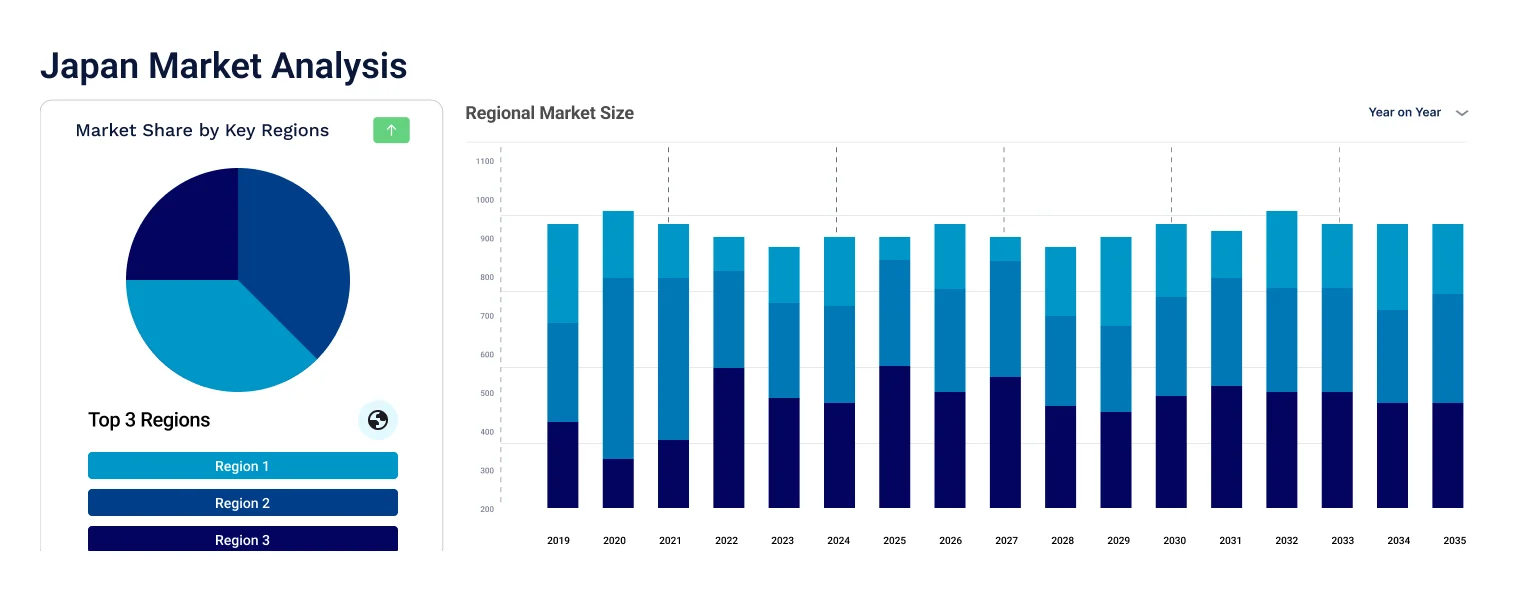
Conductive additives lead the market share due to high-energy lithium battery demand.
Conductive additives represent the dominant segment in the Japan battery additives market as they are essential to maintaining electrical connectivity within lithium-ion electrodes. Japanese cell manufacturers prioritize uniform electron transport to support high energy density and fast discharge performance. Carbon black, carbon nanotubes, and graphene-based additives are increasingly optimized to reduce loading levels while preserving conductivity. This supports thinner electrodes and higher active material content, aligning with automaker goals to extend driving range without increasing pack size. In April 2024, SiAT partnered with Zeon to launch innovative SWCNT conductive paste, enhancing battery fast charging and energy density.
Porous additives represent the fastest-growing category, contributing to the Japan battery additives market revenue, as developers adopt silicon-rich anodes and high-rate charging designs. These additives create micro-scale void structures that absorb electrode expansion and reduce mechanical stress during cycling. Japanese suppliers are refining pore size distribution to balance electrolyte retention and ion mobility. Porous additives also improve electrolyte wetting, which supports stable SEI formation and consistent performance across various temperature ranges.
Lithium-ion batteries dominate the market driven by EV production and energy storage expansion
Lithium-ion batteries account for the dominant share of battery additive consumption in Japan due to their widespread use across electric vehicles, consumer electronics, and grid storage. Additives are critical to managing thermal stability, cycle life, and fast-charging performance in these applications. Japanese manufacturers emphasize precision additives that enable higher energy density without compromising safety. In May 2024, Mitsui & Co. agreed to form a new lithium-ion battery recycling joint venture with VOLTA and Miracle Eternal. Conductive, porous, and nucleating additives are often combined to optimize electrode architecture.
Lead acid batteries experience massive growth in the Japan battery additives market due to renewed demand from industrial backup power, telecom infrastructure, and uninterruptible power systems. Japan’s data centers and critical facilities rely on lead acid batteries for proven reliability and cost control. Additives are used to improve charge acceptance, reduce sulfation, and extend service life under float conditions. Manufacturers focus on carbon-based and nucleating additives that enhance partial state-of-charge performance.
The market is moderately consolidated, with competition centered on performance differentiation. Japan battery additives market players are prioritizing conductive carbons, dispersion quality, and interface-stabilizing additives that support high-energy lithium-ion designs and silicon anode adoption. Companies are investing in application-specific formulations aligned with Japanese OEM qualification standards, where long warranty cycles and safety thresholds dominate procurement.
Opportunities can be found in co-development with cell manufacturers, particularly for fast-charging and high-temperature stability use cases. Japan battery additive companies with localized technical support and pilot-scale testing capabilities gain faster design-in acceptance. Recycling-compatible additives and low-impurity materials also present growth avenues as sustainability expectations tighten. Players are focusing on premium contracts tied to automotive, grid storage, and electronics platforms, securing long-term supply positions and stable margins within the ecosystem.
Established in 1882 and headquartered in Boston, United States, Cabot Corporation serves the Japan battery additives market through advanced conductive carbon blacks and engineered carbons. The company focuses on dispersion efficiency and low loading solutions that improve electrode conductivity while preserving energy density. In Japan, Cabot supports lithium-ion battery manufacturers targeting fast-charging and long cycle life.
Founded in 1902 and headquartered in Minnesota, United States, 3M participates in the battery additives market in Japan through specialty materials and functional additives supporting thermal management and safety. The company leverages its materials science expertise to develop additives that enhance heat resistance and mechanical stability.
IMERYS, established in 1880 and headquartered in Paris, France, supplies mineral-based battery additives to the Japanese market. The company specializes in conductive graphite and mineral solutions that improve electrode structure and durability. IMERYS supports battery manufacturers seeking stable performance under repeated cycling and elevated temperatures.
Founded in 1862 and headquartered in Luxembourg, Orion Engineered Carbons focuses on high-performance conductive additives for lithium-ion batteries. The company supplies tailored carbon blacks that enhance conductivity at reduced dosage levels. In Japan, Orion targets customers developing compact, high-energy battery designs. Its competitive edge lies in engineered particle morphology and strong technical service support.
*Please note that this is only a partial list; the complete list of key players is available in the full report. Additionally, the list of key players can be customized to better suit your needs.*
Other players in the market include Hammond Group, SGL Carbon, Borregaard, HOPAX, Tanaka Chemical Corporation, and ADEKA CORPORATION, among others.
Explore the latest trends shaping the Japan battery additives market 2026-2035 with our in-depth report. Gain strategic insights, future forecasts, and key market developments that can help you stay competitive. Download a free sample report or contact our team for customized consultation on Japan battery additives market trends 2026.


Upto 15% Off
USD
$2499 $2249
$3999 $3599
$4999 $4249
$5999 $5099


*While we strive to always give you current and accurate information, the numbers depicted on the website are indicative and may differ from the actual numbers in the main report. At Expert Market Research, we aim to bring you the latest insights and trends in the market. Using our analyses and forecasts, stakeholders can understand the market dynamics, navigate challenges, and capitalize on opportunities to make data-driven strategic decisions.*
In 2025, the Japan battery additives market reached an approximate value of USD 88.20 Million.
The market is projected to grow at a CAGR of 8.40% between 2026 and 2035.
The key players in the market include Cabot Corporation, 3M, IMERYS, Orion Engineered Carbons, Hammond Group, SGL Carbon, Borregaard, HOPAX, Tanaka Chemical Corporation, and ADEKA CORPORATION, among others.
Stakeholders are investing in co-development, expanding pilot testing, localizing technical teams, aligning additives with recycling goals, and securing long-term supply agreements tied to automotive and energy storage platforms.
Strict qualification timelines, rising purity requirements, cost pressure from localization demands, and rapid chemistry shifts challenge suppliers, especially when aligning additive innovation cycles with conservative Japanese OEM validation processes.
Explore our key highlights of the report and gain a concise overview of key findings, trends, and actionable insights that will empower your strategic decisions.
| REPORT FEATURES | DETAILS |
| Base Year | 2025 |
| Historical Period | 2019-2025 |
| Forecast Period | 2026-2035 |
| Scope of the Report |
Historical and Forecast Trends, Industry Drivers and Constraints, Historical and Forecast Market Analysis by Segment:
|
| Breakup by Type |
|
| Breakup by Application |
|
| Market Dynamics |
|
| Competitive Landscape |
|
| Companies Covered |
|
Datasheet
One User
USD 2,499
USD 2,249
tax inclusive*
Single User License
One User
USD 3,999
USD 3,599
tax inclusive*
Five User License
Five User
USD 4,999
USD 4,249
tax inclusive*
Corporate License
Unlimited Users
USD 5,999
USD 5,099
tax inclusive*
*Please note that the prices mentioned below are starting prices for each bundle type. Kindly contact our team for further details.*
Flash Bundle
Small Business Bundle
Growth Bundle
Enterprise Bundle
*Please note that the prices mentioned below are starting prices for each bundle type. Kindly contact our team for further details.*
Flash Bundle
Number of Reports: 3
20%
tax inclusive*
Small Business Bundle
Number of Reports: 5
25%
tax inclusive*
Growth Bundle
Number of Reports: 8
30%
tax inclusive*
Enterprise Bundle
Number of Reports: 10
35%
tax inclusive*
How To Order

Select License Type
Choose the right license for your needs and access rights.

Click on ‘Buy Now’
Add the report to your cart with one click and proceed to register.

Select Mode of Payment
Choose a payment option for a secure checkout. You will be redirected accordingly.
Strategic Solutions for Informed Decision-Making
Gain insights to stay ahead and seize opportunities.

Get insights & trends for a competitive edge.

Track prices with detailed trend reports.

Analyse trade data for supply chain insights.

Leverage cost reports for smart savings

Enhance supply chain with partnerships.

Connect For More Information
Our expert team of analysts will offer full support and resolve any queries regarding the report, before and after the purchase.
Our expert team of analysts will offer full support and resolve any queries regarding the report, before and after the purchase.
We employ meticulous research methods, blending advanced analytics and expert insights to deliver accurate, actionable industry intelligence, staying ahead of competitors.
Our skilled analysts offer unparalleled competitive advantage with detailed insights on current and emerging markets, ensuring your strategic edge.
We offer an in-depth yet simplified presentation of industry insights and analysis to meet your specific requirements effectively.




