

Consumer Insights
Uncover trends and behaviors shaping consumer choices today
Procurement Insights
Optimize your sourcing strategy with key market data
Industry Stats
Stay ahead with the latest trends and market analysis.
The global kava root extract market attained a value of USD 2.03 Billion in 2025 and is projected to expand at a CAGR of 15.20% through 2035. The market is further expected to achieve USD 8.36 Billion by 2035. Rising consumer preference for natural, plant-based stress relief alternatives, growing mental health awareness, and expanding functional beverage applications are encouraging both established supplement brands and specialist kava producers to broaden their product portfolios.
Growing consumer preference for natural, plant-based alternatives to synthetic anti-anxiety medication continues to anchor steady demand across the kava root extract market, as global mental wellness awareness expands alongside gradually relaxing regulatory treatment of kava-based supplements in key Western markets. Producers are also investing in standardised extraction methods and kavalactone content verification to build consumer and retailer confidence following historical safety concerns.
The kava root extract market is witnessing further developments as established supplement manufacturers expand domestic production capacity to serve rising demand across their broader botanical extract portfolios. In March 2026, Nashville-based startup Kavayn officially launched a new line of kava extract spirits, ready-to-drink sachets, and gummies, positioning sustainable supply chain ownership and standardised extraction as key differentiators for a new generation of kava consumers. Such new market entrants reflect growing investor and entrepreneur confidence in sustained category growth beyond the traditional supplement aisle.
In addition, kava root extract suppliers are increasingly investing in domestic production and cultivation infrastructure rather than relying solely on third-party contract manufacturing, seeking greater control over quality and supply continuity as retail demand scales. Such vertically integrated expansion is reshaping competitive positioning across the wider kava root extract market, as suppliers with direct sourcing and extraction control increasingly differentiate themselves from smaller producers dependent entirely on purchased raw material and outsourced processing. Botanic Healthcare has expanded into herbal extracts with a new facility in Bangalore, India, strengthening its position as a major manufacturer and supplier serving pharmaceutical, nutraceutical, and food and beverage sector customers.
Compound Annual Growth Rate
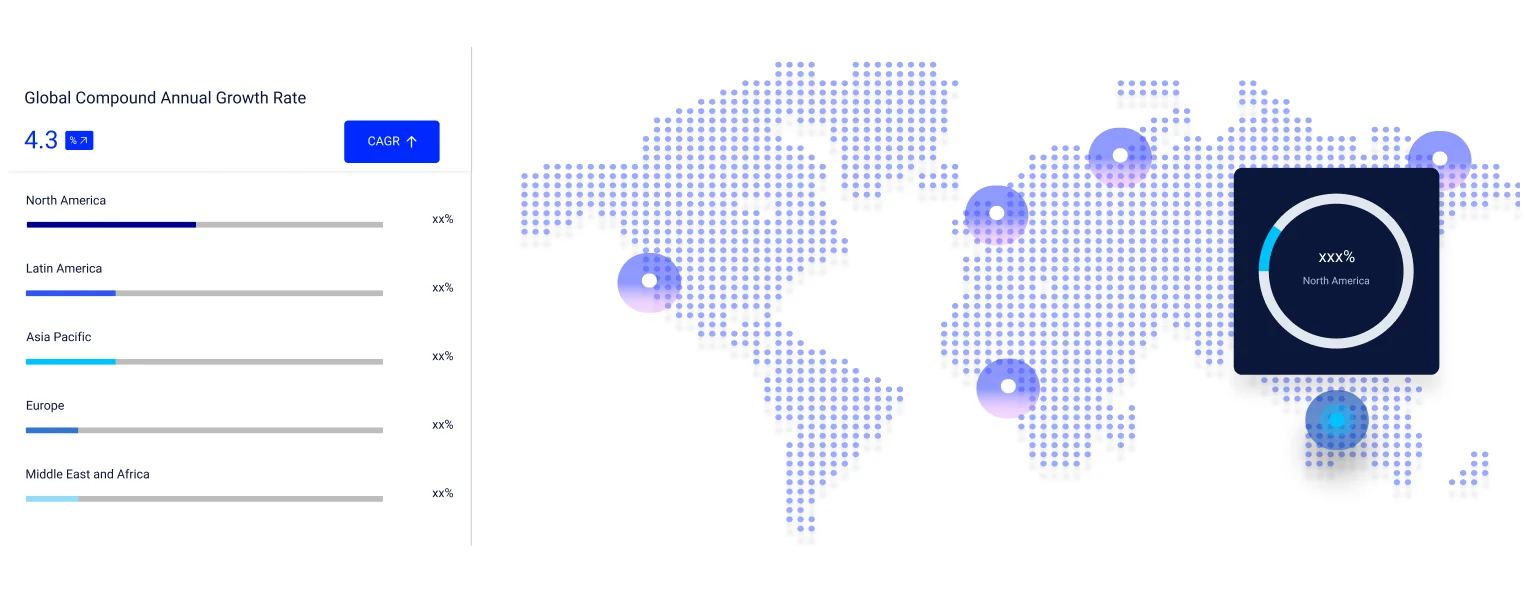
15.2%
Value in USD Billion
2026-2035
Read more about this report - REQUEST FREE SAMPLE COPY IN PDF
Traditional Medicinals increased production capacity for herbal teas and botanical formulations targeting digestive and immune health applications, broadening its manufacturing footprint to serve rising demand across adjacent botanical wellness categories. Companies can expand production capacity across adjacent botanical categories to capture cross-selling opportunities among health-conscious consumers already familiar with their brand.
Nature's Way introduced advanced extraction technologies for high-potency medicinal herb ingredients used in nutraceutical products, targeting improved kavalactone and active compound yield compared with conventional extraction methods. Companies can adopt advanced extraction technologies to differentiate on potency, and consistency claims in an increasingly crowded botanical supplement market.
Herbalife strengthened partnerships with botanical ingredient suppliers to enhance traceability and quality standards across its herbal product portfolio, responding to growing consumer and regulatory scrutiny of supply chain transparency. Companies can strengthen supplier partnerships to improve traceability credentials that increasingly influence purchasing decisions among wellness-focused consumers.
Woolworths completed the nationwide rollout of Fiji Kava's 50-gram Instant Kava product range across its Australian supermarket network, excluding the Northern Territory, following the retailer's national ranging announcement earlier that month. Companies can pursue major grocery retailer listings to move kava products beyond specialty health stores into mainstream weekly shopping baskets.
Kava root extract suppliers are increasingly securing external investment to fund manufacturing expansion and research capabilities, reflecting growing investor confidence in the category's mainstream retail trajectory beyond its traditional niche supplement positioning. In January 2025, Botanic Healthcare raised approximately 29 million US dollars in Series B funding to accelerate its botanical extract manufacturing and research infrastructure, positioning it to serve rising demand across the kava root extract market. Such capital-intensive expansion increasingly separates well-funded suppliers from smaller producers reliant on slower, self-funded growth.
Pacific Island kava-producing nations are recording strong export growth even as importing countries raise quality and food safety concerns that exporters must address to sustain market access. Fiji's kava exports reached a record 53 million US dollars in 2024, supported by more than 17,200 farmers nationwide, though concerns raised by United States importers during a February 2025 kava mission highlighted contamination risks and compliance requirements under strict food safety standards. Fiji's government has since expanded quality control programmes and increased funding for the sector in its 2025-2026 national budget.
Established herbal supplement manufacturers continue to expand domestic production and research facilities rather than relying solely on contract manufacturing, seeking greater control over quality and supply continuity. Gaia Herbs, headquartered in Brevard, North Carolina, announced a multi-million-dollar expansion of its headquarters and production facility in 2026, reinforcing its position as a leading grower and manufacturer of certified organic herbal products distributed through retail outlets worldwide. Such domestic capacity investment reduces reliance on third-party contract manufacturers for quality-sensitive botanical extraction processes.
Kava-producing Pacific nations are moving to formalise regulatory frameworks governing cultivation, processing, and export standards, aiming to balance growing international commercial demand against the crop's deep cultural significance domestically. Fiji's Cabinet approved the revival of a long-delayed Kava Bill in 2025, with the finalised National Kava Policy expected to reach the Solicitor-General's Office by mid-2026 ahead of formal parliamentary tabling. Such formal regulatory frameworks are expected to give exporters clearer standards around product integrity as international demand continues to grow.
Specialist kava brands continue to diversify product formats beyond traditional capsules and tinctures, targeting functional beverage and lifestyle product categories to reach consumers who might not otherwise purchase conventional herbal supplements. Kona Kava Farm, headquartered in Hilo, Hawaii, has continued expanding its range of kava beverage and extract products sourced from Pacific Island growers, targeting both wellness-focused retail customers and the growing functional beverage segment. Such format diversification helps specialist kava brands compete for shelf space against larger, more diversified supplement companies.
This Expert Market Report titled "Global Kava Root Extract Market Report and Forecast 2026-2035" offers a detailed analysis of the market based on the following segments:
Market Breakup by Nature
Key Insight: Organic kava root extract accounts for the larger share of the kava root extract market, reflecting strong consumer preference for certified organic wellness products among the health-conscious demographic that drives most kava purchasing; Vanuatu-based exporter Tahun Kava Exports recently achieved international Hazard Analysis Critical Control Point certification, unlocking new export opportunities requiring verified quality standards. Conventional kava root extract continues to serve price-sensitive customers and bulk industrial applications where certified organic sourcing carries a cost premium that not all buyers are willing to pay.
Market Breakup by Form
Key Insight: Powder extract accounts for the largest share of the kava root extract market, owing to its longer shelf life, ease of standardised dosing, and straightforward incorporation into capsules and functional food formulations. Liquid extract is growing at a fast pace as tincture and ready-to-drink beverage formats gain popularity among consumers seeking faster-acting, more convenient consumption methods than capsule-based products.
Market Breakup by Application
Key Insight: Food and beverage applications account for the largest share of the kava root extract market, driven by growing functional beverage formulations and ready-to-drink kava products entering mainstream retail channels as major grocery retailers increasingly stock kava-based products alongside conventional beverages. Pharmaceutical applications are growing at the fastest pace as clinical interest in standardised kavalactone formulations for anxiety management expands. Cosmetics and personal care applications continue to see steady adoption of kava extract for its purported calming topical properties, while other applications, including traditional ceremonial and household preparations, remain a smaller but culturally significant use case.
Market Breakup by Region
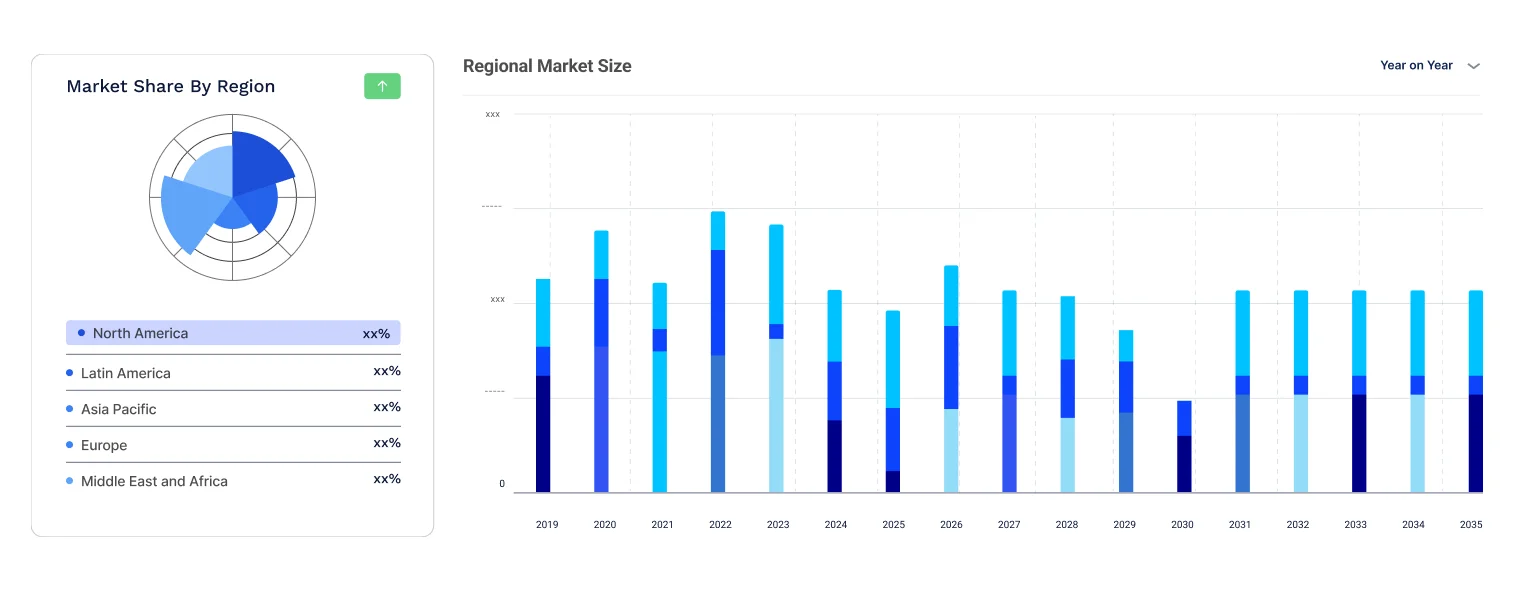
Key Insight: North America accounts for the largest share of the kava root extract market, supported by a mature supplement industry, high consumer health literacy, and a gradually accommodating regulatory environment for herbal products. Asia Pacific is expected to grow at the fastest pace as rising wellness spending and expanding e-commerce distribution broaden access to kava products across the region. A new cargo vessel connecting Vanuatu and New Caledonia began service in January 2026, specifically supporting kava shipment logistics as part of the Pacific nation's broader trade infrastructure expansion. Europe continues to see steady demand from established herbal supplement retail channels, while Latin America and the Middle East and Africa are gradually scaling adoption alongside expanding health and wellness retail infrastructure.
By nature, organic leads the market given strong consumer preference among the health-conscious kava-purchasing demographic
Organic kava root extract continues to account for the larger share of the market, reflecting strong consumer preference for certified organic wellness products among the health-conscious demographic that drives most category purchasing. Established organic certification programmes continue to anchor steady demand as retailers increasingly favour verified organic suppliers to meet consumer expectations around supply chain transparency and product purity, particularly given the category's history of safety scrutiny that makes verified sourcing an important trust signal for cautious first-time buyers evaluating an unfamiliar botanical supplement category for the first time.
Conventional kava root extract is growing at a steady pace across the kava root extract market as it continues to serve price-sensitive customers and bulk industrial applications where certified organic sourcing carries a cost premium that not all buyers are willing to absorb, particularly in emerging markets with less developed organic certification infrastructure, where the cost gap between certified organic and conventional sourcing remains a more significant purchasing consideration than in mature Western retail markets that have already absorbed the premium associated with verified organic supply chains.
By form, powder extract leads the market given its longer shelf life and ease of standardised dosing
Powder extract continues to account for the largest share of the market, owing to its longer shelf life, ease of standardised dosing, and straightforward incorporation into capsules and functional food formulations that dominate current retail offerings. Established capsule and tablet product lines continue to anchor steady replacement demand as consumers reorder familiar supplement formats, with subscription-based reordering models increasingly common among established supplement brands seeking to lock in repeat purchase behaviour and reduce the customer acquisition costs associated with one-time trial purchases.
Liquid extract is growing at the fastest pace across the kava root extract market as tincture and ready-to-drink beverage formats gain popularity among consumers seeking faster-acting, more convenient consumption methods than capsule-based products, with several major grocery retailers now stocking ready-to-drink kava beverages alongside conventional wellness products, reflecting the format's growing acceptance as a mainstream alternative to alcoholic beverages among health-conscious consumers seeking a social drinking occasion without the next-day effects associated with alcohol. In July 2026, Vibes Beverages launched a kava-based seltzer built around a proprietary emulsion-and-fiber system designed to stabilise kavalactones and extend shelf life past a year, more than double the category norm, addressing one of the most persistent formulation challenges facing kava beverage developers.
By application, food and beverage leads the market as functional beverage formats enter mainstream retail channels
Food and beverage applications continue to account for the largest share of the market, driven by growing functional beverage formulations and ready-to-drink kava products entering mainstream retail channels beyond specialty health stores. Established beverage brands continue to expand kava-infused product lines as consumer familiarity with the category grows through mainstream retail exposure, with several brands specifically marketing kava beverages as a functional alternative for consumers reducing alcohol consumption, positioning the category within the broader wellness-oriented sober-curious movement gaining traction across younger demographics. In August 2026, Upstate Elevator introduced the first dual kanna and kava beverage line, expanding its functional beverage portfolio with a collection of zero-proof spritzes and sodas combining noble kava root extract with clinically studied kanna and L-theanine.
Pharmaceutical applications are growing at the fastest pace as clinical interest in standardised kavalactone formulations for anxiety and stress management expands beyond traditional dietary supplement positioning, supported by ongoing safety validation studies aimed at building regulatory and consumer confidence in the category following historical concerns about liver toxicity linked to non-standardised extraction methods used in earlier decades, concerns that modern water-based and standardised ethanol extraction techniques are specifically designed to address, giving clinical researchers a more consistent, better-characterised extract to work with than was available during earlier safety controversies.
Read more about this report - REQUEST FREE SAMPLE COPY IN PDF
North America commands the largest share of the market through its mature supplement industry and favourable regulatory trajectory
North America holds the largest share of the kava root extract market, supported by a mature supplement industry, high consumer health literacy, and a gradually accommodating regulatory environment for herbal products. Established supplement manufacturers headquartered across the United States continue to anchor steady regional demand, supported by well-developed retail and e-commerce distribution networks reaching health-conscious consumers nationwide. The region's mature herbal supplement regulatory framework, while still requiring liver safety warnings on kava products, has nonetheless allowed the category to remain commercially available throughout its periods of heightened safety scrutiny.
Asia Pacific is expected to grow at the fastest pace as rising wellness spending and expanding e-commerce distribution broaden access to kava products across the region. Australia in particular has emerged as a significant growth market, supported by growing mainstream retail interest in kava-based wellness products and the country's geographic proximity to established Pacific Island kava-producing nations, which continues to give Australian brands a sourcing and logistics advantage over competitors importing from further afield.
The global industry is moderately fragmented, with kava root extract companies ranging from diversified herbal supplement manufacturers spanning multiple botanical categories to specialist kava-focused brands competing across nature, form, and application segments. Established players operate across the full kava root extract value chain, from Pacific Island sourcing and standardised extraction through finished capsule, tincture, and beverage product formulation for retail and online distribution channels.
Competitive dynamics among kava root extract market players are increasingly shaped by the pace of mainstream grocery retail listing wins, the scale of external growth capital raised to fund manufacturing expansion, and evolving Pacific Island regulatory frameworks governing raw material sourcing and export quality standards. Manufacturers are investing in standardised kavalactone extraction, organic certification, and diversified product formats to differentiate their offering and secure long-term retail partnerships.
Founded in 2003 and headquartered in Bengaluru, India, Botanic Healthcare supplies standardised botanical extracts, including kava root extract, to nutraceutical, pharmaceutical, and cosmetic manufacturers worldwide. The company operates its own captive farming and extraction facilities, providing greater raw material traceability than manufacturers reliant solely on third-party sourcing. Botanic Healthcare's broader botanical extract portfolio spanning dozens of plant species gives it manufacturing scale and research infrastructure advantages over kava-focused specialist competitors.
Founded in 1968 and headquartered in Bloomingdale, Illinois, United States, NOW Foods supplies a broad portfolio of dietary supplements, including kava root extract capsules and tinctures, alongside natural foods and personal care products. The company remains privately held and family-owned, distinguishing it from many publicly traded supplement competitors focused primarily on shareholder returns. NOW Foods' vertically integrated manufacturing model, spanning its own testing laboratories and production facilities, supports the quality certifications increasingly demanded by health-conscious retail customers.
Founded in 1987 and headquartered in Brevard, North Carolina, United States, Gaia Herbs grows and manufactures certified organic herbal products, including kava-based formulations, distributed through retail outlets and practitioner channels worldwide. The company operates its own organic farm alongside contracted growing partnerships, giving it direct oversight over cultivation practices uncommon among supplement manufacturers reliant entirely on purchased raw materials. Gaia Herbs positions itself toward practitioner and naturopathic channels alongside conventional retail, broadening its customer base beyond typical mass-market supplement buyers.
Headquartered in Australia with sourcing operations in Fiji, Fiji Kava Australia supplies noble kava-based wellness products, including its Instant Kava range, to Australian, US, and Pacific Island retail markets. The company holds the distinction of being among the first foreign-approved operators within Fiji's kava industry, supporting a traceable, certified organic supply chain anchored by its own nucleus farm on the island of Ovalau. Fiji Kava's direct-to-source supply model differentiates it from competitors reliant on purchasing raw kava through intermediary traders.
Other key players in the kava root extract market include Root of Happiness, Natural Factors Nutritional Products Ltd., and Kona Kava Farm, among others.
*Please note that this is only a partial list; the complete list of key players is available in the full report. Additionally, the list of key players can be customized to better suit your needs.*
Unlock the latest insights with our kava root extract market trends 2026 report. Discover regional growth patterns, nature and application trends, and key industry players. Stay ahead of competition with trusted data and expert analysis. Download your free sample report today and drive informed decisions in the market.


Upto 15% Off
USD
$3999 $3599
$2499 $2249
$4999 $4249
$5999 $5099


*While we strive to always give you current and accurate information, the numbers depicted on the website are indicative and may differ from the actual numbers in the main report. At Expert Market Research, we aim to bring you the latest insights and trends in the market. Using our analyses and forecasts, stakeholders can understand the market dynamics, navigate challenges, and capitalize on opportunities to make data-driven strategic decisions.*
The market is projected to grow at a CAGR of 15.20% between 2026 and 2035.
Securing mainstream grocery retail listings to move beyond specialty health store distribution, raising external growth capital to fund manufacturing expansion, and investing in standardised extraction and organic certification to build consumer confidence.
The market trends include the growing utilisation of the extract as a nutraceutical ingredient in pharmaceutical products, increased application in cosmetics and beverage industries, and growing awareness pertaining to the benefits of the extract among consumers.
Kava root extract is used for treating insomnia, stress, and anxiety related disorders as well as for manufacturing various products such as lotions, moisturisers, and shampoos.
The various natures of kava root extract include organic and conventional.
The generic name of kava is Piper methysticum.
The forms of kava root extract include powder extract and liquid extract.
The different applications of kava root extract include food and beverage, cosmetics and personal care, and pharmaceutical, among others.
Kava is said to elevate mood, well-being, and contentment, and create a feeling of relaxation.
The key players in the market include Botanic Healthcare, NOW® Foods, Gaia Herbs, Fiji Kava Australia Ltd., Root of Happiness, Natural Factors Nutritional Products Ltd., and Kona Kava Farm, among others.
In 2025, the market reached an approximate value of USD 2.03 Billion.
The market is estimated to witness healthy growth in the forecast period of 2026-2035 to reach a value of around USD 8.36 Billion by 2035.
Suppliers face inconsistent regulatory treatment of kava across different jurisdictions, historical safety perception concerns linked to liver toxicity reports, and the technical challenge of maintaining consistent kavalactone content across sourcing regions with variable growing conditions.
Explore our key highlights of the report and gain a concise overview of key findings, trends, and actionable insights that will empower your strategic decisions.
| REPORT FEATURES | DETAILS |
| Base Year | 2025 |
| Historical Period | 2019-2025 |
| Forecast Period | 2026-2035 |
| Scope of the Report |
Historical and Forecast Trends, Industry Drivers and Constraints, Historical and Forecast Market Analysis by Segment:
|
| Breakup by Nature |
|
| Breakup by Form |
|
| Breakup by Application |
|
| Breakup by Region |
|
| Market Dynamics |
|
| Competitive Landscape |
|
| Companies Covered |
|
Single User License
One User
USD 3,999
USD 3,599
tax inclusive*
Datasheet
One User
USD 2,499
USD 2,249
tax inclusive*
Five User License
Five User
USD 4,999
USD 4,249
tax inclusive*
Corporate License
Unlimited Users
USD 5,999
USD 5,099
tax inclusive*
*Please note that the prices mentioned below are starting prices for each bundle type. Kindly contact our team for further details.*
Flash Bundle
Small Business Bundle
Growth Bundle
Enterprise Bundle
*Please note that the prices mentioned below are starting prices for each bundle type. Kindly contact our team for further details.*
Flash Bundle
Number of Reports: 3
20%
tax inclusive*
Small Business Bundle
Number of Reports: 5
25%
tax inclusive*
Growth Bundle
Number of Reports: 8
30%
tax inclusive*
Enterprise Bundle
Number of Reports: 10
35%
tax inclusive*
How To Order

Select License Type
Choose the right license for your needs and access rights.

Click on ‘Buy Now’
Add the report to your cart with one click and proceed to register.

Select Mode of Payment
Choose a payment option for a secure checkout. You will be redirected accordingly.
Strategic Solutions for Informed Decision-Making
Gain insights to stay ahead and seize opportunities.

Get insights & trends for a competitive edge.

Track prices with detailed trend reports.

Analyse trade data for supply chain insights.

Leverage cost reports for smart savings

Enhance supply chain with partnerships.

Connect For More Information
Our expert team of analysts will offer full support and resolve any queries regarding the report, before and after the purchase.
Our expert team of analysts will offer full support and resolve any queries regarding the report, before and after the purchase.
We employ meticulous research methods, blending advanced analytics and expert insights to deliver accurate, actionable industry intelligence, staying ahead of competitors.
Our skilled analysts offer unparalleled competitive advantage with detailed insights on current and emerging markets, ensuring your strategic edge.
We offer an in-depth yet simplified presentation of industry insights and analysis to meet your specific requirements effectively.




