

Consumer Insights
Uncover trends and behaviors shaping consumer choices today
Procurement Insights
Optimize your sourcing strategy with key market data
Industry Stats
Stay ahead with the latest trends and market analysis.
The Latin America peripheral T-cell lymphoma market was valued at USD 67.89 Million in 2025 and is expected to grow at a CAGR of 4.10%, reaching USD 101.46 Million by 2035. The market growth is driven by significant improvements in treatment outcomes, increased awareness, and early diagnosis, which are expanding patient access to advanced peripheral T-cell lymphoma therapies.
In Latin America, rising awareness of relapse challenges in PTCL highlighted the importance of cancer research, driving demand for advanced therapies and improving patient outcomes across the region.
In the PTCL market, new clinical trials emphasized innovation and growth in cancer research, accelerating the development of targeted and effective treatment options across Latin America.
In the region, the focus on oral and targeted therapies for PTCL strengthened the role of cancer research, fostering the adoption of innovative treatment approaches.
Compound Annual Growth Rate
4.1%
Value in USD Million
2026-2035
The market is witnessing steady growth, driven by rising awareness, early diagnosis, and advancements in targeted therapies. PTCL–NOS is expected to dominate the market due to its high prevalence, while chemotherapy and emerging immunotherapies remain key treatment options. Brazil leads the regional market with a strong healthcare infrastructure and active clinical research, followed by Mexico. Hospitals and hospital pharmacies continue to serve as primary end users and distribution channels. Increasing investment in innovative therapies, clinical trials, and patient-centric treatment approaches is shaping the market, making Latin America a significant growth hub for peripheral T-cell lymphoma treatment.
Rising Advancements in Treatment Outcomes Accelerating the Market Value
Significant improvements in treatment outcomes are expected to drive growth in the market, as more effective therapies increase survival rates and patient quality of life. In recent years, increased awareness and early diagnosis have also helped identify patients who can benefit from advanced therapies, further supporting market expansion. For instance, in October 2023, the T-Cell Brazil Project found that although relapse remains a challenge, salvage therapies such as hematopoietic stem cell transplantation offer significant benefits. This emphasis on advanced lymphoma treatment options is boosting market demand, attracting investments, and encouraging innovation across the region’s healthcare landscape.
Increasing Awareness and Clinical Insights Driving Growth in the Latin America Peripheral T-Cell Lymphoma Market
Enhanced understanding of disease patterns and patient outcomes is expected to be a growth driver in the market, as this knowledge helps healthcare providers deliver more targeted and effective therapies. For example, in April 2025, PubMed reported a study that aimed to analyze clinical characteristics, treatment responses, and survival outcomes of patients across Latin America. The study was performed as a retrospective analysis of medical records from multiple centers in the region. The findings concluded that recognizing regional disease trends and tailoring treatment strategies, especially for aggressive cases, can significantly improve patient outcomes. This focus on advanced lymphoma treatment options is driving investment, research, and wider access to innovative therapies in the market.
The market is witnessing several emerging trends, including the rise of innovative therapies, expanding clinical trial activity, and growing adoption of targeted treatments for peripheral T-cell lymphoma.
Emerging Clinical Trial Momentum Bolstering the Latin America Peripheral T‑Cell Lymphoma Market Expansion
The increasing focus on innovative therapies is shaping the market. For instance, in April 2025, Yingli Pharma secured FDA approval to launch a global Phase III trial of linperlisib for relapsed/refractory peripheral T‑cell lymphoma. This trial is particularly significant as it targets patients who have limited treatment options, offering hope for improved outcomes. This trend reflects growing confidence in novel cancer therapy options. By comparing linperlisib with standard care, the study highlights an industry-wide shift toward more targeted and potentially effective treatments. Such trial activity is helping to galvanize investment, accelerate drug development, and improve access to cutting‑edge therapies in Latin America.
PTCL–NOS Expected to Lead the Market Share by Disease Type
PTCL–NOS is anticipated to lead the market due to its higher prevalence and challenging treatment landscape, driving demand for advanced therapies. Growing awareness, improved diagnosis, and the introduction of targeted lymphoma treatment options are accelerating adoption and fueling market growth. The segment’s dominance is likely to encourage further investment in research and innovative therapies. Other segments include Angioimmunoblastic T-cell lymphoma (AITL), Anaplastic large cell lymphoma (ALCL) (ALK-positive ALCL), Extranodal NK/T-cell lymphoma (ENKTL), and other peripheral T-cell subtypes.
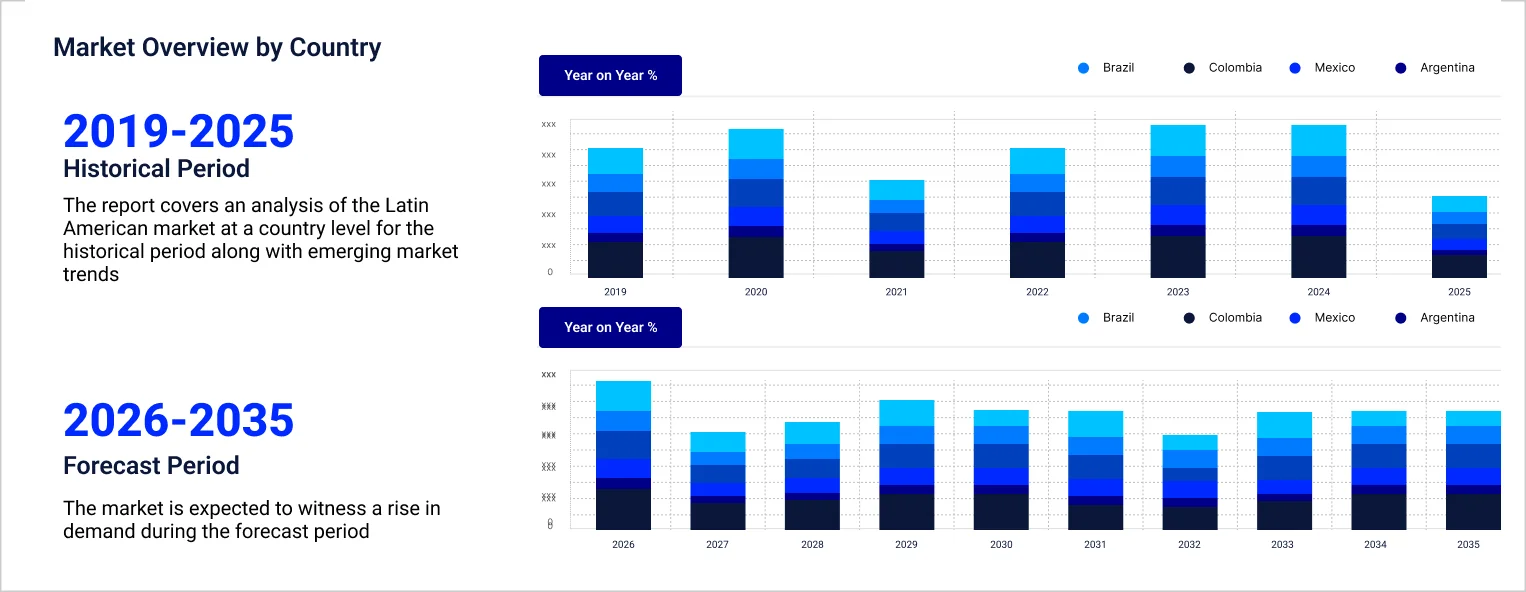
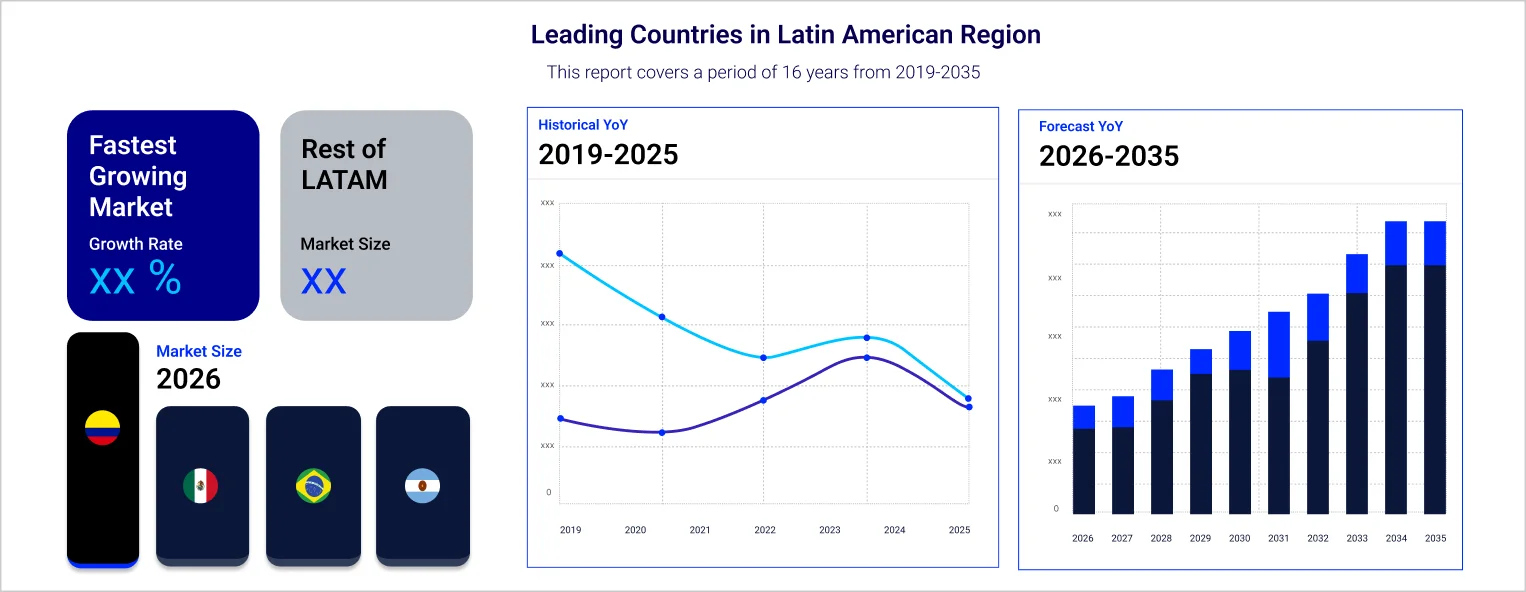
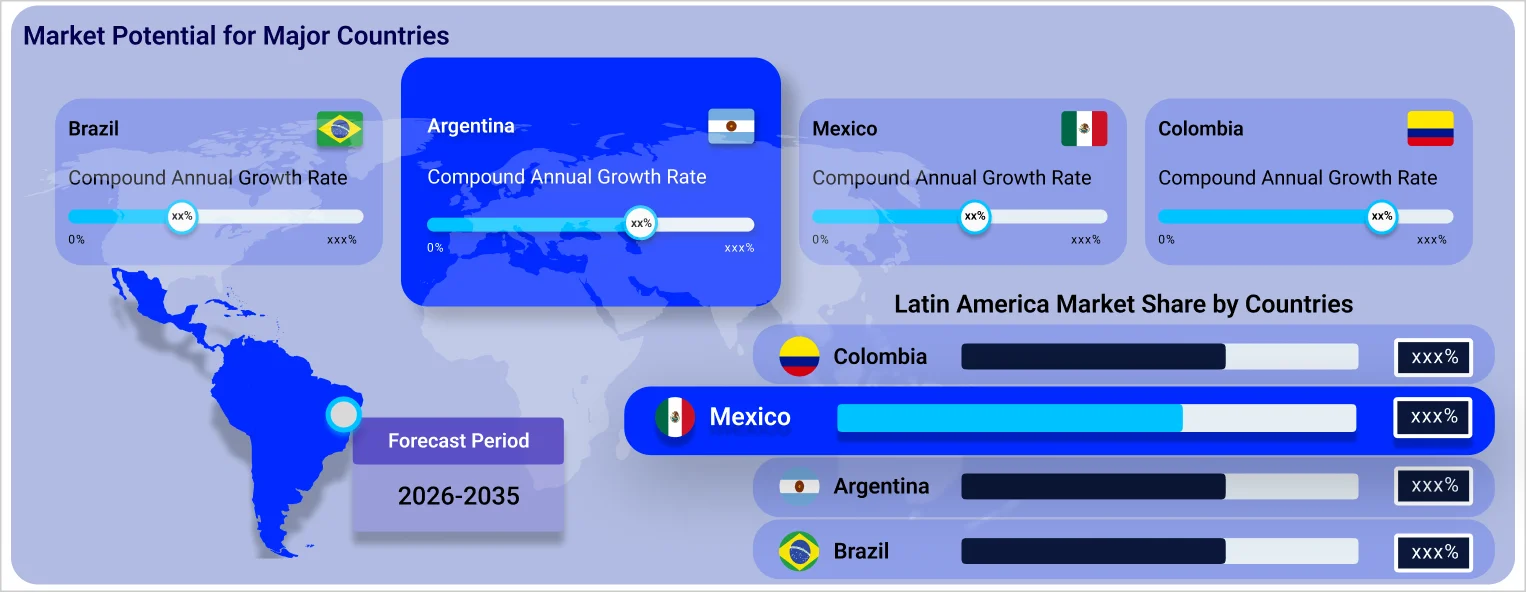
Brazil is expected to lead the market due to its high patient population and well-established healthcare infrastructure supporting advanced treatments. Increasing government initiatives and investments in cancer care are further strengthening Brazil’s position as a key market driver. The country has also been active in clinical research and the adoption of innovative lymphoma treatment options, contributing significantly to regional growth. Mexico is expected to hold the second-largest share, driven by improving healthcare access and increasing awareness. Other key markets include Argentina, Colombia, Chile, Peru, Bolivia, Uruguay, Paraguay, Panama, and additional Latin American countries, all gradually expanding their role in the market.
The key features of the market report comprise funding and investment analysis, and strategic initiatives by the leading players. The major companies in the market are as follows:
Founded in 1887 and headquartered in Princeton, New Jersey, USA, Bristol Myers Squibb (BMS) is a global biopharmaceutical leader focusing on oncology and immunotherapy. Over the years, BMS has built a strong pipeline for rare blood cancers, ensuring patients have access to advanced therapies. In the peripheral T‑cell lymphoma (PTCL) space, BMS developed romidepsin (Istodax®) for relapsed/refractory PTCL, demonstrating its commitment to innovation. The company also invests heavily in CAR‑T cell therapy research, driving growth in lymphoma treatment options and shaping future therapeutic strategies. These efforts reinforce BMS’s position as a leading innovator in the PTCL therapeutic landscape.
Founded in 1896 and based in Basel, Switzerland, Roche is a pioneer in diagnostics and oncology. The company combines research and technology to deliver precision medicine, improving patient care globally. While Roche’s PTCL-specific therapies are limited, its immuno-oncology expertise and diagnostic tools help shape the broader cancer therapy landscape, supporting early diagnosis and targeted treatments. Roche’s continued investment in oncology research strengthens its role in advancing treatments for rare lymphoma subtypes across multiple sectors. This integrated diagnostics-driven approach supports Roche’s long-term influence in the evolving PTCL market.
Novartis was formed in 1996 and is headquartered in Basel, Switzerland. As a global leader in oncology, Novartis has been pioneering CAR‑T cell therapy, transforming treatment options for hematologic cancers. The company also emphasizes research in emerging therapies and innovative treatment platforms. Although its current PTCL portfolio is limited, Novartis’ cellular therapy expertise and broad cancer-treatment strategy position it to contribute significantly to peripheral T‑cell lymphoma research, supporting better patient outcomes and long-term growth in the market. Consequently, Novartis remains strategically positioned to expand its role in next-generation PTCL therapies.
Takeda, founded in 1781 and headquartered in Tokyo, Japan, is a global pharmaceutical company with a strong focus on oncology. The company has consistently expanded its oncology portfolio to meet evolving patient needs. Takeda markets brentuximab vedotin (Adcetris®) for CD30-positive T-cell lymphomas and continues to invest in rare hematologic malignancies. Its commitment to innovative lymphoma treatment options and targeted therapies improves patient access and outcomes, making Takeda a key contributor to the growth of the market worldwide. These initiatives solidify Takeda’s role as a major driver of innovation in the PTCL treatment market.
*Please note that this is only a partial list; the complete list of key players is available in the full report. Additionally, the list of key players can be customized to better suit your needs.*
Other key players include Merck & Co., Inc., Pfizer Inc., AbbVie Inc., Gilead Sciences, Inc., Astellas Pharma Inc., and Johnson & Johnson Innovative Medicine.
The market report offers a detailed analysis of the market based on the following segments:
Market Breakup by Disease Type
Market Breakup by Treatment Types
Market Breakup by Route of Administration
Market Breakup by End User
Market Breakup by Distribution Channel
Market Breakup by Country


Upto 15% Off
USD
$2699 $2429
$4299 $3869
$5799 $4949
$6999 $5949


*While we strive to always give you current and accurate information, the numbers depicted on the website are indicative and may differ from the actual numbers in the main report. At Expert Market Research, we aim to bring you the latest insights and trends in the market. Using our analyses and forecasts, stakeholders can understand the market dynamics, navigate challenges, and capitalize on opportunities to make data-driven strategic decisions.*
Explore our key highlights of the report and gain a concise overview of key findings, trends, and actionable insights that will empower your strategic decisions.
| REPORT FEATURES | DETAILS |
| Base Year | 2025 |
| Historical Period | 2019-2025 |
| Forecast Period | 2026-2035 |
| Scope of the Report |
Historical and Forecast Trends, Industry Drivers and Constraints, Historical and Forecast Market Analysis by Segment:
|
| Breakup by Disease Type |
|
| Breakup by Treatment Types |
|
| Breakup by Route of Administration |
|
| Breakup by End User |
|
| Breakup by Distribution Channel |
|
| Breakup by Region |
|
| Market Dynamics |
|
| Supplier Landscape |
|
| Companies Covered |
|
Datasheet
One User
USD 2,699
USD 2,429
tax inclusive*
Single User License
One User
USD 4,299
USD 3,869
tax inclusive*
Five User License
Five User
USD 5,799
USD 4,949
tax inclusive*
Corporate License
Unlimited Users
USD 6,999
USD 5,949
tax inclusive*
*Please note that the prices mentioned below are starting prices for each bundle type. Kindly contact our team for further details.*
Flash Bundle
Small Business Bundle
Growth Bundle
Enterprise Bundle
*Please note that the prices mentioned below are starting prices for each bundle type. Kindly contact our team for further details.*
Flash Bundle
Number of Reports: 3
20%
tax inclusive*
Small Business Bundle
Number of Reports: 5
25%
tax inclusive*
Growth Bundle
Number of Reports: 8
30%
tax inclusive*
Enterprise Bundle
Number of Reports: 10
35%
tax inclusive*
How To Order

Select License Type
Choose the right license for your needs and access rights.

Click on ‘Buy Now’
Add the report to your cart with one click and proceed to register.

Select Mode of Payment
Choose a payment option for a secure checkout. You will be redirected accordingly.
Strategic Solutions for Informed Decision-Making
Gain insights to stay ahead and seize opportunities.

Get insights & trends for a competitive edge.

Track prices with detailed trend reports.

Analyse trade data for supply chain insights.

Leverage cost reports for smart savings

Enhance supply chain with partnerships.

Connect For More Information
Our expert team of analysts will offer full support and resolve any queries regarding the report, before and after the purchase.
Our expert team of analysts will offer full support and resolve any queries regarding the report, before and after the purchase.
We employ meticulous research methods, blending advanced analytics and expert insights to deliver accurate, actionable industry intelligence, staying ahead of competitors.
Our skilled analysts offer unparalleled competitive advantage with detailed insights on current and emerging markets, ensuring your strategic edge.
We offer an in-depth yet simplified presentation of industry insights and analysis to meet your specific requirements effectively.




