

Consumer Insights
Uncover trends and behaviors shaping consumer choices today
Procurement Insights
Optimize your sourcing strategy with key market data
Industry Stats
Stay ahead with the latest trends and market analysis.
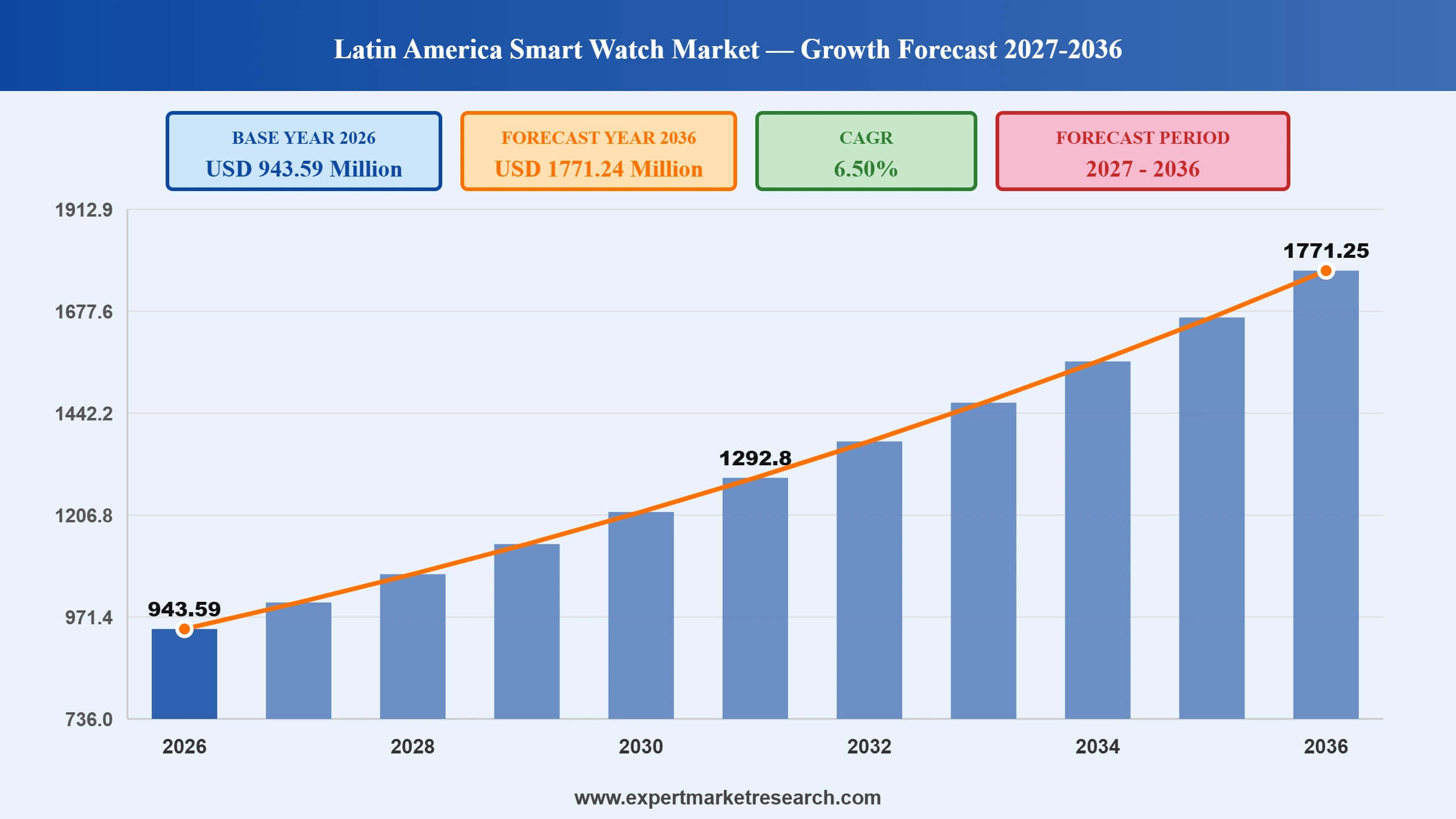
The Latin America smart watch market attained a value of USD 886.00 Million in 2025 and is projected to expand at a CAGR of 6.50% through 2035. The market is further expected to achieve USD 1663.14 Million by 2035. The increasing connectivity of smartphones is helping brands to offer more health services, payments, fitness and linked experience offerings in Latin America.
Two factors are driving the Latin America smart watch market. On the one hand, the premium customers want their devices to have improved battery performance and sport-specific analytics, and on the other hand, regulatory agencies are allowing certain health monitoring capabilities post-country-level scrutiny. The factors are pushing suppliers to develop localized devices rather than just distributing global products.
The release of Samsung's Galaxy Watch9 and Galaxy Watch Ultra2 in Brazil, announced in July 2026 demonstrates how top brands are progressing from mere tracking to advanced health analytics using AI technology with brighter display screens, bigger batteries, cardiovascular health detection, trail running support, and hydration reminders. Such product developments in the Latin America smart watch market bring high-end hardware to the market, which is already characterized by extensive digital connectivity.
The competitive landscape in the Latin America smart watch market is becoming more characterized by health-sensing capabilities, ecosystems across devices, localized availability, and sport-specific analytics. For example, Huawei introduced WATCH 5 in Brazil with its X-TAP sensor technology in May 2025, whereas Samsung extended regulated sleep apnea features in June 2025 and Apple offers selected health capabilities in several Latin American countries. Such actions suggest that suppliers are focusing on unique applications of wearables and not just their notification and fitness functionalities.
Read more about this report - REQUEST FREE SAMPLE COPY IN PDF
Garmin introduced software updates featuring fall detection, hands-free voice control, and new fitness training features in select smartwatches and cycling computers. Companies can build their software ecosystem with safety, voice control, fitness, and training features for regional users, stabilizing demand in the Latin America smart watch market.
Xiaomi introduced Smart Band 11 globally with 2,000-nit AMOLED screen, NFC connectivity, ceramic option, and 21 days of battery life. Regional companies can compete using long-battery wearables providing NFC payments, high display, durable materials, and low prices.
Apple announced the launch of Watch Series 12 featuring health monitoring capabilities, high-frequency HRV monitoring, readiness scores, and AI-driven technologies. Latin American smartwatch manufacturers could create health-centric smartwatches using advanced sensors, artificial intelligence, and personalized fitness tracking technologies.
Meta started working on its smartwatch project again in 2026, featuring health tracking and artificial intelligence assistant in its smartwatch. Companies in the Latin America smart watch market could look into creating AI-based smartwatches with health tracking and voice assistance technology.
Biometric collection is shifting towards analysis using artificial intelligence (AI) on smartwatches. This has been demonstrated by Samsung's incorporation of Gemini on their Galaxy Watch8 model in May 2025 and introduction of AI-driven health features in their new Watch9 series in June 2026, which include heart-health scoring, fitness scores, and daily cardiac load. On the other hand, Huawei is focusing on health data sensor fusion with TruSense and X-TAP, which aim at integrating data from multiple sensors. This trend in the Latin America smart watch market is important for distributors as software-based intelligence will be able to distinguish between similar hardware, drive user engagement, and offer chances for health platforms, insurance companies, businesses, and wellness centers to engage wearable ecosystems.
Health functions are emerging as a business differentiator as Latin America smart watch market players ensure that health features are approved on a country basis before deployment. This is exemplified by approval of Samsung's sleep apnea feature in Brazil by ANVISA in 2025 and by COFEPRIS in selected models in Mexico. Therefore, there will be investment in validated sensors, risk indicators, and localized compliance processes. It presents opportunities for B2B digital health companies, insurance companies, researchers, and wellness in workplace programs, but marketers have to ensure that the claims match with marketing messaging. In December 2025, Apple expanded critical health features, including hypertension notifications and sleep apnea detection, to additional countries and regions worldwide.
Brands are appealing to serious fitness enthusiasts by using sensors and analytics which go beyond basic step tracking and simple workouts tracking. Huawei’s WATCH GT 6 offers wrist-based cycling power metering and functional-threshold-power metrics to Brazil. Similarly, in September 2026, Amazfit introduced a solar-powered AMOLED smartwatch, offering extended battery life and reversible wearing for enhanced light absorption. These features allow brands in the Latin America smart watch market to differentiate their products based on activities and establish collaborations with cycling communities, gyms, sports stores and training programs.
Battery life and durability are becoming key differentiators in the Latin America smart watch market as brands try to target travelers, athletes, outdoor users and those who do not like constant charging. Huwaei’s WATCH GT 6 boasts a battery life of up to 21 days depending on configuration, while Samsung’s Galaxy Watch Ultra2 highlights bigger battery and durability in the outdoors. Higher battery life enables continuous health monitoring and minimizes charging interruptions, thus providing better value for users. Brands can compete against each other using titanium frames, water resistance, brighter screens for the outdoors, optimized processors and low-power sensor modes, providing distributors with multiple premium features besides software.
Competition in the field of smartwatches is becoming less about the watch itself and more about the ecosystem. Companies in the Latin America smart watch market are using various channels to make their products accessible to more customers, including marketplaces, branded stores, carrier channels, bundled smartphones, and pop-up retail locations. The Brazilian launches of the Huawei company included such platforms as Mercado Livre, Shopee, TikTok Shop, and Amazon, and Samsung integrates watches with smartphones and health solutions. Similarly, in July 2026, Garmin launched vívoactive 6, a screen-free smart band tracking health metrics, fitness data, sleep, stress, and recovery.
The Expert Market Research's report titled “Latin America Smart Watch Market Report and Forecast 2026-2035” offers a detailed analysis of the market based on the following segments:
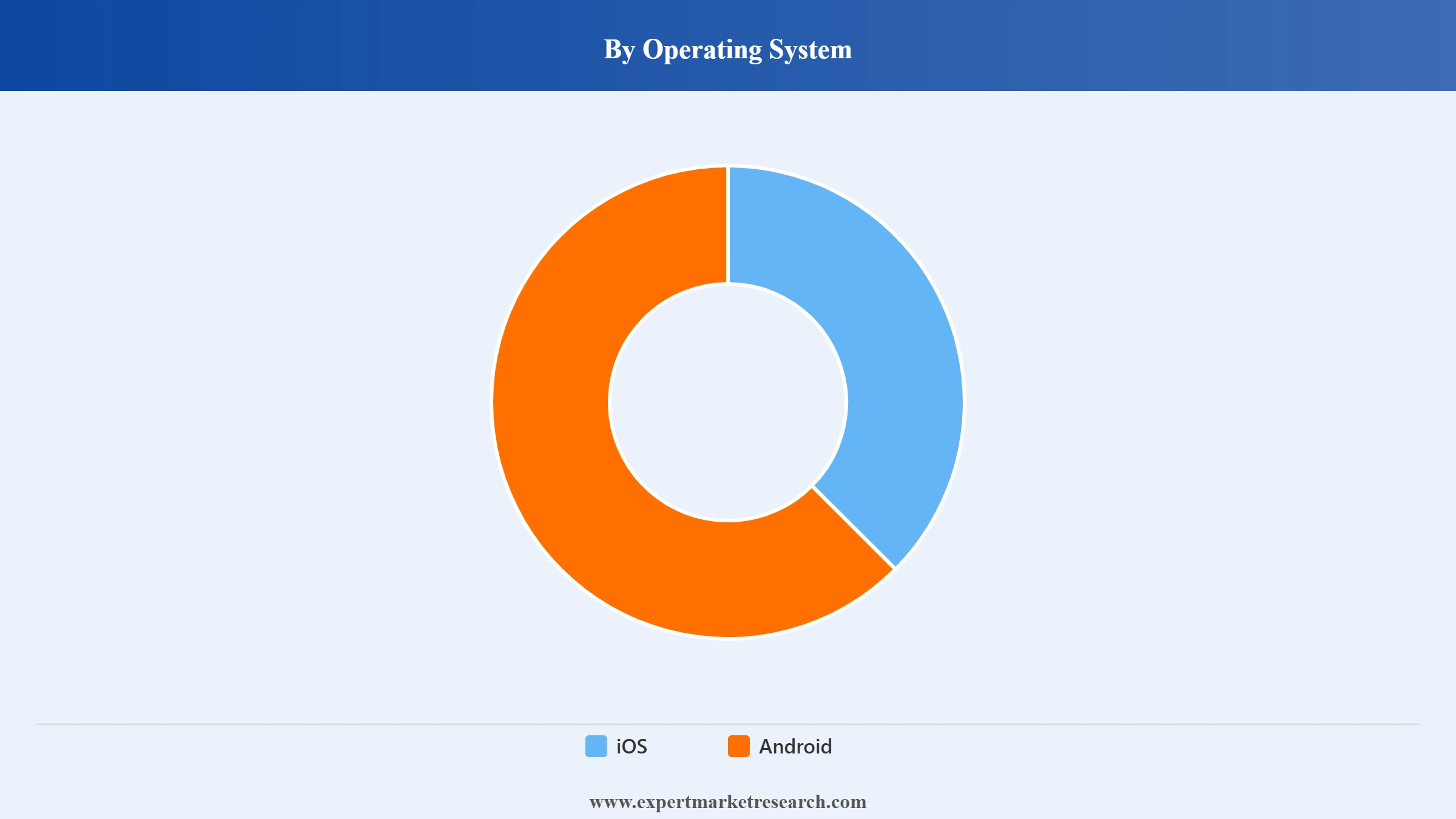
Market Breakup by Operating System
Key Insight: iOS has the advantages of being highly integrated with devices, high-end, providing service continuity for health, and brand loyalty. Android OS has the advantage of wide compatibility with devices, wide pricing range, and competition between Samsung, Huawei, and Xiaomi, among others. The others category has the potential of helping companies reach customers who use different operating systems or those that use proprietary operating systems and where demand is driven by price and device functionality. Operating system is a key consideration for companies in the Latin America smart watch market in terms of application compatibility, software development costs, customer support, and channel selection.
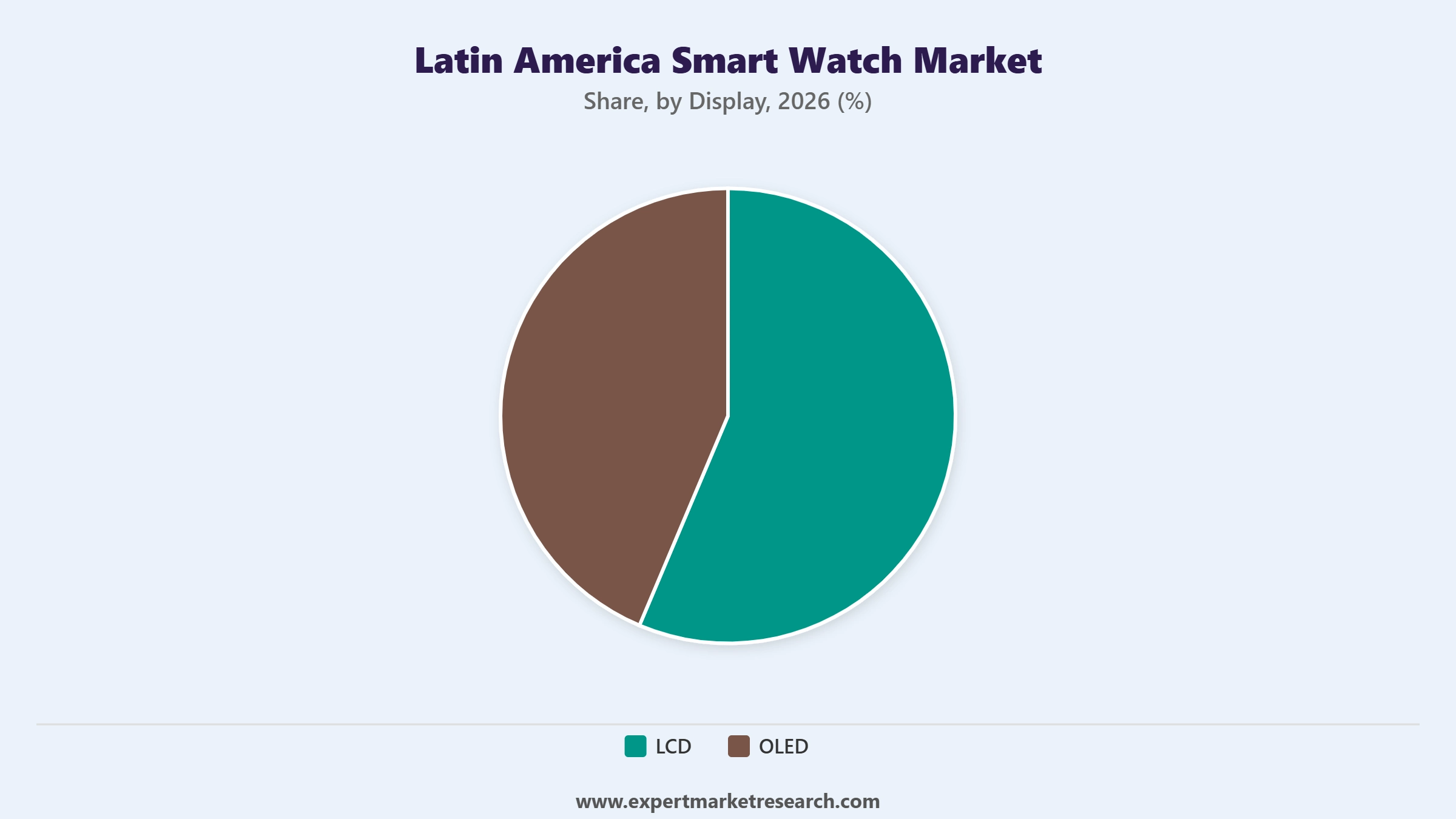
Market Breakup by Display
Key Insight: Display preferences depend on the positioning strategies adopted by Latin America smart watch market players. OLED is preferred by premium customers looking for enhanced interfaces, thin form factor, high contrast ratio, and elaborate health dashboards. In January 2026, Motorola launched a new Moto Watch developed with Polar, integrating advanced fitness tracking, personalized training insights, and health monitoring features. Meanwhile, LCD continues to be important for smartwatch companies that compete on the basis of low prices, energy efficiency, and practicality. Both technologies give suppliers an opportunity to develop unique offerings rather than being confined to a specific specification lineup.
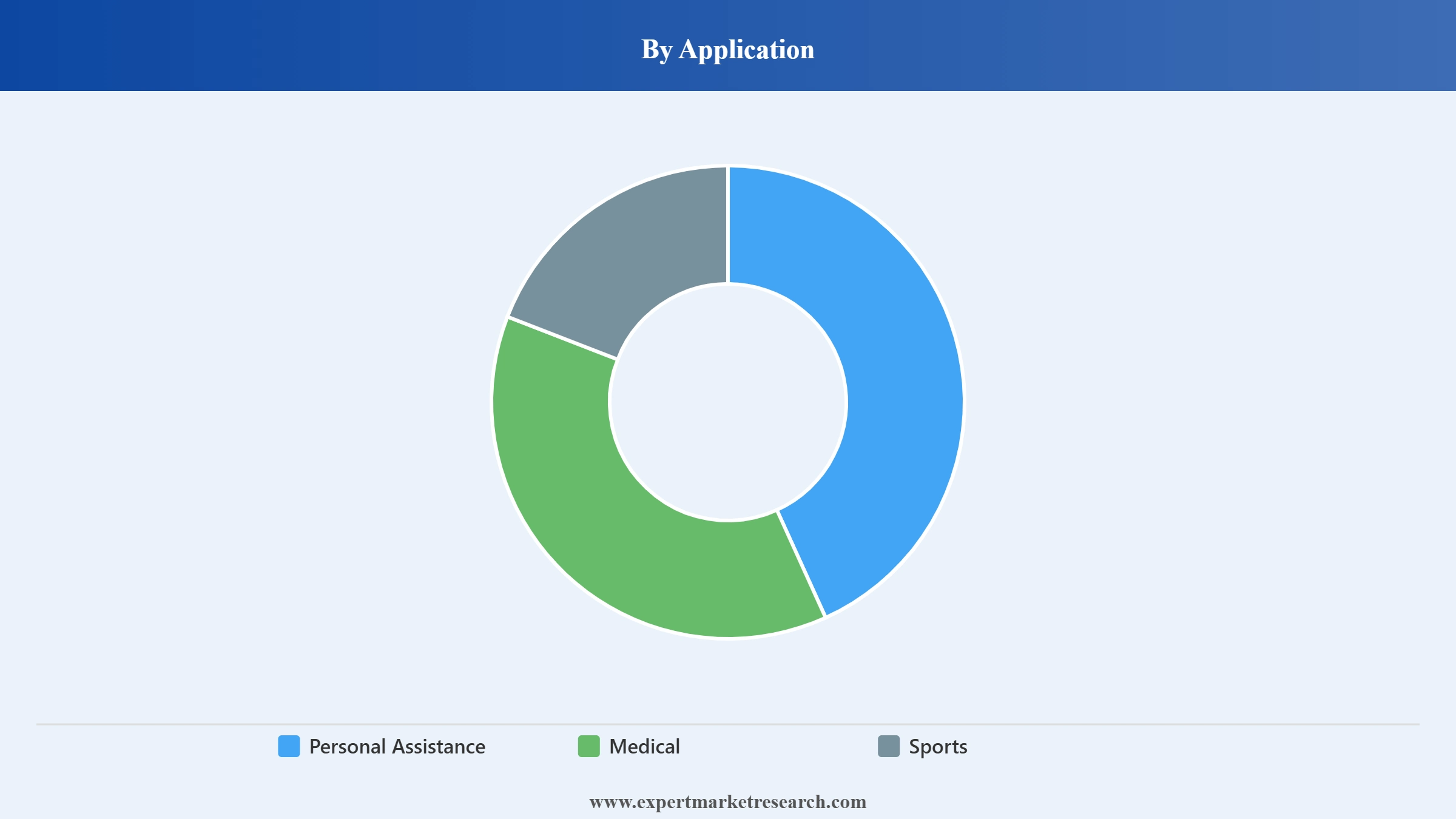
Market Breakup by Application
Key Insight: Personal assistance is important since watches are used for communication, scheduling, navigating, making payments, and operating mobile phones. Medical applications are becoming relevant as per the Latin America smart watch demand forecast as watches offer health monitoring functions and advanced sensors from leading brands. Sport applications are being defined by special metrics for running, cycling, rest and recharging, hydration, and outdoors. Others include narrow applications, including safety, traveling, and lifestyle monitoring. For suppliers, the best combination is when there are a number of applications built into the same watch. Such multifunctionality helps to provide high positioning and offers distributors to address various audiences with specific combinations.
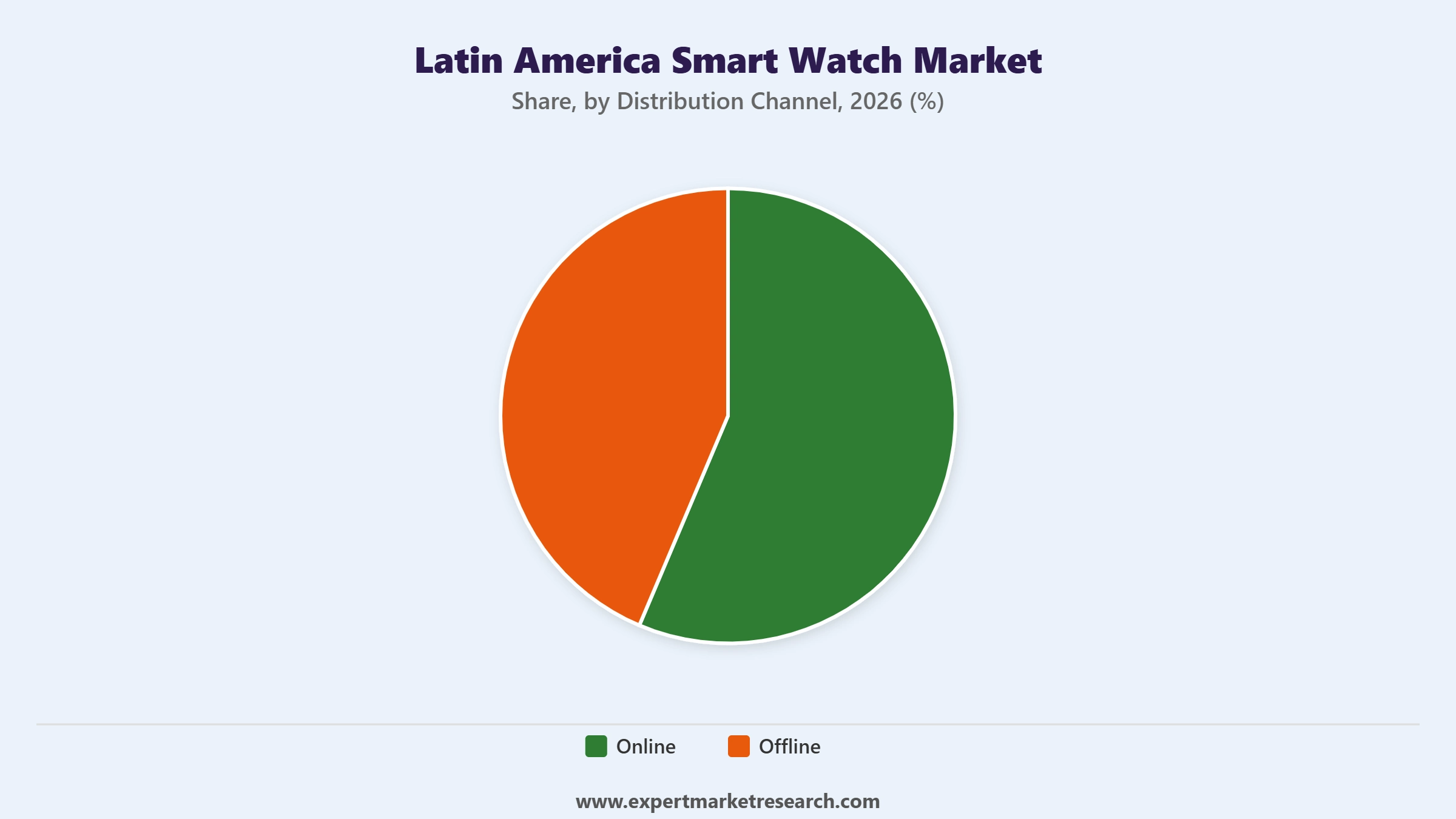
Market Breakup by Distribution Channel
Key Insight: The online channel is expanding its share in the Latin America smart watch market owing to product comparisons, large market coverage, flexible promotions, and growing comfort with online buying. The offline channel will continue to play an important role where demonstrations, fitting, warranties, and explanations of the health functions of products are required. While online stores can easily access secondary cities and fast product introductions, offline stores will help customers gain confidence in high-end gadgets.
Market Breakup by Country
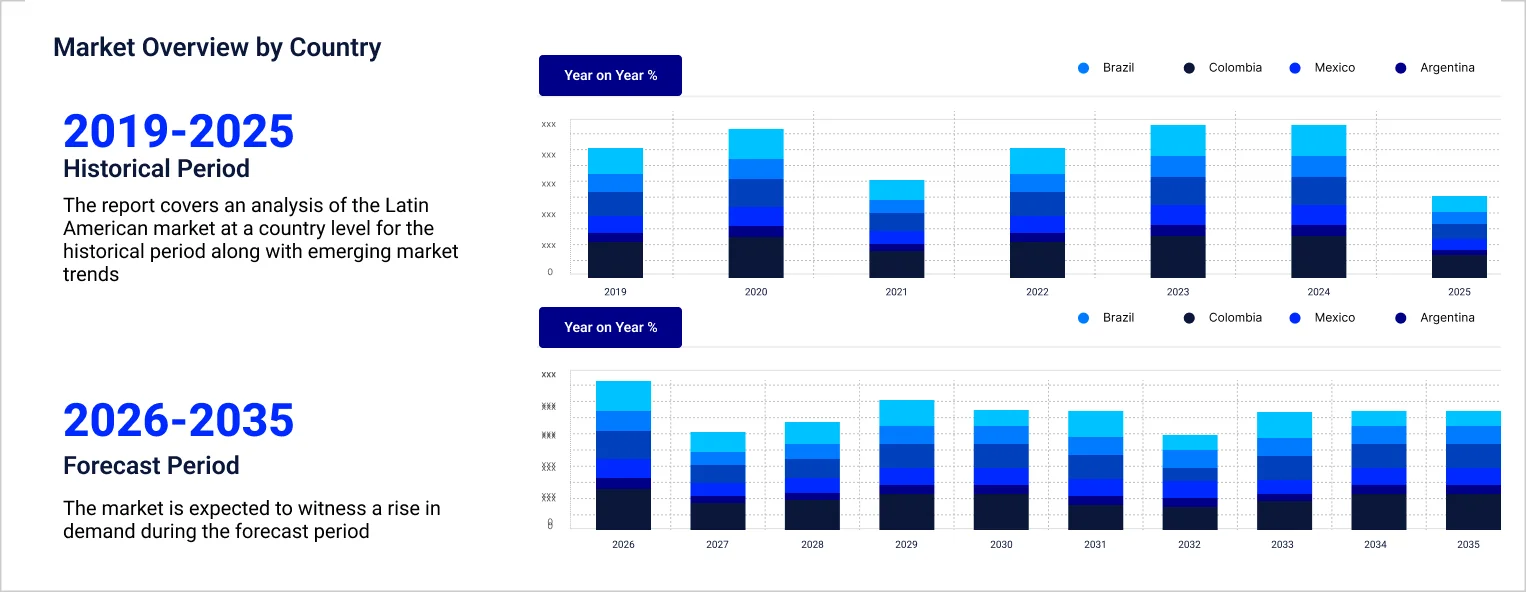
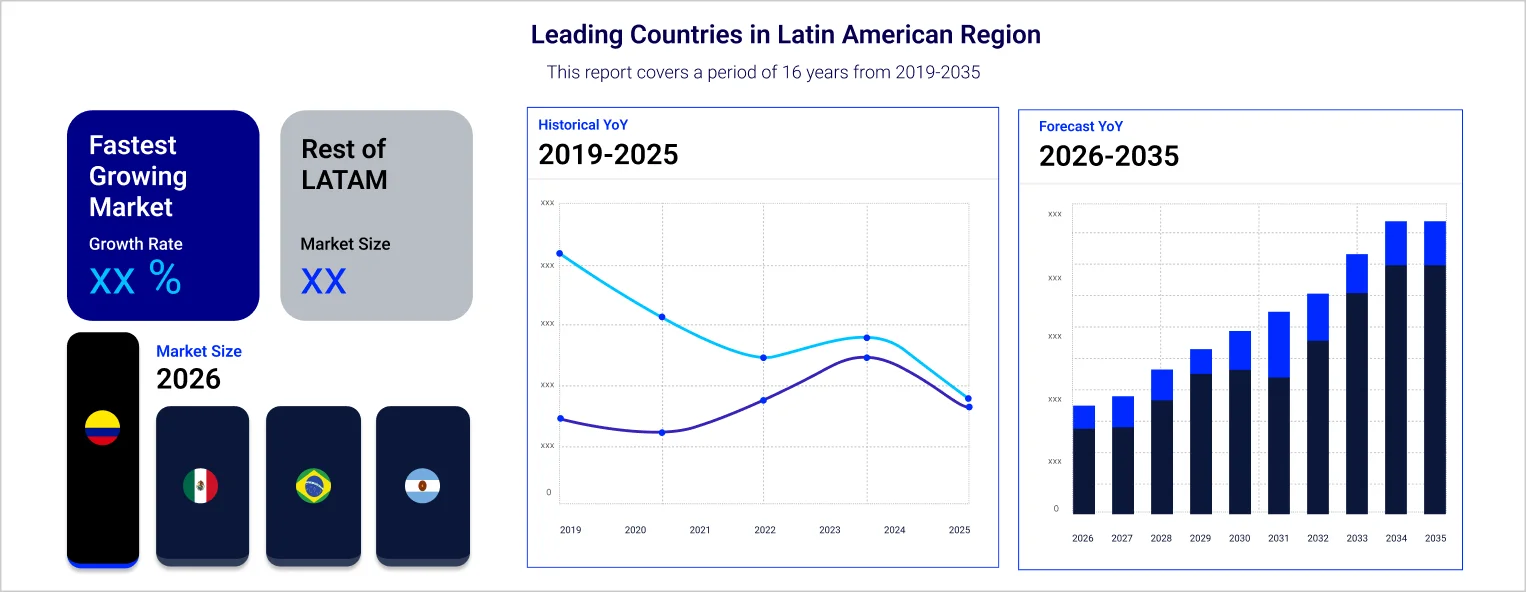
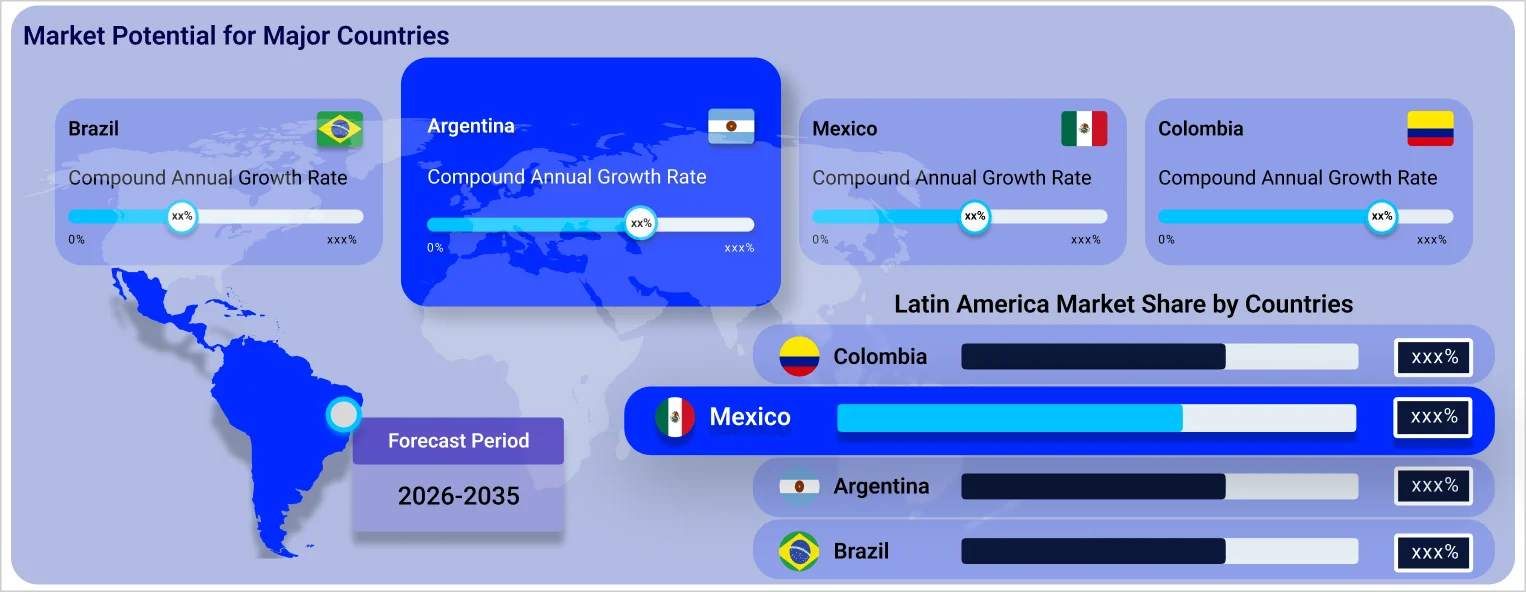
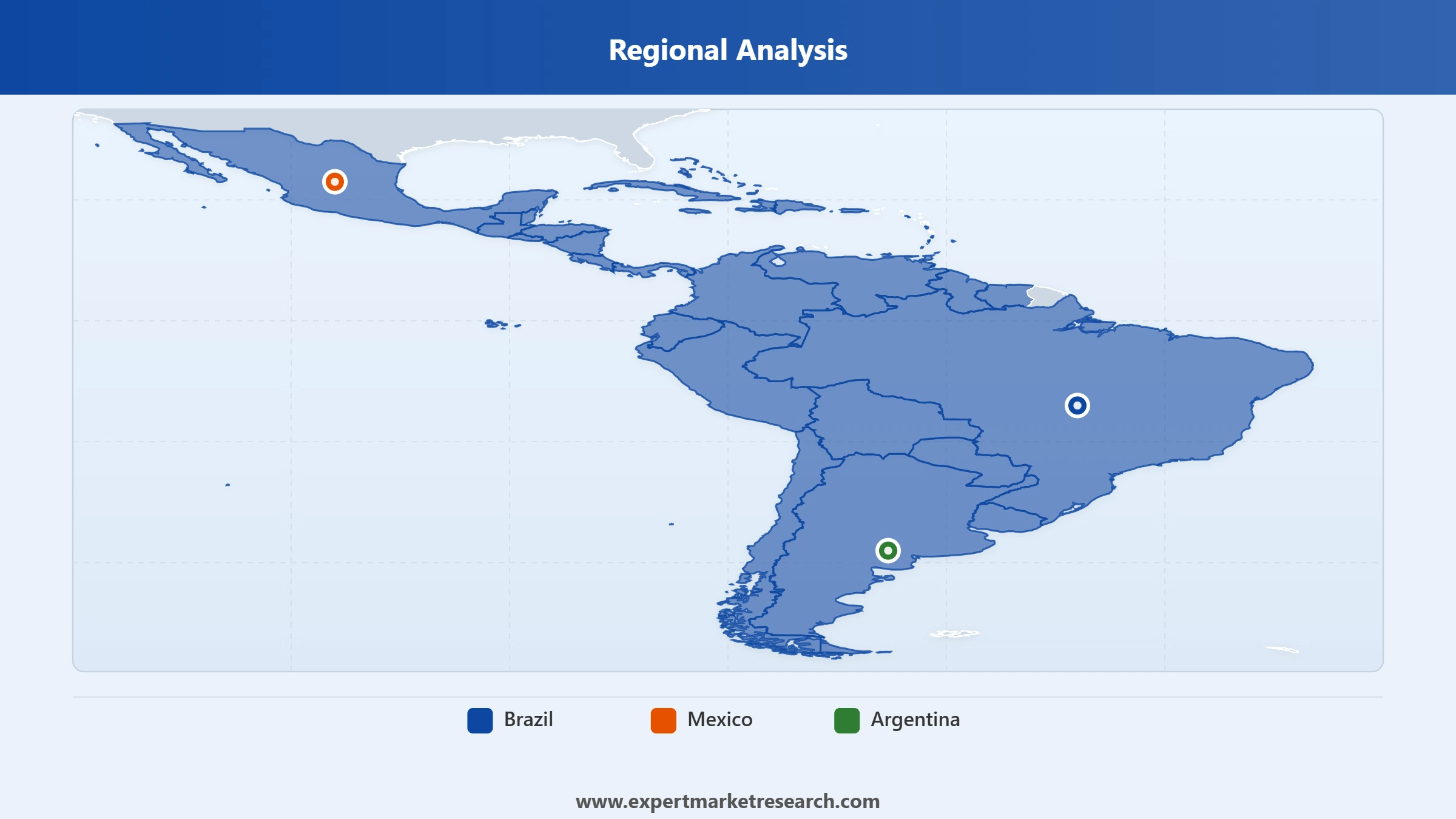
Key Insight: Scale, electronics infrastructure, major brand launches, and a substantial base of consumers that are connected characterize Brazil smart watch market. Mexico, on the other hand, is also expanding its share by virtue of smart devices usage, smartphones, and regulatory inclusion of selected health functions. Argentina offers opportunities for luxury and lifestyle-oriented products especially through technology retail and smartphone environments. The rest of Latin America countries provide fragmented and exciting niches where distributors can adjust pricing, language, connectivity, and sport-oriented positioning. Manufacturers in the Latin America smart watch industry are becoming attuned to tailoring their product launches to the regulatory environment, distribution channels, purchasing capacity, and available ecosystems.
Read more about this report - REQUEST FREE SAMPLE COPY IN PDF
By operating system, iOS registers the dominant position in the market due to Apple's integrated premium smartphone and health ecosystem
The operating system segment with the highest share in the Latin America smart watch market is that of iOS as Apple’s ecosystem ensures Apple Watch works together with the iPhone, the Health app, Fitness and connected services. As far as Latin America is concerned, the proposition applies mostly to premium customers who seek synchronization in terms of their health, communication and security needs. Additionally, in June 2026, Apple launched watchOS 27 with enhanced Siri capabilities, smarter fitness tools, improved health tracking, and redesigned Apple Watch experiences.
Read more about this report - REQUEST FREE SAMPLE COPY IN PDF
Android observes the fastest growth in the Latin America smart watch market as Samsung, Huawei, Xiaomi, and others target more segments in terms of prices and phone brands. Additionally, the compatibility of Android with other ecosystems helps buyers who need health and sports features on their watch without having to change their smartphone ecosystem. An example of a smartwatch with such features is the Huawei WATCH 5 that supports Android and iOS platforms.
By display, the OLED category records notable demand due to premium visual quality and advanced health-dashboard presentation
The OLED smartwatch category leads the Latin America smart watch market due to the emphasis on thinness, higher contrast ratios, always-on displays, and advanced health dashboards among other features in premium brands. Newer models by Samsung in Brazil demonstrate the use of brighter displays as part of a premium hardware upgrade, while the new watches by Huawei also compete using their premium visual appearance. OLED provides space for manufacturers to offer differentiation through adaptive refresh rates, better outdoor readability, curved screens, and power savings. In September 2026, Motorola launched Moto Watch Ultra, featuring premium design, advanced health tracking, enhanced fitness capabilities, and extended battery performance for users.
Read more about this report - REQUEST FREE SAMPLE COPY IN PDF
Smartwatches using LCD display technology continue to have demand in situations where affordability, good interface, power savings, and replacement costs matter more than anything else. This category in the Latin America smart watch market works well for entry and mid-level products available in electronics chains and online stores where customers require useful notifications and activity tracking but do not need expensive construction.
Personal assistance applications account for a substantial market share due to expanding AI, communication, navigation, and productivity functions
Personal assistance, being the major application, drives the Latin America smart watch market revenue growth, since notifications, calls, reminders, navigation, payments, voice commands, and prompts powered by artificial intelligence are getting increasingly included in a single watch. By combining these capabilities, manufacturers can enable users to benefit from their smartwatch at all times and not just during workouts. In September 2024, Huawei unveiled next-generation wearables featuring enhanced health monitoring, fitness capabilities, intelligent interactions, and seamless productivity across connected devices.
Read more about this report - REQUEST FREE SAMPLE COPY IN PDF
Medical applications observe the fastest rate of growth due to advances in sensors, algorithms, and regulatory clearances opening up new opportunities for utilizing smartwatches for health tracking. For example, in June 2025, Samsung received ANVISA approval for its sleep apnea function in Brazil. Thus, companies in the Latin America smart watch market need to focus on validated sensors, improved health reporting, and easier access to clinical-grade data. New possibilities may arise in insurance companies, wellness providers, employers, and digital health platforms; however, it is important to distinguish monitoring and medical diagnosis capabilities.
Online distribution channels register the dominant position in the market due to wider product comparison, marketplace reach, and digital purchasing convenience
The online channel is prevalent across the Latin America smart watch market scope as more consumers begin comparing product features, functionalities, pricing, financing options, and compatibility prior to purchase. Manufacturers can boost conversion in online shopping through virtual demonstrations, comparisons, trade-in incentives, warranty registration, and localized health feature descriptions. In September 2026, Sekonda expanded its smart category with a new smart ring, combining jewelry styling with health and fitness tracking capabilities.
Read more about this report - REQUEST FREE SAMPLE COPY IN PDF
The offline channel is the fastest growing distribution channel in the Latin America smart watch market, as consumers require demonstrations, assistance, and reassurance regarding fitting, sensors, compatibility, and warranty. Offline electronics stores, carrier stores, and brand stores are in a better position to explain the health dashboard than online listing, especially the high-end models. In Brazil, Huawei diversified its distribution channel online as well as opening a pop-up store, whereas Samsung utilizes its existing network in consumer electronics. Distributors can boost margins by selling accessories, installing products, protecting devices, financing options, and post-sale training along with the purchase of the smartwatches.
Brazil clocks in the dominant position in the market due to its large, connected population and strong pipeline of smartwatch launches
Brazil continues to be the leading country in the Latin America smart watch market due to its huge, connected consumer base and product launches by smartwatch makers as well as adoption of smart devices. According to IBGE, there were 168.7 million internet users aged 10 years and above in 2025. Samsung and Huawei are also launching their smart watches, which are equipped with health sensors and sports analysis features.
Read more about this report - REQUEST FREE SAMPLE COPY IN PDF
Mexico is the fastest-growing country in the Latin America smart watch market as adoption of connected devices, smartphone usage, and regulatory approvals for health features grow. There are opportunities for smartwatch suppliers in Mexico as they can develop health-focused portfolios, local partnerships, Spanish language, carrier bundling, and omnichannel distribution targeting connected urban consumers.
Latin America smart watch market players are moving from simple hardware specifications to more differentiated ecosystems. Companies are looking at how to implement AI-driven health analysis, improve sensor precision, extend battery life, deliver sport-specific analytics, utilize premium materials, and connect with smartphones. Regulatory approval is also starting to be another competitive strength as brands work towards making health features operational in different countries.
There are opportunities for Latin America smart watch companies that can localize software, develop interfaces in Spanish and Portuguese, build service networks, and partner with telecoms, insurance companies, fitness apps, and digital health companies. E-commerce is also creating an opportunity for quick launches and promotions, while retail channels continue to have value in presenting premium products.
Apple Inc. was established in 1976 and is based in Cupertino, California, United States. The key principles of Apple Watch marketing strategy include close compatibility with the iPhone, Health, Fitness, safety products, and premium services. In Latin America, the company implements health features of the product on a country-by-country basis, allowing distributors to highlight Apple Watch as a component of the premium technology ecosystem.
Samsung Electronics Co., Ltd. was established in 1969 and is based in Suwon, South Korea. Samsung provides its range of Galaxy Watch devices which include Galaxy AI, Samsung Health, sensors, sports analytics, and smartphone compatibility for Latin American market. Moreover, the company's activities in Brazil and Mexico indicate the company's attention to localization of health-function implementation and ecosystem development.
Huawei Technologies Co., Ltd. is a corporation established in 1987 and based in China. Huawei offers premium watches for Latin America with a strong focus on sensors, high battery life, sport analysis capabilities, and cross-compatibility. The WATCH 5 and GT-series releases by Huawei in Brazil showcase the company's strategy that involves health, outdoor activities, design, and retail.
Xiaomi Corp. is a company founded in 2010 and based in China. Xiaomi offers its smartwatch products as part of its more general strategy involving smartphones and AIoT ecosystems and using connectivity and affordable technology. The large global ecosystem of the devices makes it possible to connect watches with smartphones, smart home products, apps, and other consumer connected products.
Other key players in the market include Garmin Ltd., Fossil Group, Inc., Alphabet Inc. (Fitbit LLC), Zepp Health Corporation, Ltd., Polar Electro Oy, AI Electronics México SA de CV, among others.
*Please note that this is only a partial list; the complete list of key players is available in the full report. Additionally, the list of key players can be customized to better suit your needs.*
Unlock the latest insights with our Latin America smart watch market trends 2026 report. Discover regional growth patterns, consumer preferences, and key industry players. Stay ahead of competition with trusted data and expert analysis. Download your free sample report today and drive informed decisions in the market.


Upto 15% Off
USD
$2499 $2249
$3999 $3599
$4999 $4249
$5999 $5099


*While we strive to always give you current and accurate information, the numbers depicted on the website are indicative and may differ from the actual numbers in the main report. At Expert Market Research, we aim to bring you the latest insights and trends in the market. Using our analyses and forecasts, stakeholders can understand the market dynamics, navigate challenges, and capitalize on opportunities to make data-driven strategic decisions.*
The market is projected to grow at a CAGR of 6.50% between 2026 and 2035.
The different applications of smart watch include personal assistance, medical, and sports, among others.
The major distribution channels for cosmetics include online and offline.
The various operating systems of smart watch are iOS and Android, among others.
The different segments considered in the market report are LCD and OLED.
The major countries in the market include Brazil, Mexico, and Argentina, among others.
The key players in the market include Apple Inc., Samsung Electronics Co., Ltd., Huawei Technologies Co., Ltd., Xiaomi Corp., Garmin Ltd., Fossil Group, Inc., Alphabet Inc. (Fitbit LLC), Zepp Health Corporation, Ltd., Polar Electro Oy, AI Electronics México SA de CV., among others.
In 2025, the market reached an approximate value of USD 886.00 Million.
Companies face regulatory differences, price sensitivity, currency fluctuations, fragmented distribution, counterfeit products, limited service infrastructure, privacy concerns, and the challenge of communicating health capabilities without overstating medical benefits.
Manufacturers are localizing health features, strengthening regulatory teams, expanding omnichannel distribution, building carrier partnerships, improving battery performance, and integrating AI services with regional wellness ecosystems.
Explore our key highlights of the report and gain a concise overview of key findings, trends, and actionable insights that will empower your strategic decisions.
| REPORT FEATURES | DETAILS |
| Base Year | 2025 |
| Historical Period | 2019-2025 |
| Forecast Period | 2026-2035 |
| Scope of the Report |
Historical and Forecast Trends, Industry Drivers and Constraints, Historical and Forecast Market Analysis by Segment:
|
| Breakup by Operating System |
|
| Breakup by Display |
|
| Breakup by Application |
|
| Breakup by Distribution Channel |
|
| Breakup by Region |
|
| Market Dynamics |
|
| Competitive Landscape |
|
| Companies Covered |
|
Datasheet
One User
USD 2,499
USD 2,249
tax inclusive*
Single User License
One User
USD 3,999
USD 3,599
tax inclusive*
Five User License
Five User
USD 4,999
USD 4,249
tax inclusive*
Corporate License
Unlimited Users
USD 5,999
USD 5,099
tax inclusive*
*Please note that the prices mentioned below are starting prices for each bundle type. Kindly contact our team for further details.*
Flash Bundle
Small Business Bundle
Growth Bundle
Enterprise Bundle
*Please note that the prices mentioned below are starting prices for each bundle type. Kindly contact our team for further details.*
Flash Bundle
Number of Reports: 3
20%
tax inclusive*
Small Business Bundle
Number of Reports: 5
25%
tax inclusive*
Growth Bundle
Number of Reports: 8
30%
tax inclusive*
Enterprise Bundle
Number of Reports: 10
35%
tax inclusive*
How To Order

Select License Type
Choose the right license for your needs and access rights.

Click on ‘Buy Now’
Add the report to your cart with one click and proceed to register.

Select Mode of Payment
Choose a payment option for a secure checkout. You will be redirected accordingly.
Strategic Solutions for Informed Decision-Making
Gain insights to stay ahead and seize opportunities.

Get insights & trends for a competitive edge.

Track prices with detailed trend reports.

Analyse trade data for supply chain insights.

Leverage cost reports for smart savings

Enhance supply chain with partnerships.

Connect For More Information
Our expert team of analysts will offer full support and resolve any queries regarding the report, before and after the purchase.
Our expert team of analysts will offer full support and resolve any queries regarding the report, before and after the purchase.
We employ meticulous research methods, blending advanced analytics and expert insights to deliver accurate, actionable industry intelligence, staying ahead of competitors.
Our skilled analysts offer unparalleled competitive advantage with detailed insights on current and emerging markets, ensuring your strategic edge.
We offer an in-depth yet simplified presentation of industry insights and analysis to meet your specific requirements effectively.




