

Consumer Insights
Uncover trends and behaviors shaping consumer choices today
Procurement Insights
Optimize your sourcing strategy with key market data
Industry Stats
Stay ahead with the latest trends and market analysis.
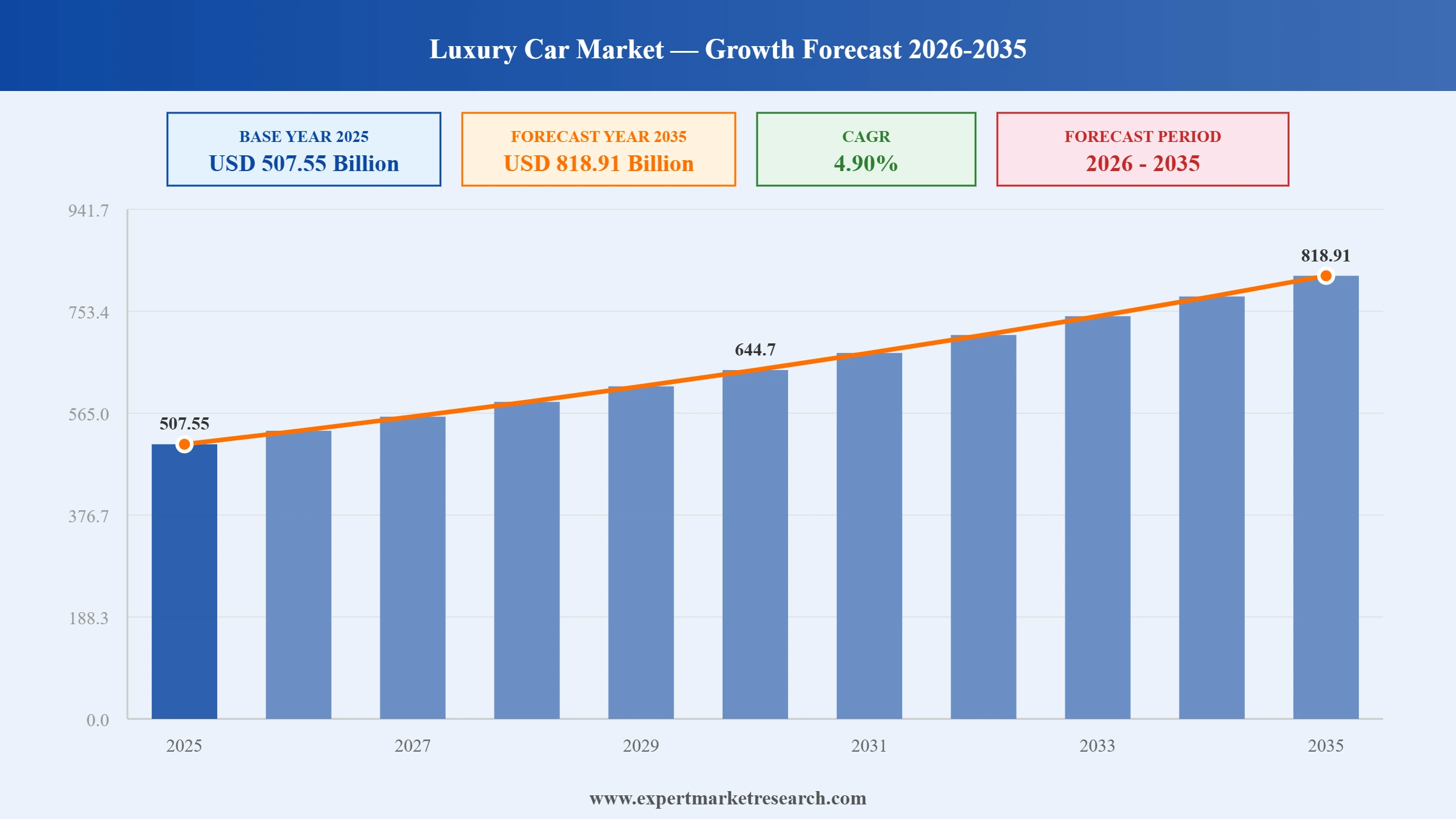
The global luxury car market size was valued at USD 507.55 Billion in 2025 and is projected to reach USD 818.91 Billion by 2035, growing at a CAGR of 4.90% from 2026-2035. The global luxury car market is experiencing sustained momentum as rising consumer wealth, rapid technological innovation, and evolving lifestyle preferences drive demand for premium vehicles.
The expanding base of high-net-worth individuals, particularly across Asia Pacific, North America, and Europe, is underpinning strong sales of luxury sedans, SUVs, and electric models. Advancements in autonomous driving, AI-powered cabin experiences, and electrification strategies are reshaping competitive dynamics, while personalisation and sustainability-focused manufacturing are elevating brand differentiation across the luxury car market share.

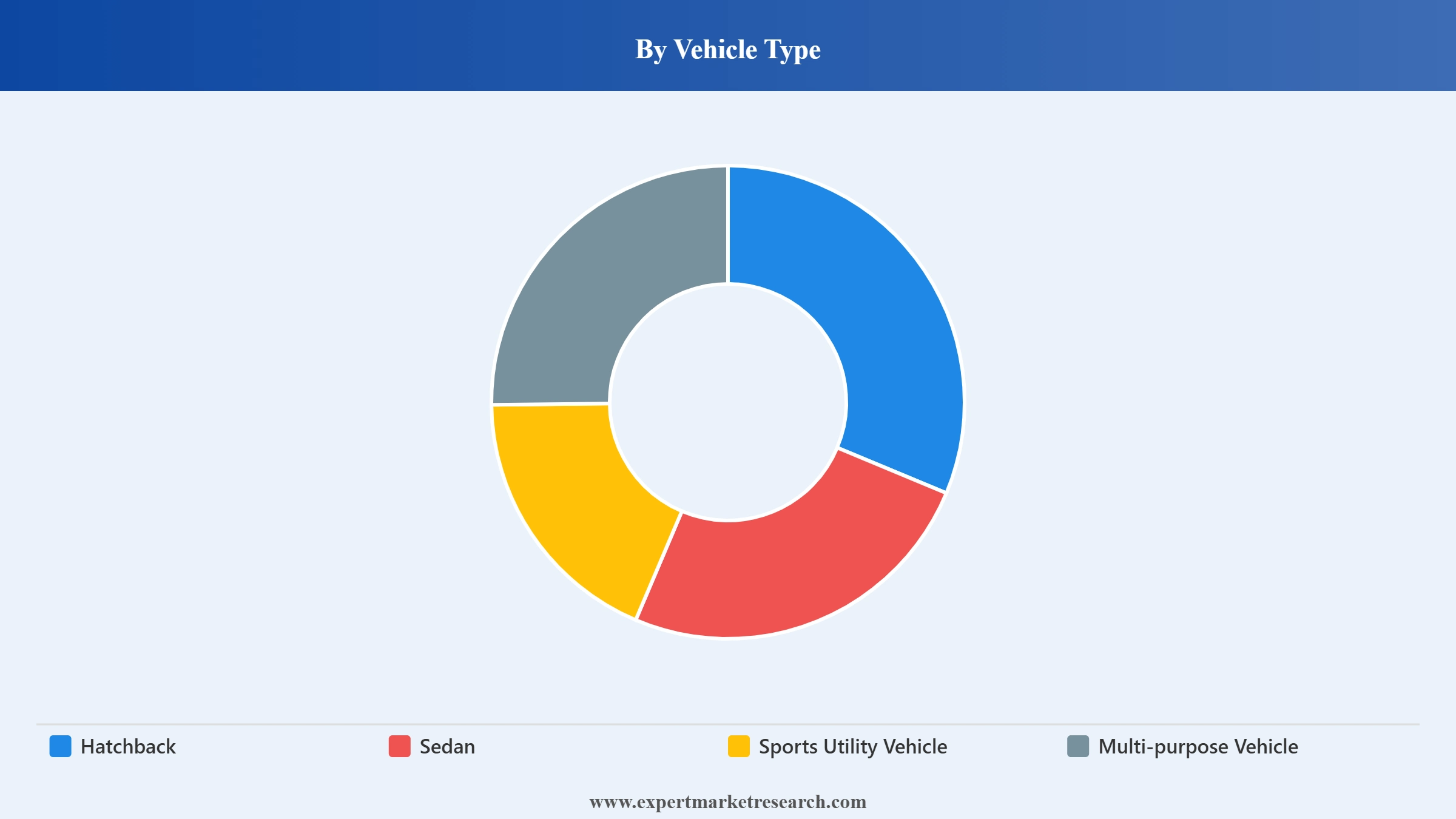
By Vehicle Type: SUVs lead the market as the most dominant category in 2025, supported by demand for versatility and premium comfort. Hatchbacks represent the fastest-growing subsegment, appealing to urban buyers seeking compact yet luxurious cars.
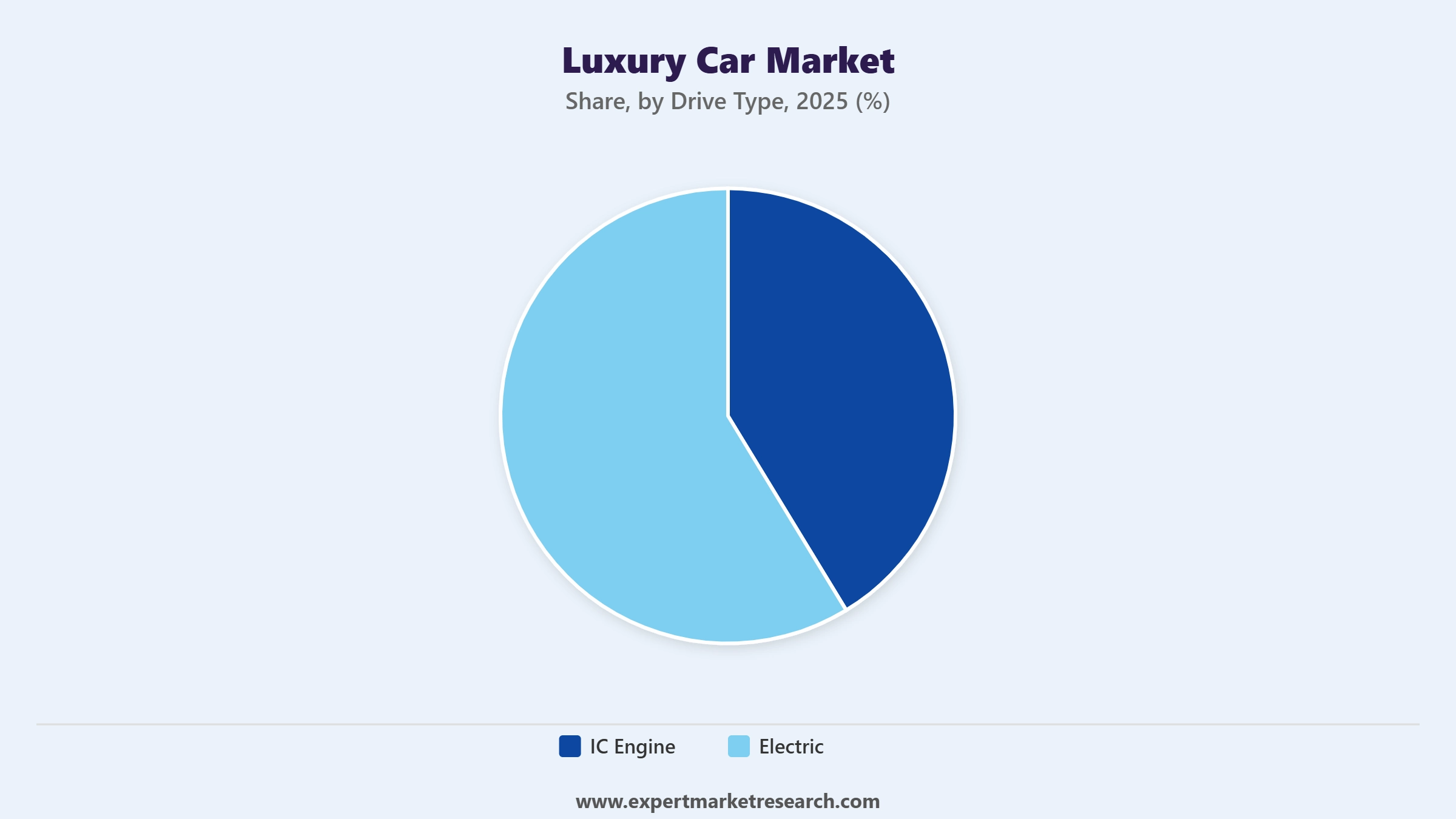
By Drive Type: IC Engine vehicles hold the largest luxury car market share in 2025, reflecting sustained demand for powerful, refined combustion powertrains. The electric segment is the fastest-growing, driven by regulatory mandates and sustainability commitments from automakers.
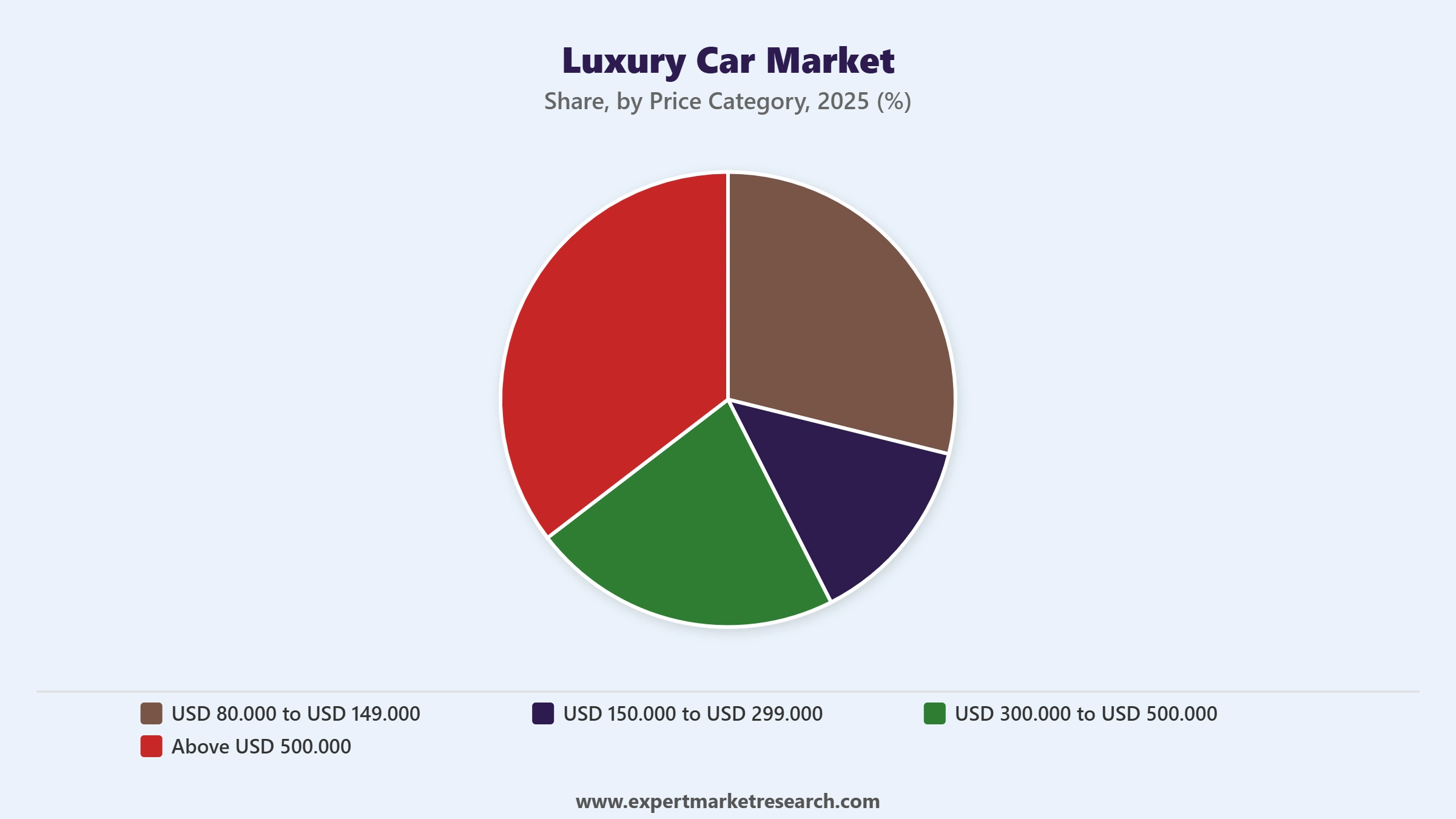
By Price Category: The USD 80,000 to USD 149,000 segment leads the market, offering entry-level luxury with advanced technology, comfort, and performance that attracts the broadest affluent consumer base across global markets.
Key Players: Ferrari S.p.A, Bugatti Automobiles, Rolls-Royce Motor Cars, Daimler AG, Automobili Lamborghini S.p.A., Koenigsegg Automotive AB, Aston Martin Lagonda Limited, Bentley Motors Limited, Horacio Pagani S.p.A, Dr. Ing. h.c. F. Porsche AG, Toyota Motor Corporation, Tesla, Inc., General Motors, and Others.
The global luxury car market is advancing as automakers respond to shifting consumer expectations with next-generation vehicle technologies and premium mobility experiences. Key luxury car market trends include the surging demand for pre-owned luxury automobiles and the desire for electrified and autonomous vehicles utilising artificial intelligence and machine learning features. For instance, BMW delivered 2,169,739 vehicles worldwide in 2025, maintaining its position ahead of Mercedes-Benz and Audi in the premium sales race, with its M performance division posting a 14th consecutive record year at 213,457 units delivered. Investing in modular EV platforms, partnering with battery innovators, piloting circular material supply chains, deploying OTA software revenue models, and scaling bespoke production lines to capture premium margins are the strategies driving the luxury car market growth. Government incentives for low-emission vehicles, expanding charging infrastructure, and the growing influence of digital retail channels are supporting broader market access and consumer engagement across both mature and emerging economies.
Read more about this report - REQUEST FREE SAMPLE COPY IN PDF
| Global Luxury Car Market Report Summary | Description | Value |
| Base Year | USD Billion | 2025 |
| Historical Period | USD Billion | 2019-2025 |
| Forecast Period | USD Billion | 2026-2035 |
| Market Size 2025 | USD Billion | 507.55 |
| Market Size 2035 | USD Billion | 818.91 |
| CAGR 2019-2025 | USD Billion | XX% |
| CAGR 2026-2035 | USD Billion | 4.90% |
| CAGR 2026-2035 - Market by Region | Asia Pacific | 6.3% |
| CAGR 2026-2035 - Market by Country | China | 6.1% |
| CAGR 2026-2035 - Market by Country | Brazil | 5.6% |
| CAGR 2026-2035 - Market by Vehicle Type | Sports Utility Vehicle | 5.4% |
| CAGR 2026-2035 - Market by Drive Type | Electric | 5.4% |
| Market Share by Country 2025 | Brazil | 2.1% |
Accelerating Electrification of Premium Vehicle Portfolios
The luxury car segment is witnessing a decisive shift toward electrified powertrains as automakers expand their electric and hybrid portfolios to meet sustainability targets and evolving buyer preferences. As per the luxury car market analysis, Europe reported a 148% surge in F-segment electric luxury car registrations between 2021 and 2022. In October 2025, BMW announced an investment of more than EUR 2 billion in its Debrecen plant in Hungary, manufacturing exclusively all-electric vehicles with an annual capacity of approximately 150,000 cars. BMW Group also confirmed that its Munich plant will begin producing the NEUE KLASSE series in summer 2026 and will transition to exclusively fully electric vehicle production from 2027 onwards. Porsche launched a new line of electric sports cars in October 2025, showcasing its commitment to performance and sustainability in the luxury electric vehicle segment.
Integration of AI, Autonomous Driving, and Digital Cockpit Technologies
Luxury automakers are embedding artificial intelligence and semi-autonomous driving capabilities into their vehicles, redefining premium mobility experiences. Mercedes-Benz introduced its DRIVE Pilot system one of the first consumer-available SAE Level 3 conditional automation systems globally in its flagship S-Class and EQS models, allowing hands-free driving in specific traffic conditions. Jaguar Land Rover formed a multi-year partnership with NVIDIA, integrating NVIDIA DRIVE chips and software across all Jaguar models from 2025 for advanced driver assistance and AI-powered occupant monitoring. Audi is advancing autonomous driving in 2026 with augmented reality systems integrated into models like the A6, S6, and Q6 e-tron, while digital cockpits, predictive maintenance, and over-the-air software updates are becoming standard offerings across the premium segment.
Rising Dominance of Luxury SUVs and Expanding Pre-Owned Luxury Market
SUVs and crossovers are consolidating their position as the most sought-after vehicle type in the luxury segment, combining practicality with premium design and performance. The Rolls-Royce Cullinan saw deliveries rise by 27.1% to 3,291 units in 2025, accounting for approximately 58% of the brand’s total volume. Simultaneously, the pre-owned luxury car market is experiencing systematic expansion, with growing demand supported by easy access to financing, lower entry costs, and annual maintenance contracts. The used luxury vehicle market is becoming more organised to meet expanding demand, with owners typically selling these vehicles after one or two years to upgrade to newer models. These twin trends SUV dominance and pre-owned market growth are reshaping the luxury car market’s volume and accessibility dynamics.
Read more about this report - REQUEST FREE SAMPLE COPY IN PDF
Expanding High-Net-Worth Population and Rising Disposable Incomes
The global luxury car market is fundamentally driven by the expanding population of high-net-worth individuals and rising disposable incomes across both developed and emerging economies. The number of high-net-worth individuals globally has been rising steadily, reflecting growing wealth concentration across both mature and emerging markets. In India, the HNI population has grown significantly, with forecasts pointing to continued expansion in the coming years, according to Expert Market Research's India luxury car market analysis. China's per capita disposable income has also risen considerably, supporting stronger consumer spending on premium goods. This growing affluent consumer base is elevating demand for luxury sedans, SUVs, and electric vehicles as symbols of status, comfort, and lifestyle aspiration, propelling the luxury car market size across all major regions.
Technological Advancements and Software-Defined Vehicle Experiences
Rapid advancements in automotive technology are reshaping the luxury car landscape, with manufacturers embedding cutting-edge features to attract discerning buyers. Luxury automakers are increasingly investing in biometrics and predictive health monitoring systems. Collaborations such as JLR with NVIDIA are bringing automated driving and predictive safety systems into upcoming lineups. Virtual configurators and immersive online showrooms are enabling buyers to personalise vehicles without visiting dealerships. Mercedes-Benz confirmed plans to launch several new vehicles in 2026 including the electric S-Class, electric GLS, and the first all-electric C-Class underscoring the integration of electrification with advanced digital technologies that strengthen luxury car market trends toward software-defined experiences.
Government Incentives and Tightening Emission Regulations
Global sustainability mandates are driving luxury automakers to accelerate electrification strategies. Tightening emission regulations in Europe, North America, and China are compelling manufacturers to invest heavily in electric and hybrid powertrains. China's New Energy Vehicle programme continues to support luxury EV sales with subsidies and preferential policies. The EU's stringent emission standards are compelling European manufacturers to rapidly electrify their fleets, while tax incentives in markets such as Norway, the Netherlands, and parts of the United States are reducing the total cost of luxury EV ownership. These regulatory tailwinds are creating a favourable environment for the growth of the luxury car industry worldwide.
Read more about this report - REQUEST FREE SAMPLE COPY IN PDF
High Vehicle Acquisition and Ownership Costs
The premium pricing of luxury vehicles, combined with substantial ongoing costs for insurance, maintenance, and depreciation, continues to limit market penetration. Luxury vehicles such as the Rolls-Royce Phantom start at prices exceeding USD 600,000, excluding maintenance, insurance, and fuel costs. Annual upkeep costs for luxury cars average between USD 1,500 and USD 3,000, with insurance premiums often double those of standard vehicles. Many luxury cars lose over 50% of their value within five years, creating financial barriers that discourage potential buyers, particularly in price-sensitive emerging markets across Latin America and parts of South Asia.
Supply Chain Vulnerabilities and Semiconductor Shortages
The luxury car market continues to face disruptions from global supply chain constraints, particularly in semiconductors, specialty alloys, and battery raw materials such as lithium and cobalt. Fluctuating raw material prices add to production costs, restricting the scalability of advanced models. These shortages have led to production delays, limited inventory availability, and elevated manufacturing costs, impacting the ability of automakers to meet demand and maintain profitability across key markets.
Regulatory Complexity and Economic Volatility
Divergent emissions regulations across major markets including the EU, the United States, and China impose significant compliance costs on luxury manufacturers. The geopolitical and economic landscape presents challenges, including luxury spending volatility, trade barriers, and foreign exchange fluctuations. Meeting stringent standards requires heavy investment in alternative powertrains, lightweight materials, and production retooling, which can slow model launch timelines and create operational complexity for brands operating across multiple regulatory jurisdictions.
Read more about this report - REQUEST FREE SAMPLE COPY IN PDF
The EMR’s report titled “Global Luxury Car Market Report and Forecast 2026-2035” offers a detailed analysis of the market based on the following segments:
Market Breakup by Vehicle Type
Key Insight: The market is segmented by vehicle type into Hatchback, Sedan, Sports Utility Vehicle, and Multi-Purpose Vehicle. SUVs lead the market as the most dominant category in 2025. Hatchbacks represent the fastest-growing subsegment.
The sports utility vehicle segment continues to dominate the global luxury car market, driven by consumer demand for versatile, high-performance vehicles that combine commanding road presence with premium comfort and advanced technology. Luxury SUVs appeal to a wide demographic, from families seeking spacious interiors to high-net-worth individuals desiring flagship utility vehicles. Models such as the Mercedes-Benz GLS, BMW X7, and Range Rover are redefining this space by offering bespoke customisation, AI-assisted driving, and sustainability elements. The Rolls-Royce Cullinan accounted for approximately 58% of the brand’s total deliveries in 2025, underscoring the dominance of the SUV format even in the ultra-luxury tier.
The sedan segment retains significant cultural cachet, particularly in chauffeur-driven contexts and certain ultra-luxury niches across Europe and Asia. Luxury sedans from marques such as Mercedes-Benz S-Class, BMW 7 Series, and Audi A8 continue to attract traditionalist buyers who value elegant design, superior driving dynamics, and refined comfort. The hatchback segment is the fastest-growing subsegment, appealing to urban buyers seeking compact yet luxurious vehicles, with models such as the Audi A1, BMW 1 Series, and Mercedes-Benz A-Class infusing premium technology and eco-conscious materials into the compact format. Multi-purpose vehicles serve a niche but growing segment, catering to affluent families seeking luxury combined with spacious, flexible interiors for diverse mobility needs.
Market Breakup by Drive Type
Key Insight: The market is segmented by drive type into IC Engine and Electric. IC Engine vehicles hold the largest market share in 2025. The electric segment is the fastest-growing category.
Internal combustion engine vehicles continue to account for the largest share of the luxury car market, supported by consumer preference for powerful, refined engines and the established reliability of combustion powertrains. Premium manufacturers maintain strong ICE portfolios with high-performance petrol and diesel options. Rolls-Royce confirmed in early 2026 that it is updating its twin-turbo 6.75-litre V12 engine to meet Euro 7 regulations, signalling the continued relevance of combustion power in the ultra-luxury segment. Ferrari, Lamborghini, and Porsche continue to deliver flagship ICE models that anchor brand desirability despite growing electrification.
The electric segment is the fastest-growing propulsion category within the luxury car market, driven by sustainability commitments, regulatory mandates, and advances in battery technology. Tesla continues to lead luxury EV volumes, while traditional manufacturers are rapidly expanding electrified portfolios. BMW’s NEUE KLASSE platform, Mercedes-Benz’s upcoming electric S-Class and C-Class, and Porsche’s expanding Taycan lineup demonstrate the industry’s accelerating electrification trajectory. The rollout of ultra-fast charging networks and government incentives in Europe, China, and the United States is accelerating adoption among affluent, environmentally conscious consumers.
Market Breakup by Price Category
Key Insight: The market is segmented by price category into USD 80,000 to USD 149,000; USD 150,000 to USD 299,000; USD 300,000 to USD 500,000; and Above USD 500,000.
The USD 80,000 to USD 149,000 segment holds the largest luxury car market share, serving as the entry point to premium vehicle ownership. This category attracts the broadest affluent consumer base, offering advanced technology, comfort, and performance at relatively accessible price points. Models such as the BMW 5 Series, Mercedes-Benz E-Class, Audi Q5, Lexus RX, and Porsche Macan anchor this segment, combining sophisticated engineering with mass-market appeal among upper-middle-class and emerging high-net-worth buyers globally.
The USD 150,000 to USD 299,000 segment represents the mid-luxury tier, encompassing flagship sedans, performance SUVs, and grand tourers from brands such as Porsche, BMW, Mercedes-AMG, and Aston Martin. The USD 300,000 to USD 500,000 category includes high-performance supercars and bespoke luxury vehicles from Ferrari, Lamborghini, and Bentley, targeting collectors and ultra-high-net-worth individuals. The above USD 500,000 segment encompasses ultra-luxury and limited-edition vehicles from Rolls-Royce, Bugatti, Pagani, and Koenigsegg, where exclusivity, craftsmanship, and brand heritage command the highest premiums in the market.
Market Breakup by Region
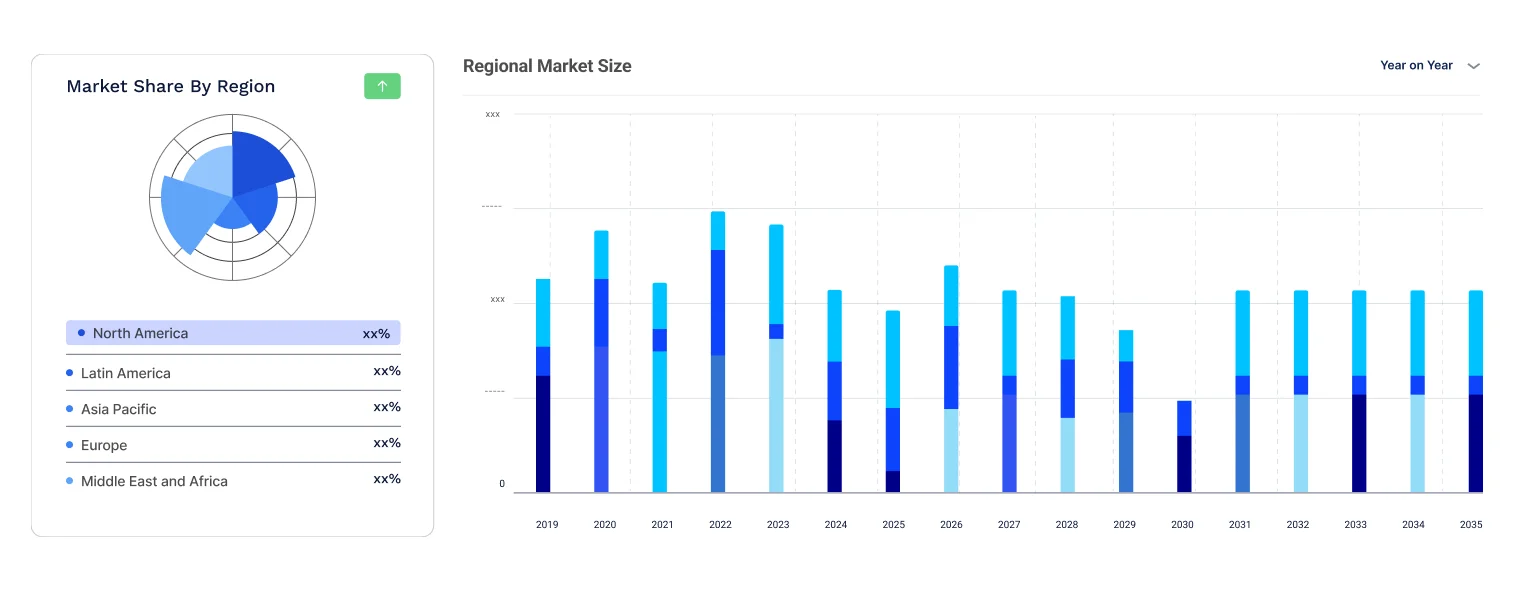
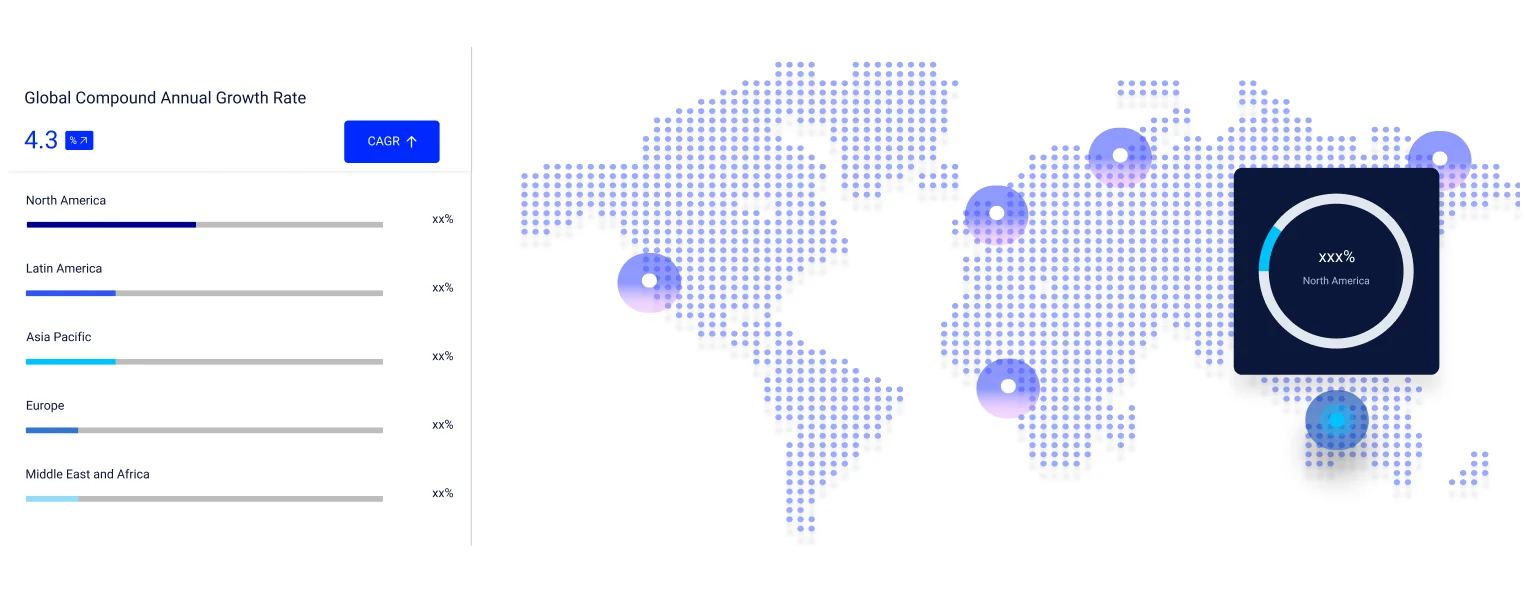
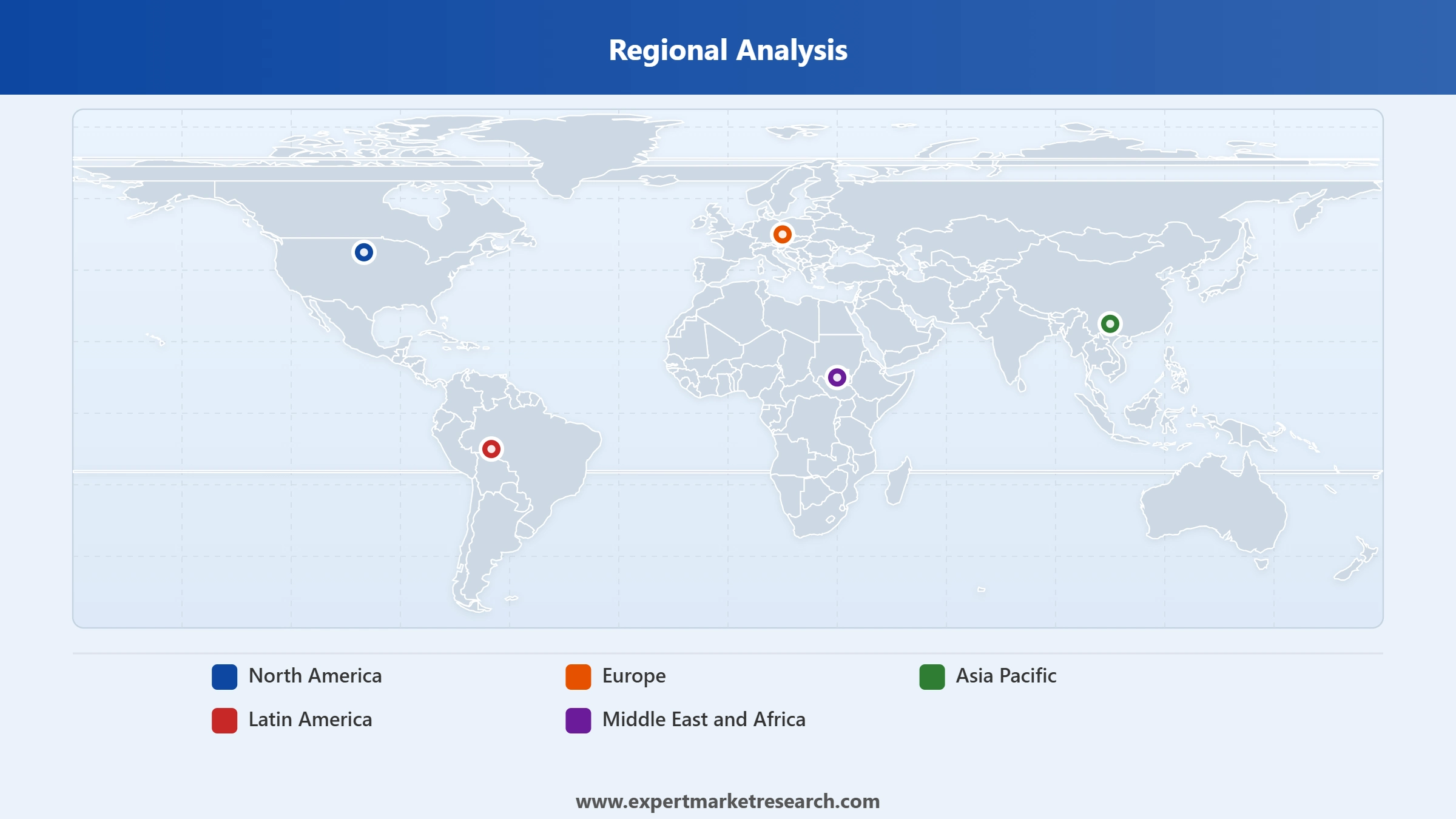
Key Insight: The luxury car market report highlights North America as the global leader, powered by economic expansion, government incentives, and cultural demand for status-driven vehicles. Europe follows with emphasis on sustainability and luxury heritage, while Asia Pacific emerges as the fastest-growing market due to tech adoption and EV incentives. Latin America shows steady growth tied to rising ultra-high-net-worth individuals, while the Middle East and Africa thrive on cultural affinity for exclusivity and ultra-luxury cars.
Read more about this report - REQUEST FREE SAMPLE COPY IN PDF
North America represents a major market for luxury cars, with the United States leading regional demand due to high consumer purchasing power and a strong cultural affinity for premium vehicles. Luxury buyer loyalty remains high, with a majority of luxury owners trading in for another luxury vehicle. Genesis Motor announced at the New York International Auto Show that it will launch a range of all-new or significantly enhanced vehicles in North America over the coming years, supported by Hyundai Motor Group's investment for US production expansion, including a state-of-the-art steel mill in Louisiana and a robotics innovation hub. Canada also contributes meaningful demand, supported by a growing affluent population and expanding dealership networks.
Europe remains a cornerstone of the global luxury car market, home to iconic manufacturers such as Mercedes-Benz, BMW, Audi, Porsche, Ferrari, Lamborghini, Bentley, Rolls-Royce, and Aston Martin. Germany underscores its dominant position in premium vehicle production and consumption. BMW led the segment in terms of global market share, delivering a large volume of vehicles worldwide. The United Kingdom, France, and Italy also contribute significantly, driven by strong brand heritage and consumer demand for performance and bespoke craftsmanship. Stringent EU emission regulations are accelerating the shift toward electric luxury models, with Europe reporting a notable surge in F-segment electric luxury car registrations.
Read more about this report - REQUEST FREE SAMPLE COPY IN PDF
Asia Pacific currently dominates the global luxury car market in terms of growth momentum, driven by rapid urbanisation, rising disposable incomes, and a growing base of high-net-worth individuals in China, Japan, India, ASEAN nations, and Australia. China continues to dominate luxury EV sales, supported by the government's New Energy Vehicle programme. Rising per capita disposable income is strengthening demand for premium vehicles. The India luxury car market is projected to expand at a healthy CAGR, driven by a growing population of HNIs and expanding dealership networks in tier-2 cities. Japan's luxury market benefits from Toyota's Lexus brand dominance, while Australia and ASEAN nations present expanding opportunities for European and American luxury marques.
The Middle East and Africa represents a high-value market for ultra-luxury and performance vehicles. The UAE luxury car market is projected to expand at a steady CAGR. Saudi Arabia is a key growth market, supported by Vision 2030 economic diversification initiatives. Nigeria and South Africa represent emerging opportunities on the African continent. In Latin America, Brazil, Argentina, and Mexico lead luxury car demand, driven by expanding upper-middle-class populations, improved financing options, and growing brand presence from European, Japanese, and American manufacturers. The pre-owned luxury market is also gaining traction, supported by growing systematisation and accessibility.
Leading luxury car market players like Mercedes-Benz, BMW, and Audi, alongside disruptors like Lucid Motors and Rivian are driving growth. Automakers are focusing on three critical areas including electrification, digitalization, and personalization. Electrification strategies dominate, with heavy R&D investments in long-range batteries and AI-driven safety systems. Digitalization is redefining sales and aftersales, as brands adopt virtual showrooms, subscription ownership models, and predictive maintenance platforms.
Personalization is another key differentiator for luxury car companies, with Rolls-Royce, Bentley, and Ferrari elevating bespoke craftsmanship to new heights. Collaborations, such as Jaguar Land Rover’s tie-up with TCS for digital transformation, demonstrate the importance of strategic alliances. At the same time, sustainability commitments, including recycled materials and circular design, present opportunities for differentiation. With SUVs and EVs driving future demand, companies that combine innovation with exclusivity are best positioned to capture growth in this evolving market.
Ferrari S.p.A was established in 1939 and is headquartered in Italy. Ferrari caters to the ultra-performance luxury niche category by blending racing-derived engineering with bespoke customization. The marque is expanding electrified V12 hybrids and limited-run coachbuilt models, while offering exclusive client events and tailored ownership services that deepen brand loyalty.
Bugatti Automobiles was established in 1998 and is based in France. Bugatti focuses on hypercars that marry extreme engineering with hand-crafted exclusivity, producing highly limited editions that act as investment-grade assets. The company is accelerating electrification via its new joint-venture with Rimac, blending Bugatti’s legacy with Rimac’s electric powertrain know-how to pursue high-voltage hybrid and fully electric hypercars.
Rolls-Royce Motor Cars was founded in 1998 and is headquartered in United Kingdom. Rolls-Royce is catering to bespoke luxury demand by scaling coachbuilding, expanding its Private Office services, and investing in all-electric architectures. The brand is focusing on ultra-personalized commissions and experiential services, while upgrading Goodwood production to handle complex electrified builds, keeping craftsmanship central even as it shifts powertrains.
Daimler AG has roots dating back to the 1926 Daimler-Benz merger and is headquartered in Stuttgart, Germany. As owner of Mercedes-Benz, Daimler is serving a broad luxury spectrum from performance sedans to Maybach ultra-luxury and electric EQ lineups. It is investing heavily in battery tech, software-defined vehicles, and factory digitalization to deliver scalable premium EVs and personalized digital services.
*Please note that this is only a partial list; the complete list of key players is available in the full report. Additionally, the list of key players can be customized to better suit your needs.*
Other key players in the market are Automobili Lamborghini S.p.A, Koenigsegg Automotive AB, Aston Martin Lagonda Limited, Bentley Motors Limited, Horacio Pagani S.p.A, Dr. Ing. h.c. F. Porsche AG, Toyota Motor Corporation, Tesla Inc., and General Motors, among others.
Explore the latest trends shaping the global luxury car market 2026-2035 with our in-depth report. Gain strategic insights, future forecasts, and key market developments that can help you stay competitive. Download a free sample report or contact our team for customized consultation on luxury car market trends 2026.
India Used Luxury Car Market
Australia Luxury Car Market
UAE Luxury Car Market


Upto 15% Off
USD
$2999 $2699
$4399 $3959
$5599 $4759
$6659 $5660


*While we strive to always give you current and accurate information, the numbers depicted on the website are indicative and may differ from the actual numbers in the main report. At Expert Market Research, we aim to bring you the latest insights and trends in the market. Using our analyses and forecasts, stakeholders can understand the market dynamics, navigate challenges, and capitalize on opportunities to make data-driven strategic decisions.*
In 2025, the luxury car market reached an approximate value of USD 507.55 Billion.
The market is projected to grow at a CAGR of 4.90% between 2026 and 2035.
The market is estimated to witness a healthy growth in the forecast period of 2026-2035 to reach USD 818.91 Billion by 2035.
Investing in modular EV platforms, partnering with battery innovators, piloting circular material supply chains, deploying OTA software revenue models, and scaling bespoke production lines to capture premium margins.
The key market trends guiding the growth of the market include the surging demand for pre-owned luxury automobiles and the desire for electrified and autonomous vehicles utilising artificial intelligence and machine learning features.
North America, Europe, and Latin America are the major regions in the global luxury car market.
The significant drive types include IC engine and electric.
The key players in the market include Ferrari S.p.A, Bugatti Automobiles, Rolls-Royce Motor Cars, Daimler AG, Automobili Lamborghini S.p.A, Koenigsegg Automotive AB, Aston Martin Lagonda Limited, Bentley Motors Limited, Horacio Pagani S.p.A, Dr. Ing. h.c. F. Porsche AG, Toyota Motor Corporation, Tesla Inc., and General Motors, among others.
The various vehicle types in the market are hatchback, sedan, sports utility vehicle, and multi-purpose vehicle.
Engines, transmissions, sound systems, telematics, safety features, and interior materials are frequently of greater quality in luxury cars, and they are typically priced higher.
Rising electrification costs, supply-chain constraints for chips and batteries, strict emissions rules, talent shortages in software and EV engineering, plus preserving brand exclusivity while scaling production and aftersales.
Explore our key highlights of the report and gain a concise overview of key findings, trends, and actionable insights that will empower your strategic decisions.
| REPORT FEATURES | DETAILS |
| Base Year | 2025 |
| Historical Period | 2019-2025 |
| Forecast Period | 2026-2035 |
| Scope of the Report |
Historical and Forecast Trends, Industry Drivers and Constraints, Historical and Forecast Market Analysis by Segment:
|
| Breakup by Vehicle Type |
|
| Breakup by Drive Type |
|
| Breakup by Price Category |
|
| Breakup by Region |
|
| Market Dynamics |
|
| Competitive Landscape |
|
| Companies Covered |
|
Datasheet
One User
USD 2,999
USD 2,699
tax inclusive*
Single User License
One User
USD 4,399
USD 3,959
tax inclusive*
Five User License
Five User
USD 5,599
USD 4,759
tax inclusive*
Corporate License
Unlimited Users
USD 6,659
USD 5,660
tax inclusive*
*Please note that the prices mentioned below are starting prices for each bundle type. Kindly contact our team for further details.*
Flash Bundle
Small Business Bundle
Growth Bundle
Enterprise Bundle
*Please note that the prices mentioned below are starting prices for each bundle type. Kindly contact our team for further details.*
Flash Bundle
Number of Reports: 3
20%
tax inclusive*
Small Business Bundle
Number of Reports: 5
25%
tax inclusive*
Growth Bundle
Number of Reports: 8
30%
tax inclusive*
Enterprise Bundle
Number of Reports: 10
35%
tax inclusive*
How To Order

Select License Type
Choose the right license for your needs and access rights.

Click on ‘Buy Now’
Add the report to your cart with one click and proceed to register.

Select Mode of Payment
Choose a payment option for a secure checkout. You will be redirected accordingly.
Strategic Solutions for Informed Decision-Making
Gain insights to stay ahead and seize opportunities.

Get insights & trends for a competitive edge.

Track prices with detailed trend reports.

Analyse trade data for supply chain insights.

Leverage cost reports for smart savings

Enhance supply chain with partnerships.

Connect For More Information
Our expert team of analysts will offer full support and resolve any queries regarding the report, before and after the purchase.
Our expert team of analysts will offer full support and resolve any queries regarding the report, before and after the purchase.
We employ meticulous research methods, blending advanced analytics and expert insights to deliver accurate, actionable industry intelligence, staying ahead of competitors.
Our skilled analysts offer unparalleled competitive advantage with detailed insights on current and emerging markets, ensuring your strategic edge.
We offer an in-depth yet simplified presentation of industry insights and analysis to meet your specific requirements effectively.




