

Consumer Insights
Uncover trends and behaviors shaping consumer choices today
Procurement Insights
Optimize your sourcing strategy with key market data
Industry Stats
Stay ahead with the latest trends and market analysis.
The global luxury furniture market size reached approximately USD 26.73 Billion in 2025. Aided by rising affluence, expanding real estate development, and a growing consumer appetite for bespoke, high-craftsmanship interiors, the market is projected to grow at a CAGR of 5.30% between 2026 and 2035, reaching a value of around USD 44.80 Billion by 2035. Luxury furniture refers to high-end, premium-quality furniture pieces designed and crafted using superior materials, refined detailing, and sophisticated aesthetics. Unlike mass-produced or “high-end furniture” sold through conventional retail, this category is defined by artisanal construction methods, limited production runs, and materials such as solid hardwoods, hand-finished metals, cut glass, and full-grain leather. It spans residential applications living rooms, bedrooms, kitchens, and outdoor spaces as well as commercial settings including five-star hotels, corporate offices, and premium retail environments.
Demand growth is closely tied to the expanding population of high-net-worth individuals globally, whose discretionary spending increasingly flows into home and lifestyle investments. At the same time, urbanization across developing economies is creating a new wave of first-time luxury buyers furnishing modern apartments and villas, while established markets in North America and Europe continue to sustain demand through renovation cycles and hospitality sector expansion.
Compound Annual Growth Rate
5.3%
Value in USD Billion
2026-2035
By region, North America and Europe together account for the majority share of global luxury furniture revenue, underpinned by deep-rooted design heritage, a concentration of legacy luxury brands, and high per-capita spending on home furnishings. Europe, in particular, retains its position as a design and manufacturing hub, with countries such as Italy, Germany, France, and the U.K. home to some of the world’s most recognized luxury furniture houses.
Asia Pacific represents the fastest-growing regional segment. Rising disposable incomes, a rapidly expanding middle and upper-middle class, and large-scale residential and hospitality construction across China, India, Japan, and Southeast Asia are driving accelerated adoption of premium furnishings in the region. The Middle East, led by the UAE and Saudi Arabia, is also emerging as a high-growth pocket due to large-scale luxury real estate and hospitality development tied to broader economic diversification strategies.
By material, wood-based luxury furniture continues to command a significant revenue share owing to its timeless aesthetic, durability, and compatibility with both classic and contemporary interior styles. Metal and glass segments are gaining ground as demand rises for sleek, minimalist, and industrial-inspired luxury designs, particularly in urban residential and commercial projects.
Several converging trends are reshaping how luxury furniture is designed, marketed, and purchased:
Rise of digital-first luxury retail. Brands that once relied exclusively on flagship showrooms are now investing in immersive e-commerce experiences, including 3D configurators and augmented reality tools that let buyers visualize pieces in their own spaces before purchase. This is gradually eroding the assumption that luxury furniture must be an entirely offline, in-showroom purchase.
Growing demand for customization and bespoke craftsmanship. Consumers increasingly want furniture that reflects individual taste rather than mass-market uniformity. Manufacturers are responding with made-to-order finishes, fabric choices, and dimensions, positioning custom pieces as personal investment items rather than simple functional purchases.
Sustainability as a purchase driver. Environmentally responsible sourcing certified hardwoods, low-VOC finishes, and recyclable metals has moved from a niche preference to a mainstream expectation among luxury buyers, many of whom equate sustainable sourcing with authenticity and long-term value.
Social media and design-influencer impact. Platforms such as Instagram and Pinterest, alongside home renovation content, continue to shape consumer discovery and aspiration, accelerating trend cycles and pushing brands toward more frequent collection launches and design collaborations.
Expansion into hospitality and commercial contracts. Luxury hotel groups, premium co-working operators, and high-end retail chains are increasingly commissioning bespoke furniture programs, broadening luxury furniture demand well beyond the residential buyer.
Cross-industry design collaborations. Luxury furniture houses are increasingly partnering with fashion, automotive, and lifestyle brands on limited-edition collections. These collaborations extend brand relevance to new audience segments and reinforce the perception of luxury furniture as a collectible, investment-grade category rather than a purely functional purchase.
Multifunctional and space-conscious design. As urban living spaces shrink even among affluent buyers, demand is rising for luxury furniture that blends craftsmanship with practicality modular seating, concealment furniture, and convertible pieces that do not compromise on material quality or finish.
The continued global expansion of high-net-worth and ultra-high-net-worth households is a foundational growth driver. As wealth accumulates particularly among entrepreneurs in technology, finance, and emerging-market industries spending on home furnishings increasingly shifts toward premium, statement-making pieces that double as long-term investments and expressions of personal identity.
Robust growth in luxury residential real estate, coupled with continued expansion of five-star hospitality chains and premium commercial real estate, is directly fueling demand for high-end furniture. New luxury developments frequently specify designer furniture packages as a differentiator, creating steady institutional demand alongside individual consumer purchases.
A broader cultural shift toward home as a space for self-expression accelerated by remote and hybrid work patterns has elevated interior design from an occasional expense to an ongoing priority for affluent households. This has translated into stronger demand for made-to-order and limited-edition luxury furniture collections across nearly every major regional market.
The luxury furniture industry faces several notable challenges that manufacturers and retailers must navigate carefully. Chief among these is the labor-intensive nature of artisanal production: skilled craftsmanship cannot be scaled at the same pace as demand, creating production bottlenecks and extended lead times, particularly for fully bespoke pieces. Supply chain volatility around premium raw materials sustainably sourced hardwoods, specialty metals, and high-grade leathers has also introduced cost and availability pressures, compounded by shipping and logistics disruptions that disproportionately affect large, high-value furniture items. Brands operating internationally must additionally contend with fragmented regulatory and import standards across regions, which can complicate cross-border expansion. Readers seeking a full breakdown of how these production and supply-side pressures vary by material and region will find detailed analysis in the complete market report.
On the restraint side, the category’s high price points naturally limit its addressable consumer base to affluent households and premium commercial buyers, making the market inherently more sensitive to macroeconomic cycles than mass-market furniture. Periods of economic uncertainty or reduced consumer confidence tend to delay large discretionary purchases such as luxury furniture, even among wealthier households, as big-ticket home investment decisions are often the first to be postponed. Additionally, the long replacement cycle typical of luxury furniture pieces are frequently designed and marketed as multi-generational investments inherently caps repeat-purchase frequency compared to other premium consumer categories, requiring brands to rely more heavily on new-buyer acquisition and geographic expansion to sustain growth. A detailed, segment-level view of how these dynamics affect near-term versus long-term revenue is available within the full Expert Market Research report.
Despite these pressures, the market presents substantial opportunities for well-positioned players. The rapid expansion of e-commerce and digital showrooming tools is opening access to previously underserved affluent consumers in emerging urban centers who lack proximity to physical luxury showrooms. Growing demand from the hospitality and commercial contract segment offers a comparatively stable, high-volume revenue channel that can offset the cyclicality of residential purchases. Meanwhile, sustainability-led product innovation from certified sourcing to circular-design furniture programs represents a differentiation opportunity for brands able to credibly position themselves at the intersection of luxury and environmental responsibility. Investors, manufacturers, and retailers evaluating where to allocate resources across these opportunities can access granular, segment-and-region-level forecasts in the complete luxury furniture market report.
The global luxury furniture market has been segmented on the basis of product type, material, end use, distribution channel, and region.
Market Breakup by Material
Key Insights: The luxury furniture market is segmented by material into metal, wood, plastic, glass, and others, each catering to distinct design preferences and functional needs. Wood continues to hold the largest share owing to its timeless appeal, durability, and craftsmanship value, while metal and glass are gaining traction for their contemporary, minimalist aesthetic. Plastic, though a smaller segment, is carving out a niche in outdoor and design-forward applications, and materials like leather, marble, and stone under "others" add exclusivity and tactile richness to premium pieces.
Breakup by End-Use
Key Insights: By end-use, the luxury furniture market is divided into domestic and commercial applications, reflecting the two primary consumer bases driving demand. Domestic use dominates the segment, supported by rising disposable incomes and growing interest in personalized home interiors, while commercial use is expanding steadily as hotels, offices, and retail spaces invest in bespoke furniture to enhance guest and customer experience. Together, these segments highlight how luxury furniture serves both individual lifestyle aspirations and broader business branding needs.
Breakup by Distribution Channel
Key Insights: The market is further segmented by distribution channel into online and offline, representing two distinct buying experiences for consumers. Offline remains the dominant channel, as high price points and an emphasis on craftsmanship quality often necessitate an in-person, tactile purchasing experience through showrooms and specialty stores. However, the online channel is growing rapidly, driven by digital tools like 3D visualization and augmented reality that are making luxury furniture more accessible to a wider, geographically dispersed audience.
Market Breakup by Region
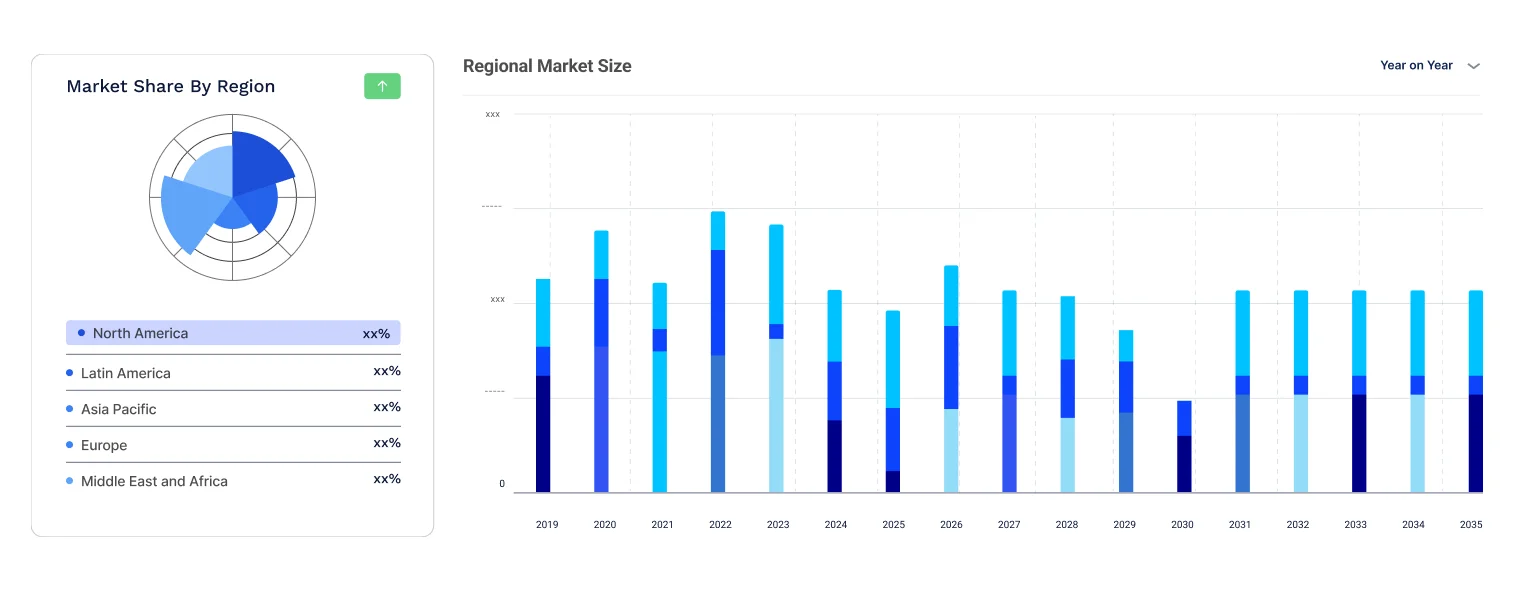
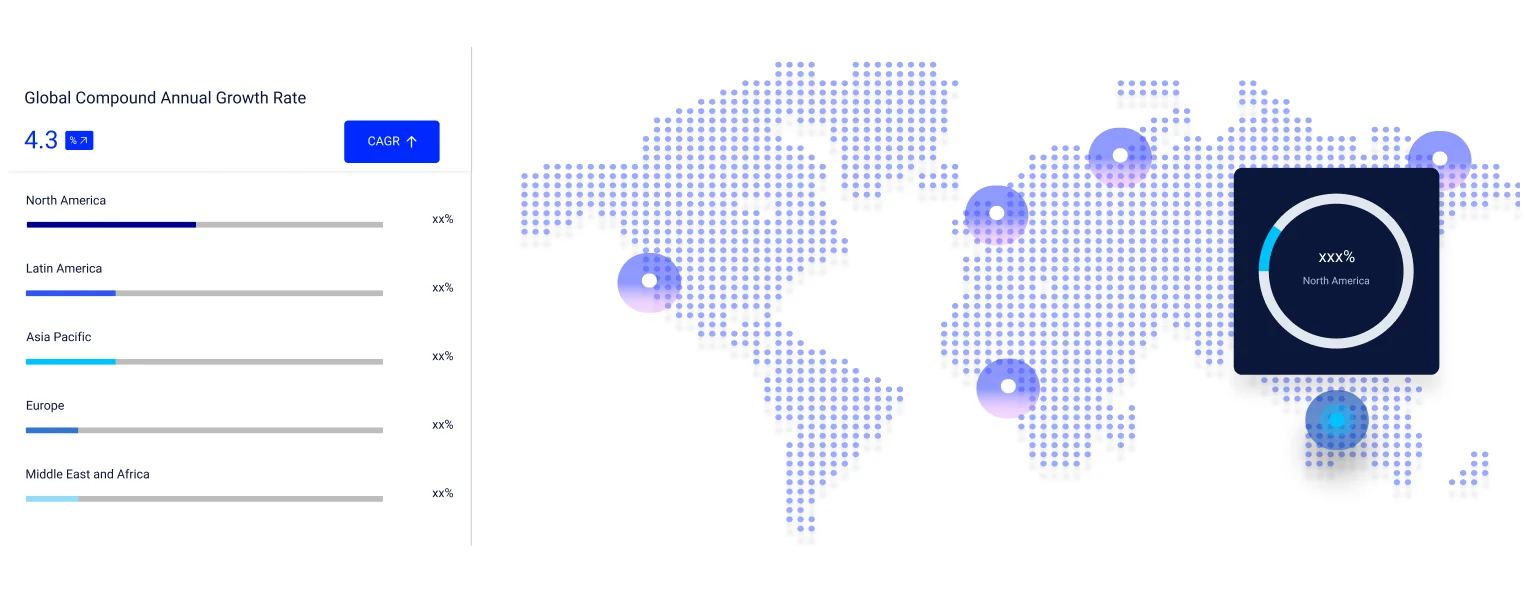
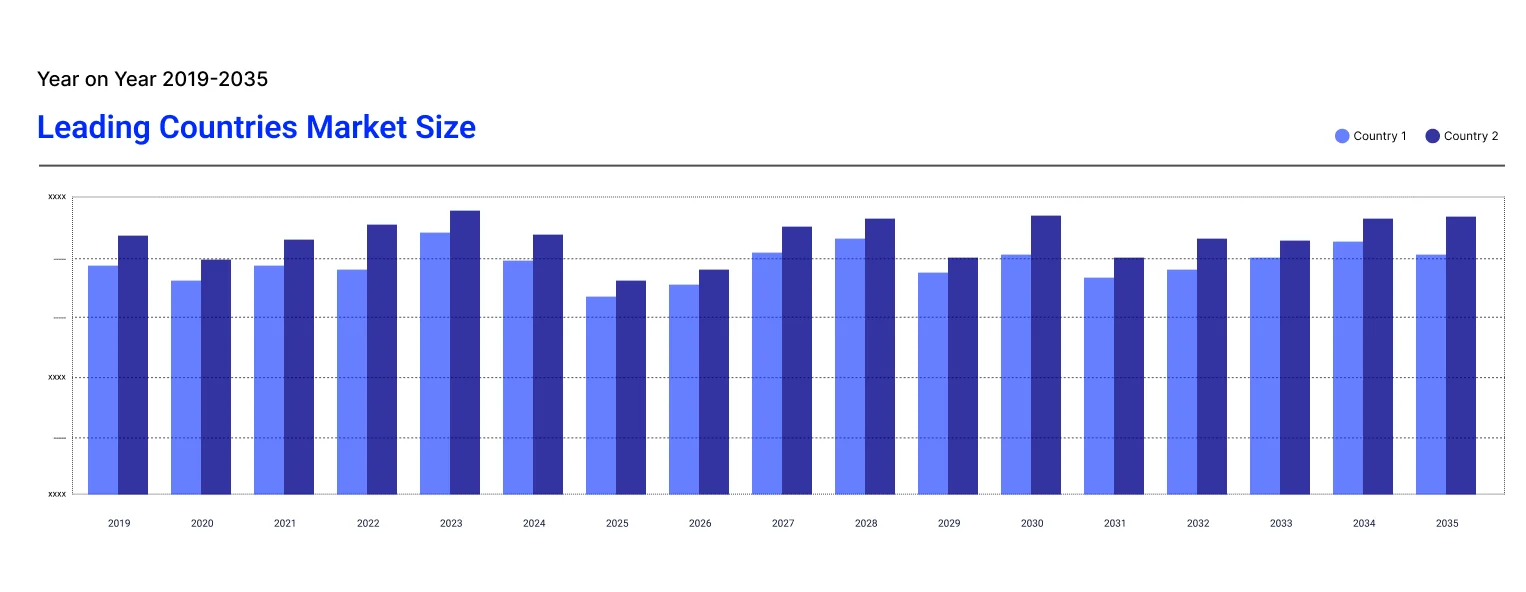
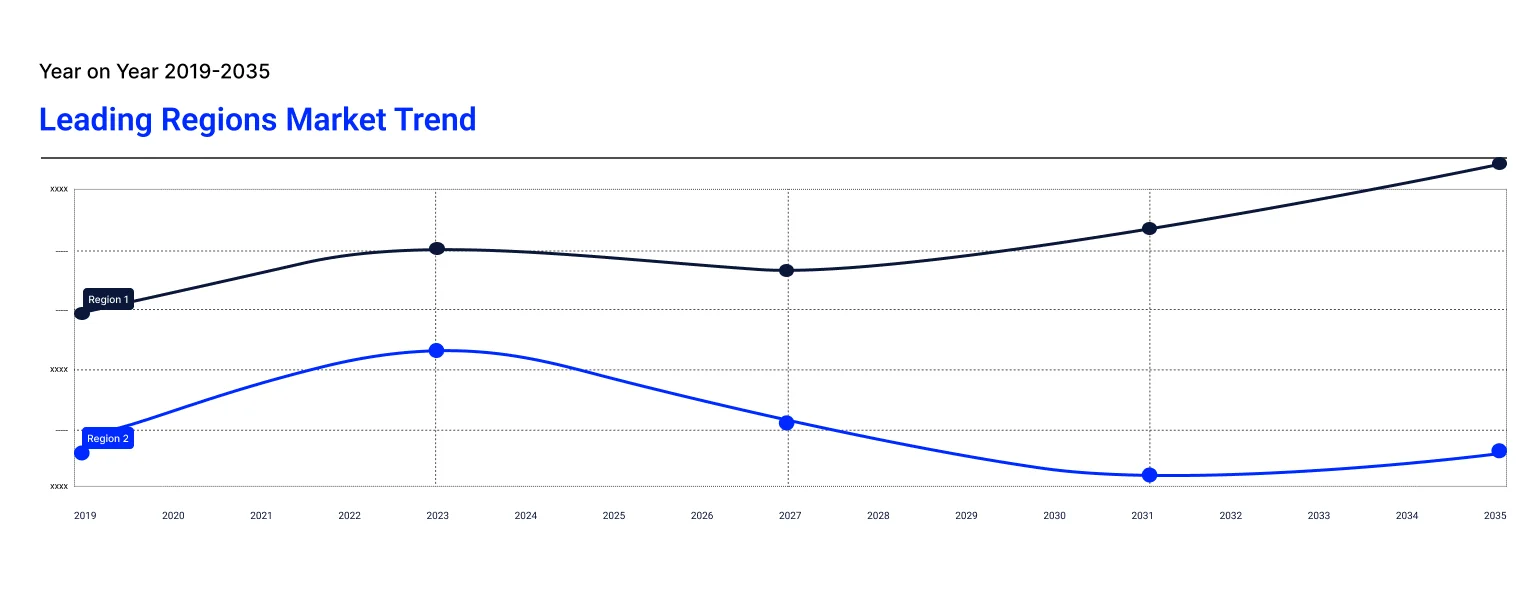
North America remains one of the largest contributors to global luxury furniture revenue, supported by high household income levels, a mature luxury retail infrastructure, and steady demand from both residential renovation and commercial hospitality projects.
The United States represents the dominant national market within North America, driven by strong consumer spending power, a well-established base of domestic and international luxury brands, and rising demand for handcrafted, authentic furniture pieces. For a detailed country-level breakdown of size, segmentation, and key players, refer to the dedicated United States Luxury Furniture Market report.
Europe holds a prominent share of the global luxury furniture market, anchored by countries with deep design and craftsmanship heritage. Consumers across the region continue to allocate a growing share of disposable income to high-end furniture, supported by urbanization, real estate growth, and rising e-commerce adoption among established luxury houses.
Italy Luxury Furniture Market
Italy remains one of Europe’s most influential luxury furniture manufacturing and design hubs, home to numerous globally recognized brands known for combining traditional artisanal techniques with contemporary design sensibilities.
Asia Pacific is expected to register healthy growth over the forecast period, driven by rapid urbanization, an expanding base of affluent households, and increasing exposure to global design trends across major cities in China, Japan, and Southeast Asia.
India’s luxury furniture market is gaining momentum as rising urban affluence, growing luxury real estate development, and increasing interest in premium home decor drive demand among a fast-expanding base of high-income households.
The Middle East and Africa region is emerging as a high-potential market, supported by large-scale luxury real estate and hospitality projects, a substantial expatriate high-income population, and government-led economic diversification initiatives.
Saudi Arabia is a key growth market within the region, propelled by major urban development and giga-project initiatives that are driving significant demand for premium residential and hospitality furnishings.
Latin America represents a smaller but steadily growing luxury furniture market, with demand concentrated among affluent urban populations in markets such as Brazil, supported by gradually expanding modern retail infrastructure.
The comprehensive Expert Market Research report provides an in-depth assessment of the market based on the Porter’s five forces model along with giving a SWOT analysis. The report gives a detailed analysis of the following key players in the global luxury furniture market, covering their competitive landscape and latest developments like mergers, acquisitions, investments, and expansion plans.
Duresta Upholstery Ltd. is a well-known British luxury furniture manufacturer specialising in upholstered furniture. The company is known for its high-quality craftsmanship and designs, offering a range of sofas, chairs, and other upholstered pieces.
Muebles Pico SA is a Spanish company involved in the production of luxury furniture. It offers a diverse selection of furniture items, catering to different styles and preferences, and is known for its elegant designs and attention to detail.
Valderamobili (S.R.L.) is an Italian luxury furniture manufacturer that focuses on creating high-end furniture products, particularly in the bedroom and living room categories. Its pieces often feature a combination of traditional craftsmanship and contemporary design.
Other luxury furniture market key players are Giovanni Visentin Srl, Modloft, Laura Ashley Holding plc, ROSET SAS, Nella Vetrina, Turri srl, and Koket, among others. These companies compete through a combination of proprietary craftsmanship techniques, exclusive material sourcing partnerships, and strategic expansion into new geographic markets and distribution channels, including flagship showroom openings and expanded e-commerce capabilities. Many established players are also investing in vertically integrated supply chains controlling raw material sourcing through to final assembly to protect quality standards and shorten lead times for bespoke commissions, while smaller regional specialists compete by emphasizing hyper-local craftsmanship traditions and limited-run exclusivity that larger manufacturers cannot easily replicate at scale.
*Please note that this is only a partial list; the complete list of key players is available in the full report. Additionally, the list of key players can be customized to better suit your needs.*
Over the 2026-2035 forecast period, the luxury furniture market is expected to maintain steady growth, supported by sustained wealth creation, ongoing luxury real estate and hospitality development, and the continued digitization of luxury retail. Asia Pacific and the Middle East are likely to be the fastest-growing regional contributors, while North America and Europe continue to anchor the market’s overall revenue base through their established brand ecosystems and design heritage.
Looking ahead, differentiation will increasingly hinge on a brand’s ability to combine authentic craftsmanship with digital accessibility and demonstrable sustainability credentials a combination that is expected to define market leadership through 2035. Organizations evaluating entry, expansion, or investment opportunities in this space can access complete segment-level forecasts, competitive benchmarking, and regional data in the full luxury furniture market report from Expert Market Research.


Upto 15% Off
USD
$2499 $2249
$3999 $3599
$4999 $4249
$5999 $5099


*While we strive to always give you current and accurate information, the numbers depicted on the website are indicative and may differ from the actual numbers in the main report. At Expert Market Research, we aim to bring you the latest insights and trends in the market. Using our analyses and forecasts, stakeholders can understand the market dynamics, navigate challenges, and capitalize on opportunities to make data-driven strategic decisions.*
In 2025, the market reached an approximate value of USD 26.73 Billion.
The market is projected to grow at a CAGR of 5.30% between 2026 and 2035.
The market is estimated to witness a healthy growth in the forecast period of 2026-2035 to reach USD 44.80 Billion by 2035.
Improving standard of living, rapid urbanisation, and the robustly growing commercial and hospitality sectors are the major market drivers.
The rising demand for furniture made from premium wood like mahogany and the growing availability of luxury furniture on e-commerce channels are the key trends of the market.
The major regional markets are North America, Europe, the Asia Pacific, Latin America, and Middle East and Africa.
The various distribution channels in the market are online and offline.
The key players of the market are Duresta Upholstery Ltd., Muebles Pico SA, Valderamobili (S.R.L.), Giovanni Visentin Srl, Modloft, Laura Ashley Holding plc, ROSET SAS, Nella Vetrina, Turri srl, and Koket, among others.
Explore our key highlights of the report and gain a concise overview of key findings, trends, and actionable insights that will empower your strategic decisions.
| REPORT FEATURES | DETAILS |
| Base Year | 2025 |
| Historical Period | 2019-2025 |
| Forecast Period | 2026-2035 |
| Scope of the Report |
Historical and Forecast Trends, Industry Drivers and Constraints, Historical and Forecast Market Analysis by Segment:
|
| Breakup by Material |
|
| Breakup by End-Use |
|
| Breakup by Distribution Channel |
|
| Breakup by Region |
|
| Market Dynamics |
|
| Competitive Landscape |
|
| Companies Covered |
|
Datasheet
One User
USD 2,499
USD 2,249
tax inclusive*
Single User License
One User
USD 3,999
USD 3,599
tax inclusive*
Five User License
Five User
USD 4,999
USD 4,249
tax inclusive*
Corporate License
Unlimited Users
USD 5,999
USD 5,099
tax inclusive*
*Please note that the prices mentioned below are starting prices for each bundle type. Kindly contact our team for further details.*
Flash Bundle
Small Business Bundle
Growth Bundle
Enterprise Bundle
*Please note that the prices mentioned below are starting prices for each bundle type. Kindly contact our team for further details.*
Flash Bundle
Number of Reports: 3
20%
tax inclusive*
Small Business Bundle
Number of Reports: 5
25%
tax inclusive*
Growth Bundle
Number of Reports: 8
30%
tax inclusive*
Enterprise Bundle
Number of Reports: 10
35%
tax inclusive*
How To Order

Select License Type
Choose the right license for your needs and access rights.

Click on ‘Buy Now’
Add the report to your cart with one click and proceed to register.

Select Mode of Payment
Choose a payment option for a secure checkout. You will be redirected accordingly.
Strategic Solutions for Informed Decision-Making
Gain insights to stay ahead and seize opportunities.

Get insights & trends for a competitive edge.

Track prices with detailed trend reports.

Analyse trade data for supply chain insights.

Leverage cost reports for smart savings

Enhance supply chain with partnerships.

Connect For More Information
Our expert team of analysts will offer full support and resolve any queries regarding the report, before and after the purchase.
Our expert team of analysts will offer full support and resolve any queries regarding the report, before and after the purchase.
We employ meticulous research methods, blending advanced analytics and expert insights to deliver accurate, actionable industry intelligence, staying ahead of competitors.
Our skilled analysts offer unparalleled competitive advantage with detailed insights on current and emerging markets, ensuring your strategic edge.
We offer an in-depth yet simplified presentation of industry insights and analysis to meet your specific requirements effectively.




