

Consumer Insights
Uncover trends and behaviors shaping consumer choices today
Procurement Insights
Optimize your sourcing strategy with key market data
Industry Stats
Stay ahead with the latest trends and market analysis.
The global medium-density fiberboard (MDF) market size was valued at USD 33.60 Billion in 2025. The industry is expected to grow at a CAGR of 8.90% during the forecast period of 2026-2035 to reach a value of USD 78.82 Billion by 2035. The market is witnessing steady growth influenced by government support to accelerate the shift toward greener building materials.
Amid this expanding market, government investment plays a pivotal role in catalyzing the market development. For instance, in July 2024, Odisha government in India approved 26 investment projects worth Rs 5,992 crore across sectors including steel, chemicals, renewable energy, textiles, manufacturing, and notably manufacturing units such as MDF production. This ambitious package is expected to create over 19,000 jobs and covers implementation in 14 districts. The manufacturing sector includes projects like Rushil Decor Ltd’s MDF and pre-laminated MDF unit in Koraput, with a Rs 504-crore investment and employment for 285 people. These government approvals boost industrial growth, enhance supply chains, and promote local value addition.
Similar public sector engagement is evident globally, notably in Brazil, where regulatory frameworks and support via the Association for the Brazilian Tree Industry (IBA) have enabled MDF manufacturers like Guararapes and Sudati to add capacity amid forestry sector modernization efforts. These expansions exemplify government-driven efforts to boost local value addition, employment, and sustainable industrialization in MDF markets.
Such government-led projects underpin the broader global medium-density fiberboard (MDF) market value, steering growth trends and market dynamics by ensuring steady supply to meet rising demand in furniture, construction, and design industries worldwide. Their strategic influence highlights the essential role of public investment in the ongoing growth of the industry.
Compound Annual Growth Rate
8.9%
Value in USD Billion
2026-2035
| Global Medium-Density Fiberboard (MDF) Market Report Summary | Description | Value |
| Base Year | USD Billion | 2025 |
| Historical Period | USD Billion | 2019-2025 |
| Forecast Period | USD Billion | 2026-2035 |
| Market Size 2025 | USD Billion | 33.60 |
| Market Size 2035 | USD Billion | 78.82 |
| CAGR 2019-2025 | Percentage | XX% |
| CAGR 2026-2035 | Percentage | 8.90% |
| CAGR 2026-2035 - Market by Region | Asia Pacific | 11.5% |
| CAGR 2026-2035 - Market by Country | India | 13.2% |
| CAGR 2026-2035 - Market by Country | China | 11.0% |
| CAGR 2026-2035 - Market by Product | Standard | 10.0% |
| CAGR 2026-2035 - Market by End Use | Residential | 9.8% |
| Market Share by Country 2025 | Brazil | 2.3% |
The UK joinery sector is embracing moisture-resistant MDF amid rising material costs and supply chain challenges. Launched to enhance efficiency and sustainability, products like MEDITE MR PLUS and MEDITE OPTIMA reduce labor, cut project timelines, and provide high-quality finishes.
Guararapes, one of Brazil’s largest MDF manufacturers, announced the launch of 11 new products, following their showcase at Expo Revestir 2025 in March. The lineup includes the Synchro Ash ‘Woods of the World’ line, new Navy and Amethyst finishes under the Aris range, and wood and metallic-inspired designs such as Walnut Salerno and Champagne Metallic.
Centuryply announced investment of around INR 2000 crore by 2025 to expand its production capacity in the plywood, laminates, MDF and particle boards segments. New production facilities are going to be inaugurated by the company in Andhra Paradesh, Tamil Nadu and Punjab.
Roseburg Forest Products advanced its USD 700 million investment in Southern Oregon with two new Dillard plants, which started operations in late summer 2024. The MDF plant produced standard and high-density panels, while Dillard Components manufactured Armorite® exterior trim. Together, the facilities expanded production capacity, supported local employment, and reinforced Roseburg’s presence in engineered wood products.
Innovation and product diversification are fueling the next wave of growth in the global medium-density fiberboard (MDF) market . In May 2024, Adler Wood India Pvt Ltd. (ADLERWUD) unveiled a cutting-edge thin MDF line in Punjab, producing ultra-slim 4–5.5 mm boards with exceptional moisture resistance. By combining technology with versatility, the company is offering pre-laminated, high-gloss UV, acrylic, and embossed panels that cater to premium interiors and specialized applications. This focus on creative, high-value solutions is redefining MDF adoption and driving the market toward new horizons.
Ongoing industry collaboration for standardization in MDF boards manufacturing are significantly contributing to the market growth. To cite a notable instance, in October 2024, 14 leading Indian MDF producers, including Century, Green, Action Tesa, and Rushil Decor, formed the All India MDF Manufacturers Association. By promoting transparency, collective bargaining on pricing, and anti-counterfeit measures, the association is strengthening sector practices and boosting market credibility. Such coordinated efforts enhance trust among buyers and investors, supporting sustainable growth, improving product quality, and supporting the development of global medium-density fiberboard (MDF) market.
Strategic location and logistics are fueling the growth in the MDF market as manufacturers actively expand operations to meet rising demand. By targeting sites with seamless access to raw materials and transport networks, companies can cut costs, speed up production, and reach new markets efficiently. Greenply Industries exemplifies this trend, setting up an 800 CBM-per-day plant in Vadodara, Gujarat, close to a seaport to boost exports and operational since the end of 2023. Such proactive planning is driving operational efficiency, market expansion, and stronger competitive positioning across the industry.
The global medium-density fiberboard (MDF) market is experiencing an increasing demand for high-machinability boards that reduce finishing time, enhance precision, and streamline production processes. Industries like furniture, cabinetry, and millwork require panels that can handle complex machining while maintaining surface quality. Illustrating this trend, Uniboard launched its MDF Excel + MAX in April 2023 in Quebec, engineered with premium wood fibers and advanced refining to minimize post-sanding. Such performance-focused innovations are accelerating adoption, boosting efficiency, and driving overall MDF market growth globally.
The rise of high-traffic commercial and residential spaces is driving demand for durable MDF solutions, with resistance to scratches, stains, and fingerprints emerging as a core requirement. Products like Sunset Áris, launched in June 2023, featuring advanced coating technology, exemplify this trend by ensuring long-lasting aesthetics and low maintenance in offices, restaurants, bars, and busy households. Such innovations enable designers and builders to maintain premium finishes in frequently used areas, positioning scratch- and fingerprint-resistant MDF as a key driver for growth and adoption.
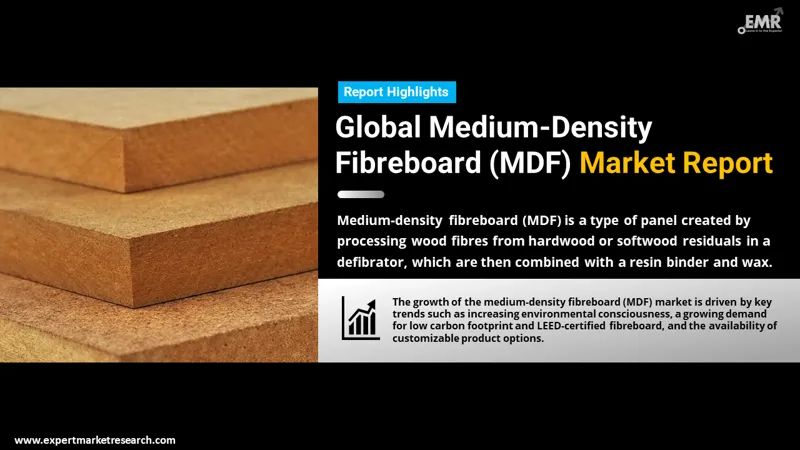
Read more about this report - REQUEST FREE SAMPLE COPY IN PDF
The EMR’s report titled “Global Medium-Density Fiberboard (MDF) Market Report and Forecast 2026-2035” offers a detailed analysis of the market based on the following segments:
Market Breakup by Product
Key Insight: Standard MDF dominates due to its versatility, cost-effectiveness, and widespread use in furniture and construction. Moisture-resistant variants are growing fastest because of increased demand in humid regions and applications such as kitchens, bathrooms, and exterior panels. Fire-resistant options see steady adoption, particularly in commercial and institutional buildings with stringent safety regulations. The focus on product-specific innovations, including moisture and fire protection, is enhancing material performance and application scope. These factors collectively drive the global medium-density fiberboard (MDF) market opportunities, encouraging manufacturers to invest in research and sustainable production solutions.
Market Breakup by Type
Key Insight: E1-grade boards hold the largest share thanks to their low formaldehyde emissions, compliance with environmental standards, and cost-effectiveness. E0-grade is the fastest-growing segment, popular in health-conscious markets prioritizing ultra-low emissions for homes and offices. E2-grade retains steady demand in budget-oriented applications. Rising preference for eco-friendly and safe materials supports new product launches and market expansion. Increasing regulatory pressures and consumer awareness are key factors behind the growth of the industry, pushing companies to enhance production capacity and diversify product lines.
Market Breakup by Application
Key Insight: Furniture applications lead the medium-density fiberboard (MDF) market due to the surge in modular and ready-to-assemble furniture worldwide. Interior decoration is the fastest-growing segment, fueled by demand for wall panels, decorative cladding, and customized designs in both residential and commercial settings. Construction-related use, such as doors, partitions, and flooring, remains significant. The evolving consumer preference for durable, aesthetically pleasing, and cost-effective solutions drives innovation in coatings and composite designs. This trend highlights the global demand growth, offering opportunities for manufacturers to cater to specialized applications and premium segments.
Market Breakup by End Use
Key Insight: Residential applications account for the largest share in the medium-density fiberboard (MDF) industry, supported by urbanization, housing development, and increasing home renovation activity. Commercial use is expanding rapidly due to new offices, hotels, retail spaces, and institutional buildings. The adoption of MDF in both new constructions and retrofit projects underscores the segment’s importance. Manufacturers are introducing high-performance boards that meet functional and aesthetic requirements for diverse end users. The continuous expansion in applications and end-user adoption underscores the market revenue, signaling lucrative potential for growth in both developed and emerging regions.
Market Breakup by Region
Key Insight: Asia Pacific is the largest and fastest-growing regional global medium-density fiberboard market, driven by rapid urbanization, infrastructure development, and rising furniture demand in China, India, and Southeast Asia. Europe maintains steady growth with increasing emphasis on eco-friendly and fire-resistant boards. North America benefits from ongoing construction and renovation, while Latin America and the Middle East & Africa show emerging demand for commercial and residential applications. Regional dynamics, such as consumer preferences and regulatory frameworks, are fueling the product consumption.
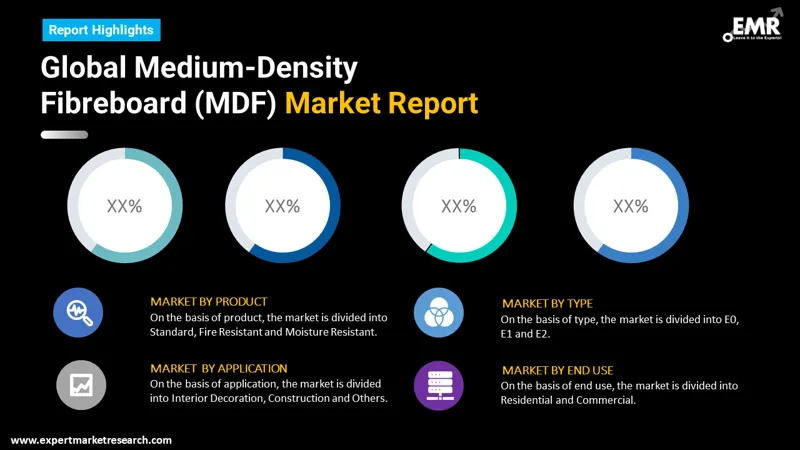
Read more about this report - REQUEST FREE SAMPLE COPY IN PDF
By product, standard MDF boards witness significant demand
Standard MDF remains the most popular product due to its versatility and cost-effectiveness in interior applications like paneling and partitions. Growing demand for customized and decorative finishes is also encouraging manufacturers to innovate and diversify their product offerings. Additionally, quality control regulations, such as India’s mandatory certification introduced in January 2025, are curbing sub-standard imports and enhancing product reliability. These initiatives strengthen manufacturing ecosystems and expand the global medium-density fiberboard (MDF) industry scope, accelerating growth and sustainability trends across regions.
On the other hand, moisture-resistant MDF boards are gaining notable traction, fueled by increasing demand for durable panels in kitchens, bathrooms, and other moisture-prone areas. Manufacturers are focusing on innovations that enhance water resistance and long-term performance to meet both residential and commercial needs. For example, in May 2025, Pioneer Panel Products showcased their PDHMR boards at the IIR exhibition, receiving overwhelming appreciation from architects, retailers, and industry professionals. Such developments highlight the effectiveness of moisture resistant MDF boards while encouraging wider adoption in moisture-exposed projects.
By type, E1 category represents biggest portion of the market
The emphasis on environmental compliance and low formaldehyde emissions is driving the dominance of E1-grade boards in the global medium-density fiberboard (MDF) market . Their regulatory adherence, cost-effectiveness, and suitability for diverse interior applications make them the preferred choice for residential and commercial projects. Manufacturers are investing in quality certifications and large-scale production to meet consistent demand. The focus on sustainability and safe building materials further ensures surging demand for E1-grade boards, which in turn boosts the market share.
Ultra-low formaldehyde emissions are fueling the rapid adoption of E0-grade boards, making them the fastest-growing category. Health-conscious consumers and markets with stringent indoor air quality standards are increasingly selecting E0 boards for homes, offices, and public spaces. Manufacturers are enhancing production technologies to deliver high-performance, eco-friendly boards. The core driver of environmental compliance ensures E0-grade’s accelerated growth, positioning it as a key innovation-focused segment that reflects rising demand for sustainable, safe, and premium MDF solutions.
By application, furniture sector generate high revenue
Furniture application contributes to the medium-density fiberboard (MDF) market share. Consumers and designers increasingly prefer durable, aesthetically appealing products that combine tradition with modern design. For instance, Fredericia Furniture’s expansion scheduled for in October 2025, with new showrooms in Stockholm and Tokyo, highlights the growing appreciation for craftsmanship and thoughtful design. This trend is encouraging manufacturers to adopt MDF-based solutions, fueling the use of medium-density fiberboard for furniture manufacturing.
Meanwhile, interior decoration has emerged as the fastest-growing application category in the market , driven primarily by the demand for visually appealing and stylish interiors. Homeowners and designers are increasingly adopting MDF for wall panels, decorative cladding, and premium finishes that enhance aesthetic appeal. Manufacturers are innovating with textures, patterns, and sustainable materials to cater to this preference. The strong focus on aesthetics is accelerating adoption in both residential and commercial projects, highlighting the segment’s rapid growth.
By end-use, residential leads the market growth
The residential segment commands the largest global medium-density fiberboard (MDF) market share, fueled by rising demand for durable, water-resistant, and cost-effective panels in home interiors. Homeowners and interior designers are increasingly adopting engineered wood products that combine performance with aesthetics. For example, in India, Action TESA’s HDHMR boards, launched by January 2025, offer high density, moisture resistance, and sustainable manufacturing, making them ideal for furniture, kitchen shutters, and partitions. Such innovations enhance product appeal, expand adoption in residential projects, and reinforce the market growth trajectory.
Commercial end-use demonstrates steadily growing demand for MDF boards mainly due to their durability. Offices, hotels, airports, malls, and other high-traffic commercial spaces require panels that withstand frequent use, heavy wear, and moisture exposure. MDF’s consistent performance, strength, and low-maintenance characteristics make it an ideal choice for furniture, partitions, wall panels, and interior finishes in these settings. This emphasis on long-lasting, reliable materials is driving adoption and sustaining growth in the commercial application segment globally.
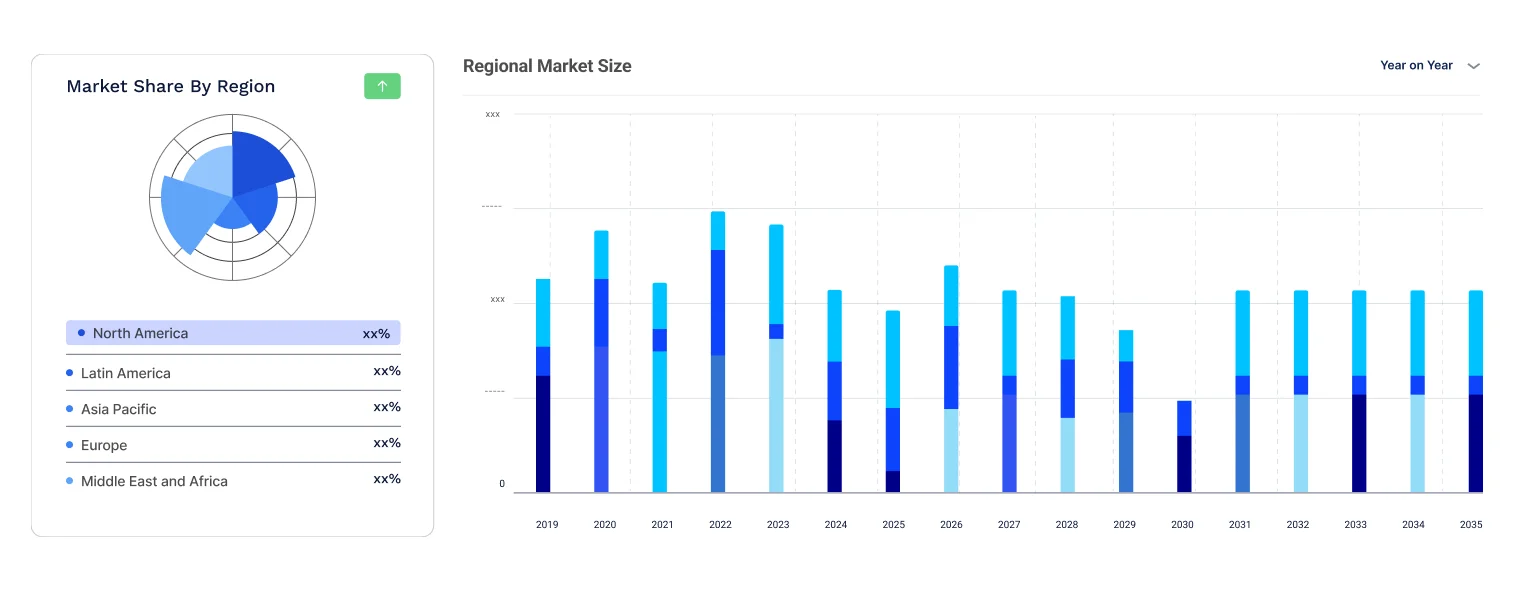
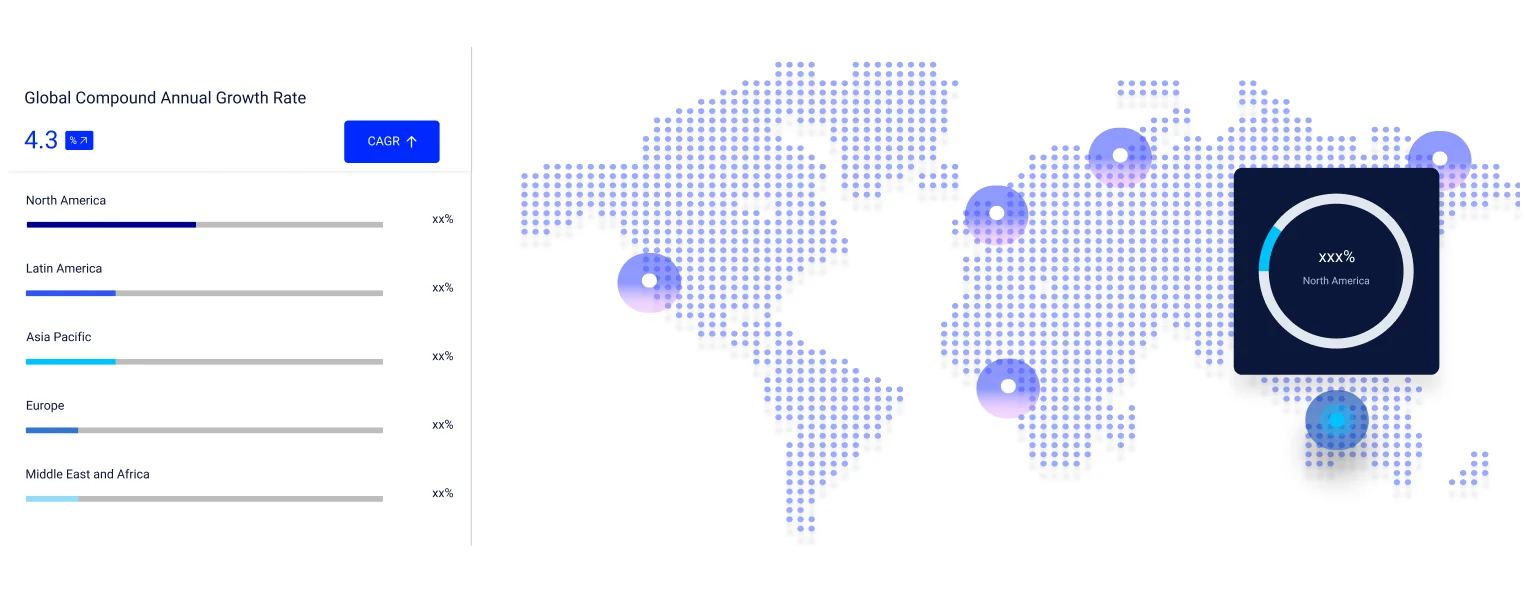
By Region, Asia Pacific holds the largest market share
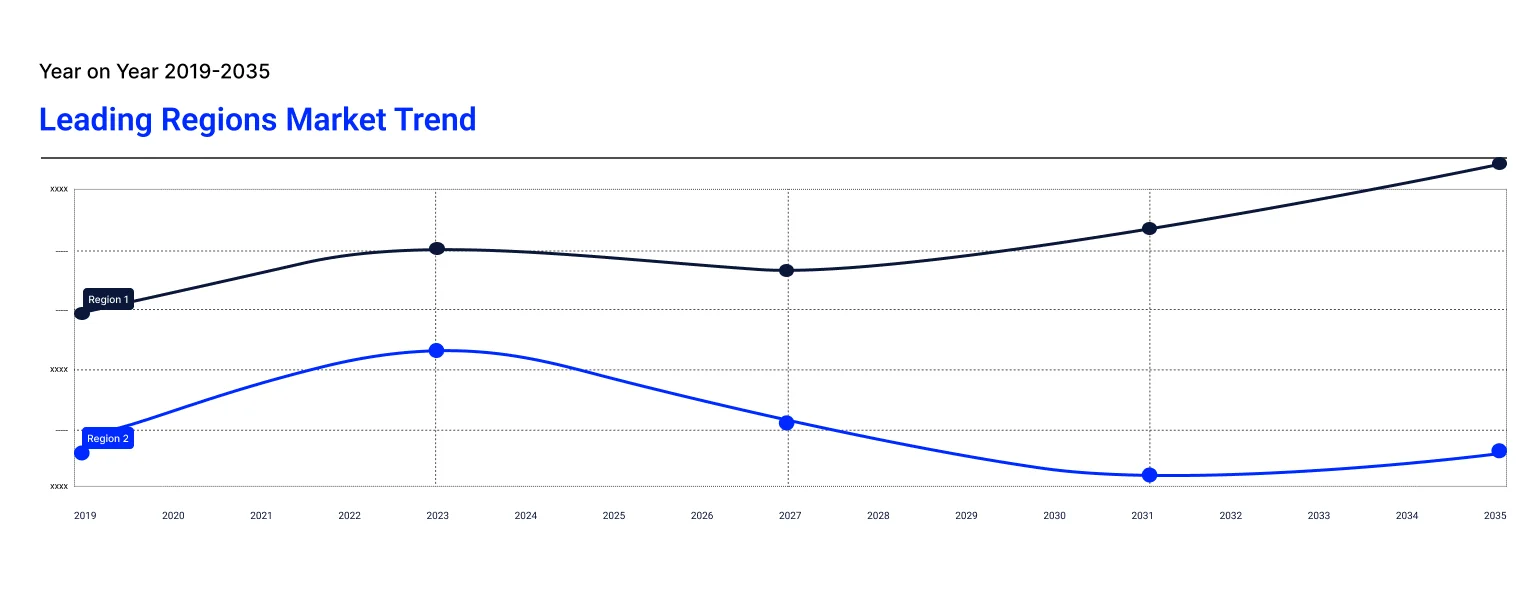
Asia Pacific accounts for the largest global medium-density fiberboard (MDF) industry share, driven by growing demand from furniture, construction, and interior decoration sectors. The region benefits from abundant raw materials, cost-efficient production, and investments in advanced manufacturing technologies. Companies are expanding capacities and modernizing plants to meet rising consumption. For example, in October 2024, Metro-Ply Group’s order of its sixth MDF line from Siempelkamp in Surat Thani, Thailand, illustrates how strategic partnerships and technology adoption support market growth and strengthen regional competitiveness.
Besides this, increasing focus on sustainability and circular economy practices ensure steady growth of MDF market in Europe, as manufacturers shift to eco-friendly production to comply with strict environmental standards. Companies are investing in recycling technologies and integrating reclaimed wood into their product lines to meet rising demand for responsible, durable panels. For example, Sonae Arauco’s introduction of the world’s first industrial dry fiberboard recycling line in Portugal in August 2024, illustrates the positive impact on the global medium-density fiberboard (MDF) market growth. This development highlights how sustainable innovation can support market expansion and enhance competitiveness.
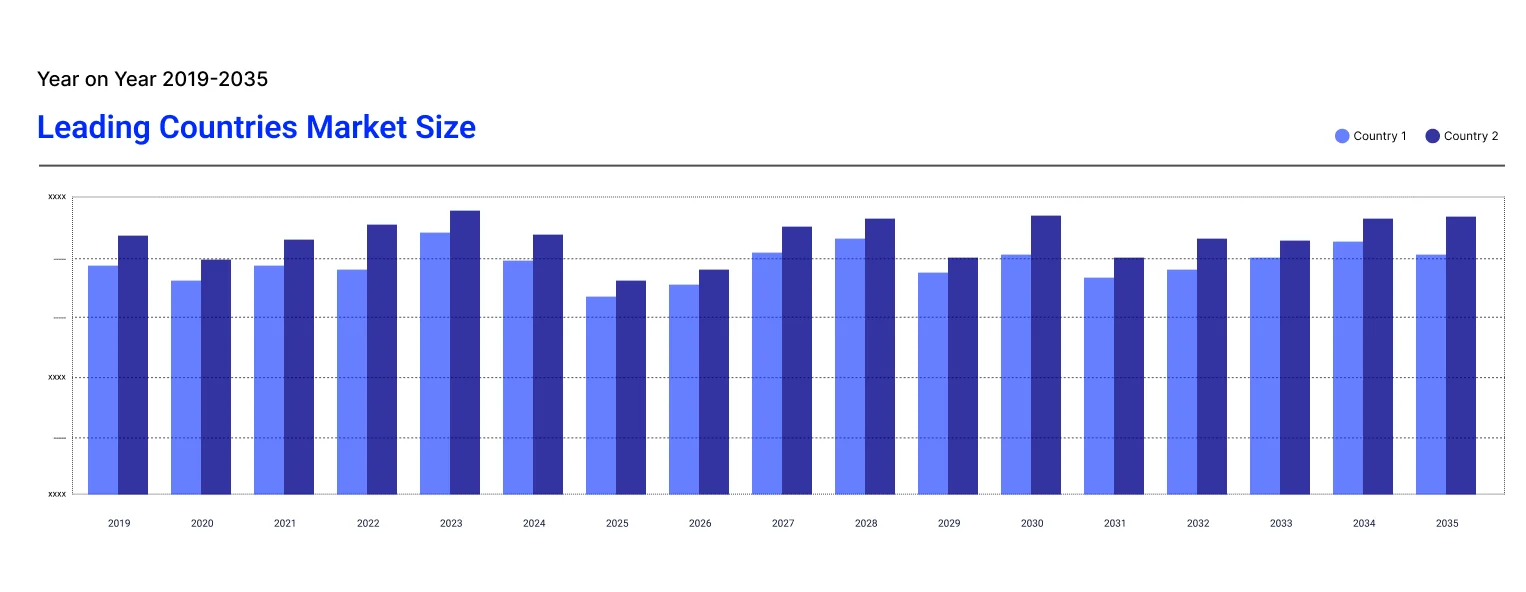
| CAGR 2026-2035 - Market by | Country |
| India | 13.2% |
| China | 11.0% |
| Saudi Arabia | 10.1% |
| Australia | 7.8% |
| Japan | 6.9% |
| USA | XX% |
| Canada | XX% |
| UK | XX% |
| Germany | XX% |
| France | XX% |
| Italy | XX% |
| Brazil | XX% |
| Mexico | XX% |
Leading medium-density fiberboard firms are focusing on product innovation to cater to evolving consumer demands. Companies are developing moisture-resistant, fire-resistant, and ultra-low-emission boards while enhancing surface finishes and durability. Strategic investments in research and development are helping players introduce eco-friendly solutions and comply with stringent environmental regulations. Collaborative ventures and partnerships are also enabling companies to expand their product portfolios and enter new regional markets effectively.
To strengthen their market position, top medium-density fiberboard companies are adopting expansion and marketing strategies such as increasing production capacities, optimizing supply chains, and establishing regional distribution hubs. Emphasis on brand differentiation through quality certifications, sustainable sourcing, and customized solutions is driving customer loyalty. Additionally, companies are leveraging digital platforms for targeted marketing and customer engagement, ensuring timely delivery and responsive after-sales services, which collectively reinforce their competitive advantage in the growing industry.
Headquartered in St. Johann, Austria, EGGER Group has been a pioneer in wood-based panel manufacturing since 1961. The company offers a wide range of MDF, particleboard, and laminate products. Its innovative solutions cater to furniture, construction, and interior design markets worldwide.
Based in Toronto, Canada, Norbord Inc., established in 1962 and now part of West Fraser, excels in engineered wood products. The company produces high-quality MDF and OSB panels. Its offerings serve both construction and furniture industries across global markets.
Founded in 1993 and headquartered in Singapore, Kronoplus Limited focuses on producing MDF and other wood-based panels. It delivers solutions for furniture, interior decoration, and construction applications. The company has steadily expanded its presence in the global medium-density fiberboard (MDF) market.
FINSA, established in 1934 and based in Monterrey, Mexico, is a leading manufacturer of MDF, particleboard, and plywood. The company supplies innovative wood solutions across the Americas. Its products support diverse sectors including residential, commercial, and industrial applications.
*Please note that this is only a partial list; the complete list of key players is available in the full report. Additionally, the list of key players can be customized to better suit your needs.*
Other players in the industry include Daiken Corporation, Fantoni Spa, Duratex S.A., ARAUCO, SWISS KRONO TEX GmbH & Co. KG, among others.
Explore the latest trends shaping the Global Medium-Density Fiberboard (MDF) Market 2026-2035 with our in-depth report. Gain strategic insights, future forecasts, and key market developments that can help you stay competitive. Get a free sample report or contact our team for customized consultation on global medium-density fiberboard (MDF) market trends 2026.


Upto 15% Off
USD
$2499 $2249
$3999 $3599
$4999 $4249
$5999 $5099


*While we strive to always give you current and accurate information, the numbers depicted on the website are indicative and may differ from the actual numbers in the main report. At Expert Market Research, we aim to bring you the latest insights and trends in the market. Using our analyses and forecasts, stakeholders can understand the market dynamics, navigate challenges, and capitalize on opportunities to make data-driven strategic decisions.*
In 2025, the market reached an approximate value of USD 33.60 Billion.
The market is projected to grow at a CAGR of 8.90% between 2026 and 2035.
The market is estimated to witness a healthy growth in the forecast period of 2026-2035 to reach about USD 78.82 Billion by 2035.
Key strategies driving the market include product innovation, capacity expansion, adoption of sustainable manufacturing practices, strategic partnerships, and regional distribution optimization.
The key trends guiding the growth of the medium-density fiberboard (MDF) market include rising environmental concern, growing demand for fibreboard with low carbon footprint and LEED certification, and option for product customisation.
The major regions in the market are North America, Latin America, the Middle East and Africa, Europe, and the Asia Pacific.
Standard, fire resistant, and moisture resistant are the significant products in the market for medium-density fibreboard.
E0, E1, and E2 are the major MDF types in the market.
Furniture, interior decoration, and construction, among others are the significant applications of the product.
Residential and commercial are the primary end uses of the product in the market.
The key players in the market include EGGER Group, Norbord Inc. (part of West Fraser), Kronoplus Limited, Financiera Maderera S.A. (FINSA), Daiken Corporation, Fantoni Spa, Duratex S.A., ARAUCO, SWISS KRONO TEX GmbH & Co. KG, and other regional and emerging manufacturers.
Asia Pacific holds the largest share of the global medium-density fiberboard (MDF) market, driven by high demand from furniture, construction, and interior decoration sectors.
Explore our key highlights of the report and gain a concise overview of key findings, trends, and actionable insights that will empower your strategic decisions.
| REPORT FEATURES | DETAILS |
| Base Year | 2025 |
| Historical Period | 2019-2025 |
| Forecast Period | 2026-2035 |
| Scope of the Report |
Historical and Forecast Trends, Industry Drivers and Constraints, Historical and Forecast Market Analysis by Segment:
|
| Breakup by Product |
|
| Breakup by Type |
|
| Breakup by Application |
|
| Breakup by End Use |
|
| Breakup by Region |
|
| Market Dynamics |
|
| Competitive Landscape |
|
| Companies Covered |
|
| Report Price and Purchase Option | Explore our purchase options that are best suited to your resources and industry needs. |
| Delivery Format | Delivered as an attached PDF and Excel through email, with an option of receiving an editable PPT, according to the purchase option. |
Datasheet
One User
USD 2,499
USD 2,249
tax inclusive*
Single User License
One User
USD 3,999
USD 3,599
tax inclusive*
Five User License
Five User
USD 4,999
USD 4,249
tax inclusive*
Corporate License
Unlimited Users
USD 5,999
USD 5,099
tax inclusive*
*Please note that the prices mentioned below are starting prices for each bundle type. Kindly contact our team for further details.*
Flash Bundle
Small Business Bundle
Growth Bundle
Enterprise Bundle
*Please note that the prices mentioned below are starting prices for each bundle type. Kindly contact our team for further details.*
Flash Bundle
Number of Reports: 3
20%
tax inclusive*
Small Business Bundle
Number of Reports: 5
25%
tax inclusive*
Growth Bundle
Number of Reports: 8
30%
tax inclusive*
Enterprise Bundle
Number of Reports: 10
35%
tax inclusive*
How To Order

Select License Type
Choose the right license for your needs and access rights.

Click on ‘Buy Now’
Add the report to your cart with one click and proceed to register.

Select Mode of Payment
Choose a payment option for a secure checkout. You will be redirected accordingly.
Strategic Solutions for Informed Decision-Making
Gain insights to stay ahead and seize opportunities.

Get insights & trends for a competitive edge.

Track prices with detailed trend reports.

Analyse trade data for supply chain insights.

Leverage cost reports for smart savings

Enhance supply chain with partnerships.

Connect For More Information
Our expert team of analysts will offer full support and resolve any queries regarding the report, before and after the purchase.
Our expert team of analysts will offer full support and resolve any queries regarding the report, before and after the purchase.
We employ meticulous research methods, blending advanced analytics and expert insights to deliver accurate, actionable industry intelligence, staying ahead of competitors.
Our skilled analysts offer unparalleled competitive advantage with detailed insights on current and emerging markets, ensuring your strategic edge.
We offer an in-depth yet simplified presentation of industry insights and analysis to meet your specific requirements effectively.




