

Consumer Insights
Uncover trends and behaviors shaping consumer choices today
Procurement Insights
Optimize your sourcing strategy with key market data
Industry Stats
Stay ahead with the latest trends and market analysis.

The global memory market was valued at USD 149.35 Billion in 2025. The market is expected to grow at a CAGR of 10.60% during the forecast period of 2026-2035 to reach a value of USD 409.03 Billion by 2035. The growing penetration of smartphones in emerging countries, especially China and India, is significantly boosting the market growth.
Consumers seek advanced features such as 5G connectivity, 4K video recording, high performance video gaming, surging the demand for faster and more memory. Considering this as a market opportunity, in November 2024, Lexar, a premier company providing memory solutions, launched its ARES RGB 2nd Gen DDR5 and THOR RGB DDR5 desktop memory, built to elevate immersive gaming and handle intensive workloads.
Moreover, the explosive growth of content creation and streaming platforms such as Netflix, YouTube, Instagram, and TikTok which handle vast volumes of video data, requires devices with robust memory for seamless content handling, real-time editing, and high-speed delivery. As a result, the backend infrastructures of these platforms and devices such as smartphones, tablets, and laptops are undergoing substantial storage and memory upgrades, thereby creating substantial global memory market opportunities.
Major market players such as Micron, Samsung, and SK Hynix are making high R&D investments to improve memory technology by enhancing density, speed, and power efficiency. To cite an instance, in February 2025, Micron Technology, Inc. disclosed that its innovative universal flash storage (UFS) 4.0 and low-power double data rate 5X (LPDDR5X) memory were used in selected Samsung Galaxy S25 series devices, which featured multimodal AI agents for a context-aware mobile AI experiences. Such efforts are further contributing to global memory market revenue.
Base Year
Historical Period
Forecast Period
Compound Annual Growth Rate
10.6%
Value in USD Billion
2026-2035
*this image is indicative*
|
Global Memory Market Report Summary |
Description |
Value |
|
Base Year |
USD Billion |
2025 |
|
Historical Period |
USD Billion |
2019-2025 |
|
Forecast Period |
USD Billion |
2026-2035 |
|
Market Size 2025 |
USD Billion |
149.35 |
|
Market Size 2035 |
USD Billion |
409.03 |
|
CAGR 2019-2025 |
Percentage |
XX% |
|
CAGR 2026-2035 |
Percentage |
10.60% |
|
CAGR 2026-2035- Market by Region |
Asia Pacific |
11.9% |
|
CAGR 2026-2035 - Market by Country |
India |
12.5% |
|
CAGR 2026-2035 - Market by Country |
China |
11.7% |
|
CAGR 2026-2035 - Market by Type |
NAND Flash |
12.4% |
|
CAGR 2026-2035 - Market by Application |
Data Center |
12.3% |
|
Market Share by Country 2025 |
Australia |
2.3% |
The rapid surge in hyperscale data centers is a major driver of the growth of the global memory market. Top cloud service providers such as Microsoft Azure, AWS, and Google Cloud are continuously expanding their infrastructure to meet rising data processing and storage demands. This expansion has fueled a sharp increase in the need for high-performance memory solutions, particularly DRAM and SSDs, which are essential for handling massive workloads, supporting virtualization, and ensuring low-latency access in cloud environments.
The ongoing proliferation of AI technologies is driving massive data generation, increasing the need for modern data centers with high storage capacity. In response, leading tech giants are investing heavily in building their own facilities, most notable, OpenAI, SoftBank, and Oracle’s USD 100 billion joint venture, ‘Stargate’ in May 2025. This venture includes plans to build 10 AI-focused data centers, with construction already underway in Abilene, Texas. Such large-scale projects are propelling the demand in the global memory market.
The rise of smart manufacturing and increasing investments in industrial automation is creating a strong demand for embedded, rugged memory solutions capable of withstanding harsh operational environments. Supporting this trend, in December 2024, the Indian government launched SAMARTH Udyog initiative to promote the adoption of Industry 4.0 technologies into the manufacturing sector by 2025. As factories embrace digitization through real-time analytics, robotics, and AI-driven systems, memory technologies like NOR Flash, eMMC, and NVMe play a crucial role in ensuring reliable performance.
The ongoing vehicle architecture transformation particularly in electric vehicles, infotainment systems, and autonomous driving require a range of high-performance memory solutions to support real-time data processing, sensor fusion, and AI-driven applications. According to the International Energy Agency, global EV sales surpassed 17 million in 2024, indicating the growing preference for EVs with advanced features like ADAS, digital cockpits, and V2X communication. To meet this demand, automakers are integrating memory components thereby promoting global memory market expansion across the automotive manufacturing sector.
Green computing has gained strategic priority for data enterprises amid the increasing global focus on environmental responsibility. Memory solutions like LPDDR4/5/5X, low-power NAND/NOR flash, and CXL DRAM are recording notable demand owing to their ability to deliver high performance with significantly lower power consumption. This widespread shift toward sustainable infrastructure is scaling up the need for low-power memory solutions while opening new markets for R&D in green memory technologies amplifying the global memory industry's revenue.
The EMR’s report titled “Global Memory Market Report and Forecast 2026-2035” offers a detailed analysis of the market based on the following segments:
Market Breakup by Type
Key Insight: NAND Flash has continuously led the global memory market growth driven by high demand due to high-density storage capabilities and widespread use in SSDs, smartphones, and cloud data centers. On the other hand, DRAM is extensively integrated in smartphones, laptops, and high-performance computing for its speed and scalability. SRAM, known for its low latency and stability, has become a necessity in processor caches, automotive systems, and industrial electronics. NOR Flash memory supports code storage in IoT devices, embedded systems, and automotive ECUs. Moreover, the ROM and EPROM cater to the legacy and industrial applications for permanent and reprogrammable storage solutions.
Market Breakup by Application
Key Insight: Data centers account for the dominant share in the global memory market revenue growth driven by the rapid improvements in cloud computing, AI, and big data analytics. The increasing popularity of consumer products such as smart TVs, wearables, and home automation devices has boosted the use of embedded memory. Additionally, the PCs/laptops segment is continuously seeing upgrades owing to the growing shift towards hybrid work models. Ongoing advancements like 5G connectivity and growing trends of online gaming have further fueled the integration of memory solutions in smartphone/tablet segment. In the automotive sector, the rising demand for EVs has surged the need for reliable, high-performance memory solutions in vehicles.
Market Breakup by Region
Key Insight: Asia Pacific continues to dominate the global memory market resulting from the ongoing expansion of data centers and large-scale manufacturing hubs across the region. North America benefits from the presence of advanced cloud infrastructure and robust semiconductor manufacturing facilities boosting demand for memory technology. In Europe, the rise of sustainable initiatives, along with the high focus on automotive advancements and industrial automation, thereby surging product usage. Moreover, Latin America is witnessing significant growth in digital connectivity and growing consumer electronics demand, while the Middle East and Africa are gaining momentum owing to the ongoing smart city investments and increasing smartphone penetration.
|
CAGR 2026-2035- Market by |
Region |
|
Asia Pacific |
11.9% |
|
Middle East and Africa |
9.7% |
|
North America |
XX% |
|
Europe |
XX% |
|
Latin America |
XX% |
By type, NAND flash accounts for major share in the market
Based on type, the NAND flash segment dominates the market owing to its growing adoption due to its high storage density and cost-effectiveness, placing it as an essential component for smartphones, SSDs, and cloud storage. Besides this, ongoing advancements highlight NAND flash’s growing importance in AI and large-scale storage applications. For instance, in May 2025, NEO Semiconductor revealed that it is innovating with 3D NAND Flash and 3D DRAM through its 3D X-AI chip technology which integrates AI processing within memory. This will significantly reduce data transfer bottlenecks in AI GPU accelerators, while enhancing performance and efficiency.
The DRAM segment is gaining significant momentum as per the global memory market report. DRAM is crucial for applications requiring fast data access and high bandwidth. Widely used in personal computers, servers, and mobile devices, DRAM supports the growing needs of gaming, AI, and data-intensive computing tasks. Its ability to quickly read and write data makes it indispensable for high-performance computing environments and cloud infrastructures. The increasing demand for faster, larger memory in devices and data centers drives continuous growth and innovation within the DRAM segment of the global memory market.
By application, data center leads the market growth
The rising demand for AI model training and inference is the major factor contributing to the data center segment in the global memory industry. LLMs (Large language models) and gen AI applications require massive memory capacity to process vast datasets daily in real-time, thereby pushing hyper-scalers to adopt high-density DRAM and NAND Flash to minimize latency and maximize throughput. For example, in March 2025, OpenAI, a reputed AI firm, discussed building a dedicated storage data center to efficiently store hardware worth billions of dollars in a move to reduce its reliance on cloud providers such as AWS. Such factors have been pushing global memory market development.
On the other hand, the automative segment is witnessing the fastest growth rate in the global memory market due to the increasing deployment of Advanced Driver Assistance Systems in vehicles, as these systems highly real-time data processing from multiple sensors, cameras, and radars, demanding high-reliability memory. For instance, in May 2023, NXP Semiconductors, a leading automotive processing firm, collaborated with TSMC to develop the industry’s first automotive embedded Magnetic Random Access Memory integrated with 16 nm FinFET technology. As automakers shift towards software-defined vehicles, this collaboration offered a robust platform by combining NXP’S S23 processors with next-gen volatile memory to support multi-gen software upgrades.
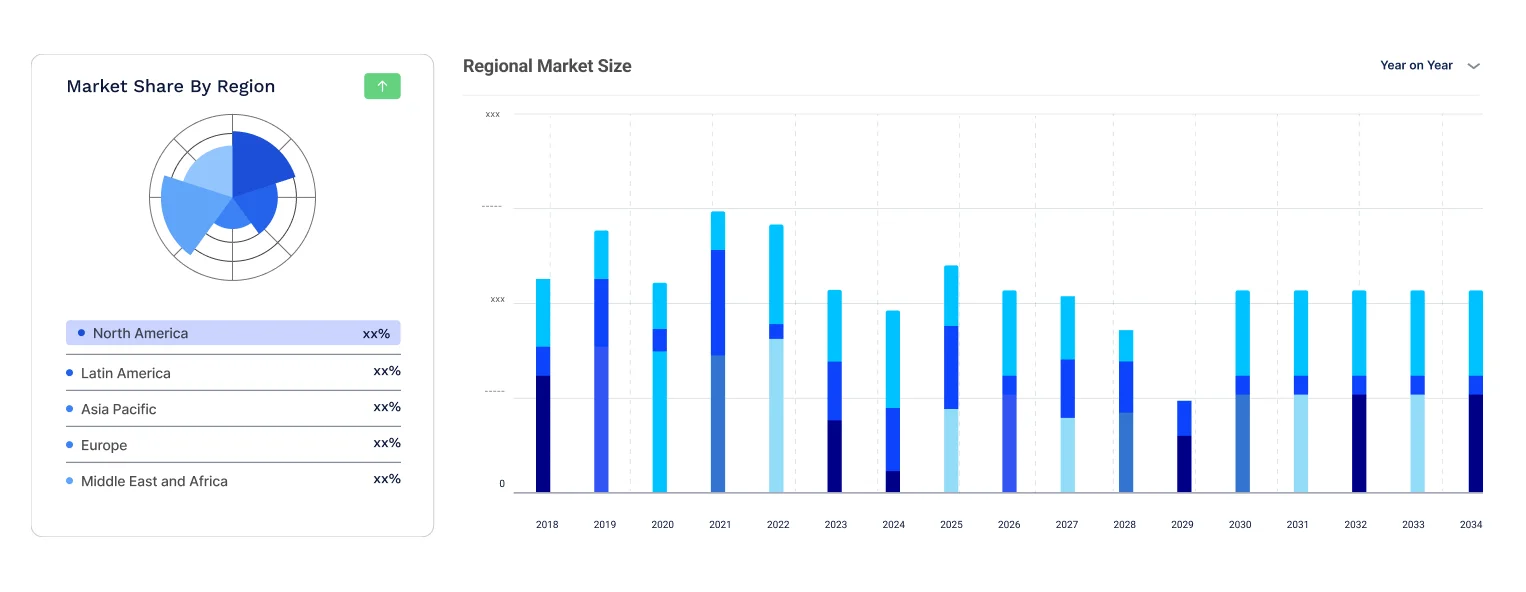
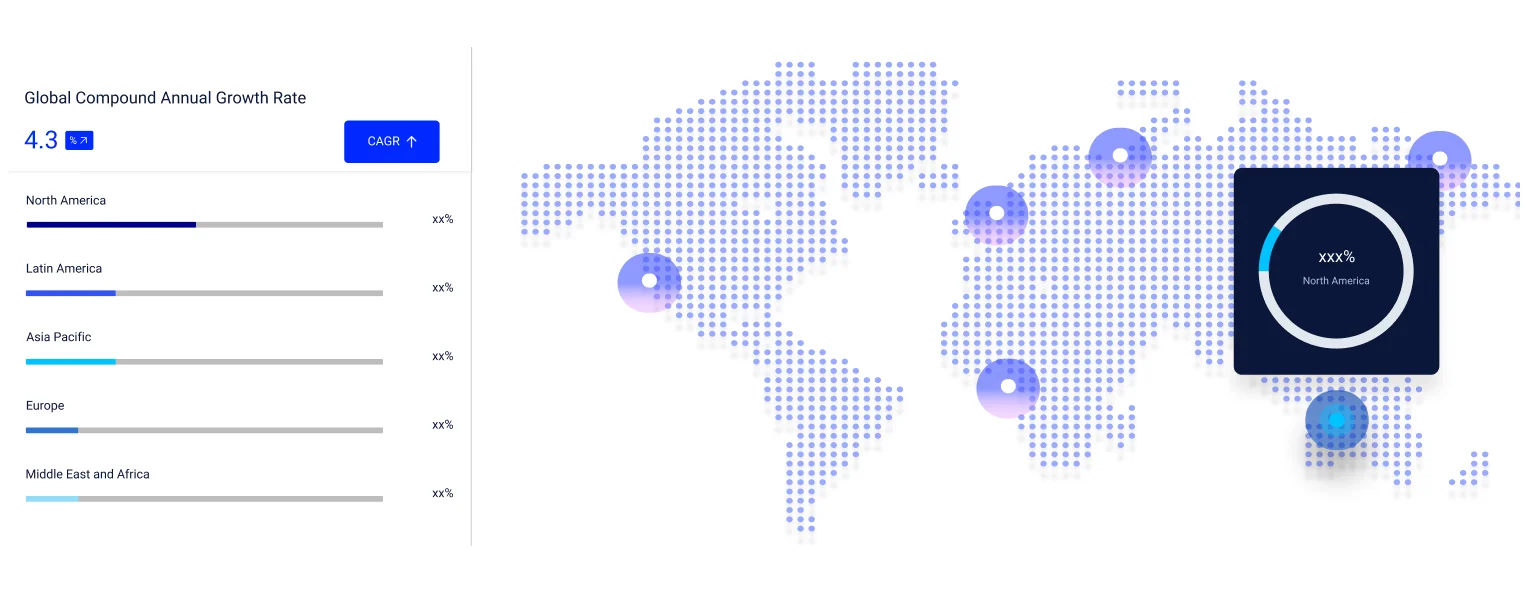
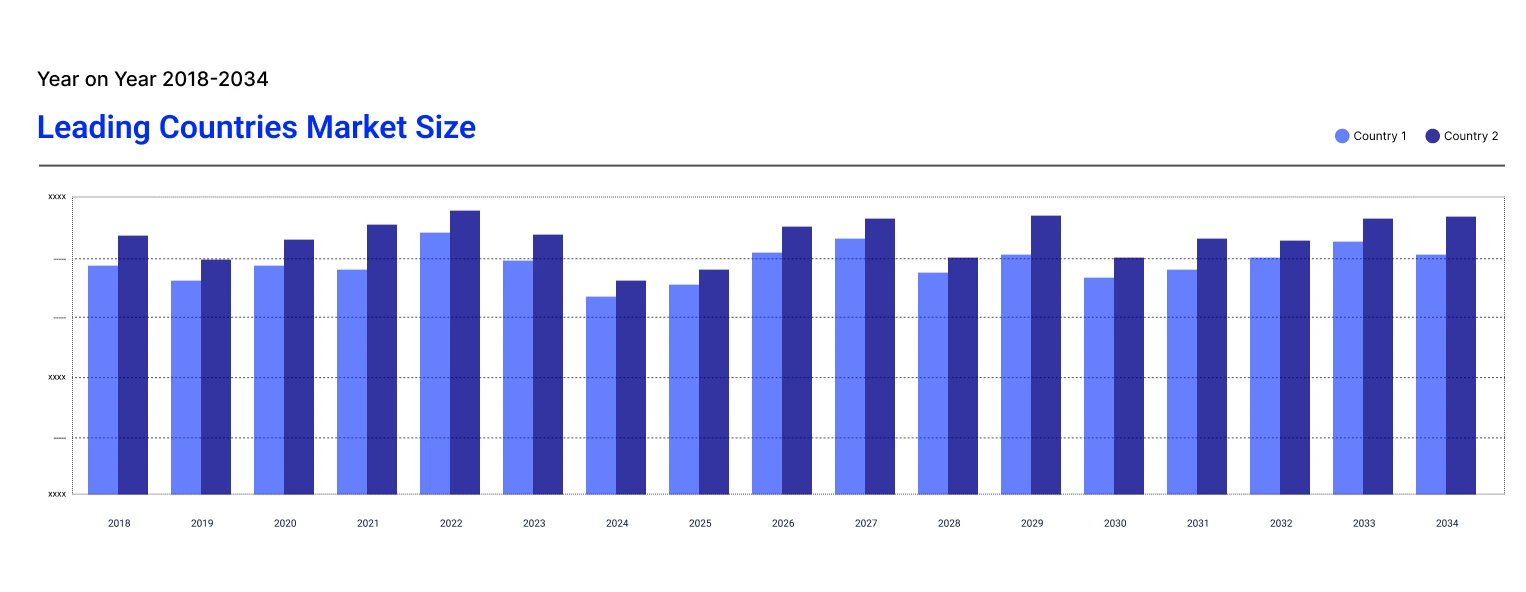
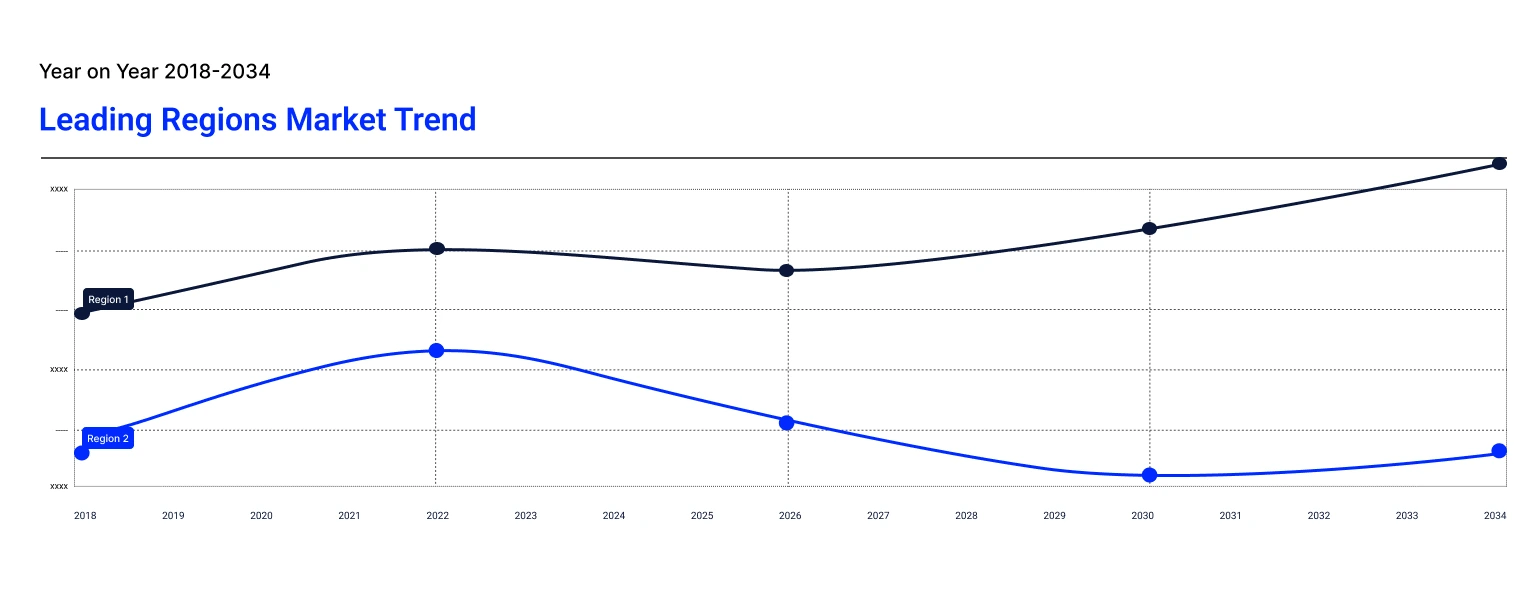
By region, Asian Pacific holds the largest market share
The Asia Pacific region holds a dominant position in the global memory market fueled by the convergence of high-volume manufacturing, surging digital adoption, and strategic government initiatives. Countries like China, South Korea, Taiwan, and India are investing heavily in semiconductor R&D, infrastructure, and localized production, creating a robust ecosystem for memory technologies. Additionally, the presence of top memory manufacturers such as Samsung, SK Hynix, and Kioxia further solidifies the region’s dominance.
The Middle East and Africa (MEA) region is fast emerging as a high-potential growth market in the global memory industry, fueled by rapid digital transformation, and bold smart city initiatives. In March 2025, the United Arab Emirates has announced plans to unify all public and private services in Abu Dhabi under a single AI-powered platform by 2027, backed by a substantial USD 2.5 billion investment. With such initiatives, Gulf countries are leveraging AI not only to enhance operational efficiency but also as a strategic pivot toward economic diversification beyond energy exports, which in turn is promoting regional memory industry expansion.
Global memory market players such as Samsung Electronics Co., Ltd., STMicroelectronics NV, Intel Corporation, Micron Technology Inc., SK Hynix Inc., Kioxia America, Inc., Infineon Technologies AG. These companies, along with several others, are contributing to the evolving landscape of memory technologies across industries. Tech giants like Samsung and Micron specialize in high-performance DRAM and NAND Flash technologies, while others focus on automotive-grade and embedded memory products.
Along with the R&D of memory technologies, these companies are focused on expanding their manufacturing capabilities and product offerings to meet dynamically increasing demand for advanced solutions. Through collaborations, companies cater to diverse applications such as AI computing, cloud storage, smartphones, and automotive electronics, thereby ensuring steady advancements, shaping the future landscape of the memory industry.
Samsung Electronics Co., Ltd., founded in 1969 and based South Korea, is globally known for its innovation across consumer electronics, memory solutions, and other tech products. Operating in more than 80 countries, Samsung serves a broad demographic across consumer, enterprise, and industrial segments and has consistently ranked among the world’s most valuable and trusted brands.
STMicroelectronics NV, established in 1987 and headquartered in Geneva, Switzerland, is a leading European semiconductor company. It offers a broad product range including automotive microcontrollers, power transistors, sensors, analog ICs, and memory solutions. Serving diverse industries like automotive, industrial, and consumer electronics, STMicroelectronics operates globally with manufacturing facilities across several countries. The company is recognized for innovation in edge AI and sustainable business practices.
Founded in 1993, Nvidia Corporation is a leading tech firm headquartered in Santa Clara, California. The company specializes in GPUs and AI computing. Alongside its advanced processors, Nvidia offers memory solutions tailored for high-performance workloads, which are integral to powering next-gen applications.
Micron Technology Inc., established in 1978 and based in Boise, Idaho, specializes in memory and storage solutions. Micron produces DRAM, NAND flash, and solid-state drives (SSDs) used in computing, mobile devices, automotive, and data centers. Known for cutting-edge innovation, Micron plays a critical role in advancing high-performance, energy-efficient memory technologies globally.
*Please note that this is only a partial list; the complete list of key players is available in the full report. Additionally, the list of key players can be customized to better suit your needs.*
Other notable companies operating in the global memory industry are Intel Corporation, SK Hynic Inc., ROHM Co., Ltd., Kioxia America, Inc., Infineon Technologies AG, Kingston Technology Company, Inc., and others.
Explore the latest innovations driving the global memory market 2026-2035 with our in-depth report. Gain strategic insights, future forecasts, and key developments across applications like AI, data centers, and automotive memory. Download a free sample report or connect with our experts for a customized consultation on emerging global memory market trends in 2026.


Upto 15% Off
USD
$2499 $2249
$3999 $3599
$4999 $4249
$5999 $5099


*While we strive to always give you current and accurate information, the numbers depicted on the website are indicative and may differ from the actual numbers in the main report. At Expert Market Research, we aim to bring you the latest insights and trends in the market. Using our analyses and forecasts, stakeholders can understand the market dynamics, navigate challenges, and capitalize on opportunities to make data-driven strategic decisions.*
Get in touch with us for a customized solution tailored to your unique requirements and save upto 35%!
In 2025, the global memory industry reached an approximate value of USD 149.35 Billion.
The global memory industry is projected to grow at a CAGR of 10.60% between 2026 and 2035.
The key players in the market include Samsung Electronics Co., Ltd., STMicroelectronics NV, Nvidia Corporation, Intel Corporation, Micron Technology Inc., SK Hynix Inc., ROHM Co., Ltd., Kioxia America, Inc., Infineon Technologies AG, and Kingston Technology Company, Inc., among others.
Asia Pacific holds the largest market share driven by the expansion of the manufacturing hubs, increasing digitalization, and strong government support for semiconductor R&D across the region.
The NAND Flash segment is highly preferred for its high-density storage and affordability, contributing to its increasing use in smartphones, SSDs, and cloud storage, especially with the rise in 4K video, mobile apps, and AI data.
Key strategies driving the global memory industry include heavy investments by major market players into R&D for development and improvement of memory technologies for specified functionalities, such as AI, data centers, EVs, and industrial automation.
Explore our key highlights of the report and gain a concise overview of key findings, trends, and actionable insights that will empower your strategic decisions.
| REPORT FEATURES | DETAILS |
| Base Year | 2025 |
| Historical Period | 2019-2025 |
| Forecast Period | 2026-2035 |
| Scope of the Report |
Historical and Forecast Trends, Industry Drivers and Constraints, Historical and Forecast Market Analysis by Segment:
|
| Breakup by Type |
|
| Breakup by Application |
|
| Breakup by Region |
|
| Market Dynamics |
|
| Competitive Landscape |
|
| Companies Covered |
|
Datasheet
One User
USD 2,499
USD 2,249
tax inclusive*
Single User License
One User
USD 3,999
USD 3,599
tax inclusive*
Five User License
Five User
USD 4,999
USD 4,249
tax inclusive*
Corporate License
Unlimited Users
USD 5,999
USD 5,099
tax inclusive*
*Please note that the prices mentioned below are starting prices for each bundle type. Kindly contact our team for further details.*
Flash Bundle
Small Business Bundle
Growth Bundle
Enterprise Bundle
*Please note that the prices mentioned below are starting prices for each bundle type. Kindly contact our team for further details.*
Flash Bundle
Number of Reports: 3
20%
tax inclusive*
Small Business Bundle
Number of Reports: 5
25%
tax inclusive*
Growth Bundle
Number of Reports: 8
30%
tax inclusive*
Enterprise Bundle
Number of Reports: 10
35%
tax inclusive*
How To Order

Select License Type
Choose the right license for your needs and access rights.

Click on ‘Buy Now’
Add the report to your cart with one click and proceed to register.

Select Mode of Payment
Choose a payment option for a secure checkout. You will be redirected accordingly.
Gain insights to stay ahead and seize opportunities.

Get insights & trends for a competitive edge.

Track prices with detailed trend reports.

Analyse trade data for supply chain insights.

Leverage cost reports for smart savings

Enhance supply chain with partnerships.

Connect For More Information
Our expert team of analysts will offer full support and resolve any queries regarding the report, before and after the purchase.
Our expert team of analysts will offer full support and resolve any queries regarding the report, before and after the purchase.
We employ meticulous research methods, blending advanced analytics and expert insights to deliver accurate, actionable industry intelligence, staying ahead of competitors.
Our skilled analysts offer unparalleled competitive advantage with detailed insights on current and emerging markets, ensuring your strategic edge.
We offer an in-depth yet simplified presentation of industry insights and analysis to meet your specific requirements effectively.





Share