

Consumer Insights
Uncover trends and behaviors shaping consumer choices today
Procurement Insights
Optimize your sourcing strategy with key market data
Industry Stats
Stay ahead with the latest trends and market analysis.
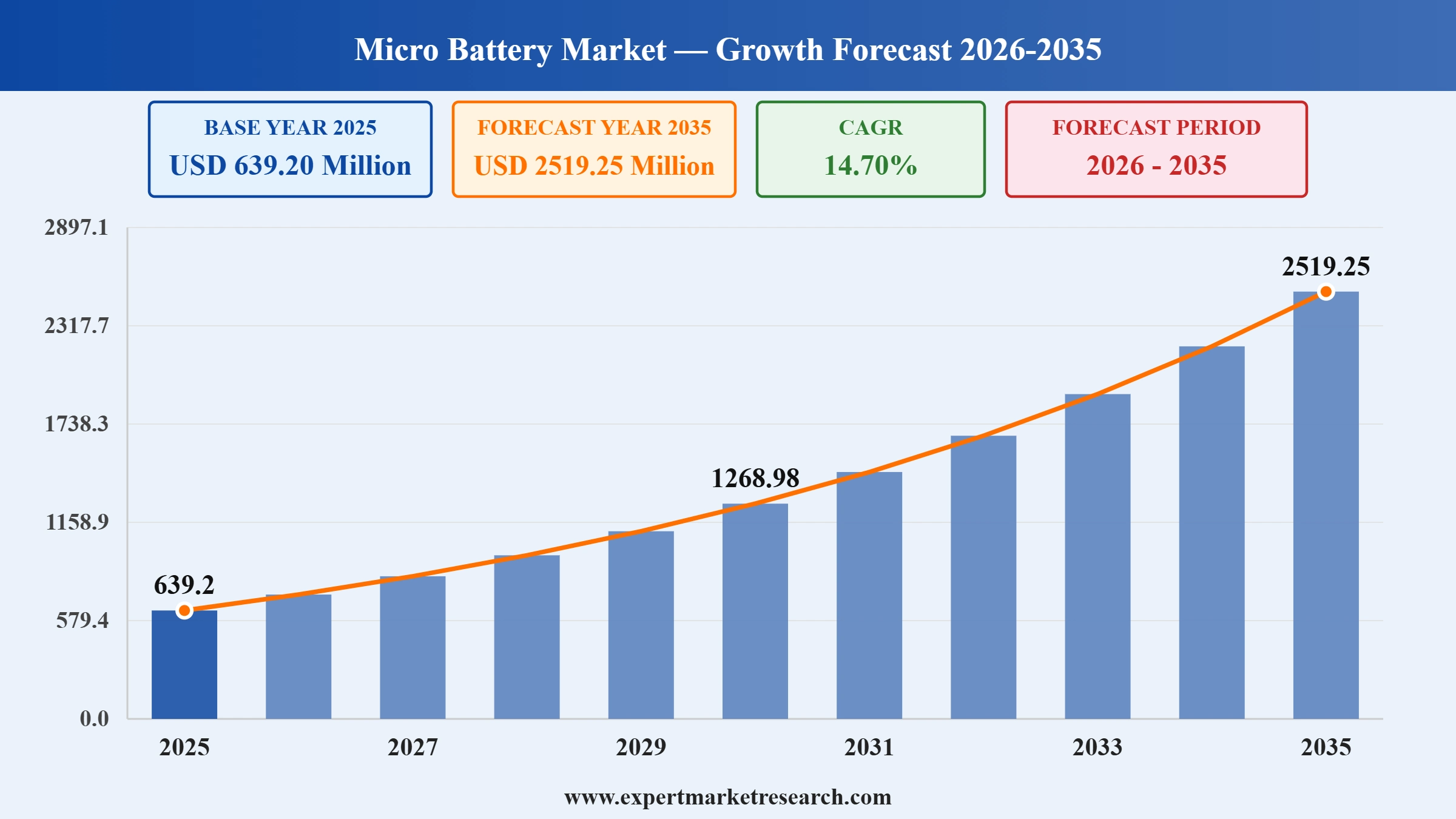
The global micro battery market was valued at USD 639.20 Million in 2025. The market is expected to grow at a CAGR of 14.70% during the forecast period of 2026-2035 to reach a value of USD 2519.25 Million by 2035. Rising demand for miniature electronics, wearable devices, medical implants, sensors, and IoT technologies is the major factor that is driving the overall growth in the market. Battery manufacturers are developing compact, high-energy-density solutions for increasingly smaller electronic devices. Expansion of smart wearables, connected sensors, and medical technology is creating additional opportunities for micro battery suppliers.
Thin-film batteries continued gaining commercial traction across wearables, medical devices, smart cards, and IoT sensors through April 2026 due to compact form factors, enhanced safety, and long operational life. Wearable health monitors, implantable devices, and aerospace micro-systems are increasingly redefining how energy is integrated into next-generation electronics, reinforcing accelerating commercial adoption and double-digit growth across the global micro battery market, as covered by Advanced Materials.
Manufacturers expanded pilot production facilities for thin-film and solid-state lithium microbatteries in early 2026 to meet rising demand from medical devices, smart cards, and compact consumer electronics, with magnetron sputtering and atomic layer deposition adapted from semiconductor fabrication enabling improved energy density. The capacity additions reinforce accelerating commercial scale-up and durable expansion across the global micro battery market, according to EE Power.
There are two main drivers contributing to the development of the micro battery market. The incorporation of micro batteries by health technology firms for use in continuous glucose monitors, hearing aids, ingestible sensors, and remote patient monitoring platforms is generating a need for dependable micro batteries. Secondly, industrial firms are increasingly adopting battery-powered smart sensors for predictive maintenance and asset tracking within their facilities. There is a requirement for micro batteries that can last longer in difficult conditions, hence driving the development of better lithium and solid-state micro batteries.
Innovation is taking place at a fast pace in the international micro battery market as companies work toward ultra-small batteries that will enable new-age medical equipment, wearable gadgets, wireless sensors, and IoT systems used in industries to be more energy-efficient and safer. One of the key innovations was brought about by the introduction of a new range of solid-state micro batteries by Murata Manufacturing for use in small healthcare applications and wearable electronics. On the other hand, in April 2026, XPANCEO and ITEN developed a solid-state microbattery, enabling safer, commercially viable AR smart contact lenses.
Moreover, players in the micro battery market are becoming more inclined to innovate products based on enhanced energy density, flexible designs, and solid-state batteries. Some of the key innovators in the field are working on the development of lithium-based micro batteries that can ensure long operation in a small form factor. For example, in April 2025, ITEN unveiled a solid-state Li-ion battery achieving 200C discharge rates, enabling ultra-high-power IoT devices. In addition, partnerships among various companies including battery makers, semiconductor companies, and healthcare technology companies might result in the introduction of batteries for use in implantable gadgets, smart patches, and asset tracking.
Read more about this report - REQUEST FREE SAMPLE COPY IN PDF
Solidion Technology introduced an AI-powered platform for the design and manufacture of bipolar solid-state batteries for the aerospace, defense, transport, maritime, and infrastructure sectors. Firms in the micro battery market can also use AI-enabled design software to engineer customized versions of small solid-state batteries for wearables, medical devices, and other IoTs.
Enphase Energy released its IQ9N microinverter in Europe. The solution uses gallium nitride, high conversion efficiency, and is compatible with high-power solar panels. The release helps improve energy generation from rooftop solar installations in residential homes and offers higher durability and flexibility in installation. Leveraging such developments in the micro battery market, firms can design smaller energy-storage systems for solar monitoring and smart metering devices that need backup energy sources.
Microvast unveiled the True All-Solid-State Battery, which includes bipolar stack configuration and removal of the liquid electrolyte. Micro-battery manufacturers can employ solid-state battery designs in their products for applications such as smart contact lenses, medical devices, industrial sensors, and highly compact electronics requiring improved safety and energy density.
CEA-Leti made significant progress with its INJECT project, incorporating energy harvesting and management alongside micro-power storage technology. This technology enables the creation of self-powered devices while minimizing reliance on battery replacement processes. Manufacturers in the micro battery market can collaborate with companies providing energy-harvesting solutions to develop micro-power systems.
One promising innovation area is the production of solid-state micro batteries, which are aimed at providing high energy density, increased safety, and a longer operational period for tiny gadgets. Unlike other types of batteries, solid-state batteries help eliminate the leakage danger and enable miniaturization of the device. Some of the leaders in developing the solid-state battery platform include Murata Manufacturing, Ilika plc, and Samsung. For instance, in May 2026, Ilika made progress in creating its Stereax solid-state battery technology for medical and industrial devices, demanding longevity, thereby stimulating development in the micro battery market.
The healthcare industry is continuously boosting demand for advanced micro batteries due to more medical devices' usage that must contain them. This list can include items such as continuous glucose monitors, smart hearing aids, neurostimulators, ingestible sensors, cardiac monitoring devices, and many others. Companies continue to produce highly effective lithium micro batteries, which have the ability to last longer and be biocompatible with human body cells. In addition, they collaborate with manufacturers of medical technologies and create batteries for patient monitoring devices, accelerating opportunities in the micro battery market. Demonstrating this shift, in April 2026, Murata launched ultra-low-power AMR sensors, extending battery life for healthcare wearables and compact IoT devices.
Digitalization in the industry is presenting many growth opportunities for companies that produce micro batteries. Modern manufacturing facilities need wireless sensors, asset locators, environmental monitors, and predictive maintenance sensors that require high-capacity compact batteries. Governments are encouraging industrial upgrading projects through Industry 4.0 schemes and intelligent manufacturing processes. In fact, the German government supports Industry 4.0 programs that promote smart infrastructure within the industrial sector. Manufacturers such as Panasonic and Energizer are developing batteries suited for use in industrial machinery operating in harsh conditions. Aligning with this trend in the micro battery market, in January 2024, Betavolt unveiled a coin-sized nuclear micro battery delivering maintenance-free power.
The introduction of smart packaging technology is driving up the demand for ultra-thin batteries that can be integrated into electronic labels and shelf products. Smart packaging includes electronic labels, temperature-controlled packaging materials, authenticator labels, and monitoring systems. Companies in logistics and pharmaceutical industries are adopting advanced labeling technology to enhance tracking and tracing, stimulating growth in the micro battery market. Consequently, there is a need for small battery cells that can fit label materials and provide energy to the sensing and transmission components of such devices. In December 2025, BeFC and ONiO partnered to develop battery-free smart devices using biofuel cells and ultra-low-power microcontrollers.
The efforts of governments that seek to develop the sectors of semiconductors, electronics, and manufacturing are indirectly contributing to the development of the micro battery market. Micro-batteries play an integral role in the manufacture of wireless modules, sensors, wearable electronics, and edge computing devices. The CHIPS and Science Act in the United States, the semiconductor revitalization efforts in Japan, and the electronics manufacturing initiatives in South Korea are motivating more development in the sector of premium electronics. With increased production of small devices in electronics companies, there is an increase in demand for micro-batteries. For example, in April 2026, Magnachip launched 8th-generation BatteryFETs, enhancing smartphone battery efficiency, power management, and thermal performance.
The Expert Market Research's report titled “Global Micro Battery Market Report and Forecast 2026-2035” offers a detailed analysis of the market based on the following segments:
Market Breakup by Type
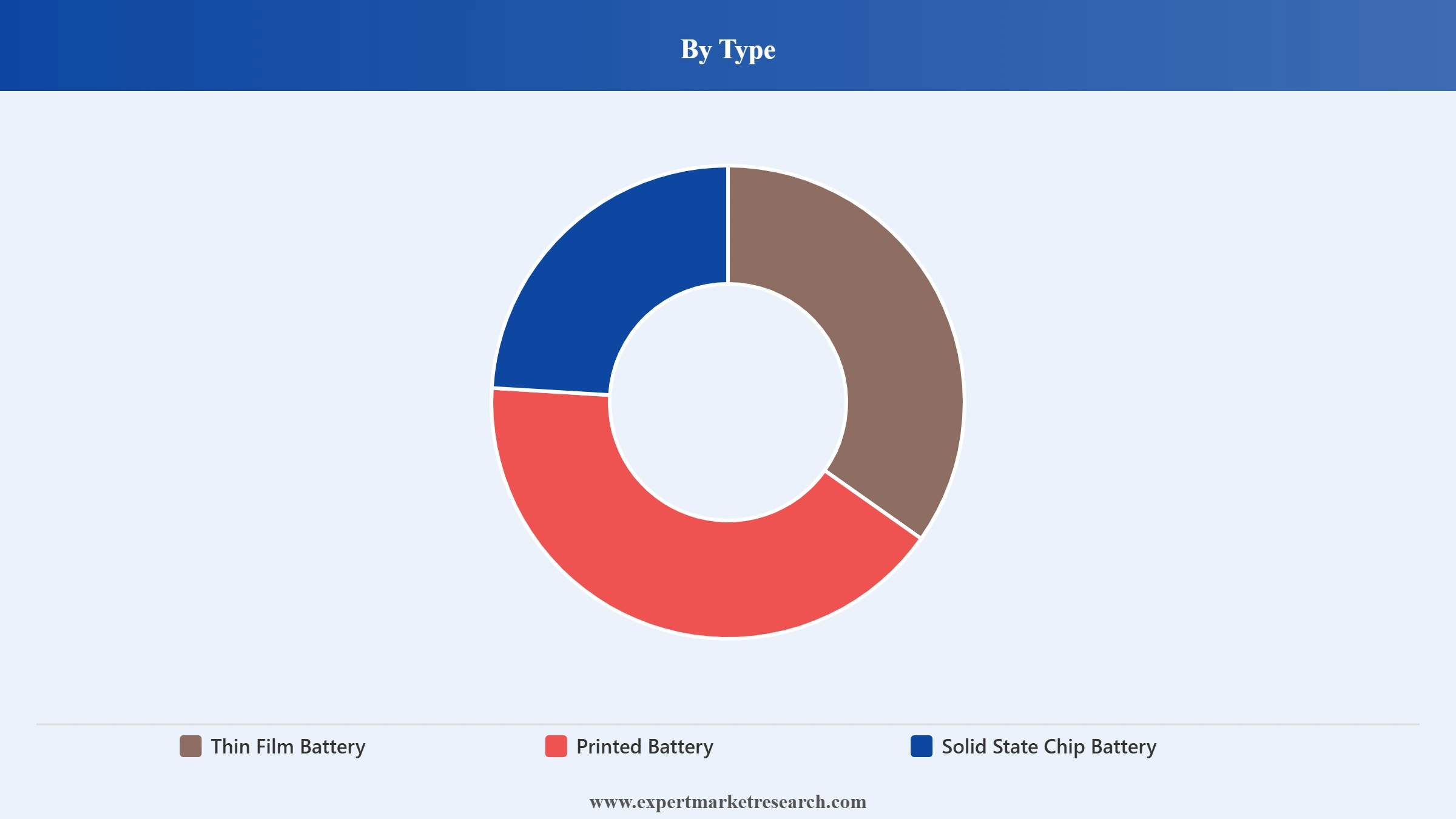
Key Insight: Solid state chip batteries dominate the micro battery market due to the better safety, lifespan and efficiency of solid-state chip batteries in compact settings. Thin film batteries continue growing their market shares due to their ability to serve flexible devices, smart tags and wearable gadgets. Printed batteries remain in demand due to cost effectiveness and design flexibility required for low power disposable uses. The need for each type varies, from reliability and efficiency to weight and integration capabilities. In June 2025, researchers developed a high-energy-density micro-battery architecture, advancing compact power solutions for next-generation electronics.
Market Breakup by Rechargeability
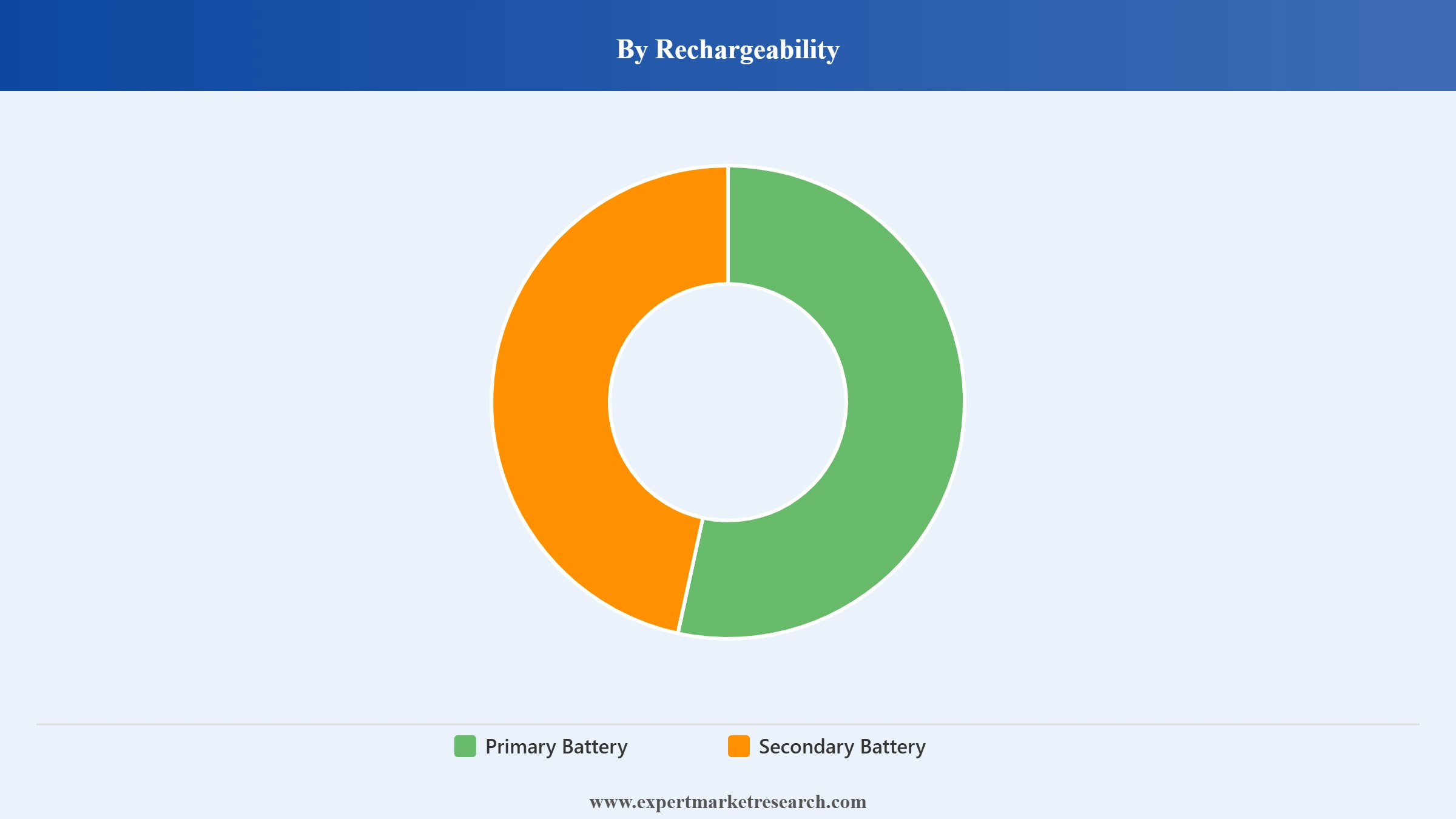
Key Insight: The rechargeability demand trends in the micro battery market depend on operational requirements within specific applications. Primary batteries continue to dominate due to their reliability and high energy retention capability coupled with minimal maintenance requirements. On the other hand, secondary batteries are becoming increasingly popular because of the widespread use of rechargeable electronic gadgets in health care, consumer goods, and manufacturing. This is fueled by sustainability initiatives and a need to keep costs low throughout the life cycle of the products. Both types of batteries satisfy different market requirements; while primary batteries are best suited for long-term standalone applications, secondary batteries serve the demand for rechargeable electronics. Demonstrating such shifts, in January 2026, Maxell developed an all-solid-state battery power module compatible with ER battery sizes, enabling safer replacements.
Market Breakup by Capacity
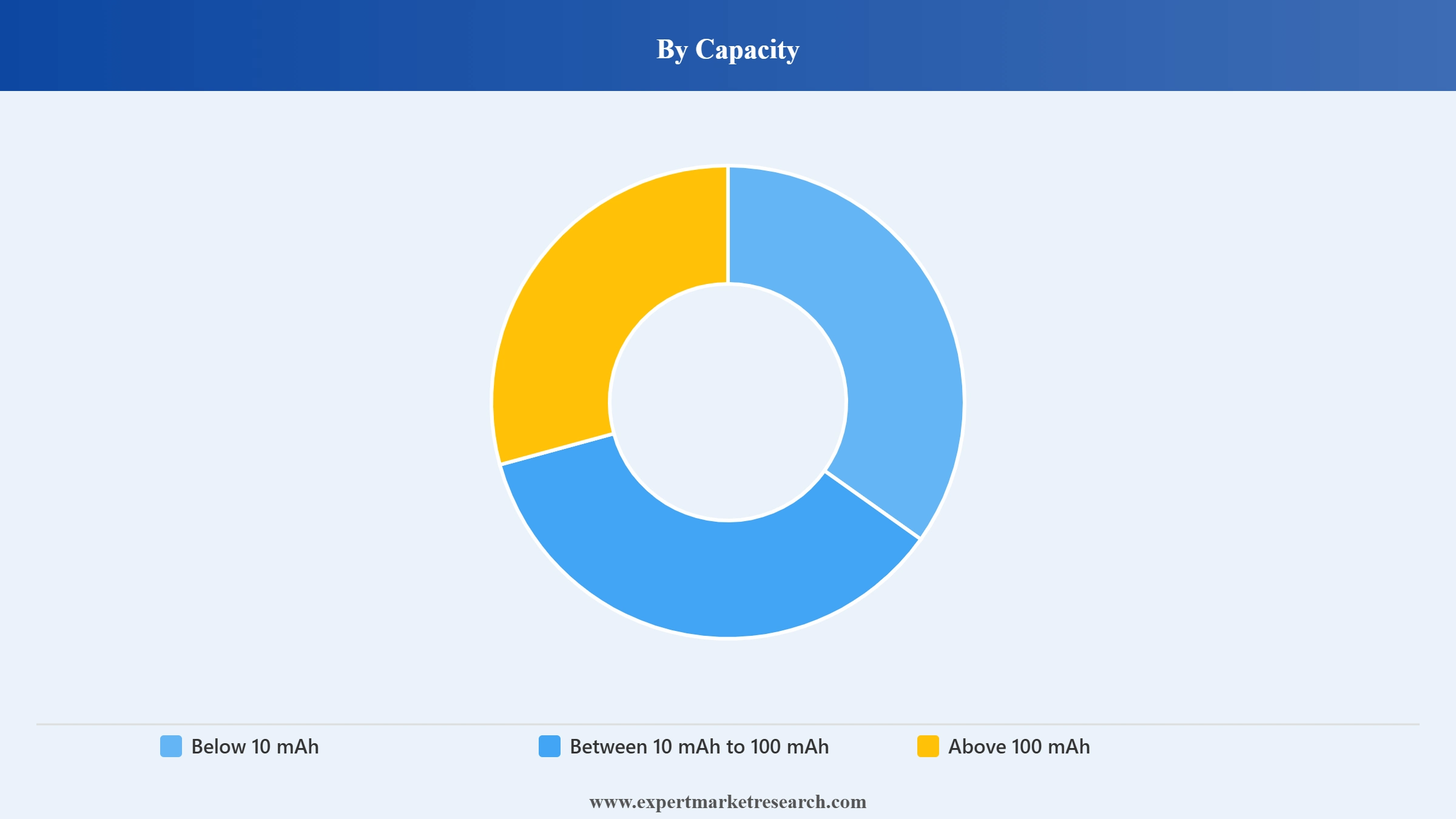
Key Insight: As per the micro battery market report, the capacity of batteries varies significantly, based on the complexity of the application and operational demands placed on batteries. Batteries between the 10 mAh and 100 mAh ranges capture dominant share since they provide the best combination of power efficiency and power delivery for mass-produced electronic products. Batteries less than 10 mAh are essential in extremely compact products in which low power demands are emphasized. On the other hand, those that exceed 100 mAh batteries are increasingly gaining traction, due to the increased demand for more complex products. In April 2026, Redmi announced plans to develop 10,000mAh battery smartphones with 100W charging for extended endurance performance.
Market Breakup by Application
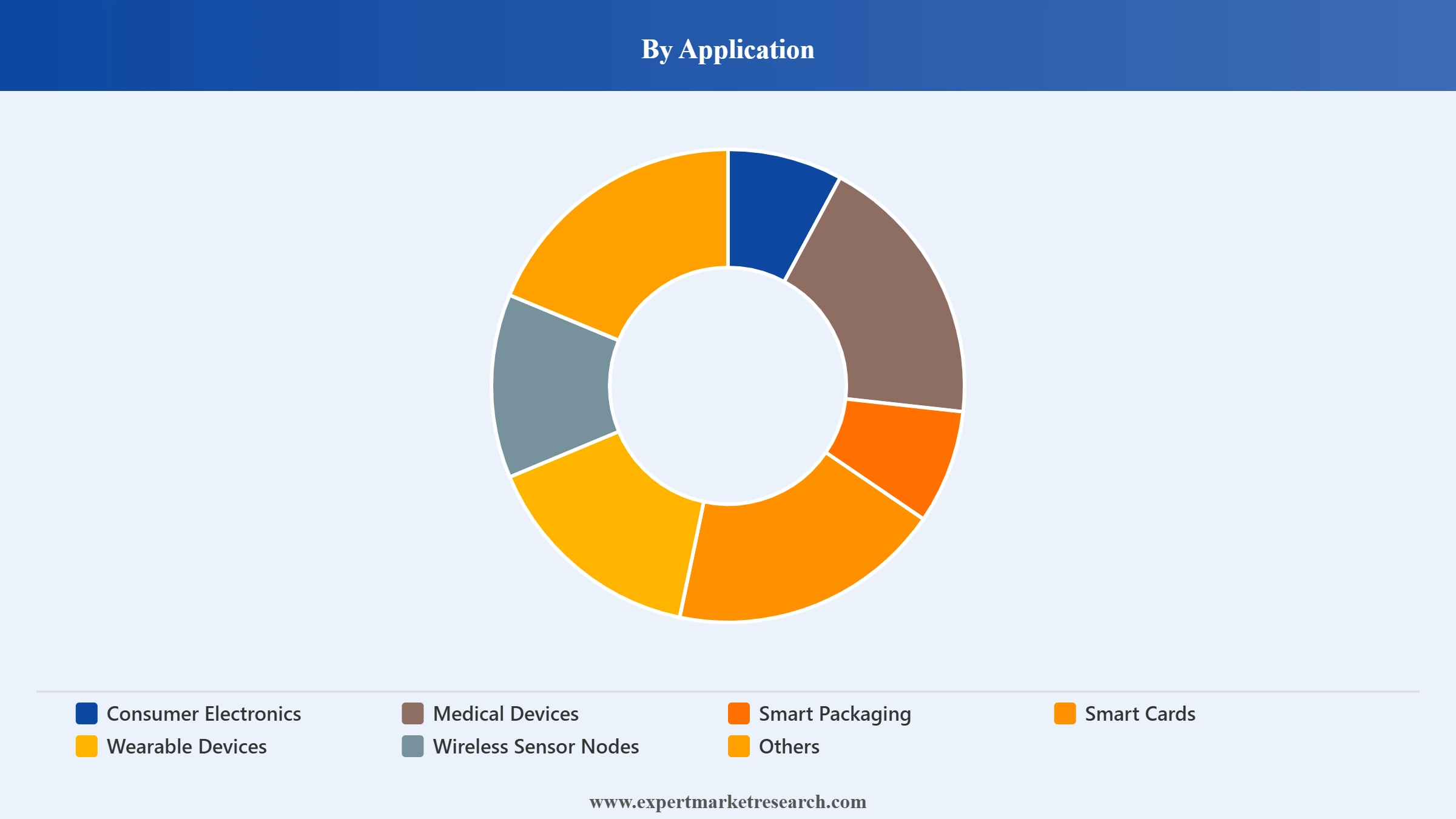
Key Insight: The diversity of applications is another distinctive feature of the micro battery market. Consumer electronics are dominant because of the broad implementation of small batteries in portable devices that require connection. The medical devices market segment is developing rapidly due to a growing reliance of healthcare technologies on high-powered miniaturized batteries. At the same time, wearable devices and wireless sensor nodes also present many possibilities because of the need for continuous connectivity. Smart packaging and smart card markets gain traction as a result of increasing digitization and tracking needs, while other niche applications also add to the demand for micro batteries.
Market Breakup by Components
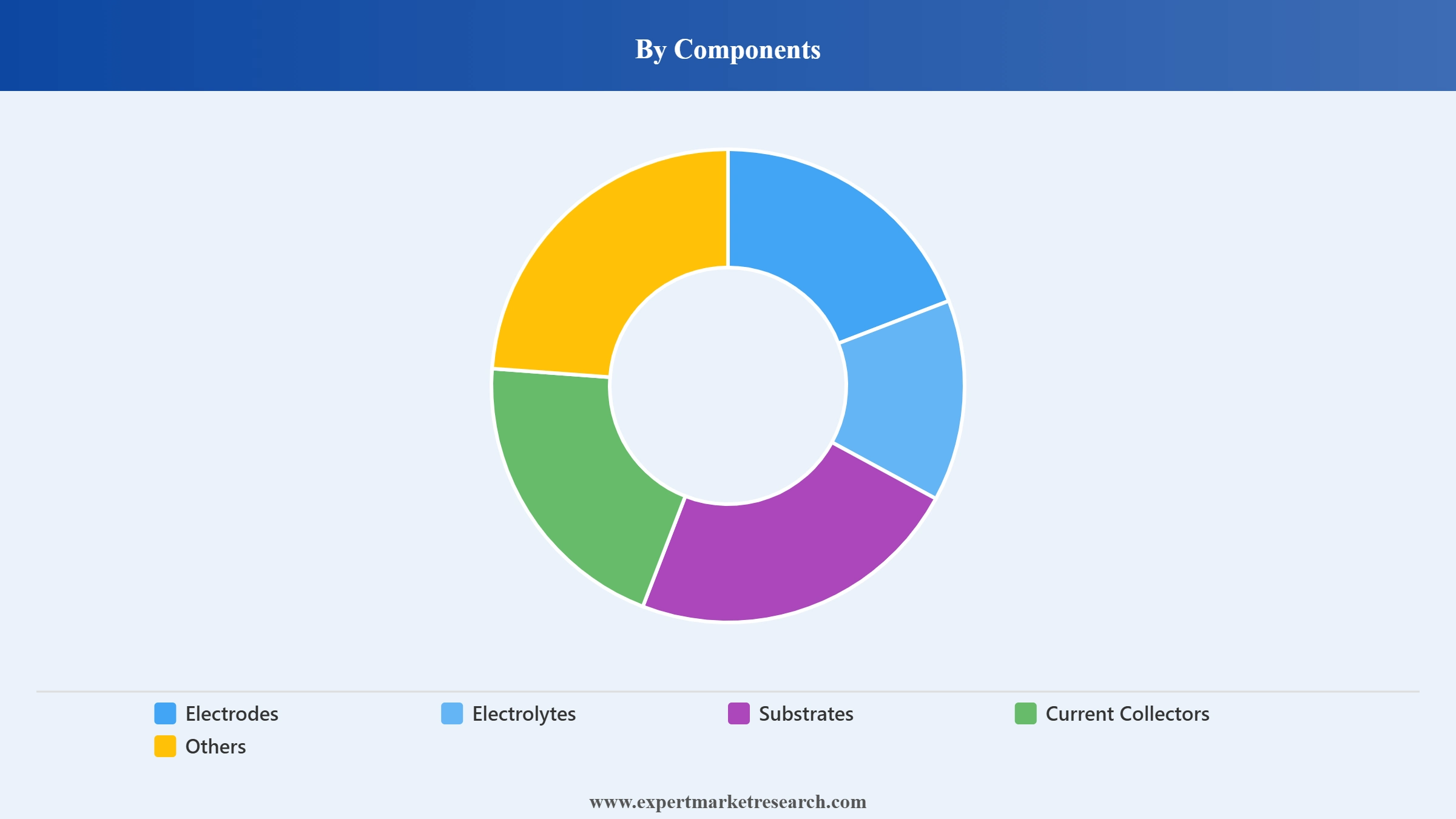
Key Insight: The role of component technologies cannot be underestimated in improving micro batteries technology. Electrolyte is one of the main technologies because it controls efficiency, safety, and stability of a battery in general. Electrodes are continuously expanding their micro battery market share due to increased demand for greater capacity and better functioning. Substrates can facilitate flexible and miniature design of batteries, especially the newly-developed thin film batteries. Current collectors provide high conductivity of an electrical circuit. Other components are used according to specific needs of an application. All these components help produce more advanced batteries that can meet modern requirements of various industries. In November 2025, LEAD unveiled a high-precision solid-state battery cell stacking machine, improving manufacturing accuracy and scalability.
Market Breakup by Region
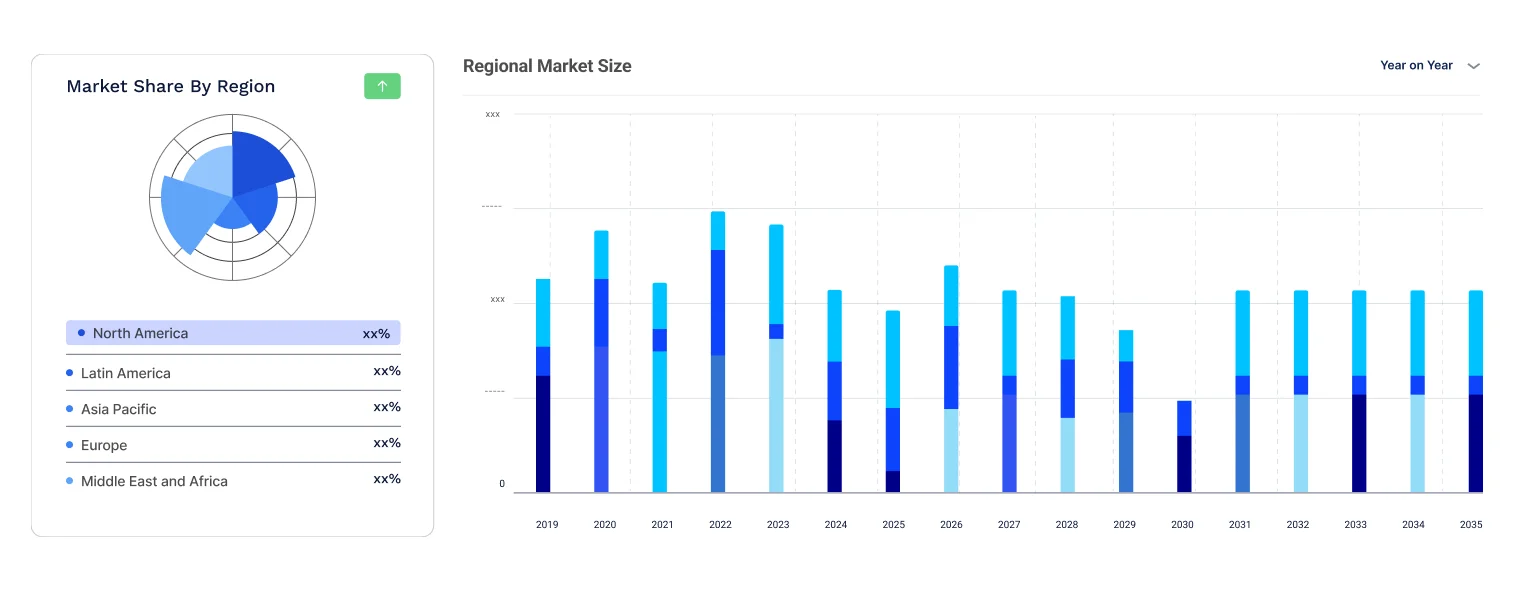
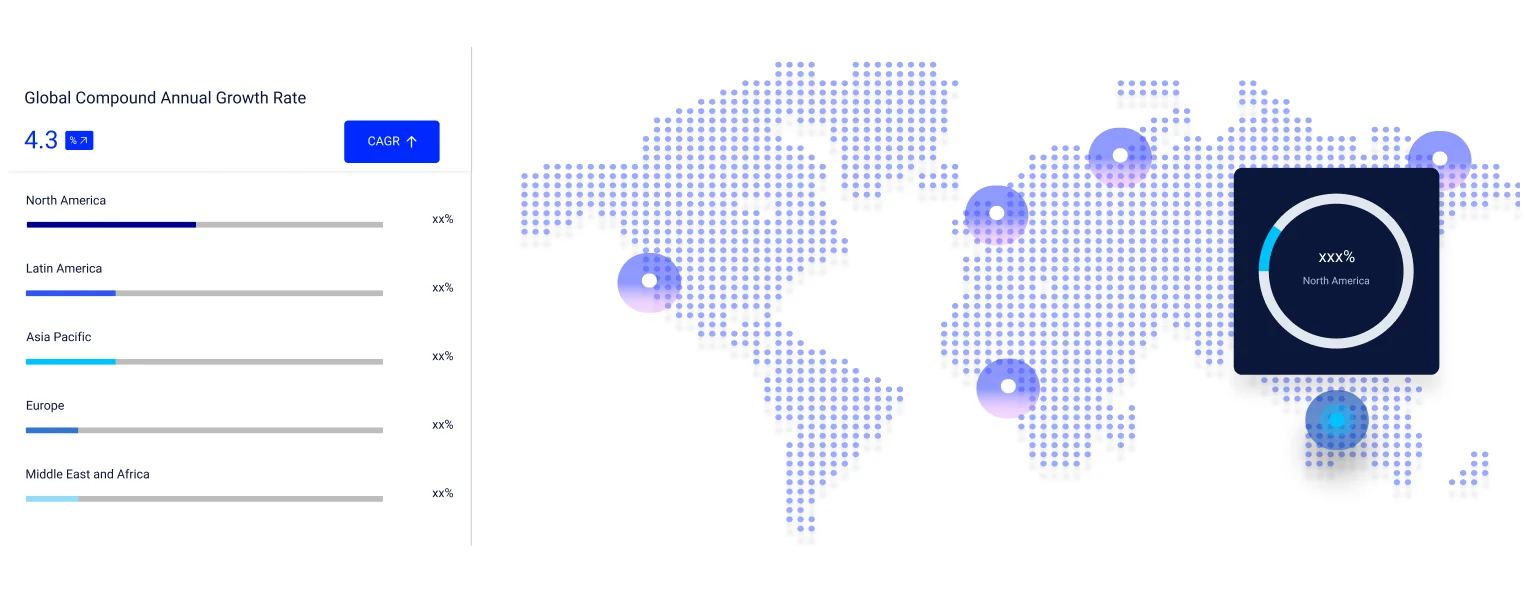
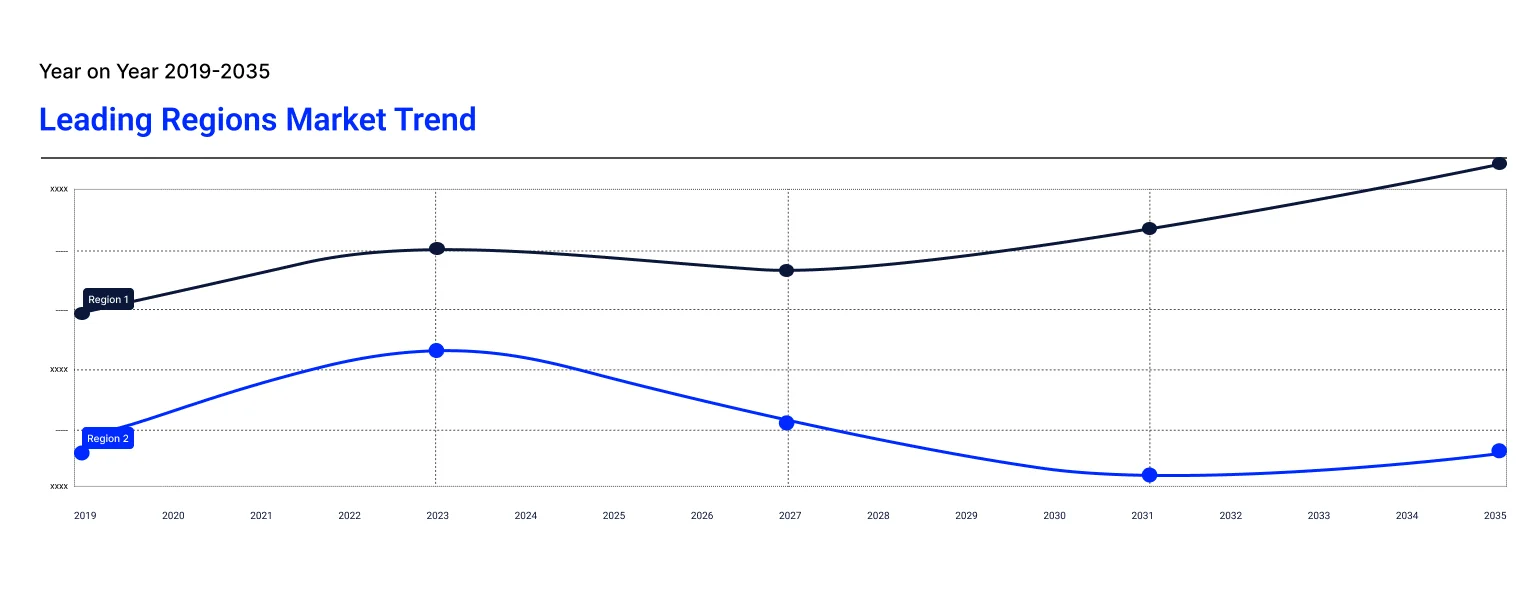
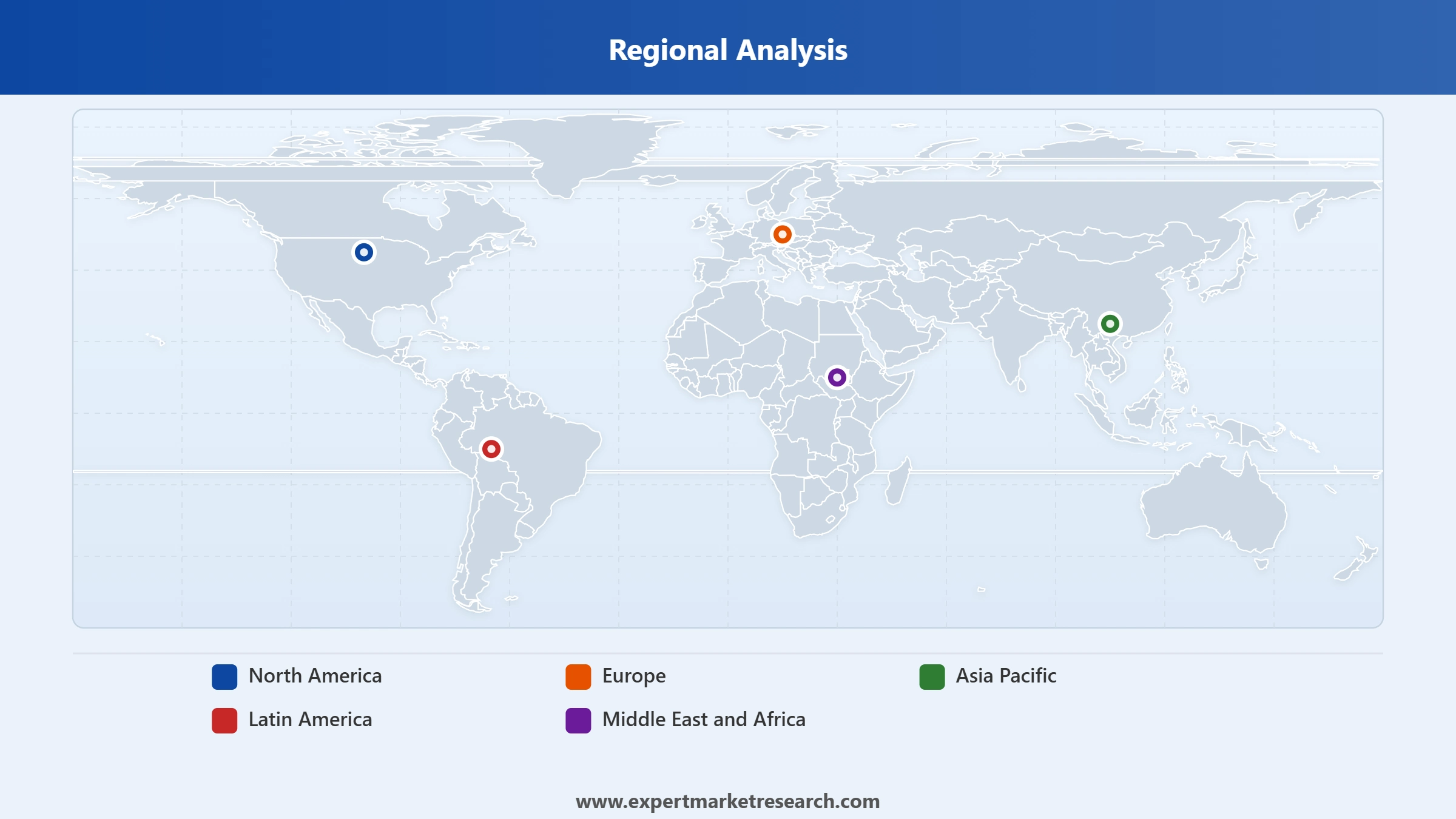
Key Insight: The growth trends of regions vary according to their unique technological strengths. Asia Pacific leads the micro battery market growth because of its large-scale production facilities for electronics, batteries, and innovations in such products. North America is showing remarkable growth due to innovations in healthcare technology and digitalization efforts within industry. Europe offers an important role to play due to innovations in battery technology and advanced engineering skills. Latin America is slowly becoming technologically savvy because of increased electronics usage. Middle East and Africa have more connected technologies being implemented within industries.
Read more about this report - REQUEST FREE SAMPLE COPY IN PDF
By type, solid state chip battery registers the largest share of the market due to superior miniaturization capabilities
Solid-state chip batteries represent the leading technology in the micro battery market scope, driven by their high energy density, extended lifespan, and ability to deliver reliable performance in extremely compact form factors. They are able to perform efficiently in implantable applications, industry-grade sensors, smart cards, and luxurious wearable devices, which is the reason for their popularity amongst original equipment manufacturers. The emphasis on the development of solid-state electrolytes, which eliminates the problem of leakage and heat resistance, has become more prominent over the years. In June 2026, SOLiTHOR unveiled a 465 Wh/kg solid-state battery cell targeting aerospace, maritime, transport, and defense applications.
Read more about this report - REQUEST FREE SAMPLE COPY IN PDF
The micro battery market observes fast growth in the category of thin-film batteries because they have an extremely compact size; they are light, and suitable for use in flexible electronics. Such types of batteries are actively applied in smart packaging, wearable health monitors, electronic tags, and new-wave IoT devices. The ability to customize batteries in different shapes enables product designers to have more opportunities in creating compact connected devices. In addition, manufacturers concentrate on the development of more efficient ways of manufacturing them and their increased performance.
By rechargeability, primary batteries secure the dominant share of the market owing to long shelf-life benefits
Primary batteries dominate the micro battery market due to their ability to provide high shelf-life, reduced maintenance, and reliable operation for single usage. Many of these micro batteries are needed in applications such as medical devices, smart cards, remote sensors, and security products, which often require batteries that have excellent storage capabilities, do not need regular replacement cycles, and provide reliable energy for longer periods of time. Companies continuously improve energy density and reliability features, thus providing better batteries for their mission-critical operations. Such batteries' cost-effectiveness and ease of use are also key to widespread adoption, especially when a lack of recharge options is a major issue. In September 2023, Resonetics introduced the Contego P200 mAh primary battery, enabling compact, high-performance medical devices.
Read more about this report - REQUEST FREE SAMPLE COPY IN PDF
Secondary batteries represent another fast-growing segment, with companies now paying particular attention to sustainability and efficiency of their products as well as long-term cost savings, boosting the micro battery market value. Rechargeable micro batteries are a necessity for wearable technology, healthcare monitors, and other consumer devices that may require multiple recharging operations during their operation. Advanced lithium-ion batteries and new designs with solid state allow extending batteries' life and improving charging processes while maintaining relatively small sizes of devices. Transitioning to such technologies also helps in achieving company goals in terms of environmental responsibility.
By capacity, the between 10 mAh to 100 mAh segment accounts for a substantial share of the market due to balanced performance
Batteries having a capacity between 10 mAh and 100 mAh capture the largest micro battery market revenue share since they are able to achieve a perfect balance regarding their size, energy output, and longevity. This particular capacity of batteries is being adopted for use in wearables, biomedical monitoring equipment, wireless sensors, and smaller consumer devices. Manufacturers prefer these batteries since they offer advanced functionality along with a smaller device size. Such wide applicability makes them extremely suitable for use by manufacturers for attaining high efficiency in their products.
Read more about this report - REQUEST FREE SAMPLE COPY IN PDF
The segment above 100 mAh experiences tremendous growth in the micro battery market owing to the escalating needs of more advanced wearables, industrial monitoring systems, and biometric devices. As the connected devices come up with better sensing abilities and advanced communications, there is an increased need for larger miniature batteries. The focus of manufacturers is now towards developing innovative battery chemistries and energy storage systems in order to fulfill the needs of the evolving market.
By application, consumer electronics capture the largest share of the market due to device proliferation
The consumer electronics category remains the largest end-user application in the micro battery market scope due to the use of miniaturized batteries in smartphones accessories, wireless earbuds, smart watches, gaming hardware, and portable devices that need constant battery support. There is always a continuous drive by manufacturers towards making ever-smaller batteries that can provide greater capabilities without making the electronic device any bigger. The trend towards more portable, wireless, and convenient devices is fueling increased adoption of high-quality micro batteries, while continued innovation in the consumer electronics sector is ensuring that there will be ample room for batteries to be installed into devices.
Read more about this report - REQUEST FREE SAMPLE COPY IN PDF
Medical devices remain one of the fastest-growing application segments owing to the rising adoption of telemedicine systems, implanted gadgets, and wearables, boosting the micro battery market penetration. Medical devices have very specific demands regarding the use of micro batteries because they are required to be safe, long-lasting, and capable of delivering reliable performance over time. The rising prevalence of home-based medical services and remote diagnosis techniques is driving increased use of sophisticated micro batteries in the healthcare industry. In August 2025, Ilika completed micro-battery qualification testing, advancing commercialization for medical, industrial, and IoT applications.
Electrolyte components dominate the market due to performance-critical functionality requirements
Electrolytes lead the overall micro battery market growth as they affect efficiency, safety, longevity, and effectiveness in energy transmission. In addition, companies are allocating significant investments in modern liquid, gels, and solid-state electrolytes in order to improve reliability and minimize leakage problems. Innovations in electrolyte composition result in energy density and better thermal stability, especially for healthcare and industrial uses. Due to their impact on battery performance, electrolytes are becoming a major field for research and development investment in the market. In January 2025, ION Storage Systems unveiled polymer battery electrolytes eliminating thermal runaway, enhancing safety and solid-state battery performance.
Read more about this report - REQUEST FREE SAMPLE COPY IN PDF
The electrodes category observes numerous developments as manufacturers look for ways to achieve higher energy density, quicker charge, and extended cycle life. Owing to innovations in electrode composition, batteries are able to store and discharge energy efficiently in smaller batteries. Research is currently being conducted in order to increase conductivity, extend life, and improve battery output despite the small size. The high demand for innovative electrodes is driven by wearables, healthcare gadgets, and IoT devices in industrial settings.
Asia Pacific clocks in the largest share of the market due to electronics manufacturing leadership
The Asia Pacific region is positioned at the forefront of the global micro battery market dynamics owing to its status as a leading manufacturer of electronics, semiconductors, and innovative batteries. Countries like China, Japan, South Korea, and Taiwan play host to battery manufacturers and electronics companies that have high demands for miniaturized battery products. These regions have established and evolving supply chains along with investments in cutting-edge innovations and technologies. Furthermore, the presence of many companies focused on producing wearables and connected electronics further boosts their growth potential. In March 2025, Chinese researchers unveiled a nuclear-powered battery capable of delivering continuous power for millennia-long operation.
Read more about this report - REQUEST FREE SAMPLE COPY IN PDF
North America presents one of the fastest-growing micro battery markets due to the widespread use of advanced medical devices, Industrial Internet of Things (IoT), and health technologies. The region holds many strengths including extensive research capabilities, heavy investments in developing better battery technology, and an ecosystem filled with technology innovators. Demand for miniature batteries is expected to continue to rise with increased adoption of implantable devices, remote monitoring solutions, and smart factory facilities, over the forecast period. In June 2026, General Motors expanded battery development initiatives targeting AI data centers and large-scale grid energy storage.
The global industry is expected to be driven by innovations aimed at providing products with high energy density, miniaturized designs, and improved battery structures. Key micro battery market players are developing solid-state batteries, thin film technology and flexible batteries, as well as rechargeable micro batteries designed for use in healthcare wearables, implants, industrial sensor applications, and other types of smart packaging. Collaborations between battery producers and semiconductor vendors, developers of medical devices, and IoT solutions are expected to create new commercialization avenues.
Leading micro battery companies are actively researching various materials to improve efficiency and operational lifetime, with solid electrolytes and electrodes featuring prominently in their plans. The possibility of producing miniature batteries at affordable costs through efficient manufacturing processes is yet another important issue. Due to increasing miniaturization of connected devices, customization and high lifetime are expected to be key differentiators in the sector.
Founded in 2000 and based in Minnesota, United States, Cymbet Corporation provides solid-state rechargeable micro batteries for industrial Internet of Things, semiconductors, and wireless sensing. The company is famous for its ability to integrate batteries into electronic products to minimize the sizes of devices and increase their efficiency. The EnerChip product line enables the implementation of maintenance-free power sources in connected devices with extended lifetime.
Founded in 1918 and based in Osaka, Japan, Panasonic Corporation provides lithium battery solutions for micro batteries in the form of wearable devices, medical devices, industrial tools, and consumer electronics. The firm concentrates on highly reliable miniature batteries with steady operation. Advancements in battery materials and energy-efficiency technologies enable the company to strengthen their position within the global connected devices ecosystem.
Founded in 1887, VARTA AG is based in Ellwangen, Germany. This company specializes in micro batteries used for hearing aids, wearables, medical devices, and consumer goods. VARTA AG is known to focus on providing batteries with high energy density and lasting performance. With continued efforts in researching micro lithium-ion batteries and rechargeable systems, VARTA enables companies to produce small energy sources that run advanced electronics.
Seiko Instruments Inc. was established in 1937 and is based in Chiba, Japan. Seiko Instruments Inc. offers micro batteries for smart cards, memory backup devices, healthcare equipment, and industrial electronics. With miniature battery technology and compact power sources, Seiko Instruments is renowned for long-lasting battery performance, aiding the micro battery market development. Seiko Instruments continues to develop products with reduced battery sizes yet with greater durability and efficiency.
Other key players in the market include Maxell, Ltd., Front Edge Technology, Inc., Imprint Energy, Murata Manufacturing Co., Ltd., Blue Spark Technologies, STMicroelectronics, Enfucell Oy, Samsung SDI Co., Ltd., BrightVolt, and Ultralife Corporation, among others.
*Please note that this is only a partial list; the complete list of key players is available in the full report. Additionally, the list of key players can be customized to better suit your needs.*
Unlock the latest insights with our micro battery market trends 2026 report. Discover regional growth patterns, consumer preferences, and key industry players. Stay ahead of competition with trusted data and expert analysis. Download your free sample report today and drive informed decisions in the market.


Upto 15% Off
USD
$2499 $2249
$3999 $3599
$4999 $4249
$5999 $5099


*While we strive to always give you current and accurate information, the numbers depicted on the website are indicative and may differ from the actual numbers in the main report. At Expert Market Research, we aim to bring you the latest insights and trends in the market. Using our analyses and forecasts, stakeholders can understand the market dynamics, navigate challenges, and capitalize on opportunities to make data-driven strategic decisions.*
The market is projected to grow at a CAGR of 14.70% between 2026 and 2035.
The market is expected to attain approximately USD 2519.25 Million by 2035.
The growth of the market is driven by factors like inherent advantages of micro batteries and growth in the adoption of wearable devices.
The rising demand for compact batteries in medical devices and the demand for thin and flexible batteries in IoT devices are the key trends in the market.
The major regions in the market include North America, Latin America, the Middle East and Africa, Europe, and the Asia Pacific.
Electrodes is the dominant component in the market.
The leading types in the market are thin film battery, printed battery, and solid-state chip battery.
Based on rechargeability, the market can be segmented into primary battery and secondary battery.
The capacity can be divided into below 10 mAh, between 10 mAh to 100 mAh, and above 100 mAh.
The application sectors include consumer electronics, medical devices, smart packaging, smart cards, wearable devices, and wireless sensor nodes, among others.
The major players in the market include Cymbet Corporation, Panasonic Corporation, VARTA AG, Seiko Instruments Inc., Maxell, Ltd., Front Edge Technology, Inc, Imprint Energy, Murata Manufacturing Co., Ltd., Blue Spark Technologies, STMicroelectronics, Enfucell Oy, SAMSUNG SDI CO., LTD., BrightVolt., Ultralife Corporation, Blue Spark Technologies and Others.
In 2025, the global micro battery market reached an approximate value of USD 639.20 Million.
Explore our key highlights of the report and gain a concise overview of key findings, trends, and actionable insights that will empower your strategic decisions.
| REPORT FEATURES | DETAILS |
| Base Year | 2025 |
| Historical Period | 2019-2025 |
| Forecast Period | 2026-2035 |
| Scope of the Report |
Historical and Forecast Trends, Industry Drivers and Constraints, Historical and Forecast Market Analysis by Segment:
|
| Breakup by Type |
|
| Breakup by Rechargeability |
|
| Breakup by Capacity |
|
| Breakup by Application |
|
| Breakup by Components |
|
| Breakup by Region |
|
| Market Dynamics |
|
| Competitive Landscape |
|
| Companies Covered |
|
| Report Price and Purchase Option | Explore our purchase options that are best suited to your resources and industry needs. |
| Delivery Format | Delivered as an attached PDF and Excel through email, with an option of receiving an editable PPT, according to the purchase option. |
Datasheet
One User
USD 2,499
USD 2,249
tax inclusive*
Single User License
One User
USD 3,999
USD 3,599
tax inclusive*
Five User License
Five User
USD 4,999
USD 4,249
tax inclusive*
Corporate License
Unlimited Users
USD 5,999
USD 5,099
tax inclusive*
*Please note that the prices mentioned below are starting prices for each bundle type. Kindly contact our team for further details.*
Flash Bundle
Small Business Bundle
Growth Bundle
Enterprise Bundle
*Please note that the prices mentioned below are starting prices for each bundle type. Kindly contact our team for further details.*
Flash Bundle
Number of Reports: 3
20%
tax inclusive*
Small Business Bundle
Number of Reports: 5
25%
tax inclusive*
Growth Bundle
Number of Reports: 8
30%
tax inclusive*
Enterprise Bundle
Number of Reports: 10
35%
tax inclusive*
How To Order

Select License Type
Choose the right license for your needs and access rights.

Click on ‘Buy Now’
Add the report to your cart with one click and proceed to register.

Select Mode of Payment
Choose a payment option for a secure checkout. You will be redirected accordingly.
Strategic Solutions for Informed Decision-Making
Gain insights to stay ahead and seize opportunities.

Get insights & trends for a competitive edge.

Track prices with detailed trend reports.

Analyse trade data for supply chain insights.

Leverage cost reports for smart savings

Enhance supply chain with partnerships.

Connect For More Information
Our expert team of analysts will offer full support and resolve any queries regarding the report, before and after the purchase.
Our expert team of analysts will offer full support and resolve any queries regarding the report, before and after the purchase.
We employ meticulous research methods, blending advanced analytics and expert insights to deliver accurate, actionable industry intelligence, staying ahead of competitors.
Our skilled analysts offer unparalleled competitive advantage with detailed insights on current and emerging markets, ensuring your strategic edge.
We offer an in-depth yet simplified presentation of industry insights and analysis to meet your specific requirements effectively.




